
Gear article
SOMA Laboratory Lyra-8 Analog Synthesizer
The SOMA Laboratory Lyra-8 is an eight-voice organismic analogue synthesizer designed for experimental sound design and ambient textures. Unlike traditional keyboard instruments, it utilises touch-sensitive plates and independent voice tuning to create complex FM synthesis and evolving harmonic layers.

Overview and Design
The Lyra-8 is defined by its unconventional 'organismic' architecture, which distinguishes it from standard subtractive or wavetable synthesizers. It is housed in a robust metal chassis, often available in a distinctive pink finish, and features a layout designed for tactile, hands-on performance. Rather than a piano-style keyboard, the instrument uses metal touch-sensitive plates that respond to the electrical conductivity of the performer's skin.
Voice Architecture and FM Synthesis
The synthesizer features eight independent voices, grouped into four pairs. Each voice can be individually tuned, allowing the user to create everything from simple unison tones to complex, discordant clusters. The voices are designed to interact with one another through frequency modulation (FM), where one voice's output modulates the frequency of another. This architecture facilitates the creation of rich harmonic layering and metallic, industrial, or organic drones.
Modulation and Effects
A core component of the Lyra-8's sound is the Hyper LFO. This section combines two separate low-frequency oscillators that can interact to generate dynamic and unpredictable modulation patterns. Additionally, the instrument features a Mod Delay section. This dual-delay system is capable of producing standard echoes, chorus effects, and dense, reverb-like textures that add significant spatial depth to the output.
Sound Character and Performance
The sonic character of the Lyra-8 ranges from traditional organ-like tones to chaotic, evolving soundscapes. Because the circuits are interconnected in a non-linear fashion, the instrument often behaves like a living organism, reacting to small adjustments in ways that can be difficult to replicate exactly. This makes it a preferred choice for sound designers and experimental musicians who value spontaneity and textural complexity over precise melodic sequencing.
Target Audience and Market Comparison
The Lyra-8 is ideally suited for musicians pushing sonic boundaries, particularly those working in ambient, noise, or industrial genres. While the Behringer Neutron or Roland TR-08 offer more traditional sequencing and subtractive synthesis workflows, the Lyra-8 sits in a category alongside high-end boutique instruments like the Oberheim OB-X8 or specialized modular systems like the Gear4Music modul series. Its unique interface makes it less of a production workhorse and more of a specialized performance tool.
Related gear
- £374.00 ($475)
Roland
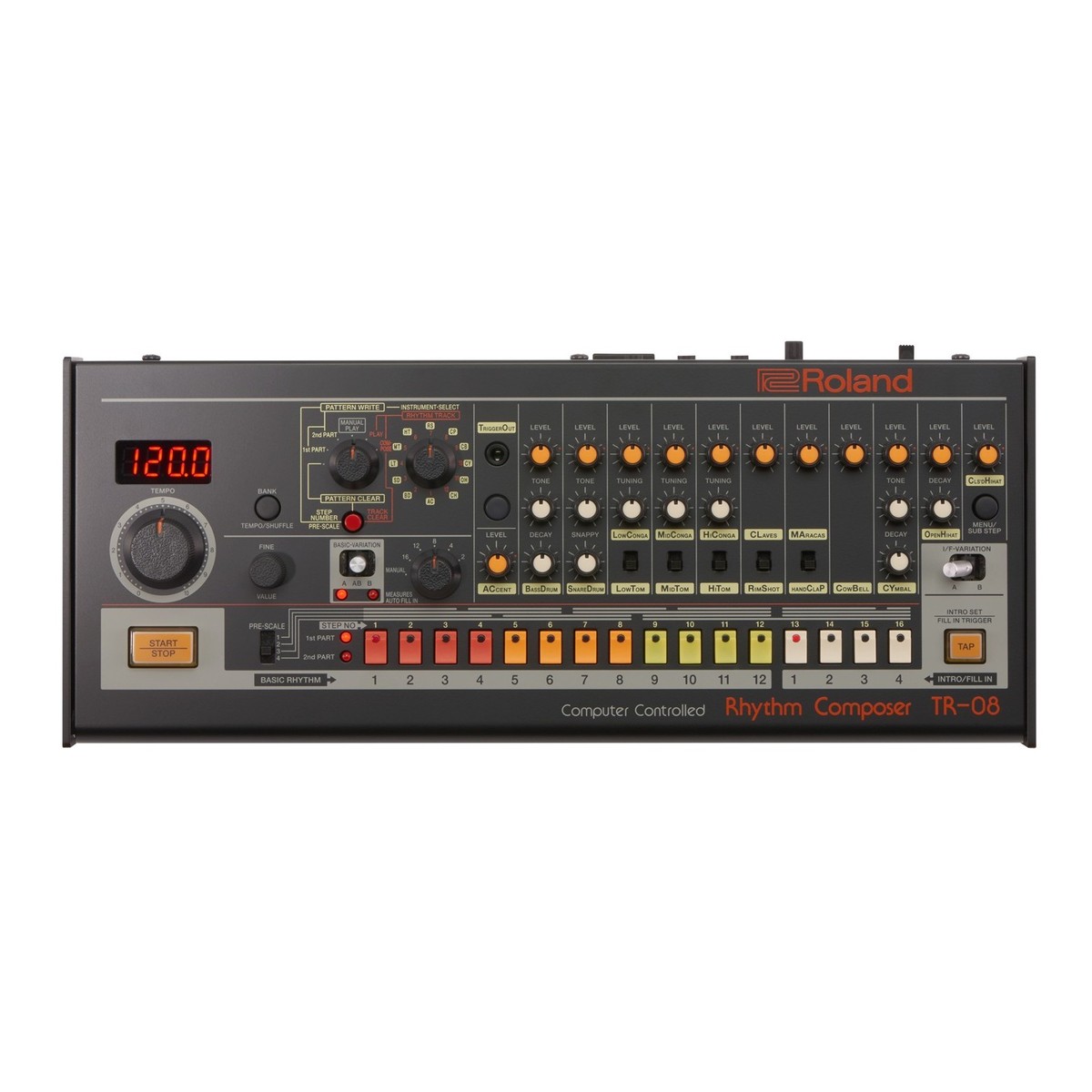
Roland Boutique TR-08 Rhythm Composer Drum Machine
 £281.50 ($358)
Behringer
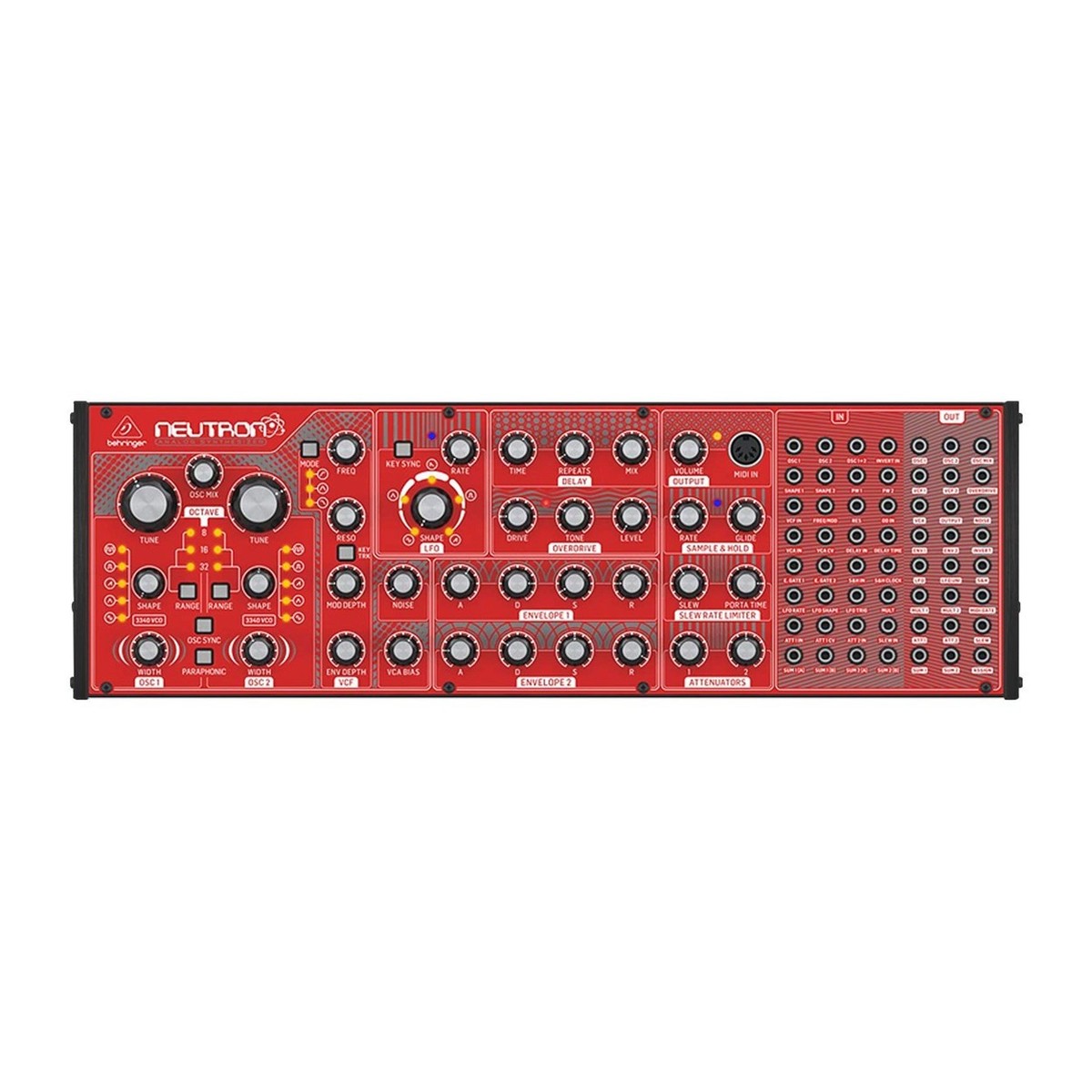
Behringer Neutron Semi-Modular Synthesizer
 £3,699.99 ($4,699)
Oberheim
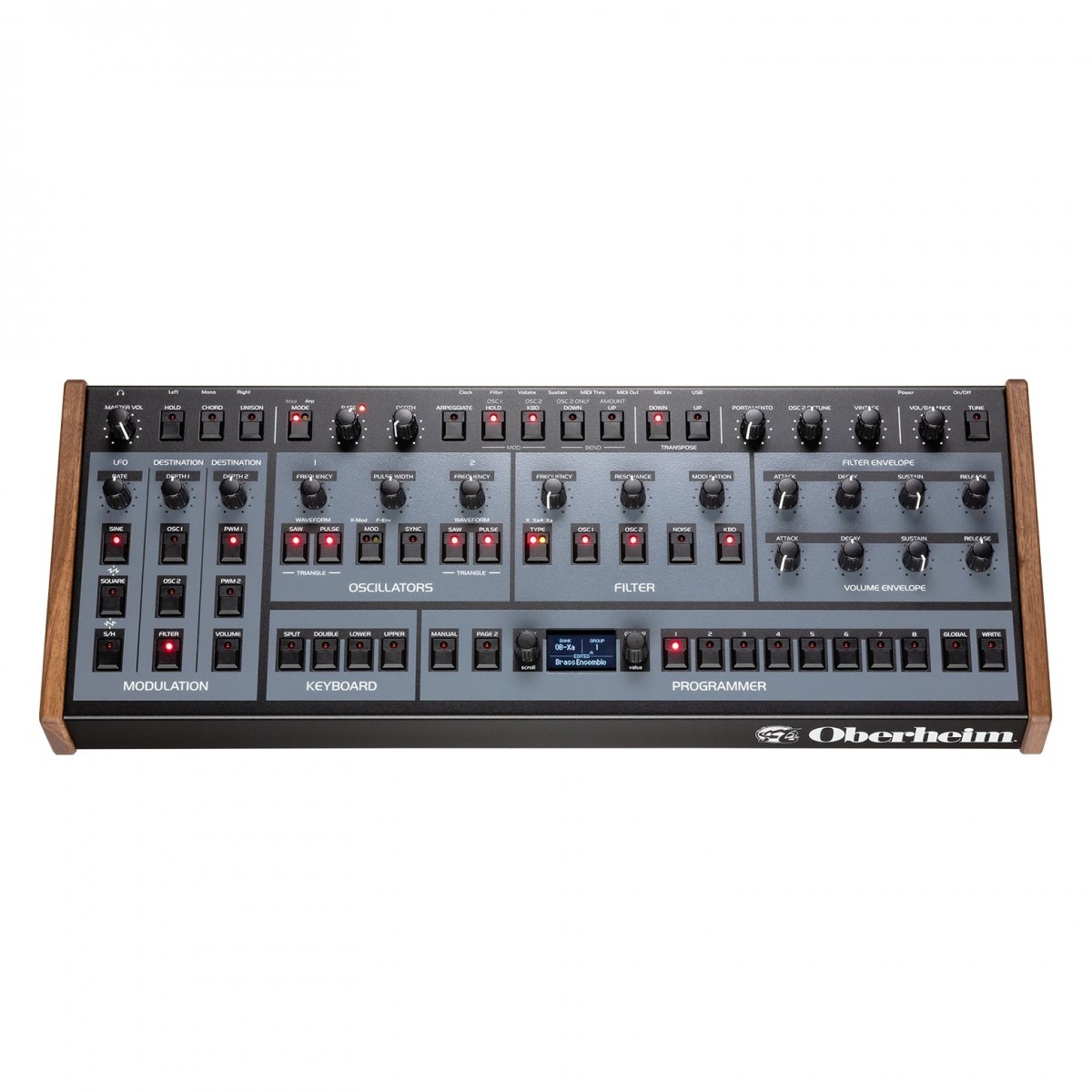
Oberheim OB-X8 Analog Synthesizer Desktop Module
 £527.01 ($669)
Yamaha
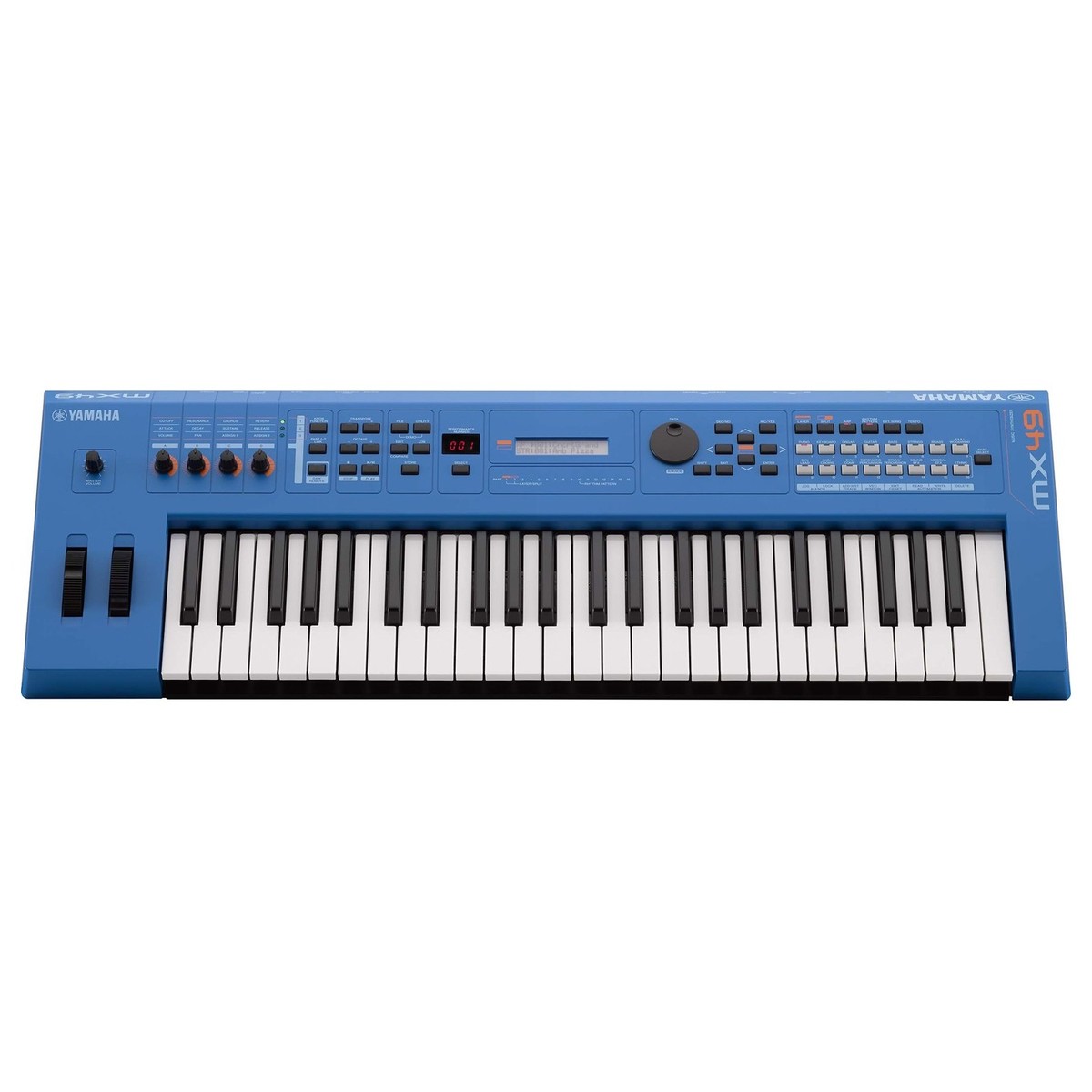
Yamaha MX49 II Music Production Synthesizer Blue
 £125.00 ($159)
Electro Harmonix
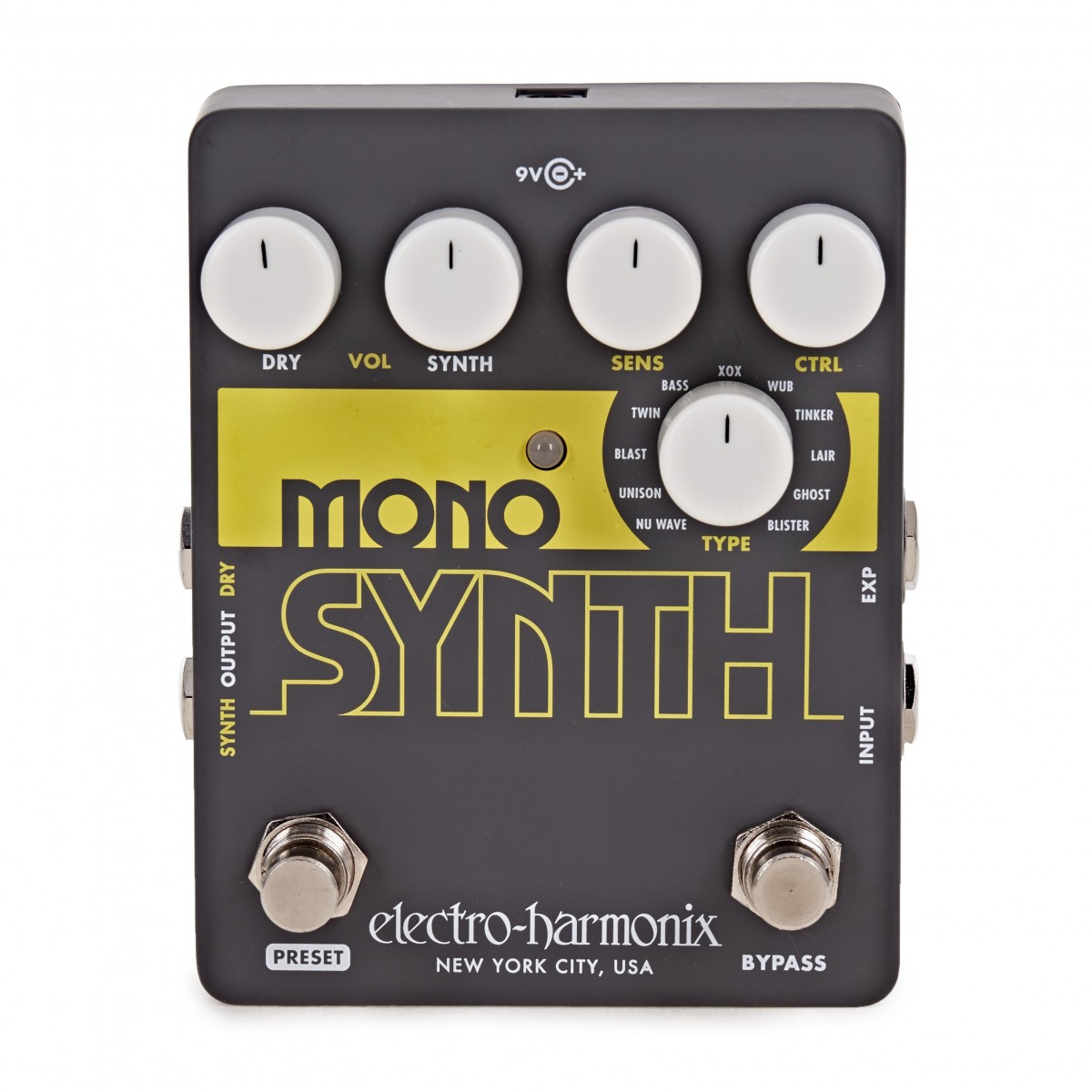
Electro Harmonix Mono Synth Guitar Synthesizer
 £2,247.69 ($2,855)
Viscount Organs
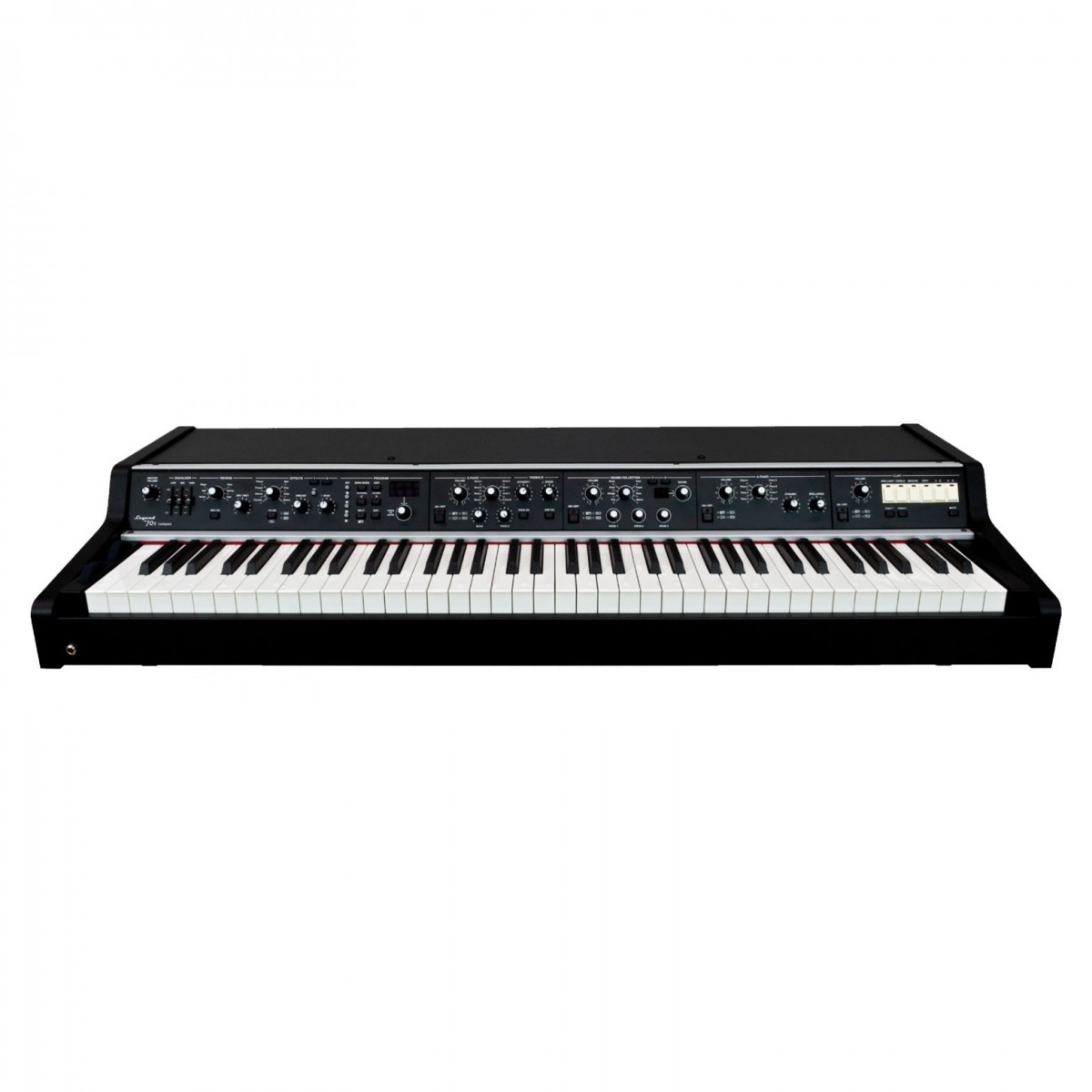
Viscount Legend 70s Compact EX Modular Stage Piano
 £645.81 ($820)
Yamaha
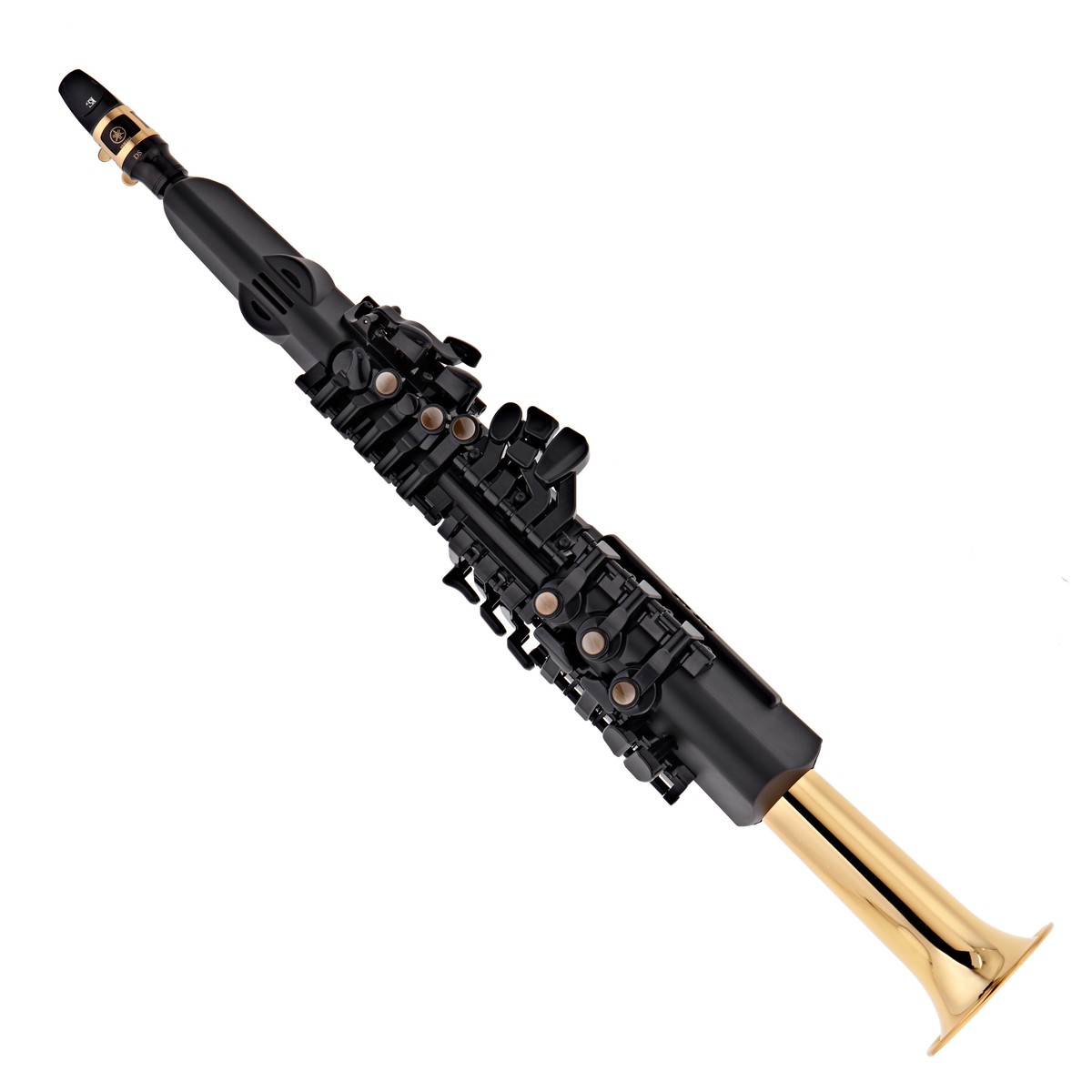
Yamaha YDS 150 Digital Wind Synthesizer
 £499.99 ($635)
Gear4Music
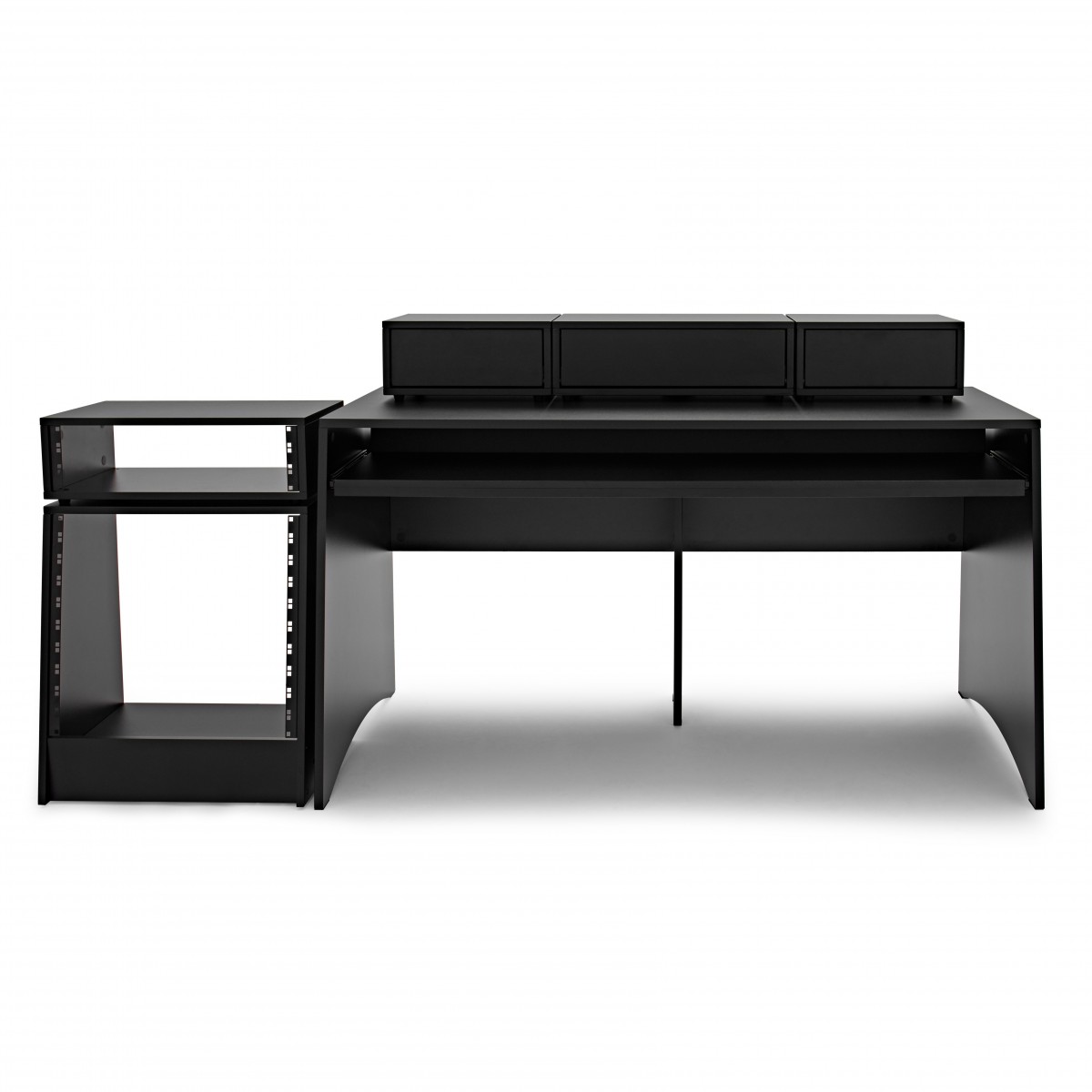
modul Modular Complete Studio System Black
Frequently asked questions
- What makes the Lyra-8 an 'organismic' synthesizer?
- It is described as organismic because its components are interconnected in a non-linear way, similar to biological systems. The voices interact with each other and the modulation sources to create complex, often unpredictable behaviours.
- How many voices does the SOMA Lyra-8 have?
- The instrument features eight independent voices. Each of these voices has its own tuning control and can be grouped into pairs for FM synthesis.
- Does the Lyra-8 have a traditional keyboard?
- No, it uses eight touch-sensitive metal plates instead of a standard keyboard. These plates respond to the contact of the user's fingers to trigger the sounds.
- What is the function of the Hyper LFO?
- The Hyper LFO consists of two LFOs that can be summed or multiplied to create complex modulation shapes. It is used to add rhythmic complexity and evolving patterns to the synthesizer's output.
- Can the Lyra-8 produce reverb effects?
- While it does not have a dedicated reverb, its Mod Delay section can be pushed to create dense, wash-like effects. These textures mimic the space and depth typically associated with high-quality reverb.
- Is the Lyra-8 suitable for traditional melodic music?
- While possible, it is challenging due to the manual tuning of each voice and the lack of a chromatic keyboard. It is primarily designed for drones, textures, and experimental soundscapes.
- What kind of synthesis does the Lyra-8 use?
- It primarily utilises a unique form of FM synthesis combined with additive principles. The voices modulate each other to create harmonically rich and complex wave shapes.
- What is the typical price for a Lyra-8 in the UK?
- The typical price range for a new SOMA Laboratory Lyra-8 is approximately £749. This reflects its status as a specialized boutique analogue instrument.
- What does the Mod Delay section do?
- The Mod Delay features two delay lines that can modulate each other. This setup allows for a range of effects including standard delays, chorus, and self-oscillating noise.
- How do you tune the Lyra-8?
- Each of the eight voices has a dedicated tuning knob. Users must tune each voice by ear, which encourages the creation of microtonal scales and rich harmonic clusters.
- Is the signal path of the Lyra-8 analogue or digital?
- The Lyra-8 features an entirely analogue signal path, including the oscillators and the delay. This contributes to its warm, grit-prone, and organic sound character.
- Who is the Lyra-8 best suited for?
- It is ideal for sound designers, ambient composers, and experimental musicians. It rewards performers who enjoy tactile exploration and hands-on interaction with sound.