
Gear article
SOMA Laboratory PULSAR-23 Organismic Drum Machine
The SOMA Laboratory PULSAR-23 is a semi-modular 'organismic' drum synthesizer designed by Vlad Kreimer, featuring fully analog circuitry and 23 independent modules. Housed in a compact chassis, it utilizes a unique interface of metal screw terminals for patching, allowing for complex, non-linear rhythmic structures and grit-heavy percussive sounds.
See live pricesOverview
The PULSAR-23 is a standalone drum machine that departs from traditional step-sequencer paradigms, offering what the manufacturer describes as an 'organismic' approach. This means the internal components are designed to interact in ways similar to biological systems, where modules can influence one another through a vast array of over 100 patch points. The machine is built around four main drum channels: BD (Bass Drum), Bass (a monophonic synth), SD (Snare Drum), and HHT (Hi-Hat).
Unlike traditional synthesizers that use 3.5mm or 6.35mm jacks, this version of the PULSAR-23 features robust metal screw connectors. Patching is performed by clipping alligator cables or using conductive wire between these terminals, facilitating rapid experimentation and the ability to connect multiple points to a single terminal easily.
Architecture and Features
The device's architecture is comprised of 23 independent modules. Key components include:
- Drum Channels: Four voices tailored for kick, bass, snare, and hats.
- Envelopes: Four envelope generators for shaping the amplitude and modulation of sounds.
- Loop Recorders: Four independent recorders that allow the user to capture and loop rhythmic events rather than programming them into a grid.
- Processing: An onboard FX processor provides tools for adding texture and colour to the analog signals.
- Modulation: A wide array of utilities including LFOs, shavers, and inverters are accessible via the screw terminals.
The interface is tactile, featuring 52 knobs and 11 switches, providing direct access to almost every parameter without the need for menu diving.
Sound Character
The PULSAR-23 is known for its distinct analog warmth and grit. Because the circuitry is fully analog, the machine excels at creating organic, slightly unstable, and powerful drum sounds. It ranges from clean, punchy kicks to chaotic, distorted textures and feedback-driven percussion. The 'organismic' design encourages the creation of evolving rhythms that feel alive, moving away from the static nature of digital drum machines.
Target Audience and Comparison
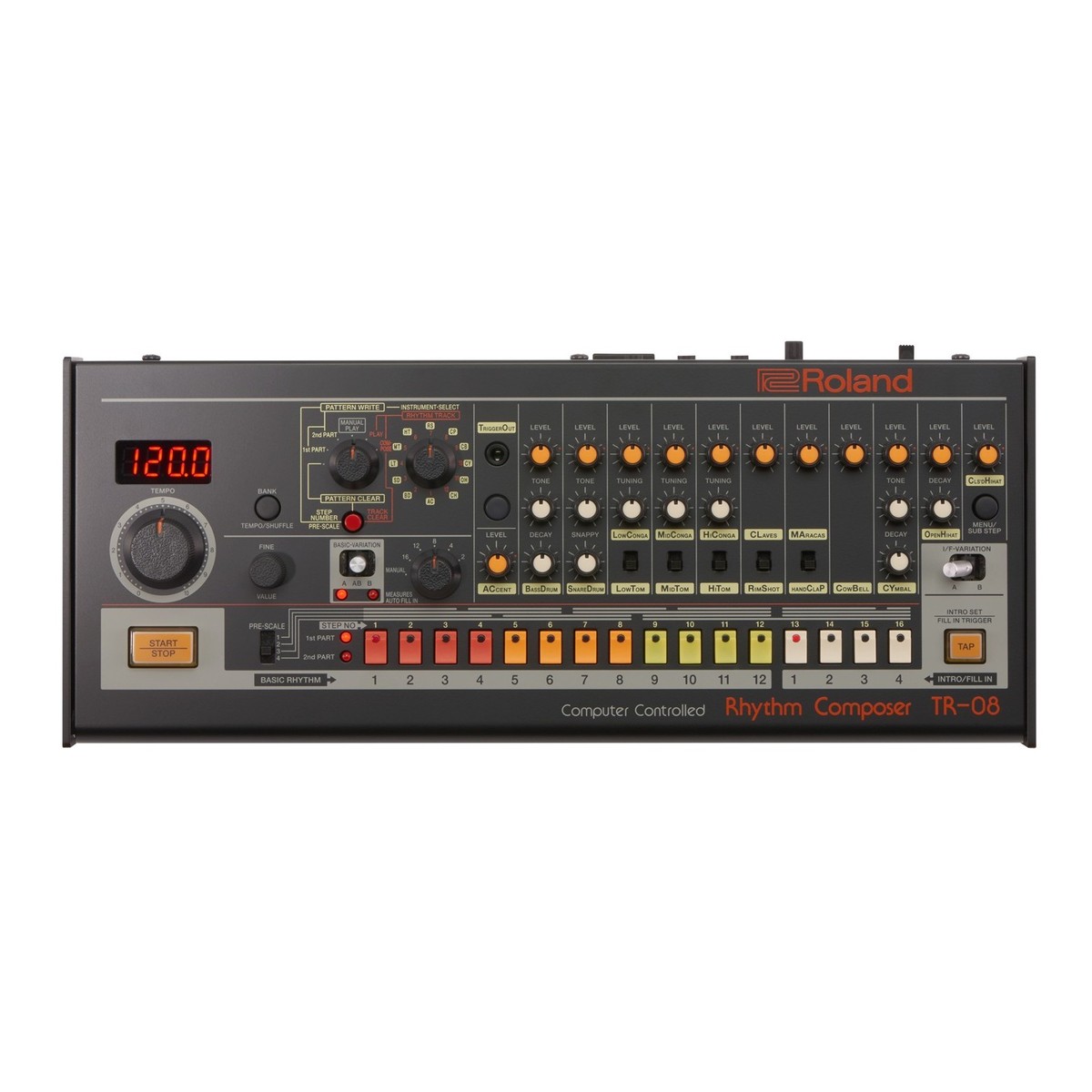
This instrument suits sound designers, experimental musicians, and live performers who require a high degree of improvisational control. While traditional machines like the Roland TR-08 provide iconic, structured rhythms, the PULSAR-23 is aimed at those looking for unique, non-standard percussive voices.
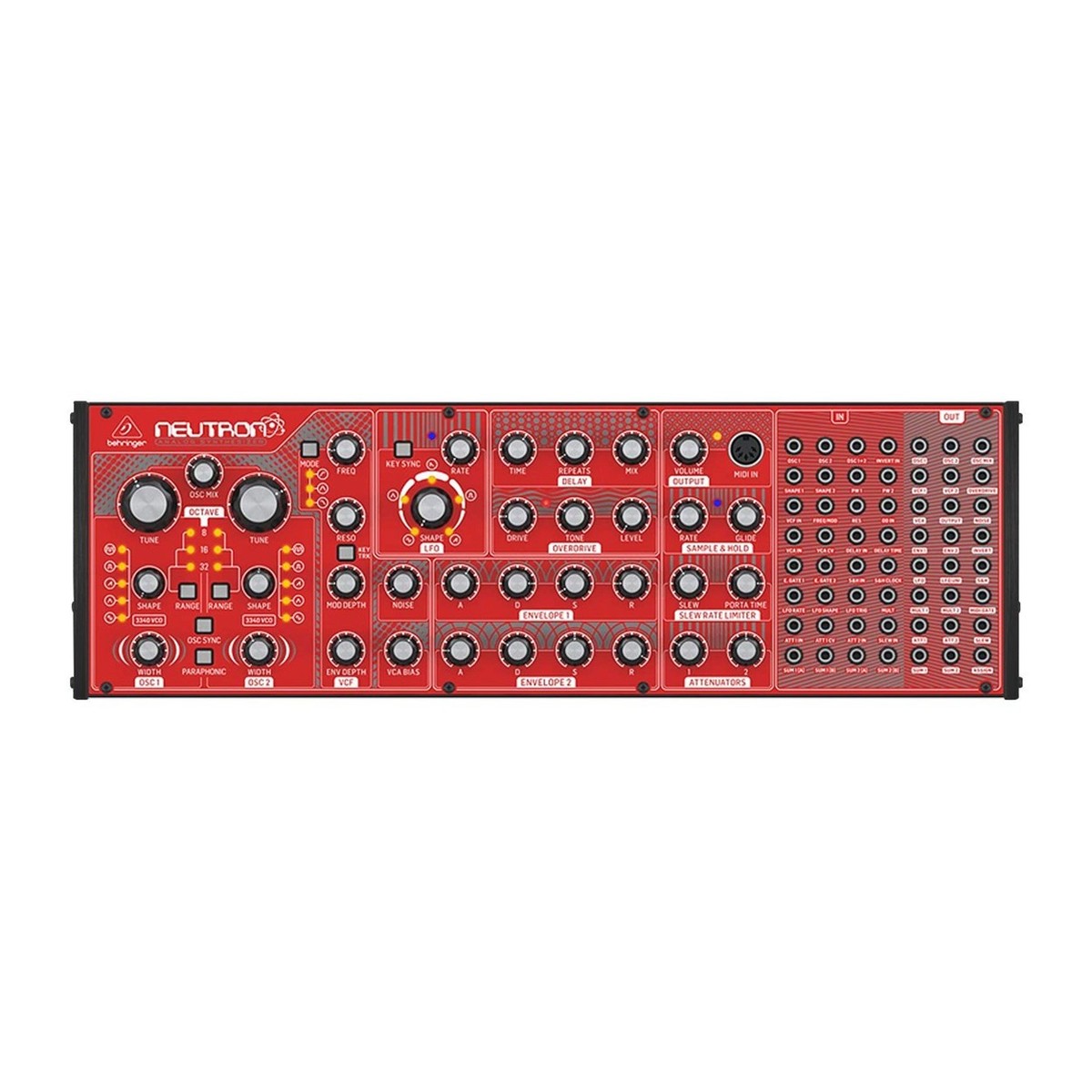
Compared to semi-modular units like the Behringer Neutron, the PULSAR-23 is more specialised for rhythm and percussive synthesis. While modular systems like the Gear4Music modul studio provide a broad canvas, the PULSAR-23 offers a highly integrated, specific workflow that prioritises 'live' interaction and cross-modulation between drum voices and effects.
Related gear
 £368.00 ($467)
Roland
Roland Boutique TR-08 Rhythm Composer Drum Machine
 £239.00 ($304)
Behringer
Behringer Neutron Semi-Modular Synthesizer
 £3,599.00 ($4,571)
Oberheim
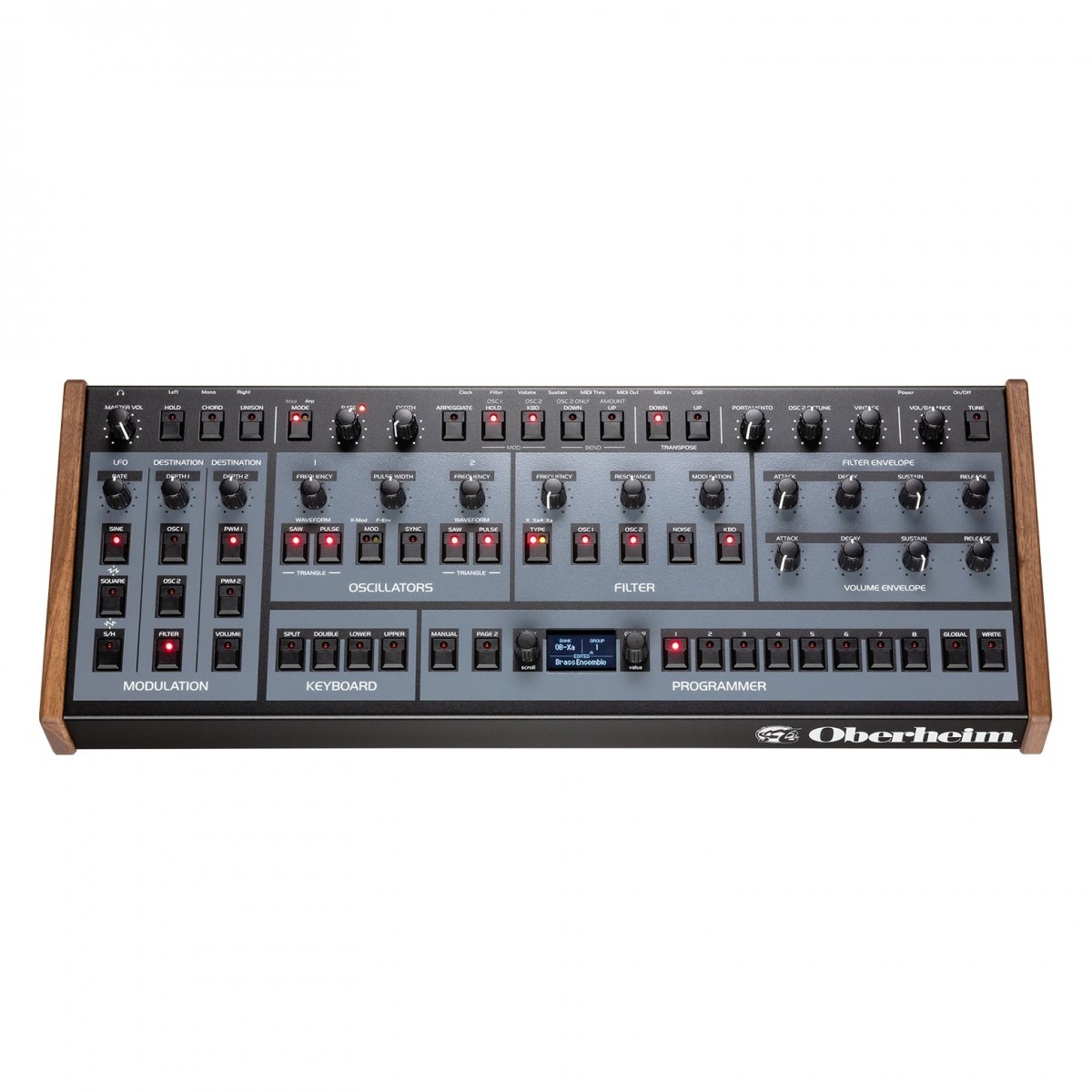
Oberheim OB-X8 Analog Synthesizer Desktop Module
 £454.00 ($577)
Yamaha
Yamaha MX49 II Music Production Synthesizer Blue
 £113.00 ($144)
Electro Harmonix
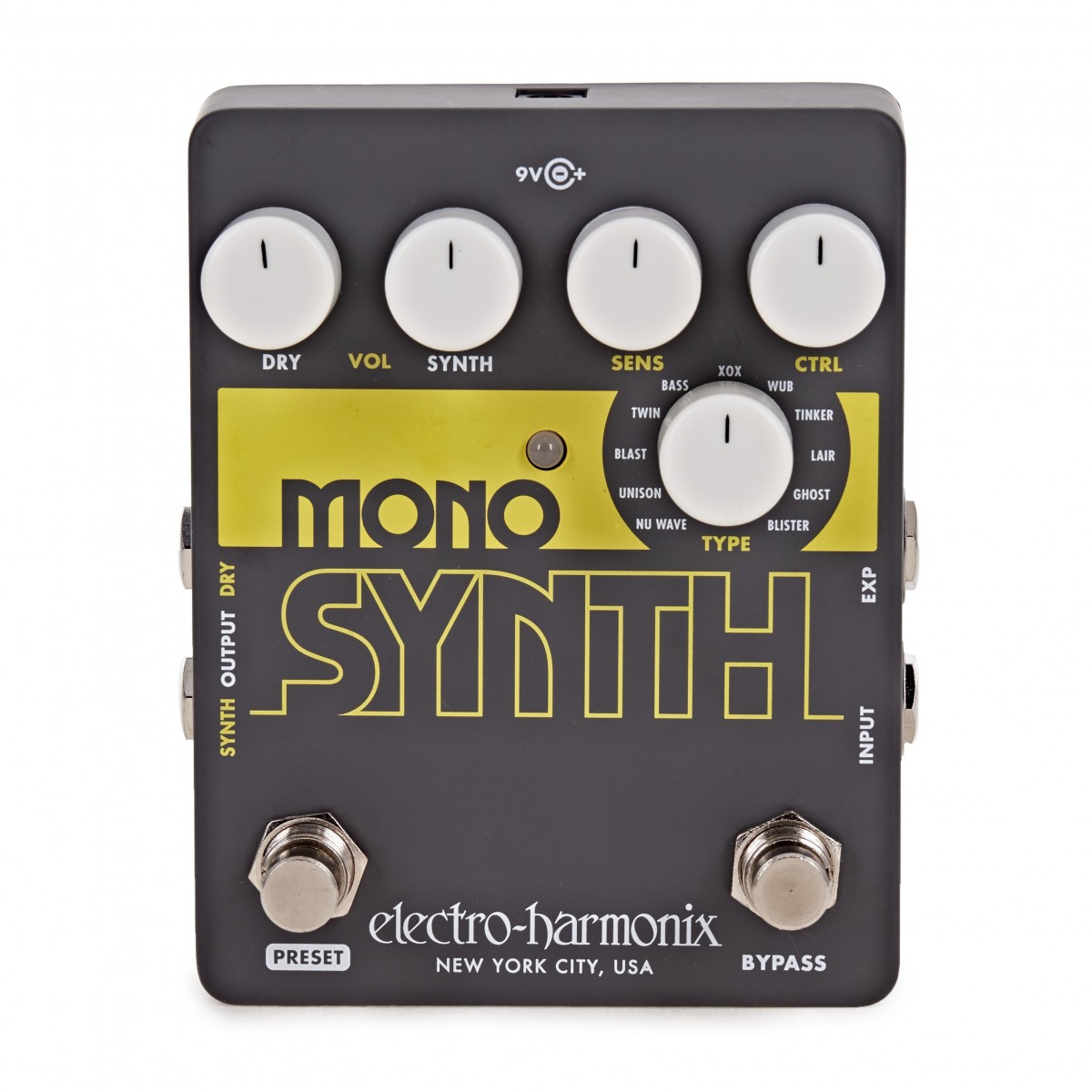
Electro Harmonix Mono Synth Guitar Synthesizer
 £2,248.64 ($2,856)
Viscount Organs
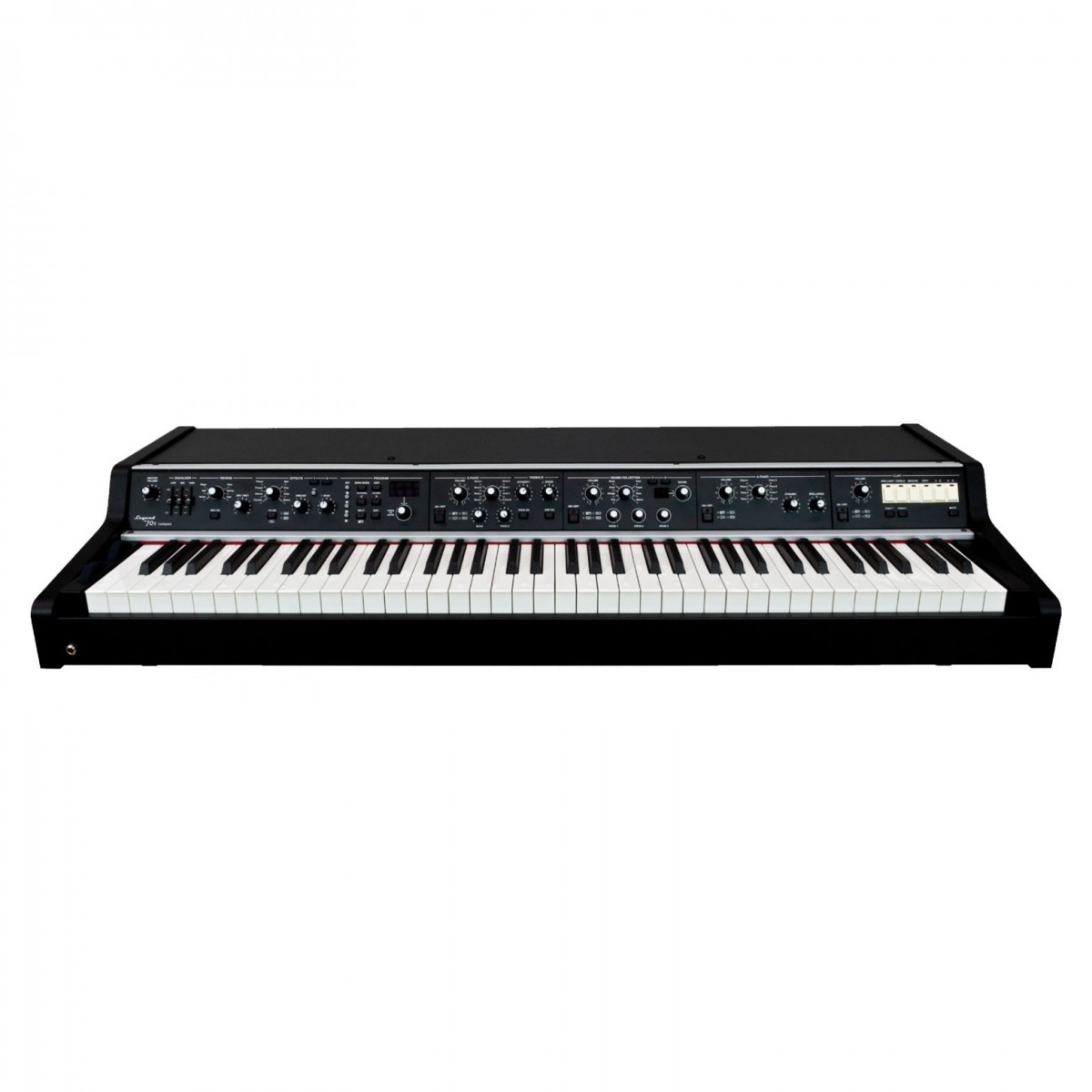
Viscount Legend 70s Compact EX Modular Stage Piano
 £637.97 ($810)
Yamaha
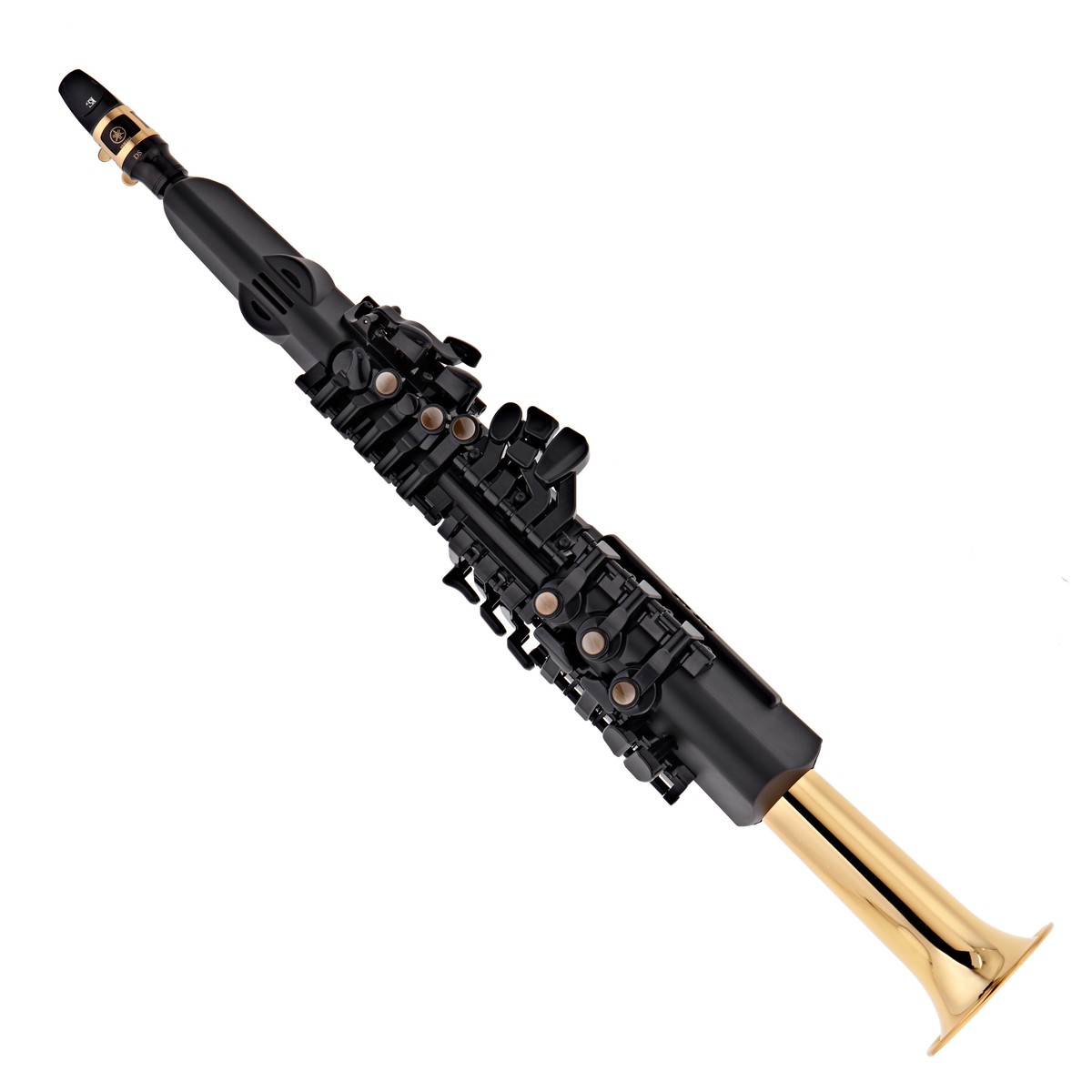
Yamaha YDS 150 Digital Wind Synthesizer
 £499.99 ($635)
Gear4Music
modul Modular Complete Studio System Black
Frequently asked questions
- What makes the PULSAR-23 'organismic'?
- It is referred to as organismic because its modules are highly interconnected, allowing for feedback loops and interactions where one part of the machine behaves as part of a whole system, similar to a living organism.
- How do you patch the PULSAR-23?
- Instead of standard patch cables, it uses metal screw terminals. Users connect different points using alligator clips or bare wires, allowing for multiple connections to a single point.
- How many drum channels does it have?
- The machine features four independent drum channels: Bass Drum, Bass Synth, Snare Drum, and Hi-Hat.
- Does it have a traditional step sequencer?
- No, it uses four independent loop recorders. These capture the timing of your manual triggers rather than snapping them to a rigid 16-step grid, though they can be synced.
- Is the signal path digital or analog?
- The PULSAR-23 features fully analog circuitry, which provides its characteristic warmth, grit, and harmonic richness.
- How many knobs and switches are on the front panel?
- The interface is equipped with 52 knobs and 11 switches, providing extensive manual control over the internal parameters.
- How many patch points are available?
- There are over 100 patch points distributed across the 23 modules, offering deep modulation possibilities.
- What kind of FX processor is included?
- It features an onboard digital FX processor that allows users to add texture, spatial effects, and colour to the analog drum sounds.
- What is the typical price for this unit?
- The typical price for the SOMA Laboratory PULSAR-23 is approximately GBP 1666.
- Can it be used for melodic sequences?
- Yes, while it is a drum machine, the 'Bass' channel is a dedicated monophonic synthesizer that can be used for melodic basslines and sequences.
- What are the four envelope generators used for?
- The four envelope generators are used to control the volume or timbre of the sounds over time, and they can be patched to modulate various parameters via the screw terminals.
- Is the chassis suitable for portable use?
- Yes, the PULSAR-23 is housed in a sleek and ergonomic compact chassis, making it a standalone unit suitable for both studio and live performance environments.