Gear article
Sonor Orff Meisterklasse Sub Contra Bass Single Chime Bar D
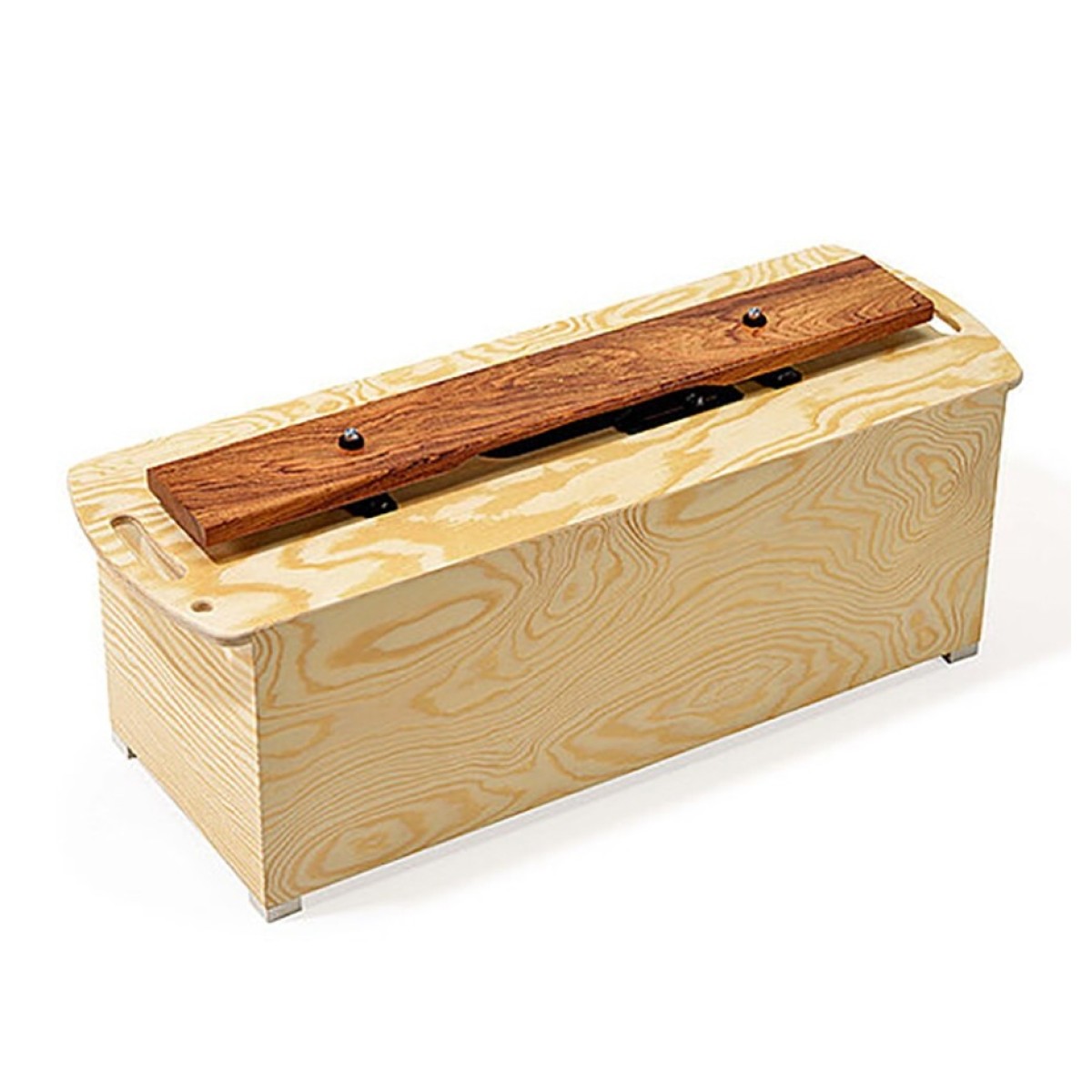
The Sonor Orff Meisterklasse Sub Contra Bass Single Chime Bar D is a professional-grade percussion instrument designed to provide deep, resonant low-end tones in educational and ensemble settings. Featuring a genuine rosewood sound bar and overtone tuning, it delivers a precise pitch and warm, full-bodied character.
Background and Design
The Meisterklasse series represents Sonor’s commitment to the Orff-Schulwerk methodology, offering high-fidelity instruments for music education. This specific sub-contra bass chime bar is engineered to provide the foundation for an ensemble's harmonic structure.
The instrument is constructed using a heavy pine resonator box, which is chosen for its structural integrity and acoustic properties. The sound bar itself is made from genuine rosewood, a material traditionally preferred in high-end percussion for its balanced frequency response and natural warmth. Following German craftsmanship standards, the instrument is built for longevity in demanding classroom environments.
Acoustics and Functionality
A defining feature of the Meisterklasse Sub Contra Bass Chime Bar is its overtone tuning. This process ensures that the fundamental pitch is clean and free from dissonant harmonics, which is critical at lower frequencies where pitch definition can often become blurred.
To provide further control for the player, the unit includes an adjustable sound hole. This allows the educator or performer to manually tailor the sustain and volume of the note. By adjusting the aperture, the resonance can be shortened for percussive, rhythmic passages or lengthened for atmospheric, sustained drones.
Sonic Character
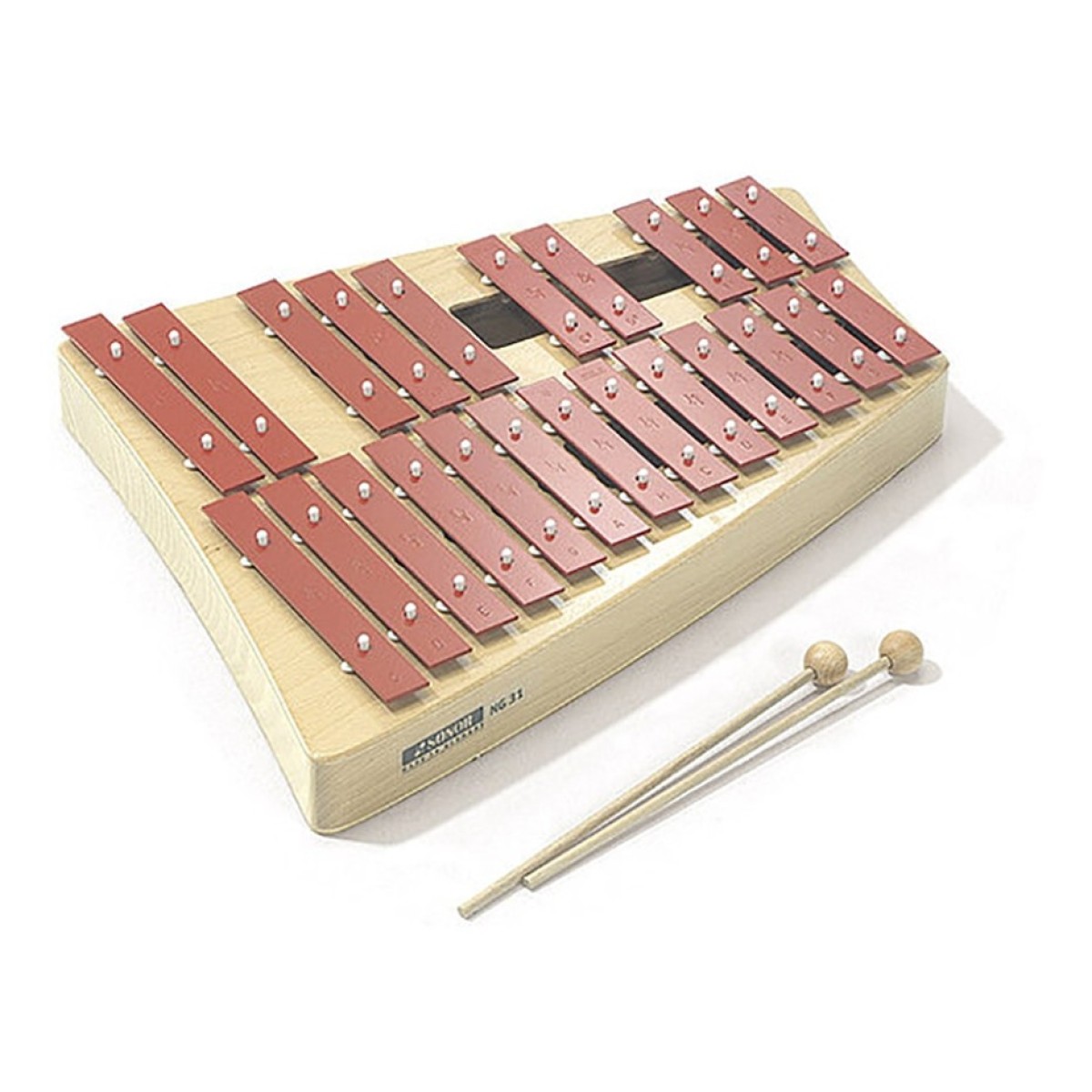
The sound profile of this D chime bar is characterised by a rich, dark timbre with significant low-end depth. The rosewood bar contributes a 'sweet' top-end attack that clarifies the note, while the pine resonator amplifies the fundamental frequency to fill a room without the need for electronic amplification. Its precision tuning makes it compatible with other professional Orff instruments, such as the Sonor NG31 Alto Chromatic Glockenspiel.
Target Audience and Applications
This instrument is primarily intended for:
- Music Educators: Those following the Orff-Schulwerk approach who require a reliable bass foundation.
- Ensemble Leaders: Conductors looking for a portable alternative to larger marimbas or orchestral bass instruments.
- Therapists: Practitioners using low-frequency resonance for sound therapy or sensory work.
While it is a single-note instrument, its specific tuning to D makes it an essential component for ensembles performing in the keys of G major, D major, or B minor.
Comparison to Alternatives
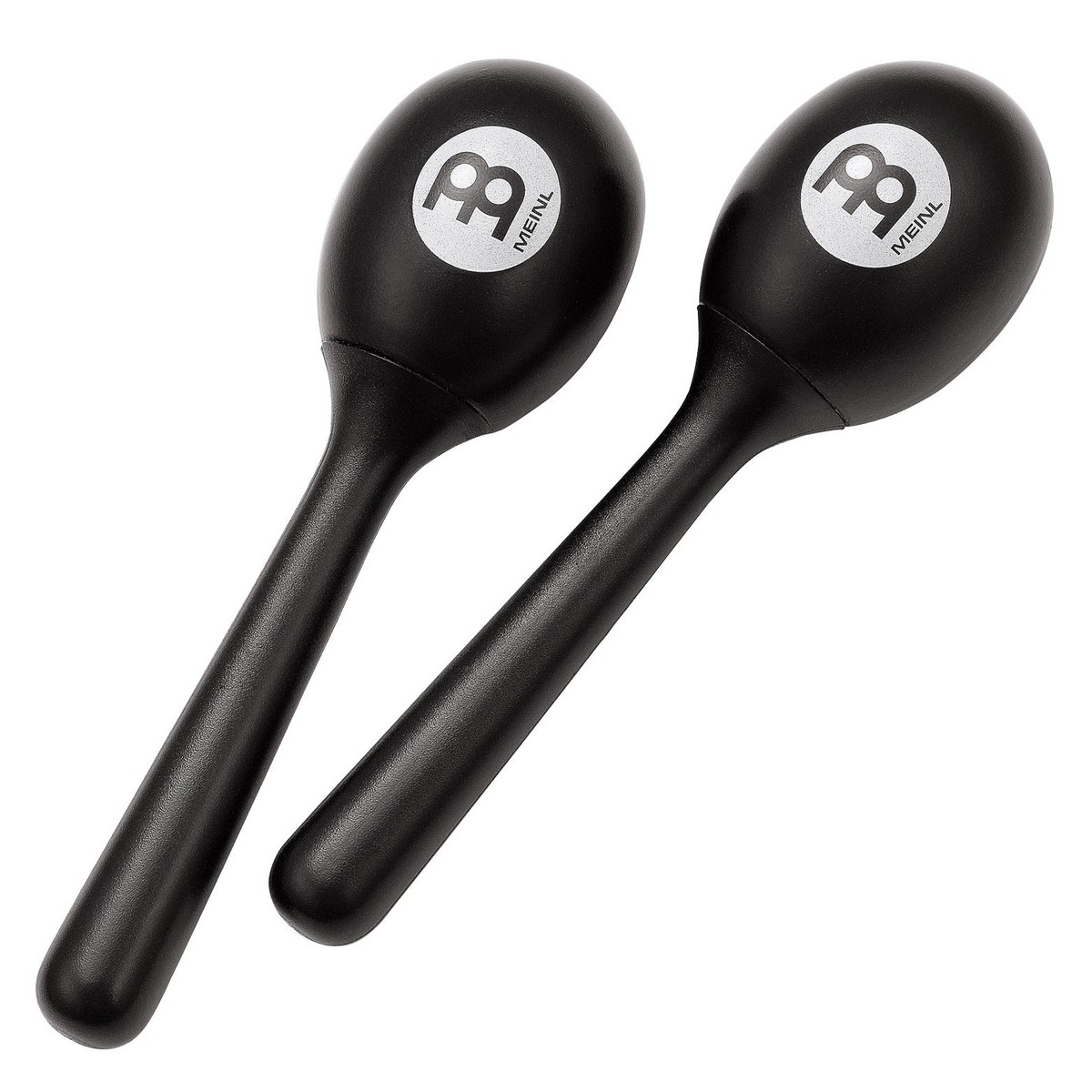
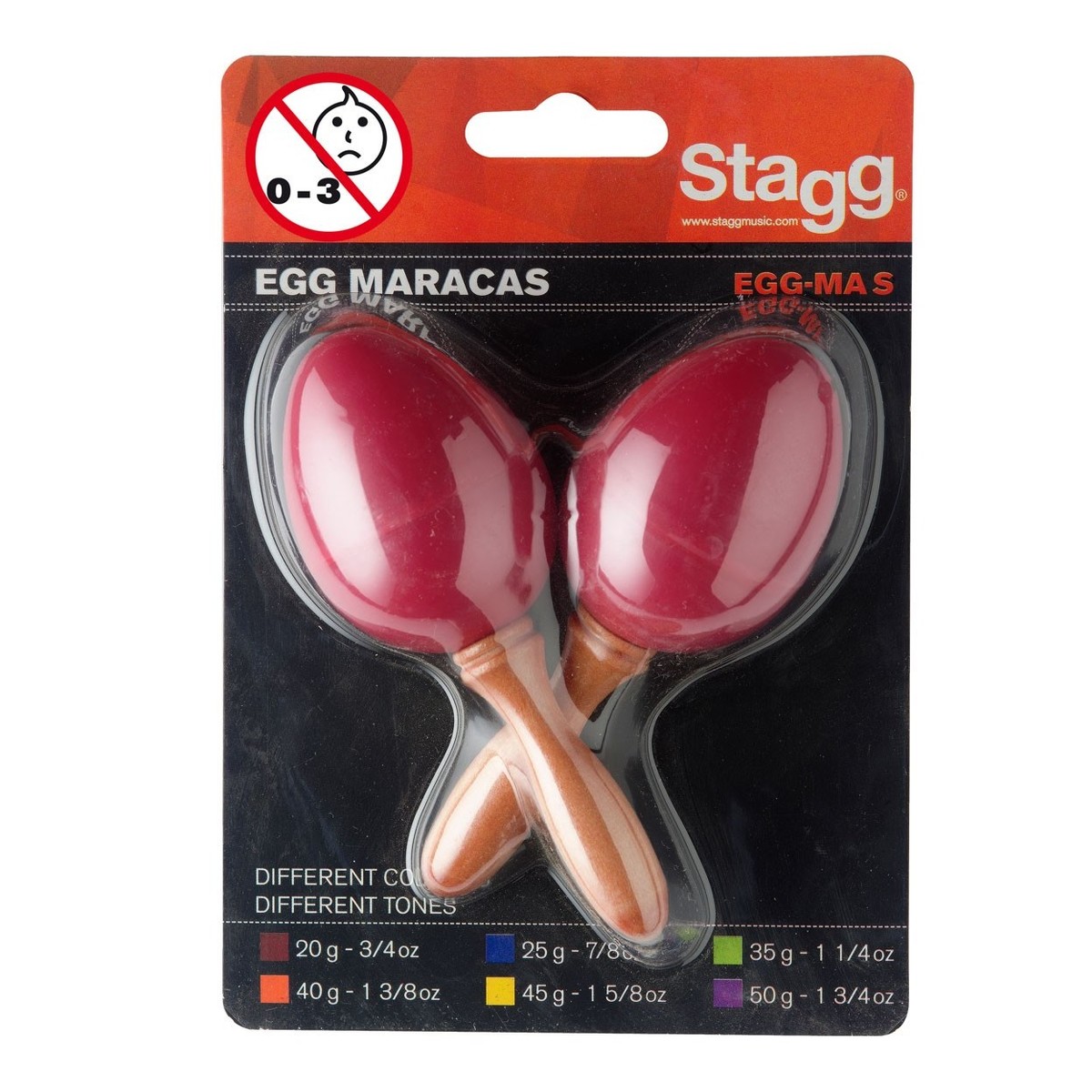
Compared to standard bass chime bars, the Sub Contra Bass series offers a significantly lower frequency range. While handheld percussion like Meinl or Stagg egg maracas provide rhythmic high-frequency texture, the Sonor Sub Contra Bass provides the melodic and harmonic anchor.
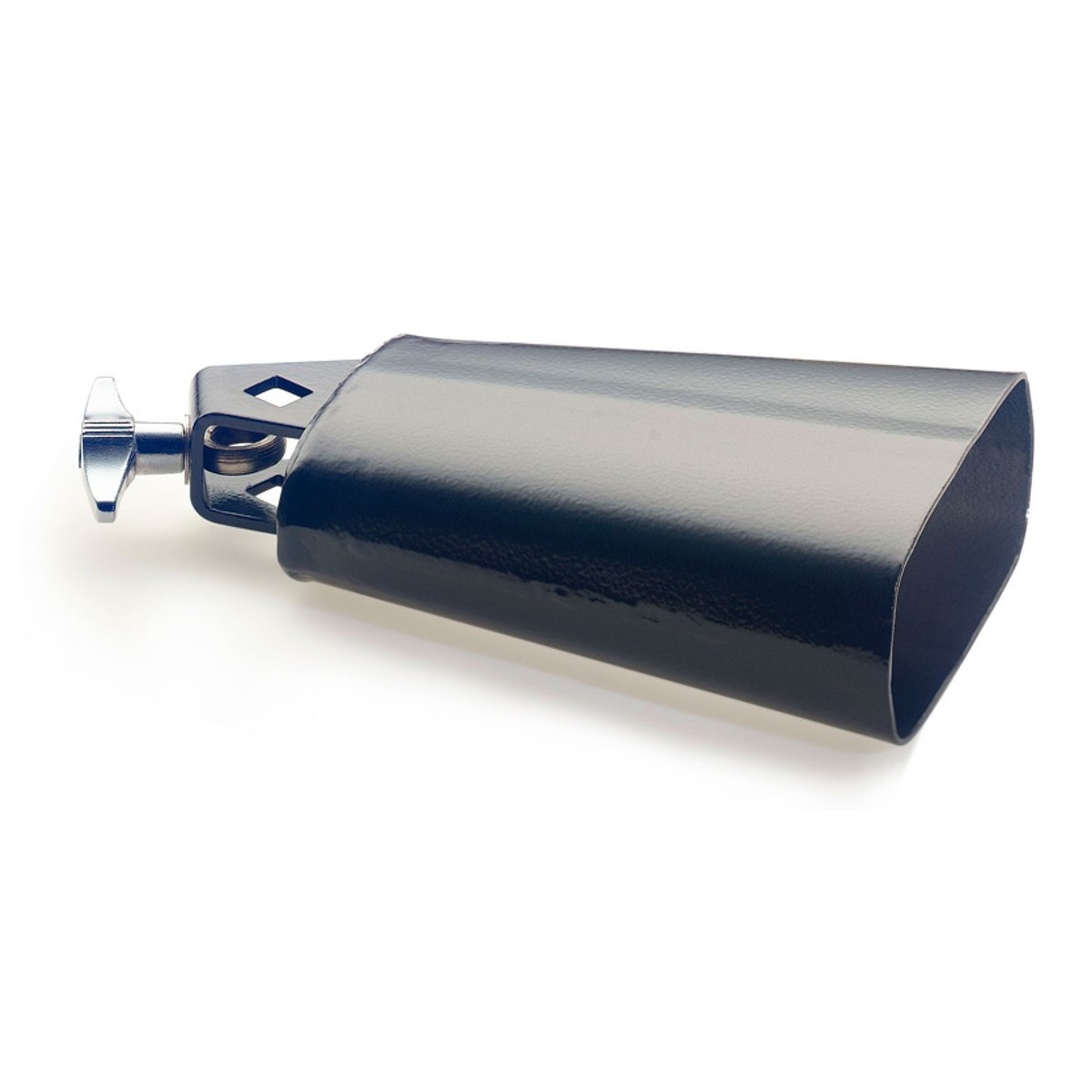
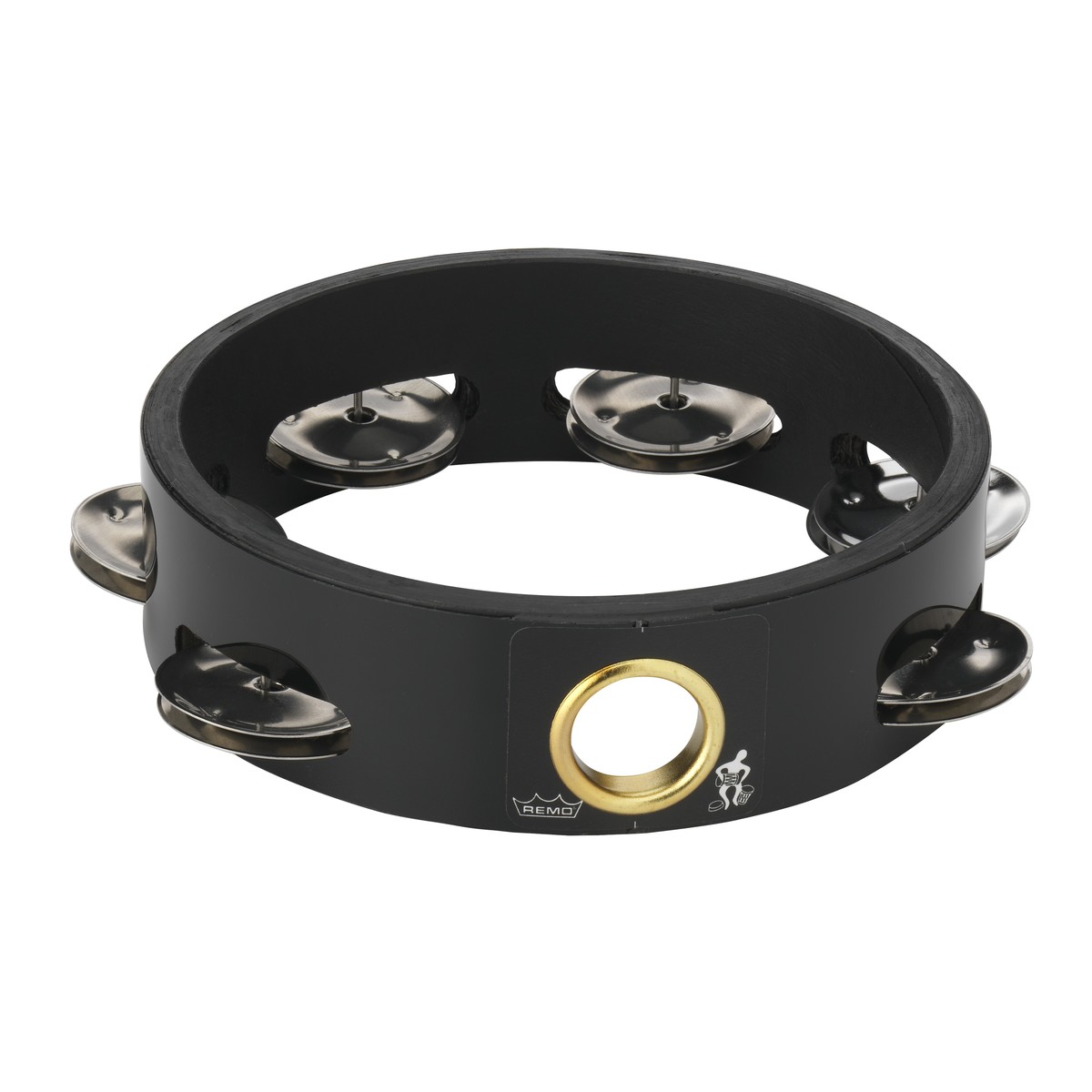
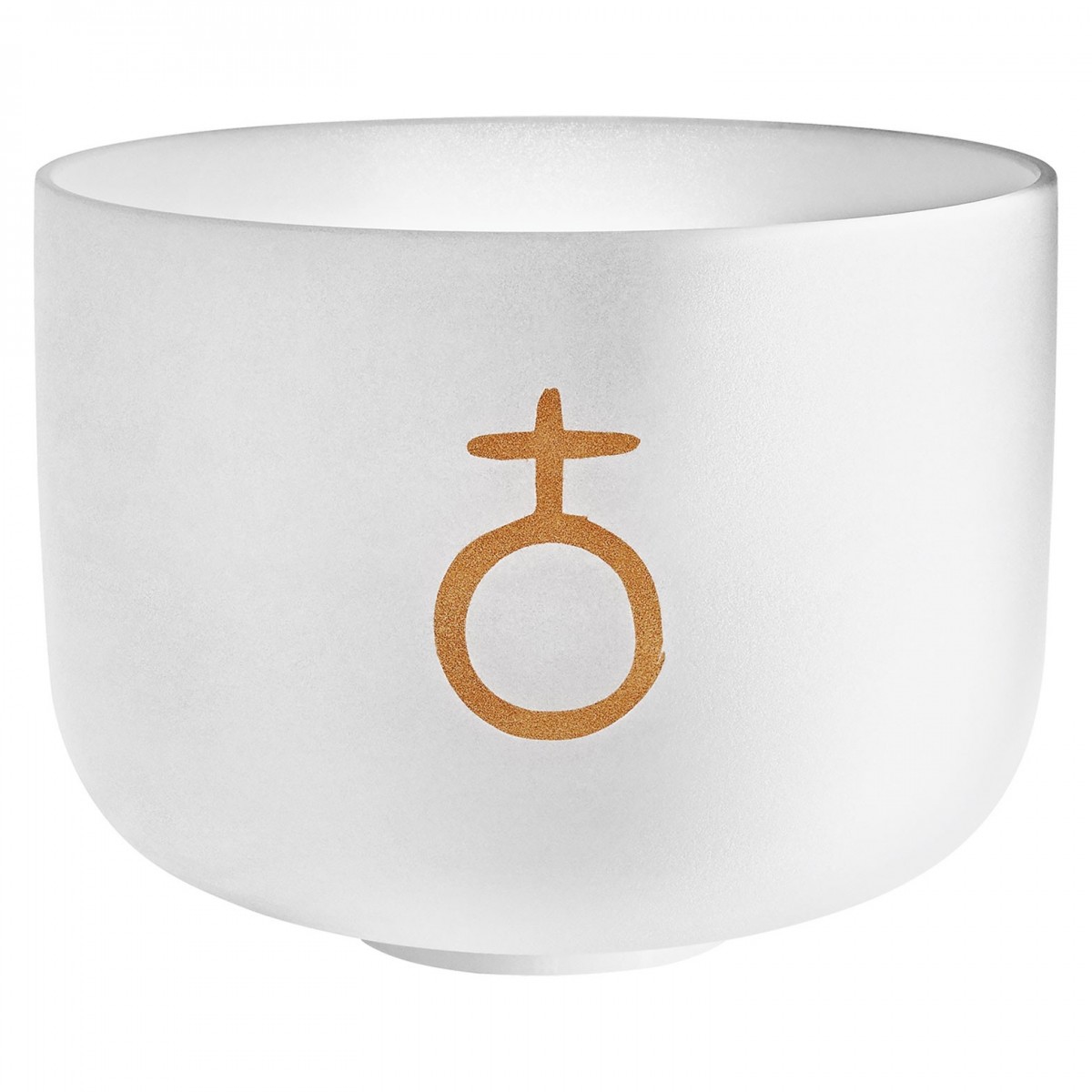
In contrast to metal-based tuned percussion like the Remo Headless Tambourine or Stagg Cowbells, the Meisterklasse rosewood bar offers a much warmer, organic decay. The adjustable resonator also gives it a versatility not found in fixed-volume instruments like planetary tuned crystal singing bowls.
Related gear
 £3.99 ($5)
Stagg
Stagg Plastic Egg Maracas Red
 £9.99 ($13)
Stagg
Stagg Rock 5-1/2" Cowbell Black
 £119.00 ($151)
Sonor
Sonor Orff NG31 Alto Chromatic Glockenspiel
 £23.70 ($30)
Remo
Remo 6 Single Row Headless Tambourine Black
 £299.00 ($380)
Meinl
Meinl Planetary Tuned Crystal Singing Bowl 12" Earth Year / Om
 £16.00 ($20)
Fender
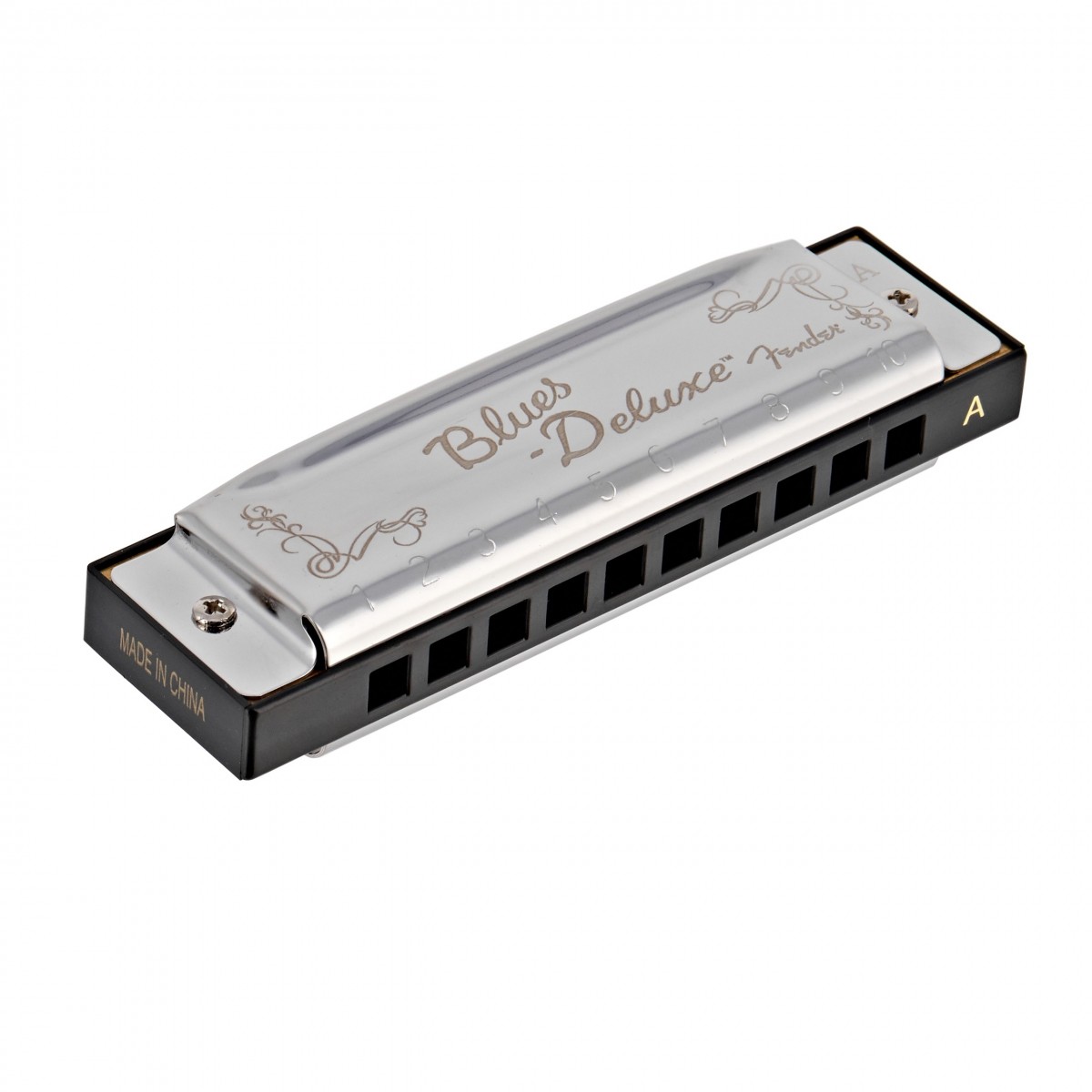
Fender Blues Deluxe Harmonica A
 £23.80 ($30)
Meinl
Meinl Spin Spark Shaker Black Nickel
- £8.11 ($10)
Meinl
Meinl Small Plastic Egg Maracas Black
Frequently asked questions
- What note is this specific chime bar tuned to?
- This specific model is tuned to the note D in the Sub Contra Bass register, providing a deep, low-frequency tone.
- What material is used for the sound bar?
- The sound bar is crafted from genuine rosewood, which is highly regarded for its warm and resonant tonal properties.
- How does the adjustable sound hole work?
- The adjustable sound hole allows the user to change the size of the opening on the resonator box. This enables manual control over the instrument's volume and the length of its sustain.
- What type of wood is the resonator box made from?
- The resonator box is made from pine, which is chosen for its durability and its ability to support low-frequency resonance.
- What is overtone tuning?
- Overtone tuning is a precision process where the harmonics of the bar are tuned to be in harmony with the fundamental pitch. This results in a cleaner, more accurate sound compared to standard tuning.
- Is this instrument suitable for professional use?
- Yes, as part of the Sonor Meisterklasse series, it is designed with German craftsmanship to meet the standards of professional educators and performers.
- Can I use this chime bar on its own?
- Yes, it can be used as a standalone solo instrument for drones or rhythmic accents, though it is often used as part of a larger Orff instrument collection.
- How much does the Sonor Meisterklasse Sub Contra Bass Chime Bar typically cost?
- The typical price for this single chime bar is approximately £459, reflecting its professional build quality and materials.
- Where is this instrument manufactured?
- The instrument is manufactured by SONOR in Germany, following their specific quality control and craftsmanship standards.
- Does this instrument require power or amplification?
- No, it is a purely acoustic percussion instrument. Its pine resonator box is designed to naturally amplify the sound of the rosewood bar.
- How does this compare to a standard bass chime bar?
- The Sub Contra Bass version is tuned much lower than a standard bass chime bar, providing the deepest possible tones in the Orff instrument range.
- Is a mallet included with the purchase?
- While specific retail bundles may vary, the standard item is usually the single chime bar itself. A soft bass mallet is typically required to produce the best tone from a sub-contra bass bar.