Gear article
Source Audio Aftershock Bass Distortion
The Source Audio Aftershock Bass Distortion is a versatile digital effect pedal designed specifically for bass guitar, offering a broad range of drive sounds from vintage tube saturation to modern fuzz. It features compact hardware controls paired with extensive digital customisation via the Neuro mobile application.
See live pricesOverview
The Source Audio Aftershock is a compact distortion pedal engineered to provide bassists with a comprehensive library of overdrive and fuzz tones. By combining traditional analogue-style tactile controls with high-fidelity digital processing, the pedal aims to replace multiple drive units on a pedalboard. Its design focuses on maintaining low-end clarity, a common challenge for bass distortion effects.
Functional Design and Features
The pedal features four primary control knobs: Drive, Level, Clean, and Tone. The 'Clean' control is particularly significant for bassists, as it allows the unaffected dry signal to be blended back into the distorted path, ensuring the fundamental frequency and punch of the bass are preserved.
A three-way toggle switch allows users to cycle between three distinct base engines: * Tube: Mimics the subtle saturation and warmth of vintage valve amplifiers. * Heavy: Provides a more aggressive, modern distortion with increased gain. * Fuzz: Offers thick, saturated tones characteristic of classic fuzz circuits.
Neuro Mobile App Integration
While the physical interface is straightforward, the Aftershock is fully compatible with Source Audio's Neuro mobile app. Connecting the pedal to a smartphone via the Neuro app unlocks deeper editing capabilities. Users can access a vast library of additional distortion engines, adjust intricate parameters such as internal EQ and routing, and download presets created by the manufacturer and other users.
Sound Character
The sonic character of the Aftershock is defined by its versatility. It can produce everything from smooth, 'always-on' grit that adds character to a clean signal, to extreme, harmonically rich fuzz suitable for heavy genres. The inclusion of the Tone and Clean blend controls ensures that the distortion never sounds thin, maintaining the 'full developed tone' described by the manufacturer.
Target Audience and Comparison
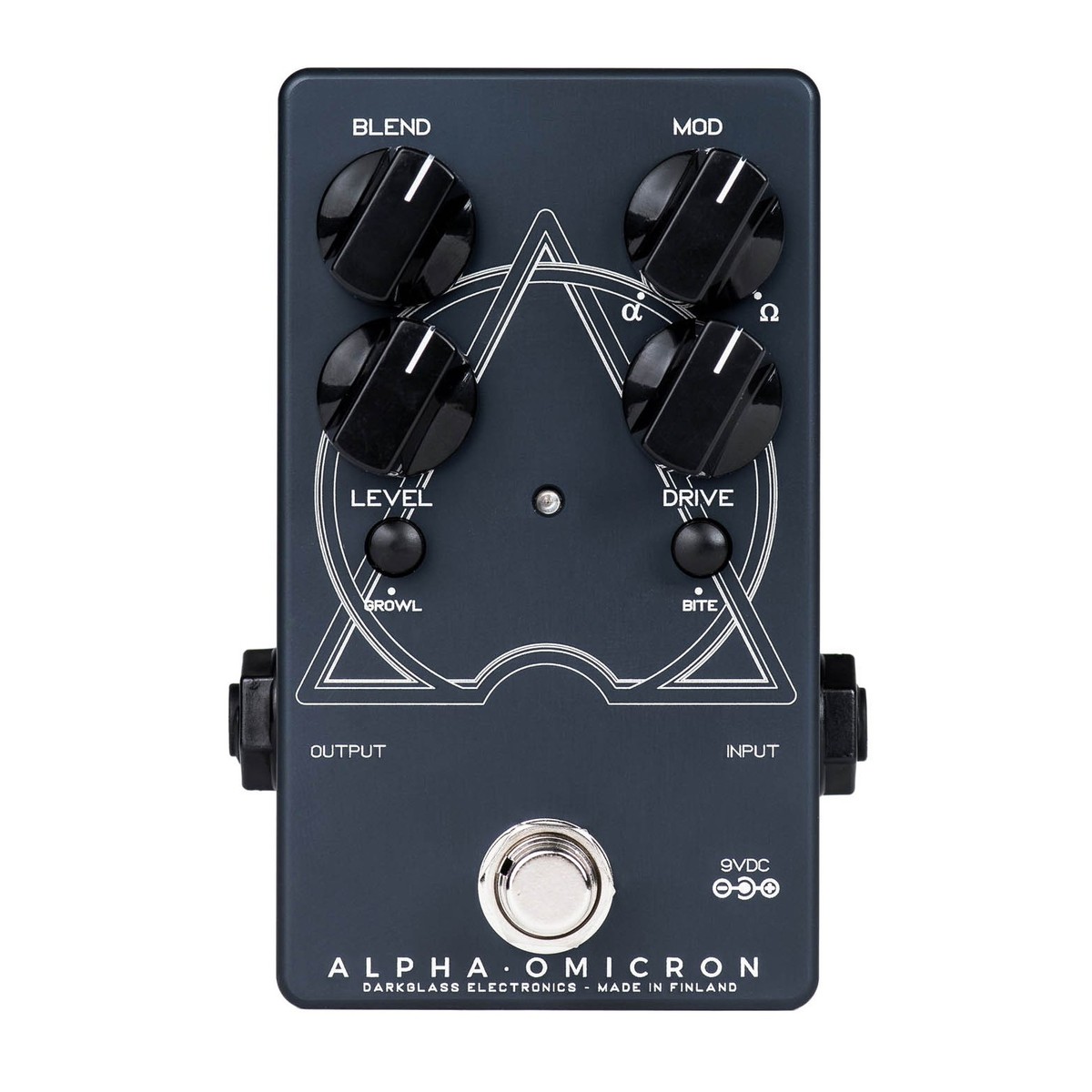
The Aftershock is suited for bassists who require a wide palette of drive sounds but prefer a compact footprint. It competes with other high-end bass drives such as the Darkglass Alpha Omicron, though the Aftershock offers a broader variety of styles (Fuzz and Tube) compared to the more specific modern-metal focus of Darkglass units.
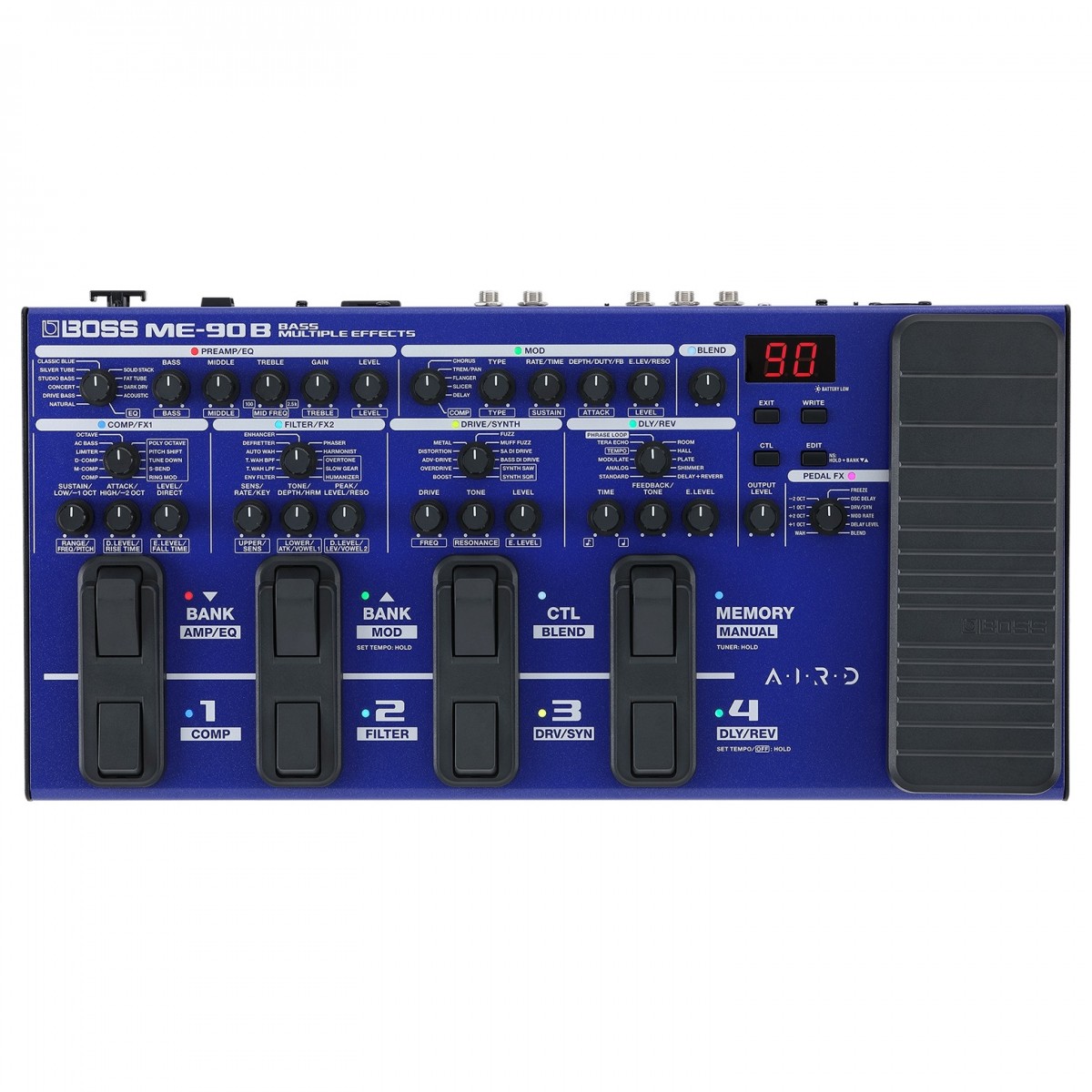
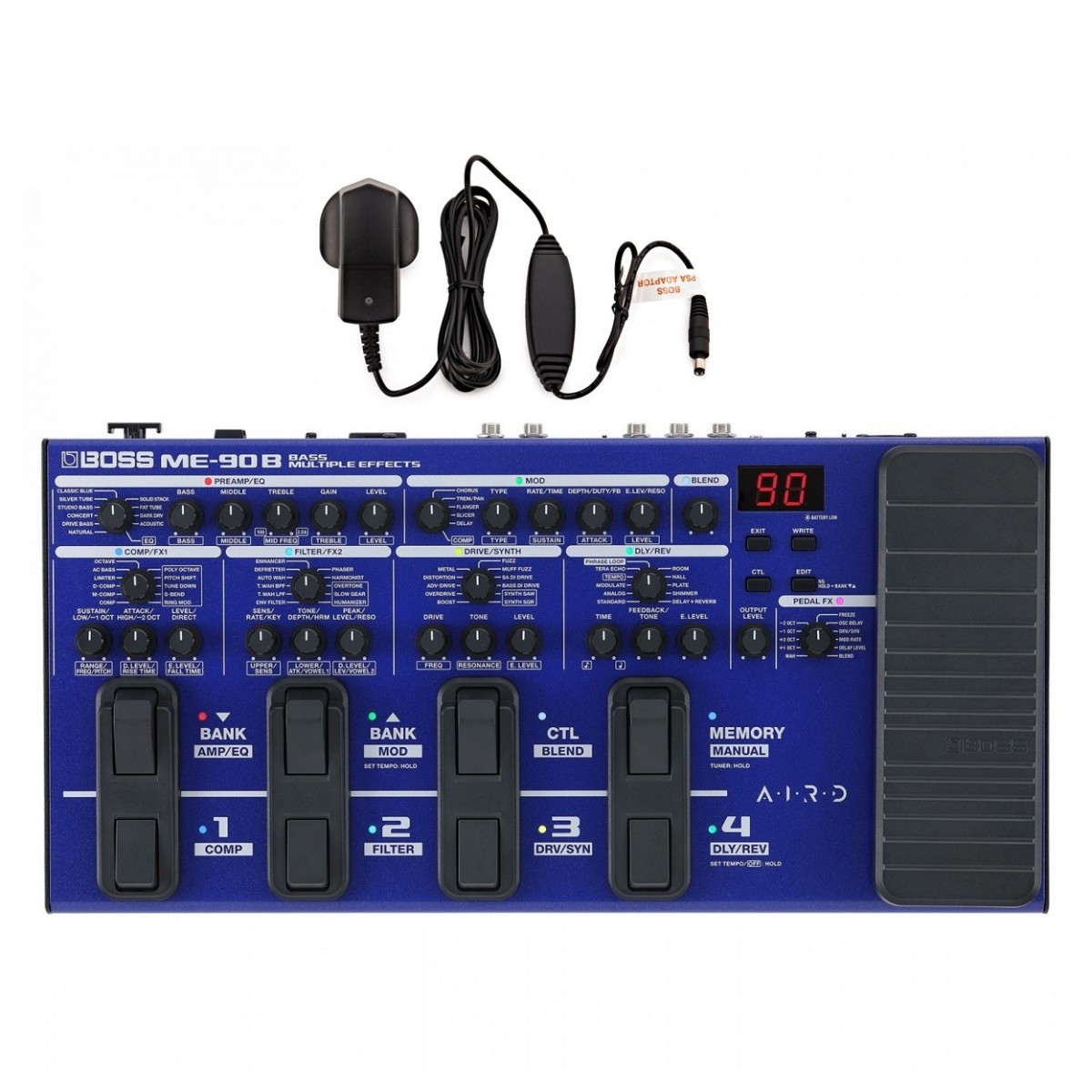
For players seeking comprehensive multi-effects, options like the Boss ME-90B provide a wider array of modulation and time-based effects, whereas the Aftershock focuses specifically on high-quality distortion and customisability through its digital ecosystem.
Related gear
 £312.00 ($396)
Boss
Boss ME-90B Bass Multi Effects Processor
 £335.00 ($425)
Boss
Boss ME-90B Bass Multi Effects Processor with Power Supply
 £199.00 ($253)
Darkglass
Darkglass Alpha Omicron Bass Overdrive
 £105.00 ($133)
Natal
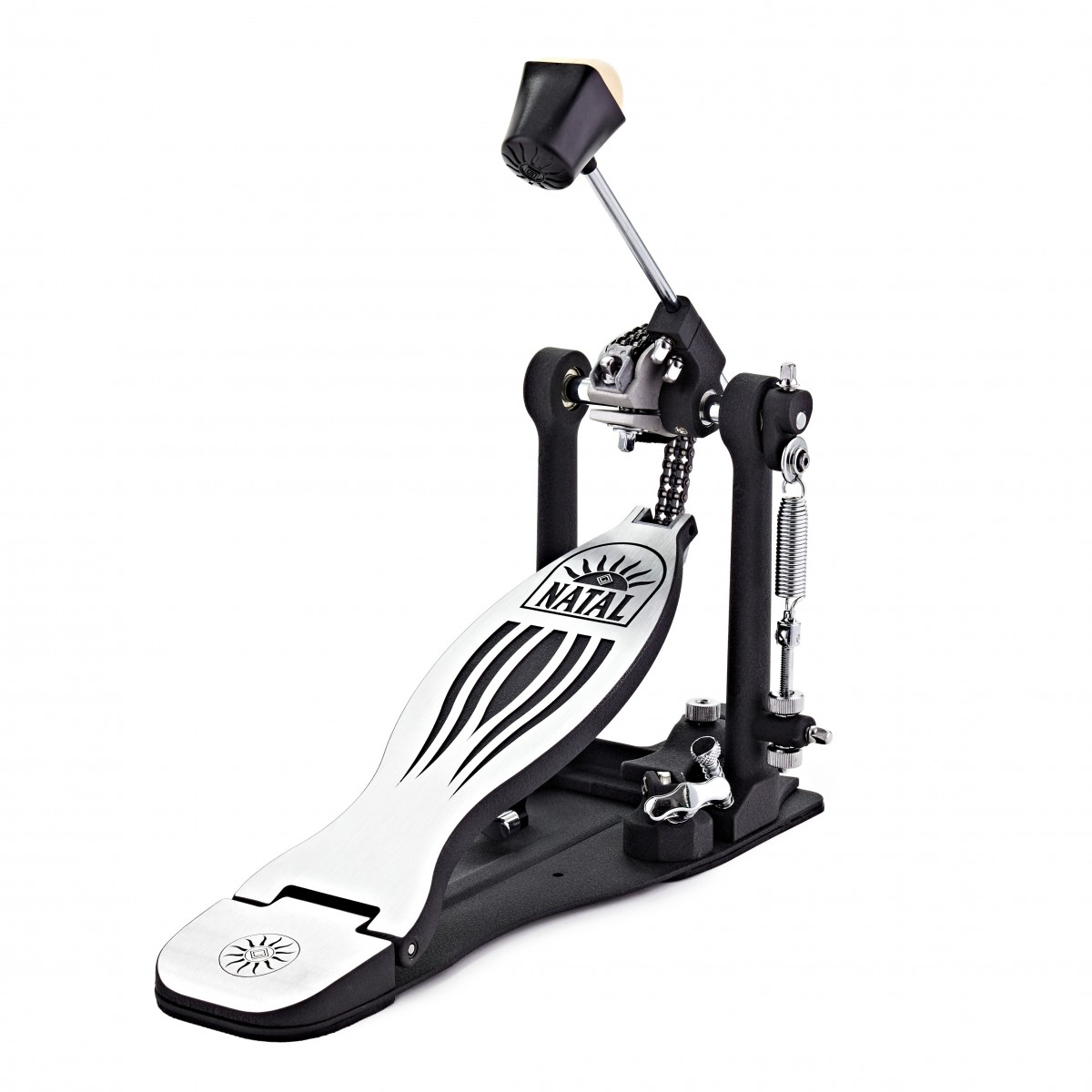
Natal Pro Series Single Bass Pedal
 £29.99 ($38)
Eden Amplification
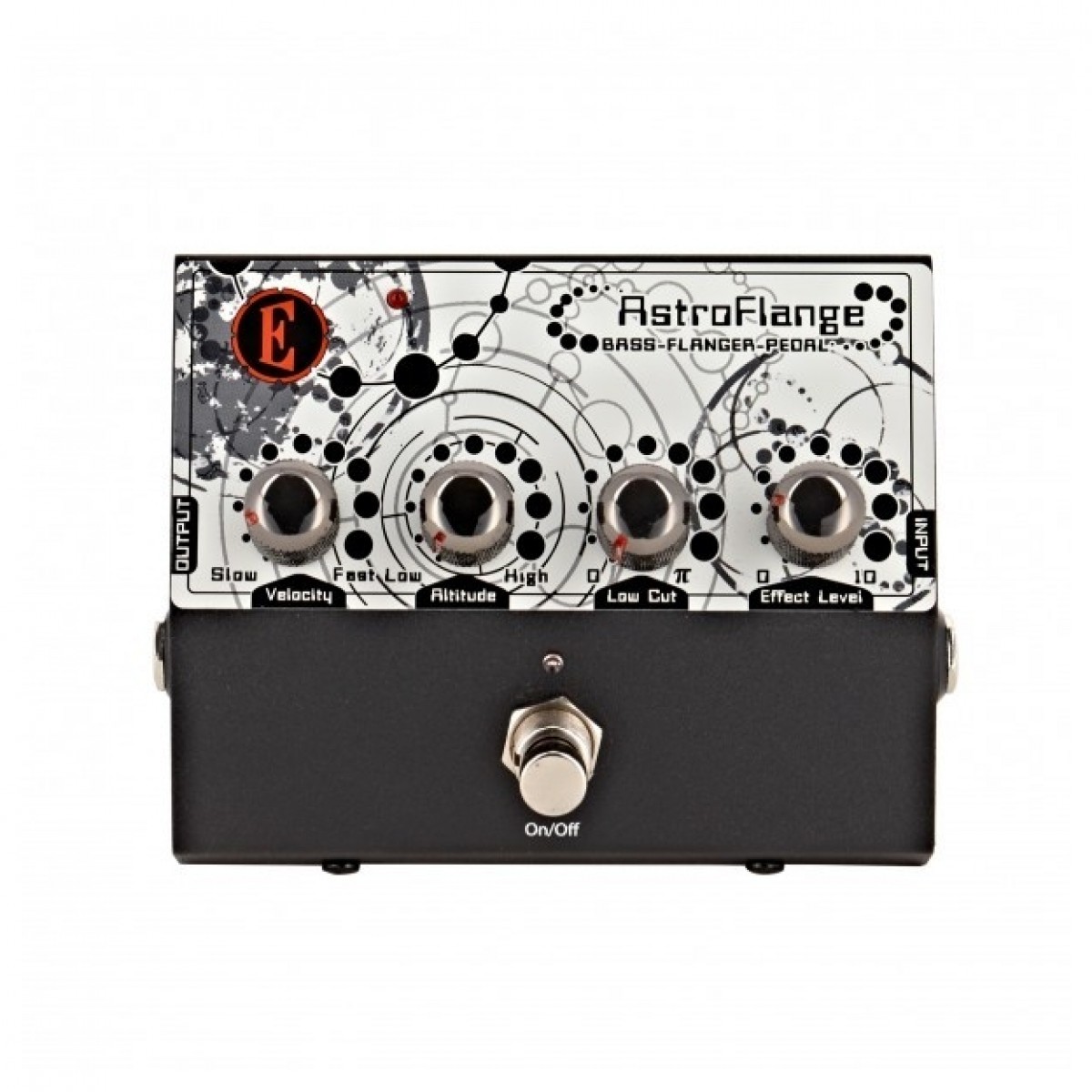
Eden Astroflange Bass Flanger Pedal with PSU
 £110.00 ($140)
Fender
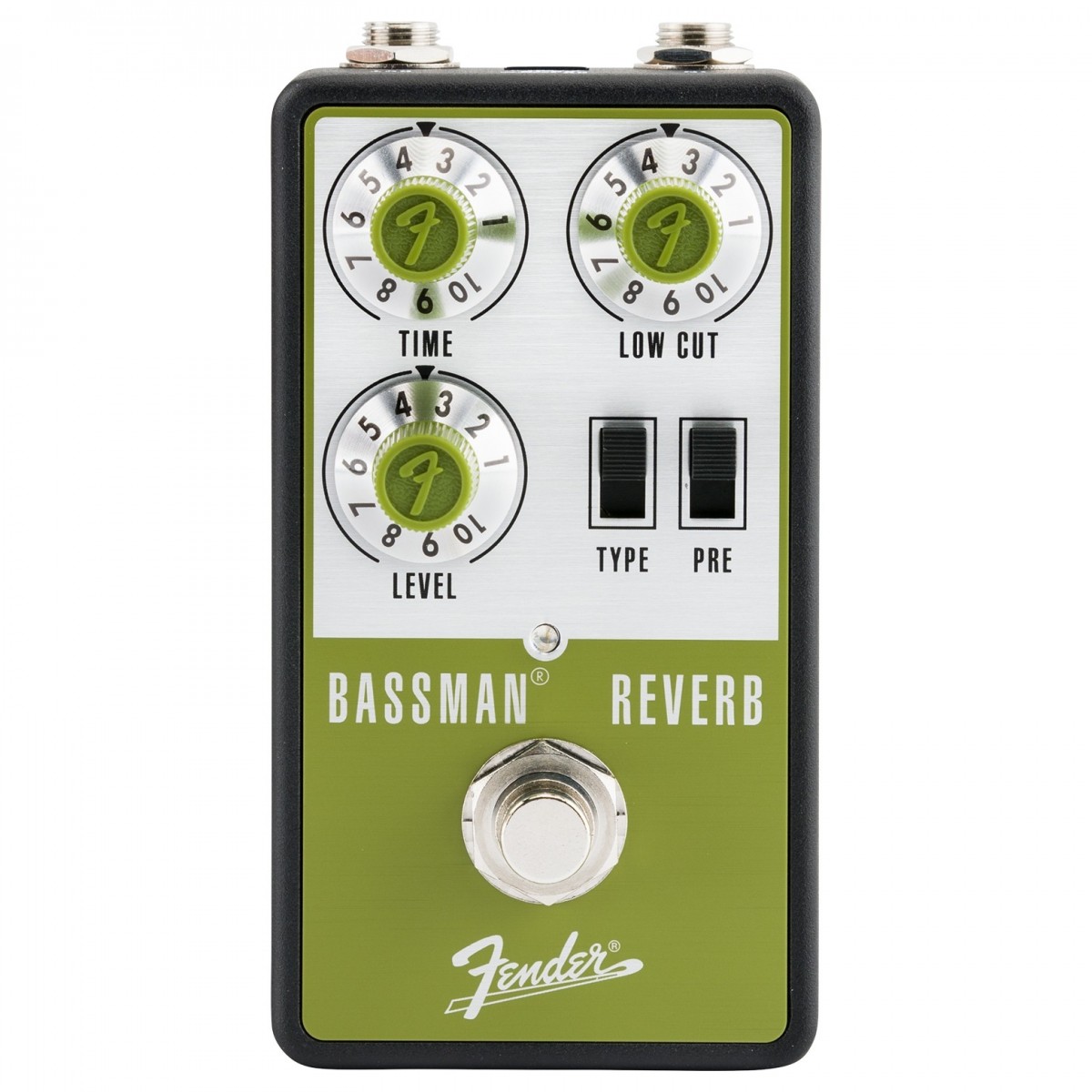
Fender Bassman Reverb Pedal
 £95.00 ($121)
Fender
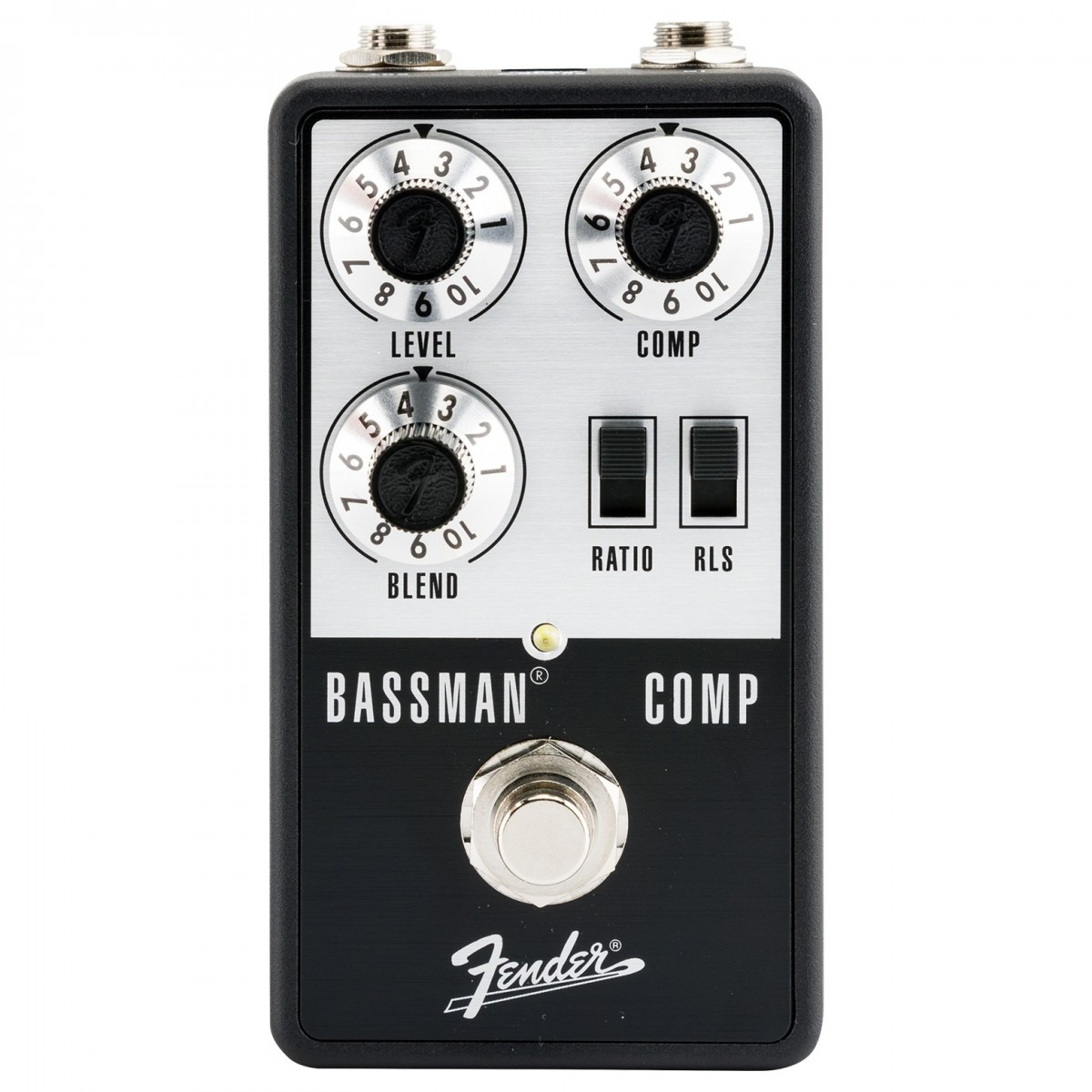
Fender Bassman Compressor Pedal
 £94.30 ($120)
Boss
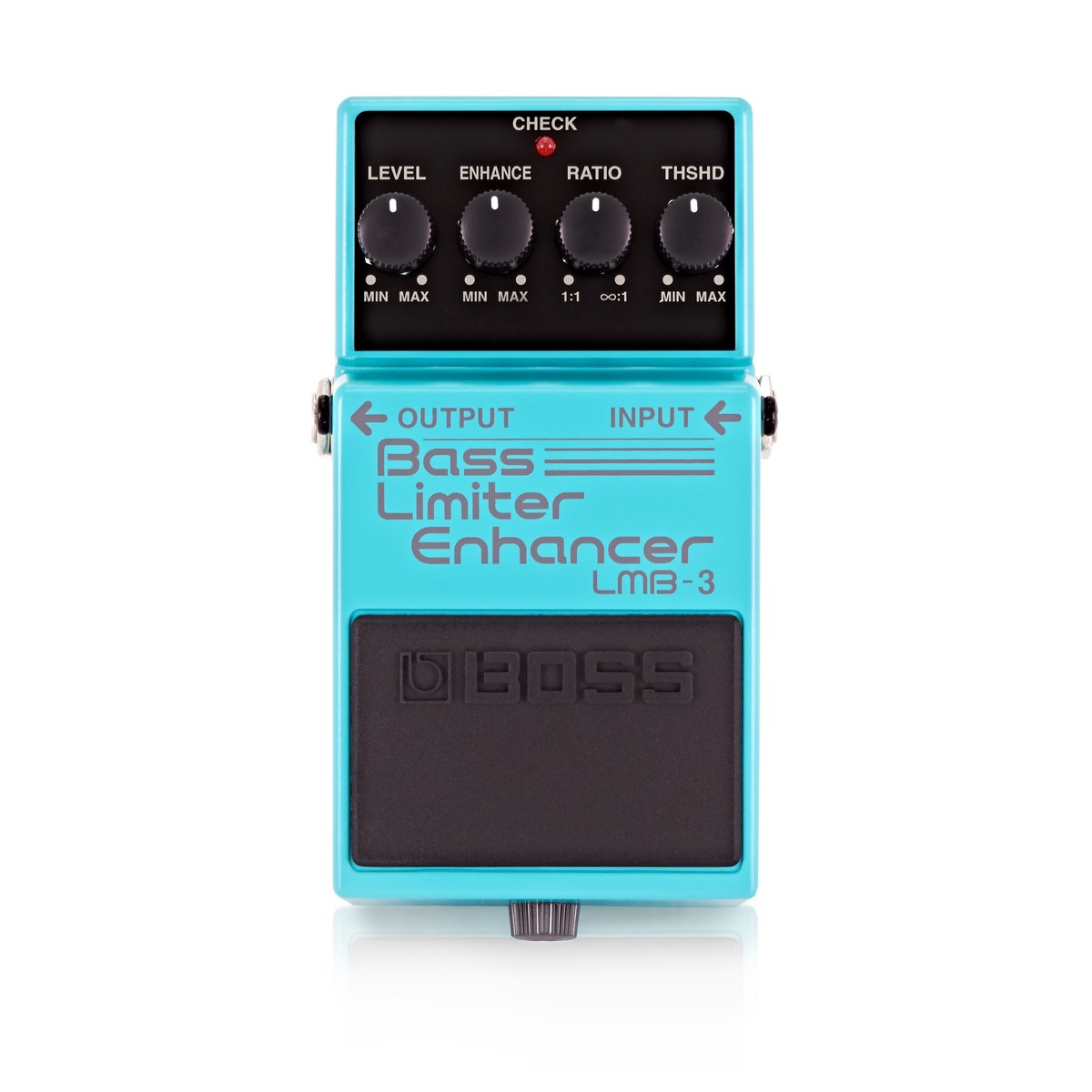
Boss LMB-3 Bass Limiter Enhancer Effects Pedal
Frequently asked questions
- What are the three main modes on the Aftershock?
- The pedal features Tube, Heavy, and Fuzz modes. Tube provides vintage warmth, Heavy offers modern high-gain distortion, and Fuzz delivers thick, saturated clipping.
- How does the 'Clean' knob function?
- The Clean knob blends the original dry bass signal with the distorted signal. This is essential for maintaining low-end clarity and the percussive attack of the instrument.
- Can I edit sounds using my smartphone?
- Yes, the Aftershock is fully compatible with the Neuro mobile app. This allows for interactive and intricate sound editing directly from a smartphone.
- Is the Source Audio Aftershock a digital or analogue pedal?
- It is a digital pedal that uses advanced processing to emulate various analogue distortion styles. This digital architecture allows for its high level of customisation and preset loading.
- Does the pedal support stereo signals?
- Yes, the Aftershock features stereo inputs and outputs. This allows for complex routing options and the use of stereo effects chains.
- How much does the Aftershock typically cost?
- The pedal generally retails for approximately £219. Prices may vary slightly depending on the retailer and current promotions.
- What controls are available on the face of the pedal?
- The pedal features four knobs: Drive, Level, Clean, and Tone. It also includes a three-way toggle switch to select the distortion mode.
- Can the Aftershock produce vintage tube sounds?
- Yes, the 'Tube' mode is specifically designed to deliver a variety of distortion styles ranging from vintage tube warmth to more driven sounds.
- Is the design compact for pedalboards?
- Yes, the Aftershock features a compact design. This makes it an efficient choice for bassists looking to save space on their pedalboard while maintaining a wide range of tones.
- How does it compare to the Darkglass Alpha Omicron?
- While both are high-quality bass drives, the Aftershock offers a wider range of distortion types including Fuzz and Tube modes. The Alpha Omicron is more specialised toward a specific modern overdrive character.
- Can I use the Aftershock with a Boss ME-90B?
- Yes, the Aftershock can be used as a dedicated distortion stage within a larger signal chain that includes multi-effects like the Boss ME-90B. This allows the user to leverage the Aftershock's specific drive engines.
- Does the Aftershock provide modern distortion styles?
- Yes, the 'Heavy' mode is designed to provide modern distortion sounds. These are typically more aggressive and suited for contemporary music styles.