
Gear article
Stagg 2 x Female XLR / Female RCA Adaptor
The Stagg 2 x Female XLR / Female RCA Adaptor is a professional-grade pair of metal interconnects designed to convert RCA signals to female XLR connectivity. These adaptors facilitate secure audio routing between consumer-grade RCA outputs and balanced XLR inputs in both live sound and studio environments.
See live pricesOverview
The Stagg 2 x Female XLR / Female RCA Adaptor serves as a critical bridge between disparate audio standards. Packaged as a pair, these adaptors are engineered for durability, featuring a robust metal chassis with a matt chrome finish to withstand the rigours of touring and frequent studio reconfiguration. The primary function is to allow audio devices equipped with RCA cables to interface directly with XLR-based systems, such as mixing consoles, active monitors, or stage boxes.
Design and Construction
Stagg has prioritised mechanical reliability in this design. The adaptors feature a locking XLR mechanism, ensuring that once an XLR cable is connected, it cannot be accidentally disconnected during a performance or recording session. The external housing is constructed from high-quality metal, providing better shielding and longevity compared to plastic alternatives. Furthermore, the product is RoHS-compliant, meeting environmental standards for the restriction of hazardous substances.
Sound and Character
As a passive utility component, the Stagg adaptor is designed to be sonically transparent. By utilising high-quality metal contacts and a secure locking mechanism, it maintains signal integrity between the RCA and XLR stages. While it does not actively alter the sound, its robust build helps prevent signal degradation or interference that can occur with loose or poorly shielded connections.
Applications and Suitability
These adaptors are particularly suitable for:
- DJs: Connecting DJ controllers or mixers with RCA outputs to professional PA systems using XLR cables.
- Studio Engineers: Integrating consumer-level hi-fi equipment or legacy gear into a professional balanced signal chain.
- Live Sound: Providing a quick solution for connecting mobile devices or laptops (via RCA breakout cables) to a stage snake or mixer.
- Home Audio: Connecting high-end pre-amplifiers to active studio monitors that only accept XLR inputs.
Comparison to Alternatives
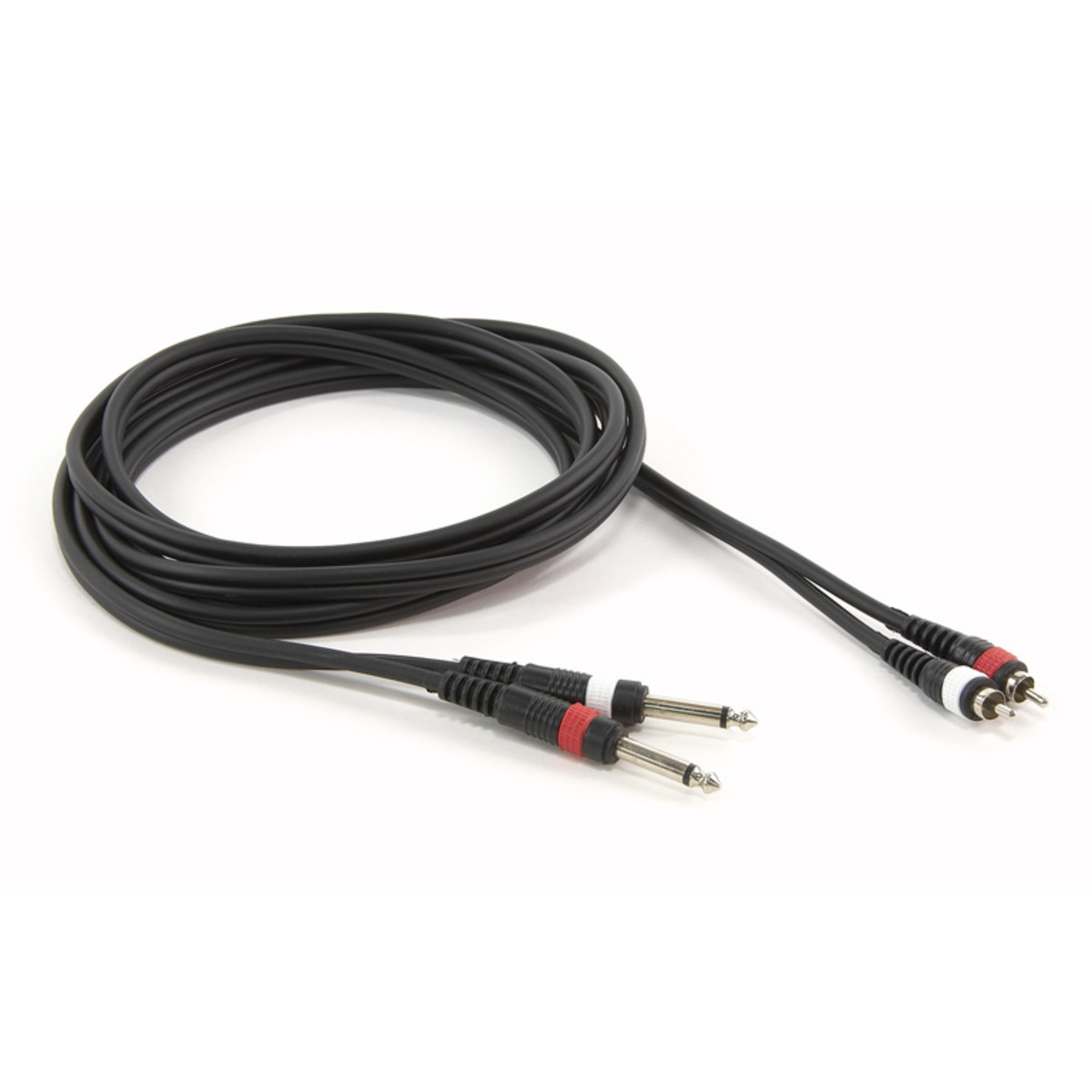
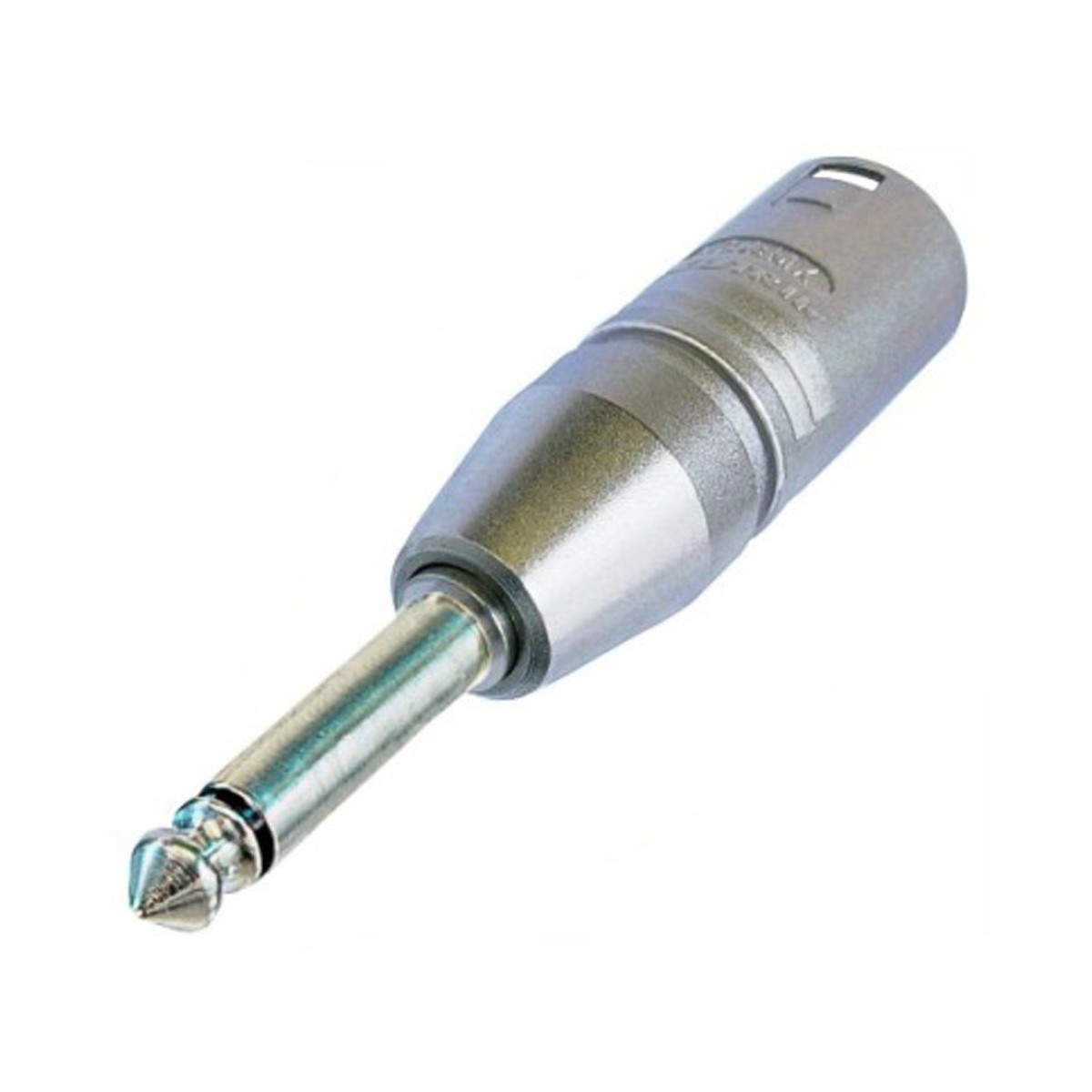
When compared to simple patch cables like the Gear4Music Essentials Dual Jack to RCA Phono Cable, these Stagg adaptors offer a more modular solution by allowing users to use their existing XLR cables of any length. Unlike right-angled components like the Neutrik NC3FRX, the Stagg adaptors maintain a straight profile, which is often preferable for recessed patch panels. While other adaptors like the Neutrik NA2MP convert XLR to 1/4 inch jacks, the Stagg unit specifically addresses the common need for RCA-to-XLR conversion in a compact, all-metal format.
Related gear
 £5.99 ($8)
Studiospares
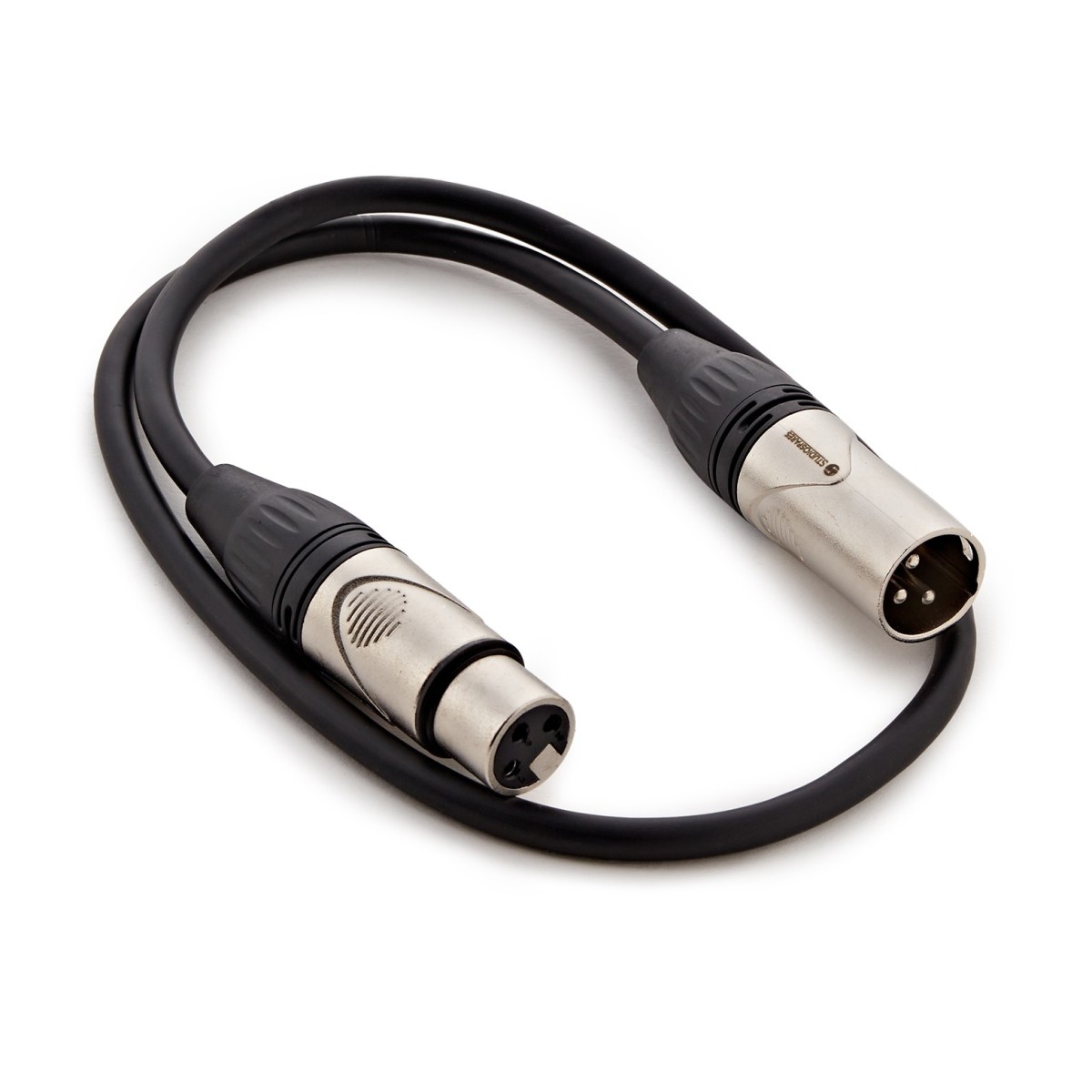
Studiospares Standard XLR (M) - XLR (F) Cable 60cm
 £17.57 ($22)
Ernie Ball
Ernie Ball P06049 10ft Straight-Angle Instrument Cable White
 £32.00 ($41)
LD Systems
LD Systems WS100BNC10 BNC to BNC Antenna Cable 10m
 £4.99 ($6)
Gear4Music
Essentials Dual Jack to RCA Phono Cable 3m
 £10.50 ($13)
Neutrik
Neutrik NC3FRX Right-Angled 3-Pole Female XLR Connector
 £19.00 ($24)
Neutrik
Neutrik NA2MP Male XLR - 1/4 Jack Adaptor
 £30.00 ($38)
Adam Hall
Adam Hall 5 STAR Neutrik DMX 5-Pin Lighting Cable 20m
 £4.99 ($6)
Studiospares
Studiospares Standard XLR (M) - XLR (F) Patch Cable 30cm
Frequently asked questions
- What is the primary function of these Stagg adaptors?
- The primary function is to convert an RCA connection to a female XLR connection. This allows devices with RCA outputs to be connected to cables or equipment featuring male XLR connectors.
- Are these adaptors sold individually or in sets?
- These adaptors are supplied as a pair. This is convenient for stereo applications, such as connecting the left and right outputs of a DJ mixer to a PA system.
- Does the XLR side of the adaptor have a locking mechanism?
- Yes, the adaptor features locking XLR connections. This ensures a secure fit that prevents the cable from being pulled out accidentally during use.
- What material is used for the outer casing of the adaptor?
- The adaptors are constructed from durable metal. They feature a matt chrome finish, which provides both aesthetic appeal and protection against wear and tear.
- Is the Stagg adaptor compliant with environmental standards?
- Yes, the product is RoHS-compliant. This means it adheres to regulations regarding the restriction of certain hazardous substances in electrical and electronic equipment.
- Can I use these to connect a DJ controller to a professional mixer?
- Yes, these are ideal for DJs. You can plug your RCA cables into the female RCA end and then use standard XLR cables to reach the house mixer or active speakers.
- Will these adaptors affect the sound quality of my audio?
- These are passive components designed for transparency. The high-quality metal construction and secure locking mechanism help maintain signal integrity without adding unwanted noise.
- How does this compare to a Neutrik NA2MP adaptor?
- The Neutrik NA2MP converts XLR to a 1/4 inch jack, whereas the Stagg adaptor specifically converts XLR to RCA. Both are professional-grade, but they serve different connectivity needs.
- Are these adaptors suitable for use in a permanent studio setup?
- Absolutely. Their durable metal construction and secure locking XLR ports make them reliable for both temporary live setups and permanent studio installations.
- Do I need a special cable to use with these adaptors?
- No special cables are required. You simply need standard RCA cables and standard XLR cables to complete the connection between your devices.
- What is the typical price for this pair of adaptors?
- The typical price range for the Stagg 2 x Female XLR / Female RCA Adaptor is approximately EUR 5. This makes it a cost-effective utility for any audio toolkit.
- Can these be used to convert an XLR output to an RCA input?
- Because the XLR side is female, these are typically used to receive a male XLR cable. If your source has an XLR output, you would generally need a male XLR adaptor unless you are using a female-to-female XLR cable.