
Gear article
Stagg 2x Female XLR / Female XLR Coupler
The Stagg 2x Female XLR/Female XLR Coupler is a professional-grade audio adapter designed to convert male XLR connections into female outputs. It features a rugged metal construction and secure locking mechanisms, making it suitable for both live sound reinforcement and studio environments.
See live pricesOverview
The Stagg 2x Female XLR/Female XLR Coupler serves as a gender-changing adapter for standard 3-pin XLR connections. Its primary function is to facilitate the connection of two cables or devices that both terminate in male XLR plugs. By providing a bridge between these connections, it eliminates the need for entirely new cable runs in specific audio signal chain scenarios.
Construction and Design
Built for durability in high-traffic environments, the adapter features a rugged metal chassis. The exterior is finished in a sleek matt chrome, providing a professional aesthetic that resists glare under stage lighting. A critical feature is the inclusion of secure locking mechanisms on both female ports, which prevents accidental disconnection during use, ensuring a reliable signal path for microphones, mixers, and outboard gear.
Applications
This adapter is utilised in various professional settings:
- Live Sound: Correcting cable gender mismatches on stage or at the mixing console.
- Studio Recording: Adapting patch bay configurations or connecting specific vintage hardware.
- Standard Compliance: The unit is ROHS-compliant, ensuring it meets industry standards for hazardous substance restrictions.
Comparisons and Alternatives
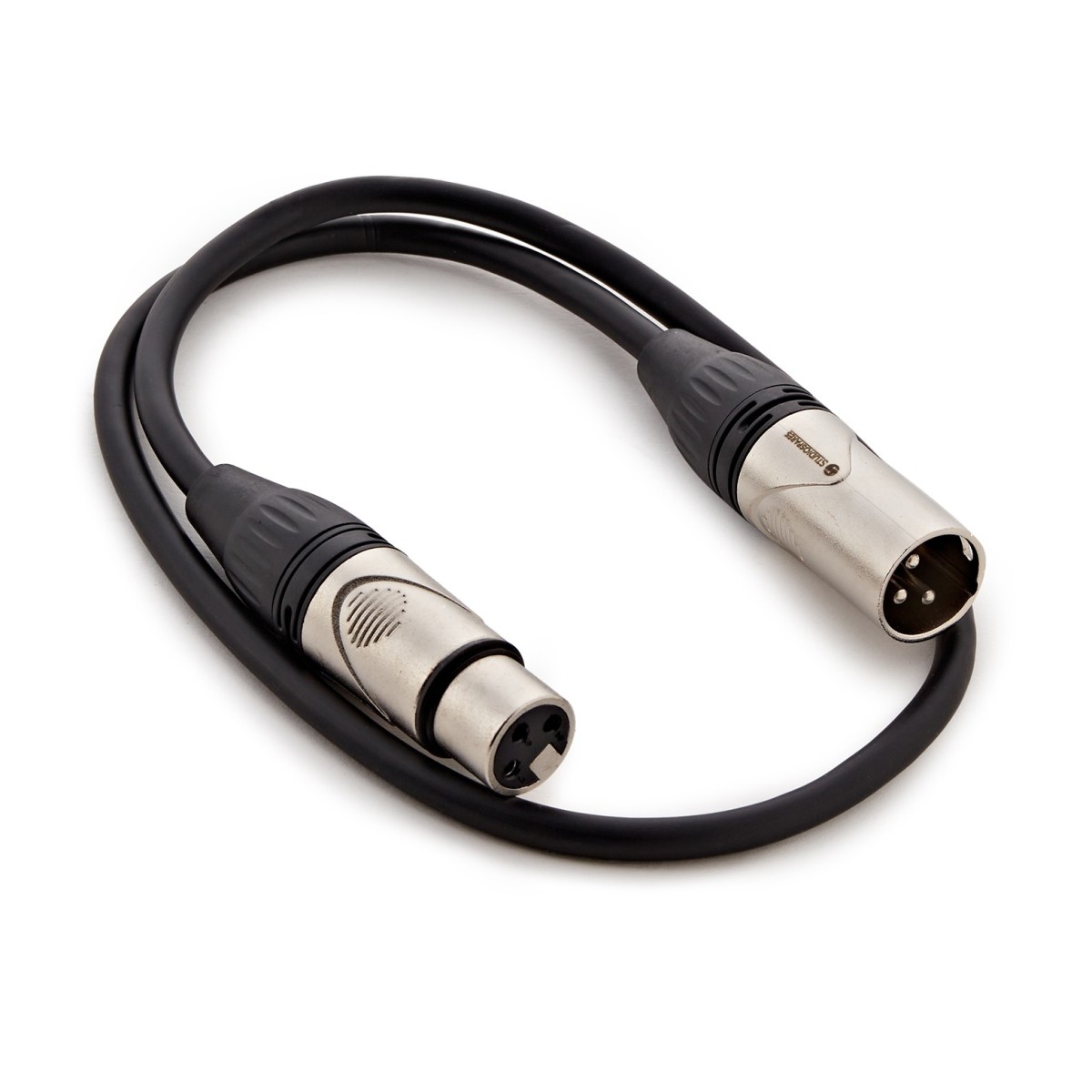
While this Stagg adapter provides a compact gender-changing solution, users often compare it to full-length cables like the Studiospares Standard XLR (M) to XLR (F) variants. Unlike Neutrik's specialized connectors, such as the NC3FRX right-angled female connector or the NA2MP XLR-to-Jack adapter, the Stagg coupler is designed specifically for inline gender conversion rather than termination or format shifting.
Related gear
 £5.99 ($8)
Studiospares
Studiospares Standard XLR (M) - XLR (F) Cable 60cm
 £17.57 ($22)
Ernie Ball
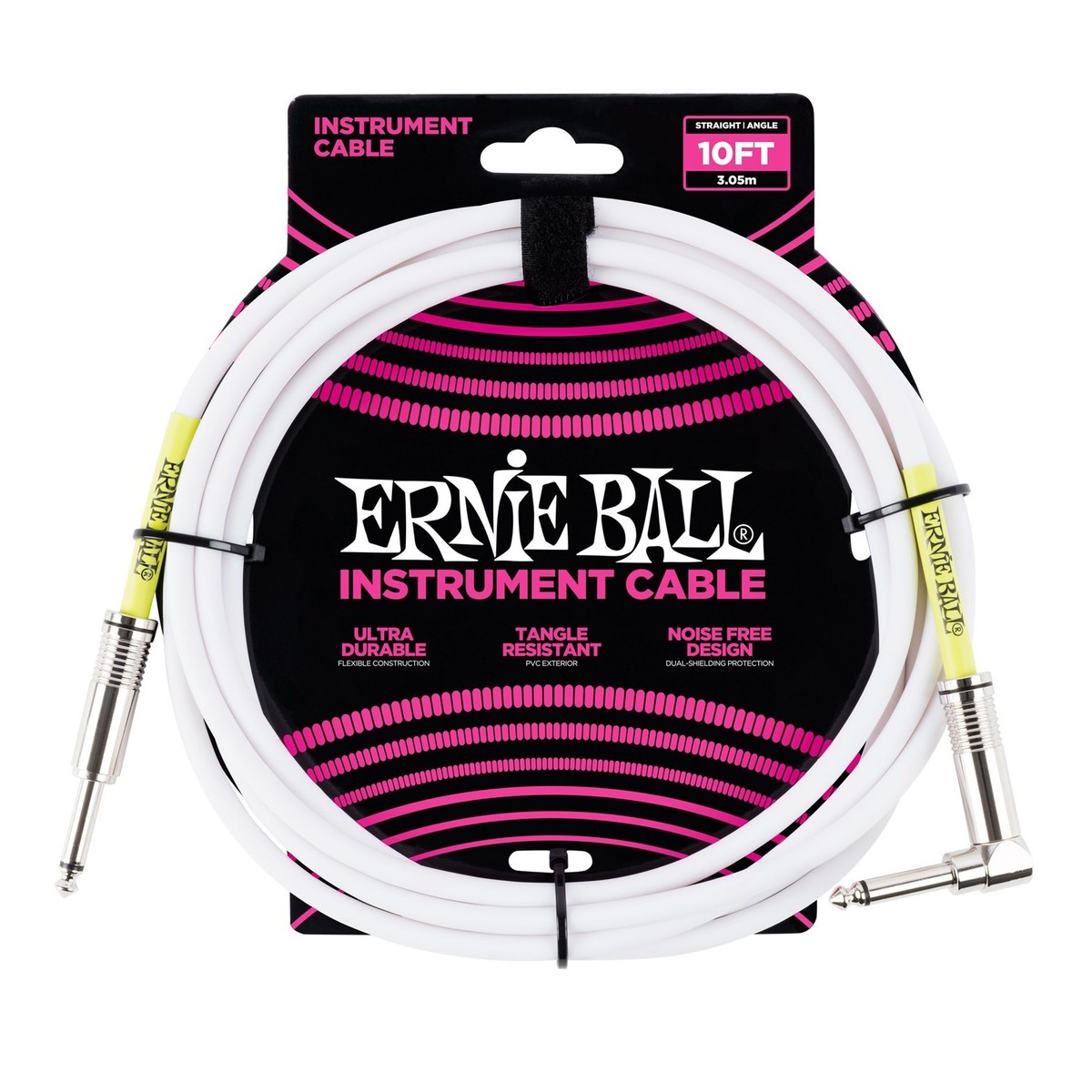
Ernie Ball P06049 10ft Straight-Angle Instrument Cable White
 £32.00 ($41)
LD Systems
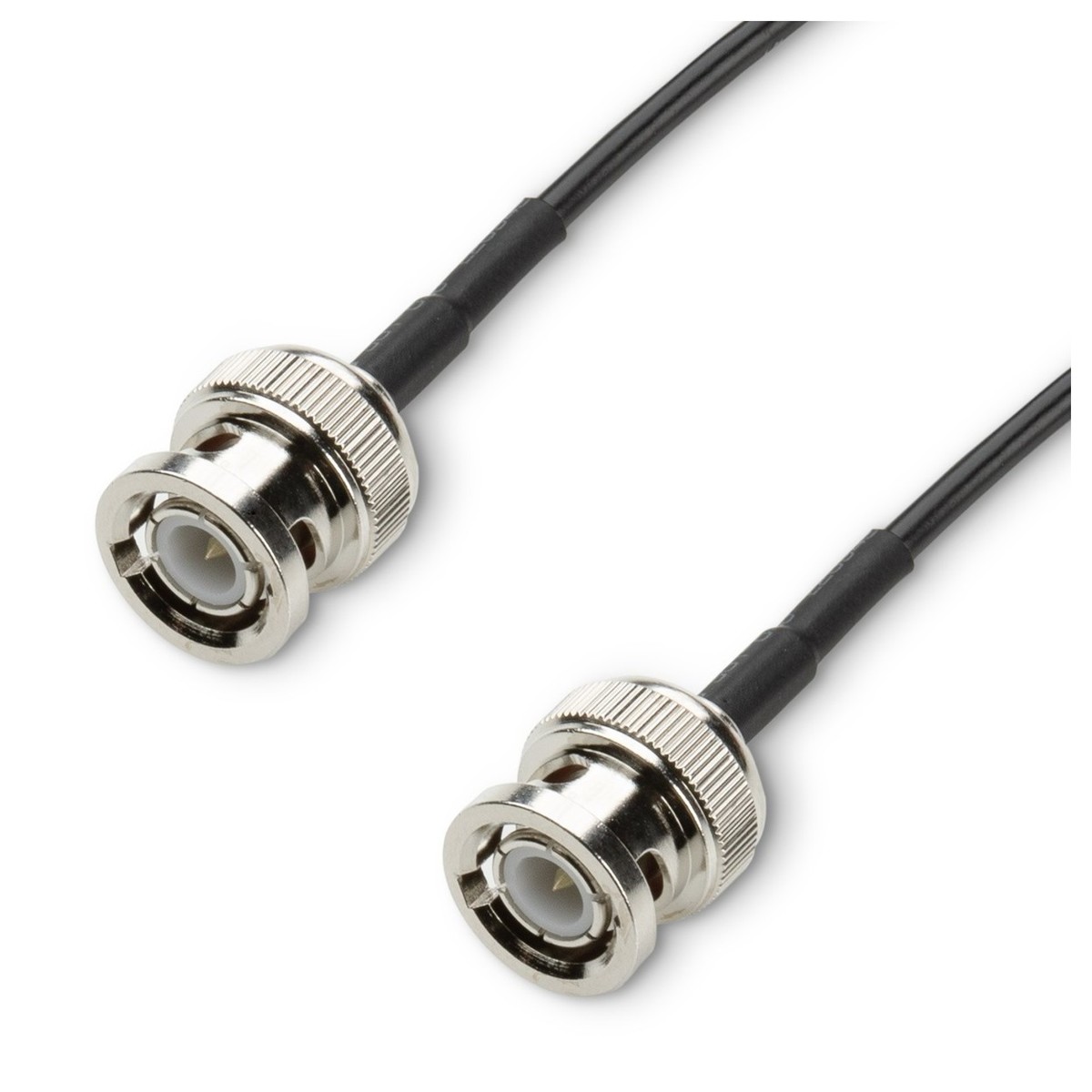
LD Systems WS100BNC10 BNC to BNC Antenna Cable 10m
 £4.99 ($6)
Gear4Music
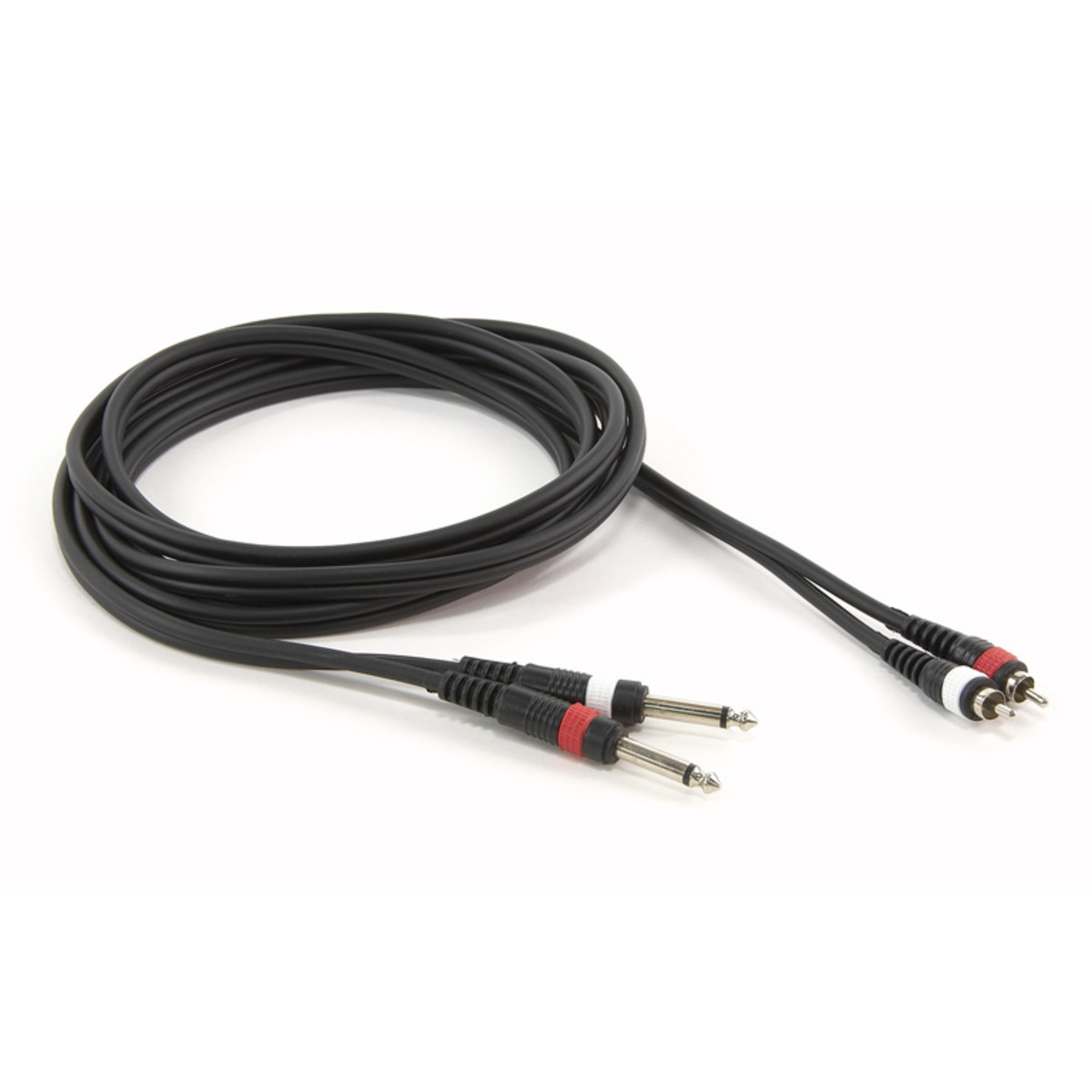
Essentials Dual Jack to RCA Phono Cable 3m
 £10.50 ($13)
Neutrik
Neutrik NC3FRX Right-Angled 3-Pole Female XLR Connector
 £19.00 ($24)
Neutrik
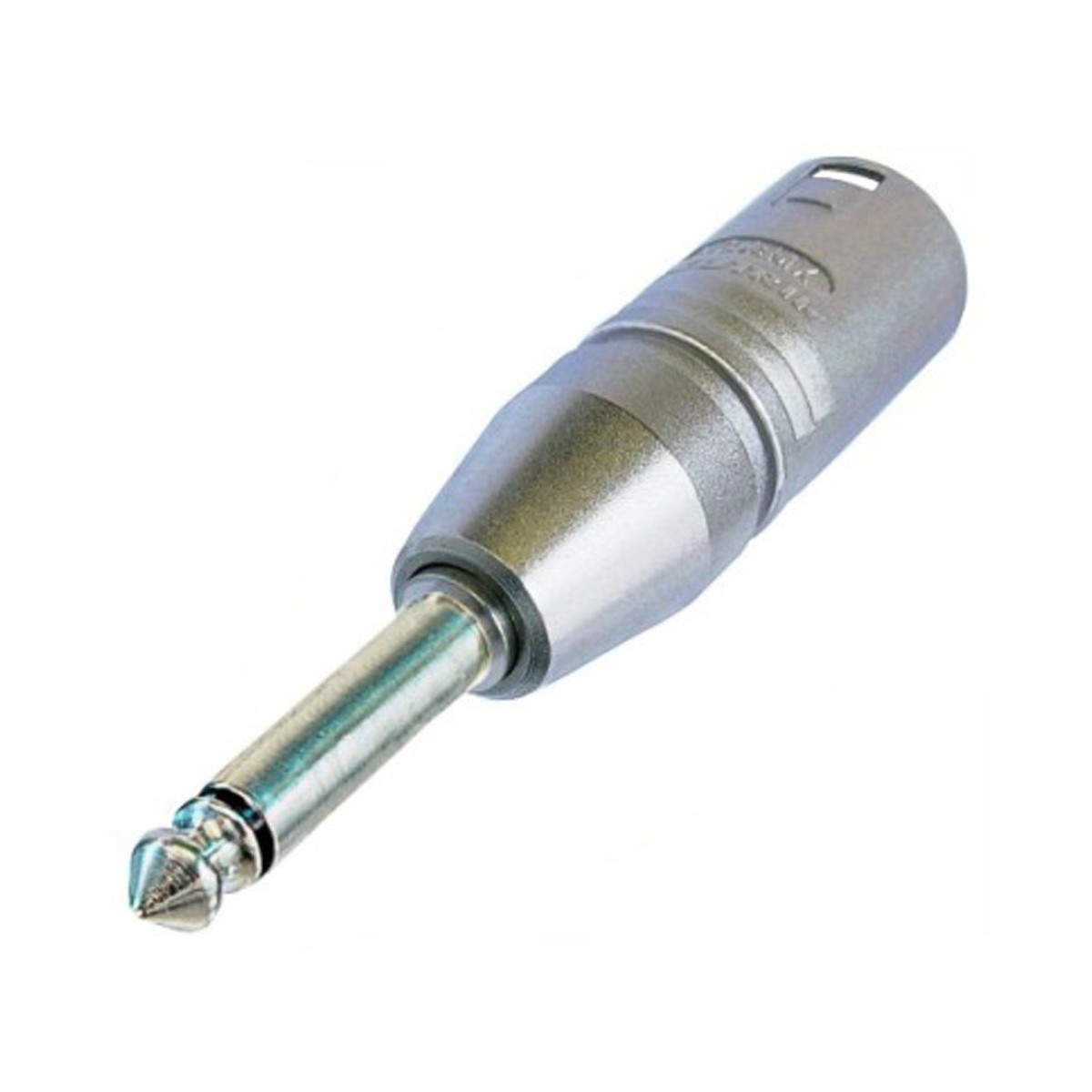
Neutrik NA2MP Male XLR - 1/4 Jack Adaptor
 £30.00 ($38)
Adam Hall
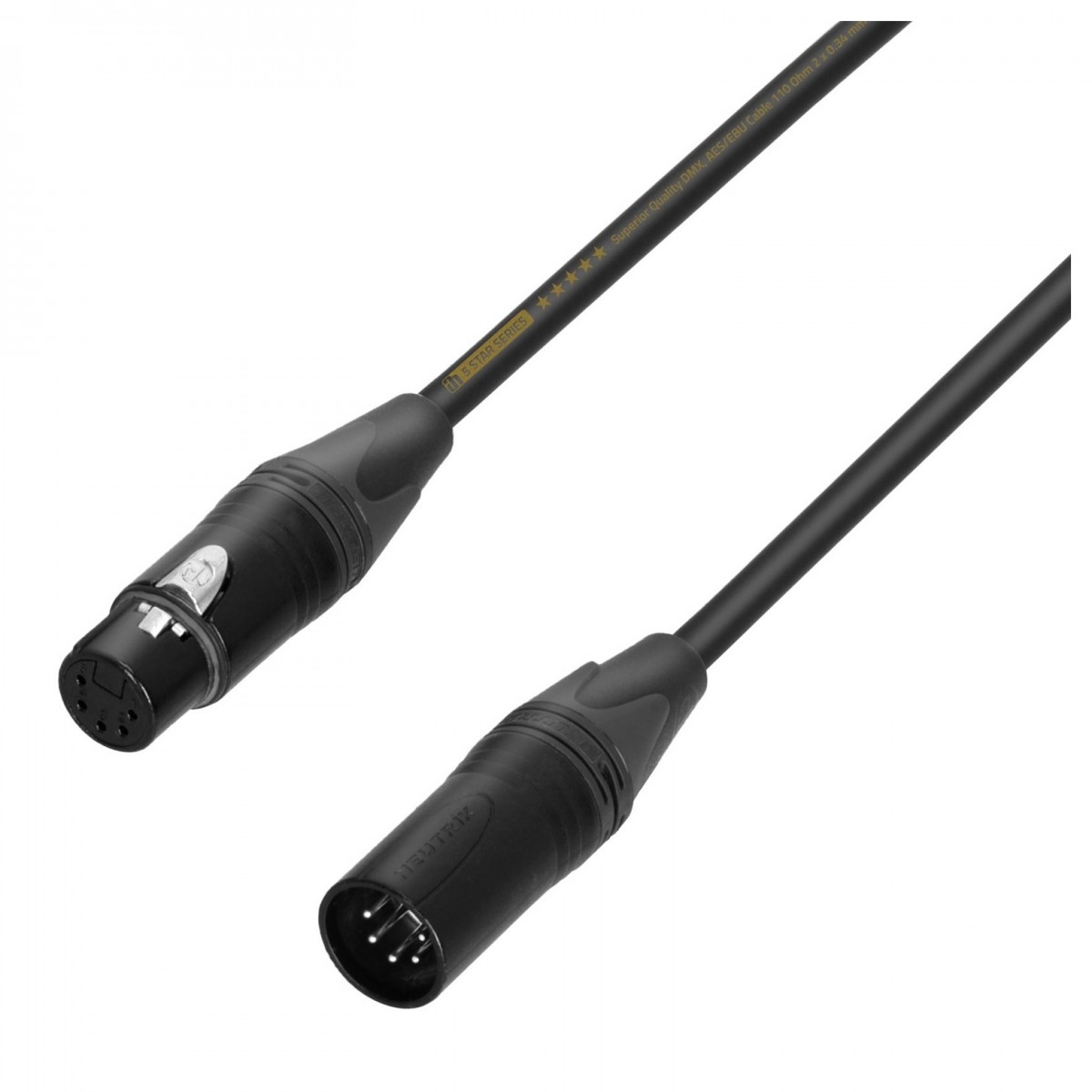
Adam Hall 5 STAR Neutrik DMX 5-Pin Lighting Cable 20m
 £4.99 ($6)
Studiospares
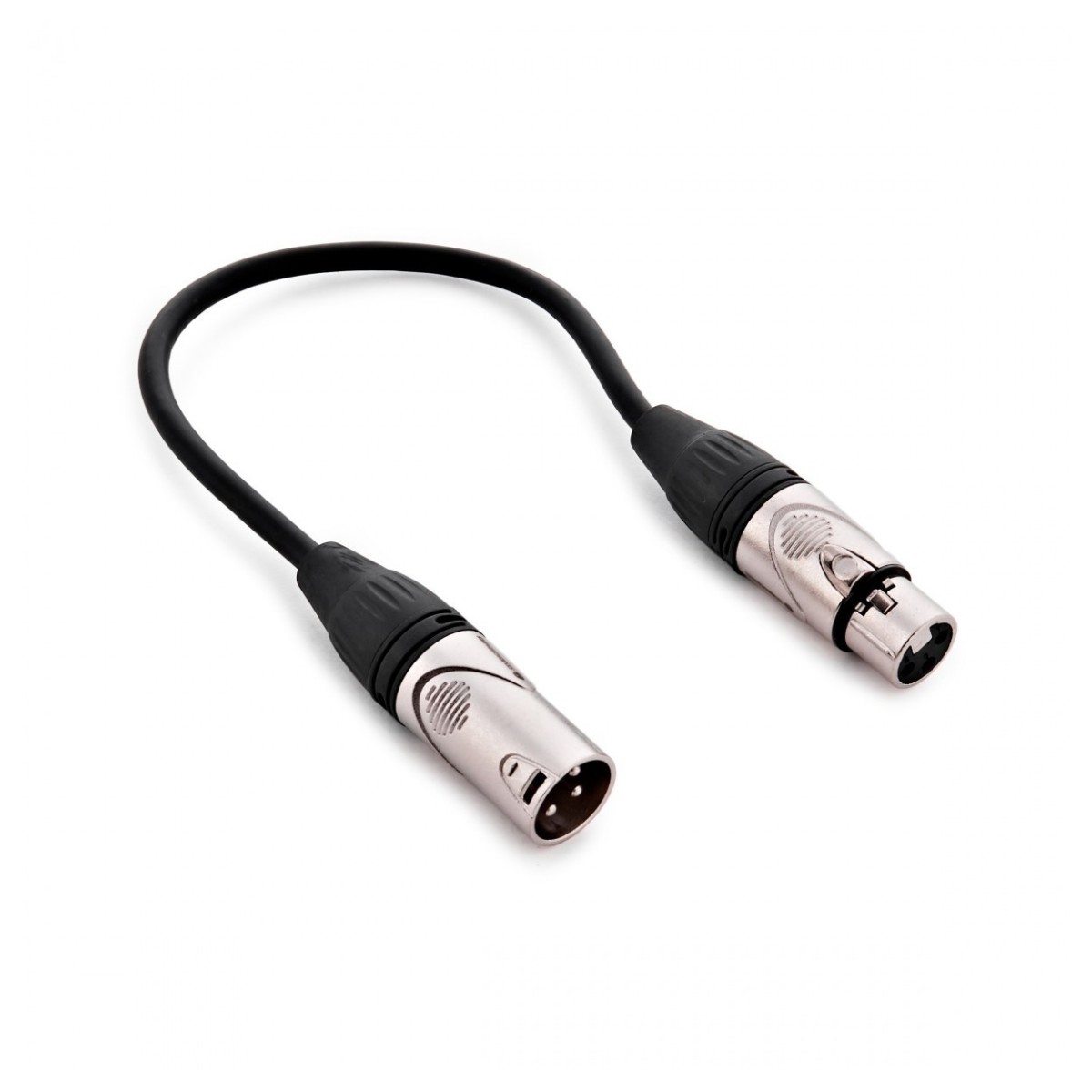
Studiospares Standard XLR (M) - XLR (F) Patch Cable 30cm
Frequently asked questions
- What is the primary function of this Stagg adapter?
- The primary function is to convert a male XLR connection into a female XLR output. It allows two male XLR cables to be connected together or changes the gender of a device's input/output.
- What type of finish does the adapter have?
- The adapter features a sleek matt chrome finish. This provides a professional look while maintaining durability against scratches and wear.
- Is the construction suitable for touring?
- Yes, the adapter is built with a rugged metal construction. This makes it resilient enough for both the rigours of live stage applications and heavy studio use.
- Does this adapter have locking connectors?
- Yes, it includes secure locking connections. This ensures that cables remain firmly attached and do not pull out accidentally during a performance or recording session.
- Is this product ROHS-compliant?
- Yes, the Stagg 2x Female XLR/Female XLR adapter is ROHS-compliant. This means it adheres to industry standards regarding the restriction of hazardous substances in electrical equipment.
- Can this be used for microphone signals?
- Yes, it is designed for industry-standard XLR performance. It is suitable for microphone signals as well as line-level balanced audio signals in studio and live environments.
- How many pins are in these XLR connections?
- This adapter uses standard 3-pin XLR configurations. This is the industry standard for balanced audio equipment and most professional microphones.
- Does this adapter convert the signal to a Jack connection?
- No, this is a female-to-female XLR coupler. If you need to convert XLR to a 1/4 inch Jack, a different adapter like the Neutrik NA2MP would be required.
- What is the typical price range for this item?
- The typical price for this Stagg adapter is approximately EUR 6. This makes it an affordable utility tool for any audio engineer's toolkit.
- Is this a 'gender changer'?
- Yes, in audio terminology, this is commonly referred to as a gender changer. Specifically, it changes a male connection to a female connection.
- Does it work with DMX lighting cables?
- While it shares the same physical form as 3-pin DMX connectors, it is primarily designed for audio. For 5-pin lighting systems, a specific DMX adapter like those from Adam Hall would be necessary.
- Will this affect the audio quality?
- This adapter provides a direct metal-to-metal connection designed for industry-standard performance. As long as the connections are clean, it should not noticeably alter the sound character.