
Gear article
Stagg FL241S Flute
The Stagg FL241S is an open-hole student-to-intermediate flute designed to facilitate advanced playing techniques like microtones and multiphonics. Constructed from silver-plated nickel-silver, it incorporates ergonomic features such as an offset G and a split E mechanism to assist developing players.
See live pricesOverview
The Stagg FL241S is a woodwind instrument categorised alongside flutes and clarinets, specifically targeted at students transitioning to open-holed play. Unlike standard entry-level flutes which often feature closed keys (plateau system), the FL241S uses open holes, requiring the player to cover the centre of the key with their finger to seal the note. This design is a hallmark of professional-grade instruments and serves as a bridge for players moving toward more complex repertoire.
Construction and Materials
The instrument is manufactured using nickel-silver, a common alloy for student and intermediate flutes due to its durability and response. To enhance both the aesthetic and the tonal quality, the FL241S is silver-plated. This plating allows the player to experience some of the resonant benefits associated with solid silver instruments while maintaining a more accessible price point of approximately £275. The combination of these materials is intended to provide a clear, characteristic flute timbre.
Key Features and Ergonomics
Stagg has included two primary mechanical enhancements to improve playability:
- Offset G: By positioning the G key slightly out of line with the other keys, the instrument accommodates the natural reach of the ring finger, making the hand position more ergonomic.
- Split E Mechanism: This mechanical addition improves the stability and pitch of the high E note, which is traditionally difficult to produce cleanly on flutes without this feature.
- Open Holes: These allow for 'half-holing,' which is essential for certain contemporary techniques.
Sound and Suitability
The FL241S is particularly suited for players interested in jazz or contemporary classical music. The open-hole design provides the ability to perform pitch bends and multiphonics (playing more than one note at once) that are physically impossible on a closed-hole flute. While it serves as an introductory instrument, its features cater to those looking to experiment with microtones and extended techniques.
Comparisons and Context
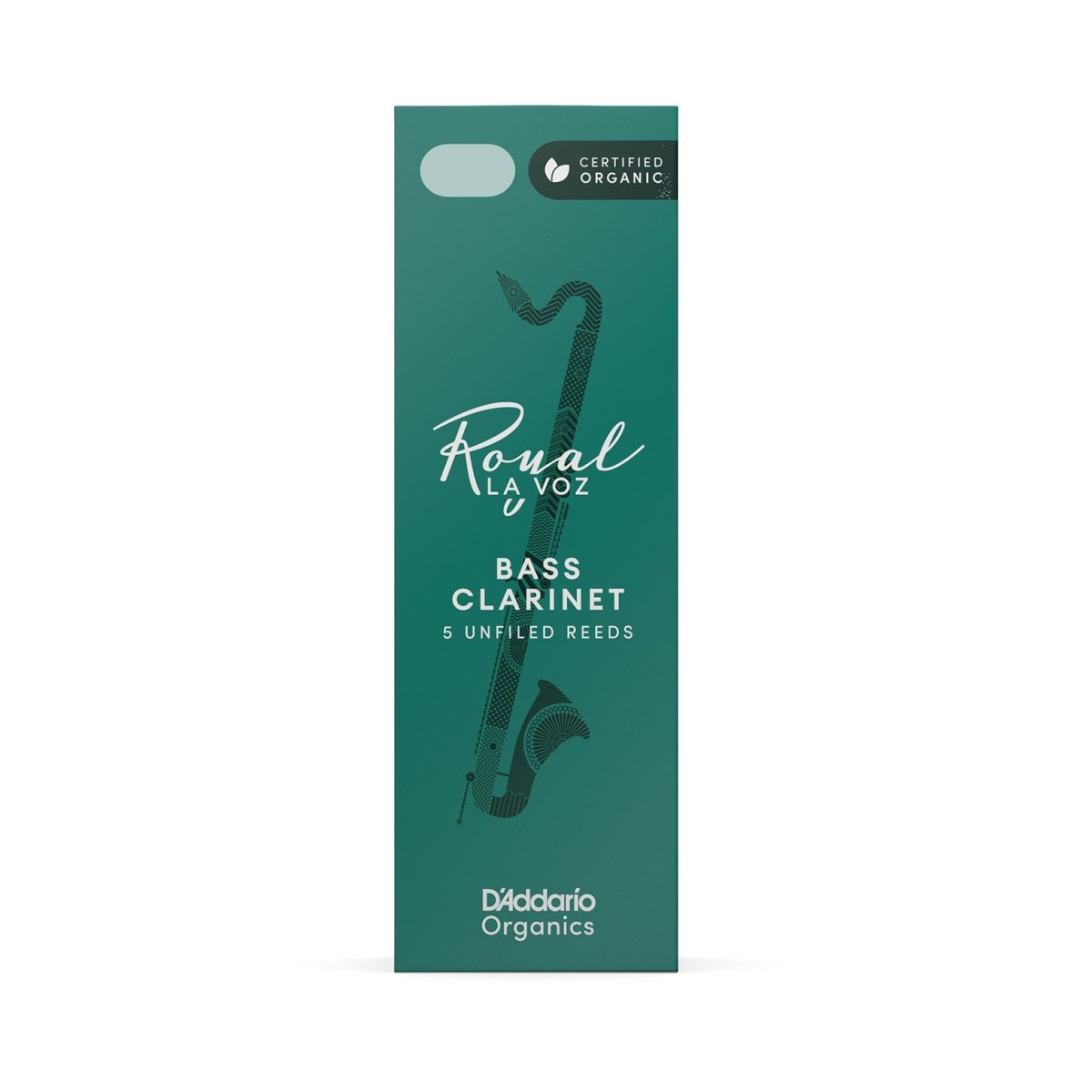
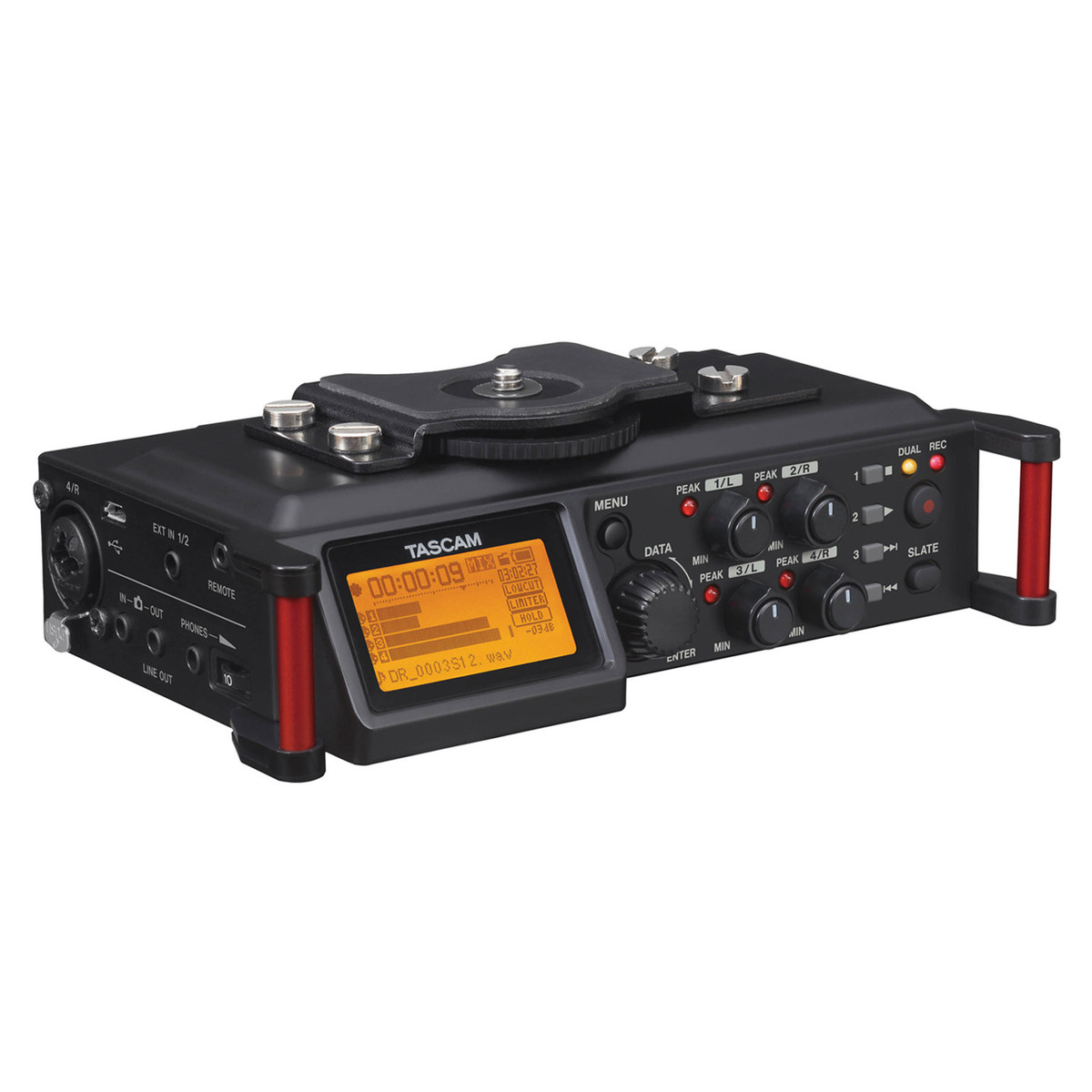
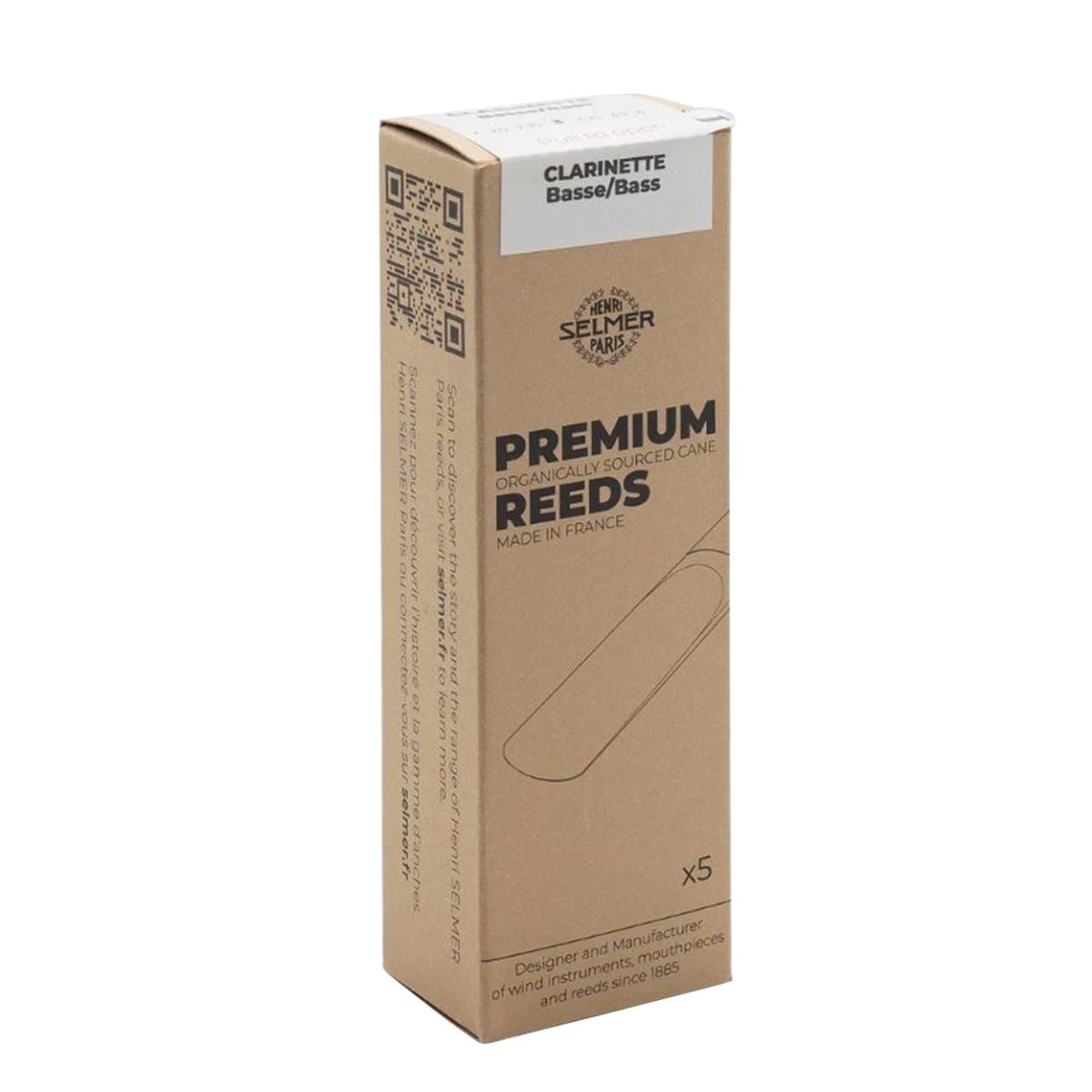
In the market for woodwind accessories and instruments, the FL241S sits alongside essential gear like the Tascam DR-70D recorder for performance capture, and various reeds such as those from the D'Addario Royal or Selmer Paris lines used for clarinets. Compared to standard closed-hole beginner models, the FL241S offers a more advanced path for growth, though it requires more precise finger placement to ensure the holes are fully covered.
Related gear
 £18.35 ($23)
Daddario
DAddario Royal La Voz Organic Bass Clarinet Reeds Hard (5 Pack)
 £220.00 ($279)
Tascam
Tascam DR-70D Professional Recorder for DSLR
 £19.90 ($25)
Daddario
DAddario Royal Mitchell Lurie Organic Bb Clarinet Reeds 1.5 (10 Pack)
 £22.00 ($28)
Selmer Paris
Selmer Paris Bass Clarinet Reeds 3.25 (5 Pack)
 £5.99 ($8)
Percussion Plus
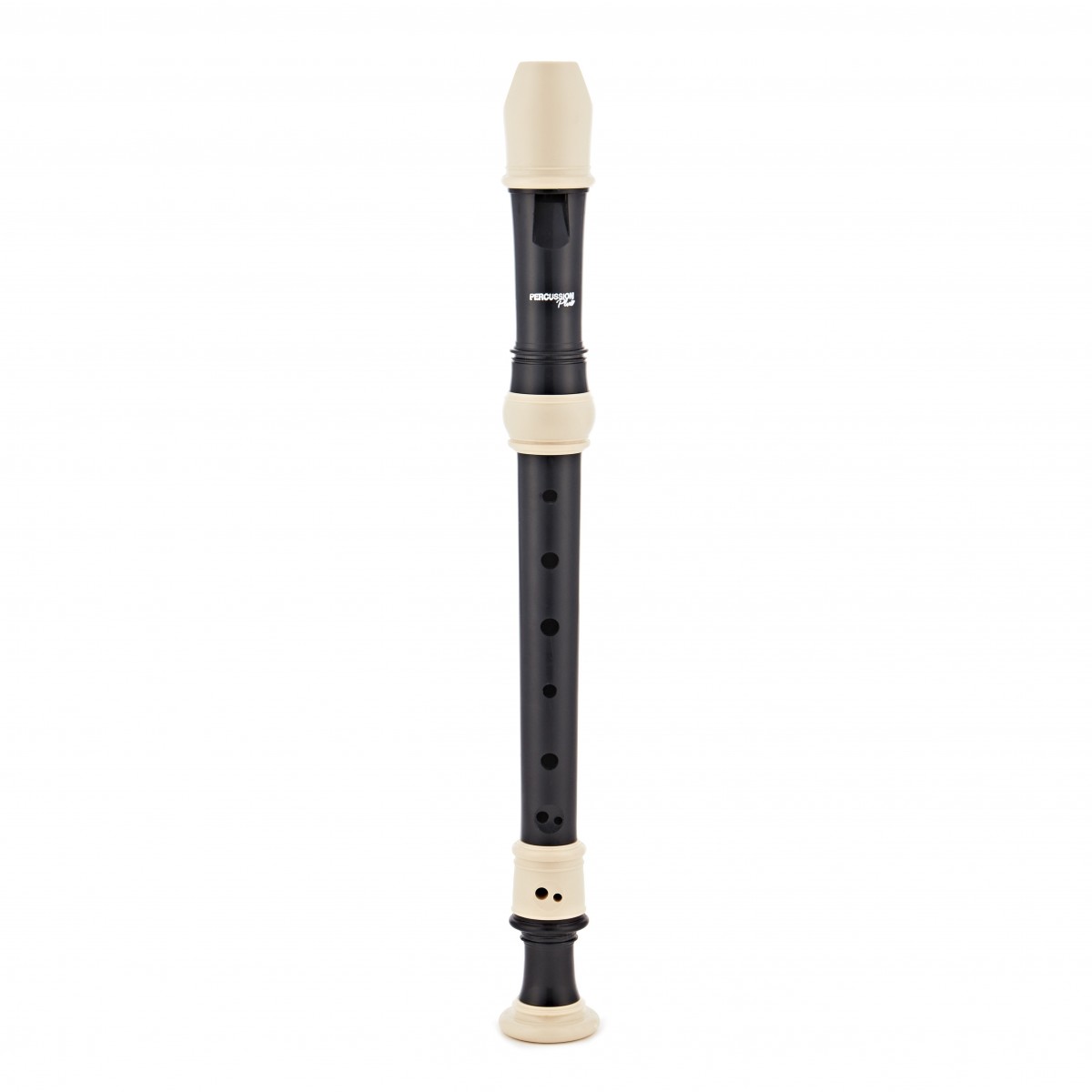
Percussion Plus PP993 Recorder Descant C
 £82.60 ($105)
Vandoren
Vandoren M/O Clarinet Bb Ligature Plated Gold M/O with Plastic Cap
 £45.00 ($57)
Yamaha
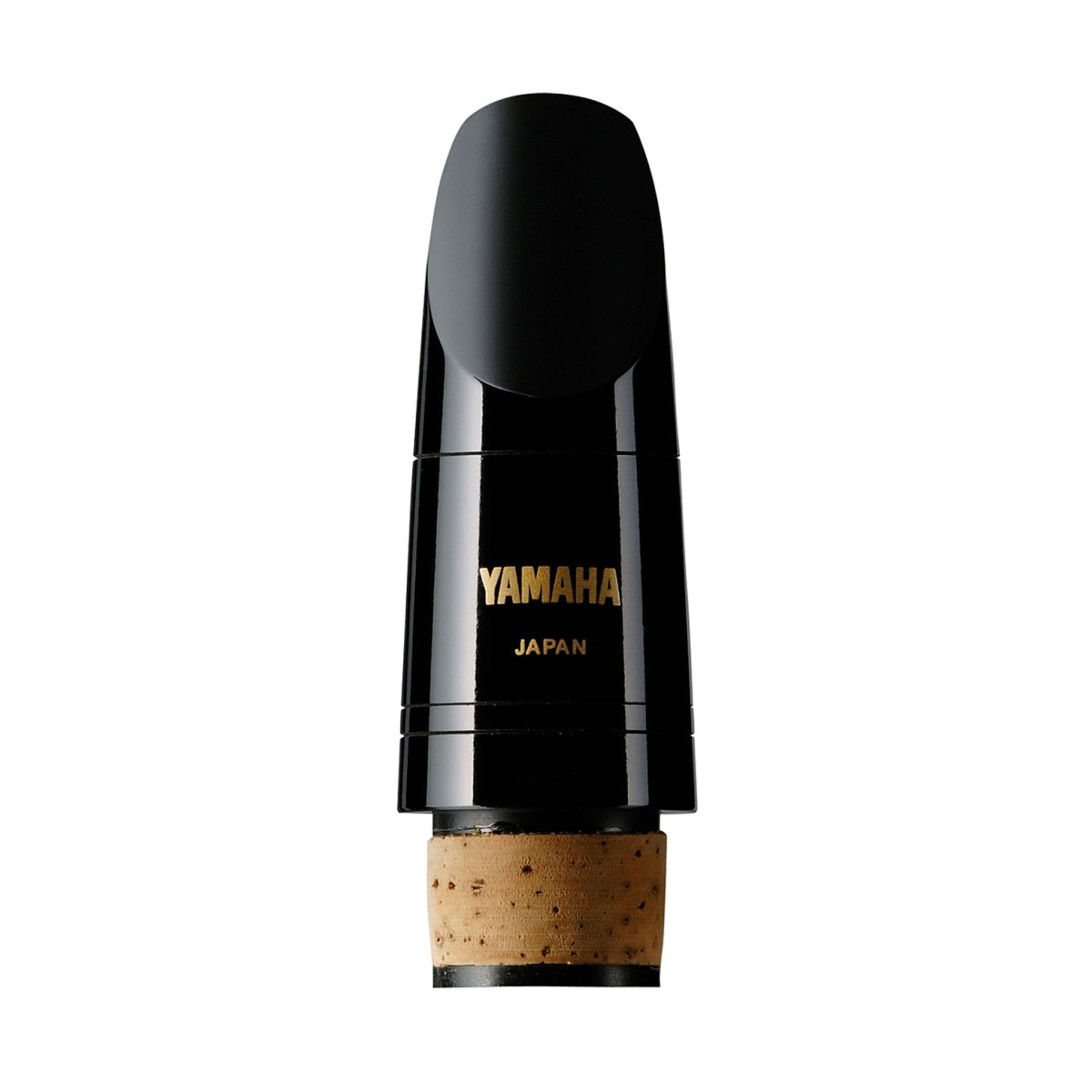
Yamaha 6C Eb Clarinet Mouthpiece
 £40.00 ($51)
BG
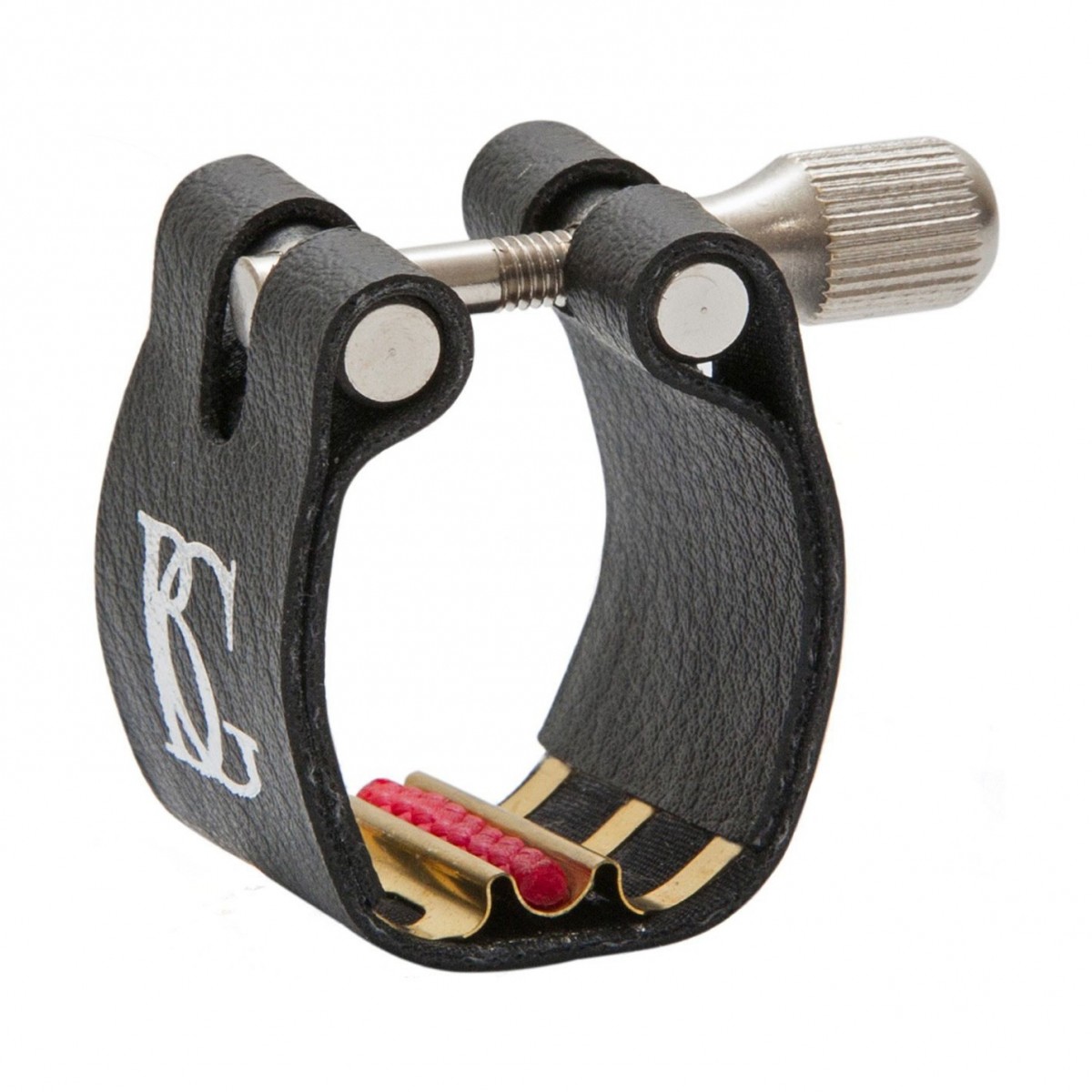
BG Eb Clarinet Revelation Ligature
Frequently asked questions
- What is the main difference between the Stagg FL241S and a standard beginner flute?
- The primary difference is the open-hole design. While many beginner flutes have closed keys, the FL241S has holes in the centre of the keys, allowing for advanced techniques like pitch bending and microtones.
- What material is the Stagg FL241S made from?
- The instrument is constructed from nickel-silver. It is then finished with silver plating to provide better tonal resonance and a professional appearance without the cost of solid silver.
- Is this flute suitable for a total beginner?
- It can be used by beginners, but the open holes require precise finger placement to seal the air. It is generally recommended for students who are ready to move toward intermediate techniques or those specifically interested in jazz.
- What is the benefit of an offset G key?
- An offset G key is placed slightly to the side to follow the natural contour of the human hand. This makes the flute more ergonomic and comfortable to hold, especially for players with smaller hands.
- What does the split E mechanism do?
- The split E mechanism makes it significantly easier to produce a clear and stable high E. It is a mechanical adjustment that closes a specific key when playing high E to improve response.
- Can you perform microtones on the Stagg FL241S?
- Yes, the open-hole design is specifically intended for this. By only partially covering the holes, players can achieve microtonal pitches and smooth note bends not possible on closed-hole models.
- How much does the Stagg FL241S typically cost?
- The typical price range for this model is approximately £275. This places it in the affordable student-to-intermediate category of woodwind instruments.
- What genre of music is this flute best for?
- While it can be used for any genre, it is particularly well-suited for jazz and contemporary music. These genres often require the extended techniques and pitch manipulation that open holes provide.
- How does the silver plating affect the sound?
- The silver plating is intended to give the instrument a brighter and more resonant timbre compared to plain nickel-silver. It offers some of the tonal characteristics of a professional silver flute at a lower price point.
- Are there specific accessories recommended for use with this flute?
- While the flute is standalone, woodwind players often use related gear like Tascam recorders for practice. Maintenance items like cleaning rods and cloths are also essential for silver-plated instruments.
- What are multiphonics on the flute?
- Multiphonics are an extended technique where the player produces more than one pitch simultaneously. The open holes on the FL241S make these easier to achieve through varied fingerings.
- Is the Stagg FL241S more ergonomic than older flute designs?
- Yes, because it features both an offset G and a split E mechanism. Older or more traditional designs sometimes used an inline G, which can put more strain on the player's left hand.