
Category guide
Steel-String Acoustic Guitars
The steel-string acoustic guitar is a plucked string instrument that produces sound through the vibration of steel strings over a hollow resonance chamber. These instruments are distinguished by their bright, loud tone and are widely used across genres including folk, country, pop, and rock.
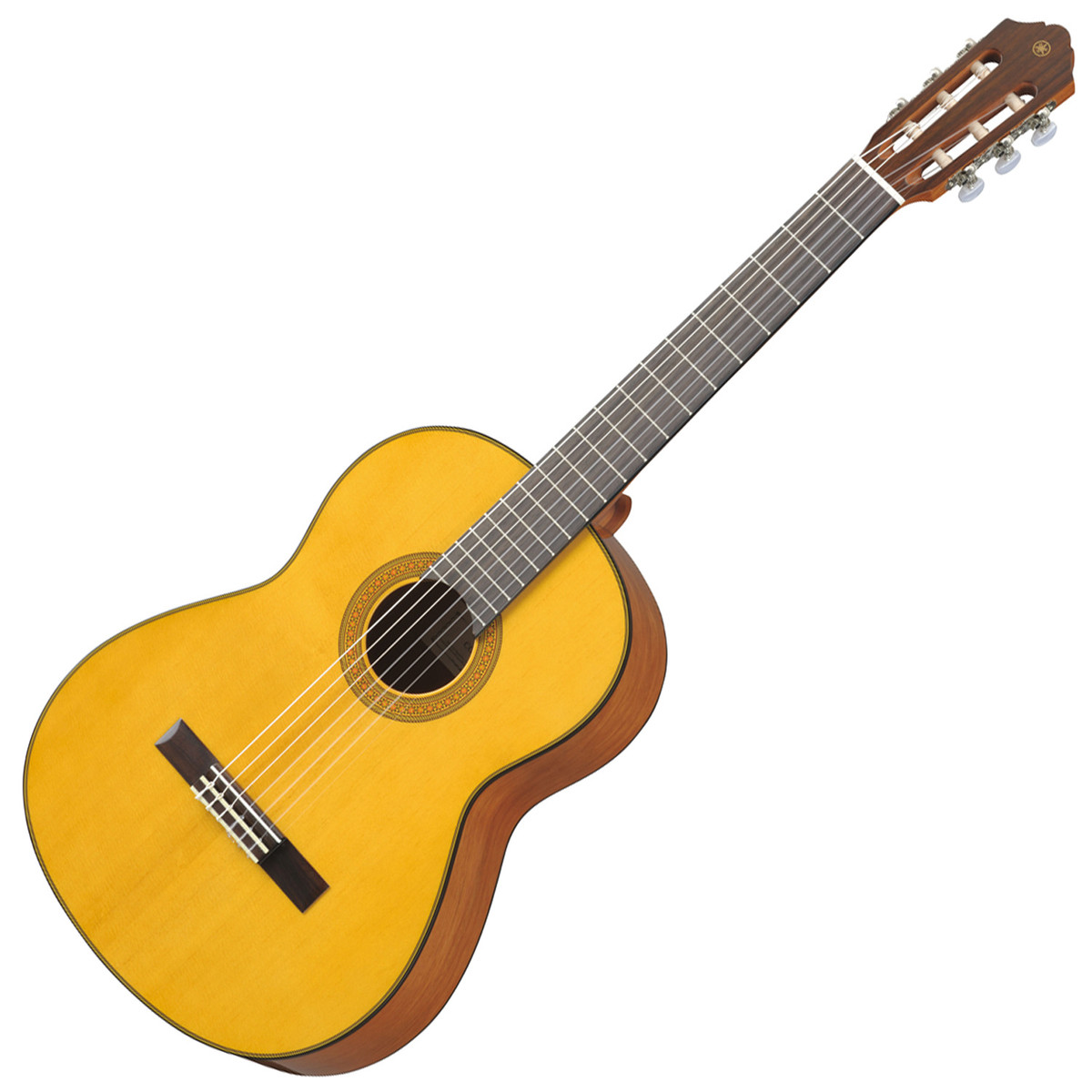
Yamaha CG142S Classical Acoustic Guitar Natural Gloss
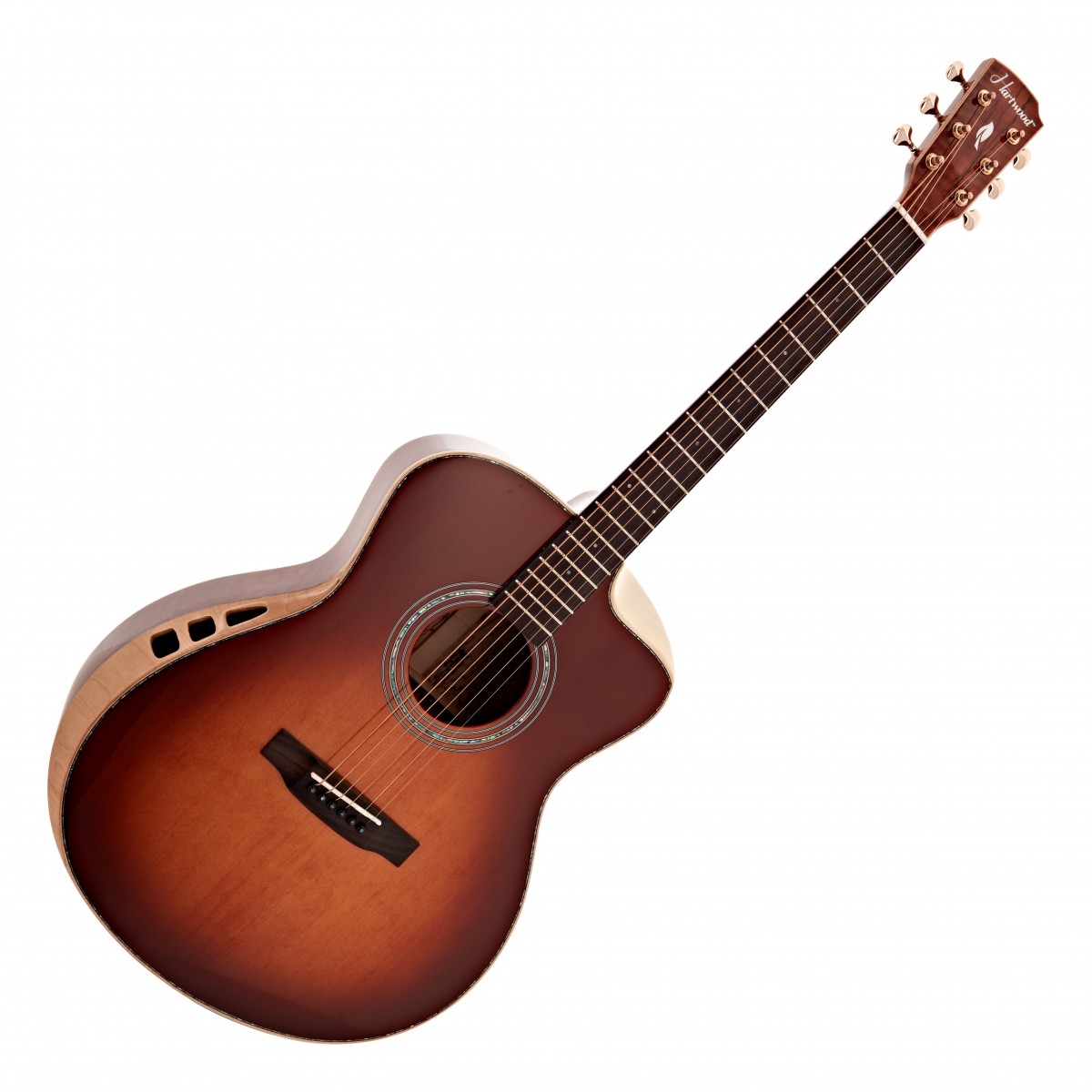
Hartwood Sonata Grand Auditorium Acoustic Guitar RW Charcoal Stain
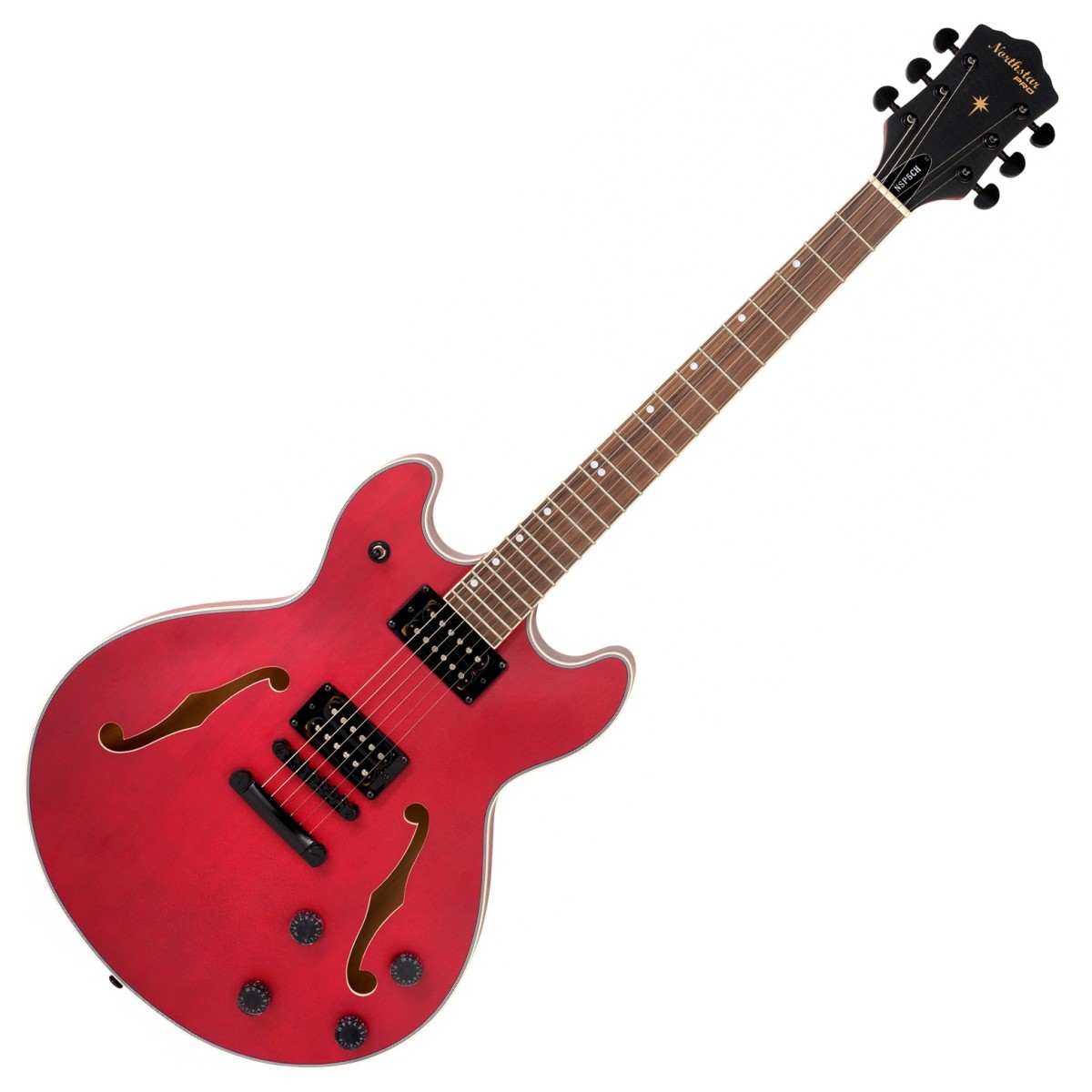
Tanglewood Northstar Pro NSP5CH Semi Acoustic Guitar Cherry Open Pore
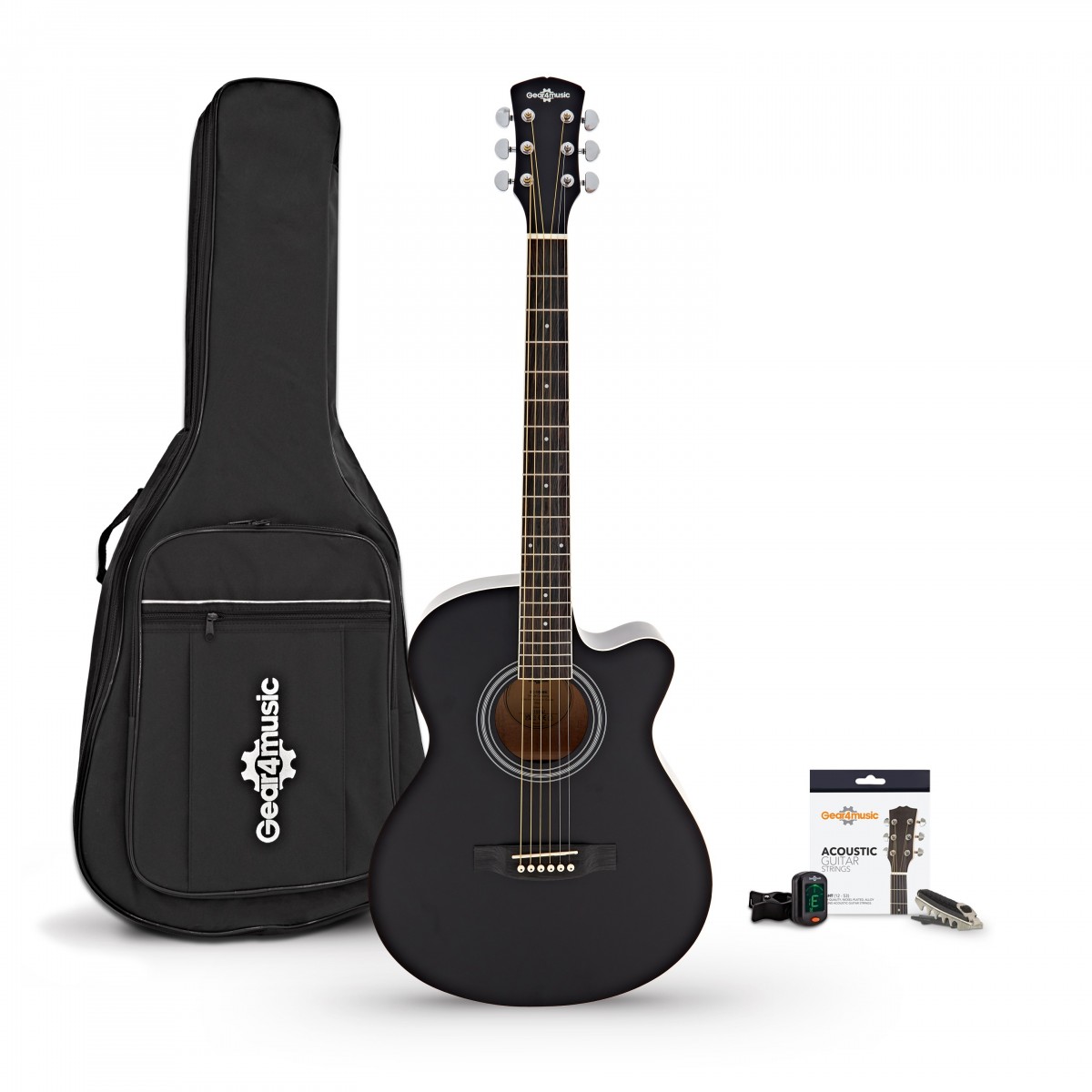
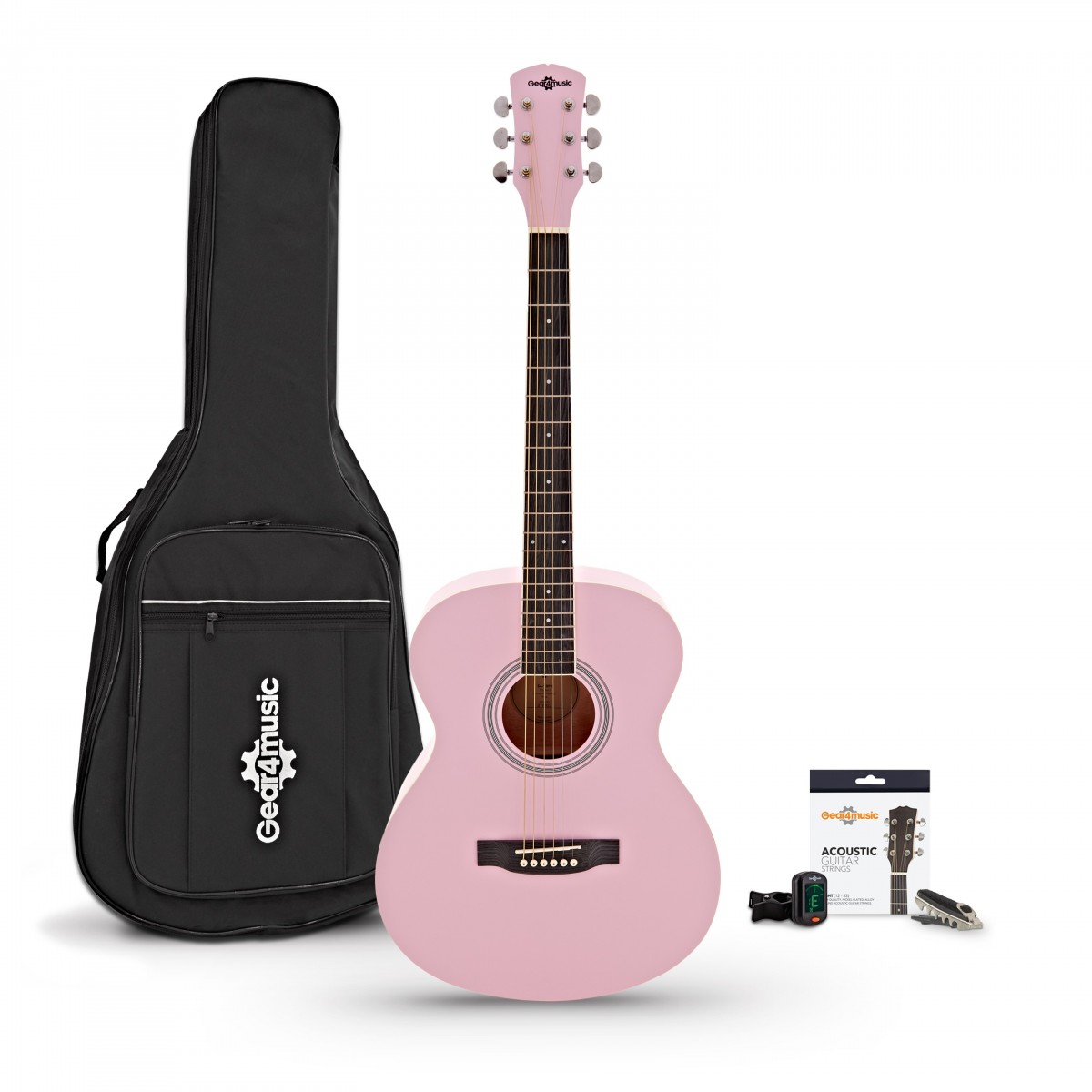
Single Cutaway Acoustic Guitar & Accessory Pack by Gear4music Black
Overview
The steel-string acoustic guitar is a fundamental instrument in modern music. Unlike classical guitars, which use nylon strings, these instruments use high-tension steel strings that provide a more percussive and resonant sound. They are typically played with a plectrum or fingers. At the entry-level and intermediate price points (GPB 50–500), these guitars are often constructed with either laminate tops for durability or solid wood tops for improved tonal quality.
Anatomy and Construction
A steel-string guitar consists of a hollow body (the soundboard or top, back, and sides), a neck, and a fretboard. The soundboard is the most critical component for tone; models like the Yamaha CG142S illustrate the use of traditional gloss finishes to protect the wood, while the Tanglewood Northstar Pro series often features 'open pore' finishes that allow the wood to vibrate more freely. Tuners are located on the headstock to adjust string tension, and a bridge on the body anchors the strings.
Standard Body Shapes
Design variations significantly affect both the ergonomics and the sound of the instrument:
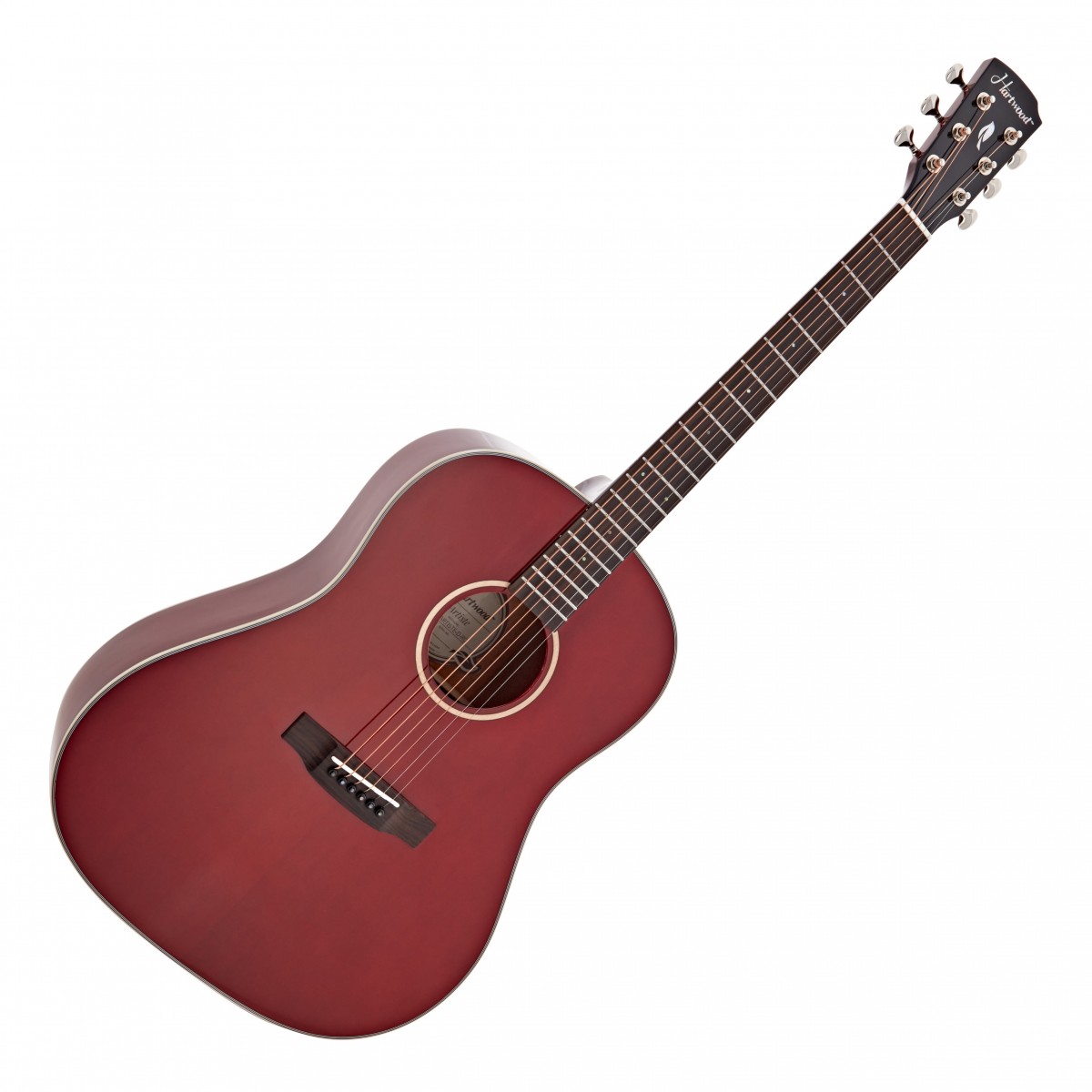
- Dreadnought: A large, deep-bodied guitar known for its loud volume and strong bass response, such as the Hartwood Artiste.
- Grand Auditorium: A mid-sized guitar that offers a balance between volume and comfort, exemplified by the Hartwood Sonata.
- Single Cutaway: A design where a portion of the upper body is removed to allow easier access to the higher frets, as seen in the Gear4music Single Cutaway models.
- Student/Parlour: Smaller-scale instruments designed for beginners or younger players, such as the Gear4music Student series.
Electronics and Amplification
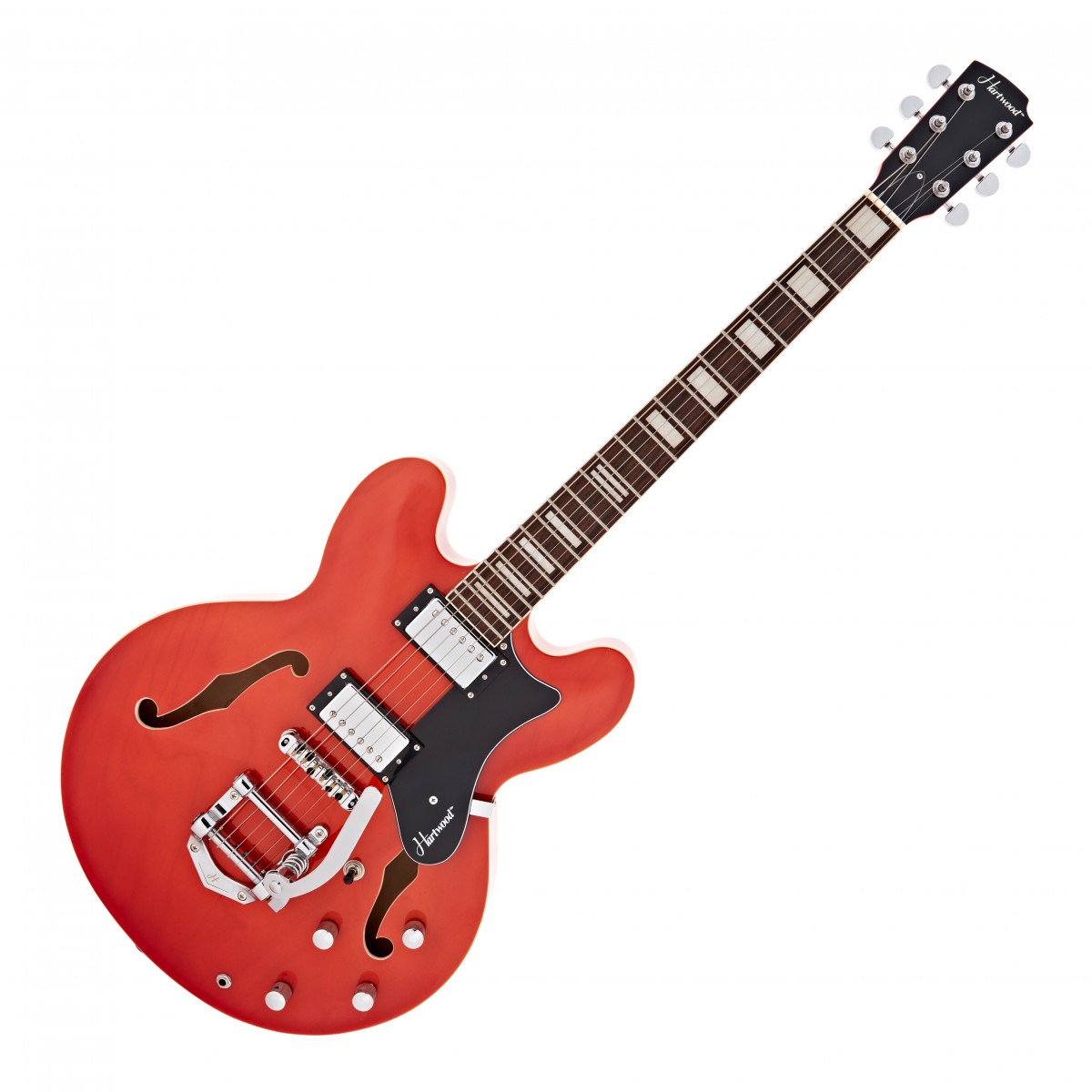
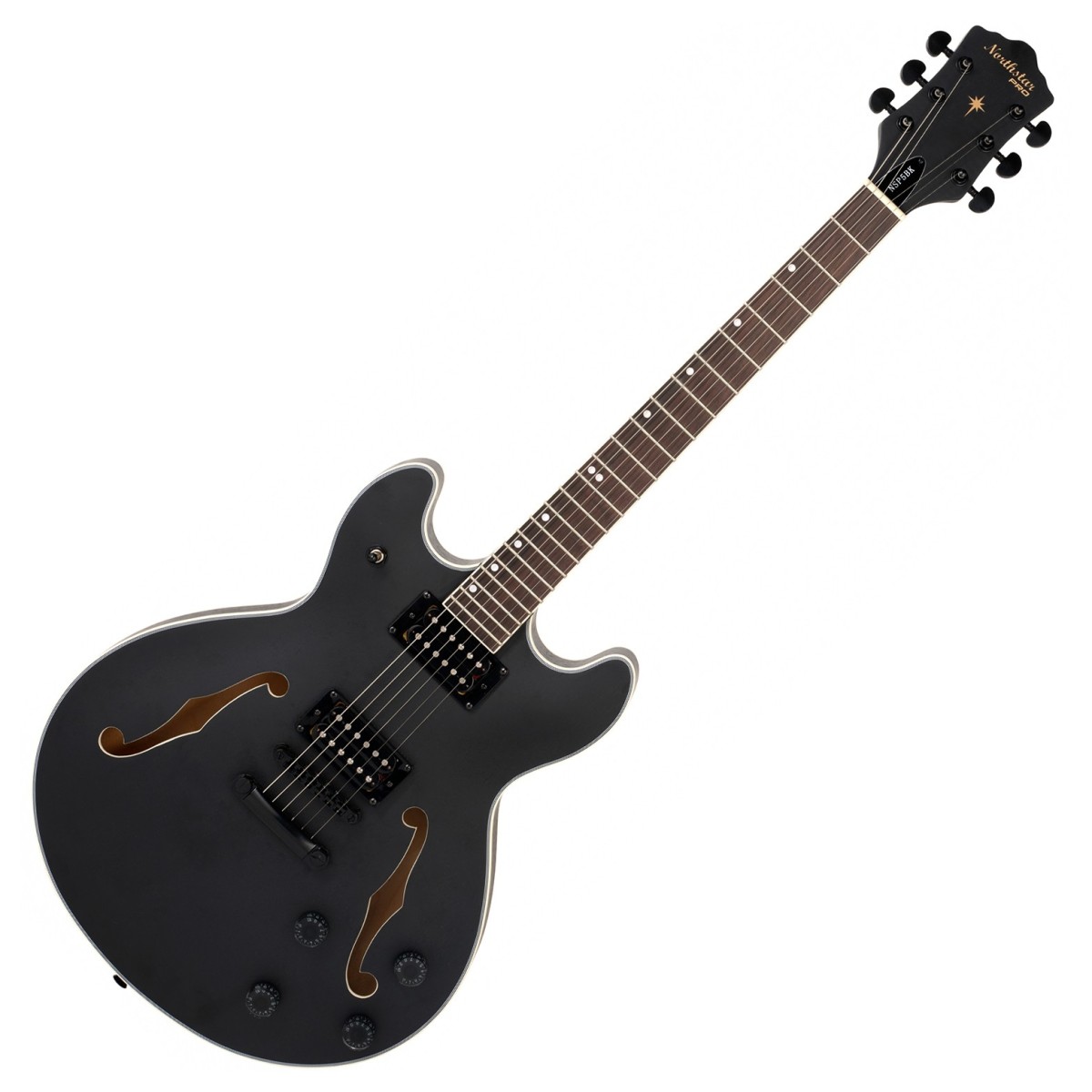
Many modern steel-string instruments are 'semi-acoustic' or 'acoustic-electric'. These guitars include internal pickups and preamps, allowing the player to plug the instrument into an amplifier or PA system. The Tanglewood Northstar Pro NSP5 series is a typical example of this category. Some models, like the Hartwood Revival, go further by incorporating electric guitar features such as vibrato systems while maintaining a semi-acoustic hollow-body structure.
Selecting an Instrument
When choosing a guitar within the GBP 50–500 range, buyers should consider the 'action' (the height of the strings from the fretboard) and the body size. Smaller players may prefer a Student or Grand Auditorium model, while those seeking maximum volume may choose a Dreadnought. Beginners often benefit from 'accessory packs' which include essentials like gig bags, straps, and tuners to provide a complete starting kit.
Related gear
- £349.00 ($443)
Yamaha
Yamaha CG142S Classical Acoustic Guitar Natural Gloss
- £499.99 ($635)
Hartwood
Hartwood Sonata Grand Auditorium Acoustic Guitar RW Charcoal Stain
- £299.00 ($380)
Northstar
Tanglewood Northstar Pro NSP5CH Semi Acoustic Guitar Cherry Open Pore
- £59.99 ($76)
Gear4Music
Single Cutaway Acoustic Guitar & Accessory Pack by Gear4music Black
 £199.99 ($254)
Hartwood
Hartwood Artiste Dreadnought Acoustic Guitar Red
 £249.99 ($317)
Hartwood
Hartwood Revival Vibrato Semi Acoustic Guitar Burnt Orange
 £299.00 ($380)
Northstar
Tanglewood Northstar Pro NSP5BK Semi Acoustic Guitar Black Open Pore
 £44.99 ($57)
Gear4Music
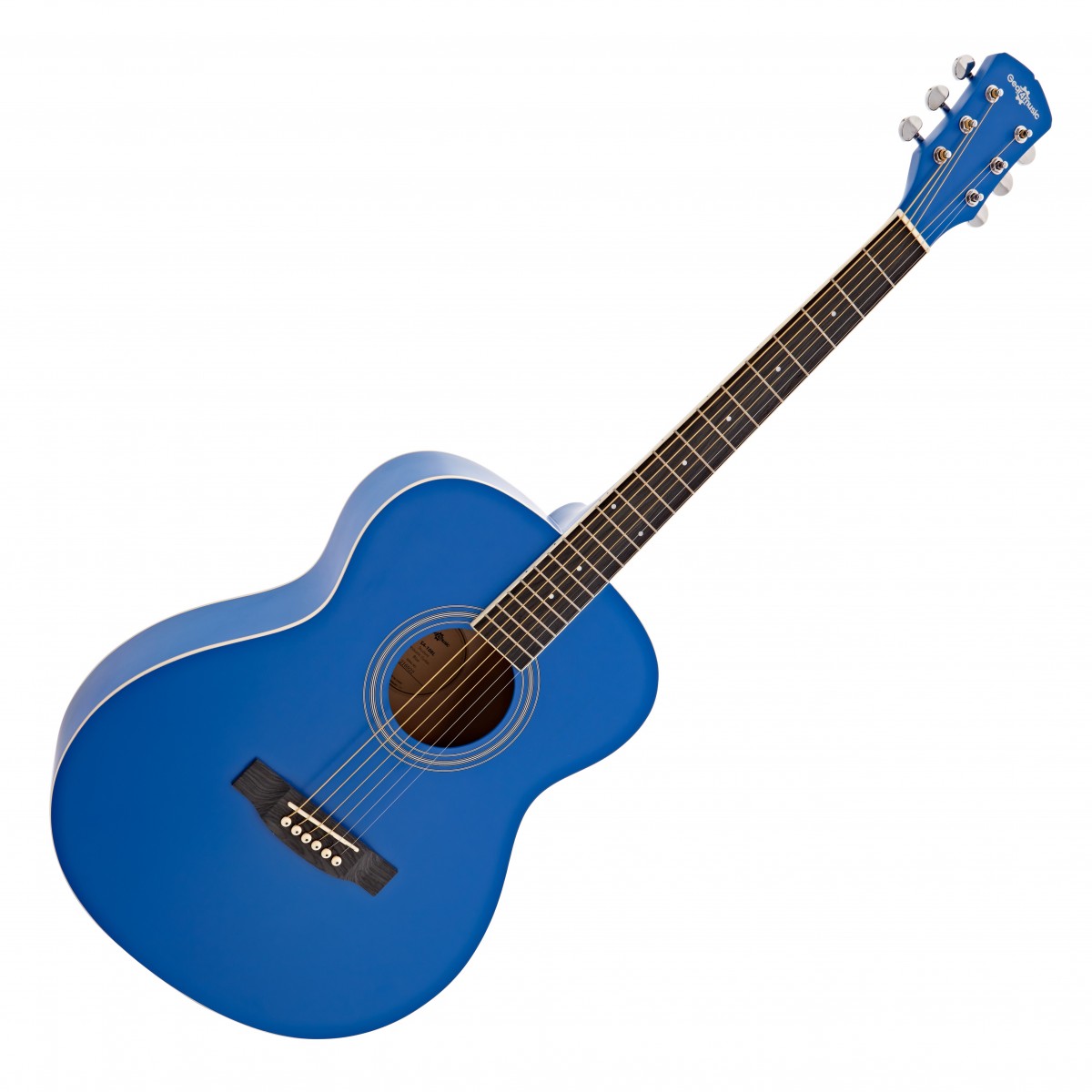
Student Acoustic Guitar by Gear4music Blue
Frequently asked questions
- What is the difference between an acoustic and a semi-acoustic guitar?
- A standard acoustic guitar relies entirely on its hollow body for resonance and volume. A semi-acoustic guitar, such as the Northstar Tanglewood NSP5 series, includes internal electronics so it can be plugged into an amplifier.
- What defines a 'Dreadnought' acoustic guitar?
- A Dreadnought is a large-bodied guitar known for its broad shoulders and deep resonance. It provides a louder, bass-heavy sound compared to smaller models like the Hartwood Sonata.
- Can I use steel strings on a classical guitar?
- No, you should not use steel strings on a classical guitar like the Yamaha CG142S. Classical guitars are built for lower-tension nylon strings; the high tension of steel strings will likely warp the neck or damage the bridge.
- What is an 'open pore' finish?
- An open pore finish, found on models like the Northstar Tanglewood Pro, is a thin coating that does not fill the natural grain of the wood. This is intended to let the wood vibrate more freely for a more natural sound.
- What is the purpose of a single cutaway?
- A single cutaway is an indentation in the body of the guitar next to the neck. It allows the player's hand to reach the higher frets more easily than a full-bodied acoustic guitar.
- What should a beginner look for in an acoustic guitar?
- Beginners should look for a guitar with comfortable action and a manageable body size. Many start with a 'Student' model or an 'Accessory Pack' that includes a tuner and gig bag for convenience.
- What is a vibrato system on a semi-acoustic guitar?
- A vibrato system, such as that found on the Hartwood Revival, is a mechanical bridge component. It allows the player to vary the pitch of the strings by moving a lever, creating a 'shimmering' effect.
- Are there different sizes for younger players?
- Yes, instruments like the Gear4music Student Acoustic Guitar are often designed with slightly smaller dimensions. This makes them easier for younger students or smaller-framed players to hold and play.
- What does 'Grand Auditorium' refer to?
- Grand Auditorium refers to a guitar body shape that is narrower at the waist than a dreadnought. It is generally considered a versatile 'all-rounder' for both fingerpicking and strumming.
- How does wood choice affect the price?
- Entry-level guitars around GBP 50 often use laminate woods. As the price moves towards GBP 500, guitars are more likely to feature solid wood tops, which offer better tonal resonance and aging characteristics.
- What is a semi-acoustic 'Burnt Orange' or 'Charcoal Stain'?
- These terms refer to the aesthetic finish of the guitar. For example, the Hartwood Sonata features a Charcoal Stain while the Hartwood Revival is offered in Burnt Orange, providing visual variety beyond natural wood.
- Is a gloss finish better than a matte finish?
- A gloss finish, like on the Yamaha CG142S, is highly reflective and provides a thick protective layer. Matte or open-pore finishes are less reflective and can feel smoother to the touch, though both are largely a matter of personal preference.