Gear article
Strymon BigSky Multi Reverb Pedal
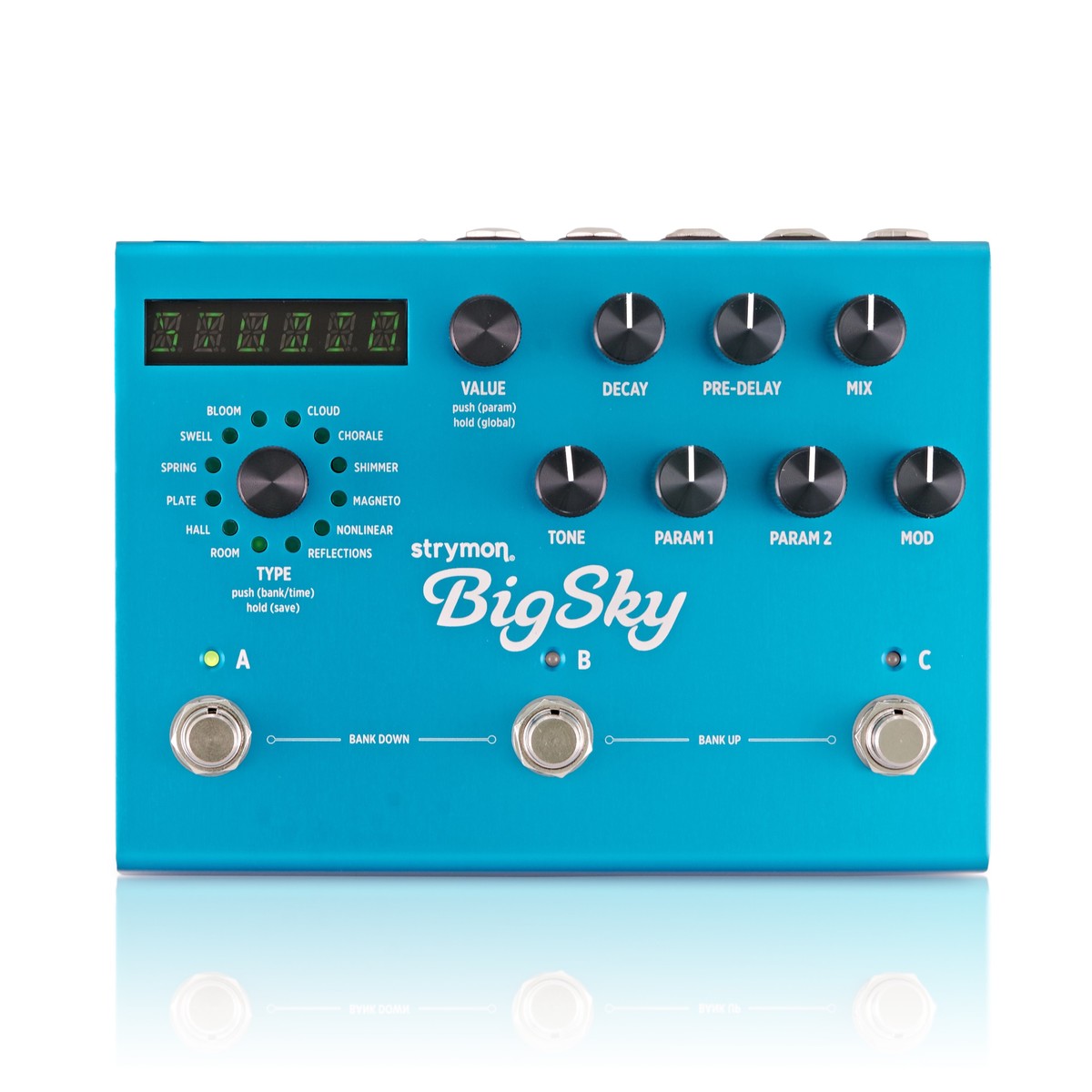
The Strymon BigSky is a high-end multi-reverb guitar effects pedal known for its studio-quality algorithms and versatile stereo processing. It features twelve distinct reverb machines ranging from traditional room simulations to expansive, experimental ambient textures.
Background and Design
The Strymon BigSky was developed as a comprehensive solution for guitarists and studio engineers seeking high-fidelity reverb processing in a stompbox format. It serves as a flagship model within Strymon's large-format pedal range, prioritising complex digital signal processing (DSP) to achieve textures that were previously only available in rack-mounted studio hardware. The unit is housed in a durable aluminium chassis and is designed to handle both instrument and line-level signals.
Core Features and Functionality
The pedal offers twelve unique reverb machines, including traditional Room, Hall, Plate, and Spring settings, alongside more advanced algorithms such as Swell, Bloom, Cloud, Chorale, Shimmer, Magneto, Nonlinear, and Reflections. These machines allow for the creation of everything from tight acoustic spaces to infinite atmospheric washes.
Control is facilitated through a series of intuitive knobs for Decay, Pre-Delay, Mix, Tone, and Parametric settings, supplemented by a digital display for precise preset management. The unit supports full MIDI integration, allowing for external control over parameters and easy integration into complex professional rigs. Furthermore, an expression pedal input enables real-time manipulation of any assigned parameter.
Stereo Operations and Connectivity
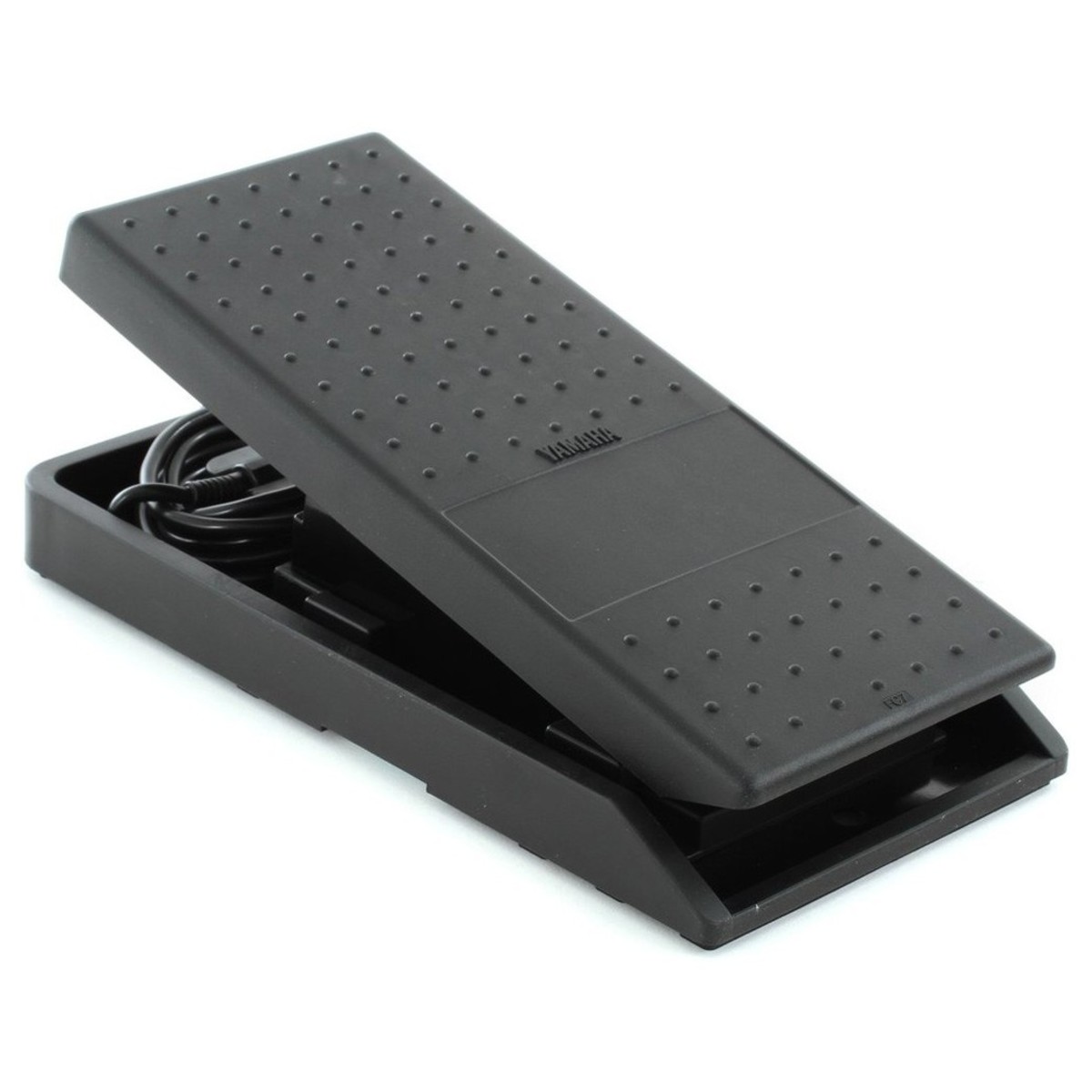
A defining characteristic of the BigSky is its true stereo audio path. This configuration is essential for maintaining the depth and width of its spatial effects, particularly when used in recording environments or dual-amplifier live setups. The inclusion of MIDI I/O ensures that the pedal can be synchronised with other digital gear, while the expression pedal input (compatible with devices like the Yamaha FC7) provides hands-free creative control over the reverb's character.
Comparative Context
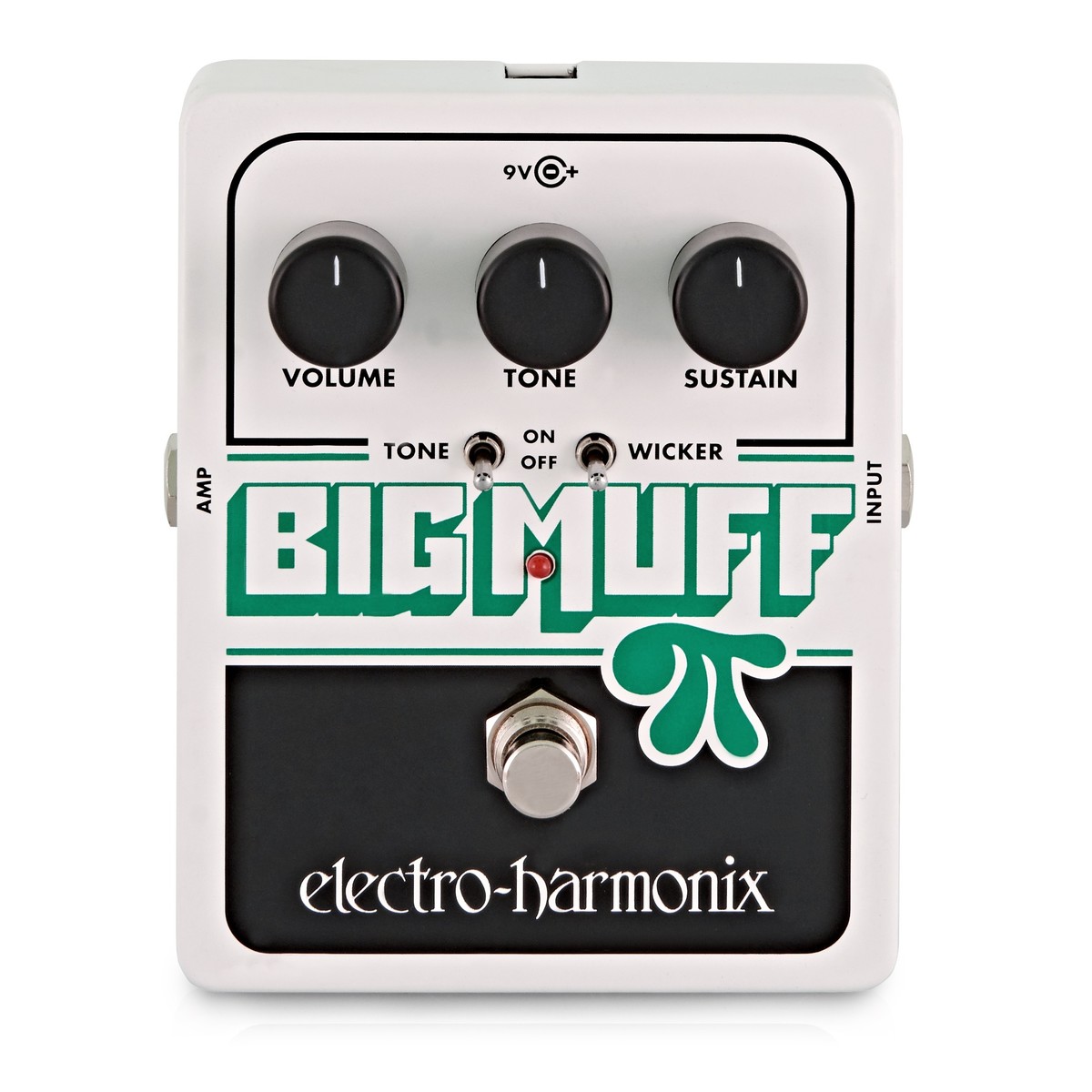
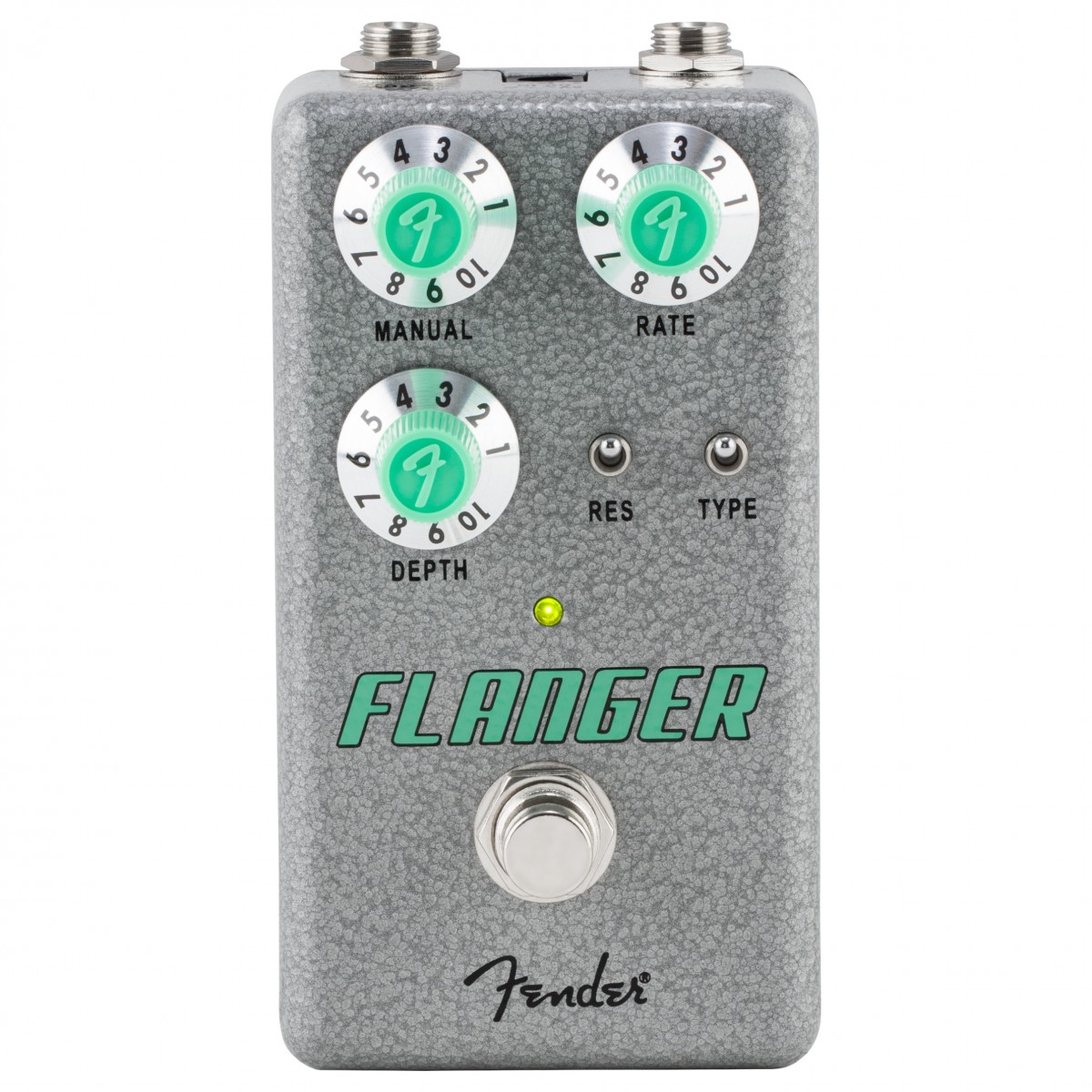
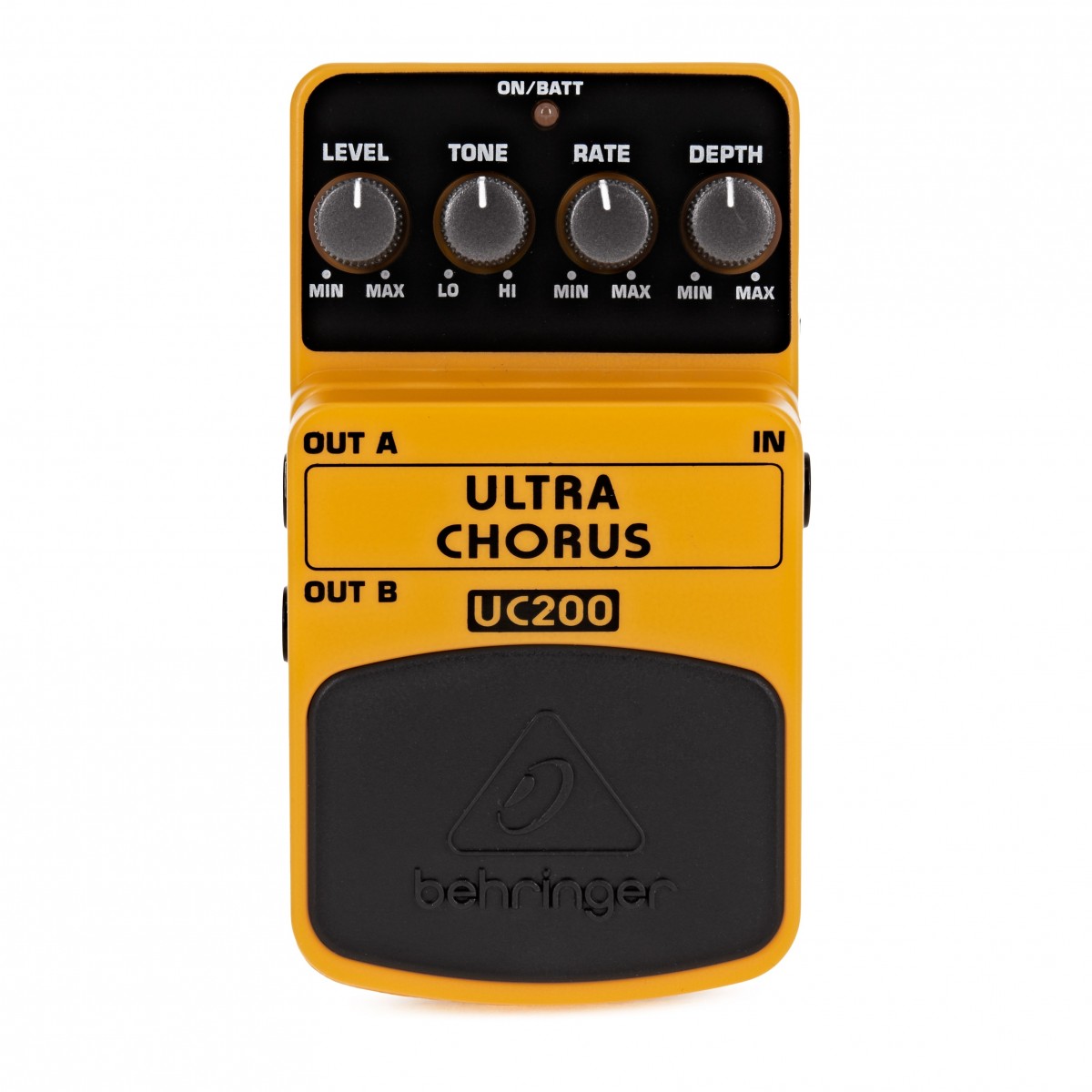
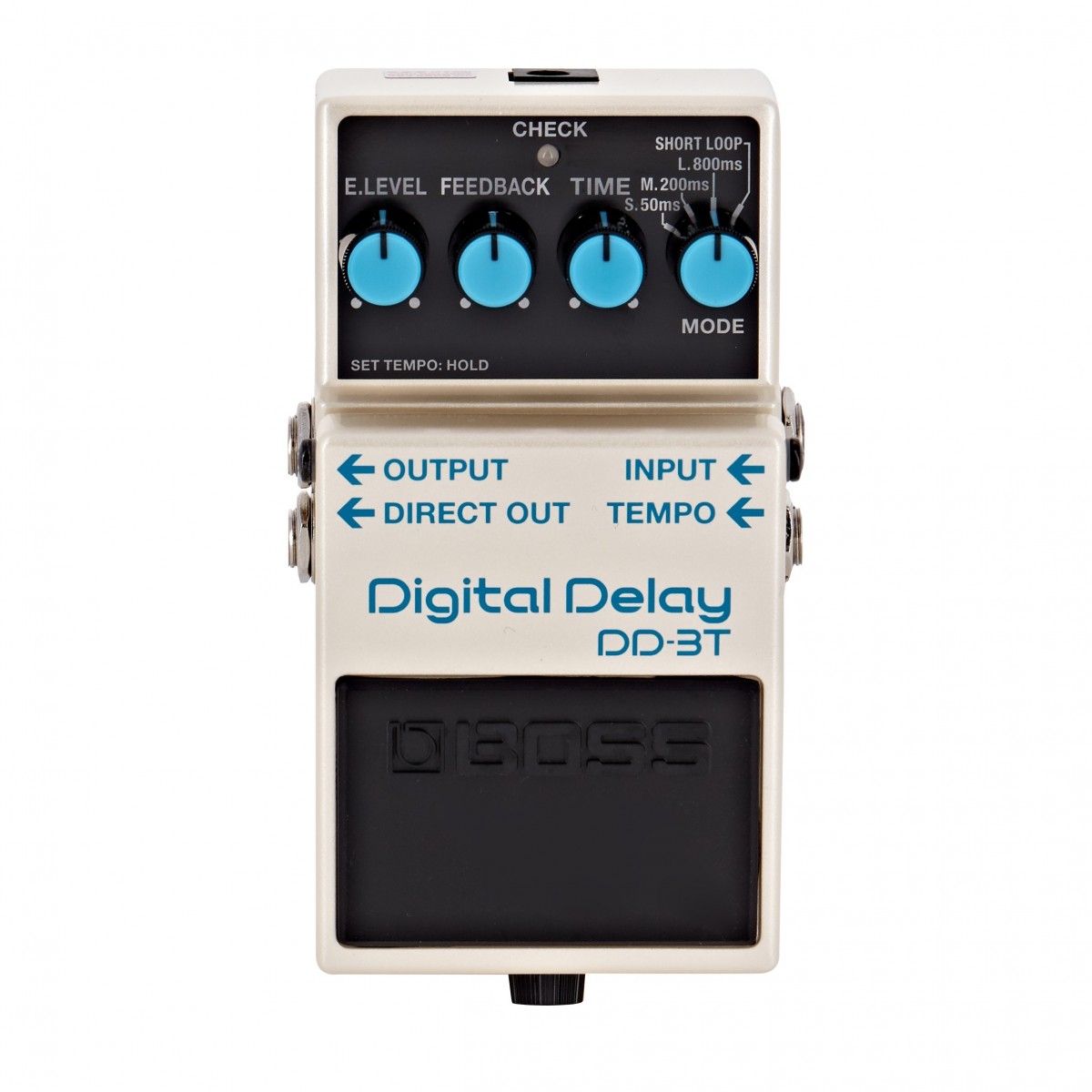
Within a signal chain, the BigSky is often positioned alongside other high-quality digital tools such as the Boss DD-3T Digital Delay. While it provides expansive spatial effects, it serves a different functional purpose than utility pedals like the Boss NS-2 Noise Suppressor or gain-based effects such as the Electro Harmonix Big Muff. Its focus is strictly on high-fidelity time-based processing, offering a broader range of tonal flexibility than smaller, single-algorithm units like the Fender Hammertone Flanger or the Behringer UC200.
Related gear
 £97.00 ($123)
Electro Harmonix
Electro Harmonix Big Muff Distortion Sustainer w/ Tone Wicker
 £119.00 ($151)
Digitech
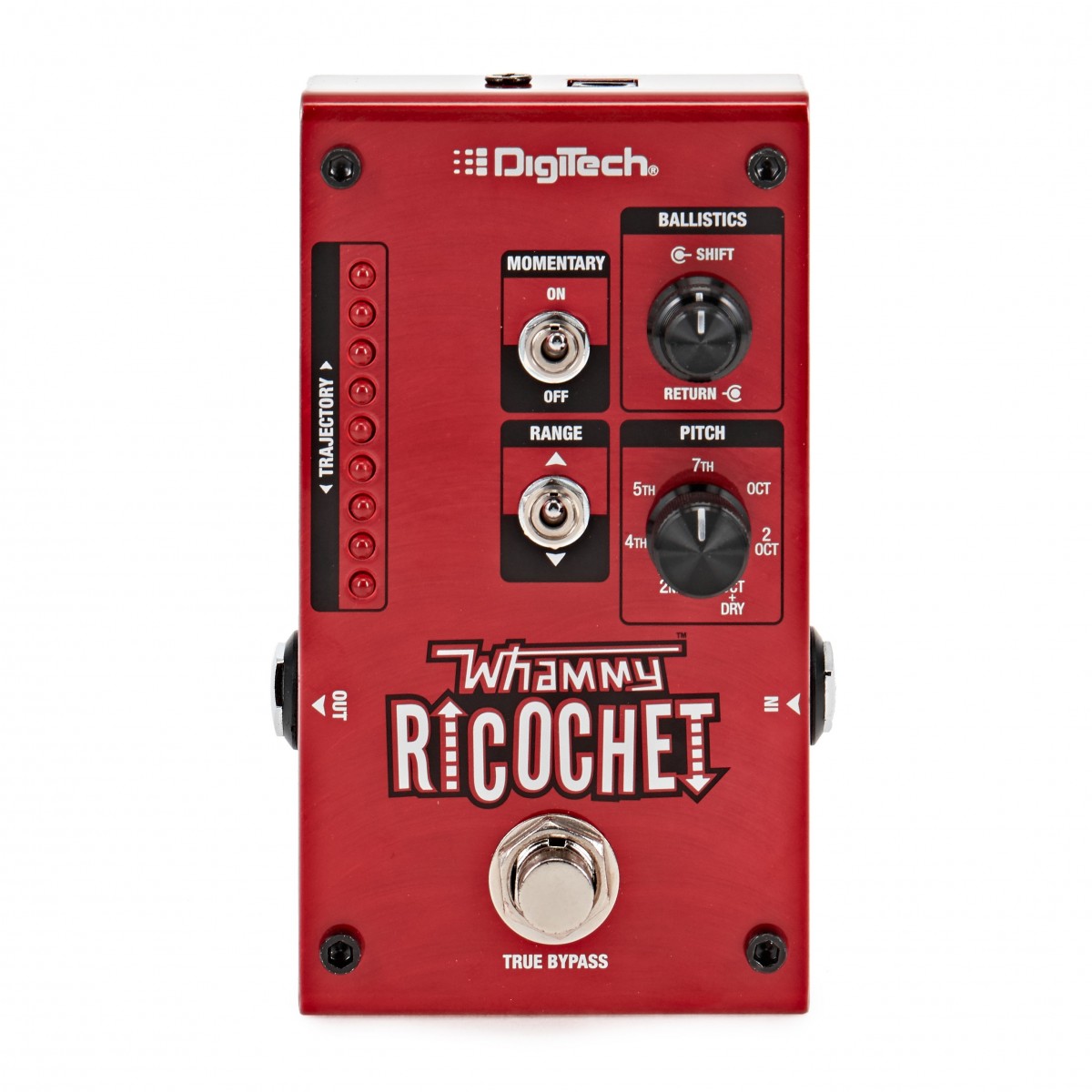
Digitech Whammy Ricochet Guitar Effects Pedal
 £85.00 ($108)
Fender
Fender Hammertone Flanger Pedal
 £23.00 ($29)
Behringer
Behringer UC200 Ultra Chorus Pedal
 £259.00 ($329)
Dunlop
Dunlop Mick Ronson Cry Baby Wah
- £78.60 ($100)
Yamaha
Yamaha FC7 Expression Pedal
 £175.00 ($222)
Boss
Boss DD-3T Digital Delay Pedal
 £99.10 ($126)
Boss
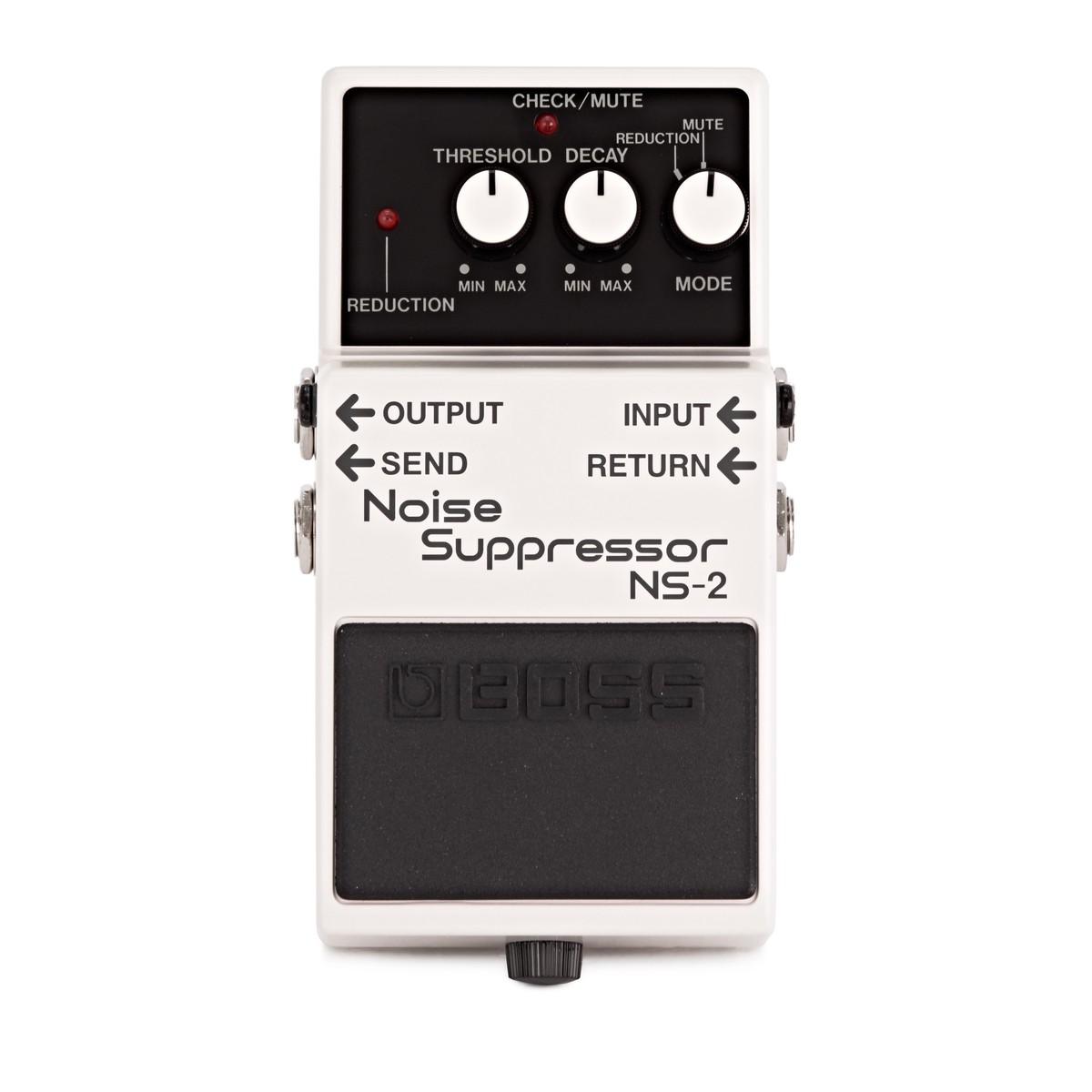
Boss NS-2 Noise Suppressor Guitar Pedal
Frequently asked questions
- How many reverb types are available on the Strymon BigSky?
- The pedal features twelve unique reverb machines. These include Room, Hall, Plate, Spring, Swell, Bloom, Cloud, Chorale, Shimmer, Magneto, Nonlinear, and Reflections.
- Does the Strymon BigSky support stereo audio?
- Yes, the pedal is designed with full stereo inputs and outputs. This allows users to maintain a wide spatial image when recording or performing with a dual-amplifier setup.
- Can the BigSky be controlled via MIDI?
- Yes, the unit features MIDI connectivity. This makes it easy to incorporate into large, automated rigs where preset changes and parameter adjustments are handled by an external controller.
- What is the typical price for a Strymon BigSky in the UK?
- The typical price range for this unit is approximately GBP 449. This reflects its status as a professional-grade studio and performance tool.
- Can I use an expression pedal with the BigSky?
- Yes, the pedal includes a dedicated input for an expression pedal, such as the Yamaha FC7. This allows for real-time control over various reverb parameters for creative performances.
- What kind of power supply does the BigSky require?
- The pedal requires a standard 9V DC centre-negative power supply. It is recommended to use a high-current supply as the digital processing demands more power than standard analogue pedals.
- Is the BigSky suitable for studio use?
- Yes, it is specifically described as offering studio-quality reverbs. Its high-fidelity audio path and extensive parameter controls make it a popular choice for tracking and mixing.
- How does the 'Cloud' machine function?
- The Cloud machine is an ambient reverb algorithm that produces large, soft, and atmospheric textures. It is designed to create a sense of vast space that reacts dynamically to the input signal.
- Does the BigSky have a built-in cabinet simulator?
- Yes, the BigSky includes a toggleable Cab Filter. This is designed to emulate the frequency response of a guitar speaker cabinet for direct recording or monitoring.
- Can I save presets on the BigSky?
- Yes, the pedal allows users to save and name their own custom presets. These can be accessed via the onboard footswitches or through MIDI commands.
- Is the BigSky compatible with other guitar pedals like the Boss DD-3T?
- Yes, it can be easily integrated into a pedalboard chain alongside units like the Boss DD-3T Digital Delay or the Digitech Whammy Ricochet. It is typically placed at the end of the signal chain.
- What makes the 'Shimmer' mode unique?
- The Shimmer mode adds pitch-shifted reflections to the reverb trail. This creates a lush, ethereal sound that is often used for pads and ambient backgrounds.