
Gear article
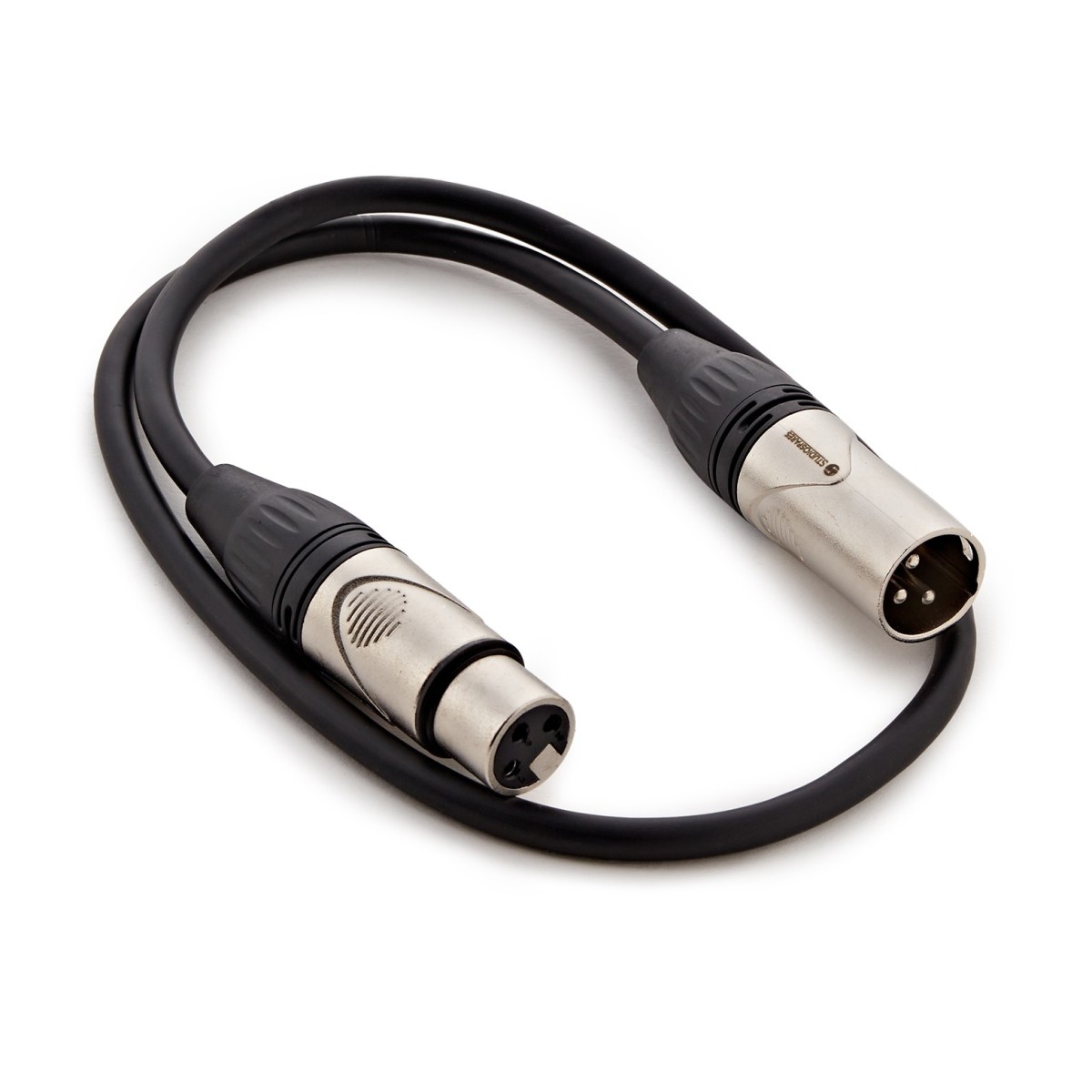
Studiospares Standard XLR (M) - XLR (F) Cable 60cm
The Studiospares Standard XLR (M) - XLR (F) Cable 60cm is a professional-grade audio interconnect designed for reliable signal transmission in studio and live environments. Constructed with oxygen-free copper and manufactured to ISO9001 standards, it offers a robust solution for short-distance patching and microphone connections at an accessible price point.
Overview
The Studiospares Standard XLR Cable is a fundamental utility component for audio engineers and musicians. Measuring 60cm, this specific variant focuses on short-range connectivity, bridging the gap between standard long-run microphone cables and very short patch leads. It is built to balance cost-effectiveness with mechanical durability, featuring a classic design that prioritises secure physical connections.
Technical Features and Construction
The cable is engineered using low-loss oxygen-free copper (OFC) cores, which are essential for maintaining signal integrity over multiple use cycles. Protection against electromagnetic interference (EMI) and radio frequency interference (RFI) is provided by a spirally wound copper screen.
Physical security is managed through two key mechanical features: * Chuck-style cable grip: Distributes strain away from the internal solder joints to prevent failure when the cable is pulled. * Soft seal connector: The female XLR end includes a soft seal to ensure a snug fit and provide moderate protection against dust and moisture ingress. * Retention clip: A standard spring-loaded mechanism ensures the cable remains locked to the input or output until manually released.
Sound Character and Signal Integrity
As a balanced analogue interconnect, the Studiospares Standard XLR is designed for transparency rather than tonal coloration. The use of OFC conductors ensures low resistance, which helps maintain the high-frequency response of the audio signal. The spiral shielding is particularly effective at reducing hum and buzz in environments with high electrical activity, such as equipment racks or stages with lighting rigs.
Applications and Suitability
At 60cm, this cable is ideally suited for: * Connections between rack-mounted outboard gear where a 30cm patch lead is too short. * Connecting wireless microphone receivers to mixers in a compact flight case. * Linking desktop audio interfaces to nearby active studio monitors. * Use with drum microphones where excess cable length would create clutter around the kit.
Comparison with Alternatives
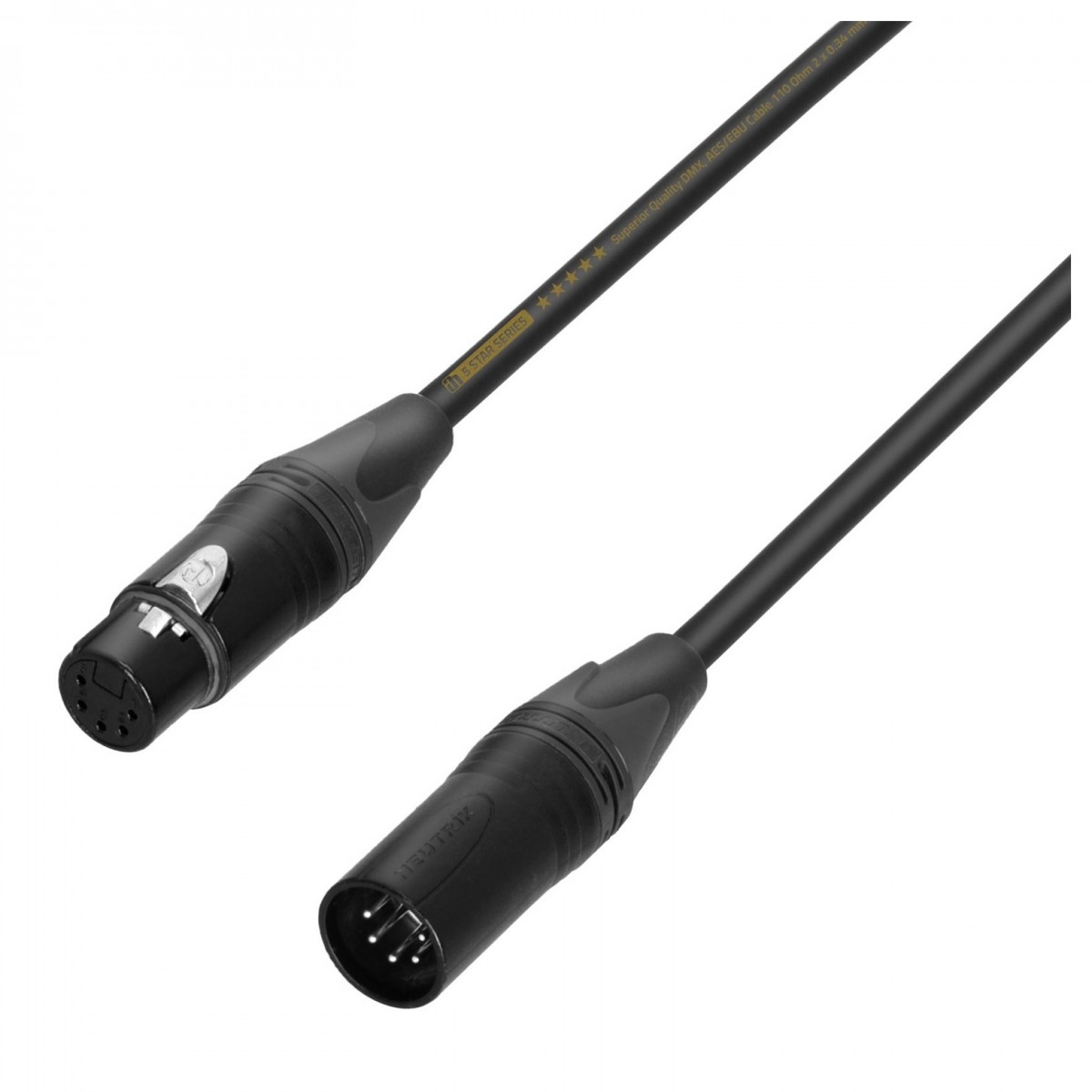
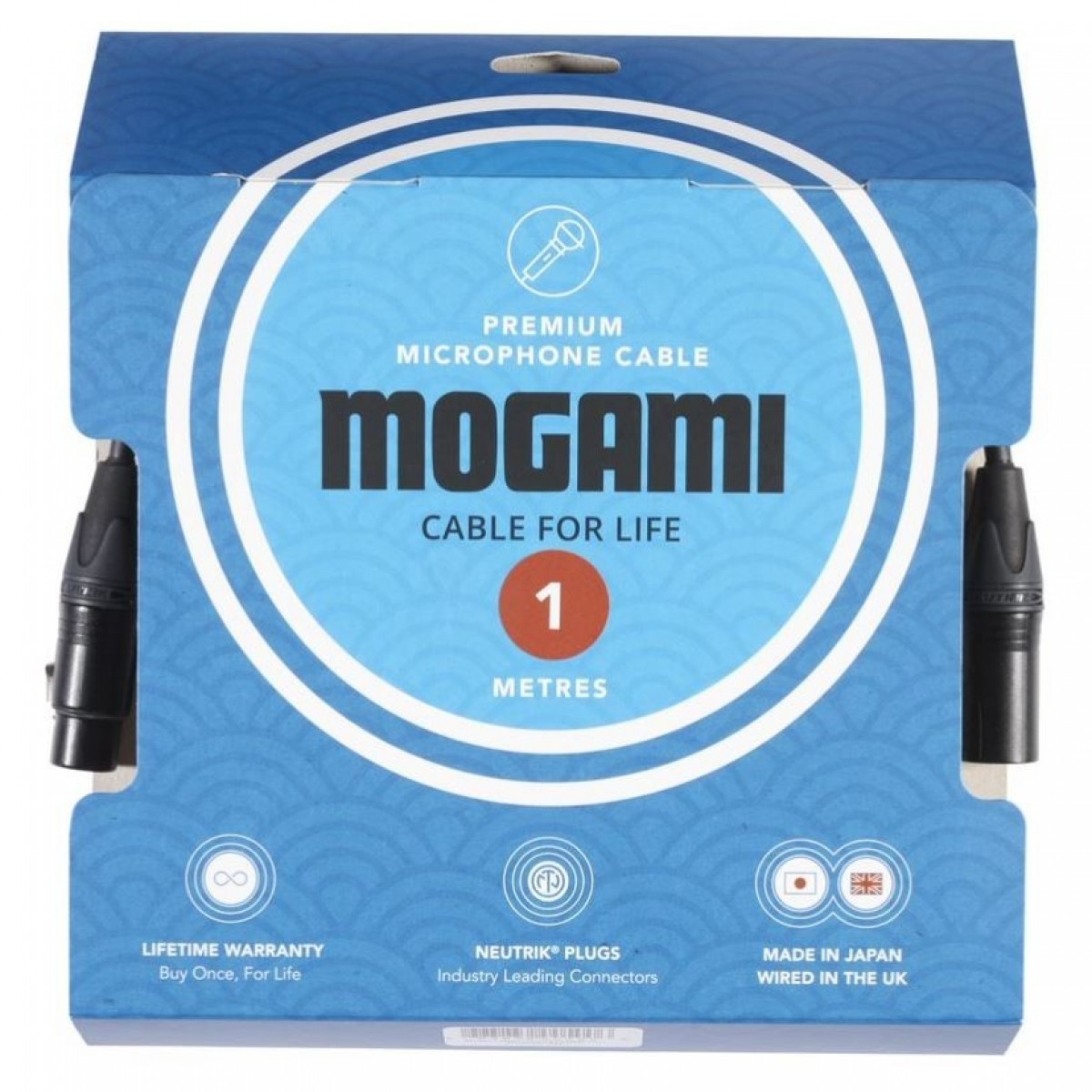
Within the Studiospares range, this model sits between the shorter 30cm patch version and standard 5-metre or 10-metre stage cables. While more affordable than premium offerings like the Mogami XLR 1m, it maintains higher industrial standards than generic unbranded leads by adhering to ISO9001 manufacturing processes. Unlike specialised DMX cables such as the Adam Hall 5-pin variants, this is a 3-pin cable dedicated to analogue audio signals.
Related gear
- £17.57 ($22)
Ernie Ball
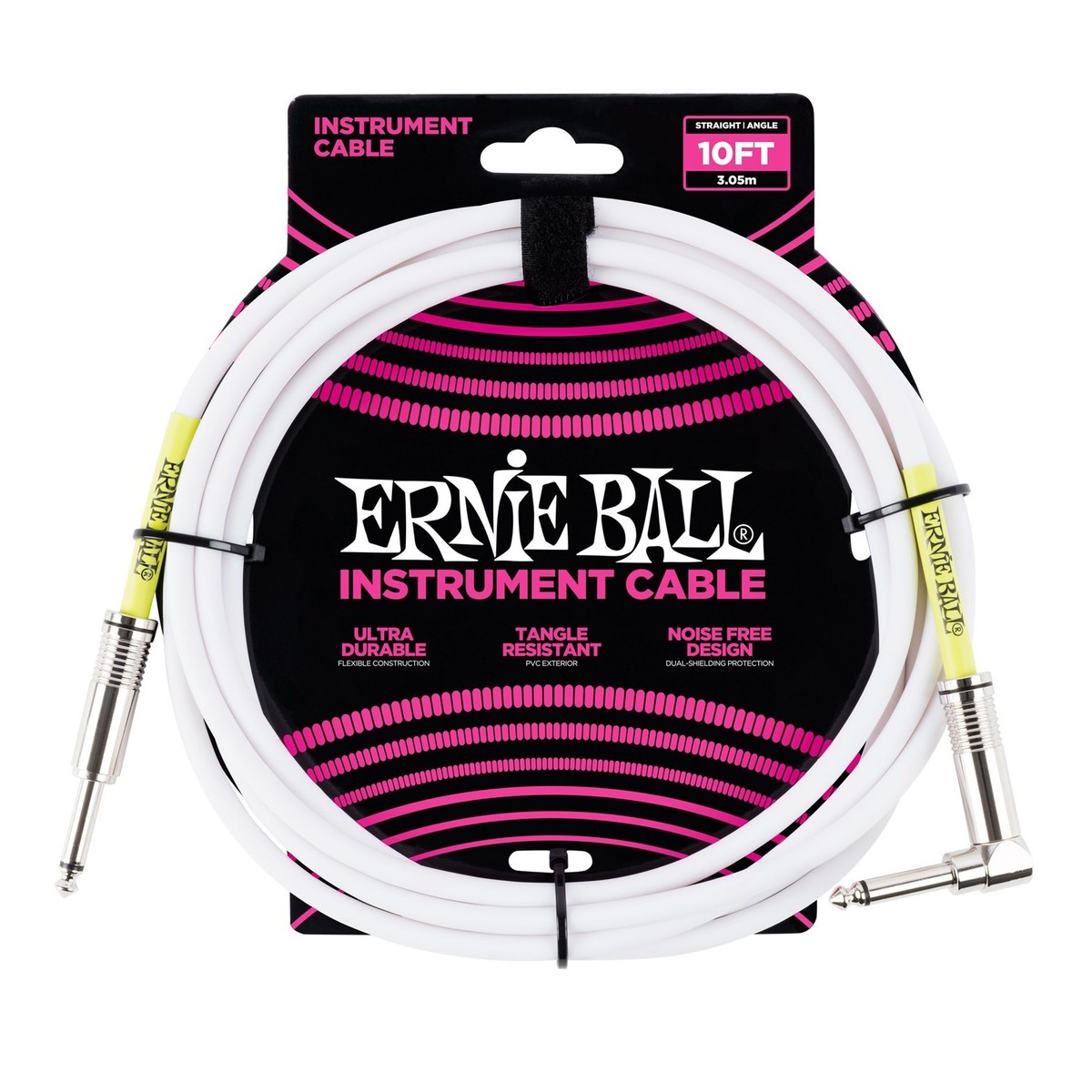
Ernie Ball P06049 10ft Straight-Angle Instrument Cable White
 £32.00 ($41)
LD Systems
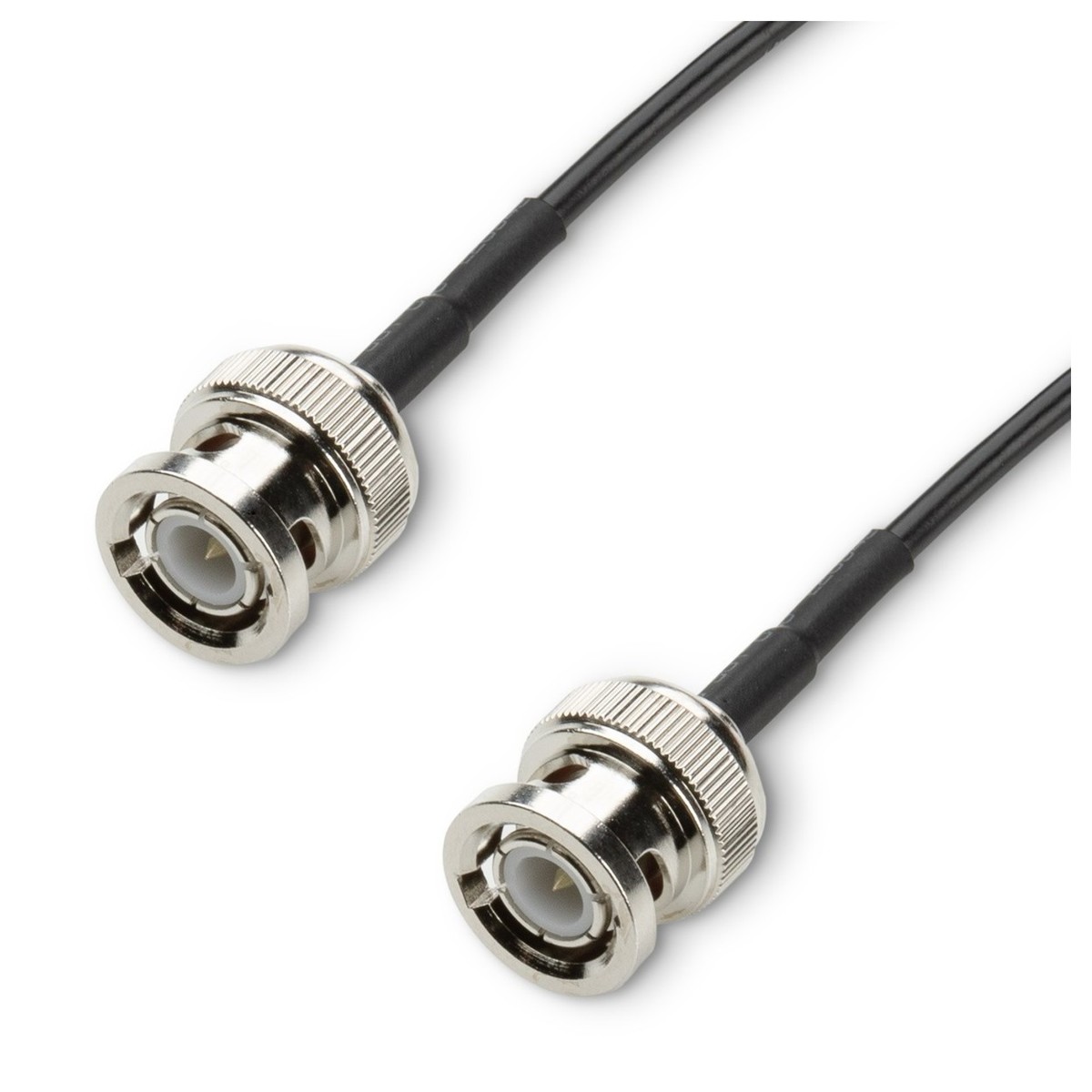
LD Systems WS100BNC10 BNC to BNC Antenna Cable 10m
 £4.99 ($6)
Gear4Music
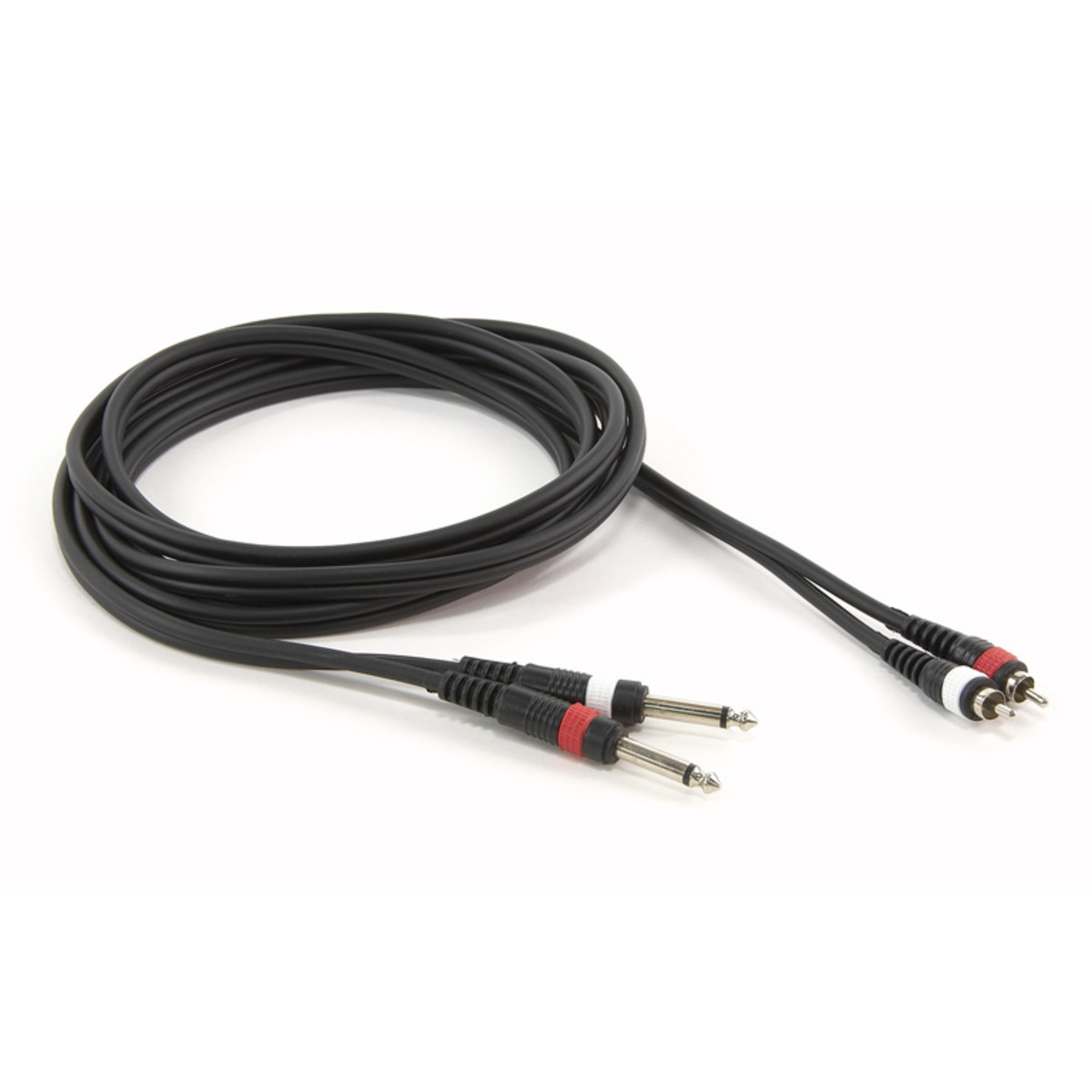
Essentials Dual Jack to RCA Phono Cable 3m
 £10.50 ($13)
Neutrik
Neutrik NC3FRX Right-Angled 3-Pole Female XLR Connector
 £56.00 ($71)
Adam Hall
Adam Hall 5 STAR Neutrik DMX 5-Pin Lighting Cable 20m
 £4.99 ($6)
Studiospares
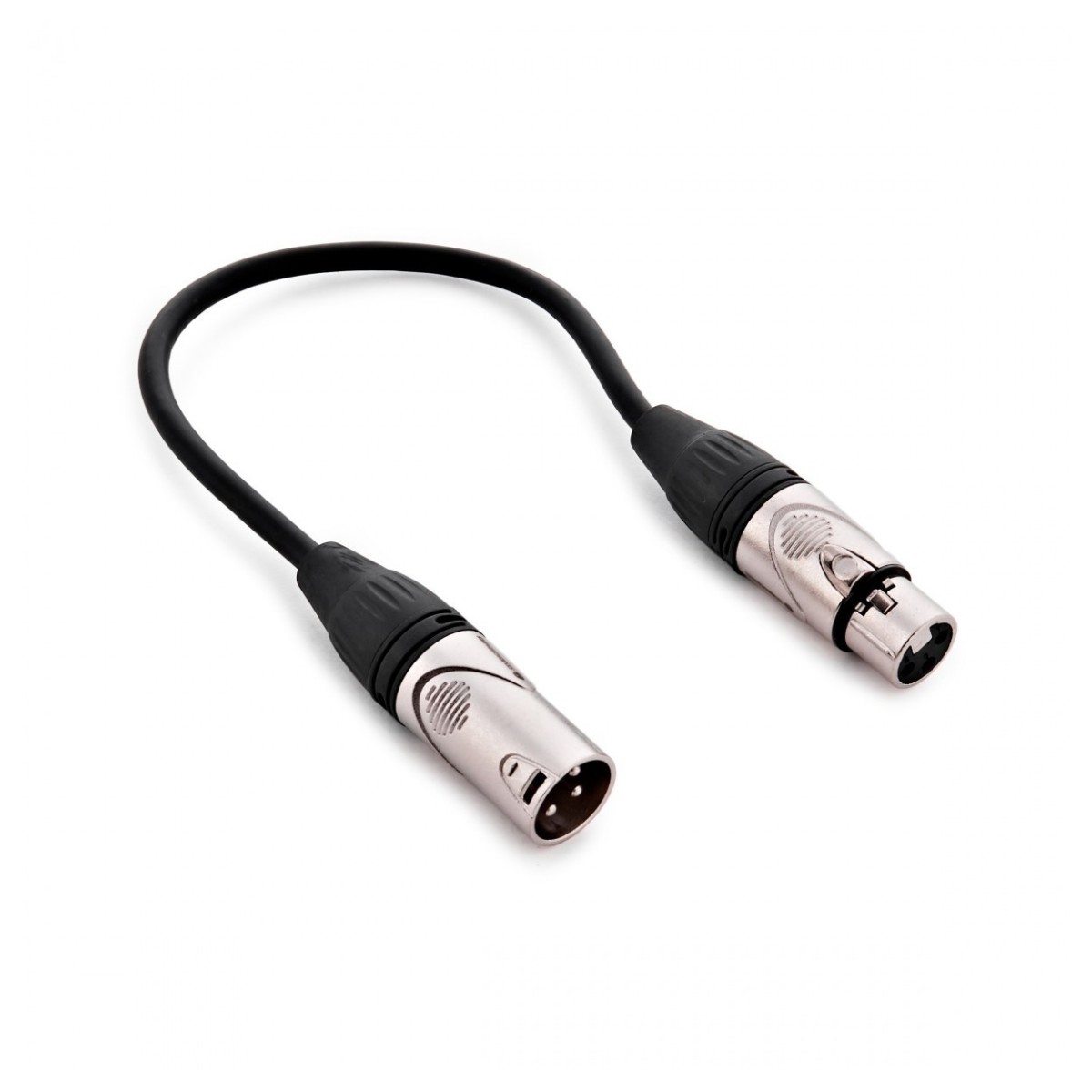
Studiospares Standard XLR (M) - XLR (F) Patch Cable 30cm
 £39.99 ($51)
MOGAMI
Mogami XLR(F) - XLR(M) Mic Cable 1m
Frequently asked questions
- What is the primary use for a 60cm XLR cable?
- The 60cm length is primarily used for 'inter-rack' patching or connecting equipment that is physically close together, such as an audio interface to a nearby preamp, where a standard 5m cable would cause unnecessary clutter.
- What are the benefits of oxygen-free copper (OFC) in this cable?
- OFC provides higher conductivity and lower resistance compared to standard copper. This results in clearer signal transmission and improved durability against oxidation over time.
- Does this cable include any strain relief features?
- Yes, it features a chuck-style cable grip. This mechanism clamps the internal cable jacket securely, ensuring that tension on the cable does not damage the internal soldered connections.
- What kind of shielding does the Studiospares Standard XLR use?
- It utilises a spirally wound copper screen. This provides a flexible barrier that protects the inner conductors from electrical interference and noise.
- Is this cable suitable for phantom-powered microphones?
- Yes, as a balanced 3-pin XLR cable, it is fully capable of carrying the +48V phantom power required by condenser microphones.
- Can I use this cable for DMX lighting applications?
- While it uses the same 3-pin connectors as some DMX gear, it is an audio cable with 75-ohm impedance. Professional DMX typically requires 110-ohm 5-pin or 3-pin cables for reliable data transmission over long distances.
- What is the significance of the ISO9001 manufacturing standard?
- ISO9001 certification indicates that the cable is manufactured in a facility with strict quality management systems. This ensures consistent build quality across different production batches.
- What does the 'soft seal' on the female connector do?
- The soft seal provides a more secure, dampened fit when plugged into a male XLR socket. It also helps to prevent dust from entering the connection point.
- How does this compare to the 30cm version of the same cable?
- The 60cm version offers double the length, providing more flexibility for reaching across a standard 19-inch rack, whereas the 30cm version is strictly for adjacent equipment connections.
- Are the connectors on this cable replaceable?
- The cable uses standard-style XLR connectors which can be unscrewed, allowing for maintenance or resoldering if necessary, unlike moulded plastic alternatives.
- Is the cable jacket flexible for mobile use?
- Yes, the materials are designed to be relatively soft and pliable, making it easy to route through tight spaces in studio racks or mobile kits.
- Can this cable be used as a guitar patch cable?
- No, guitar inputs typically use 1/4-inch (6.35mm) TS jacks. This cable is strictly for XLR-equipped balanced audio gear.