
Gear article
SubZero UHF Wireless XLR Microphone System
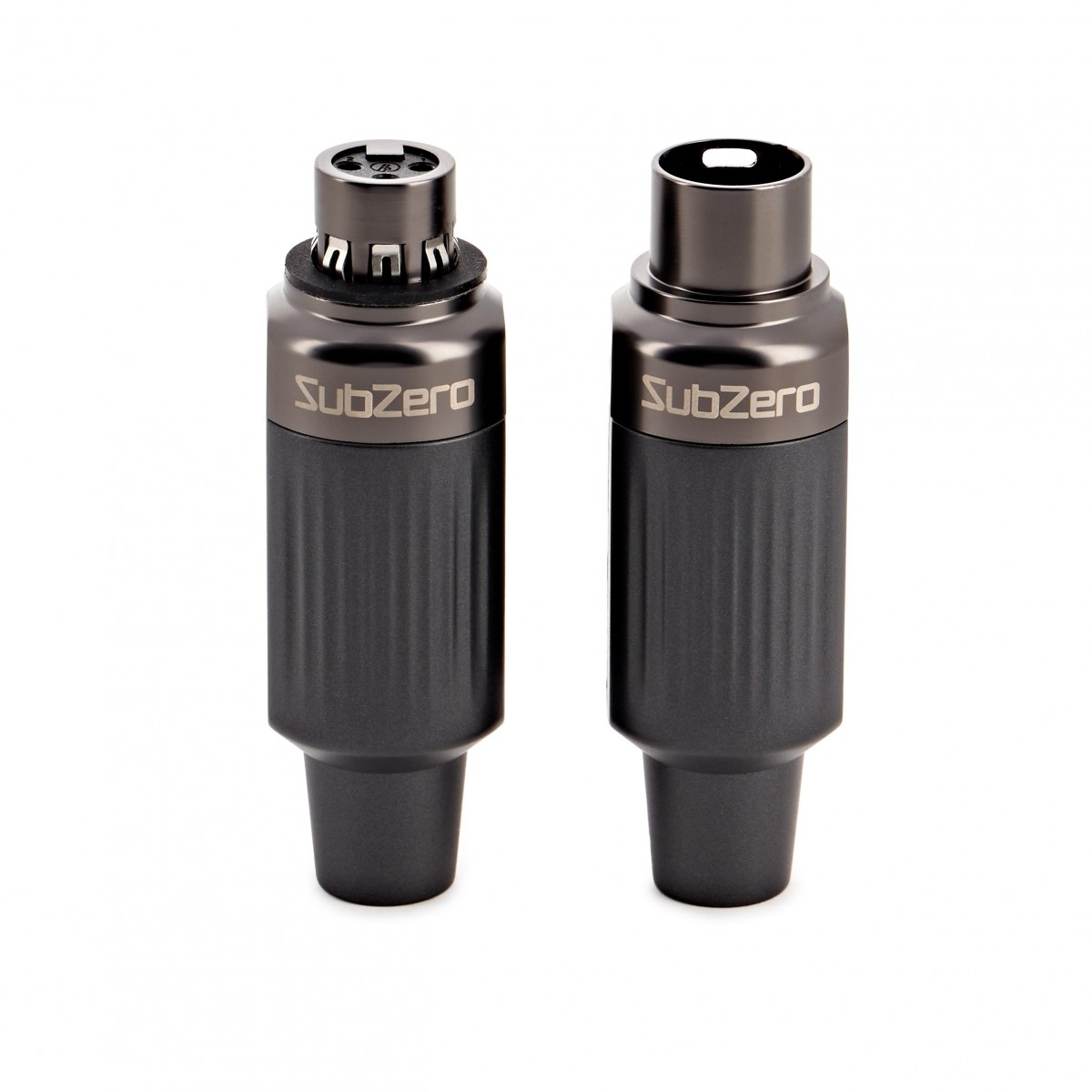
The SubZero UHF Wireless Microphone System is a compact wireless transmission solution designed to convert standard wired XLR microphones and instruments into wireless devices. Operating on the Ultra High Frequency (UHF) band, the system provides performers with increased stage mobility through a paired transmitter and receiver design.
Overview and Construction
The SubZero UHF Wireless Microphone System is an entry-level wireless solution geared towards live performers, public speakers, and musicians. The system consists of two primary components: a compact transmitter that plugs directly into the XLR output of a microphone or instrument, and a matching receiver that connects to a mixer, amplifier, or audio interface. Both units utilise industry-standard XLR connectors, ensuring compatibility with a wide range of professional audio equipment without the need for additional adapters.
Operational Features
Operating on the UHF spectrum, the system is designed to provide stable signal transmission with minimal interference. Users can select from seven different channels, allowing for flexibility in environments where multiple wireless devices may be in use. A notable feature of the system is its ability to pair multiple receivers to a single transmitter. This allows a performer to send their audio signal to different destinations simultaneously, such as a front-of-house mixer for the audience and a separate audio interface for recording or monitoring purposes.
Performance and Battery Life
The system is designed for continuous use during standard performance durations, offering up to five hours of battery life on a single charge. This duration is intended to cover soundchecks and full live sets without the requirement for mid-performance power swaps. The wireless nature of the device eliminates the physical constraints of traditional XLR cables, facilitating greater movement on stage for vocalists and instrumentalists.
Compatibility and Suitability
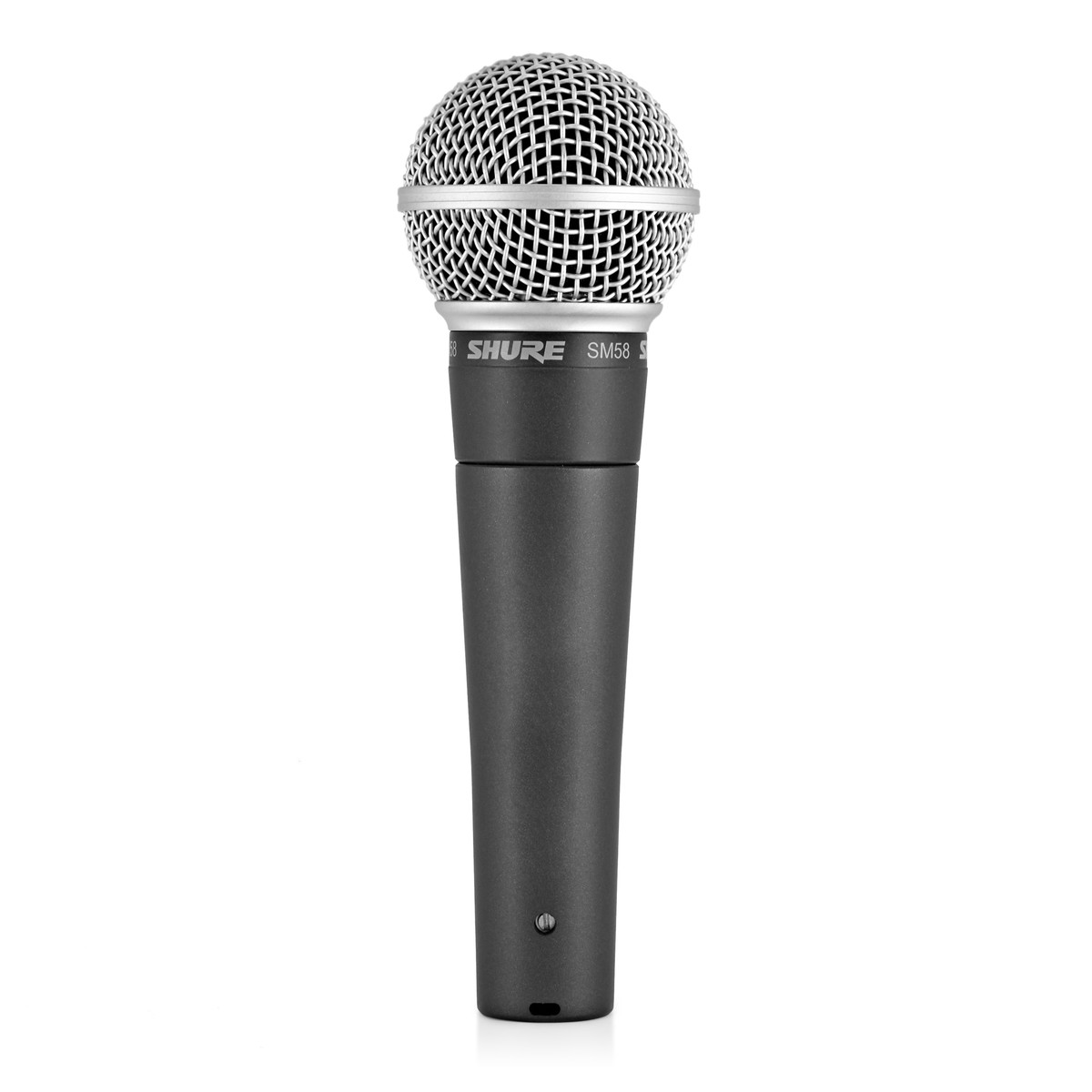
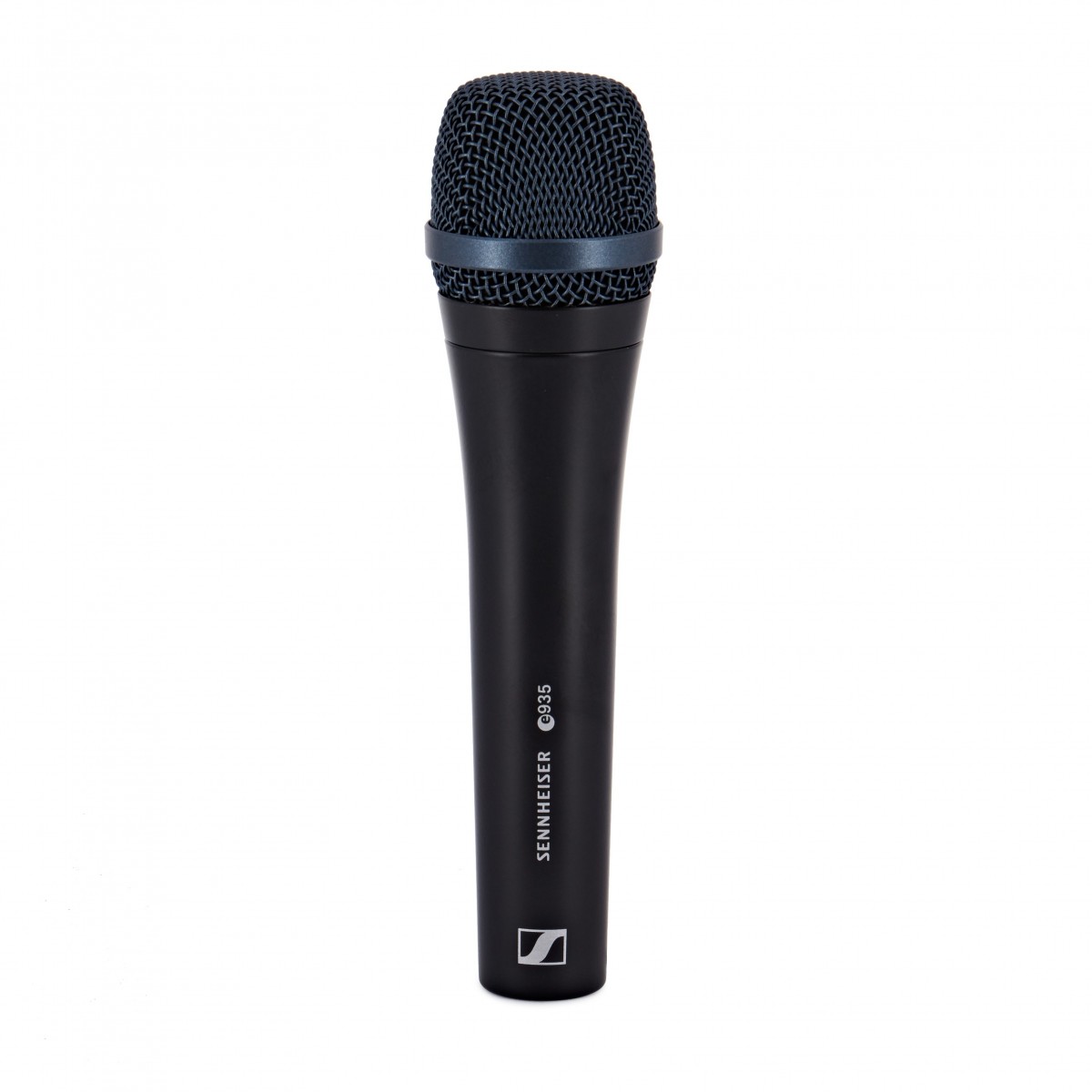
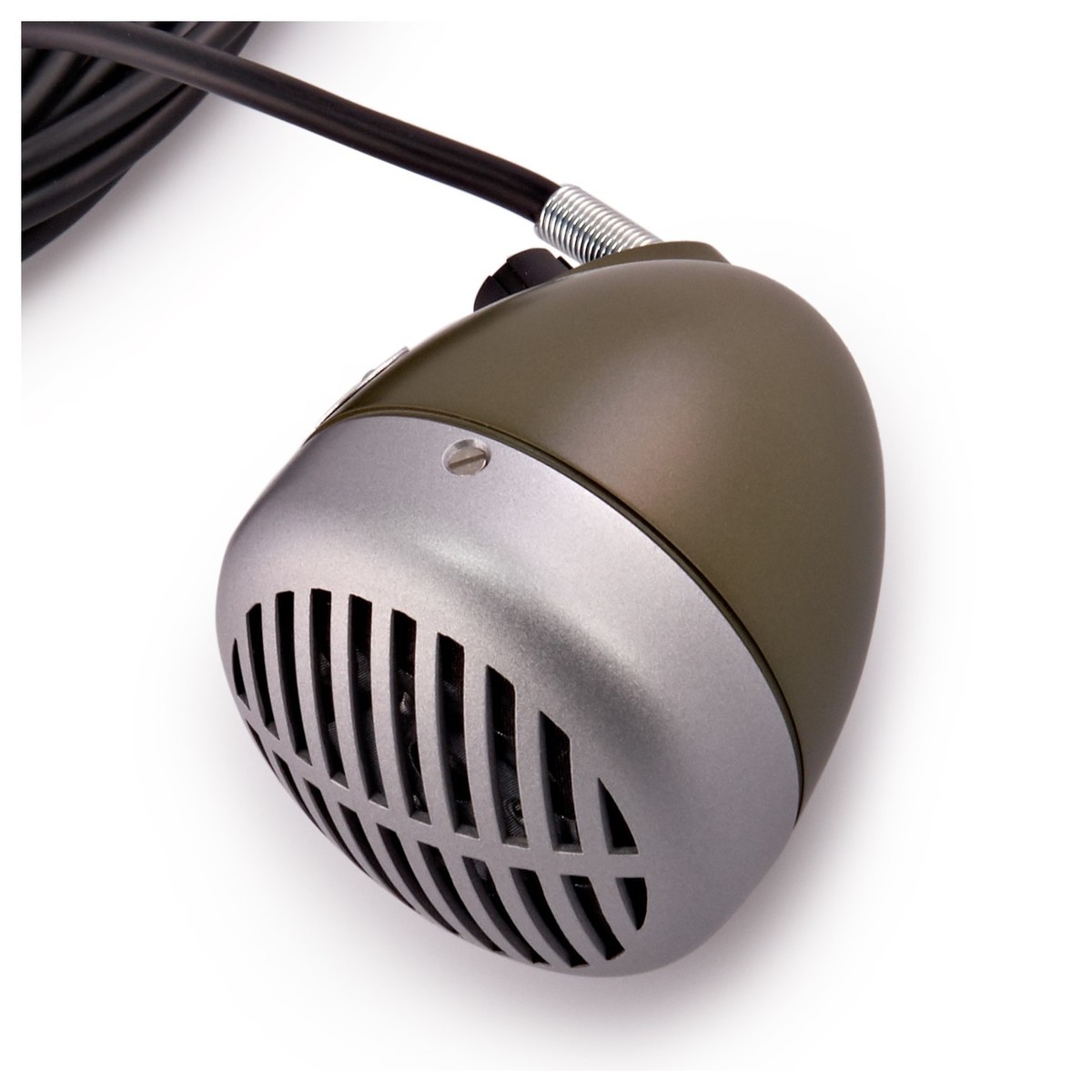
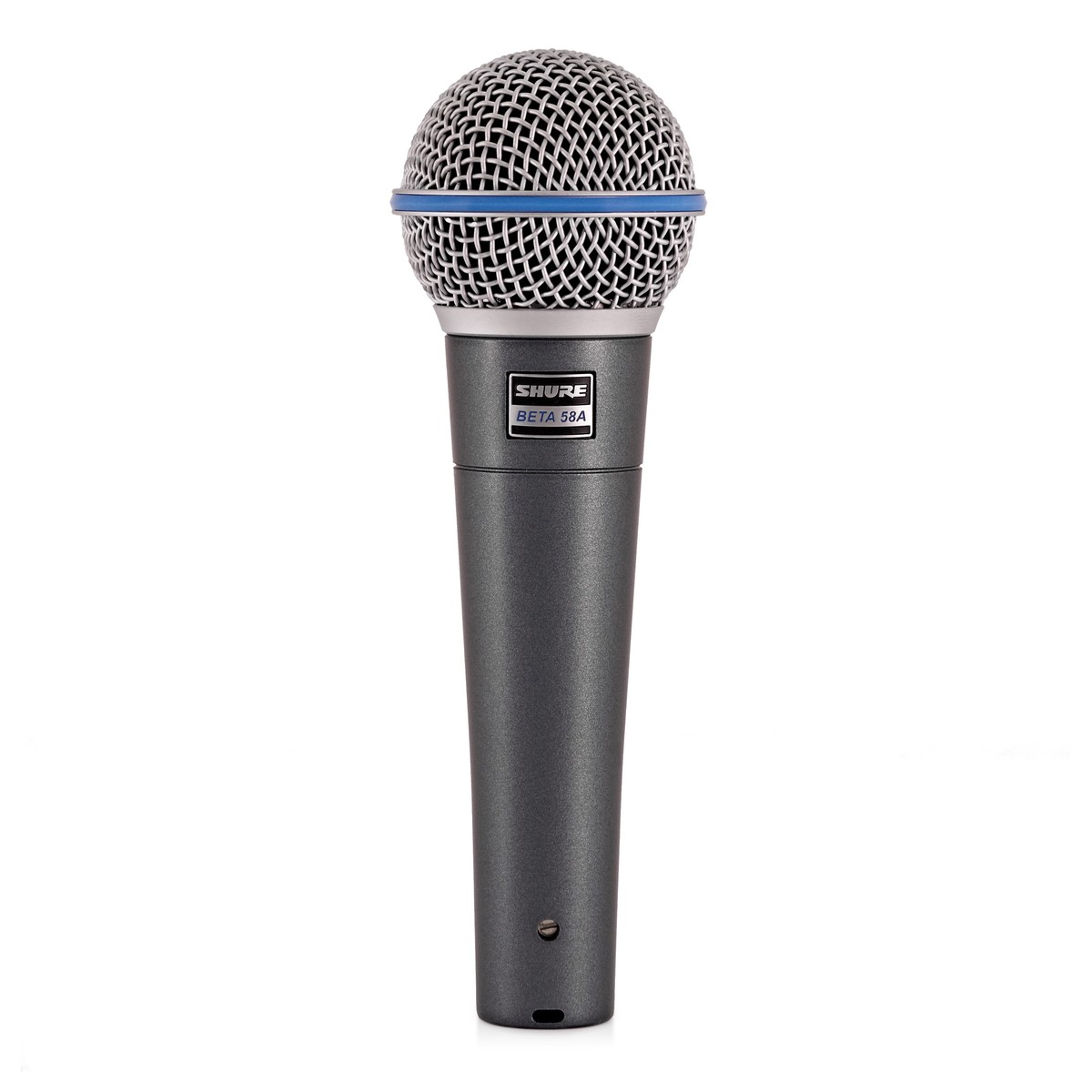
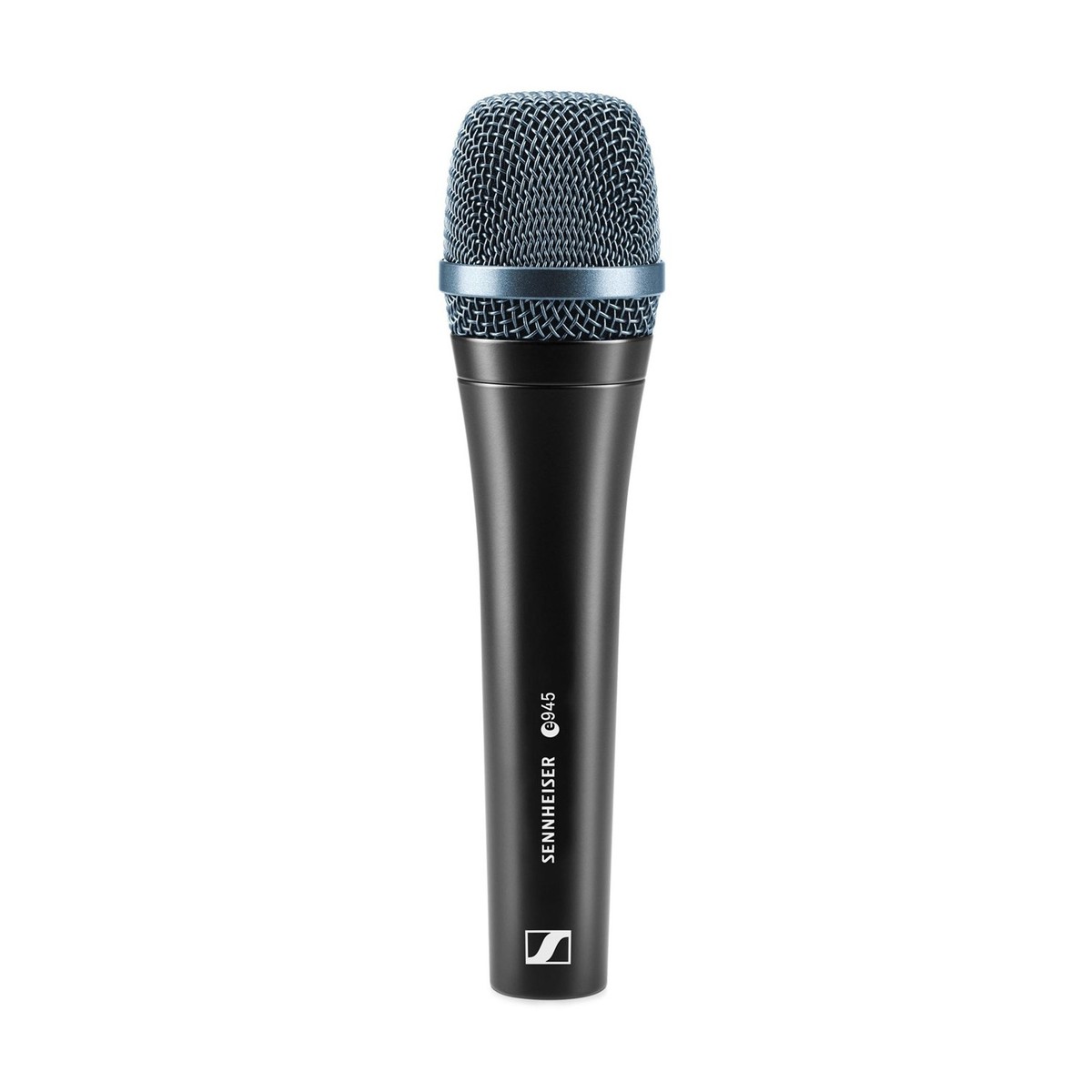
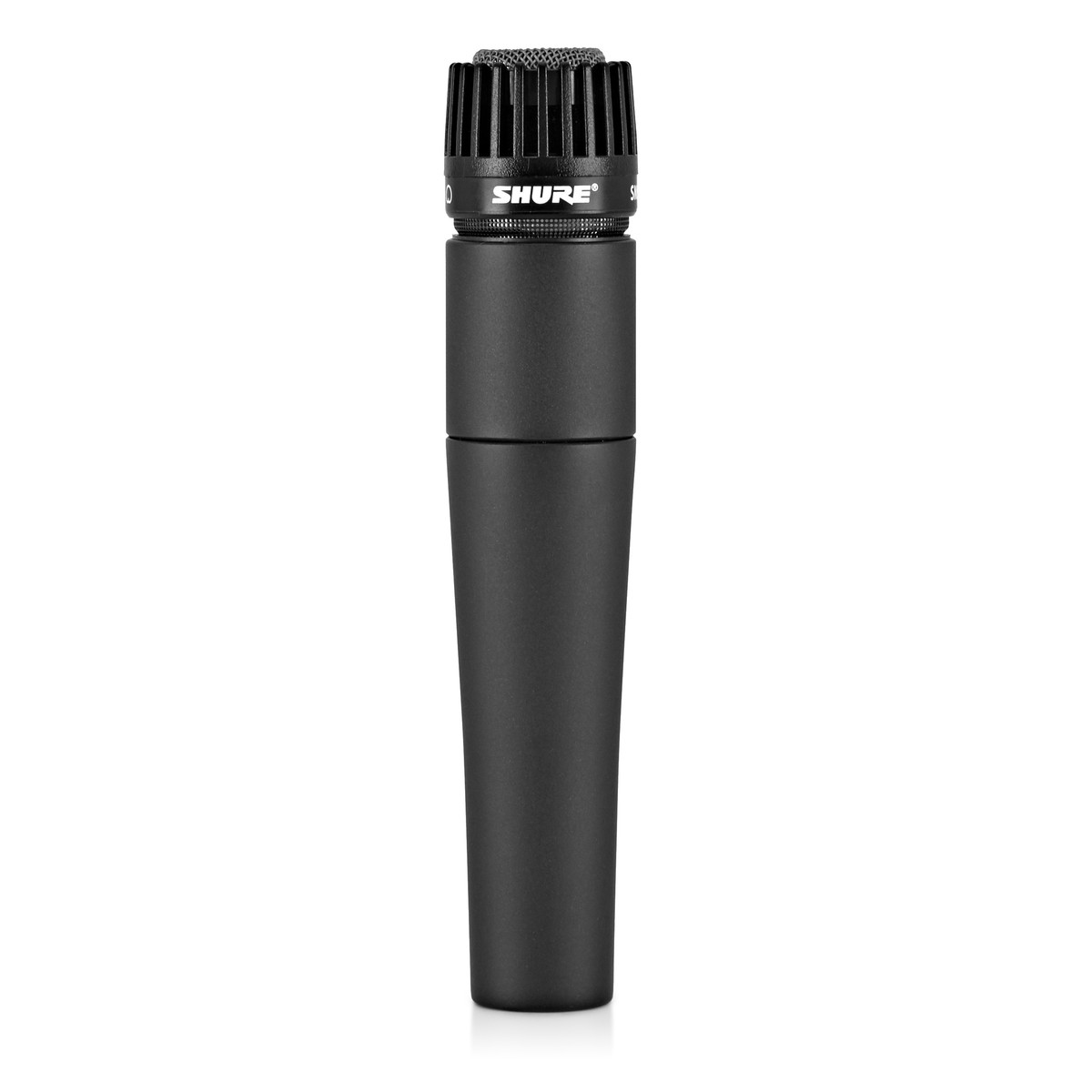
The SubZero system is primarily intended for use with dynamic microphones such as the Shure SM58, Beta 58A, or Sennheiser e945. It is also suitable for instrument microphones like the Shure SM57 or Sennheiser MD 441-U. Because the transmitter provides an XLR interface, it can also be used with specialised microphones like the Shure 520DX Green Bullet for harmonica or high-end broadcast mics like the Electro-Voice RE20. It is particularly suited for budget-conscious performers who require a simple, plug-and-play wireless setup.
Comparison to Alternatives
Positioned at a retail price point of approximately £50, this SubZero system is an accessible alternative to high-end digital or rack-mounted wireless systems. While professional systems from brands like Shure or Sennheiser often offer more channels and longer battery life, the SubZero system focuses on portability and ease of use. Its specific niche is providing a wireless bridge for existing wired microphones, rather than requiring the purchase of a dedicated wireless-only microphone handheld unit.
Related gear
 £559.00 ($710)
Electro-Voice
Electro-Voice RE20 Dynamic Cardioid Microphone
 £168.70 ($214)
Sennheiser
Sennheiser e935 Dynamic Vocal Microphone
 £135.25 ($172)
Shure
Shure 520DX Green Bullet Harmonica Microphone
 £161.00 ($204)
Shure
Shure Beta 58A Dynamic Microphone
- £259.00 ($329)
Shure
Shure SM58 Dynamic Cardioid Vocal Microphone
 £167.55 ($213)
Sennheiser
Sennheiser e945 Dynamic Vocal Microphone
 £103.75 ($132)
Shure
Shure SM57 Dynamic Instrument Microphone
 £1,080.00 ($1,372)
Sennheiser
Sennheiser MD 441-U Dynamic Supercardioid Microphone
Frequently asked questions
- What is the primary function of the SubZero UHF Wireless Microphone System?
- The system is designed to turn a standard wired XLR microphone or instrument into a wireless one. It uses a transmitter and receiver to send audio signals over UHF frequencies without the need for cables.
- What type of connectors does the system use?
- Both the transmitter and receiver feature industry-standard XLR connectors. This ensures the system is compatible with most professional microphones, mixers, and audio interfaces.
- How long does the battery last during use?
- The system provides up to five hours of continuous use on a full charge. This is generally sufficient for standard live performances and rehearsals.
- How many channels are available on this system?
- There are seven selectable channels available. Users can switch between these to find a clear signal and avoid local interference.
- Can I send one microphone signal to two different devices?
- Yes, the system allows you to pair multiple receivers to a single transmitter. This is useful for sending one signal to both a mixer and an audio interface simultaneously.
- Is this system suitable for instruments as well as vocals?
- Yes, while primarily intended for XLR microphones, it is equally suited for instruments that use XLR outputs or adapters. It can be used with instrument-specific mics like the Shure SM57.
- What frequency band does this system operate on?
- The system operates on the UHF (Ultra High Frequency) band. This band is commonly used for wireless audio to ensure a more stable transmission compared to lower frequencies.
- Will this work with a Shure SM58?
- Yes, the SubZero system is compatible with the Shure SM58 and other similar dynamic microphones. You simply plug the transmitter into the base of the microphone.
- Can I use this with a Sennheiser e935 or e945?
- Absolutely. Because these Sennheiser models use standard XLR outputs, the SubZero transmitter will fit and function normally with them.
- Is the system portable?
- Yes, the transmitter and receiver are compact and designed for easy transport. The lack of bulky base stations makes it ideal for mobile performers.
- What is the typical price for this system?
- The system typically retails in the range of £50. This makes it an entry-level option for those looking to explore wireless audio technology.
- Does this system require complex setup?
- No, it is designed for ease of use. By connecting the transmitter to the mic and the receiver to the sound system, and ensuring both are on the same channel, you can begin performing quickly.