
Gear article
Suzuki Manji Diatonic Harmonica (Ab)
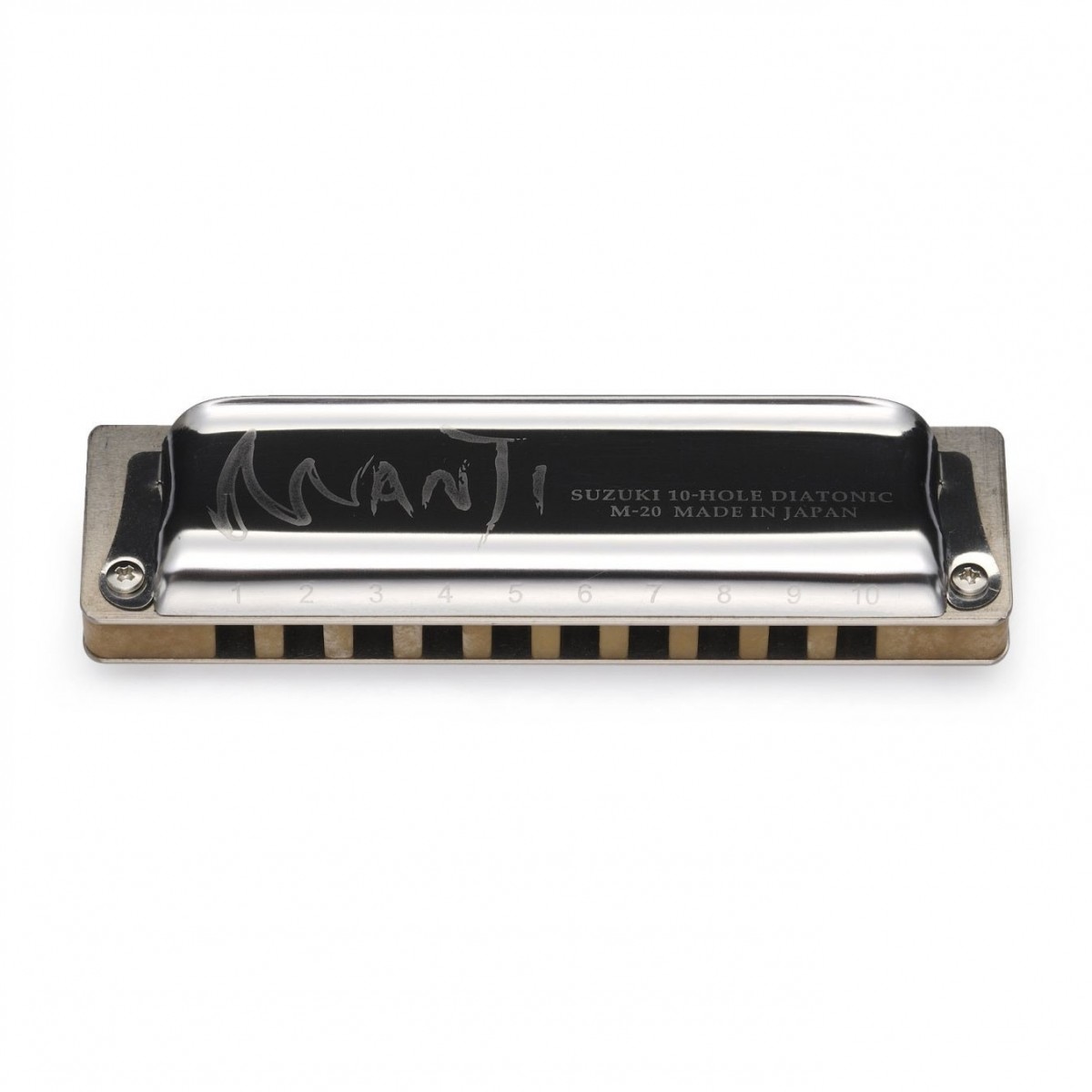
The Suzuki Manji is a high-performance diatonic harmonica in the key of A-flat, designed for a balance of traditional tone and modern durability. It features a wood-fibre-reinforced composite comb and oversized reeds to provide expressive bending control and stability for blues, rock, and roots music.
Overview
The Suzuki Manji Diatonic Harmonica in Ab is a professional-grade mouth organ engineered to meet the demands of contemporary players while retaining a classic aesthetic. Named after the company’s founder, Manji Suzuki, the instrument is built with a focus on longevity and expressive performance. Unlike traditional harmonicas that use standard timber or plastic combs, the Manji utilizes a composite material that offers the organic resonance of wood with the structural integrity of synthetic materials.
Design and Construction
The central innovation of the Manji is its wood-fibre-reinforced comb. This design addresses the common issue of moisture-induced swelling found in traditional wooden harmonicas, ensuring the instrument remains consistent regardless of temperature or humidity changes. The reeds are longer and thicker than standard models, which enhances responsiveness and allows for a wider dynamic range. The exterior features open-back stainless steel cover plates, which are shaped to facilitate maximum sound projection and clarity.
Sound Character and Playability
In terms of voicing, the Manji uses a compromised just intonation. This tuning ensures that chords sound sweet, rounded, and harmonically rich, while single-note lines remain focused and clear. This makes it particularly effective for blues and roots playing where both rapid soloing and rhythmic chording are required. The oversized reeds are specifically calibrated for bending control, providing the player with confident transitions between notes.
Comparison and Suitability
The Manji is suitable for professional stage use and studio tracking due to its projection and reliable tuning. When compared to entry-level alternatives like the Fender Blues Deluxe, the Manji offers superior moisture resistance and a more complex tonal character. While it falls into a similar professional tier as various high-end Hohner or Seydel models, its unique composite comb and specific reed geometry distinguish it as a hybrid of old-world sound and modern engineering.
Related gear
 £3.99 ($5)
Stagg
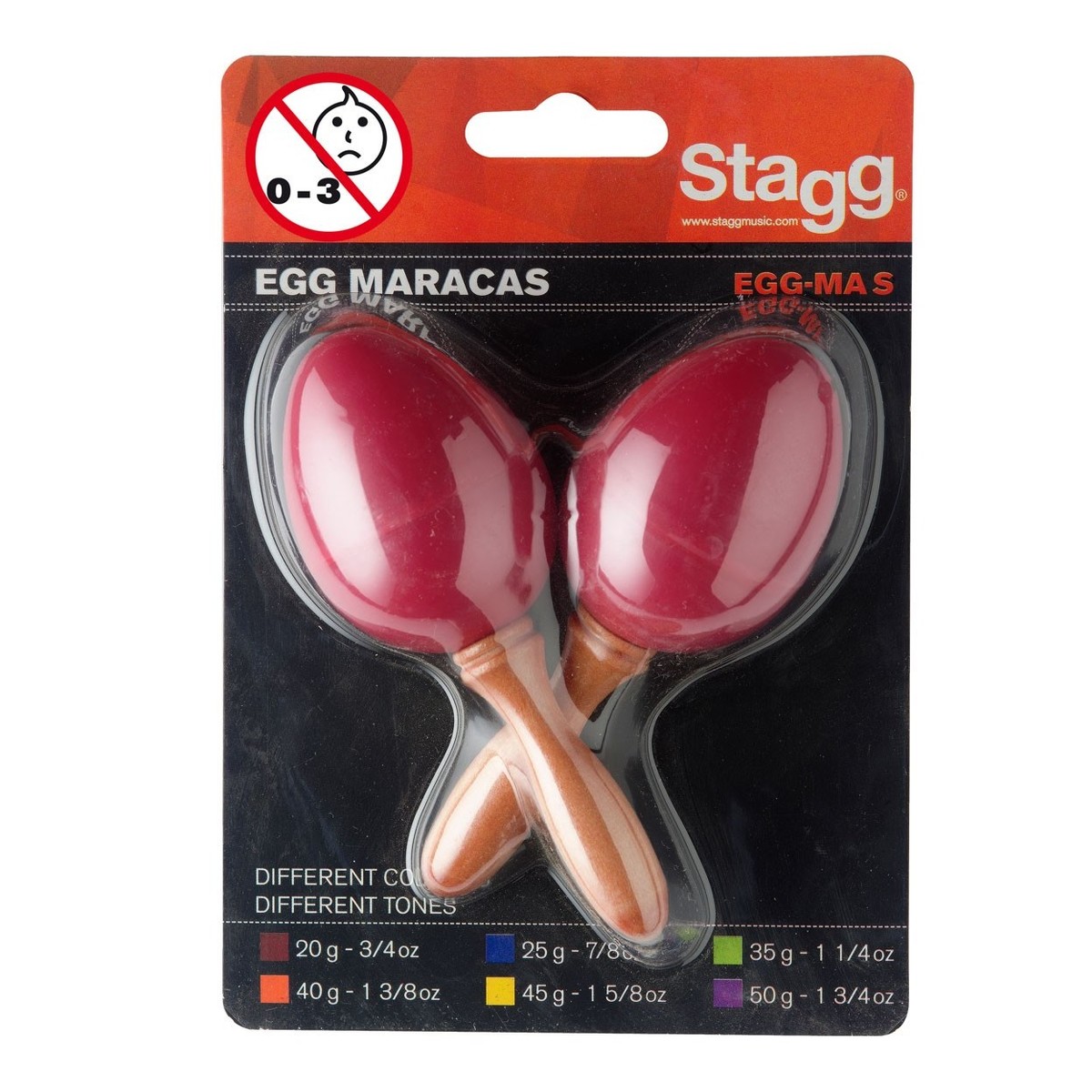
Stagg Plastic Egg Maracas Red
 £9.99 ($13)
Stagg
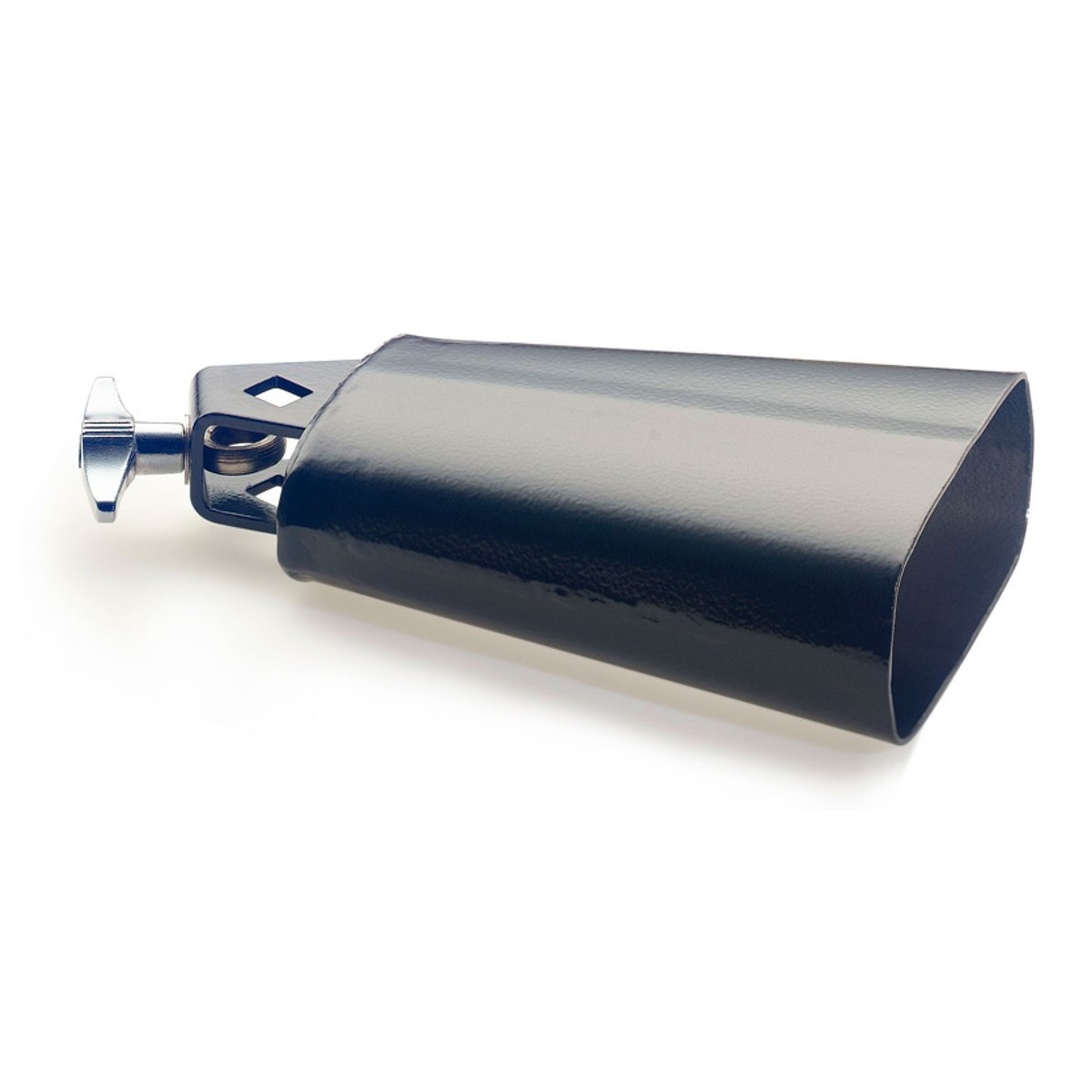
Stagg Rock 5-1/2" Cowbell Black
 £119.00 ($151)
Sonor
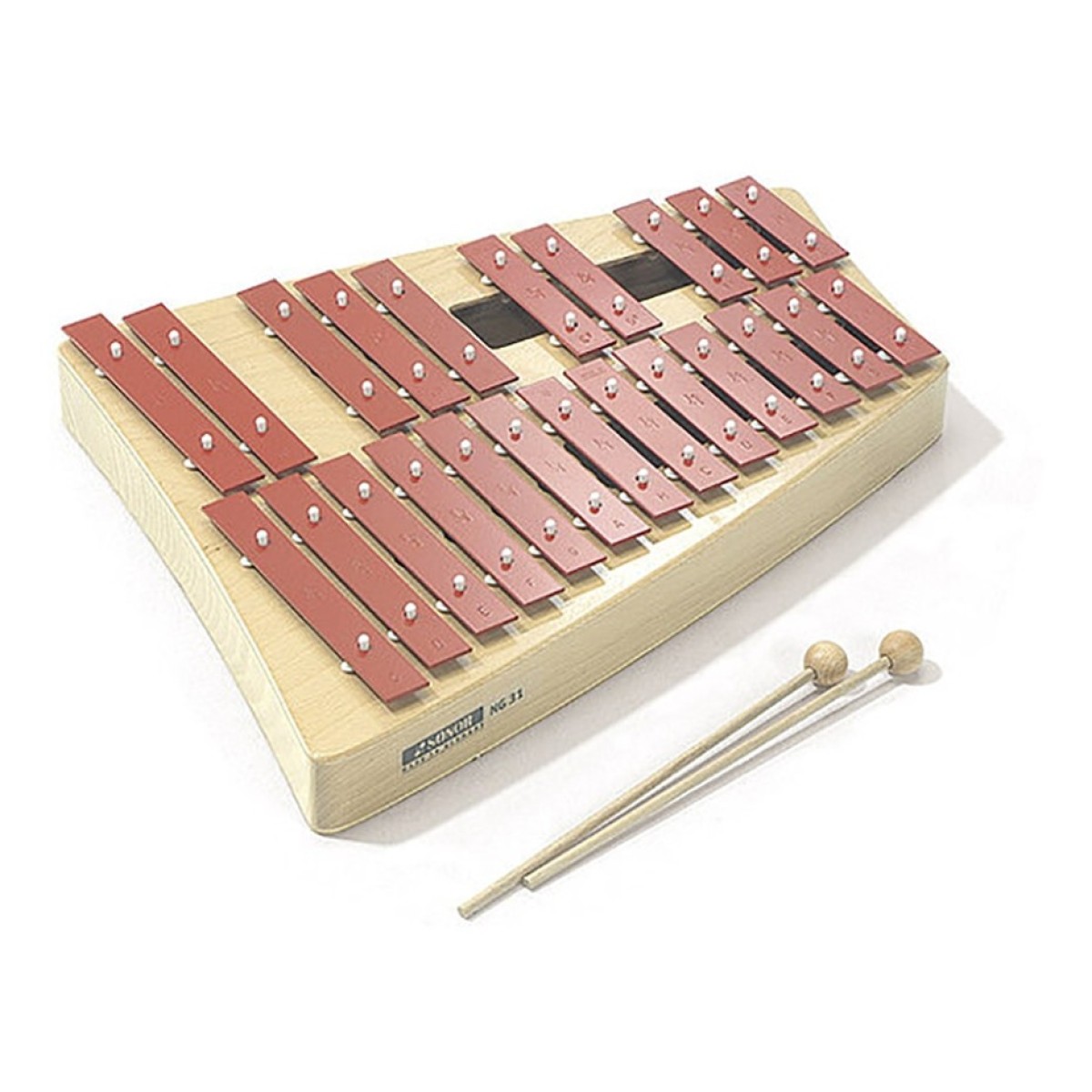
Sonor Orff NG31 Alto Chromatic Glockenspiel
 £23.70 ($30)
Remo
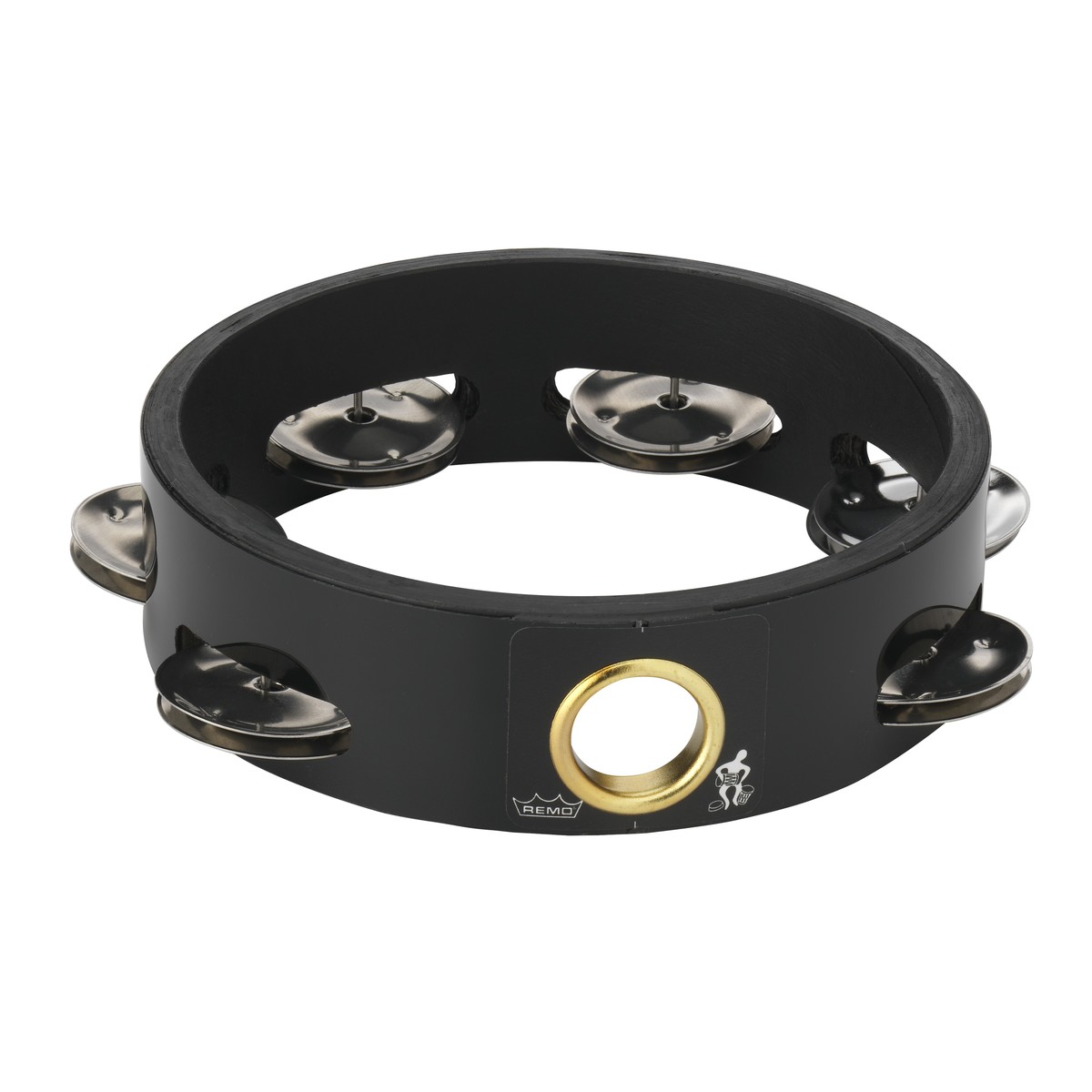
Remo 6 Single Row Headless Tambourine Black
 £299.00 ($380)
Meinl
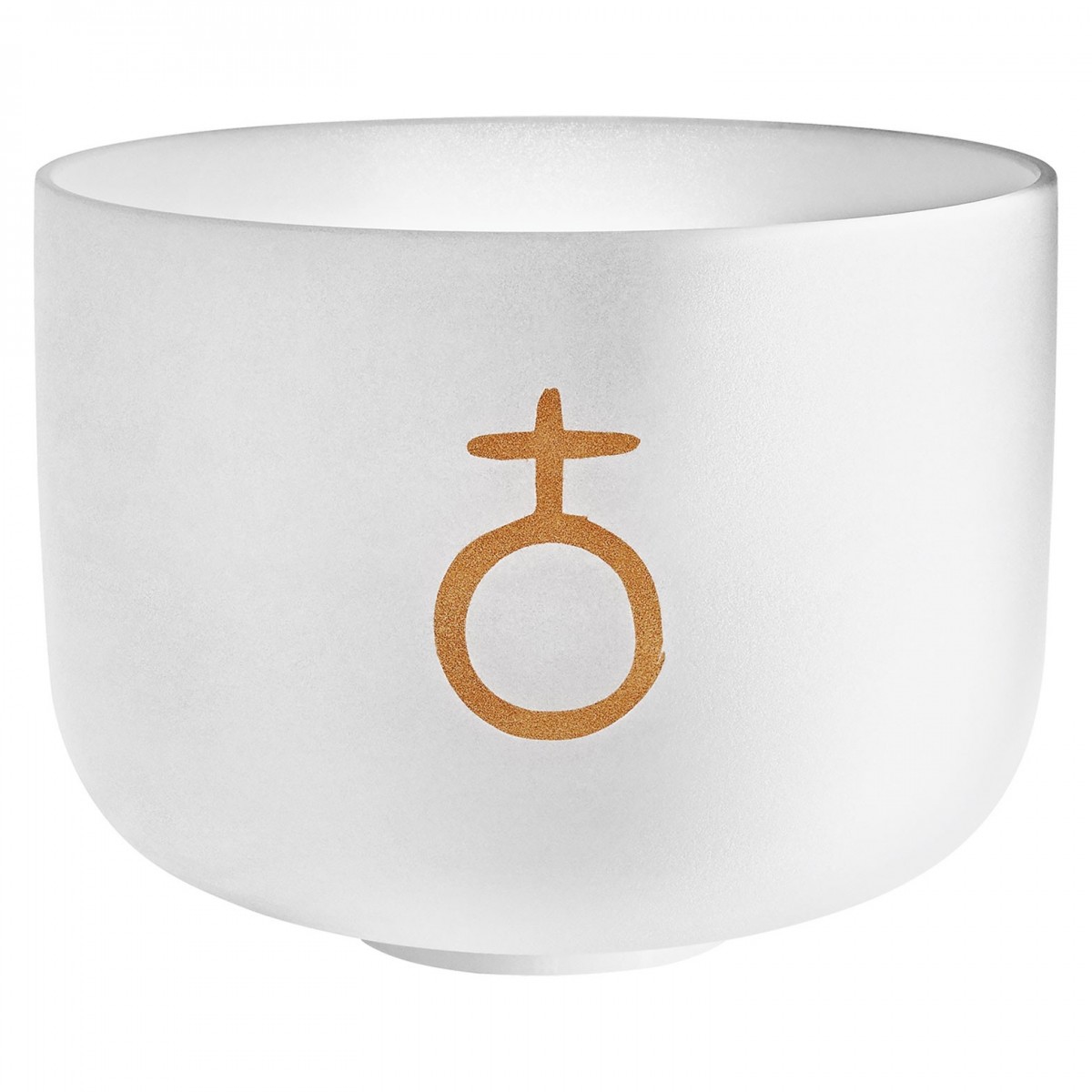
Meinl Planetary Tuned Crystal Singing Bowl 12" Earth Year / Om
 £16.00 ($20)
Fender
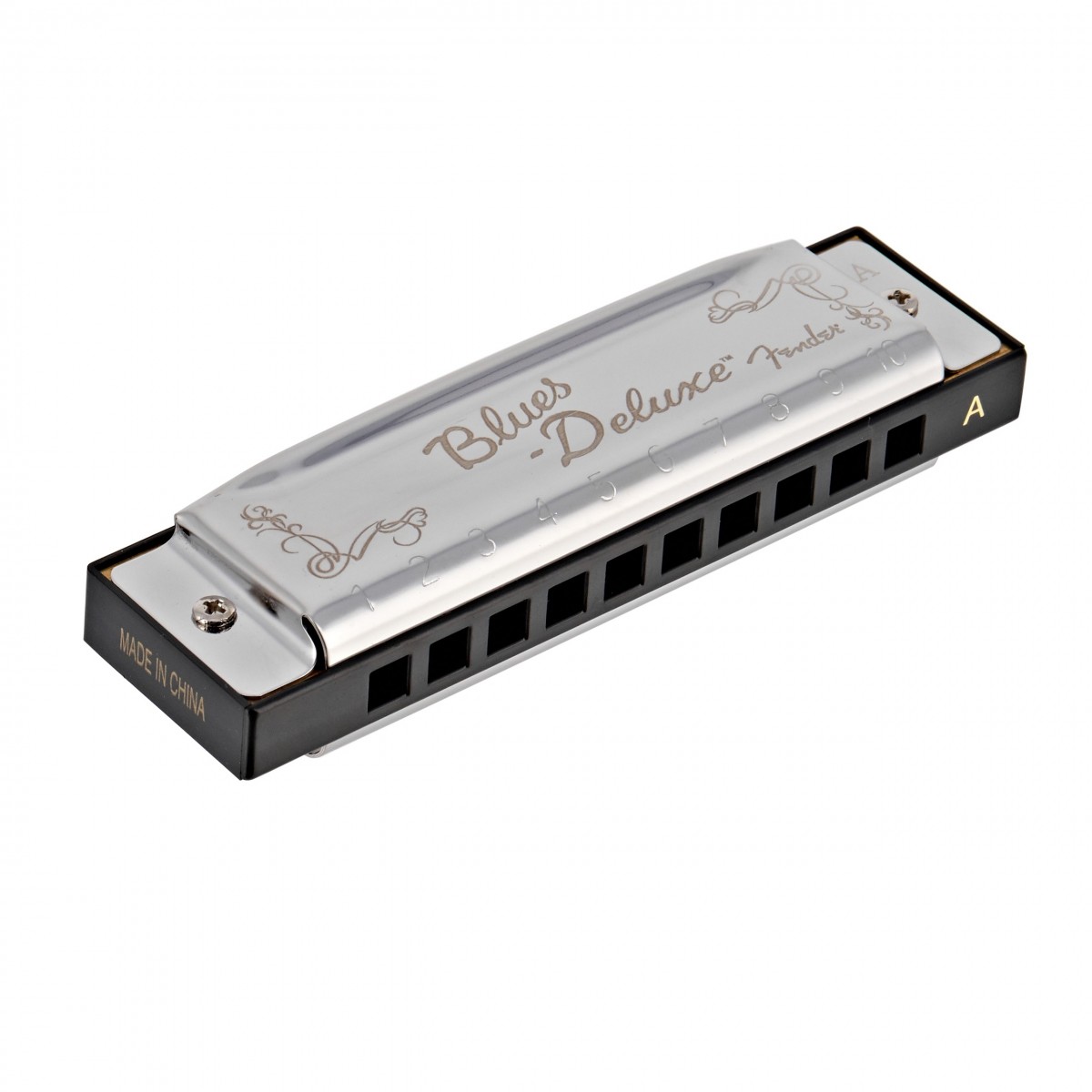
Fender Blues Deluxe Harmonica A
 £23.80 ($30)
Meinl
Meinl Spin Spark Shaker Black Nickel
- £8.11 ($10)
Meinl
Meinl Small Plastic Egg Maracas Black
Frequently asked questions
- What is the key of this specific Suzuki Manji model?
- This specific model is tuned to the key of A-flat (Ab).
- What makes the Manji comb different from a standard wooden comb?
- The comb is made of a wood-fibre-reinforced composite. This provides the warm feel and sound of wood but resists moisture, preventing the swelling and warping common in traditional timber combs.
- What genres of music is the Suzuki Manji best suited for?
- The Manji is designed for blues, roots, and rock playing. Its tuning and reed responsiveness make it ideal for the expressive bending and emotive playing styles found in these genres.
- How do the stainless steel cover plates affect the sound?
- The open-back design of the stainless steel covers helps the sound project more clearly. This is beneficial for both live performances on stage and for capturing clear tones during studio recording sessions.
- What type of intonation does the Suzuki Manji use?
- It uses compromised just intonation. This specific tuning allows chords to sound rounded and sweet while ensuring that single notes remain focused and sharp.
- Are the reeds on the Manji different from standard harmonicas?
- Yes, the Manji features longer and thicker reeds. This design choice provides a more responsive feel and a wider dynamic range, specifically aiding in bending notes.
- Does the Suzuki Manji require a long 'break-in' period?
- While all reed instruments benefit from careful initial use, the modern stability and precision engineering of the Manji ensure it is highly responsive and playable straight out of the box.
- Is this harmonica suitable for a beginner?
- While priced for professionals (approximately £49), its stability and ease of bending make it an excellent choice for a beginner who wants a high-quality instrument that is easier to play than budget models.
- How does the Manji compare to the Fender Blues Deluxe?
- The Manji is generally considered a higher-end instrument with more advanced materials like the composite comb and specialised reeds, whereas the Fender Blues Deluxe is often viewed as a more entry-level traditional design.
- Can the Manji be used for chromatic playing?
- The Manji is a diatonic harmonica, meaning it is designed primarily for a single key. However, skilled players can use overblowing techniques to play chromatically, aided by the responsive reeds.
- How does moisture affect the Suzuki Manji?
- Because of the fibre-reinforced comb, it is highly resistant to moisture. It will not warp or air-leak over time like some traditional wooden harmonicas might after Heavy use.
- What is the typical price range for the Suzuki Manji in the UK?
- The typical price for this model is approximately £49, placing it in the professional tier of diatonic harmonicas.