
Gear article
Suzuki Manji Diatonic Harmonica
The Suzuki Manji is a professional-grade diatonic harmonica specifically engineered for blues and contemporary performance. It features a unique wood-resin composite comb and over-sized reeds to provide a warm, earthy tone with high volume and moisture resistance.
See live pricesBackground and Design
The Suzuki Manji Diatonic Harmonica is named after Suzuki's founder, Manji Suzuki, reflecting its status as a flagship model in their line-up. It was developed to bridge the gap between traditional wooden harmonicas and modern plastic designs. The instrument is aimed at professional blues players and modern expressive performers who require durability without sacrificing the organic resonance associated with legacy instruments.
The Composite Comb
The core of the Manji is its innovative comb, which is manufactured from a resin reinforced with natural wood fibres. Over 50% of the material consists of wood, allowing the instrument to retain the warmth and tactile feel of a traditional wood comb. Unlike standard pearwood or maple combs, this composite material is resistant to moisture and swelling, ensuring consistent airtightness and playability across different climates and performance environments.
Reed and Plate Engineering
Suzuki has equipped the Manji with longer and thicker reeds compared to entry-level models. This engineering choice allows for a fuller, more 'earthy' tone and significantly higher volume levels. The design is intended to be 'pushed hard' by the player, facilitating deep bends and dynamic phrasing without the strained or thin sound often associated with overblowing on lighter reeds. The tuning is described as 'compromised just', which balances chordal harmony with melodic intervals.
Cover Plates and Projection
The instrument features stainless steel cover plates with an open-back design. This structural choice is intentional to allow the reeds to resonate more freely. By reducing obstruction at the rear of the harmonica, the Manji achieves better projection and provides the player with more nuanced control over their tonal dynamics, particularly during stage work.
Sound Character and Suitability
The Manji is characterised by a powerful, resonant sound that suits blues, rock, and folk genres. It is particularly suited for players who perform live and need an instrument that can cut through a mix. Because of its moisture-resistant properties, it is an ideal choice for touring musicians who encounter varying humidity levels that might cause a traditional wooden harmonica to warp.
Comparison to Alternatives
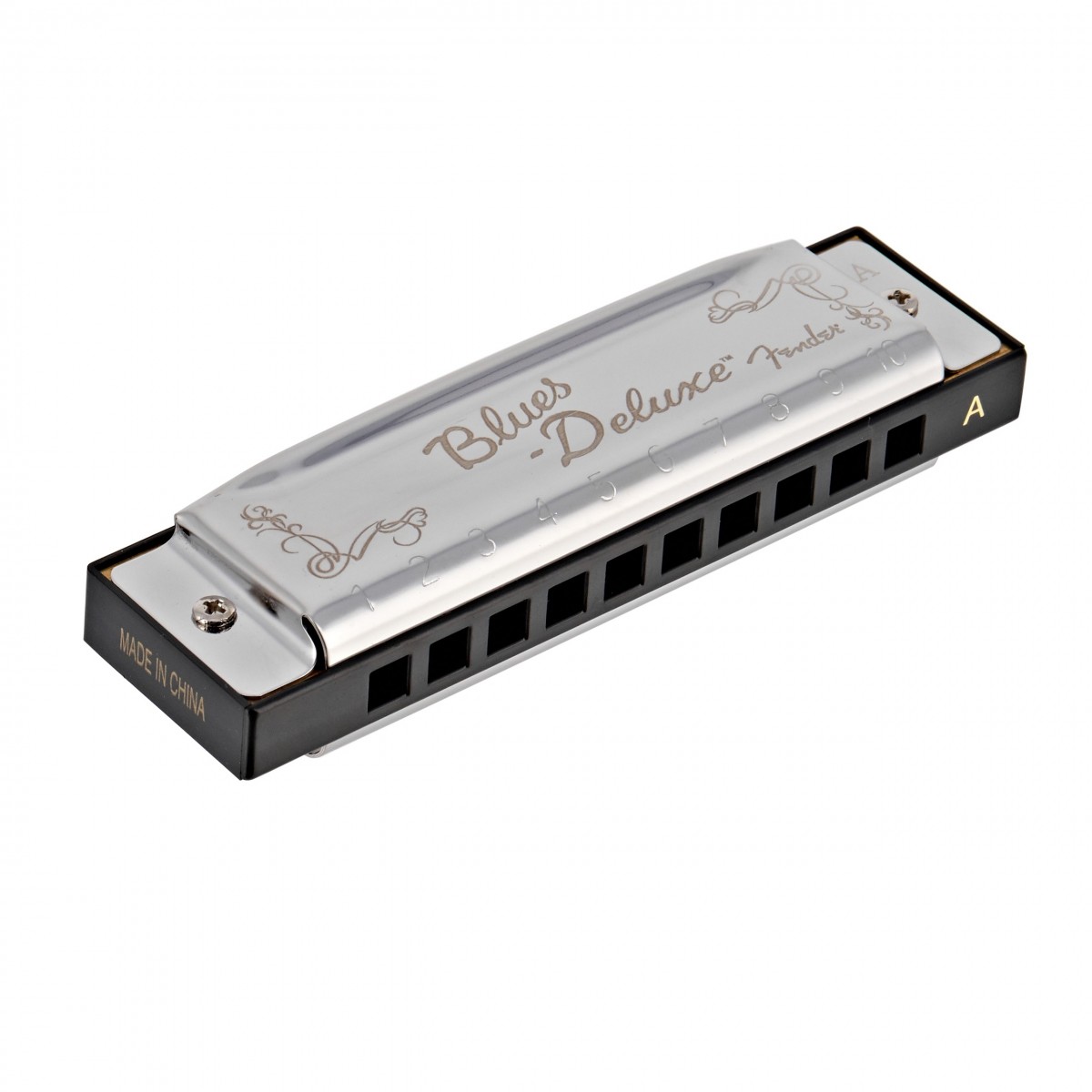
Within the market, the Suzuki Manji is often compared to the Fender Blues Deluxe Harmonica. While the Fender model serves as a reliable standard for beginners and intermediate players, the Manji is positioned as a more advanced tool with its specialised composite comb and reinforced reeds. In terms of price, the Manji sits at a professional tier, typically retailing around £49, reflecting its technical refinements over entry-level hand percussion or woodwind instruments.
Related gear
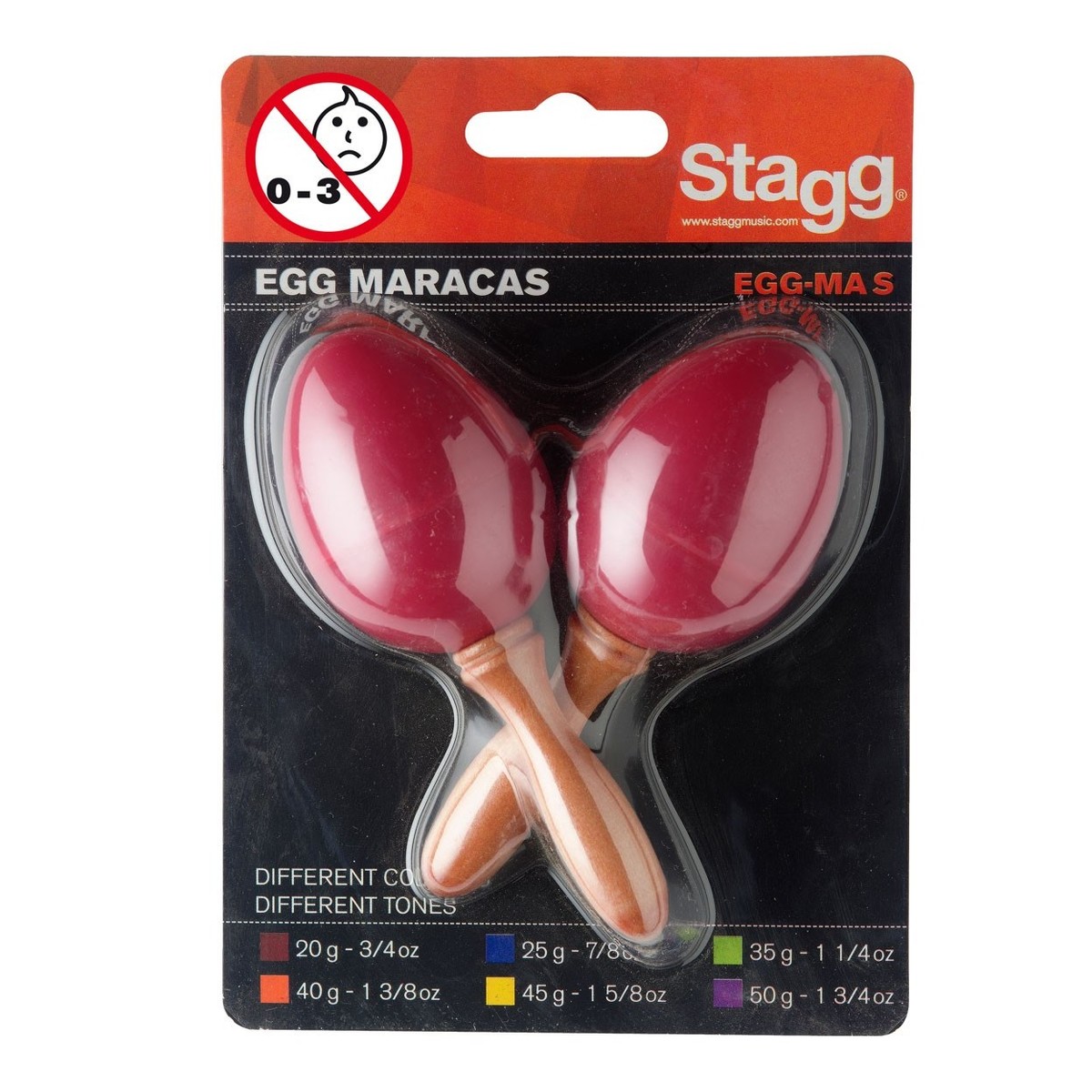 £3.99 ($5)
Stagg
Stagg Plastic Egg Maracas Red
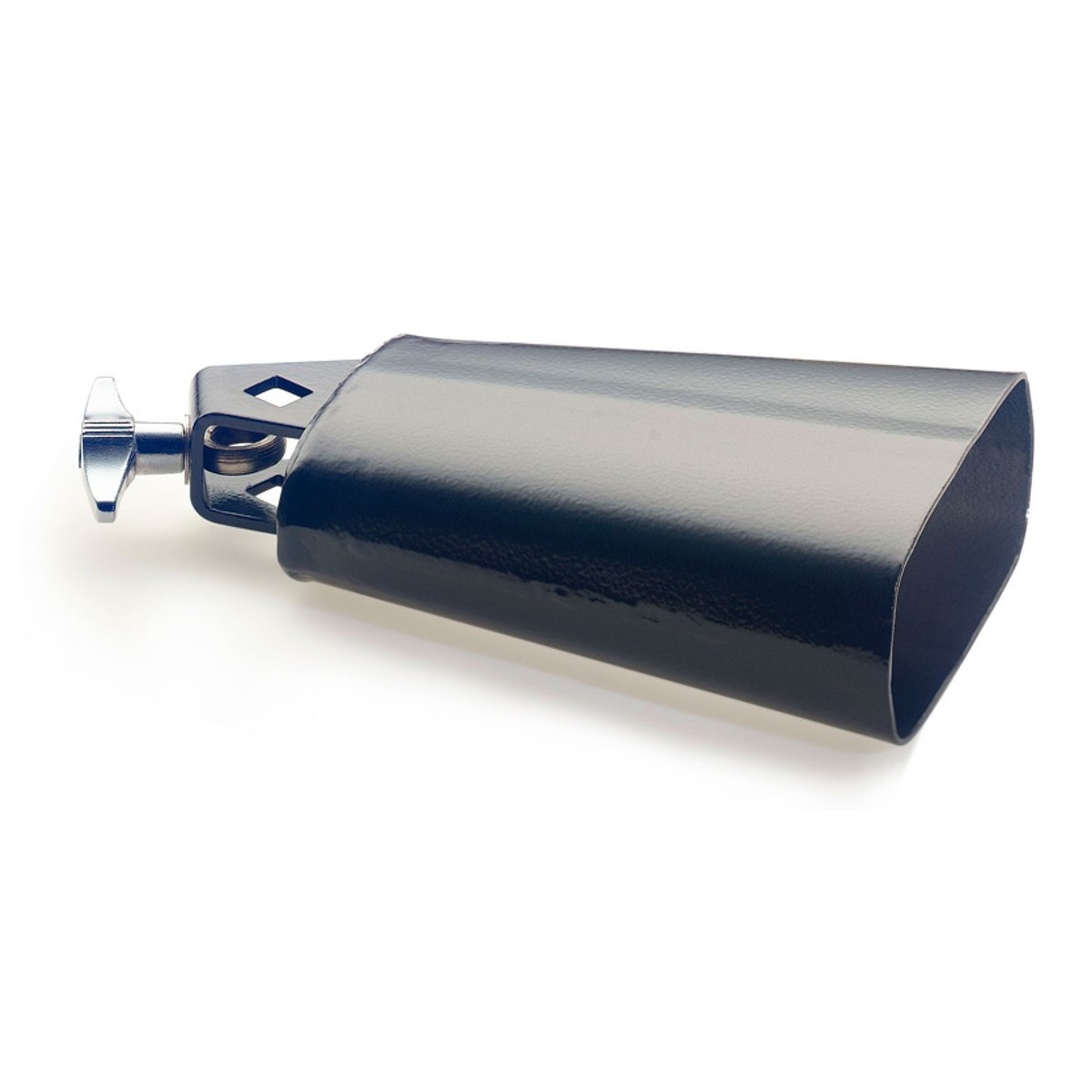 £9.99 ($13)
Stagg
Stagg Rock 5-1/2" Cowbell Black
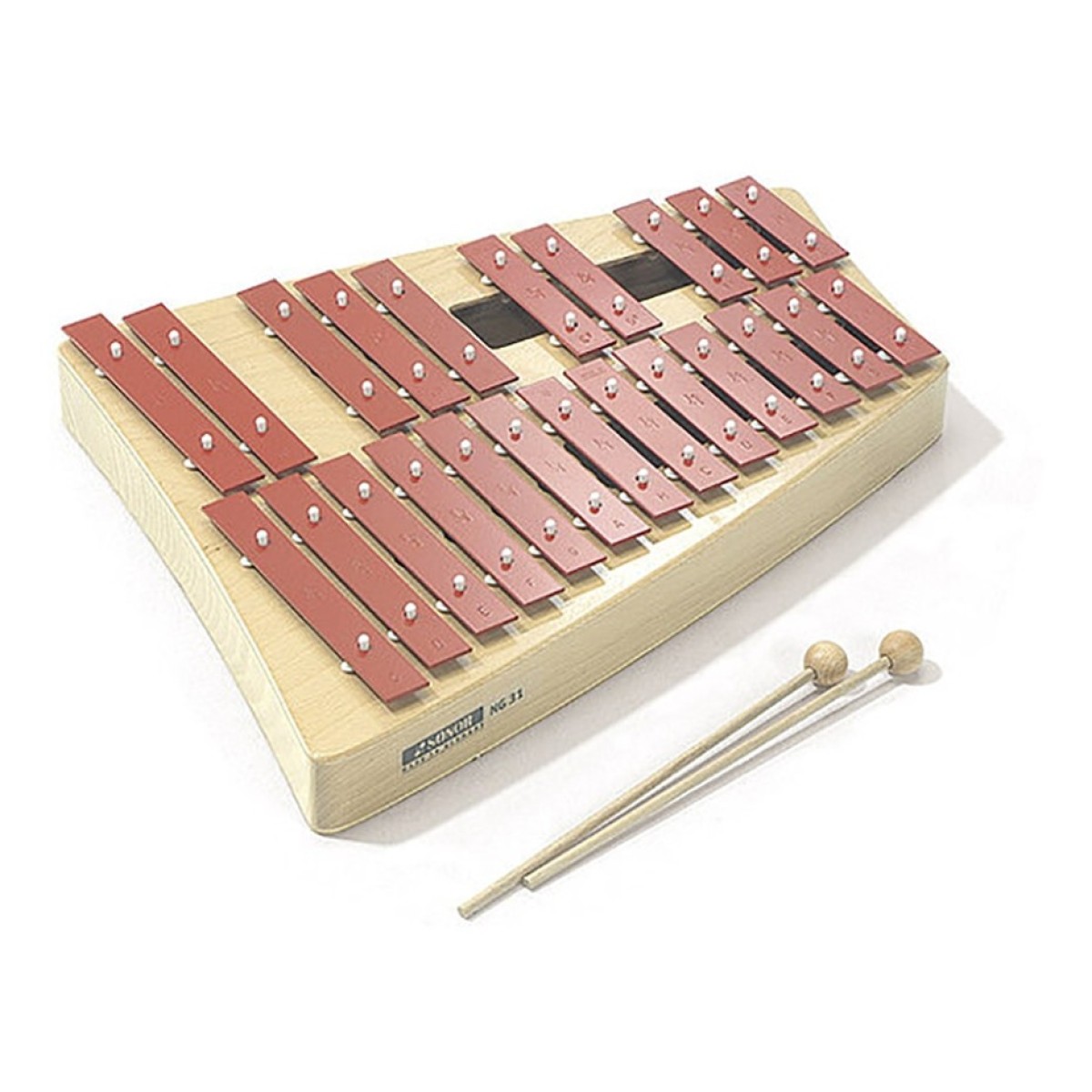 £119.00 ($151)
Sonor
Sonor Orff NG31 Alto Chromatic Glockenspiel
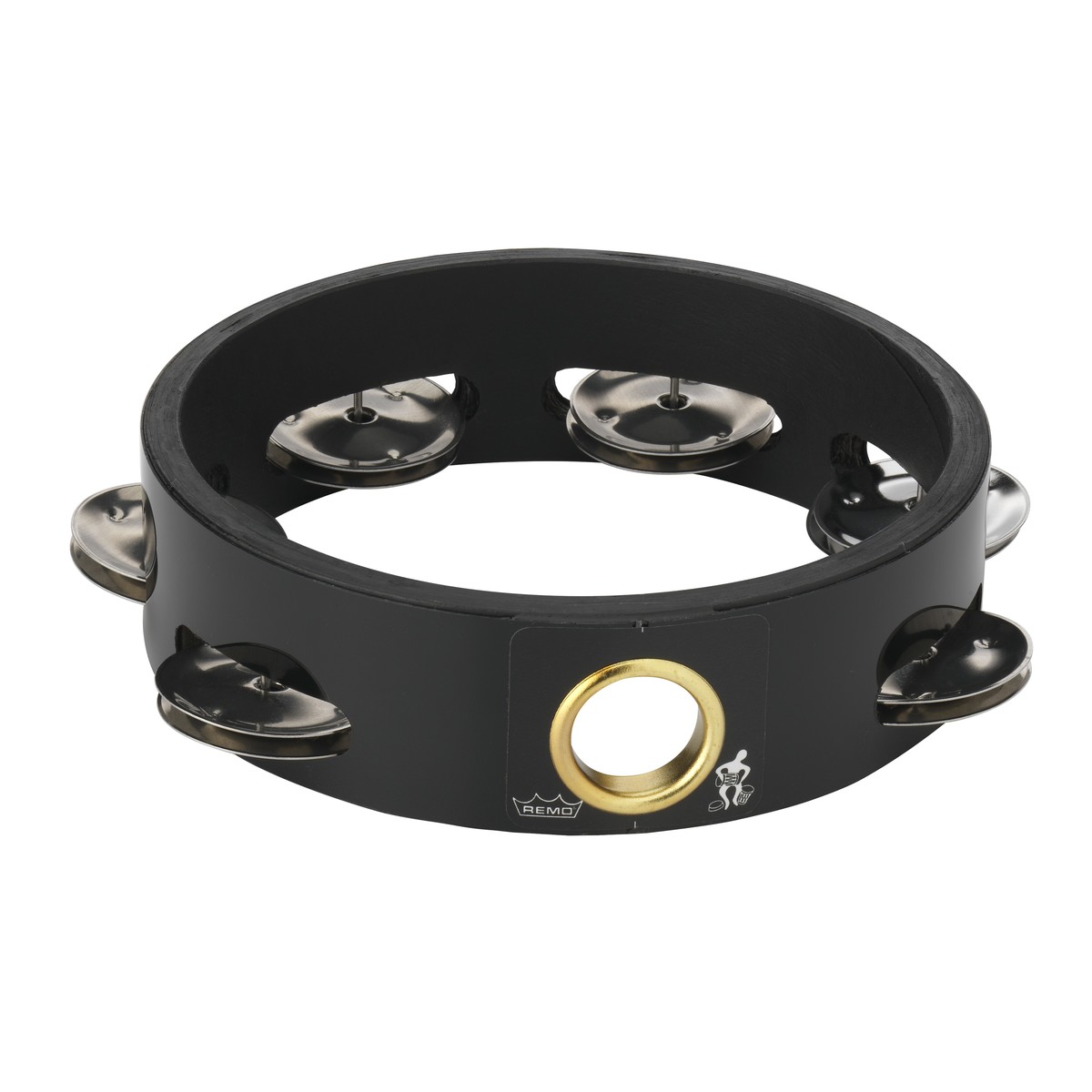 £23.70 ($30)
Remo
Remo 6 Single Row Headless Tambourine Black
 £299.00 ($380)
Meinl
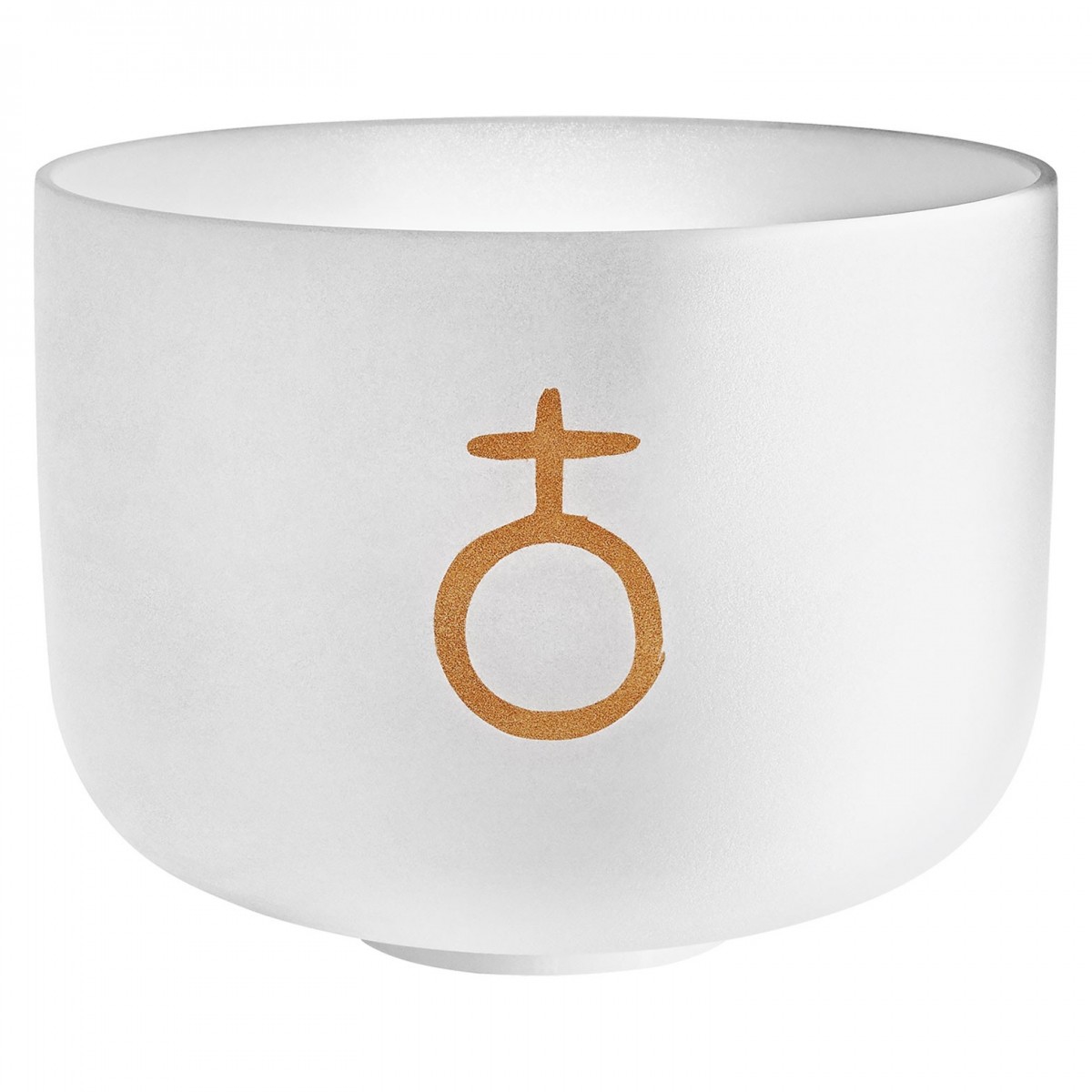
Meinl Planetary Tuned Crystal Singing Bowl 12" Earth Year / Om
 £16.00 ($20)
Fender
Fender Blues Deluxe Harmonica A
 £23.80 ($30)
Meinl
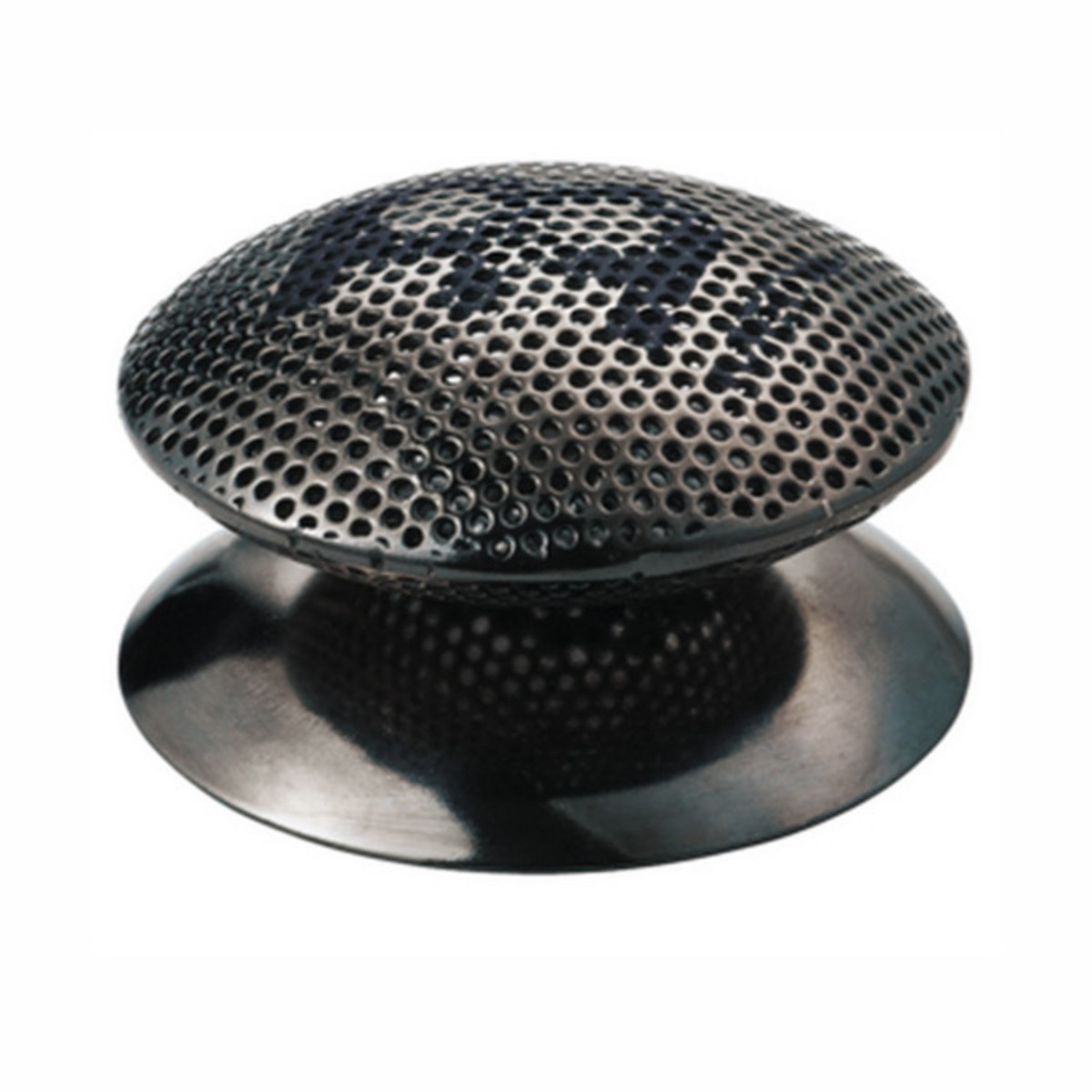
Meinl Spin Spark Shaker Black Nickel
 £7.30 ($9)
Meinl
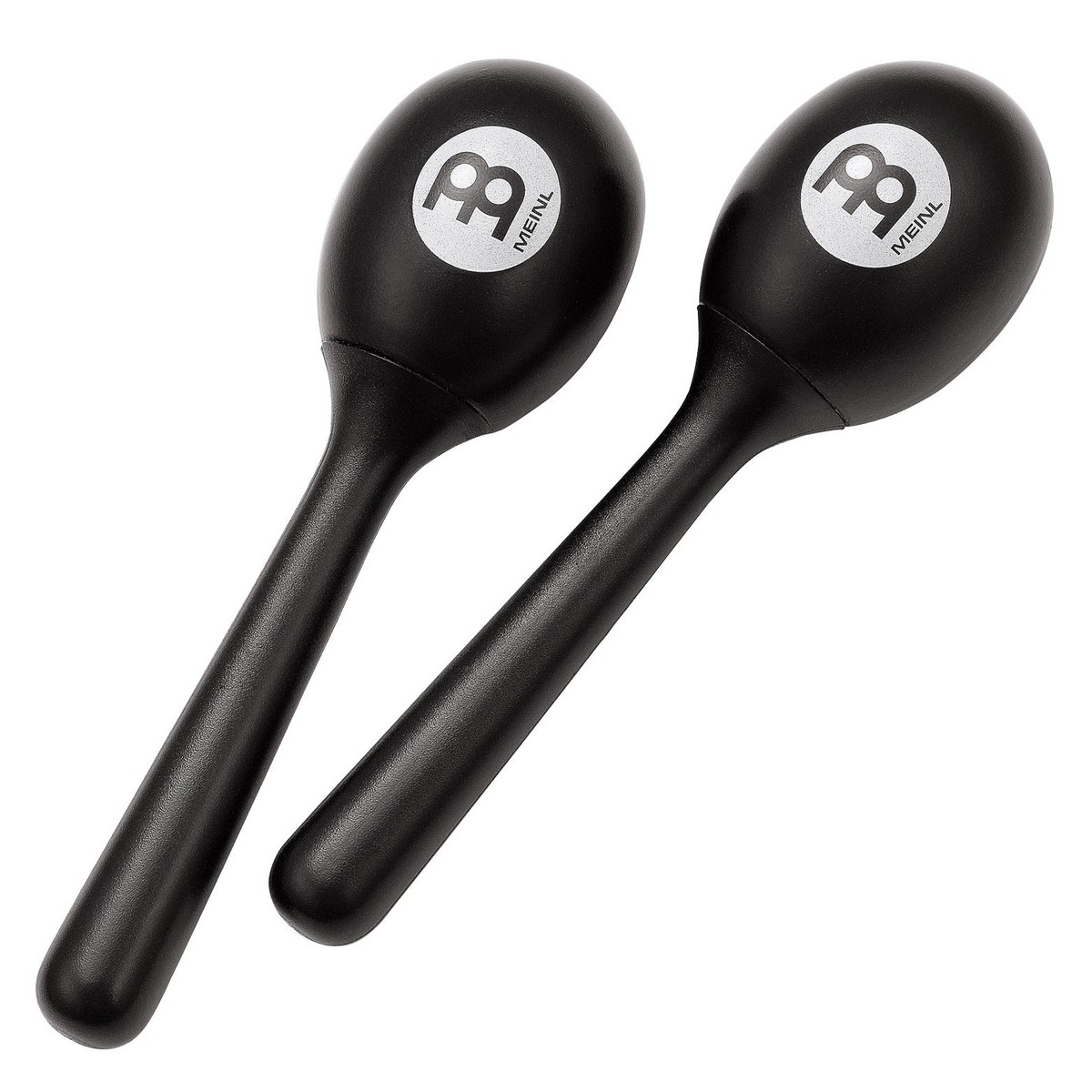
Meinl Small Plastic Egg Maracas Black
Frequently asked questions
- What is the primary material used in the Suzuki Manji comb?
- The comb is made from a unique resin reinforced with natural wood fibres. It contains over 50% wood content to maintain a traditional feel while resisting moisture.
- How does the Manji handle moisture compared to traditional wooden harmonicas?
- Because it is a wood-resin composite, the comb does not swell or warp when exposed to saliva or humidity. This ensures the instrument remains airtight and consistent over time.
- What kind of reeds does the Suzuki Manji use?
- It uses longer and thicker reeds than standard models. These are designed to produce a fuller tone and handle high-pressure playing without sounding strained.
- Is the Suzuki Manji suitable for blues music?
- Yes, it was specifically designed for blues players. Its reed construction and open cover plates allow for the deep bends and expressive dynamics essential to the genre.
- What is the benefit of the open-backed stainless steel covers?
- The open-back design allows the reeds to resonate more freely. This increases the instrument's projection and gives the player better control over their tone.
- What is the tuning system used for the Manji?
- The Manji uses a compromised just tuning. This system is designed to provide smooth-sounding chords while keeping individual notes in tune for melodic passages.
- Can the Suzuki Manji be used for overblowing?
- Yes, the thicker reeds and precise tolerances are designed to handle modern techniques like overblowing and overdrawing without the 'strained' feel of cheaper instruments.
- How much does a Suzuki Manji typically cost?
- The typical price range for a Suzuki Manji diatonic harmonica is approximately £49.
- What key is the model mentioned in this article?
- The specific model discussed is in the key of E, though the Manji series is available in various keys.
- Is the Manji louder than other harmonicas?
- Thanks to its thicker reeds and open-back cover design, it is capable of producing impressive volume and projection compared to standard diatonic models.
- Does Suzuki manufacture other hand percussion or instruments?
- While known for harmonicas, Suzuki is a major musical instrument manufacturer. Other brands like Meinl or Stagg provide complementary hand percussion such as maracas or cowbells.
- How does the Manji compare to the Fender Blues Deluxe?
- The Manji is a more premium instrument featuring a composite comb and heavier reeds, whereas the Fender Blues Deluxe is a more standard design often preferred by beginners.