
Gear article
Takamine GC1 Classical Guitar
The Takamine GC1 is a full-sized classical guitar designed to provide a high-quality nylon-string experience at an accessible price point. It features a fan-braced spruce top paired with mahogany back and sides to deliver a rich, resonant tone suitable for traditional and modern playing styles.
See live pricesOverview
The Takamine GC1 serves as a foundational model in Takamine's classical range, balancing traditional lutherie techniques with modern manufacturing efficiency. It is built as a non-cutaway acoustic instrument, focusing on pure unplugged projection and structural integrity. The instrument is intended for students and hobbyists who require a reliable nylon-string guitar that offers a step up in build quality from entry-level beginner packs.
Design and Construction
The GC1 utilizes a 'select spruce' top, a wood choice favoured in classical guitar construction for its ability to produce a broad dynamic range and clear articulation. This top is supported by traditional fan bracing, which allows the soundboard to vibrate freely while maintaining structural stability under the tension of nylon strings. The back and sides are constructed from mahogany, providing a sturdy foundation and contributing to the instrument's overall warmth. The mahogany neck is paired with a rosewood fingerboard, designed for smooth transitions between positions, which is critical for classical repertoire.
Tonal Characteristics
The combination of spruce and mahogany results in a balanced sonic profile. The spruce top is responsible for the 'sparkle' and high-end clarity, ensuring that individual notes remain distinct during complex polyphonic passages. Conversely, the mahogany back and sides provide resonance, richness, and sufficient volume to fill a room. This tonal marriage ensures the guitar sounds full-bodied without becoming muddy in the lower frequencies.
Aesthetics and Playability
Adopting a minimalist approach, the GC1 eschews 'fancy embellishments' in favour of showing off the natural grain of its tonewoods. The most prominent visual feature is the elegant soundhole rosette, which provides a classic aesthetic touch. In terms of playability, the neck is designed to sit comfortably in the palm, accommodating the wider nut width typical of classical guitars while ensuring the rosewood fretboard feels smooth under the fingertips.
Comparison to Alternatives
Within the affordable classical market, the GC1 competes with several established models:
- Yamaha C40II: A staple entry-level model; the GC1 is often seen as a slightly more refined alternative in terms of finish and tonal depth.
- Admira Java: Offers a different aesthetic and wood profile, though both target the intermediate student market.
- Gear4Music Junior Models: While Gear4Music offers 1/2 and 3/4 scale options for younger players, the GC1 is a full-sized instrument intended for adults or older students.
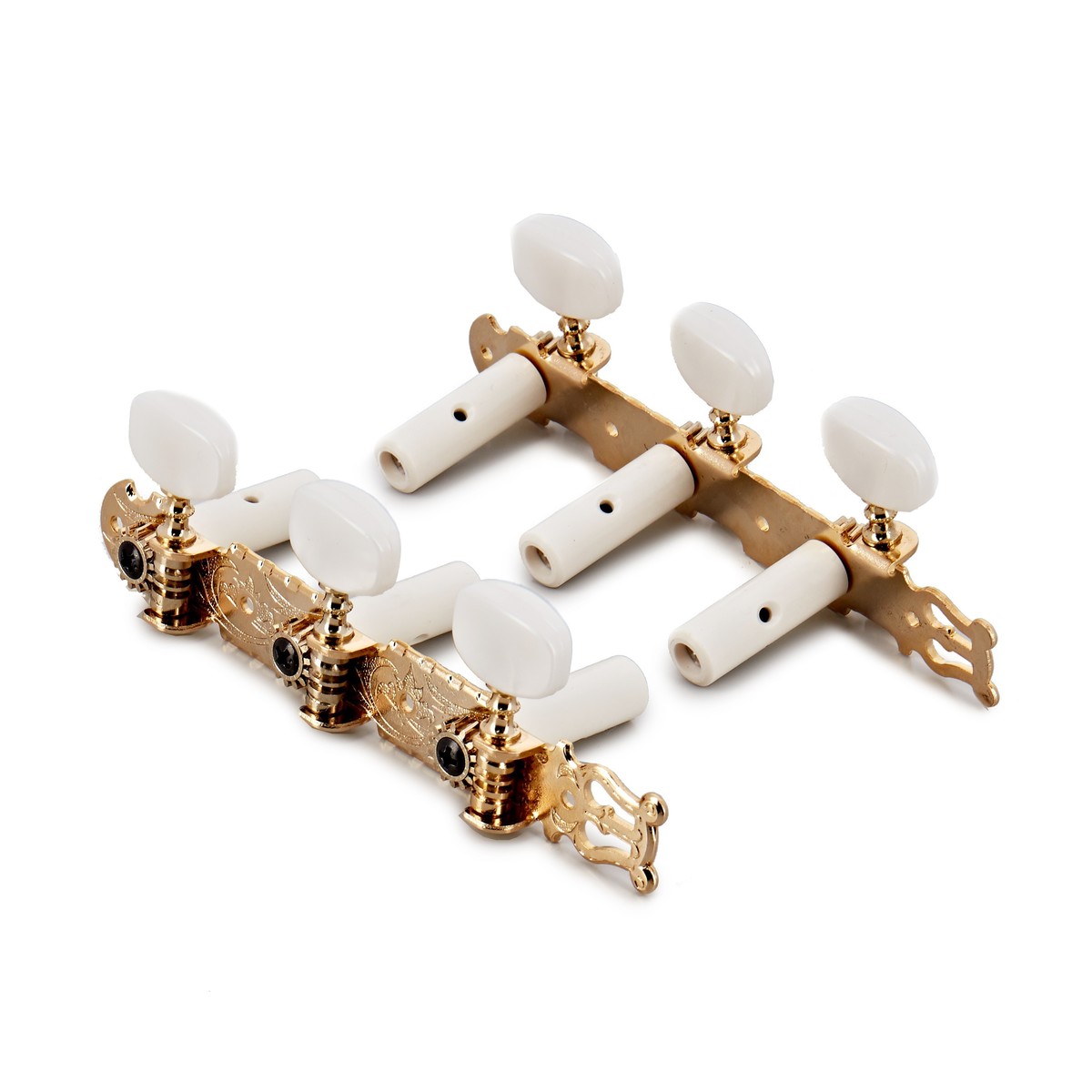
- Hardware Upgrades: Players seeking to enhance the GC1 may look toward premium components like Gotoh 35G450 Flash Gold tuners to improve tuning stability and aesthetics.
Related gear
 £125.00 ($159)
Admira
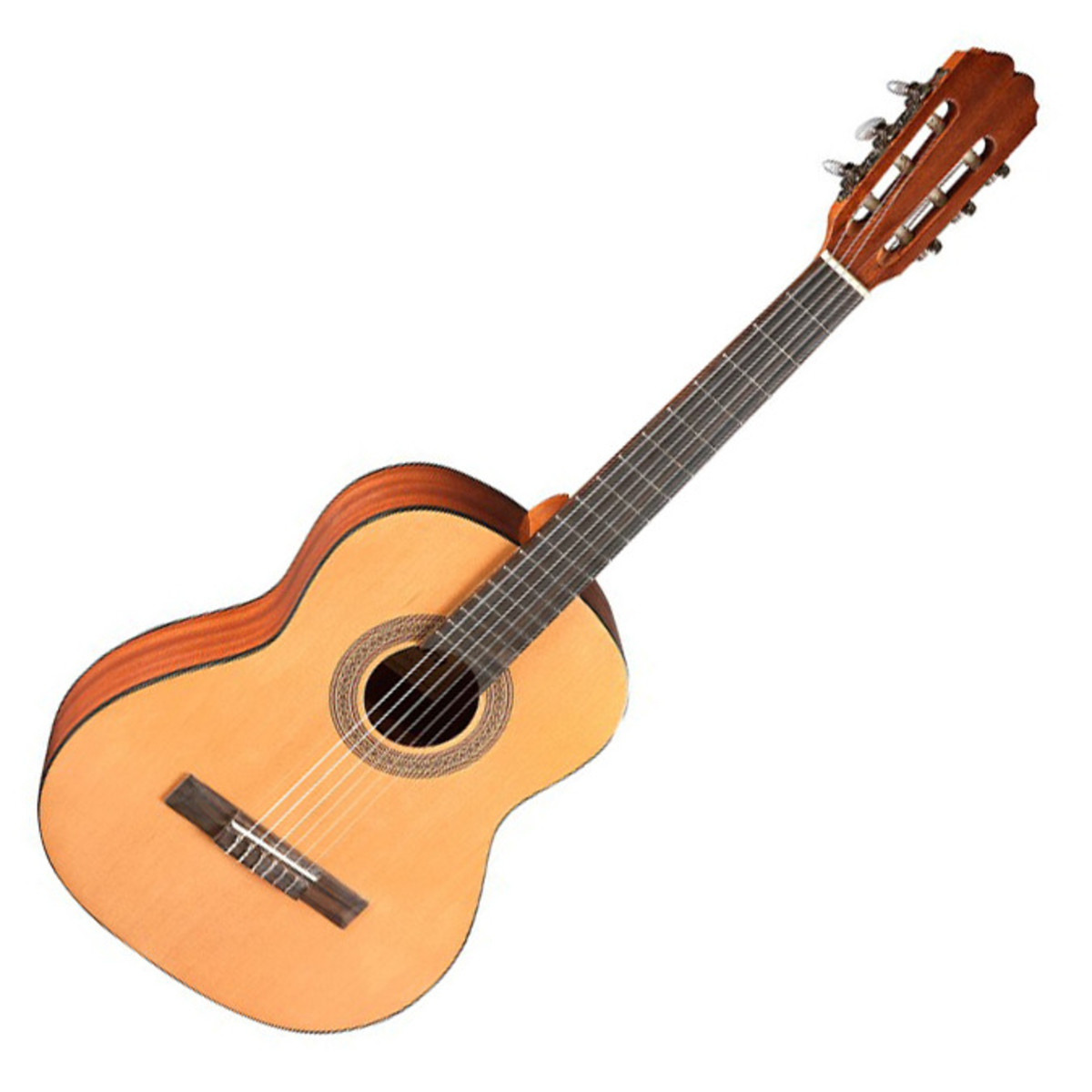
Admira Java Classical Guitar
 £139.00 ($177)
Admira
Admira Alba 3/4 Classical Guitar
 £129.00 ($164)
Yamaha
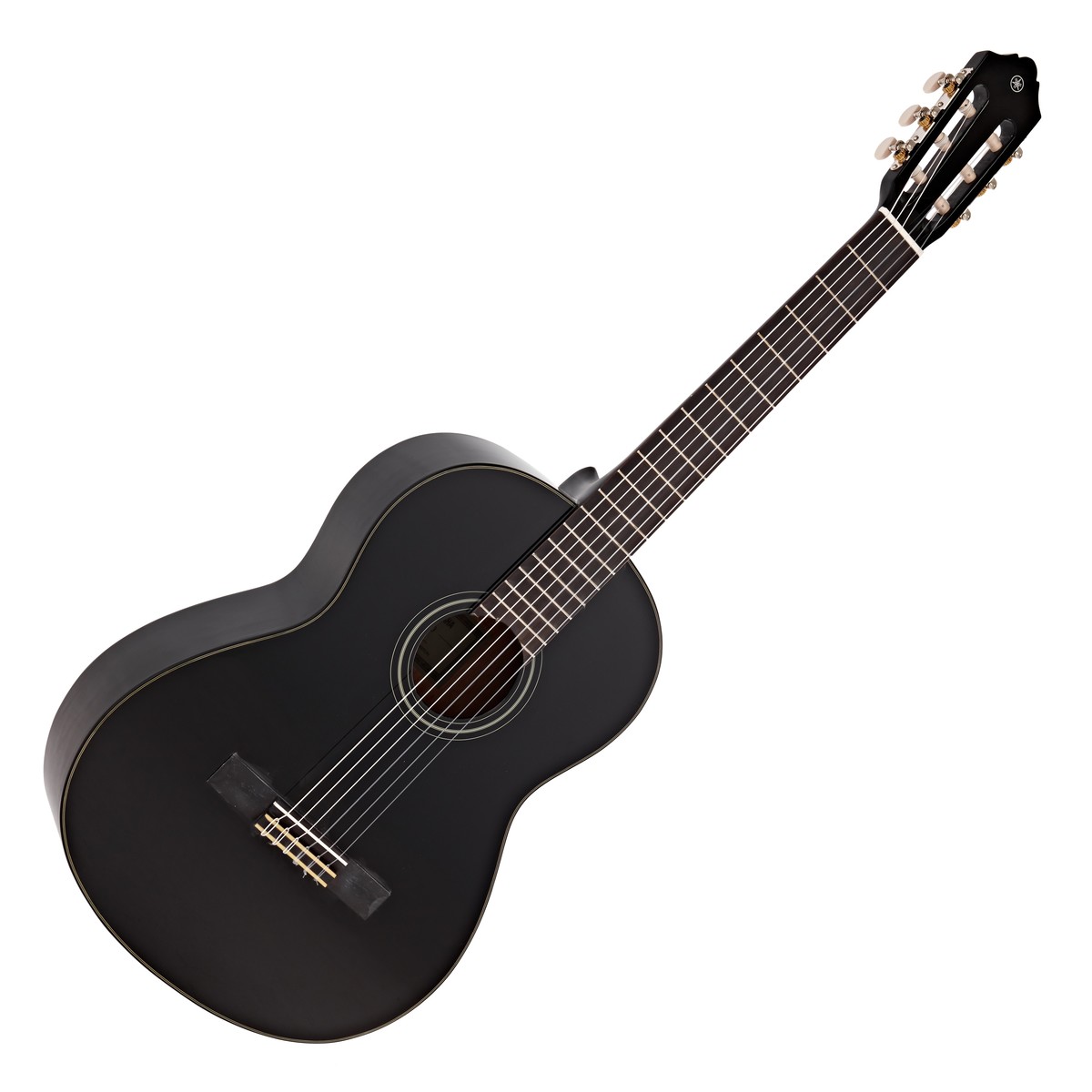
Yamaha C40 II Classical Guitar Black
 £211.50 ($269)
Yamaha
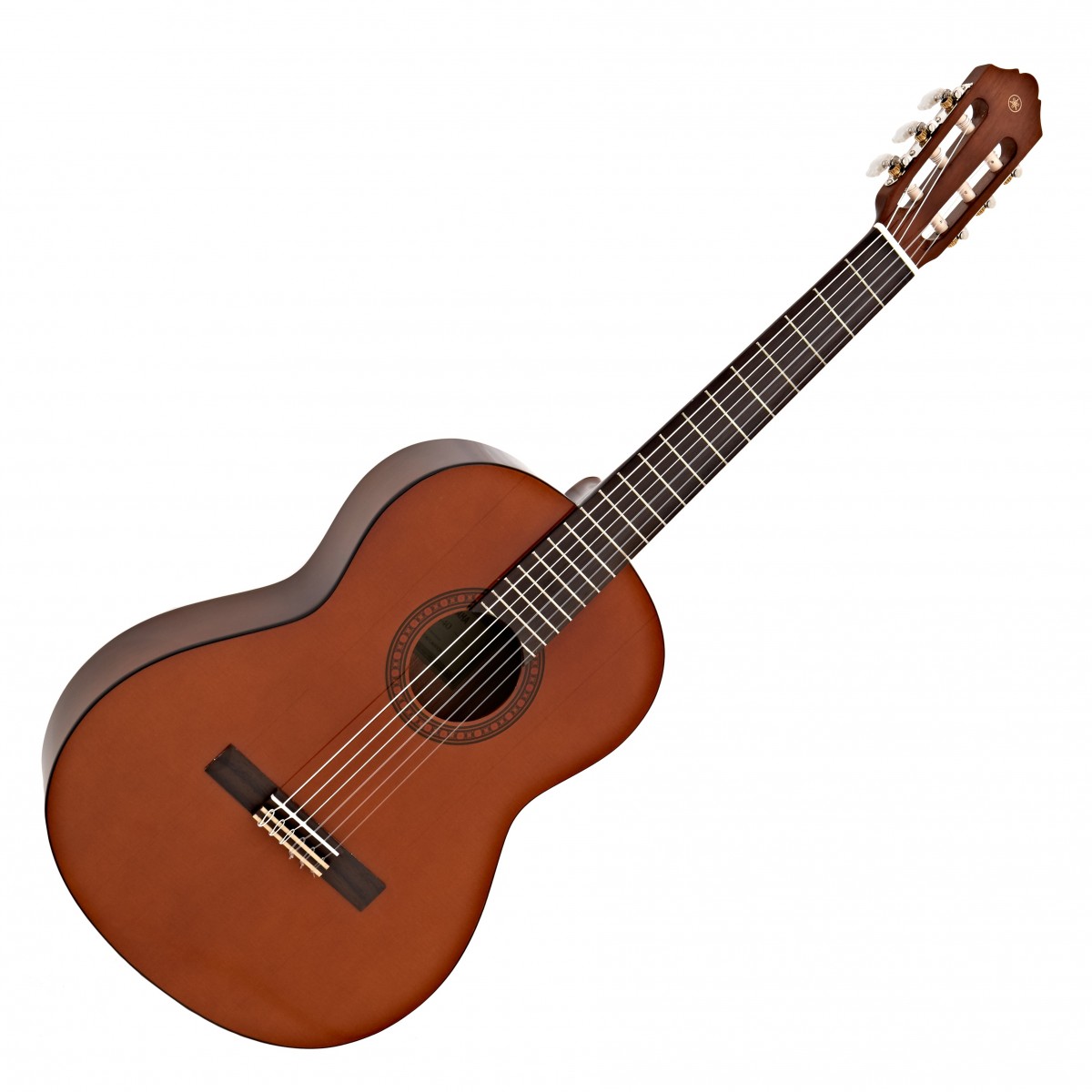
Yamaha C40II Classical Guitar Standard Pack Natural
 £114.00 ($145)
Yamaha
Yamaha CS40 II 3/4 Classical Guitar
 £44.99 ($57)
Gear4Music
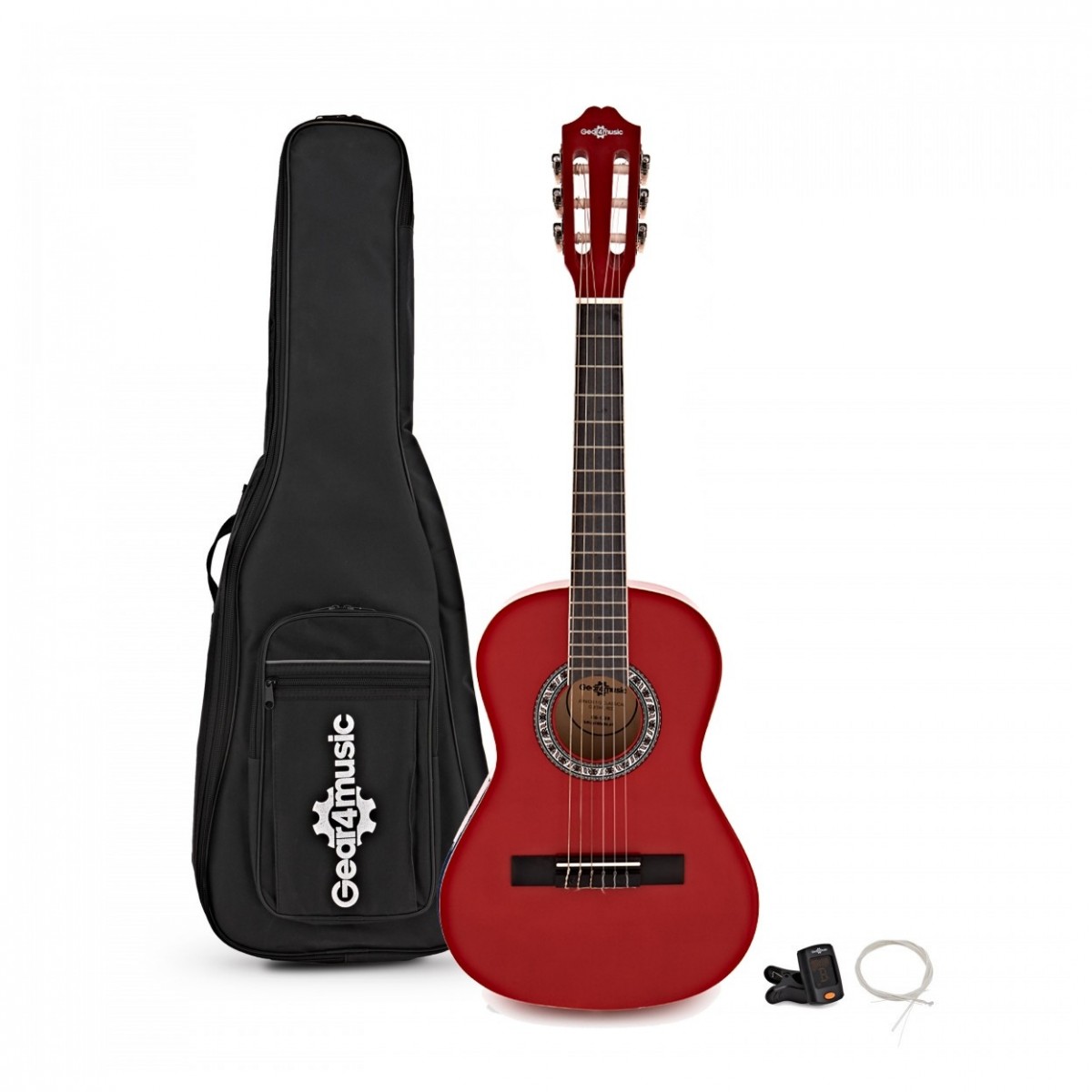
Junior 1/2 Classical Guitar Pack Red by Gear4music
 £47.99 ($61)
Gear4Music
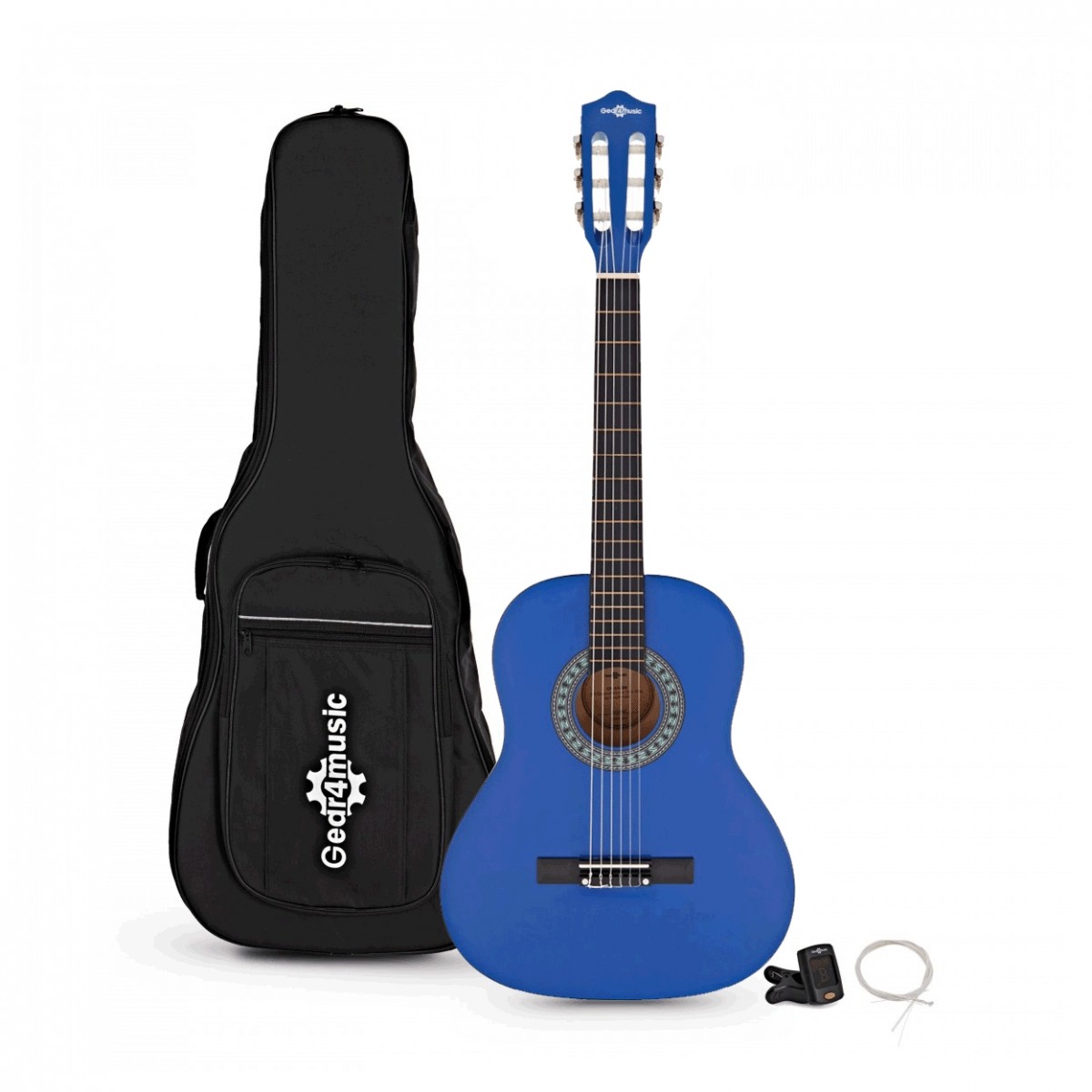
3/4 Classical Guitar Pack Blue by Gear4music
 £25.00 ($32)
Gotoh
Gotoh 35G450 Classical Guitar Tuners Flash Gold
Frequently asked questions
- What type of strings does the Takamine GC1 use?
- The GC1 is a classical guitar designed exclusively for nylon strings. Using steel strings on this instrument will cause permanent structural damage due to the significantly higher tension.
- What tonewoods are used for the body of the GC1?
- The guitar features a select spruce top for clarity and mahogany back and sides for resonance and warmth. This is a classic combination for balanced acoustic projection.
- What is the bracing pattern used in the GC1?
- It uses a traditional fan-bracing pattern. This internal structure is specific to classical guitars, supporting the spruce top while allowing it to vibrate optimally for nylon-string frequencies.
- Is the Takamine GC1 an acoustic-electric model?
- No, the standard GC1 is a purely acoustic instrument. It does not feature built-in pickups or preamps, focusing instead on natural acoustic resonance.
- What is the fretboard material on the Takamine GC1?
- The fretboard is made of rosewood. This wood is chosen for its smooth feel and durability, facilitating comfortable movement across the neck.
- Does the GC1 come with a gloss or satin finish?
- The GC1 typically features a gloss finish that protects the wood and enhances the natural grain of the spruce and mahogany.
- How does the GC1 compare to the Yamaha C40II?
- While both are excellent student guitars, the GC1 is often praised for its specific fan-bracing and select tonewoods, which some players find offers more clarity than the C40II.
- Is the Takamine GC1 suitable for beginners?
- Yes, it is specifically marketed as an affordable instrument that delivers high quality, making it an excellent choice for a beginner's first full-sized guitar.
- What is the typical price range for this model?
- The Takamine GC1 is typically priced around GBP 209. This places it in the competitive 'budget-to-intermediate' category for classical guitars.
- Can the tuners on the GC1 be upgraded?
- Yes, players often upgrade to high-quality components such as Gotoh 35G450 Classical Guitar Tuners in Flash Gold to improve tuning precision and visual appeal.
- What role does the mahogany neck play in this guitar?
- The mahogany neck provides stability and a comfortable grip. It also contributes to the guitar's overall sustain and warm tonal character.
- Does this guitar have any decorative elements?
- The GC1 maintains a natural look but includes an elegant soundhole rosette. It avoids overly flashy embellishments to focus on the quality of its wood construction.