
Gear article
Tascam CA-XLR2d-C XLR Microphone Adapter Canon Kit
The Tascam CA-XLR2d-C is a two-channel professional microphone preamp and adapter specifically designed for Canon cameras to provide high-definition audio recording. By integrating high-quality A/D converters and direct hot-shoe connectivity, it bridges the gap between professional XLR microphones and mirrorless or DSLR camera systems.
See live pricesBackground and Design
The Tascam CA-XLR2d-C represents a collaboration between Tascam and Canon to streamline the audio workflow for videographers. Historically, recording high-quality audio on DSLR or mirrorless systems required external recorders and manual synchronisation in post-production. This adapter eliminates those steps by providing a direct digital or analogue interface to the camera's recording engine. It leverages Tascam's extensive history in high-fidelity audio technology to offer a robust alternative to standard 3.5mm on-camera microphone inputs.
Technical Features
The unit features high-definition A/D converters that ensure clean signal transmittal directly into the camera. It is equipped with two XLR/TRS combo inputs, allowing for a variety of configurations such as dual mono shotgun mics or stereo condenser setups. The kit is specifically tailored for Canon's multi-function shoe, which facilitates both power supply and digital audio data transmission directly through the connection, though it can also operate via analogue cables for wider compatibility within the Canon range.
Sound Character and Performance
The CA-XLR2d-C is designed for transparency and professional-grade results. By moving the preamplification and conversion outside of the camera's internal circuitry, it significantly reduces the noise floor and increases dynamic range. This results in audio that is suitable for broadcast, high-end documentary work, and professional independent film production, maintaining the natural character of the connected microphones.
Target Audience
This adapter is primarily intended for professional videographers, documentary filmmakers, and high-level content creators using Canon camera systems. It is particularly useful for those who need to move quickly and cannot afford the time for external audio syncing. Its ability to support phantom-powered condenser microphones makes it a versatile tool for both controlled studio environments and unpredictable field recordings.
Comparison to Alternatives
Compared to standard 3.5mm adapters, the CA-XLR2d-C offers superior shielding and balanced inputs, which are essential for long cable runs using products like the Studiospares Standard XLR or Neutrik NC3FRX connectors. While generic adapters might require separate batteries, the Tascam Canon Kit takes advantage of the camera's power system via the shoe. It provides a more integrated solution than using standalone field recorders, though it remains focused specifically on the Canon ecosystem in this 'C' variant.
Related gear
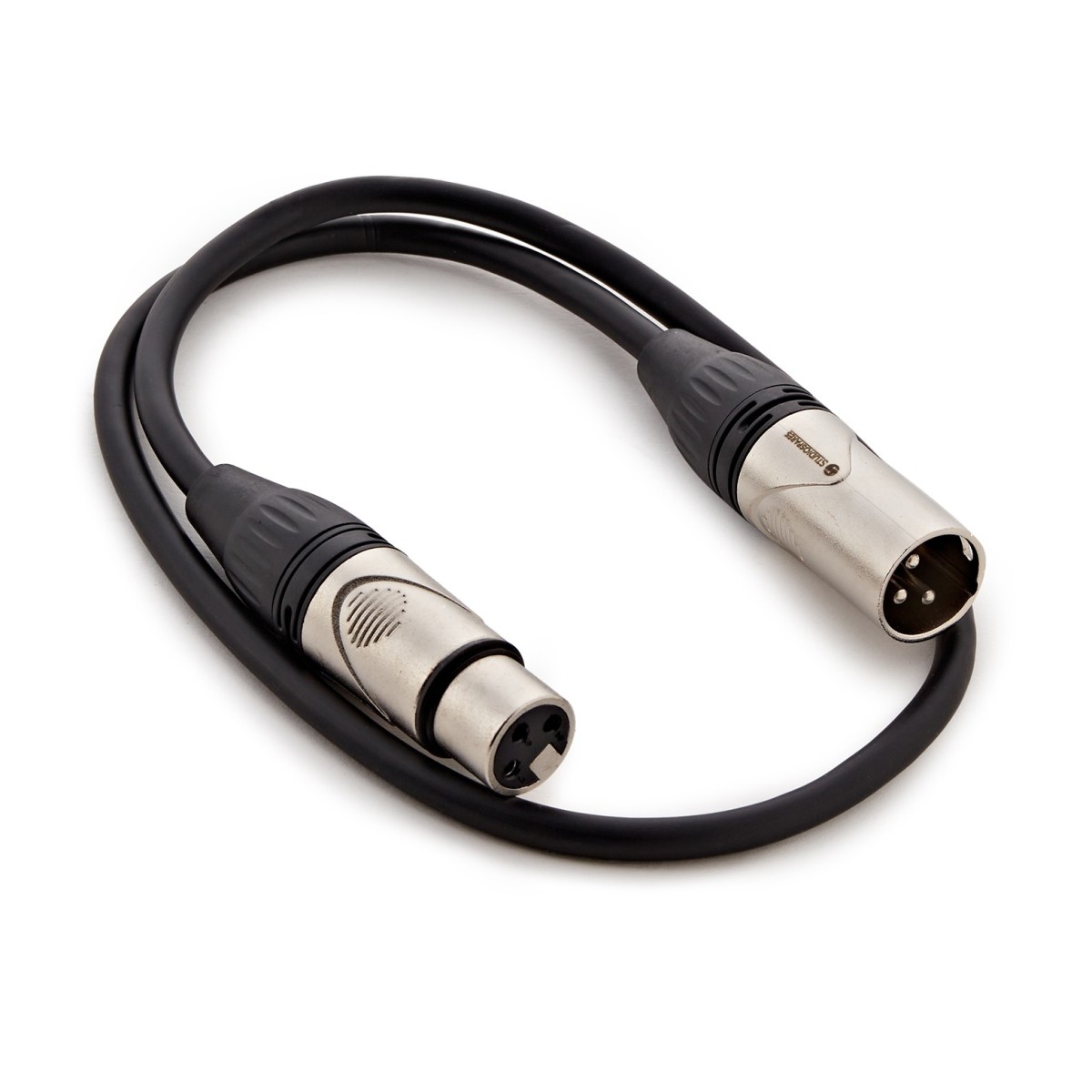 £5.99 ($8)
Studiospares
Studiospares Standard XLR (M) - XLR (F) Cable 60cm
 £17.57 ($22)
Ernie Ball
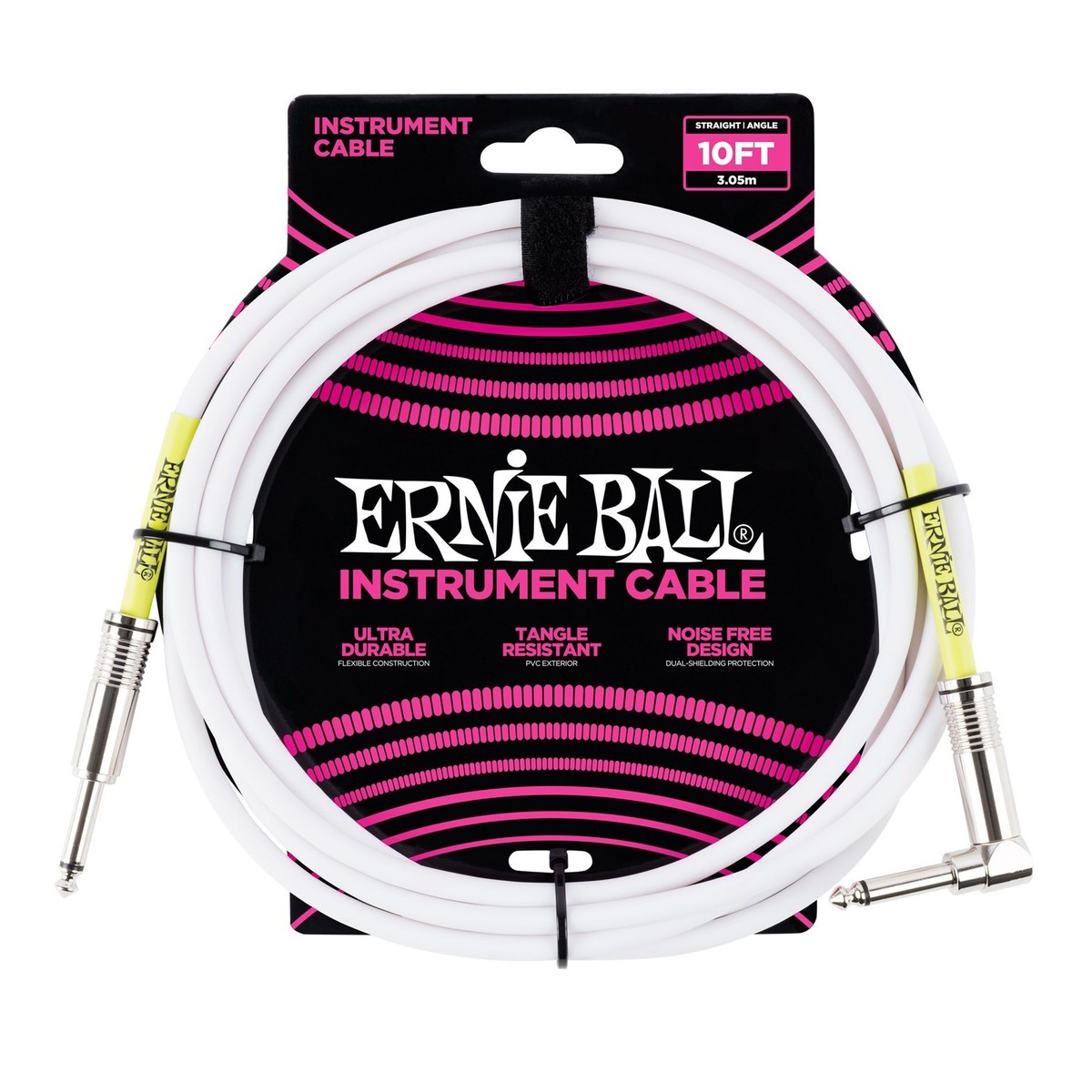
Ernie Ball P06049 10ft Straight-Angle Instrument Cable White
 £32.00 ($41)
LD Systems
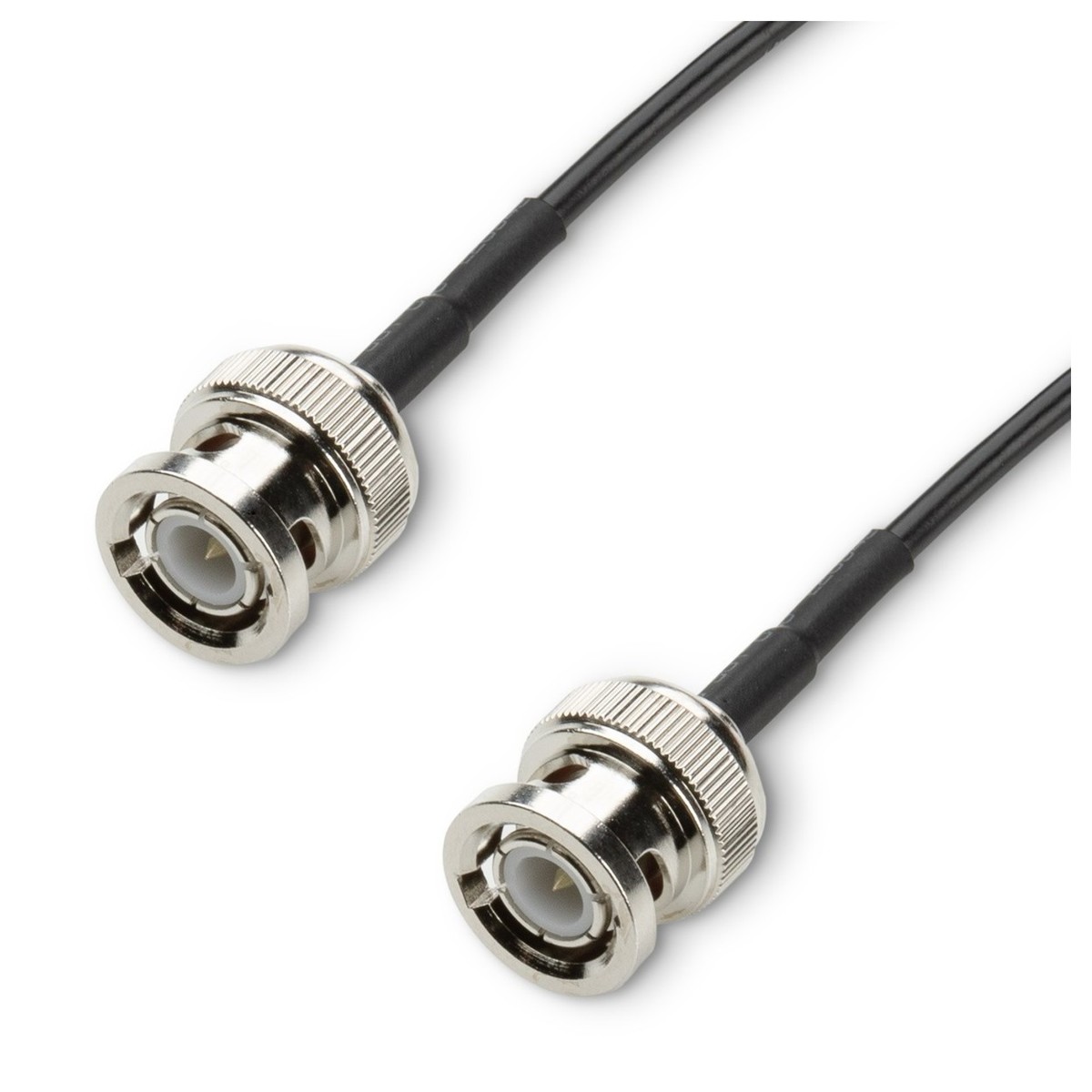
LD Systems WS100BNC10 BNC to BNC Antenna Cable 10m
 £4.99 ($6)
Gear4Music
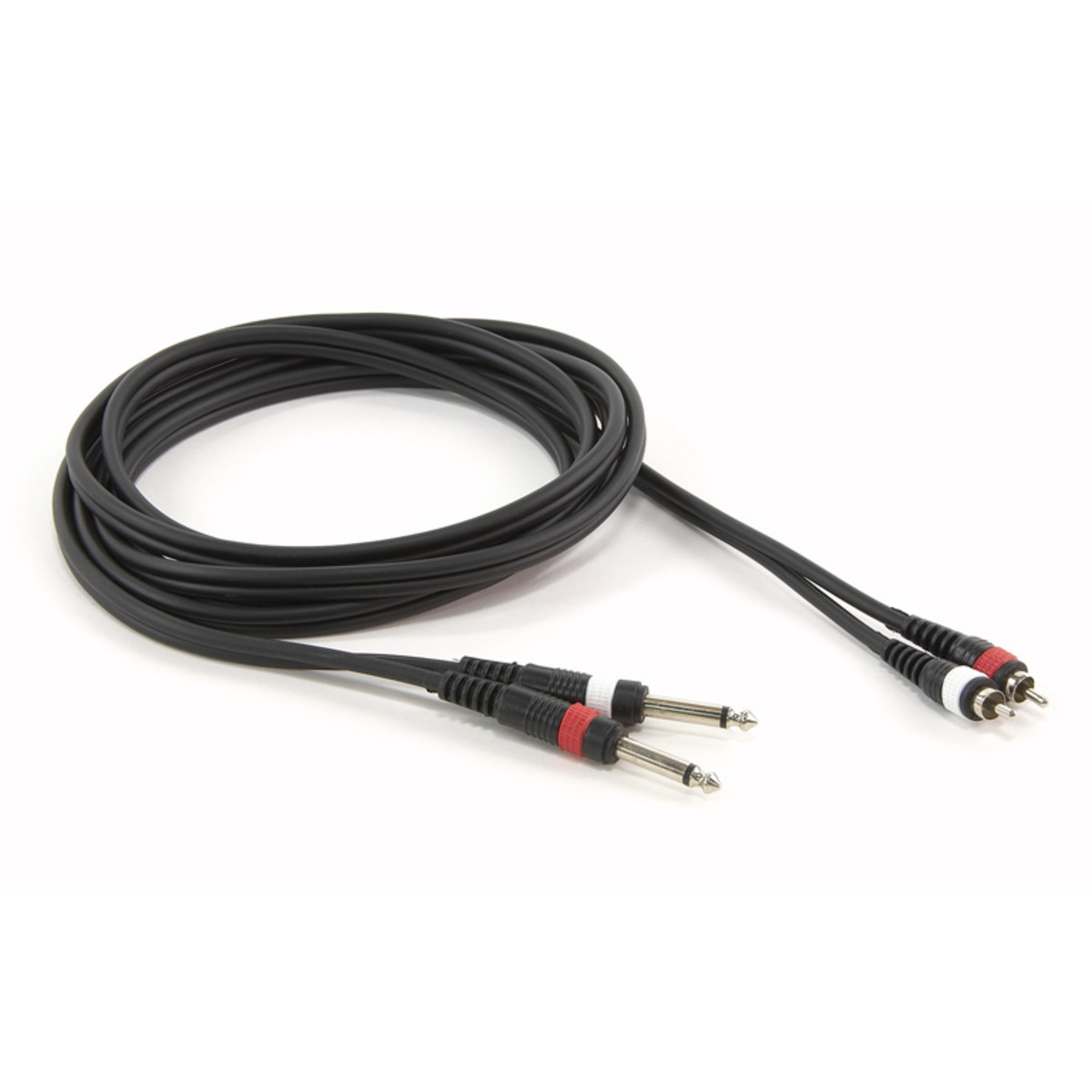
Essentials Dual Jack to RCA Phono Cable 3m
 £10.50 ($13)
Neutrik
Neutrik NC3FRX Right-Angled 3-Pole Female XLR Connector
 £19.00 ($24)
Neutrik
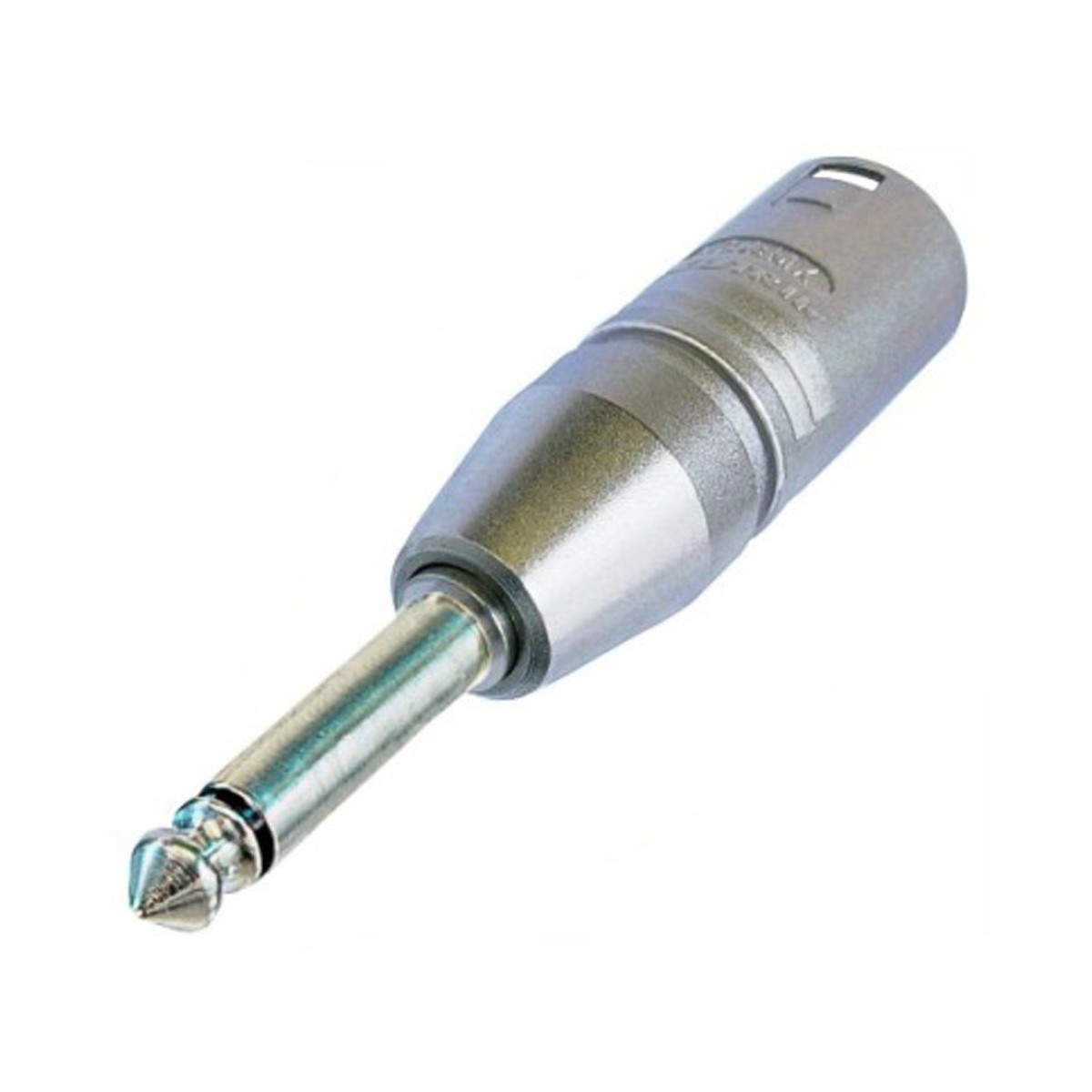
Neutrik NA2MP Male XLR - 1/4 Jack Adaptor
 £30.00 ($38)
Adam Hall
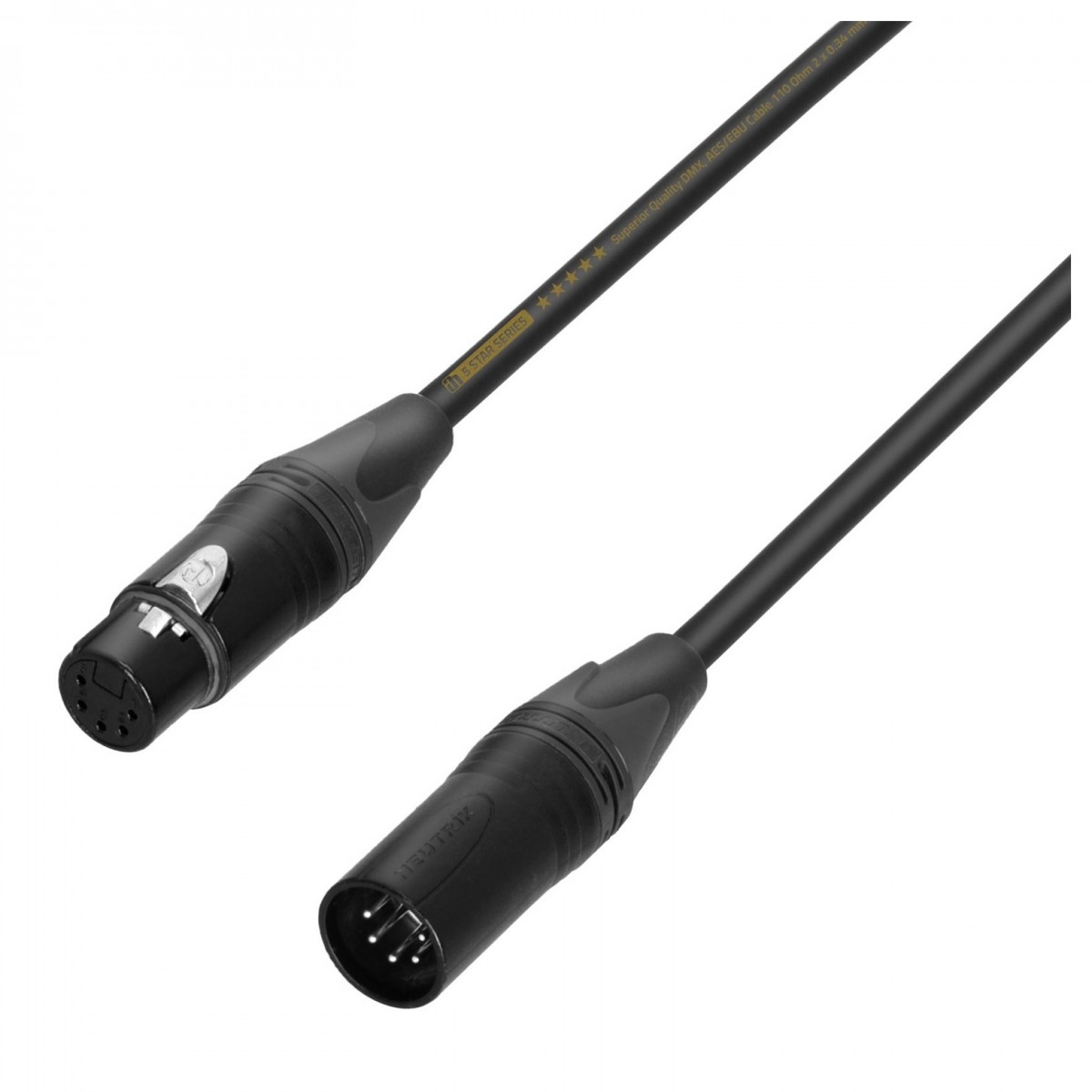
Adam Hall 5 STAR Neutrik DMX 5-Pin Lighting Cable 20m
 £4.99 ($6)
Studiospares
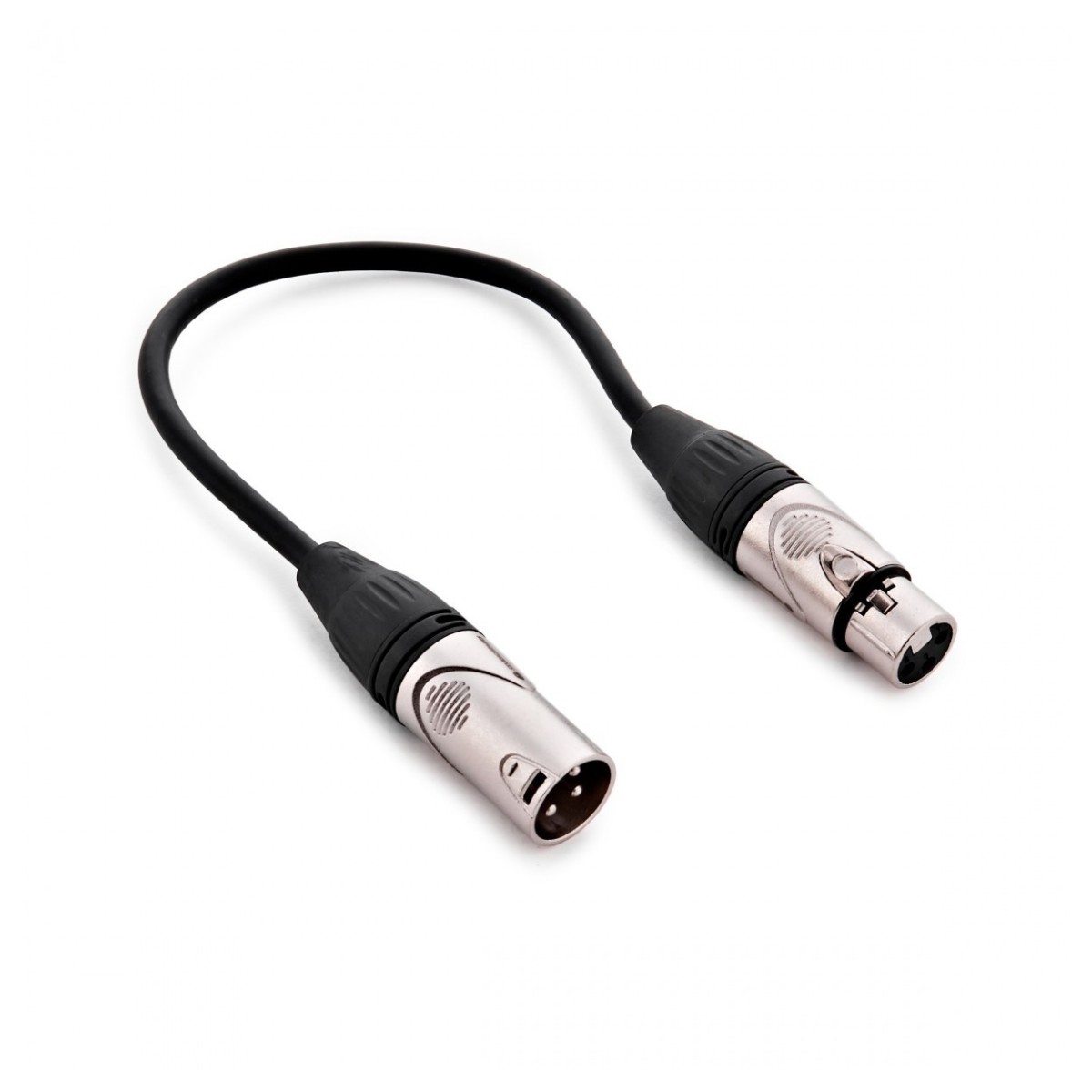
Studiospares Standard XLR (M) - XLR (F) Patch Cable 30cm
Frequently asked questions
- What is the primary function of the Tascam CA-XLR2d-C?
- It is a two-channel microphone preamp and adapter that allows professional XLR microphones to be connected directly to Canon cameras. It converts the audio signal for high-definition recording within the camera's video file.
- Which cameras is this specific kit designed for?
- This version, denoted by the 'C', is specifically designed for Canon cameras. It is compatible with models featuring the multi-function accessory shoe for digital audio transfer.
- Does the adapter require external batteries?
- When used with compatible Canon multi-function shoes, the unit can be powered directly by the camera. This reduces the need for additional power sources during a shoot.
- Can I use condenser microphones with this adapter?
- Yes, the adapter supports a wide variety of microphones including stereo condenser and shotgun mics. It provides the necessary phantom power required for professional condenser units.
- How many audio channels can it record simultaneously?
- The CA-XLR2d-C supports two-channel recording. This allows for dual-mono inputs from two separate microphones or a single stereo microphone configuration.
- Does it include built-in A/D converters?
- Yes, it utilizes high-definition A/D converters to ensure professional-grade audio quality. This bypasses the often inferior internal preamps found in many standard cameras.
- Will this adapter help with audio-visual sync?
- Yes, the adapter automatically syncs audio and visual signals digitally. This eliminates the need for manual alignment of audio and video tracks during the editing process.
- What types of inputs does the device feature?
- It features professional-grade XLR/TRS combo inputs. This allows for the connection of standard XLR cables or balanced jack cables depending on your equipment needs.
- Is the design portable for field use?
- The unit features an intuitive, compact design that attaches directly to the camera shoe. It is designed to be lightweight enough for handheld camera operation and field recording.
- Can I use third-party XLR cables with this device?
- Yes, it is compatible with standard XLR cables such as the Studiospares Standard XLR (M) - XLR (F) series. It can also accommodate right-angled connectors like the Neutrik NC3FRX.
- What is the typical price range for this kit?
- The Tascam CA-XLR2d-C typically retails for approximately £399. Prices may vary slightly depending on the retailer and current availability.
- Can I connect an instrument to this adapter?
- While primarily designed for microphones, the TRS combo inputs can technically accept line-level signals. However, for instruments like electric guitars, a dedicated DI box or instrument cable like the Ernie Ball P06049 may still be required to match impedance.