
Gear article
TC Electronic Magus Pro Analog Distortion Pedal
The TC Electronic Magus Pro is an all-analogue distortion pedal designed to deliver high-gain saturation ranging from overdrive to thick, snarling distortion. It features a three-way toggle switch for different clipping modes and utilizes a slow slew rate to maintain smooth tonal characteristics even at high gain levels.
See live pricesOverview
The TC Electronic Magus Pro is a versatile 'dirt' pedal that focuses on delivering classic, high-gain distortion textures. Housed in a compact, durable enclosure, the pedal is designed to provide a wide range of saturated tones suitable for rock, punk, and metal. Its primary design philosophy centres on providing 'rodent-esque' clipping—a reference to classic late-70s and 80s distortion circuits—while offering modern refinements for signal clarity.
Circuitry and Technical Features
At the heart of the Magus Pro is an all-analogue signal path. A defining technical characteristic of this pedal is its specifically tuned slow slew rate. By limiting the speed at which the amplifier can respond to rapid changes in input voltage, the pedal effectively eliminates harsh, unwanted harmonic overtones and interference. This results in a smoother high-end response, even when the gain is set to maximum levels. The circuit is also engineered to maintain a tight bass response and a robust low-mid presence, preventing the sound from becoming 'muddy' or losing definition in a band mix.
Controls and Tonal Options
The Magus Pro offers a streamlined but effective control set:
- Gain: Adjusts the amount of distortion, moving from light overdrive to heavy saturation.
- Filter: A tone control that allows the user to carve the high-frequency response.
- Volume: Sets the overall output level of the pedal.
- 3-Way Toggle: This switch allows users to select between three distinct clipping modes, often associated with different eras of classic distortion design. These modes change the headroom and compression characteristics of the pedal.
Sound Character
The sonic profile of the Magus Pro is described as thick and snarling. It is particularly effective for creating gritty textures that remain articulate. Unlike some high-gain pedals that can become fizzy or brittle, the Magus Pro's internal filtering ensures that the distortion remains musical. The low-mid emphasis provides a 'thumping' quality that suits palm-muted riffing and aggressive lead lines.
Target Audience and Comparisons
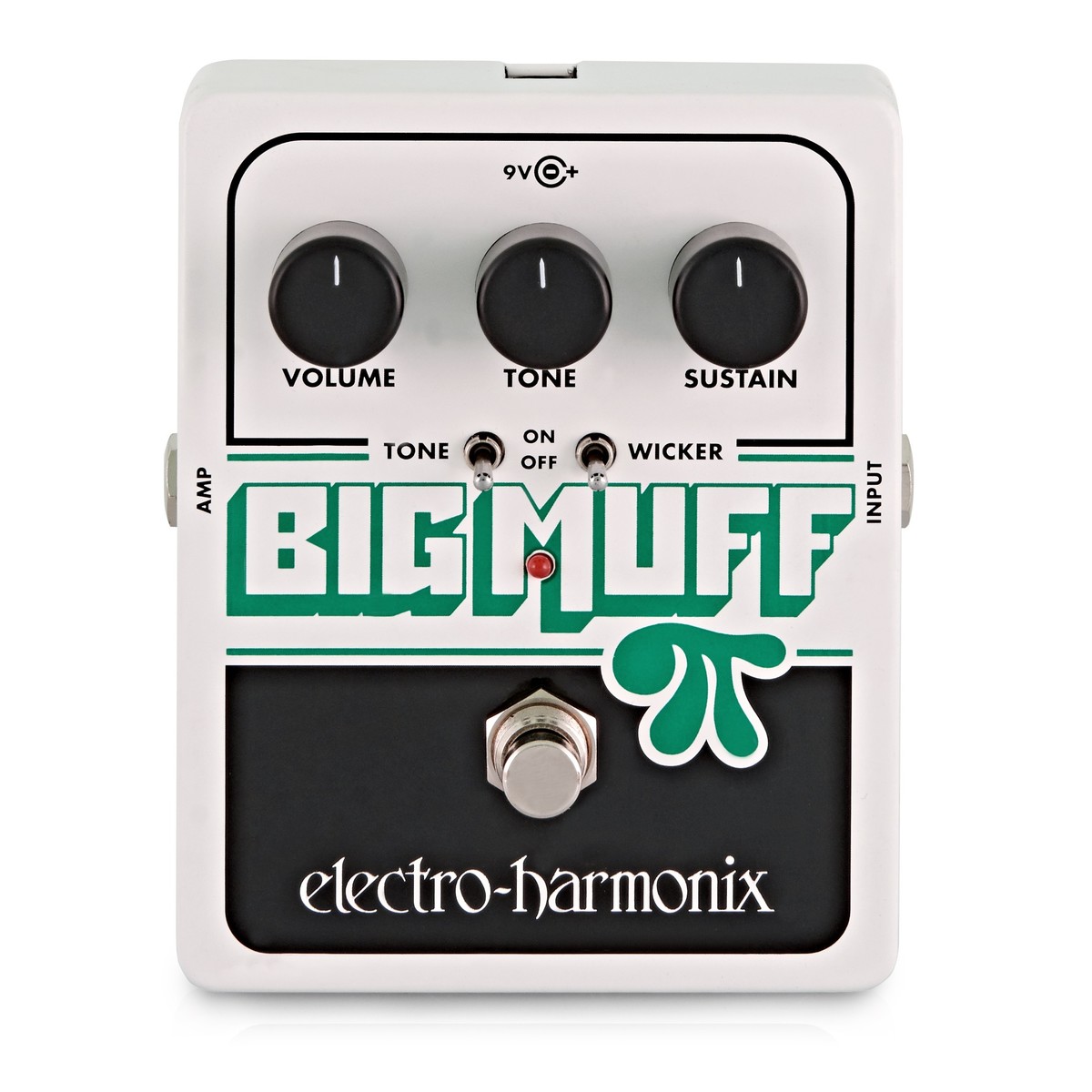
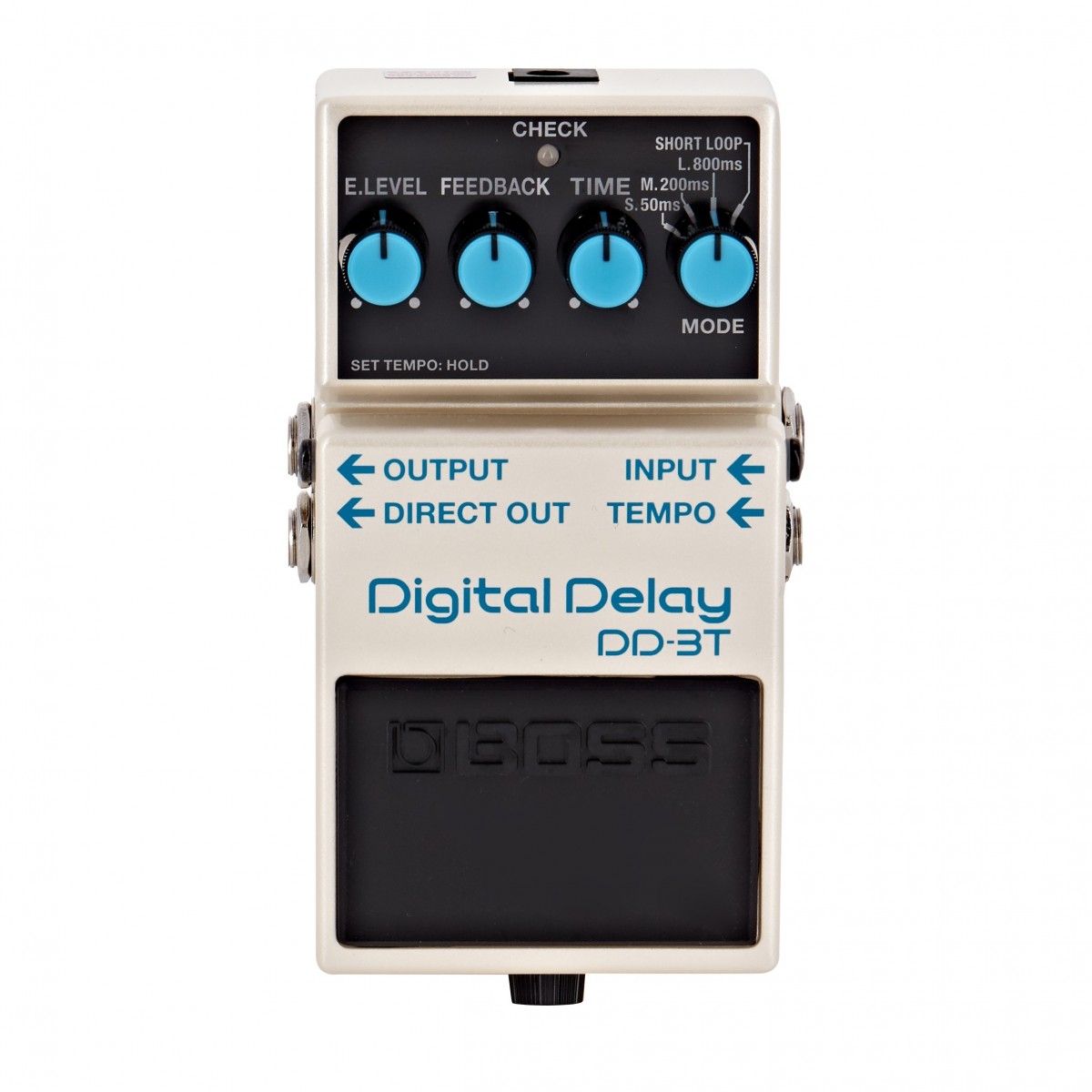
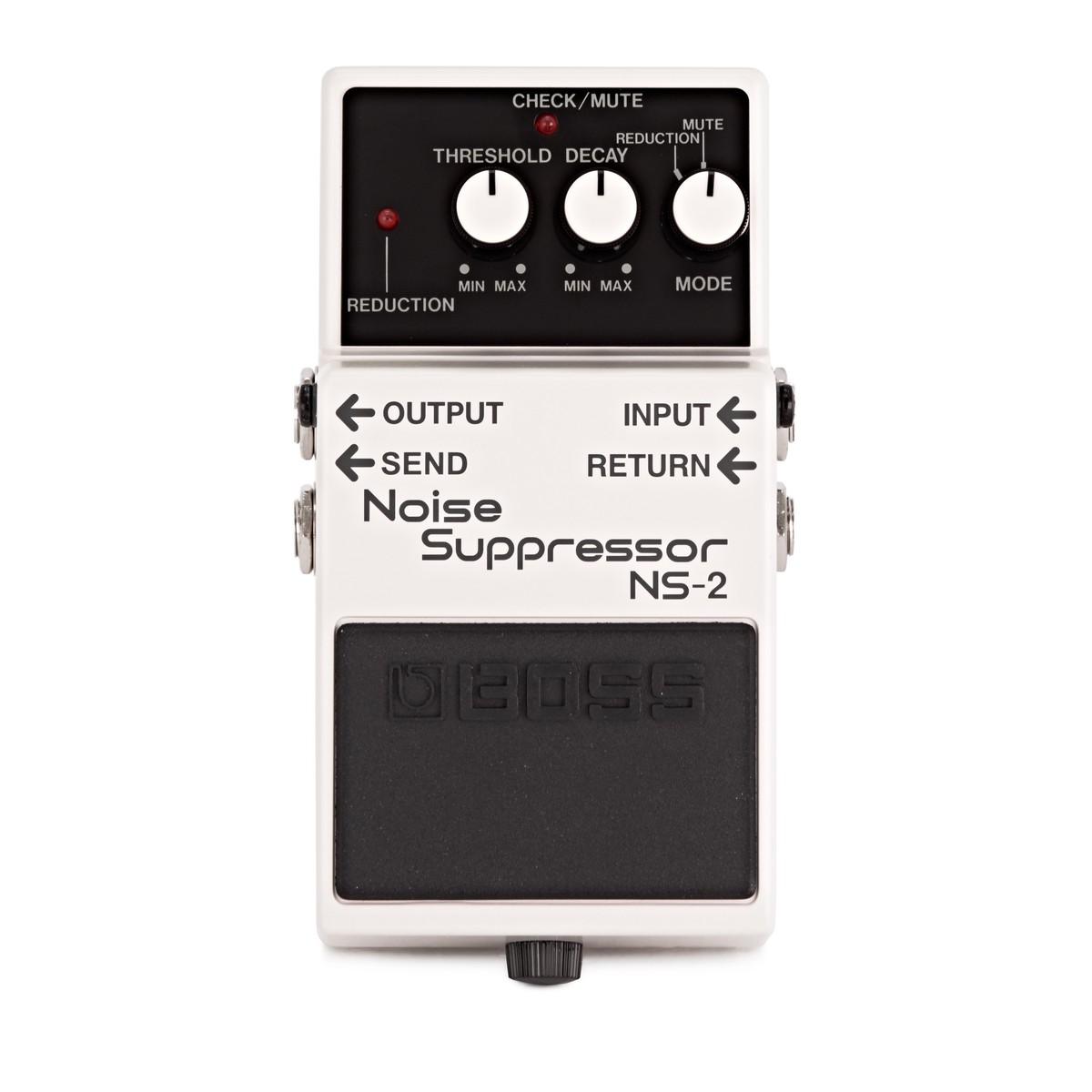
This pedal is primarily suited for guitarists seeking an affordable yet professional-grade distortion that covers multiple classic styles. In the context of other gear, it provides a different texture compared to the scooped mids of an Electro Harmonix Big Muff or the transparent nature of a standard overdrive. It occupies a similar sonic space to high-gain staples but distinguishes itself through its compact form factor and triple-mode versatility. It is an ideal entry-point or utility distortion for players who already use utility pedals like the Boss NS-2 Noise Suppressor or time-based effects like the Boss DD-3T Digital Delay.
Related gear
 £97.00 ($123)
Electro Harmonix
Electro Harmonix Big Muff Distortion Sustainer w/ Tone Wicker
 £129.00 ($164)
Digitech
Digitech Whammy Ricochet Guitar Effects Pedal
 £85.00 ($108)
Fender
Fender Hammertone Flanger Pedal
 £19.90 ($25)
Behringer
Behringer UC200 Ultra Chorus Pedal
 £259.00 ($329)
Dunlop
Dunlop Mick Ronson Cry Baby Wah
 £77.00 ($98)
Yamaha
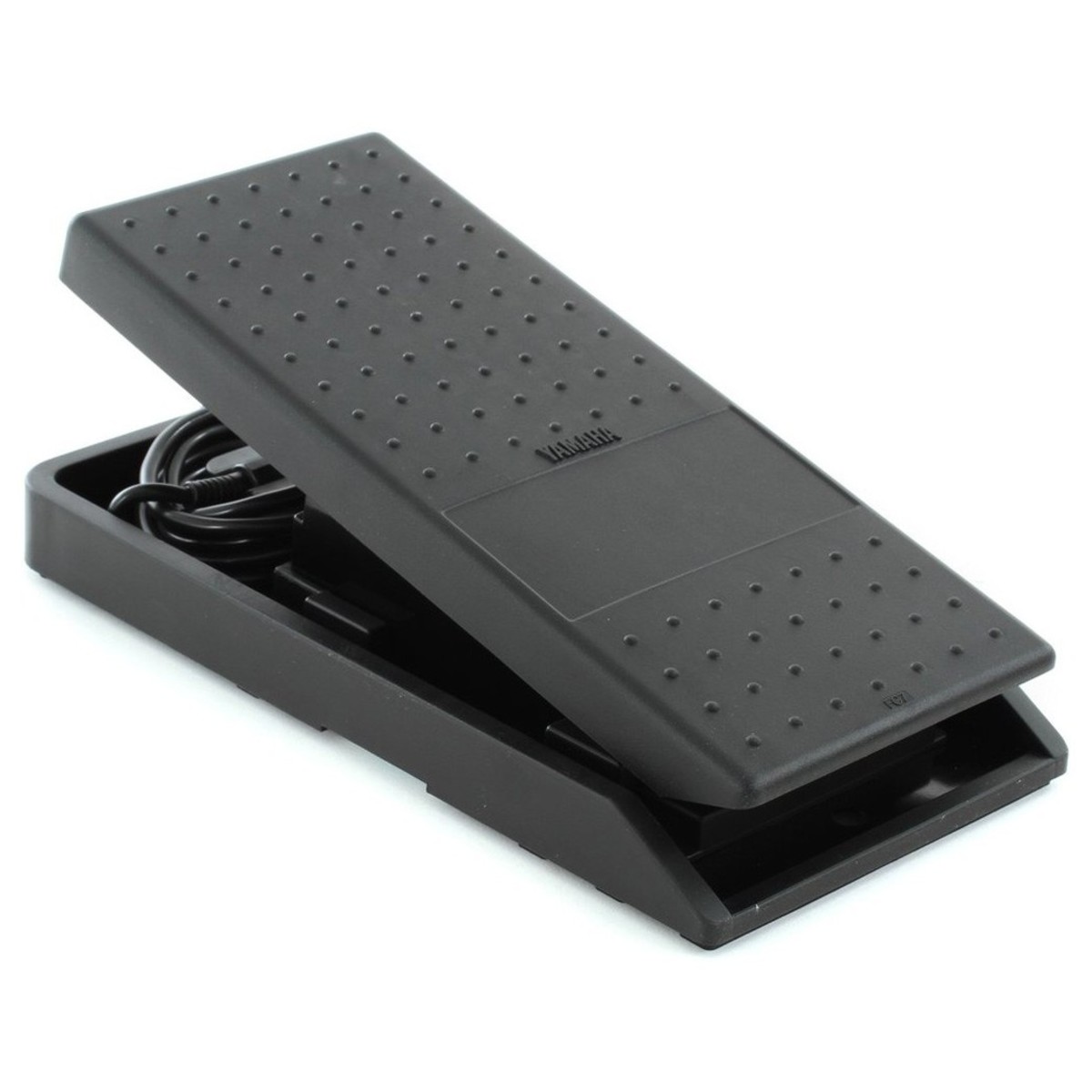
Yamaha FC7 Expression Pedal
 £175.00 ($222)
Boss
Boss DD-3T Digital Delay Pedal
 £99.10 ($126)
Boss
Boss NS-2 Noise Suppressor Guitar Pedal
Frequently asked questions
- What is the primary effect type of the TC Electronic Magus Pro?
- The Magus Pro is an all-analogue high-gain distortion pedal designed for guitarists. It offers a range of tones from grit to thick, snarling saturation.
- What does the 3-way toggle switch do?
- The toggle switch allows the user to choose between three classic clipping modes. These modes provide different 'rodent-esque' tonal foundations, varying in compression and gain structure.
- How does the slow slew rate affect the sound?
- By keeping the slew rate slow, the pedal eliminates harsh unwanted harmonic overtones. This ensures the tone remains smooth and musical even when the gain is cranked.
- Does the Magus Pro have a good bass response?
- Yes, the pedal is designed to provide a tight bass response. It also features a robust low-mid presence to ensure the sound remains full-bodied.
- What controls are available on the Magus Pro?
- The pedal features intuitive controls for Gain, Volume, and Filter. These work alongside the 3-way clipping toggle to fine-tune the distorted tone.
- Is the Magus Pro digital or analogue?
- The Magus Pro features an all-analogue circuit. This design choice is intended to provide a more traditional and responsive distortion feel.
- What is the typical price for this pedal?
- The Magus Pro is generally available in the price range of approximately GBP 23. This makes it a highly accessible option for budget-conscious musicians.
- What kind of textures can this pedal produce?
- It is designed for thick, snarling, and gritty textures. It can handle everything from subtle overdrive trimmings to high-gain distortion.
- How does it compare to a Big Muff?
- While the Electro Harmonix Big Muff is known for its fuzz-leaning sustain, the Magus Pro offers a tighter, more 'rodent-esque' distortion. The Magus Pro focus more on mid-range presence and clipping versatility.
- Can the Magus Pro be used for smooth tones?
- Yes, despite being a high-gain pedal, the slow slew rate and filter control allow for smooth tones. It avoids the interference and harshness often found in cheaper distortion circuits.
- Is the Magus Pro suitable for professional use?
- The pedal is built with robust components and offers high-quality analogue signal processing. Its versatility and low noise floor make it suitable for both practice and professional performance.
- What power requirements does the Magus Pro have?
- Like most standard TC Electronic compact pedals, it typically requires a standard 9V DC power supply. Its analogue nature generally results in a modest current draw.