
Gear article
TC Electronic MojoMojo Overdrive
The TC Electronic MojoMojo is a dynamic overdrive pedal designed to provide a transparent and open-sounding gain stage for electric guitarists. It is characterized by its symmetrical clipping, low compression, and touch-sensitive response, making it a popular choice for players seeking an organic drive that preserves the natural character of their instrument.
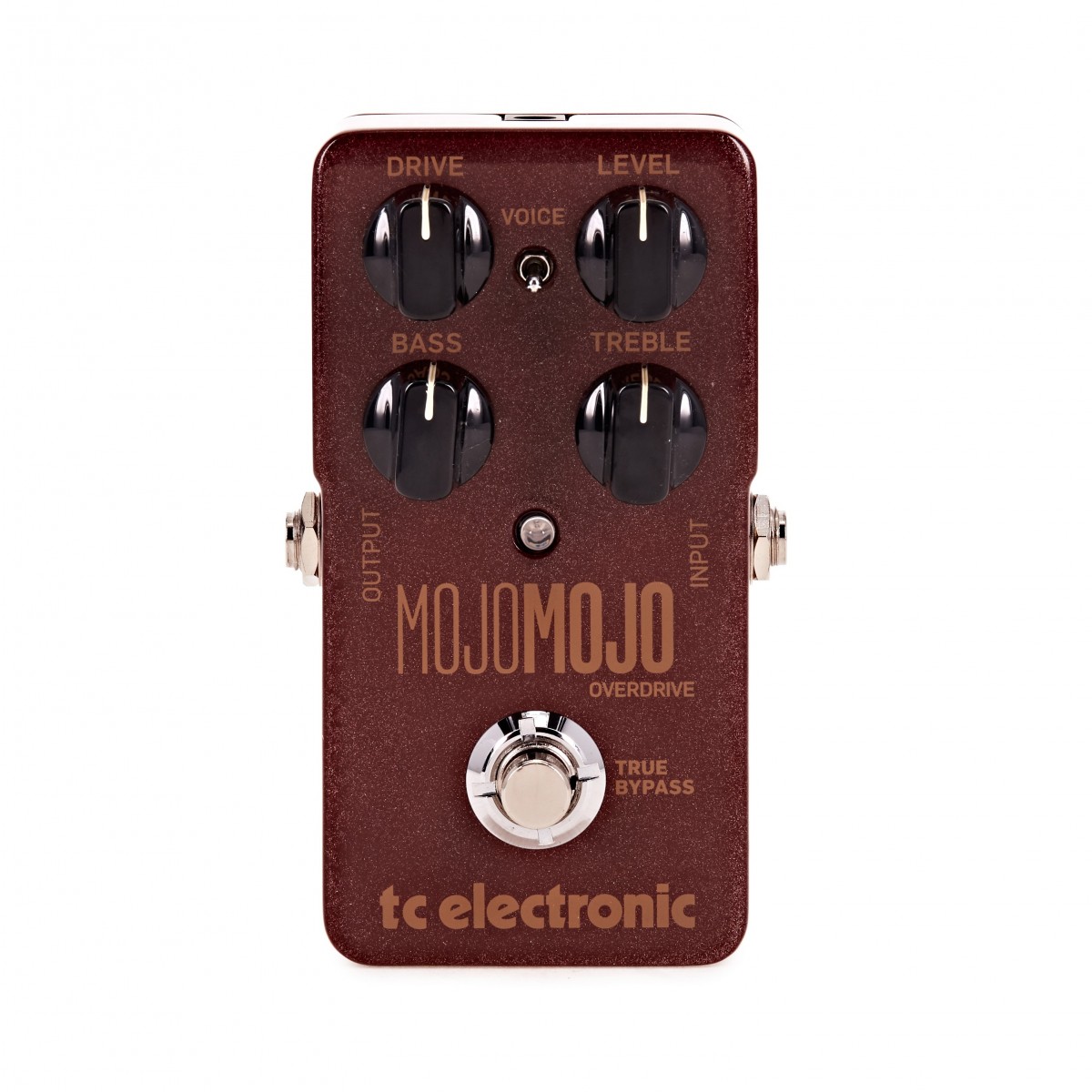
Overview
The TC Electronic MojoMojo Overdrive is an effect pedal engineered to enhance a player's core tone rather than masking it behind heavy distortion. It operates on the principle of providing an 'open' drive character, which avoids the heavy signal compression found in many traditional overdrive circuits. This lack of compression allows for a high degree of transparency, ensuring that the nuances of a guitarist's technique—such as pick attack and volume adjustments—are accurately reflected in the output.
Circuitry and Control
The MojoMojo utilizes symmetrical clipping to generate its overdriven sounds. Unlike asymmetrical designs that can produce more jagged or aggressive waveforms, symmetrical clipping typically results in a smoother, more musical harmonic profile. The pedal features four primary control knobs for shaping the sound: Drive, Level, Bass, and Treble. These active EQ controls allow users to precisely sculpt the frequency response, while a voice switch provides further tonal flexibility by altering the low-end response.
Sound Character
The primary sonic characteristic of the MojoMojo is its touch-sensitive dynamic response. Because the circuit does not heavily compress the signal, the amount of grit and saturation is directly proportional to how hard the strings are plucked. At lower gain settings, it functions as a clean boost with a hint of warmth; as the Drive control is increased, it transitions into a thick, crunchy texture that maintains clarity even during complex chord voicings. The absence of harsh overtones makes it suitable for both lead and rhythm applications.
Target Audience
This pedal is particularly suited for blues, rock, and fusion players who value expressive dynamics. It is an ideal tool for musicians who use their guitar's volume knob to clean up their signal, as the MojoMojo responds intuitively to input level changes. Its affordable price point, typically around £40, makes it accessible to amateur musicians while maintaining the build quality required for professional touring environments.
Comparison to Alternatives
When compared to high-gain pedals or heavily compressed drives like the Boss SD-1, the MojoMojo offers a more 'amp-like' feel. While it does not provide the extreme saturation found in dedicated distortion units, it excels in stacking with other pedals. For instance, it can be used to push a Boss DD-3T Digital Delay for saturated repeats or placed after a Digitech Whammy Ricochet to add grit to pitch-shifted notes. Unlike budget alternatives that may introduce noise, the MojoMojo is designed to remain musical across its entire control range.
Related gear
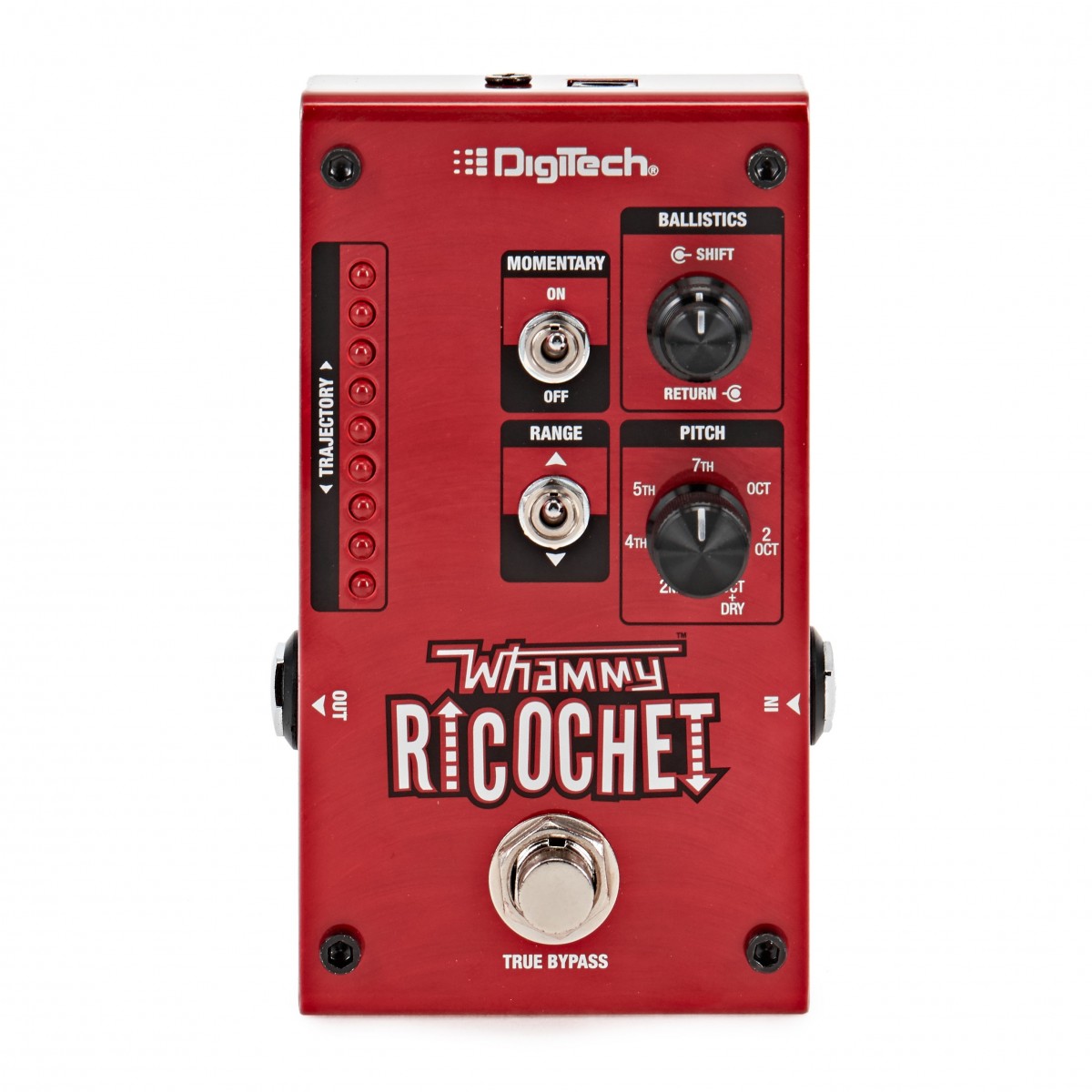 £119.00 ($151)
Digitech
Digitech Whammy Ricochet Guitar Effects Pedal
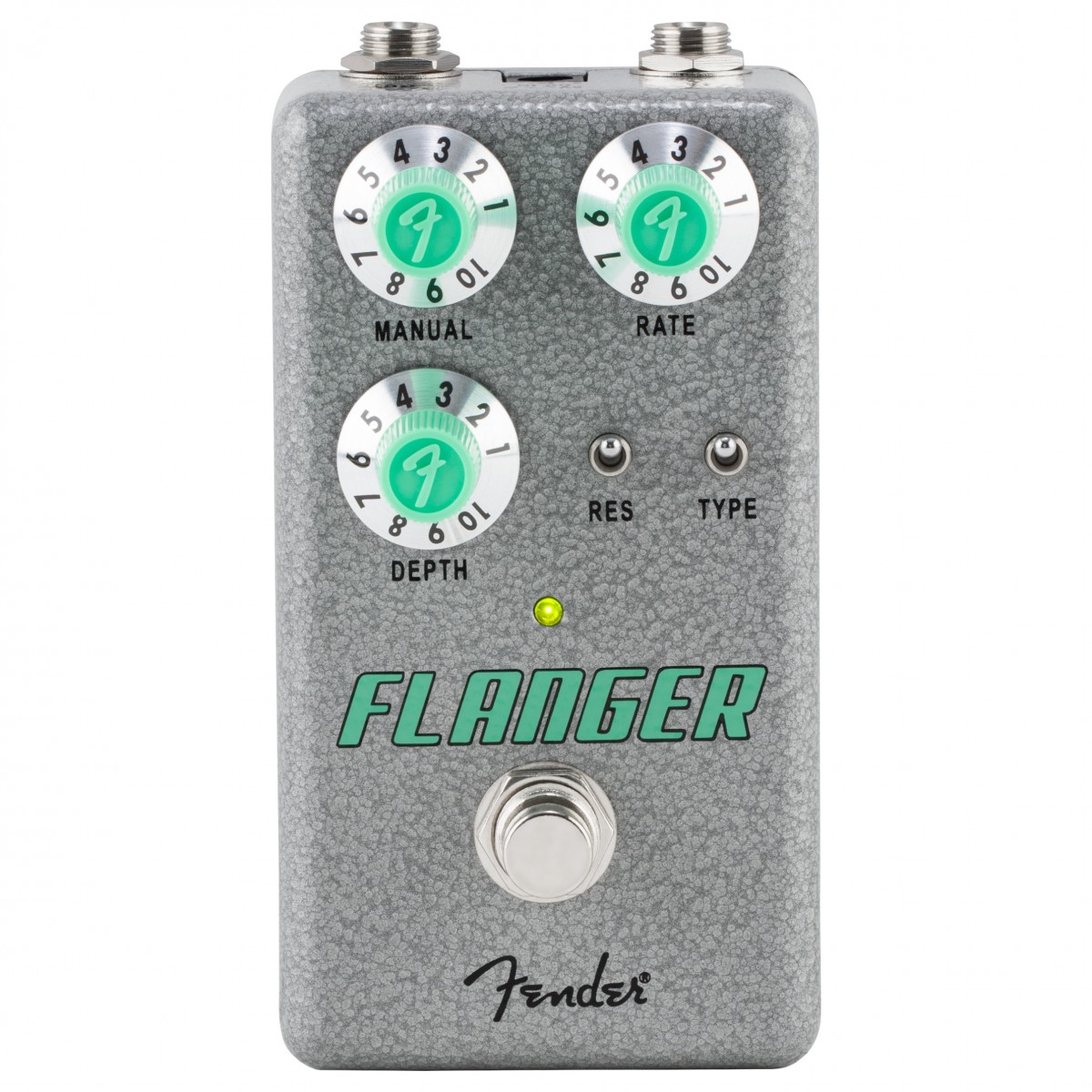 £85.00 ($108)
Fender
Fender Hammertone Flanger Pedal
 £23.00 ($29)
Behringer
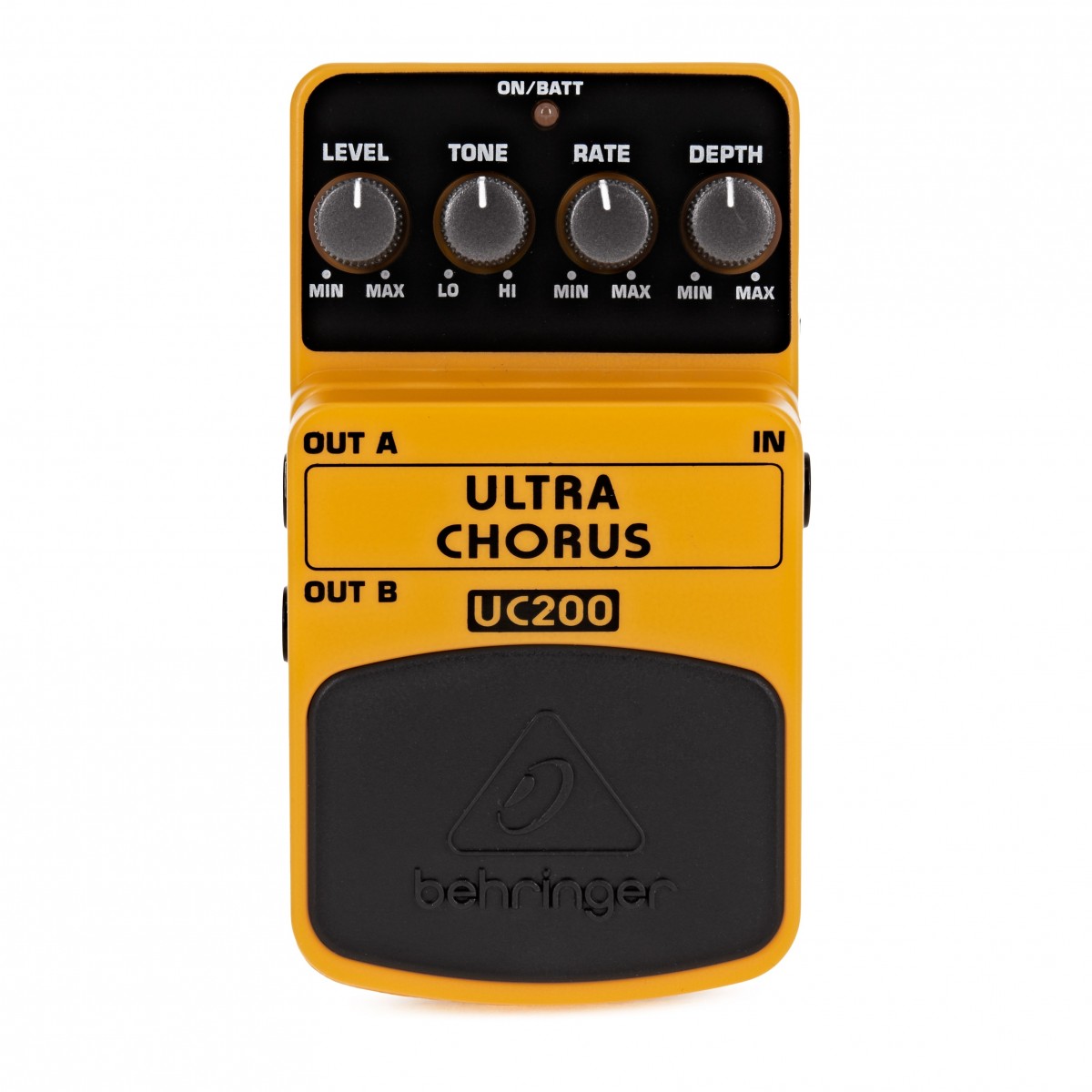
Behringer UC200 Ultra Chorus Pedal
 £259.00 ($329)
Dunlop
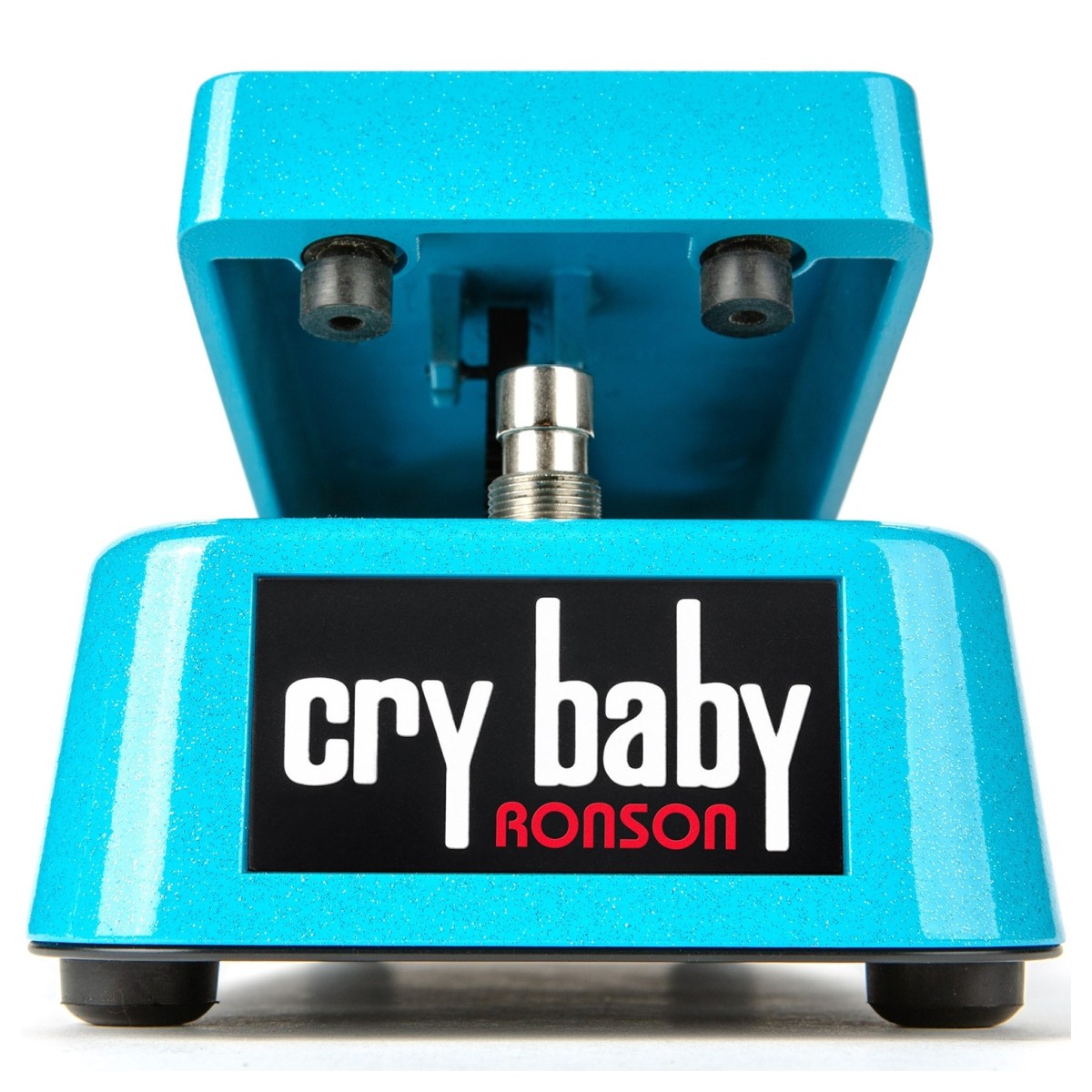
Dunlop Mick Ronson Cry Baby Wah
 £109.00 ($138)
Fender
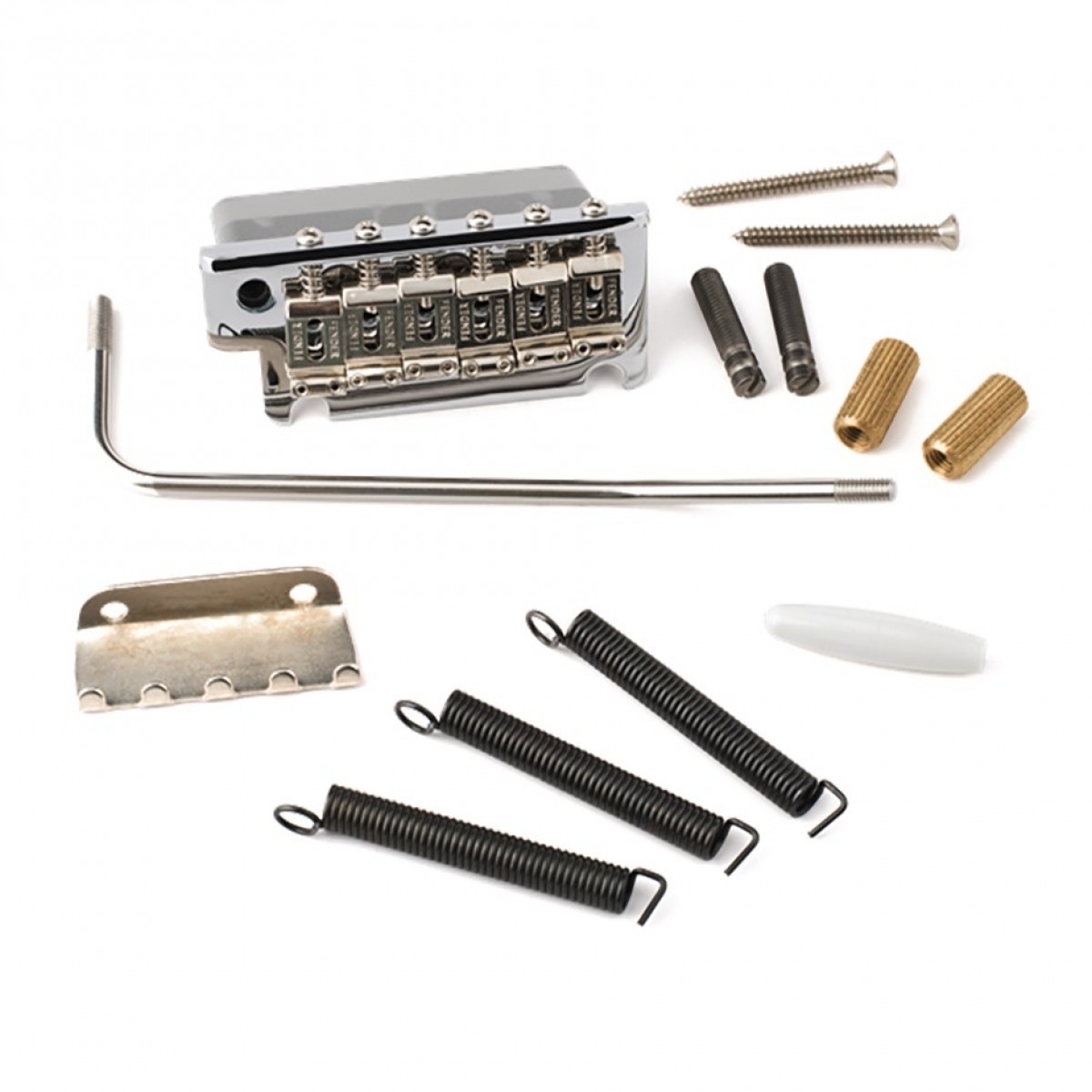
Fender American Standard Stratocaster Tremolo Bridge Assembly Chrome
- £78.60 ($100)
Yamaha
Yamaha FC7 Expression Pedal
 £175.00 ($222)
Boss
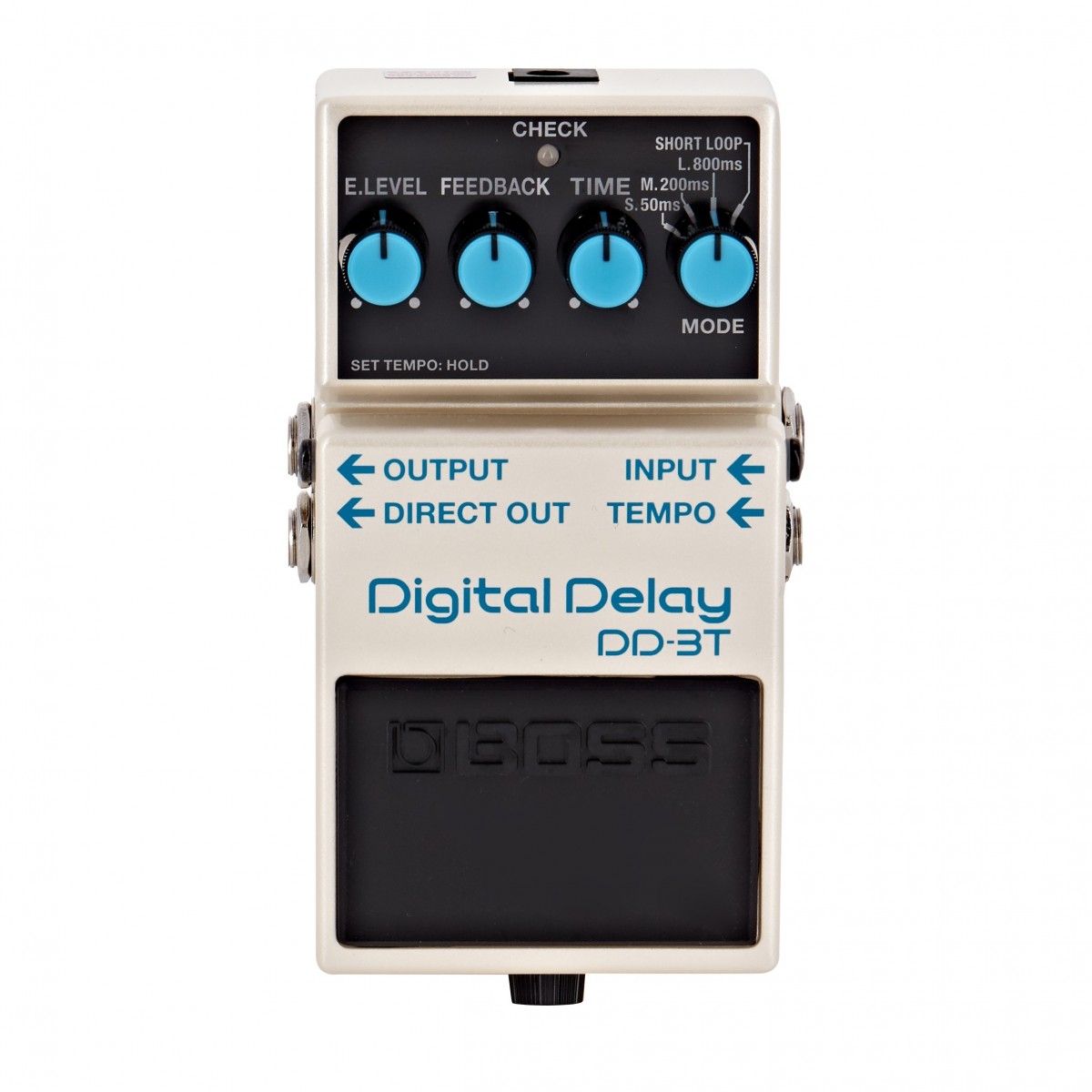
Boss DD-3T Digital Delay Pedal
 £99.10 ($126)
Boss
Boss NS-2 Noise Suppressor Guitar Pedal
Frequently asked questions
- What type of effect is the TC Electronic MojoMojo?
- The MojoMojo is a guitar overdrive pedal designed to provide a natural, tube-like saturation. It focuses on maintaining an open character with minimal compression.
- How does the symmetrical clipping affect the sound?
- Symmetrical clipping provides a smoother and more musical drive by clipping the top and bottom of the waveform evenly. This prevents the harsh overtones often associated with more aggressive distortion units.
- Is the MojoMojo touch-sensitive?
- Yes, it is designed with a high degree of dynamic response. This means the intensity of the overdrive changes based on your picking strength and guitar volume settings.
- What is the typical price for this pedal?
- The MojoMojo Overdrive is generally available in the price range of approximately £40. This makes it a highly competitive option for budget-conscious guitarists.
- Does this pedal compress the guitar signal heavily?
- No, one of its defining features is that it has little to no compression. This ensures that the natural dynamics of the player's performance are preserved.
- Can the MojoMojo be used as a clean boost?
- Yes, by turning the Drive control down and increasing the Level control, it can function as a transparent boost. The active EQ controls allow for further tailoring of the boosted signal.
- What kind of EQ controls are available on the MojoMojo?
- The pedal features dedicated Bass and Treble knobs. These allow for precise sculpting of the high and low frequencies to match different guitars and amplifiers.
- Who is the MojoMojo best suited for?
- It is best suited for players who want a transparent drive that doesn't mask their original tone. It is particularly popular in genres like blues and classic rock where dynamics are essential.
- How does the MojoMojo handle complex chords?
- Due to its open character and low compression, it maintains excellent note separation. This allows complex chord voicings to remain clear rather than becoming a muddy wash of sound.
- Is the MojoMojo built for professional use?
- Yes, like most TC Electronic pedals, it features a rugged metal enclosure and high-quality components. It is designed to withstand the rigours of regular gigging and touring.
- Does the pedal have a voice switch?
- Yes, it includes a small toggle switch that allows the player to choose between two different voicings. This primarily affects the low-end response of the pedal.
- Can I stack the MojoMojo with other pedals?
- Absolutely. Its transparent nature makes it excellent for stacking with other gain stages, or for adding warmth to digital effects like a delay or chorus pedal.