
Gear article
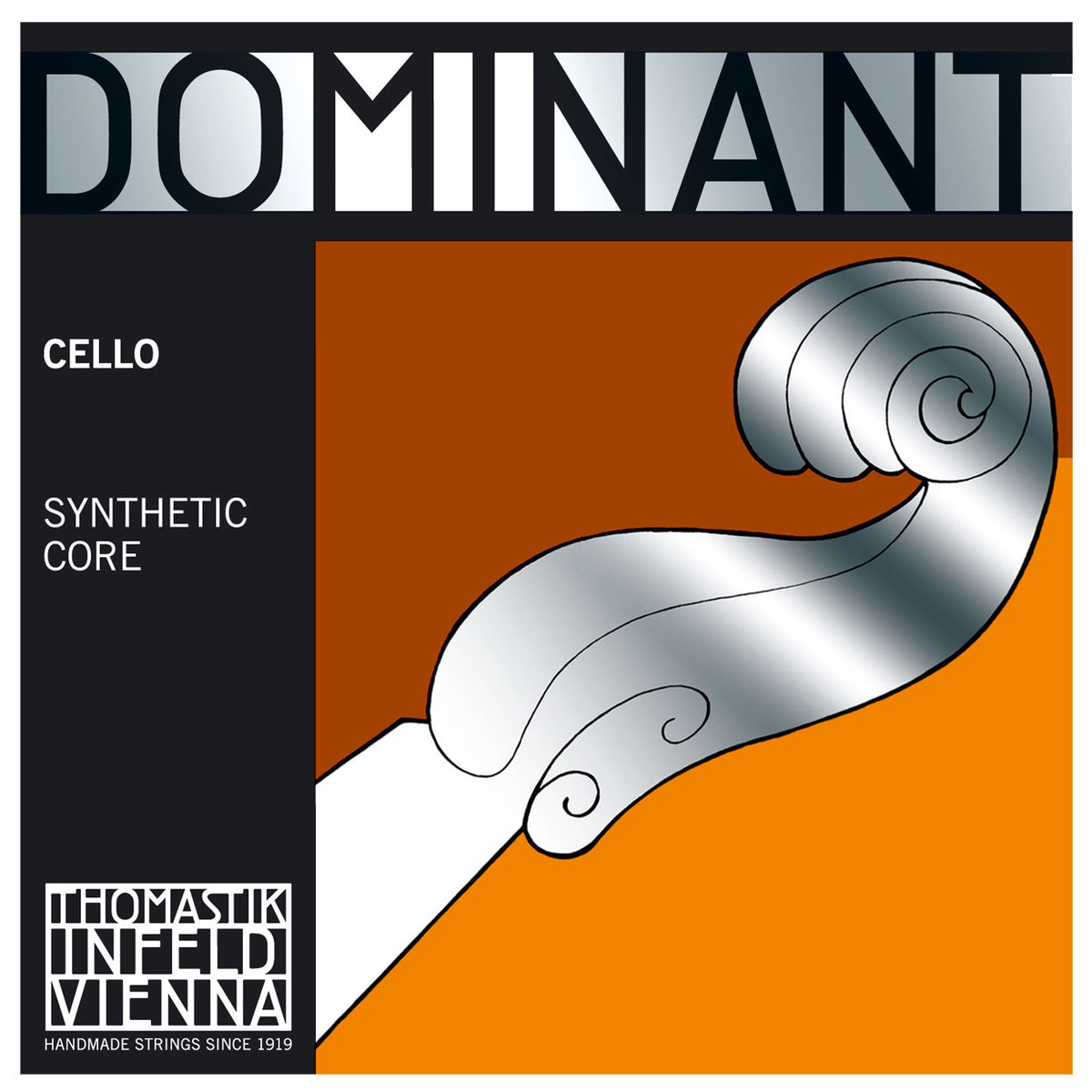
Thomastik Dominant Cello D String (4/4 Size, Medium)
The Thomastik Dominant Cello D String is a high-performance synthetic core string designed to replicate the warm, complex tonal qualities of traditional gut. Known for its rich overtone spectrum and tuning stability, it serves as an industry standard for cellists seeking a reliable alternative to natural materials. It is manufactured in Austria and is widely used by students and professionals alike.
Historical Context
Thomastik-Infeld revolutionized the string industry with the introduction of the Dominant series. Before the advent of synthetic cores, musicians were forced to choose between the warm but temperamental nature of gut strings and the durable but often harsh, metallic sound of steel.
Dominant strings were developed to bridge this gap, utilizing a multi-strand synthetic core that offers the flexibility and tonal depth of gut while benefiting from modern manufacturing precision. The D string specifically is a crucial component of the cello set, providing the necessary bridge between the lower registers and the brightness of the A string.
Technical Features and Design
The construction of the Dominant D string focuses on durability and environmental resilience. Unlike gut strings, which are highly sensitive to humidity and heat, the synthetic core of the Dominant D is extremely resistant to temperature changes. This ensures that the string retains its pitch and tension even under trying performance conditions.
Key design features include: * Synthetic Core: A multi-strand material that mimics the elasticity of gut. * Modern Winding: Engineered to radiate sound without the sharp metallic edge associated with solid steel cores. * Medium Tension: Optimized for 4/4 size cellos to provide a balanced feel and response.
Sonic Characteristics
The primary appeal of the Thomastik Dominant Cello D is its broad, rich sound profile. It is specifically designed to produce a wealth of overtones, giving the cello a more sophisticated and layered voice.
Unlike many metal-based strings that can sound clinical or overly bright, the Dominant D radiates a natural, organic warmth. It aims to eliminate metallic harshness, providing a smooth transition across the instrument's range while maintaining enough clarity to project in an ensemble or solo setting.
Suited Players and Applications
This string is suited for cellists who find steel strings too harsh or bright for their specific instrument. It is particularly popular among: * Advancing Students: Who require a reliable string that aids in developing a sensitive ear for overtones. * Orchestral Musicians: Who need tuning stability during long rehearsals and performances. * Soloists: Seeking a gut-like character with the longevity of synthetic materials.
Comparison to Alternatives
When compared to other strings in the market, the Dominant D occupies a unique middle ground. Steel-core strings like the D'Addario Helicore or Spirocore variants often offer more volume and a quicker response but may lack the timbral complexity of the Dominant.
Compared to high-end alternatives like Larsen Cello strings, Dominants are often noted for their specific synthetic texture and historical 'benchmark' status. While some modern strings like D'Addario Zyex also utilize synthetic cores to achieve warmth, the Dominant remains the original standard for those seeking to avoid the drawbacks of traditional sheep gut.
Related gear
 £11.40 ($14)
Larsen Strings
Larsen Violin E String Gold Plated Ball/Loop End Heavy
 £15.40 ($20)
Daddario
DAddario Helicore Violin D String 1/4 Size Medium
 £19.00 ($24)
Thomastik
Thomastik Spirocore Viola G String Chrome Wound 4/4 Size Light
 £14.15 ($18)
Ernie Ball
Ernie Ball 2921 Regular Slinky M-Steel Set 10-46
 £14.99 ($19)
Ernie Ball
Ernie Ball 3826 Tim Henson Signture Slinky Nickel Guitar Strings Set 9.5-46
 £13.60 ($17)
Daddario
DAddario Zyex Violin Aluminum D String 4/4 Size Medium
 £7.99 ($10)
Dunlop
Dunlop Ukulele Concert Pro-4 String Set
- £34.60 ($44)
Larsen Strings
Larsen Cello D String 1/8 Size Medium
Frequently asked questions
- What is the core material of the Thomastik Dominant Cello D?
- The string features a multi-strand synthetic core designed to mimic the flexibility and tonal characteristics of traditional gut strings.
- How does this string handle changes in humidity?
- Because of its modern synthetic core, it is highly resistant to temperature and humidity changes, maintaining stable tuning better than gut strings.
- Does the Dominant D string sound metallic?
- No, it is specifically engineered to radiate sound without the metallic qualities often heard in solid metal strings, focusing instead on a broad, rich tone.
- Is this string suitable for a 3/4 size cello?
- This specific model is designed for a 4/4 (full size) cello. Using it on a smaller instrument may result in incorrect tension and poor tonal response.
- What is the tension of this string?
- This is a medium-tension string, which is the standard choice for most cellists to achieve a balance between playability and projection.
- What are the tonal characteristics of the Dominant D?
- It is known for a broad sound that is rich in overtones, providing a warm and complex character similar to gut strings.
- How much does the Thomastik Dominant Cello D typically cost?
- The typical price for this individual D string is approximately GBP 50.00.
- Who is the manufacturer of Dominant strings?
- Dominant strings are manufactured by Thomastik-Infeld, based in Vienna, Austria.
- Why would a cellist choose synthetic over steel?
- A cellist would choose synthetic strings like Dominants to achieve a warmer, less brittle sound while retaining more durability than natural gut.
- Does this string require a long break-in period?
- Synthetic strings like Dominants generally settle in and reach tuning stability much faster than traditional gut strings.
- Can the Dominant D be mixed with other string brands?
- Yes, many cellists mix brands, such as using a Larsen A with a Dominant D, to balance the specific tonal needs of their instrument.
- Is the Dominant D string suitable for professional use?
- Yes, it is considered an industry standard and is used frequently by both professional musicians and serious students worldwide.