
Gear article
Thomastik Dominant Violin E String (1/8 Size, Ball End)
The Thomastik Dominant 1/8 size E string is a synthetic core string designed for fractional violins, offering a mellow, overtone-rich sound characteristic of traditional gut strings. It is engineered by Thomastik-Infeld to provide high tuning stability and a non-metallic timbre for young students and smaller instruments. This specific model features a ball end for compatibility with standard tailpieces and fine tuners.
Background and Design
Thomastik Dominant strings are widely regarded as a benchmark in the industry, having been developed to bridge the gap between historical gut strings and modern metal strings. This 1/8 size E string is specifically scaled for fractional instruments used by younger players. The design objective was to replicate the complex tonal profile of gut without the inherent maintenance difficulties, such as sensitivity to humidity and frequent breakage.
Technical Features
The primary feature of the Dominant E string is its synthetic core, which provides a flexible feel and a quick response. Unlike traditional metal E strings that can sound piercing or 'whistly', the Dominant construction aims to eliminate metallic harshness. The ball end termination ensures a secure fit in standard fractional tailpieces, making it accessible for students who rely on fine tuners for precision.
Tonal Character
The sound of the Dominant E string is described as full and mellow, possessing a richness in overtones that is often missing in entry-level steel strings. It radiates a warm sound that avoids the thin, shrill quality sometimes associated with smaller-scale violins. This timbral quality allows the 1/8 size instrument to project more like a full-sized violin while maintaining a pleasant, non-metallic texture.
Stability and Durability
One of the most significant advantages of the modern synthetic construction used by Thomastik is its extreme resistance to temperature and atmospheric changes. This ensures that the string retains its pitch and tuning even under trying environmental conditions. For young students, this stability is essential as it reduces the need for constant adjustment and helps develop a better ear for intonation.
Market Comparison
Within the fractional string market, the Dominant E string is positioned as a premium student option. Compared to steel-core alternatives like the D'Addario Helicore or synthetic options like the D'Addario Zyex, the Dominant focuses on a traditional 'gut-like' warmth. While brands like Larsen offer gold-plated E strings for professional clarity, the Dominant E is valued for its versatility and balance across various 1/8 size violin brands.
Related gear
 £11.40 ($14)
Larsen Strings
Larsen Violin E String Gold Plated Ball/Loop End Heavy
 £15.40 ($20)
Daddario
DAddario Helicore Violin D String 1/4 Size Medium
 £19.00 ($24)
Thomastik
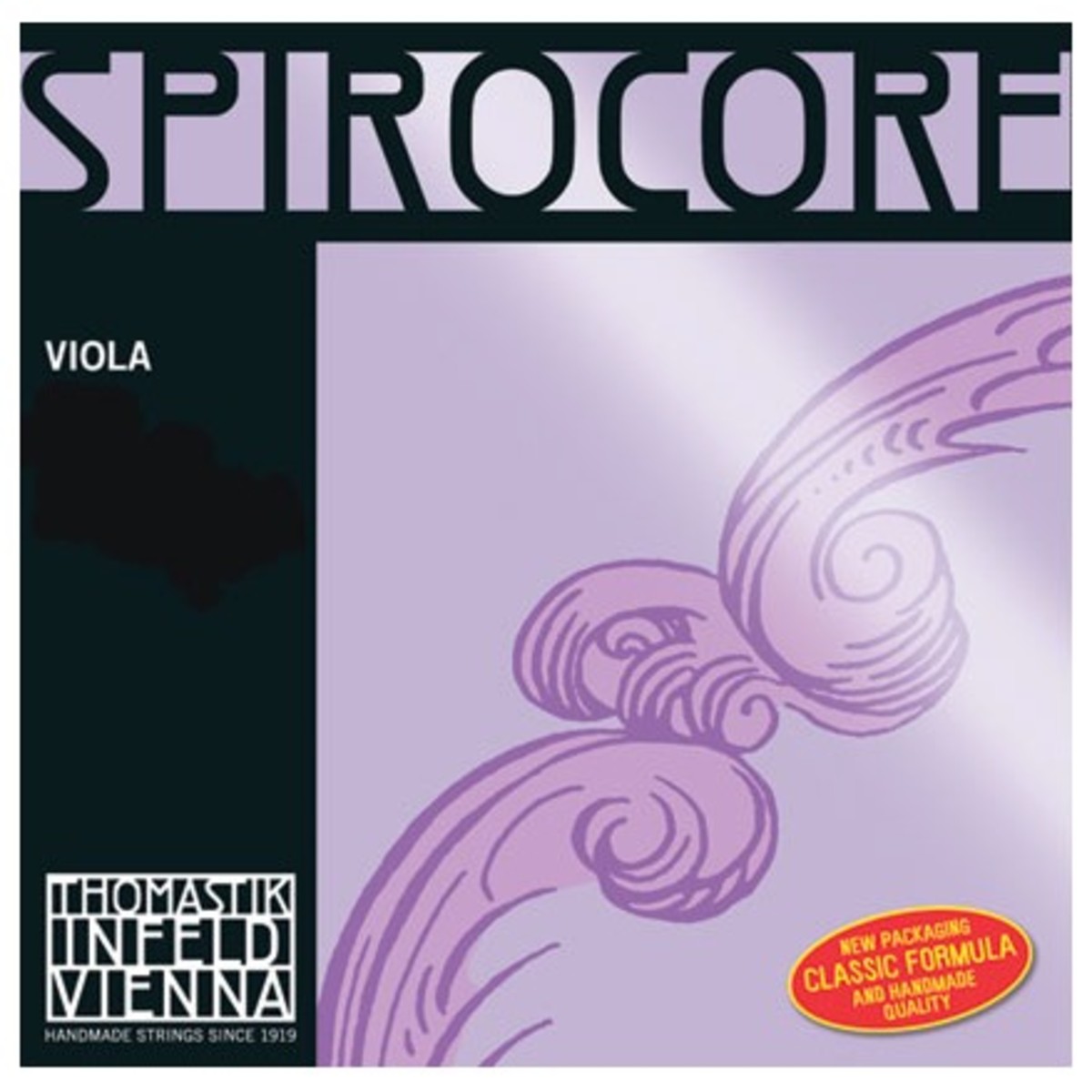
Thomastik Spirocore Viola G String Chrome Wound 4/4 Size Light
 £14.15 ($18)
Ernie Ball
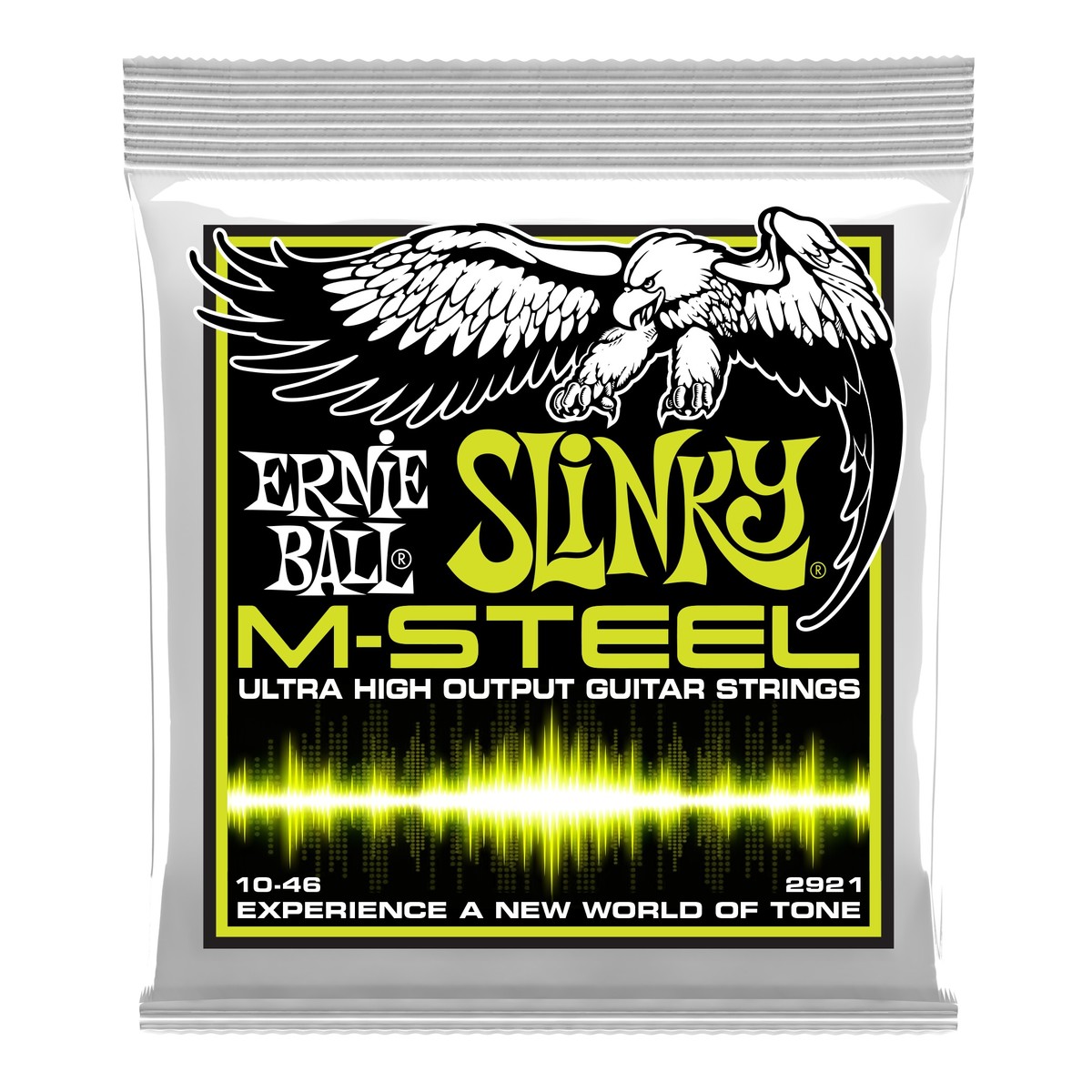
Ernie Ball 2921 Regular Slinky M-Steel Set 10-46
 £14.99 ($19)
Ernie Ball
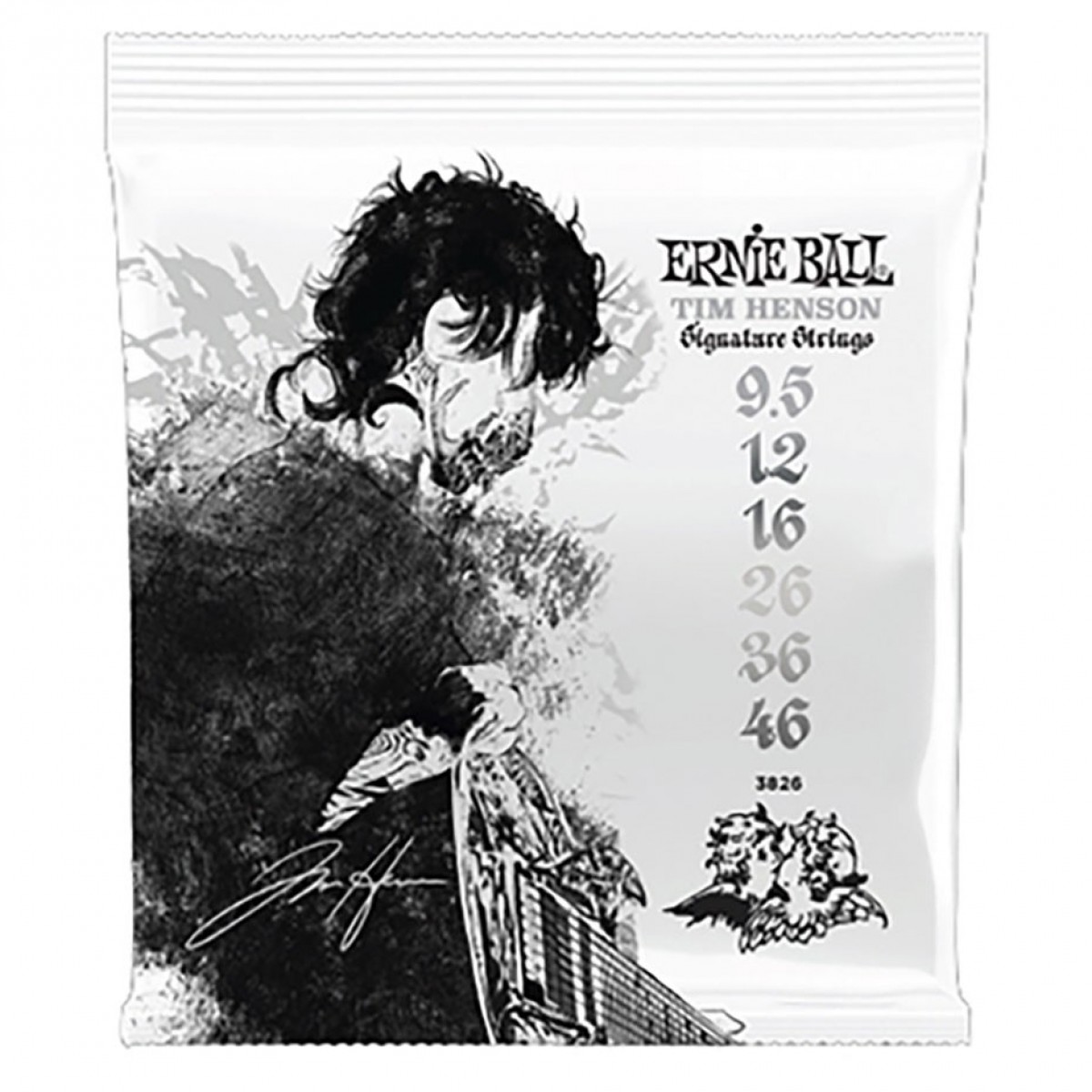
Ernie Ball 3826 Tim Henson Signture Slinky Nickel Guitar Strings Set 9.5-46
 £13.60 ($17)
Daddario
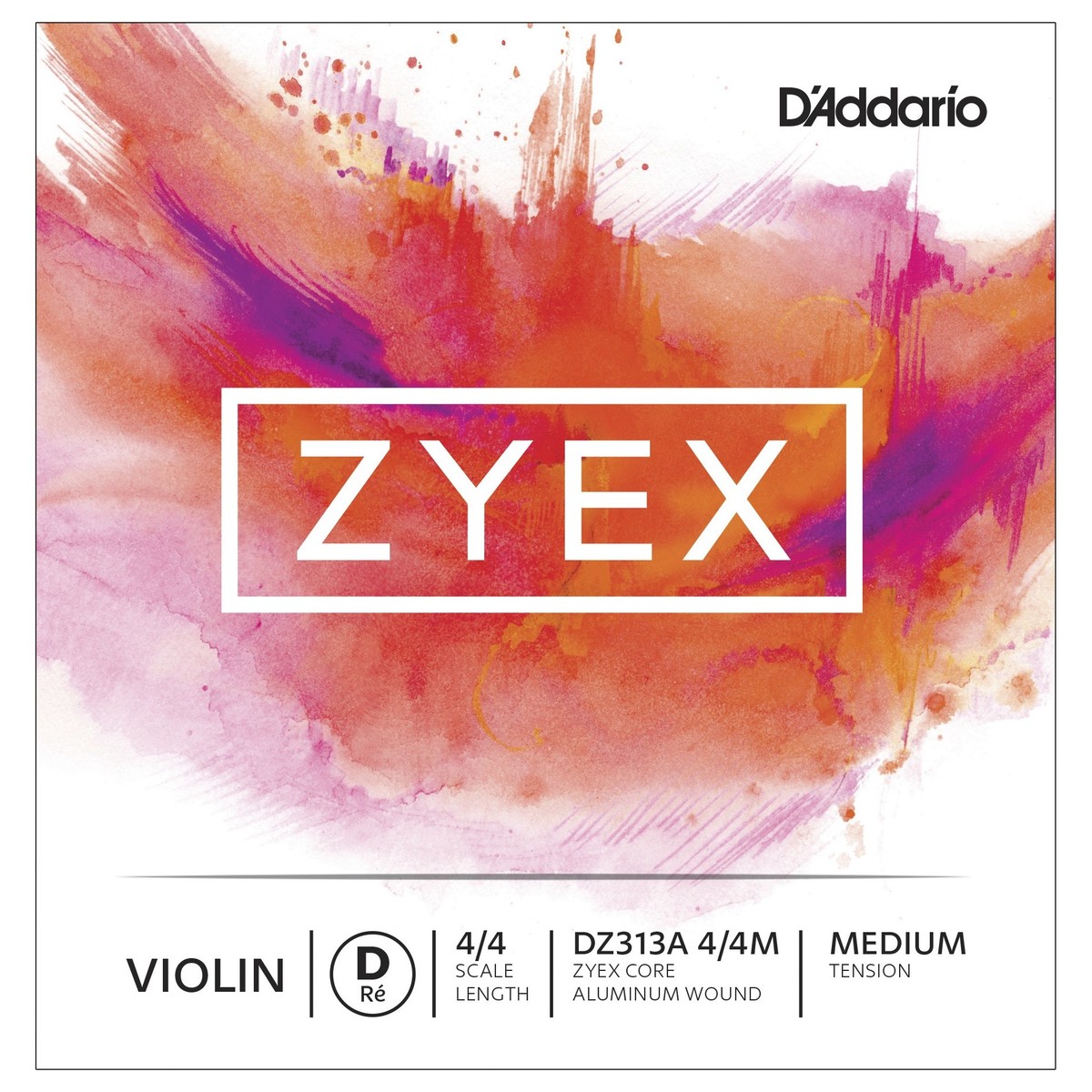
DAddario Zyex Violin Aluminum D String 4/4 Size Medium
 £7.99 ($10)
Dunlop
Dunlop Ukulele Concert Pro-4 String Set
- £34.60 ($44)
Larsen Strings
Larsen Cello D String 1/8 Size Medium
Frequently asked questions
- What is the primary benefit of the Thomastik Dominant 1/8 E string?
- It provides a full, mellow sound rich in overtones, mimicking traditional gut strings without the drawbacks of instability. It is specifically designed to eliminate the harsh metallic quality found in many steel strings.
- What size violin is this string compatible with?
- This specific string is designed for a 1/8 size violin. Using it on larger or smaller instruments may result in incorrect tension and potential damage to the string or instrument.
- Does this string have a ball end or a loop end?
- This model features a ball end. This makes it compatible with most standard tailpieces and fine tuners commonly found on student fractional violins.
- How does the sound compare to metal strings?
- The Dominant E string is designed to radiate sound without the sharp metallic qualities often heard in all-metal strings. It offers a warmer, more rounded timbre that is closer to the sound of natural gut.
- Is this string affected by humidity changes?
- No, one of the key advantages of its modern synthetic construction is its extreme resistance to temperature and humidity changes. It will retain its tuning even in challenging environmental conditions.
- What is the typical price for this individual E string?
- The typical price range for this specific 1/8 size E string is approximately £11.00 GBP. Prices may vary slightly depending on the retailer and shipping costs.
- Can I use this E string with other brands of strings?
- Yes, Dominant E strings are frequently mixed with other sets. They are often paired with strings like D'Addario Zyex or Helicore, though they are voiced to work best within a full Dominant set.
- Who is the manufacturer of this string?
- The string is manufactured by Thomastik-Infeld, a renowned string maker based in Vienna, Austria. They are known for their innovation in synthetic core technology.
- Is the 1/8 size E string available in different tensions?
- While Dominant strings often come in different tensions for full-sized instruments, the 1/8 size is typically provided in a standard medium tension suited for fractional violins.
- Why should a student choose synthetic strings over steel?
- Synthetic strings like Dominants offer a more sophisticated tone and a softer feel under the fingers. This helps students develop better technique and a more refined sense of sound compared to stiffer steel strings.
- Does this string require a specific type of rosin?
- No specific rosin is required, but a high-quality violin rosin will help the synthetic surface grip the bow hair properly. Most standard student or professional rosins are compatible.
- How long does it take for these strings to settle?
- Because they are synthetic, they settle much faster than gut strings. They typically reach tuning stability within a few hours to a day of playing, thanks to their temperature-resistant design.