
Gear article
Thomastik SuperFlexible Violin E String (Aluminium Wound, 4/4 Size, H)
The Thomastik SuperFlexible Violin E string is a high-tension (H) 4/4 size string featuring a braided steel core and aluminium winding. Designed to provide a responsive alternative to traditional solid-core steel strings, it is engineered to reduce harshness while enhancing the natural resonance and tonal clarity of the violin.
See live pricesBackground and Design
The SuperFlexible series by Thomastik-Infeld represents a departure from the conventional solid steel core commonly found in entry-level and intermediate strings. By utilizing a core made of braided steel threads, the string achieves a higher degree of flexibility than standard chrome-steel or solid-core alternatives. This design is intended to mitigate the stiffness often associated with steel strings while maintaining their durability and tuning stability.
Technical Characteristics
This specific variant is the 'H' or heavy tension model, sized for a 4/4 (full-size) violin. It is wound with aluminium, a material chosen for its lightweight properties and ability to facilitate a clear, bright response. The braided core architecture allows the string to be highly responsive to bow pressure and speed, facilitating a more nuanced performance compared to more rigid steel constructions.
Tonal Profile
Thomastik describes the SuperFlexible E string as a component that allows the tone to radiate from the instrument without the metallic harshness frequently found in standard steel strings. Its primary function is to enhance the 'tone of beauty' and lift the overall sound quality, potentially revealing resonance that other strings might stifle. It is characterized by a balance between brilliance and a smooth, enlightened performance quality.
Comparison and Suitability
Within the wider market, the SuperFlexible E string occupies a space between traditional steel strings like the D'Addario Helicore and gold-plated options like the Larsen Gold-Plated E. While synthetic core strings like the D'Addario Zyex offer a different tactile feel, the SuperFlexible is suited for players who prefer the reliability of steel but seek a less abrasive, more sophisticated sound. It is particularly appropriate for musicians looking to upgrade their instrument's resonance without moving to significantly more expensive boutique strings.
Related gear
 £11.40 ($14)
Larsen Strings
Larsen Violin E String Gold Plated Ball/Loop End Heavy
 £15.40 ($20)
Daddario
DAddario Helicore Violin D String 1/4 Size Medium
 £19.00 ($24)
Thomastik
Thomastik Spirocore Viola G String Chrome Wound 4/4 Size Light
 £14.15 ($18)
Ernie Ball
Ernie Ball 2921 Regular Slinky M-Steel Set 10-46
 £14.99 ($19)
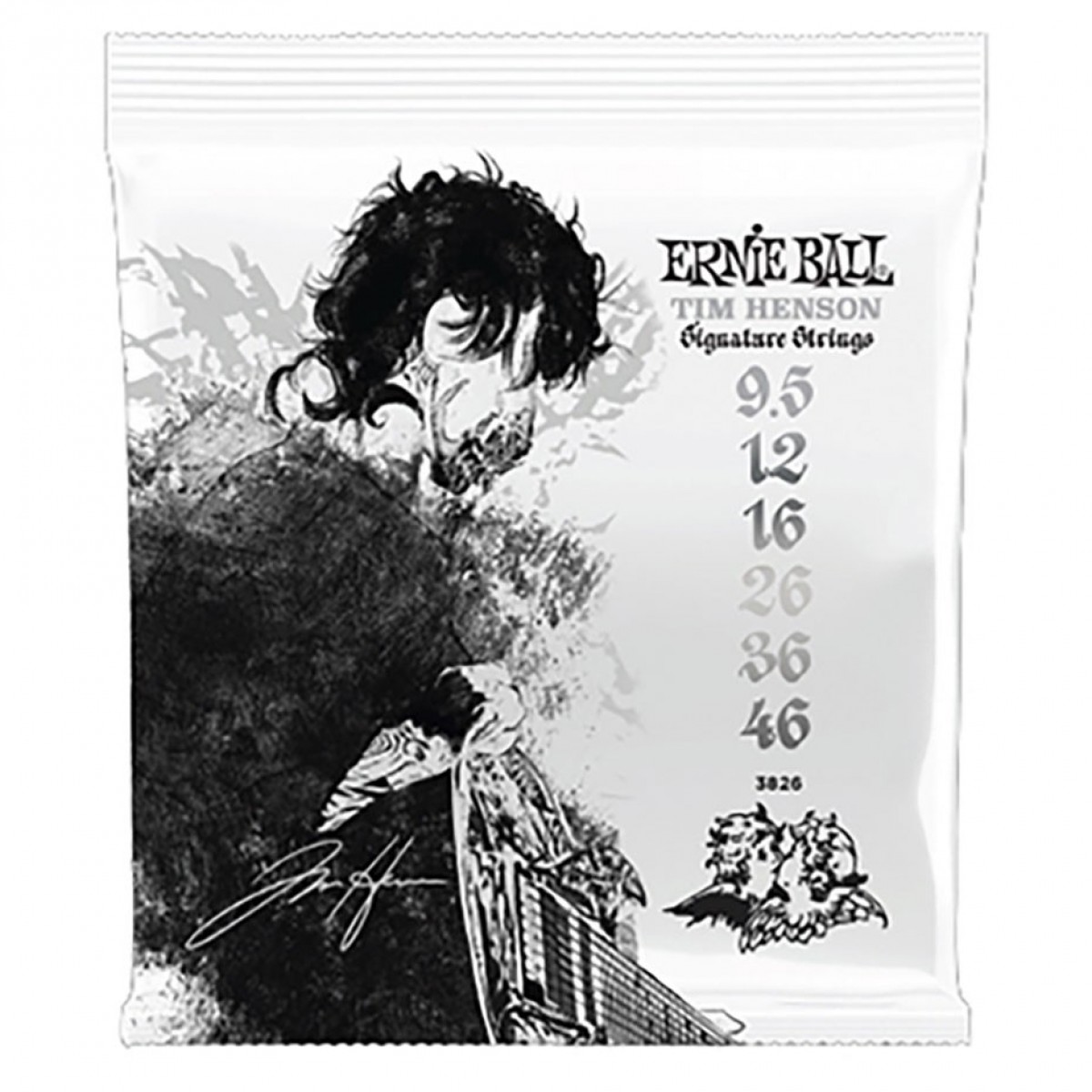
Ernie Ball
Ernie Ball 3826 Tim Henson Signture Slinky Nickel Guitar Strings Set 9.5-46
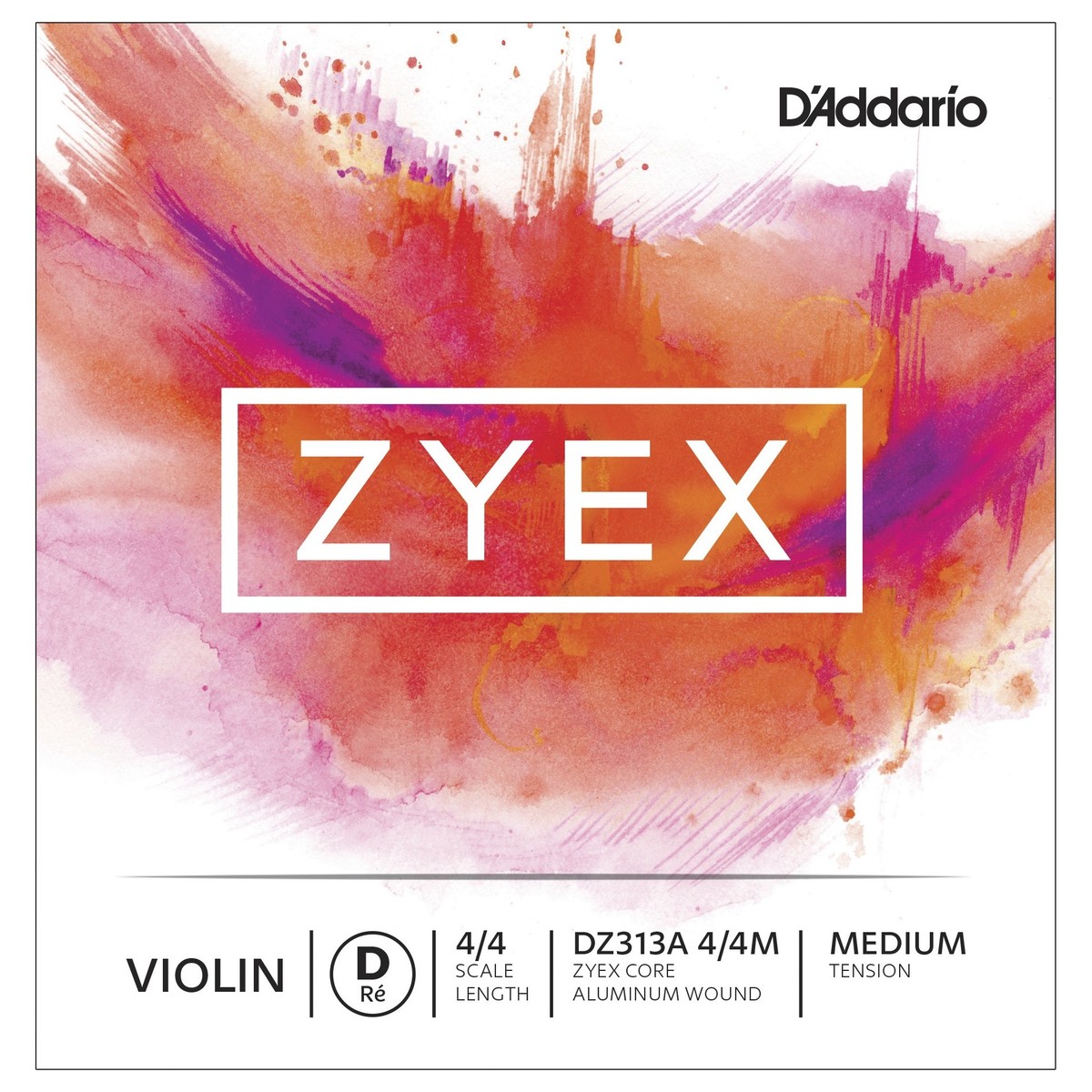 £13.60 ($17)
Daddario
DAddario Zyex Violin Aluminum D String 4/4 Size Medium
 £7.99 ($10)
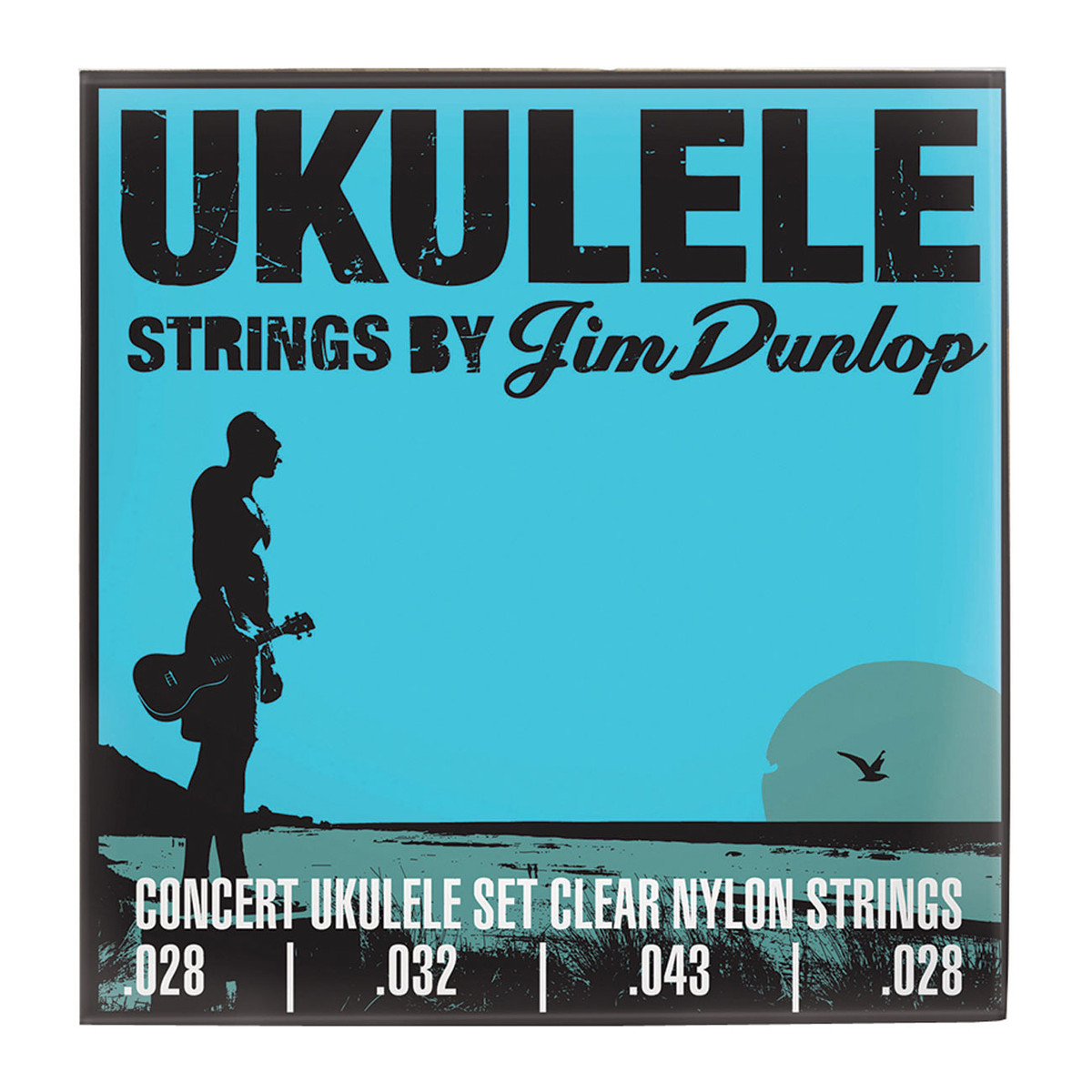
Dunlop
Dunlop Ukulele Concert Pro-4 String Set
 £34.60 ($44)
Larsen Strings
Larsen Cello D String 1/8 Size Medium
Frequently asked questions
- What core material is used in the Thomastik SuperFlexible E string?
- The string features a core made of braided steel threads. This differs from the solid steel core typically used in other Thomastik strings, providing increased flexibility.
- What is the winding material for this specific E string?
- This version of the SuperFlexible E string is wound with aluminium. Aluminium winding is often chosen for its bright tonal characteristics and light weight.
- What does the 'H' designation stand for in the product name?
- The 'H' stands for 'Hart' (German for hard), indicating that this is a heavy-tension string. It provides more resistance under the bow compared to light or medium tension options.
- How does the braided core affect the sound compared to solid steel?
- The braided core is designed to reduce the harshness and metallic 'zing' often found in solid steel. It allows the instrument's natural tone to radiate more freely and increases responsiveness.
- Is this string suitable for a 3/4 size violin?
- No, this specific model is designed for a 4/4 (full-size) violin. Using it on smaller instruments may result in incorrect tension and poor tonal quality.
- How does the price of the SuperFlexible E compare to other violin strings?
- It is positioned as an affordable, high-value string, typically retailing around GBP 7. This makes it more accessible than premium gold-plated or specialized synthetic strings.
- Does this string help with responsiveness?
- Yes, the manufacturer specifically notes that the SuperFlexible construction is very responsive. This helps the musician achieve clear articulation with less effort from the bow.
- What is the primary benefit of using an aluminium-wound E string?
- Aluminium winding helps to bridge the gap between the brightness of steel and the warmth of lower strings. It helps the E string integrate better tonally with the rest of the set.
- How does this string compare to the D'Addario Helicore?
- Both feature multi-strand steel cores, but the SuperFlexible focus is specifically on removing harshness and 'enlightening' the tone. The SuperFlexible aims for a more radiant, less compressed sound.
- Is the Thomastik SuperFlexible E string durable?
- Yes, steel-core strings, including braided varieties, are known for their longevity and tuning stability. They are less sensitive to changes in humidity than synthetic or gut strings.
- Can this string be used by professional musicians?
- While priced affordably, its design to 'lift the tone' and reduce harshness makes it suitable for students and advanced players who prefer the feel of steel strings.
- Does Thomastik make other strings with this braided core technology?
- Yes, the SuperFlexible series includes strings for viola and cello as well. A similar technology is also found in their Spirocore line, which is highly popular for lower-register instruments.