
Gear article
Tie Studio Mini XLR to XLR
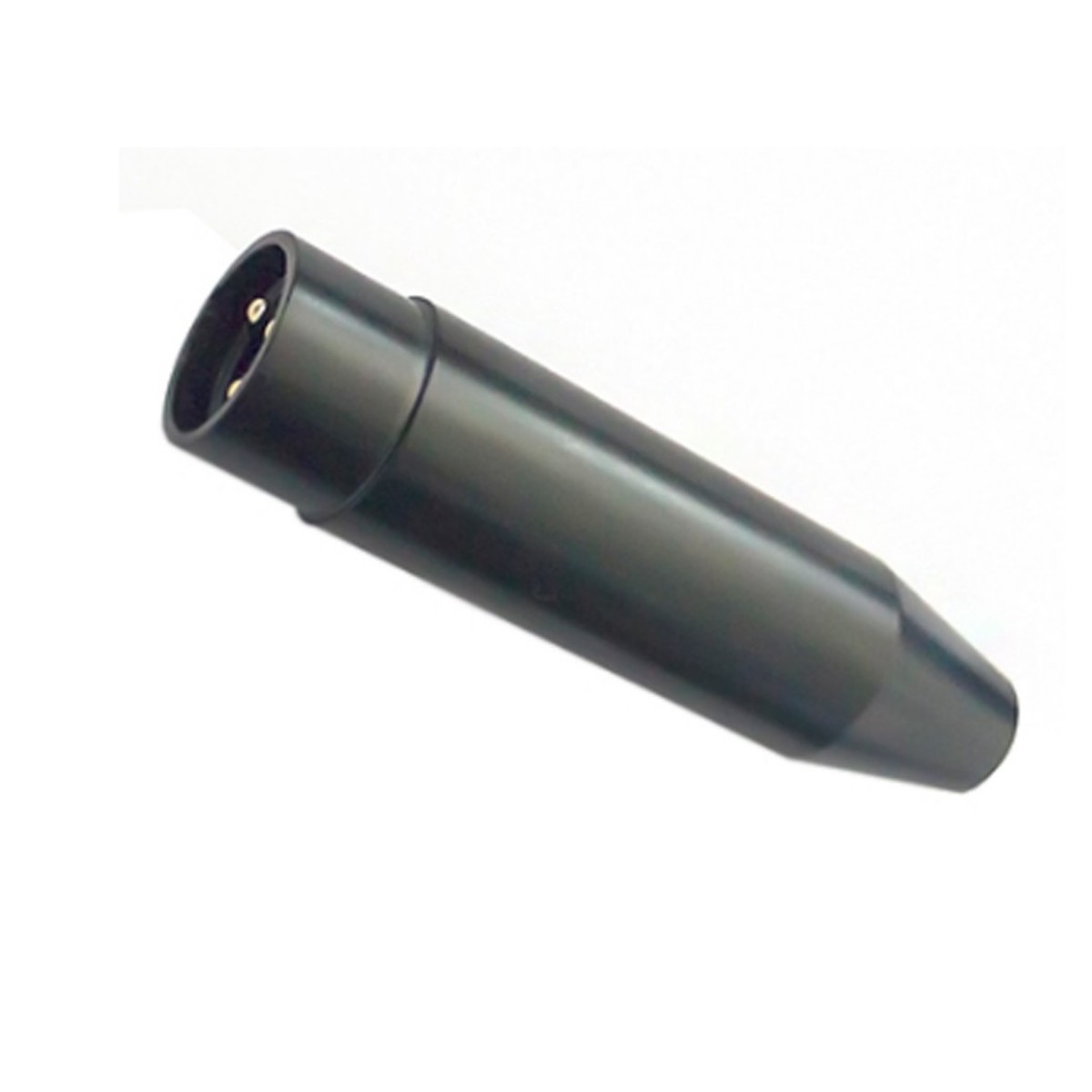
The Tie Studio Mini XLR to XLR is a specialised utility cable designed to interface instrument microphones and professional audio equipment. It facilitates the connection of microphones featuring Mini XLR outputs to mixers and audio interfaces that provide 48V phantom power.
Overview
The Tie Studio Mini XLR to XLR serves as a critical bridge between compact instrument microphones and standard professional audio hardware. While many miniature microphones, such as those used for wind instruments or lavalier applications, utilise the smaller Mini XLR format to save space, standard mixing consoles and audio interfaces exclusively use full-sized XLR inputs. This cable provides the necessary physical conversion to allow these devices to communicate.
Functionality and Phantom Power
A primary function of this cable is the transmission of 48V phantom power. Many Tie Studio instruments and similar condenser microphones require active power to operate. This cable is wired to ensure that phantom power from a mixer's XLR input is correctly delivered to the microphone via the Mini XLR terminal. The robust nature of the connectors ensures that this power delivery is stable, preventing signal drops or interference during use.
Build Quality and Audio Integrity
The cable features high-quality 3-pin connectors designed for optimal signal integrity. By maintaining a clean signal path, the cable minimises noise floor issues often associated with poor-quality adapters. The compact and robust design of the connectors makes it a reliable choice for audio professionals who require gear that can withstand the rigours of both live touring environments and repetitive studio setups.
Applications
This cable is suited for several specific scenarios:
- Live Sound: Connecting clip-on instrument microphones directly to a stage box or mixing desk.
- Studio Recording: Interfacing miniature condenser mics with high-end preamps for acoustic instrument tracking.
- Broadcasting: Linking lavalier systems to professional recording interfaces.
- Phantom Power Solutions: Serving as the conduit for power-hungry Tie Studio instruments.
Comparison to Alternatives
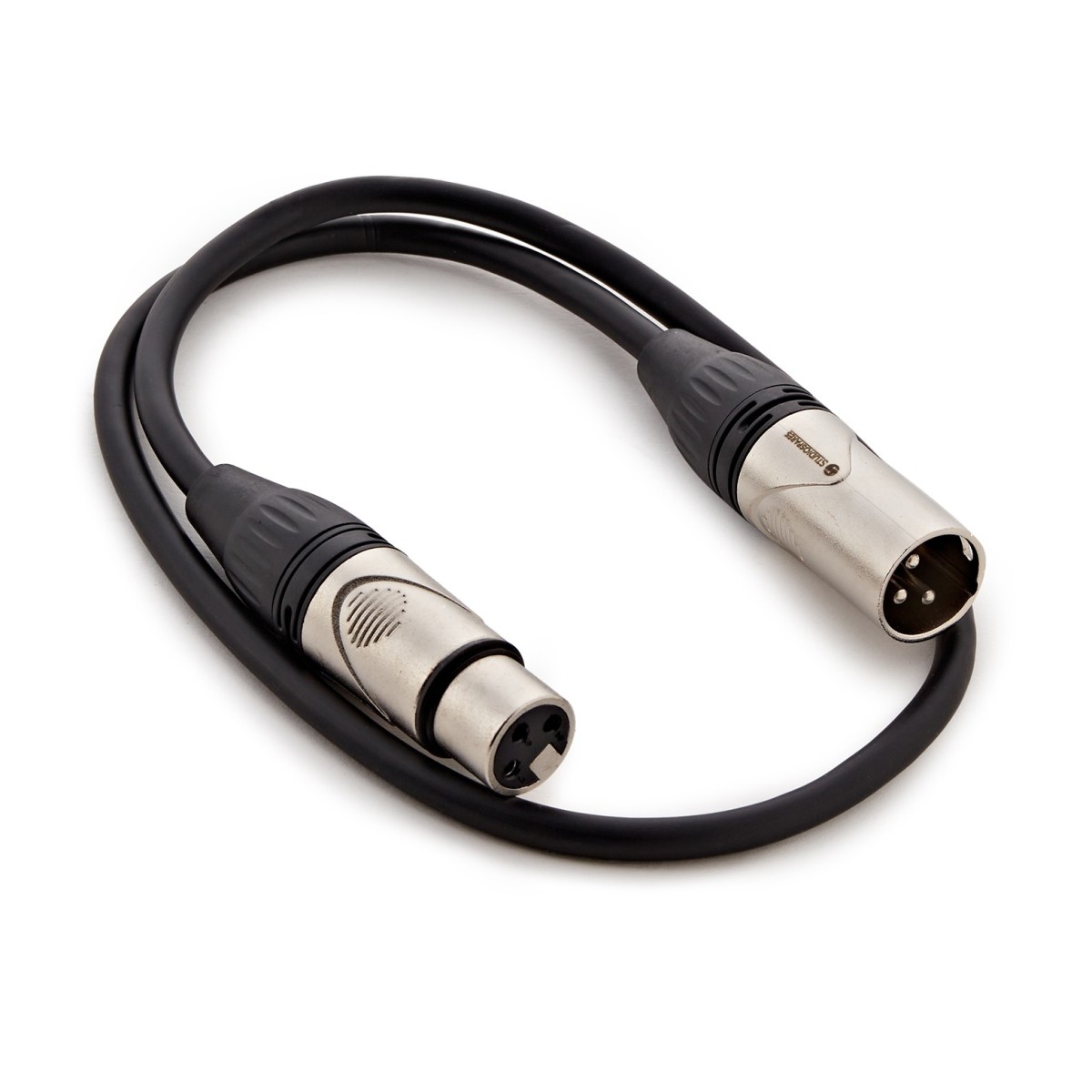
When compared to generic adapters or standard cables like the Studiospares Standard XLR (M) - XLR (F), the Tie Studio Mini XLR to XLR is distinct due to its specialised Mini XLR terminal. While a Neutrik NA2MP might adapt an XLR to a 1/4 inch jack, it does not provide the specific pin-out required for Mini XLR devices. For users of Tie Studio instruments, this specific cable is often more efficient than using a combination of separate adapters which can introduce points of failure in the signal chain.
Related gear
- £5.99 ($8)
Studiospares
Studiospares Standard XLR (M) - XLR (F) Cable 60cm
 £17.57 ($22)
Ernie Ball
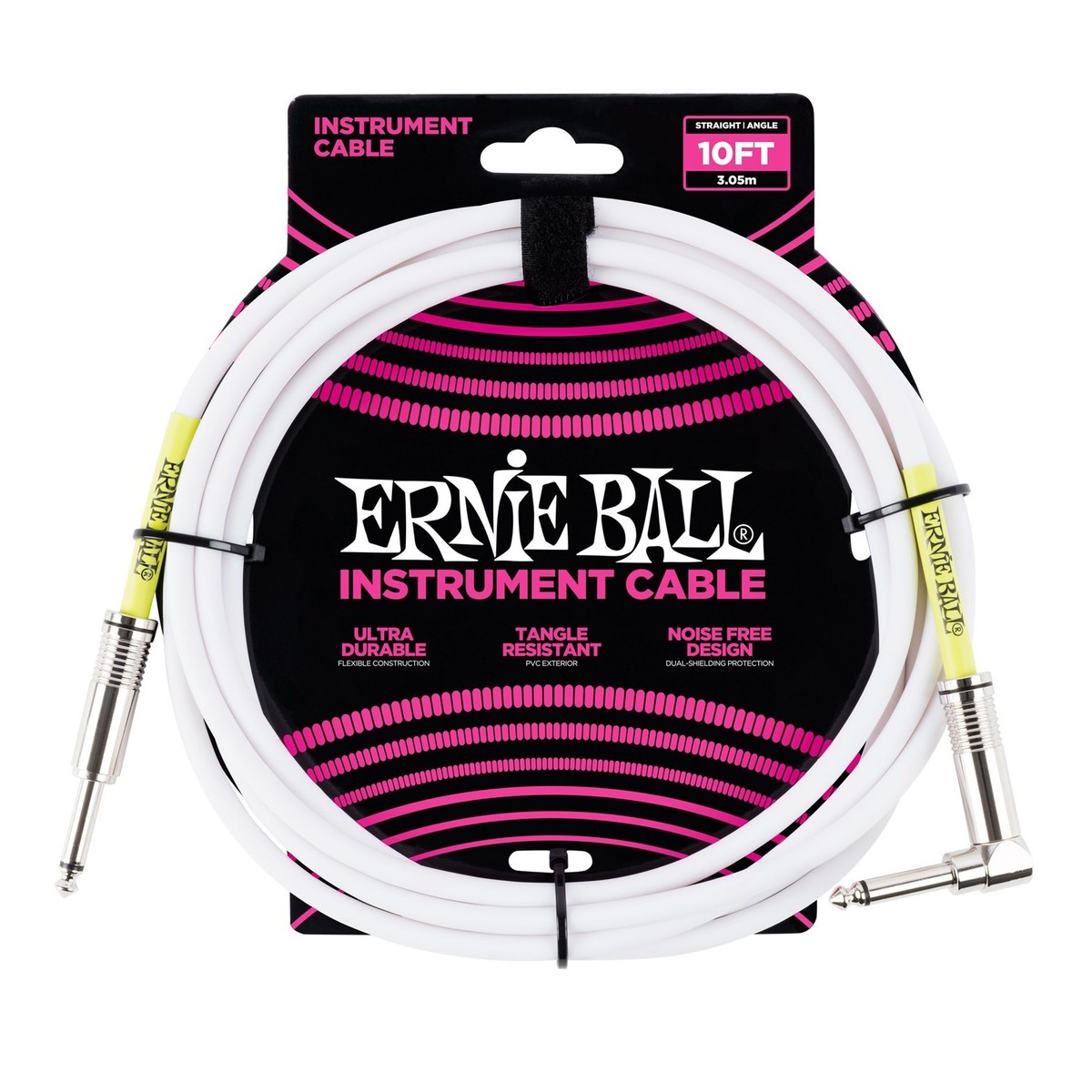
Ernie Ball P06049 10ft Straight-Angle Instrument Cable White
 £32.00 ($41)
LD Systems
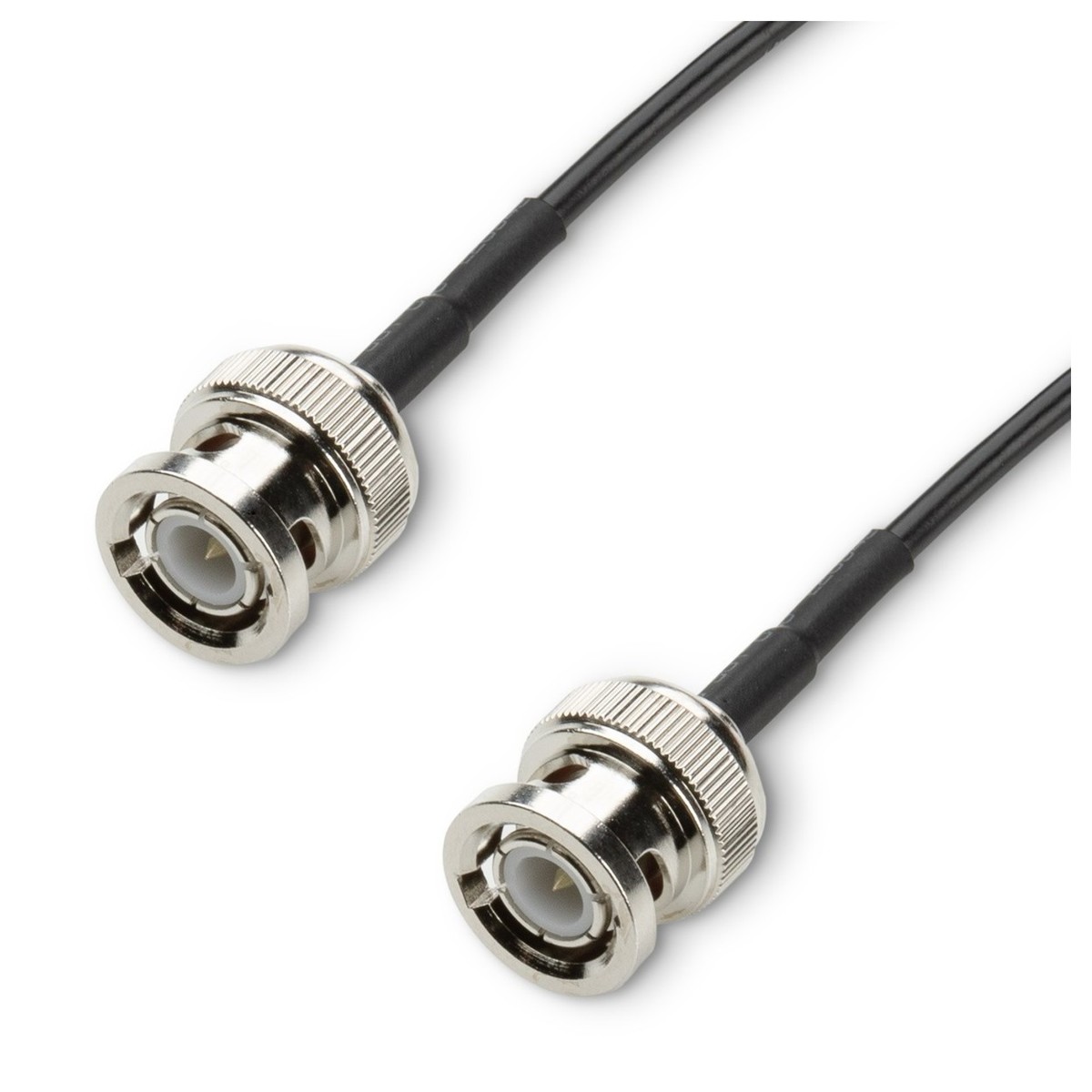
LD Systems WS100BNC10 BNC to BNC Antenna Cable 10m
 £4.99 ($6)
Gear4Music
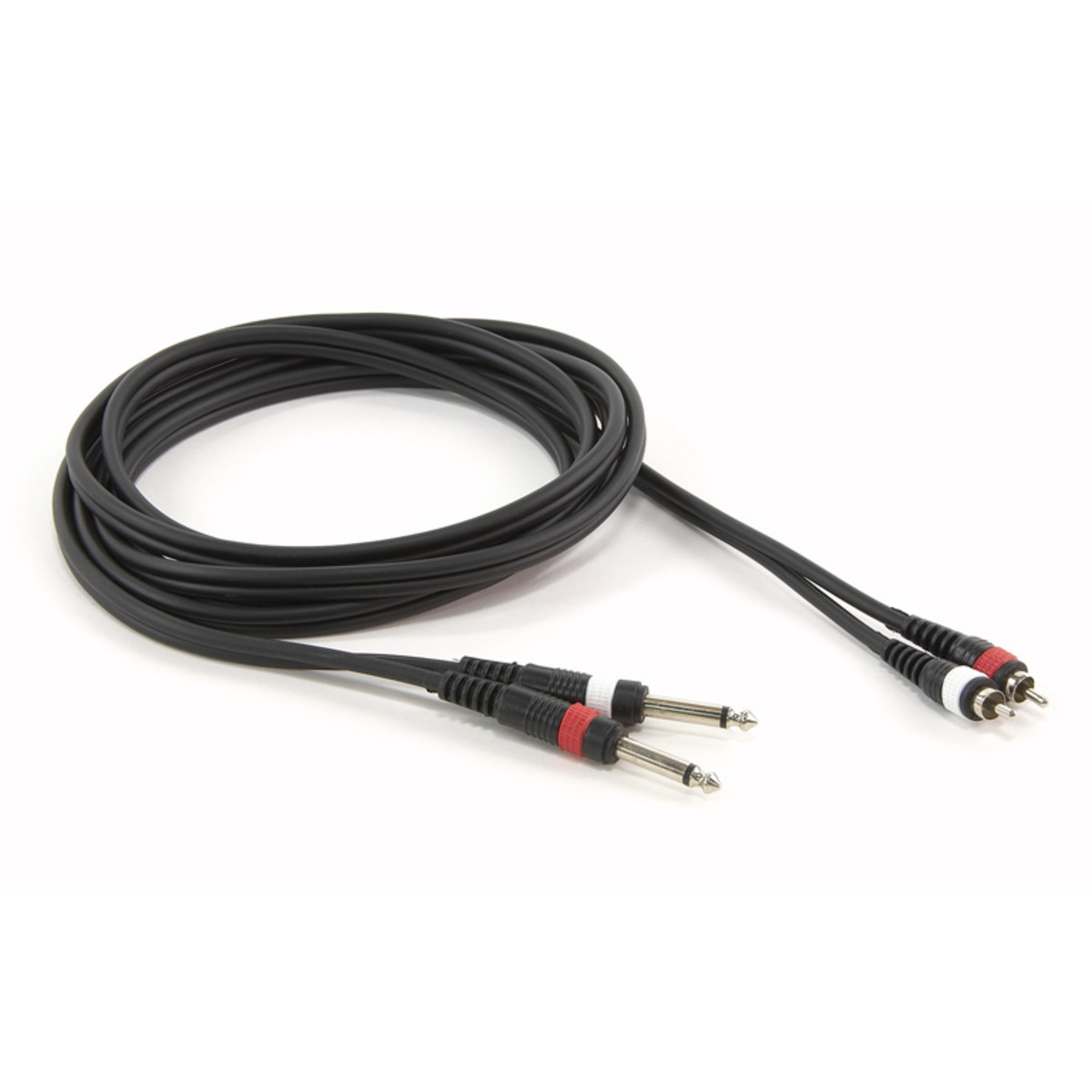
Essentials Dual Jack to RCA Phono Cable 3m
 £10.50 ($13)
Neutrik
Neutrik NC3FRX Right-Angled 3-Pole Female XLR Connector
 £56.00 ($71)
Adam Hall
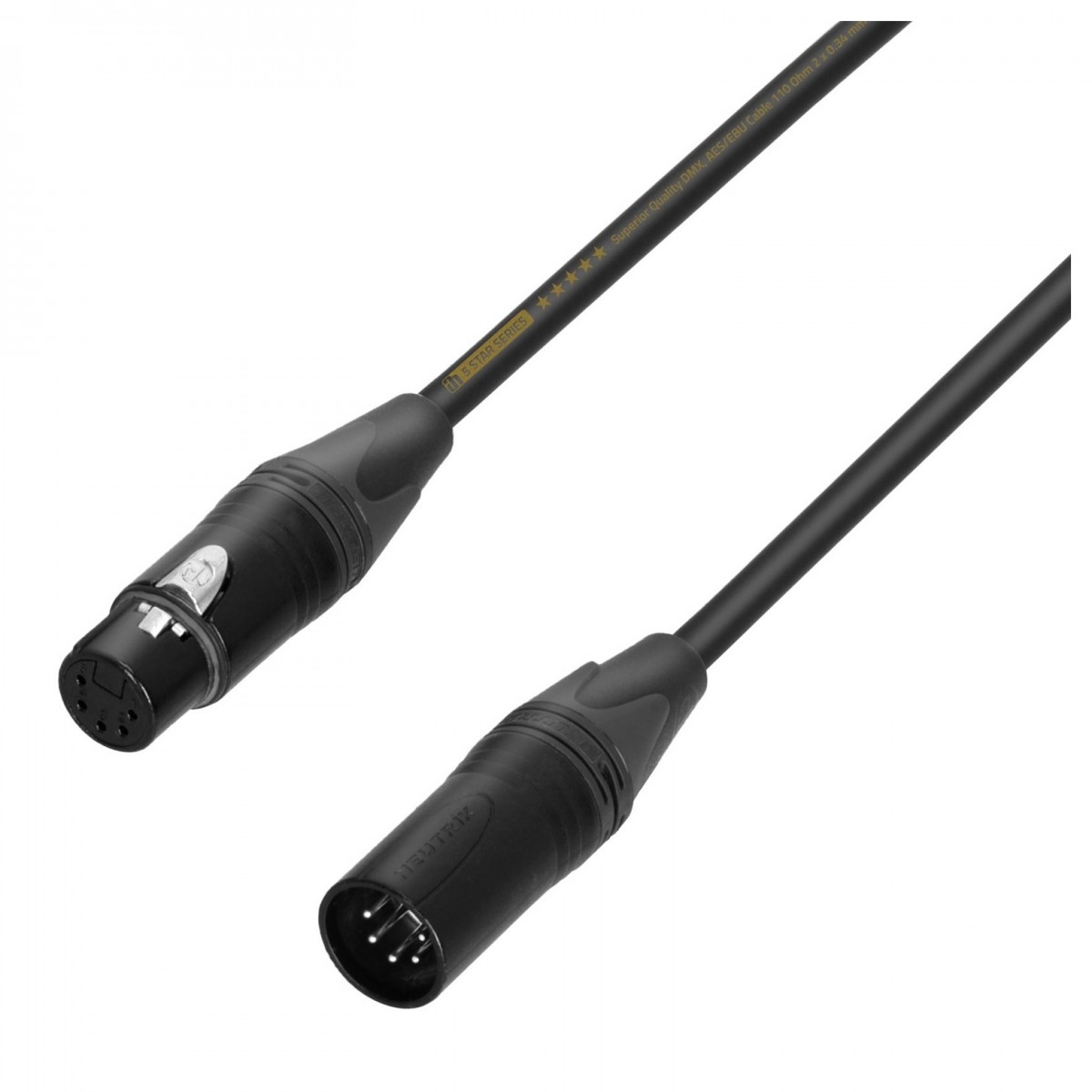
Adam Hall 5 STAR Neutrik DMX 5-Pin Lighting Cable 20m
 £4.99 ($6)
Studiospares
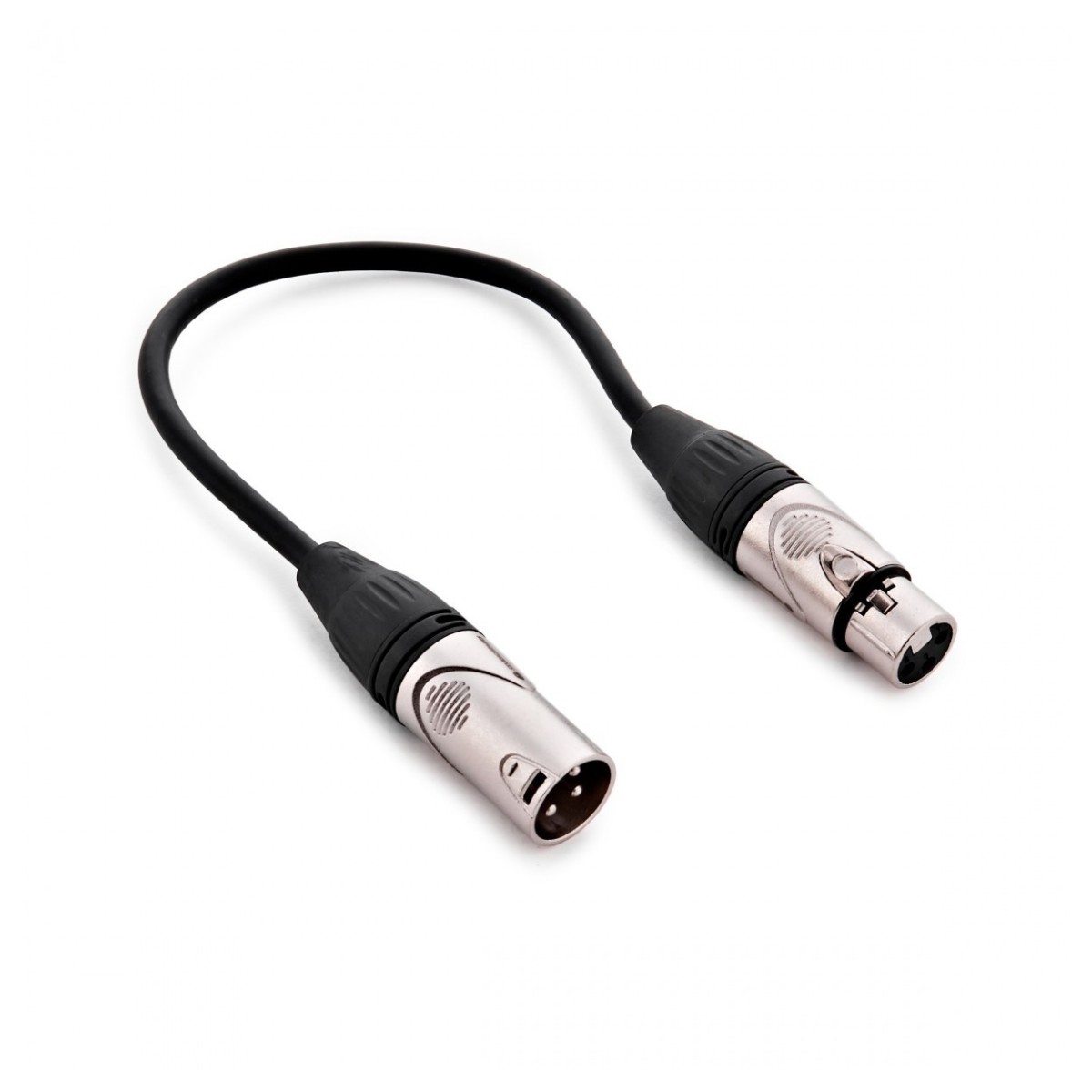
Studiospares Standard XLR (M) - XLR (F) Patch Cable 30cm
Frequently asked questions
- What is the primary use of the Tie Studio Mini XLR to XLR?
- It is used to connect microphones with Mini XLR outputs to standard XLR inputs on mixers or audio interfaces. This is particularly useful for Tie Studio instruments that require 48V phantom power.
- Does this cable support phantom power?
- Yes, the cable is designed to allow 48V phantom power to pass from a mixer or interface to the connected microphone. This is essential for the operation of active condenser microphones.
- How many pins do the connectors have?
- Both the Mini XLR and the standard XLR connectors feature a 3-pin configuration. This ensures compatibility with professional balanced audio standards.
- Is the cable suitable for live performance?
- Yes, the manufacturer describes the connectors as compact and robust. This makes them suitable for the physical demands of live stage applications.
- Can I use this with any brand of microphone?
- While designed for Tie Studio instruments, it functions with other microphones that utilise a standard 3-pin Mini XLR output. Users should verify the pin-out of their specific microphone before use.
- What is the typical price for this cable?
- The typical price range for this specific Tie Studio cable is approximately £25.00. This places it in the professional accessory category.
- Does this cable affect sound quality?
- The high-quality 3-pin connectors are designed for optimal signal integrity. This helps maintain the best possible audio performance without introducing unwanted noise.
- Is this a balanced cable?
- Yes, because it uses 3-pin connectors for both Mini XLR and XLR, it supports balanced audio signals. This is critical for reducing electromagnetic interference over longer distances.
- Can I use this cable to connect a guitar to a mixer?
- No, this cable is specifically for Mini XLR devices. For standard guitars, a cable like the Ernie Ball P06049 1/4 inch instrument cable would be required.
- Is this the same as a DMX cable?
- No, while DMX cables like the Adam Hall 5-Pin Lighting Cable are used in production, they serve lighting data purposes. This Tie Studio cable is strictly for audio signal transmission.
- How does this compare to a standard XLR patch cable?
- A standard patch cable, such as the Studiospares 30cm XLR, has full-sized XLR connectors on both ends. The Tie Studio cable is unique because one end is a Mini XLR connector.
- Is an additional adapter needed to get phantom power?
- No, as long as the mixer or audio interface provides 48V phantom power, this cable will deliver it to the microphone. The cable itself acts as the interface solution.