
Gear article
Trantec X2 Lavalier Microphone
The Trantec X2 is a professional-grade electret condenser lavalier microphone designed for high-durability applications in live performance, broadcasting, and public speaking. Featuring an omnidirectional pickup pattern and a robust construction, it provides consistent audio capture and can withstand sound pressure levels exceeding 120 dB.
See live pricesOverview and Design
The Trantec X2 is a compact, black lavalier microphone engineered for reliability and longevity. As an electret condenser, it requires power (typically provided by a wireless bodypack transmitter) to operate its sensitive capsule. The device is specifically built to meet the needs of professionals who require a 'workhorse' microphone for daily use in demanding environments.
Its design focuses on robustness, ensuring it can handle the physical rigours of extensive touring, studio movement, and live broadcasting. The black finish provides a discrete profile, allowing it to be clipped to clothing without drawing unnecessary attention during televised events or corporate presentations.
Technical Characteristics
Technically, the X2 is defined by its omnidirectional pickup pattern. Unlike cardioid microphones that require precise positioning toward the mouth, the X2 captures sound equally from all directions. This allows for natural audio reproduction even if the speaker turns their head or the microphone shifts during movement.
The microphone supports a frequency response of 60 Hz to 16 kHz. This range is tailored for vocal clarity, capturing the essential frequencies of human speech while avoiding extreme low-end rumble. Additionally, with a maximum sound pressure level (SPL) capability of over 120 dB, the X2 can handle loud vocalists or high-volume environments without audible distortion.
Performance and Sound Quality
The sound character of the Trantec X2 is described as clear and natural. By utilising an electret condenser capsule, it offers a faster transient response compared to dynamic microphones, resulting in a more detailed representation of the voice. The consistent audio quality provided by the omnidirectional pattern ensures that volume levels remain stable regardless of the wearer's posture, a critical factor for broadcast and public speaking.
User Suitability and Applications
The Trantec X2 is most suitable for:
- Broadcast Professionals: Ensuring clear dialogue for television and radio hosts.
- Public Speakers and Presenters: Providing a hands-free solution that maintains audio consistency during movement.
- Live Performers: Acting as a reliable, high-SPL vocal capture tool for stage actors or presenters.
- Corporate Environments: Offering a durable solution for frequent seminar and conference use.
Market Comparison
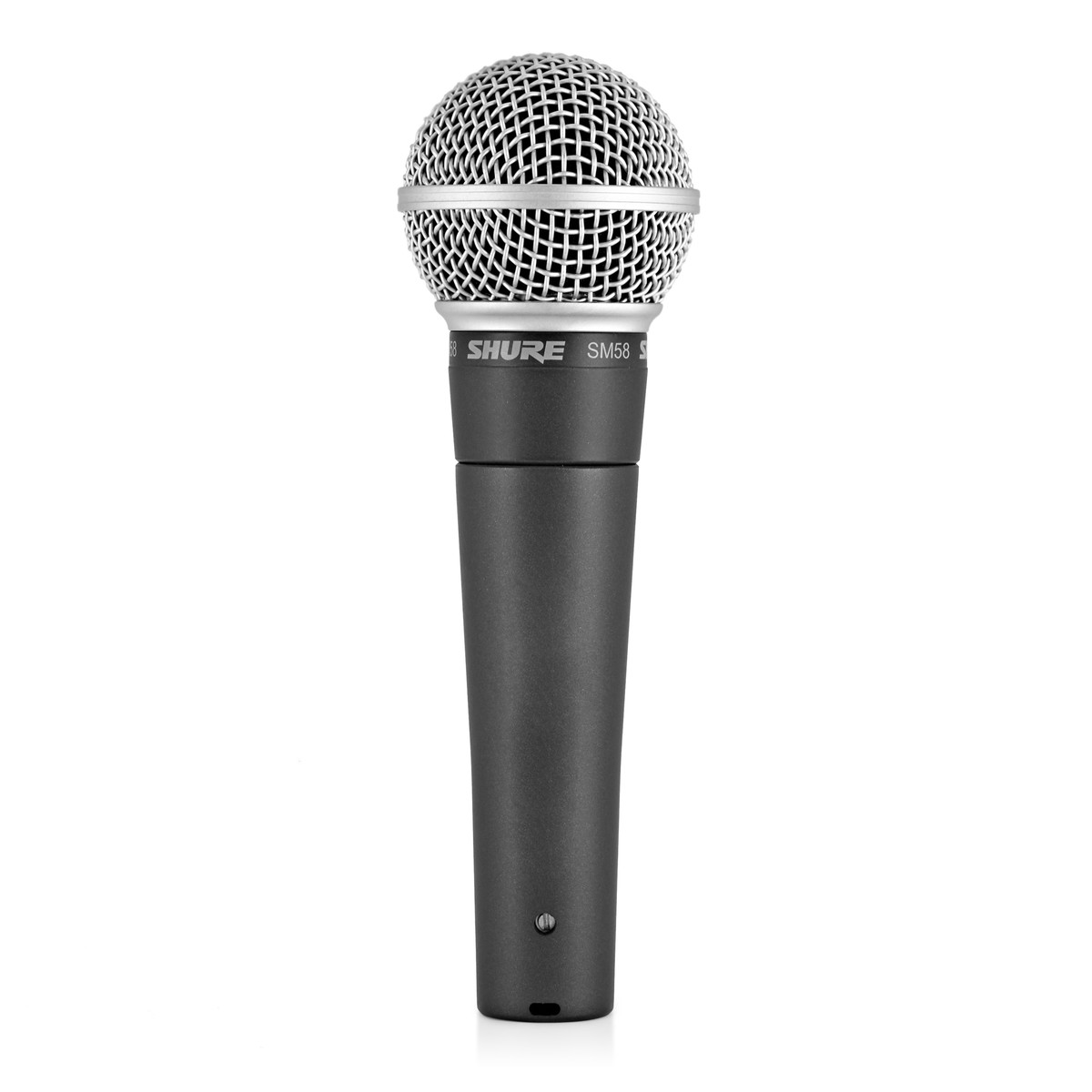
In the broader landscape of live microphones, the Trantec X2 occupies a specialised niche compared to traditional handheld units. While dynamic microphones like the Shure SM58 or the Sennheiser e945 are preferred for high-gain stage environments due to their feedback rejection, the X2 offers the benefit of hands-free operation and a discrete form factor.
Compared to high-end dynamic studio options like the Electro-Voice RE20 or Sennheiser MD 441-U, the X2 is significantly more portable and affordable, though it lacks the proximity effect and extreme isolation those larger microphones provide. At a price point of approximately £41, it represents a cost-effective yet professional alternative to standard kit-included lavaliers.
Related gear
 £563.00 ($715)
Electro-Voice
Electro-Voice RE20 Dynamic Cardioid Microphone
 £148.75 ($189)
Sennheiser
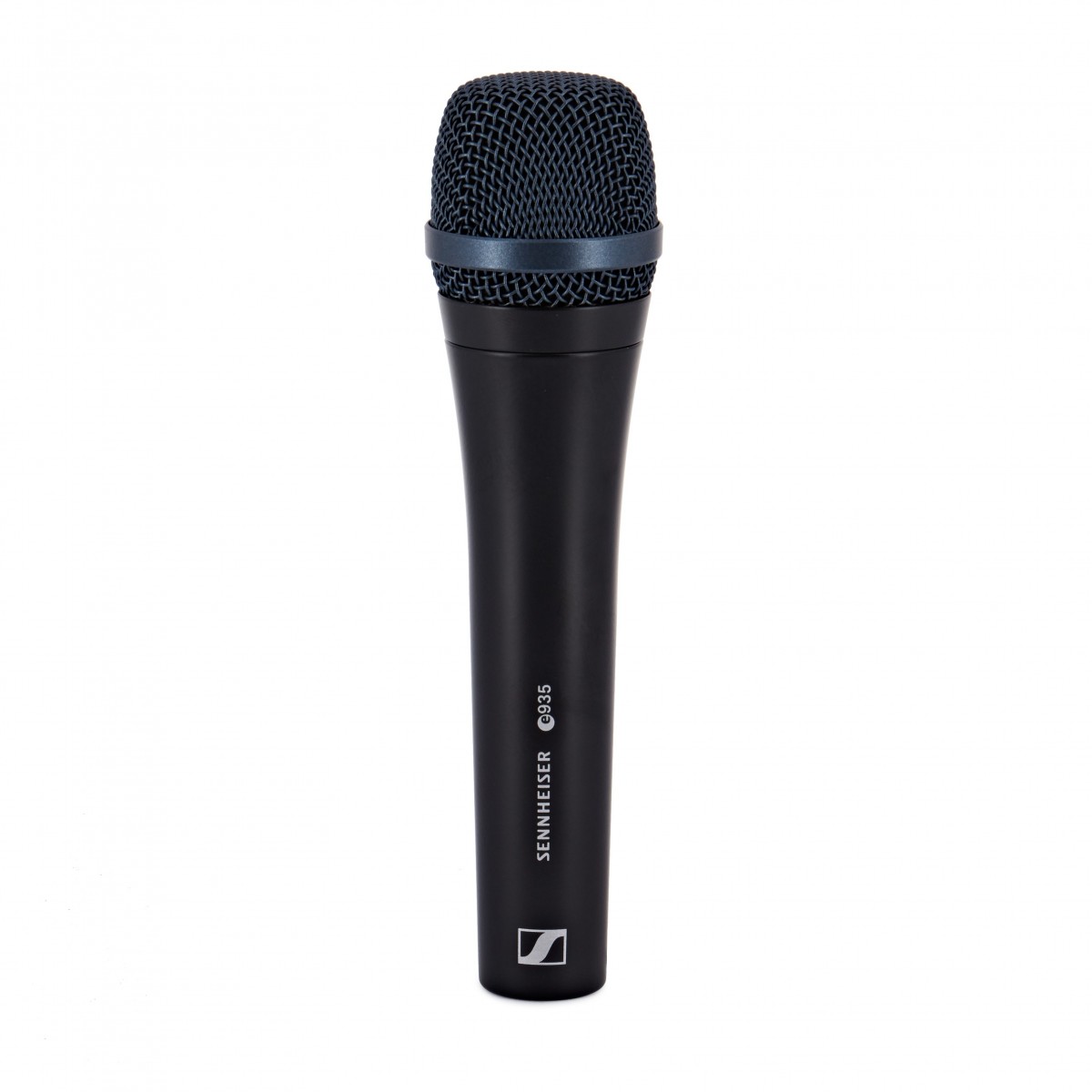
Sennheiser e935 Dynamic Vocal Microphone
 £142.25 ($181)
Shure
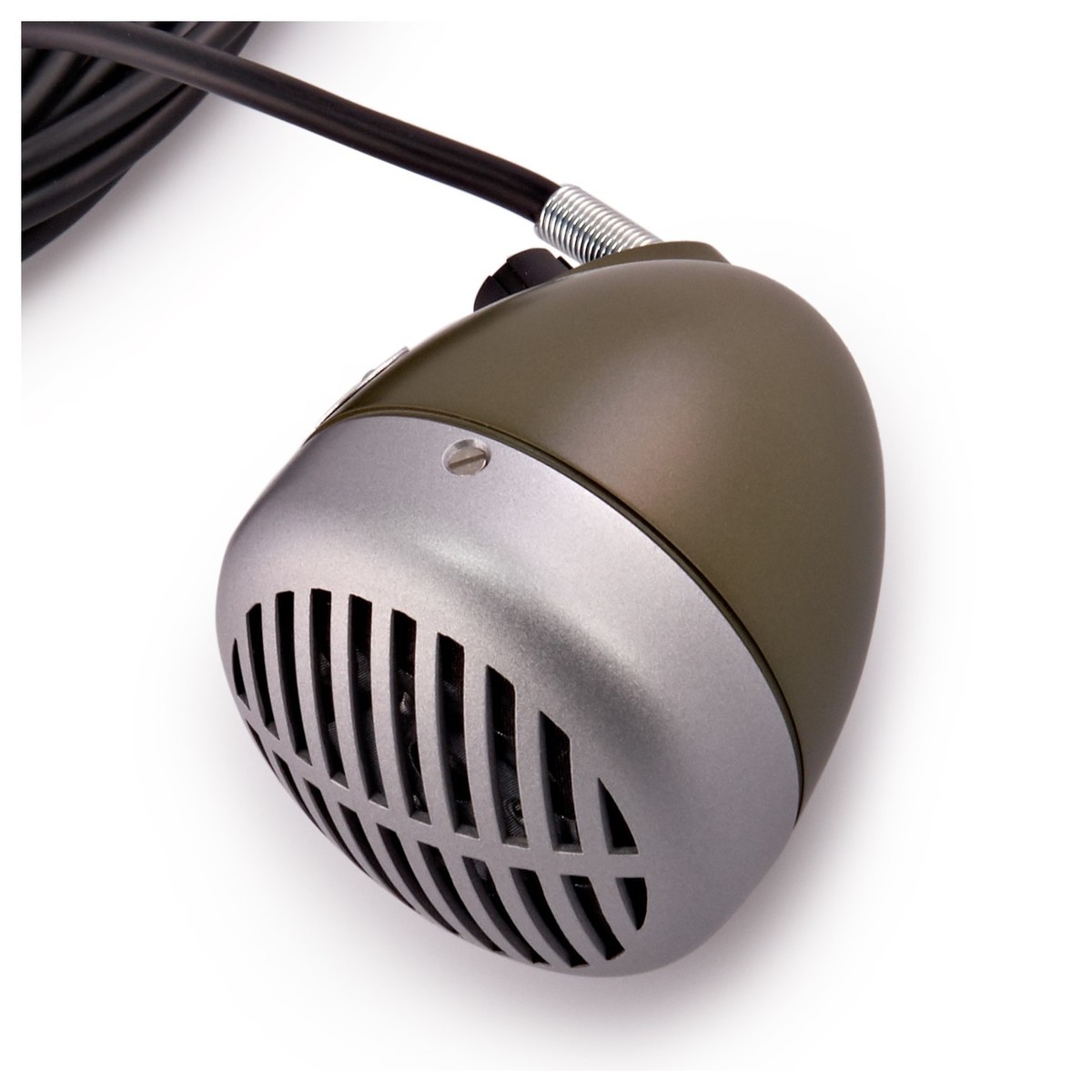
Shure 520DX Green Bullet Harmonica Microphone
 £161.50 ($205)
Shure
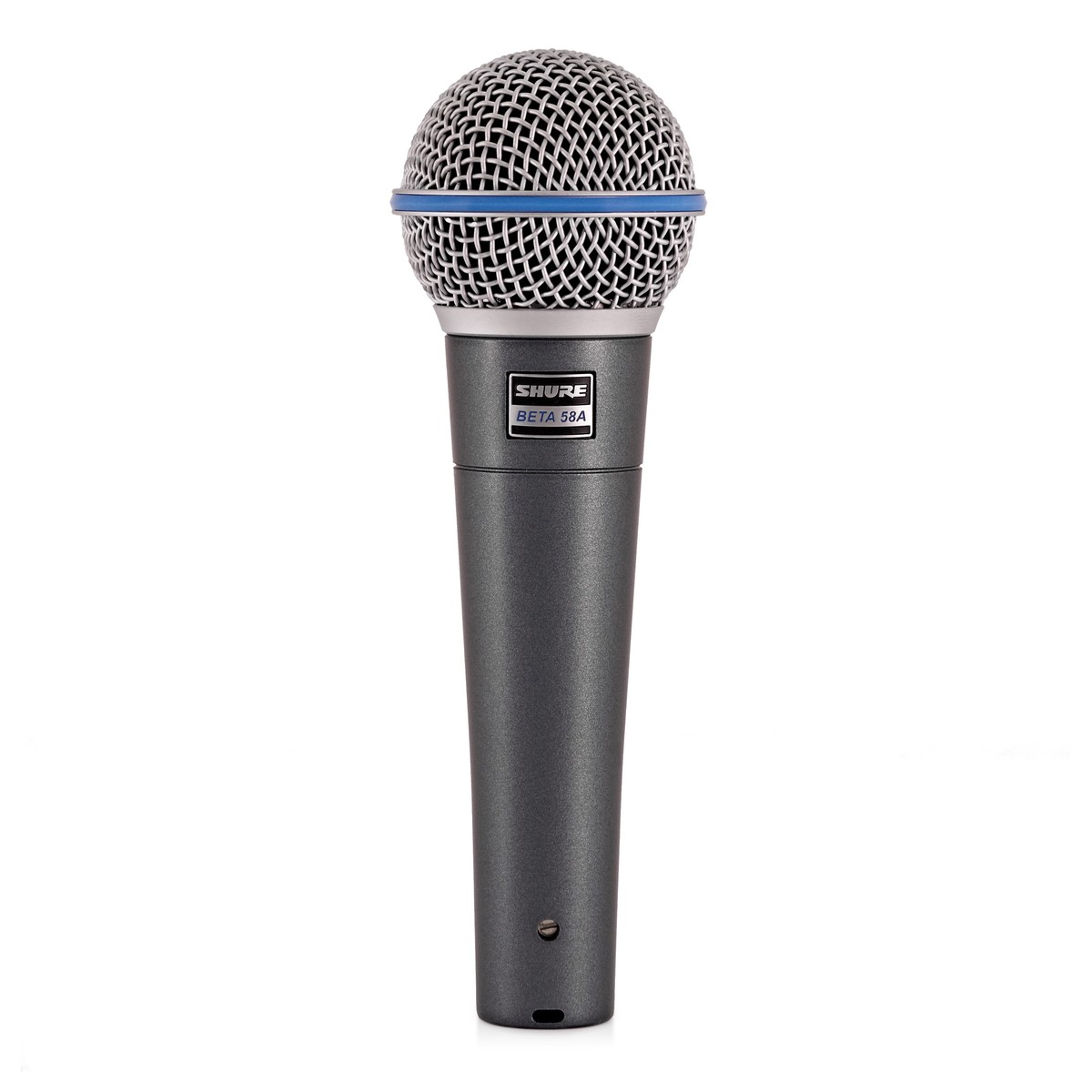
Shure Beta 58A Dynamic Microphone
 £259.00 ($329)
Shure
Shure SM58 Dynamic Cardioid Vocal Microphone
 £149.00 ($189)
Sennheiser
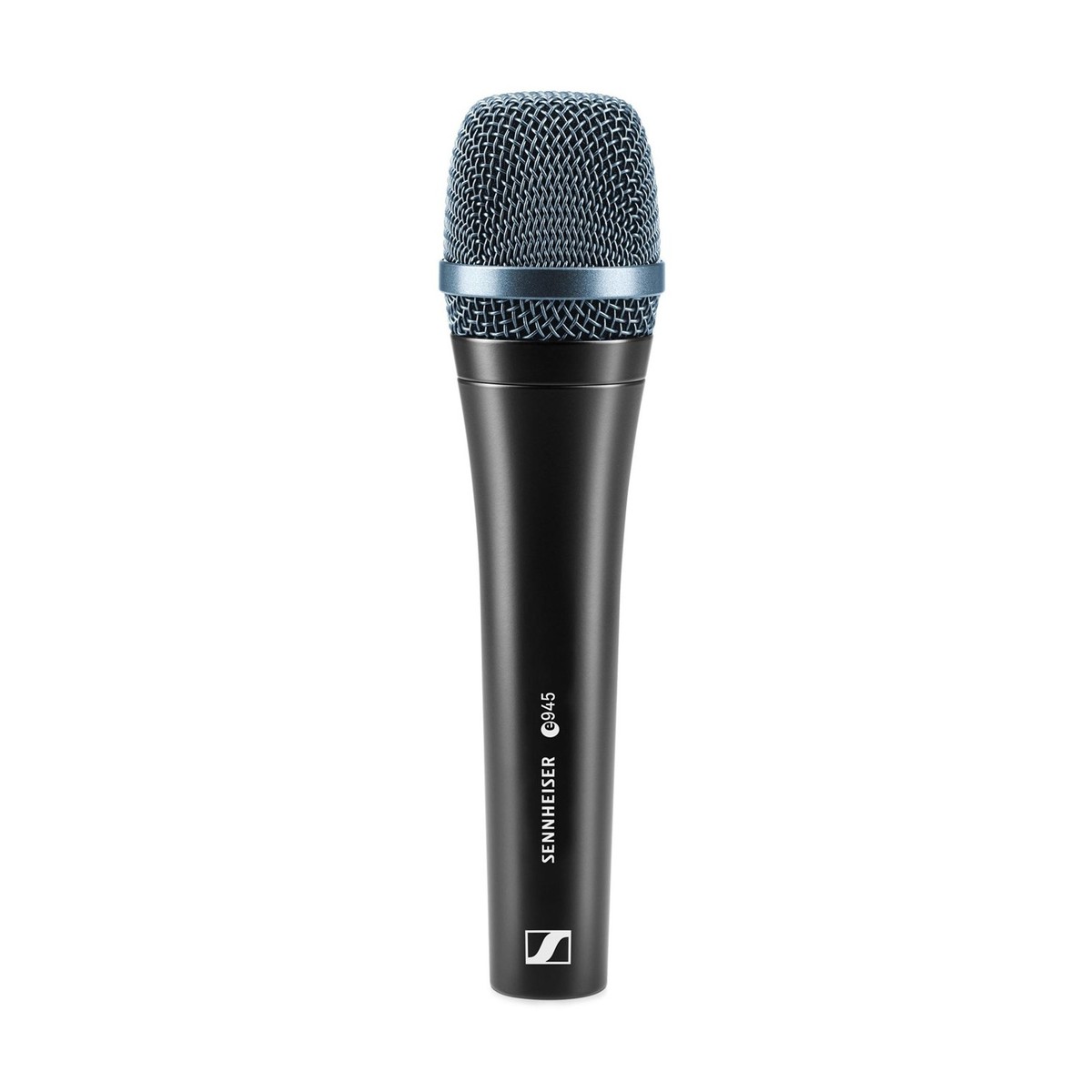
Sennheiser e945 Dynamic Vocal Microphone
 £103.50 ($131)
Shure
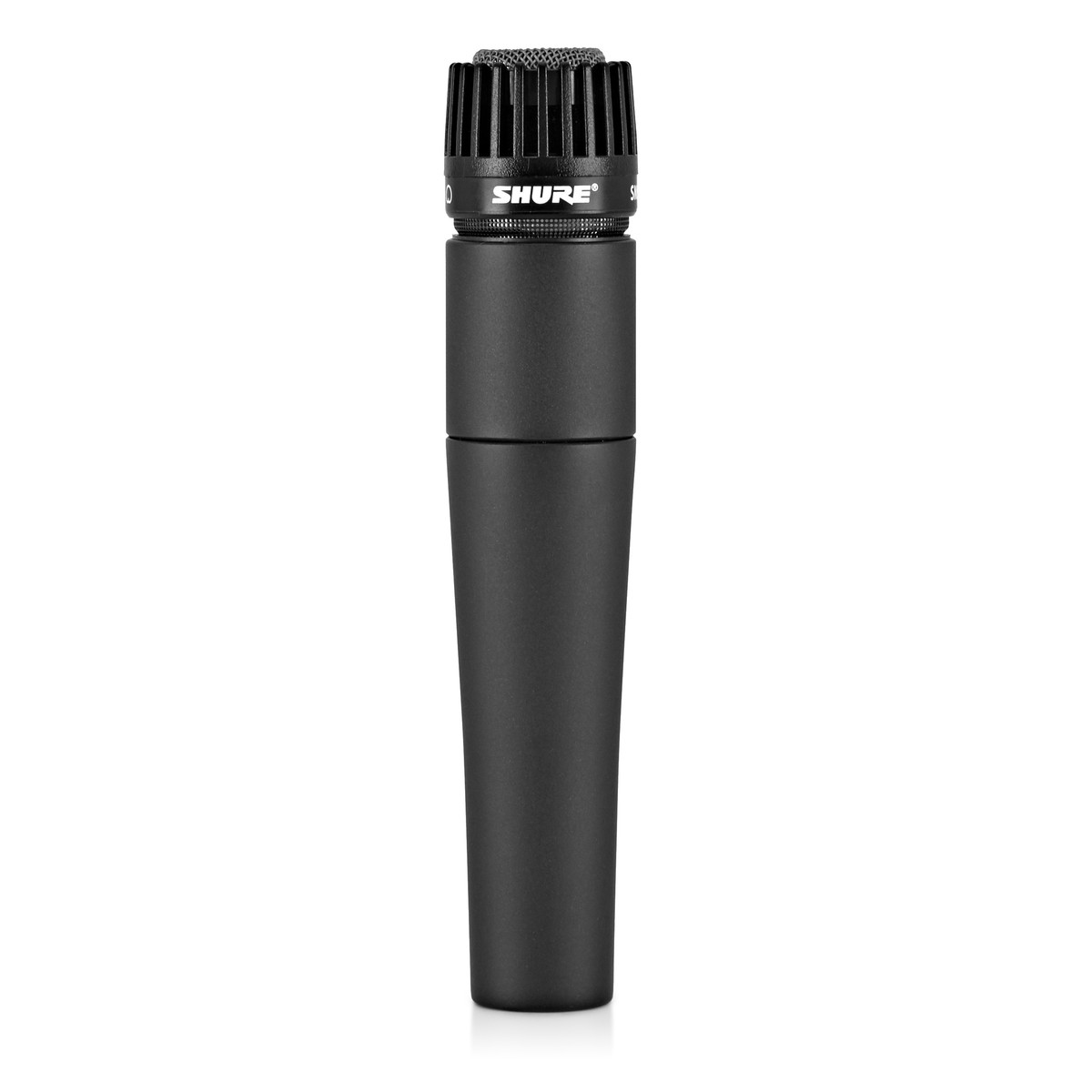
Shure SM57 Dynamic Instrument Microphone
 £1,080.00 ($1,372)
Sennheiser
Sennheiser MD 441-U Dynamic Supercardioid Microphone
Frequently asked questions
- What type of capsule does the Trantec X2 use?
- The Trantec X2 uses an electret condenser capsule. This design provides high sensitivity and a detailed frequency response suitable for professional vocal capture.
- What is the pickup pattern of the X2?
- The microphone features an omnidirectional pickup pattern. This means it captures sound equally from all angles, ensuring consistent audio even if the speaker moves their head.
- Can the Trantec X2 handle loud sound sources?
- Yes, the X2 is designed to handle sound pressure levels (SPL) exceeding 120 dB. This makes it suitable for loud speakers or performers without the risk of signal distortion.
- What is the frequency range of the Trantec X2?
- The microphone has a frequency response of 60 Hz to 16 kHz. This range is optimised for clear and natural vocal reproduction in broadcast and live settings.
- In what colours is the Trantec X2 available?
- The specific model described is finished in black. This allows for a discrete appearance when clipped onto dark clothing or professional attire.
- Is the Trantec X2 suitable for broadcasting?
- Yes, it is highly recommended for broadcasting due to its durable build and accurate sound reproduction. Its omnidirectional pattern is particularly useful for maintaining audio levels on camera.
- How much does the Trantec X2 typically cost?
- The microphone typically retails in the price range of approximately £41. This makes it an affordable professional-grade option for live and broadcast use.
- Is this microphone wireless or wired?
- The Trantec X2 is a lavalier microphone component, typically intended for use with a wireless bodypack transmitter system. It is a 'wearable' microphone rather than a handheld unit.
- How does the X2 handle movement from the speaker?
- Due to its omnidirectional pattern, the X2 is very forgiving of movement. It captures sound consistently regardless of the speaker's orientation to the capsule.
- Is the Trantec X2 durable enough for touring?
- Yes, the manufacturer describes it as a 'robust' and 'reliable' choice. It is specifically built to withstand the rigours of extensive use in live performances.
- Does the X2 require phantom power?
- As an electret condenser, it requires a small amount of power to operate. This is usually supplied by the bias voltage from a wireless transmitter's microphone input.
- How does the X2 compare to a Shure SM58?
- The X2 is a hands-free lavalier condenser, whereas the SM58 is a handheld dynamic cardioid microphone. The X2 offers more discretion and a wider pickup, while the SM58 offers better feedback rejection on loud stages.