
Glossary
Tremolo (Vibrato) Bridge
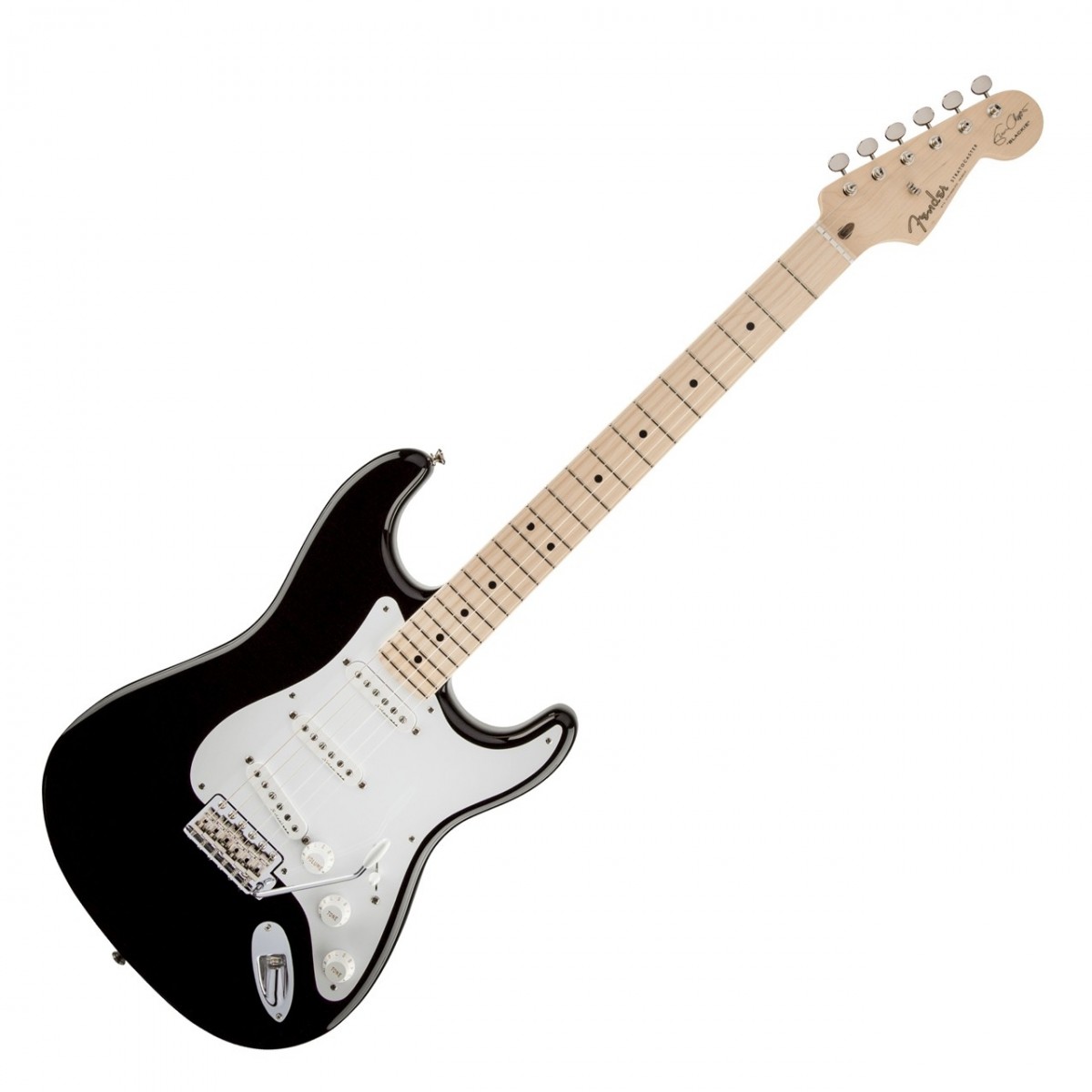
A tremolo bridge, more accurately termed a vibrato system, is a type of guitar bridge that allows the player to quickly vary the tension of the strings by moving a pivoting lever. This modulation in tension changes the pitch of the notes, allowing for effects ranging from subtle vibrato to extreme pitch bends.
Terminology and Origins
The term 'tremolo' is technically a misnomer in this context. In musical theory, tremolo refers to a rapid variation in volume (amplitude), whereas vibrato refers to a variation in pitch. When Leo Fender introduced the 'Synchronized Tremolo' on the Stratocaster in 1954, the name stuck within the guitar industry despite describing a pitch-altering device. Conversely, Fender often referred to the vibrato circuits on his amplifiers as 'tremolo.' Today, the terms are used interchangeably in guitar circles, though 'vibrato bridge' remains the scientifically accurate descriptor.
Principles of Operation
The system works by balancing the forward tension of the guitar strings against the backward tension of metal springs located inside the guitar body or under a tailpiece.
- The Bridge Plate: The main assembly that holds the saddles.
- The Arm: Often called a 'whammy bar,' this lever allows the player to tilt the bridge.
- The Springs: Typically attached to a 'claw' screwed into the body, these pull the bridge back to a neutral position.
When the arm is pressed toward the body, string tension decreases, lowering the pitch. When released, the springs pull the bridge back to its 'zero' or equilibrium point.
Common Types and Designs
Various designs offer different levels of stability and pitch range:
1. Synchronised Tremolo: The classic Fender design where the bridge and block move as one unit. It is known for a vintage 'chirp' and moderate pitch range. 2. Locking Tremolo (Floyd Rose): Uses locking nuts and bridge saddles to 'clamp' the strings in place. This allows for extreme 'dive bombs' without the guitar going out of tune. 3. Bigsby Vibrato: A top-mounted system using a large spring and a roller bar. It provides a subtle, smooth shimmer preferred for jazz, country, and rockabilly. 4. Offset/Floating Vibrato: Found on Jaguar and Jazzmaster models, separating the bridge from the vibrato tailpiece for a distinct mechanical feel.
Practical Implications for Musicians
Using a tremolo bridge introduces specific maintenance requirements. Because the strings are constantly moving across the nut and saddles, friction can cause tuning instability. Players often use lubricants (like graphite) or locking tuners to mitigate this. Furthermore, changing string gauges on a tremolo-equipped guitar usually requires 'balancing' the system by adjusting the spring tension in the back cavity to ensure the bridge plate sits at the correct angle.
Frequently asked questions
- What is the difference between a tremolo and a vibrato?
- Musically, tremolo is a change in volume, while vibrato is a change in pitch. In guitar hardware, however, the term 'tremolo bridge' is used to describe a device that actually produces vibrato.
- Why does my guitar go out of tune when I use the tremolo arm?
- Tuning instability is usually caused by friction at the nut or saddles. When the tension is released and reapplied, the string may 'snag' and fail to return to its original position.
- What is a 'floating' bridge setup?
- A floating setup is when the bridge is angled so that it can be pulled up (raising the pitch) as well as pushed down (lowering the pitch). This requires a precise balance between string and spring tension.
- What is a 'decked' tremolo?
- A bridge is 'decked' when the spring tension is high enough to pull the bridge plate flush against the guitar body. In this setup, the player can only lower the pitch, but it offers better tuning stability and sustain.
- What are 'dive bombs'?
- A dive bomb is a technique where the player pushes the tremolo arm all the way to the body, causing the strings to go completely slack and the pitch to drop drastically.
- Do I need locking tuners for a tremolo bridge?
- While not strictly required, locking tuners help significantly with tuning stability on non-locking systems by preventing string slippage at the tuning post.
- How many springs should I use in my tremolo cavity?
- Most players use between three and five springs. More springs provide more resistance and stability for heavier string gauges, while fewer springs create a softer, more responsive feel.
- What is a locking nut?
- A locking nut is a metal nut with clamps that screw down over the strings, usually used with Floyd Rose systems. It prevents the strings from moving at the headstock, which is the primary cause of tuning issues.
- Can I install a tremolo bridge on a fixed-bridge guitar?
- It is possible but usually requires significant 'routing' (removing wood) unless using a top-mounted system like a Bigsby or certain specialised aftermarket bridges.
- What is 'bridge flutter'?
- Flutter is a warbling effect created when a player quickly flicks the tremolo arm, causing the bridge to vibrate rapidly around its equilibrium point.
- Does a tremolo bridge affect sustain?
- Generally, a tremolo bridge has slightly less sustain than a fixed bridge because the strings are anchored to a moving part held by springs rather than being fixed directly to the body wood.
- How do I stop the tremolo arm from 'swinging' loosely?
- Many bridges allow you to tighten a small set screw near the arm socket, or you can place a tiny tension spring into the hole before screwing in the arm to provide friction.