
Gear article
Universal Audio SD-1 Standard Dynamic Microphone
The Universal Audio SD-1 is a premium dynamic microphone with a cardioid polar pattern designed for professional recording, broadcasting, and live performance. It features customisable frequency controls and integrates with Universal Audio’s Apollo interfaces via dedicated channel strip presets.
See live pricesOverview and Design
The Universal Audio SD-1 is a versatile dynamic microphone engineered for high-fidelity audio capture in a variety of environments. While dynamic microphones are traditionally associated with high-pressure sound sources, the SD-1 is positioned as a high-end solution for vocalists, podcasters, and instrumentalists. It features a sleek, modern chassis with an integrated shock mount and swivel mount, designed to reduce mechanical noise and simplify positioning.
Frequency Control and Sound Character
The microphone is designed to deliver a flat frequency response that ensures natural sound reproduction. To assist in diverse recording scenarios, the SD-1 includes two physical switches on the rear of the unit:
- High-Pass Filter: Helps to eliminate low-end rumble and unwanted proximity effect.
- Articulations Boost: A high-mid frequency boost that adds presence and clarity to voices and instruments.
These features allow the SD-1 to achieve a 'mix-ready' sound during the tracking phase, reducing the need for extensive post-production.
Apollo Integration
A key differentiator for the SD-1 is its synergy with Universal Audio’s Apollo audio interfaces. Users can access custom Apollo Channel Strip Presets specifically tuned for the SD-1. These presets provide curated settings for EQ, compression, and other processing, enabling users to achieve professional broadcasting or studio vocal tones quickly.
Applications
The SD-1 is highly adaptable but excels in the following areas:
- Vocals and Broadcasting: Its cardioid pattern effectively rejects off-axis noise, making it suitable for untreated rooms or podcasters.
- Guitars: The microphone's ability to handle high sound pressure levels makes it an excellent choice for miking electric guitar cabinets.
- Studio and Live Use: While designed with studio aesthetics and features, its rugged dynamic build allows it to perform reliably in live sound reinforcement environments.
Market Comparison
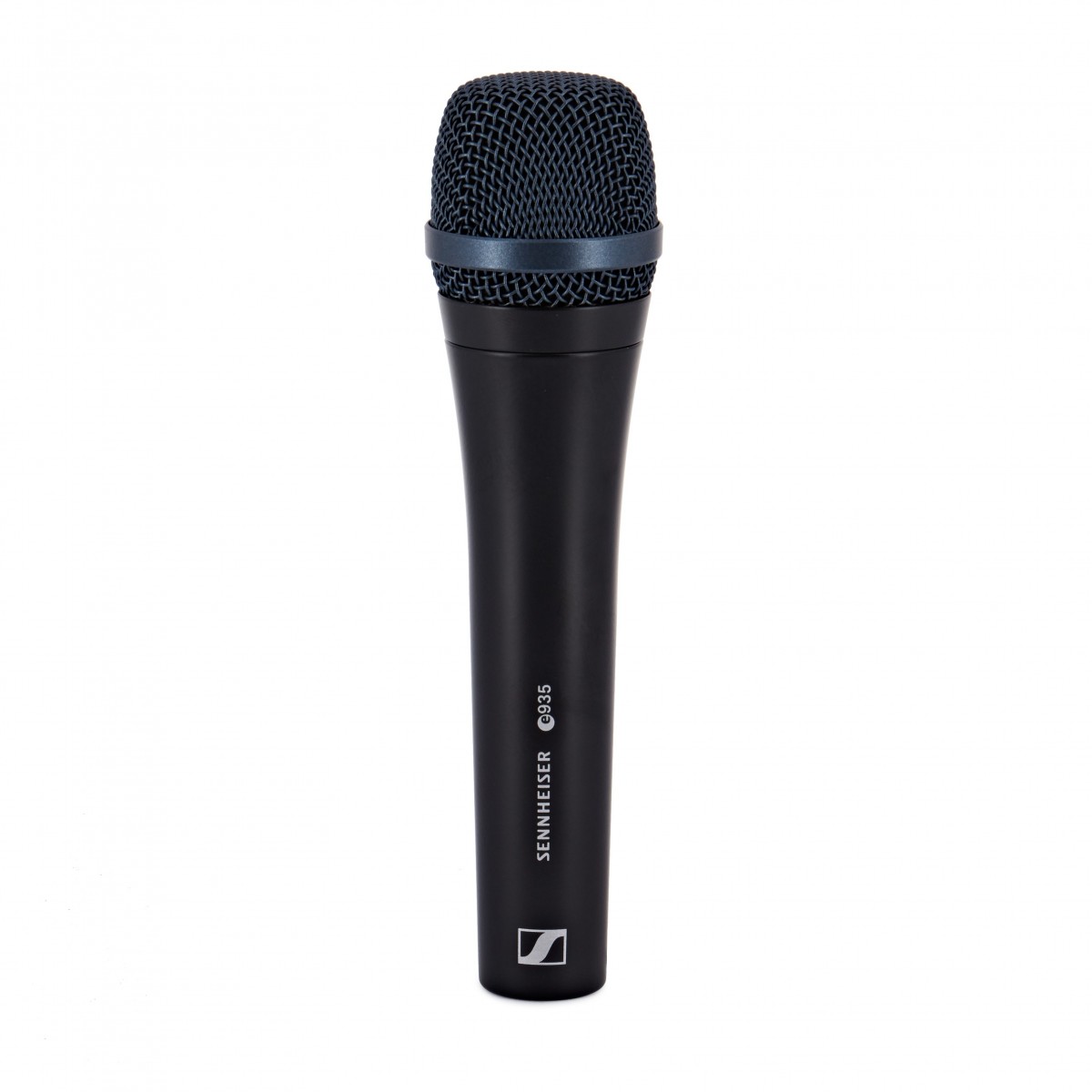
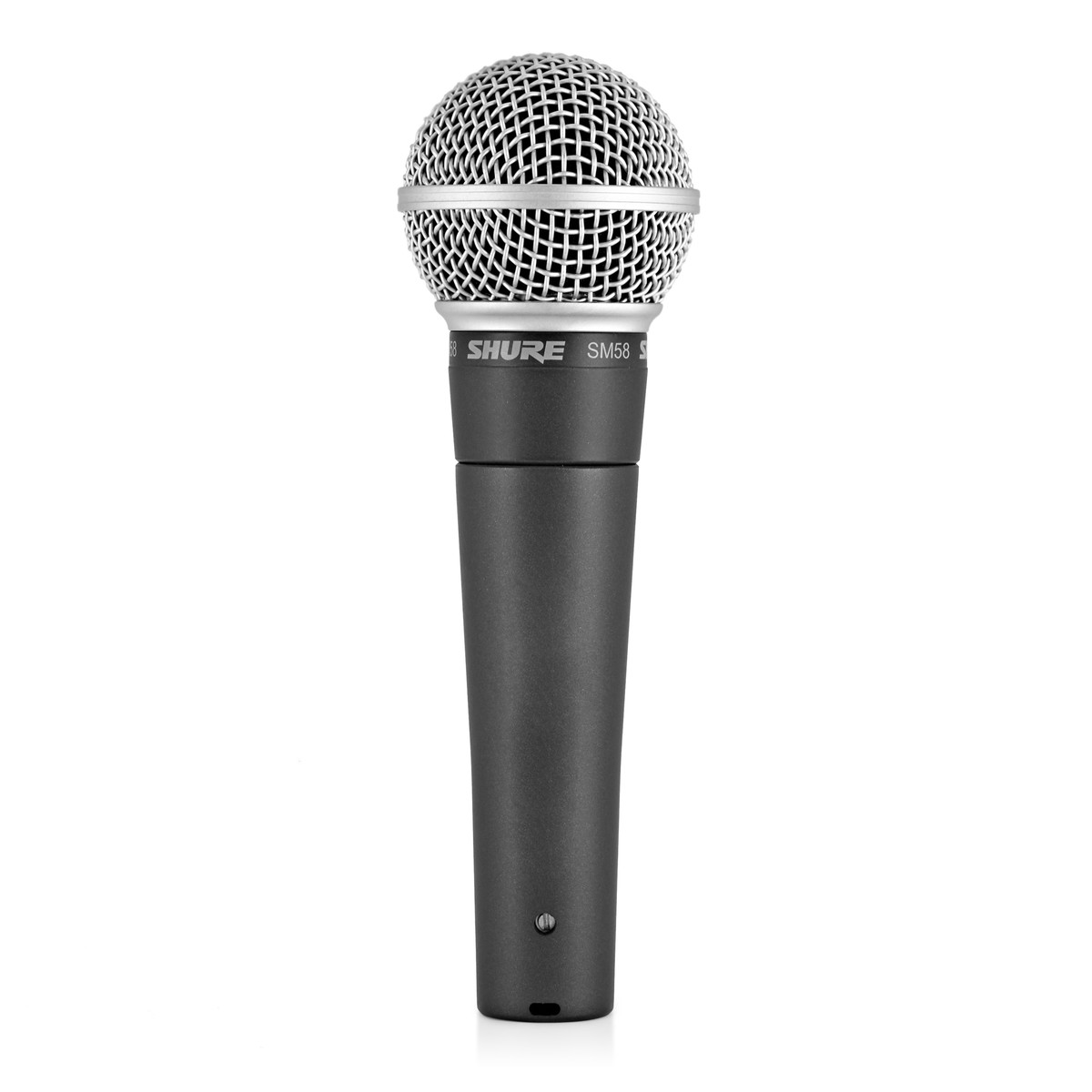
The SD-1 enters a market populated by industry standards such as the Shure SM7B and the Electro-Voice RE20. While it shares the large-body dynamic form factor of the RE20, it offers unique software integration through the Apollo ecosystem. Compared to standard live microphones like the Shure SM58 or Sennheiser e935, the SD-1 provides more sophisticated onboard frequency shaping and is geared more towards detailed studio capture and professional broadcasting.
Related gear
 £563.00 ($715)
Electro-Voice
Electro-Voice RE20 Dynamic Cardioid Microphone
 £148.75 ($189)
Sennheiser
Sennheiser e935 Dynamic Vocal Microphone
 £142.25 ($181)
Shure
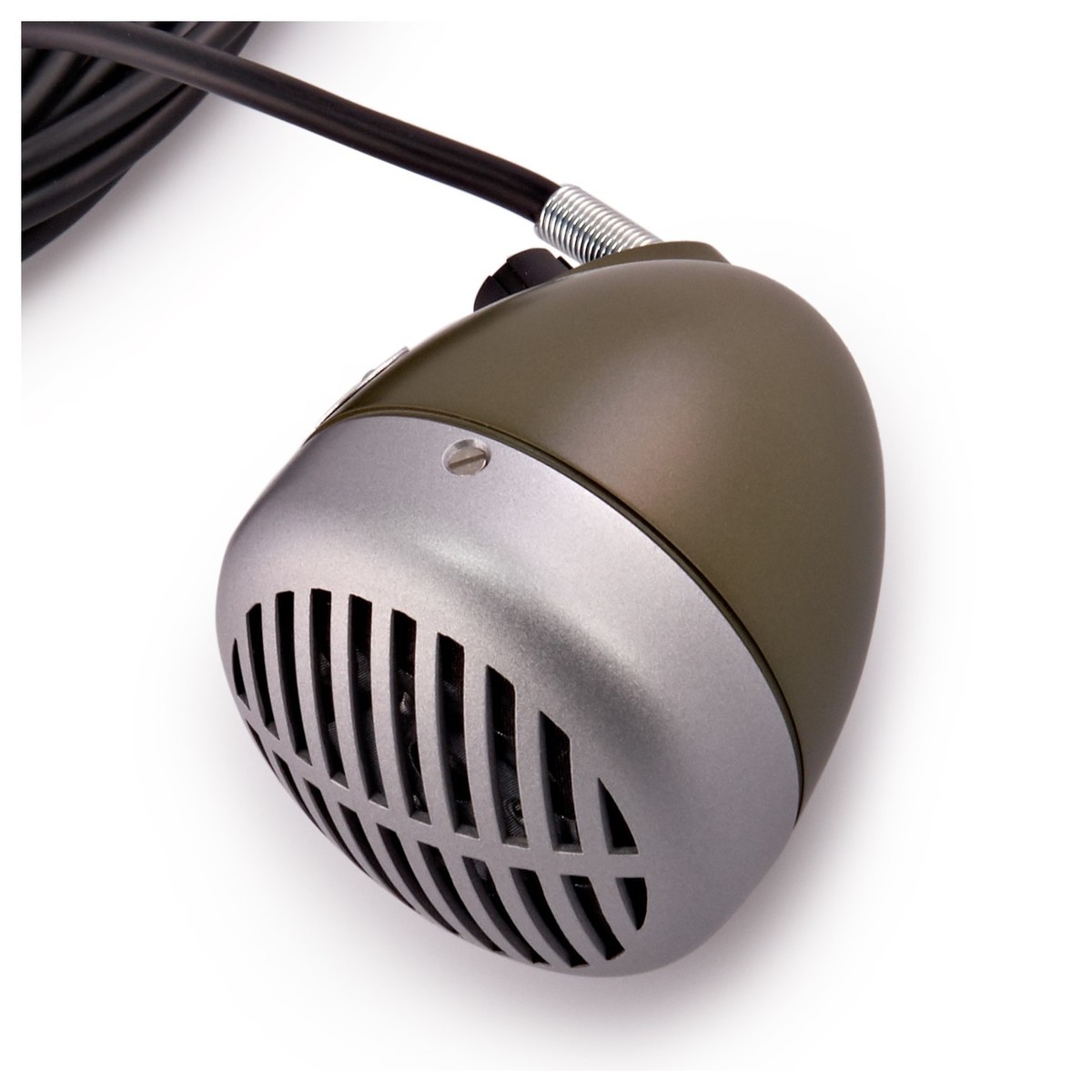
Shure 520DX Green Bullet Harmonica Microphone
 £161.50 ($205)
Shure
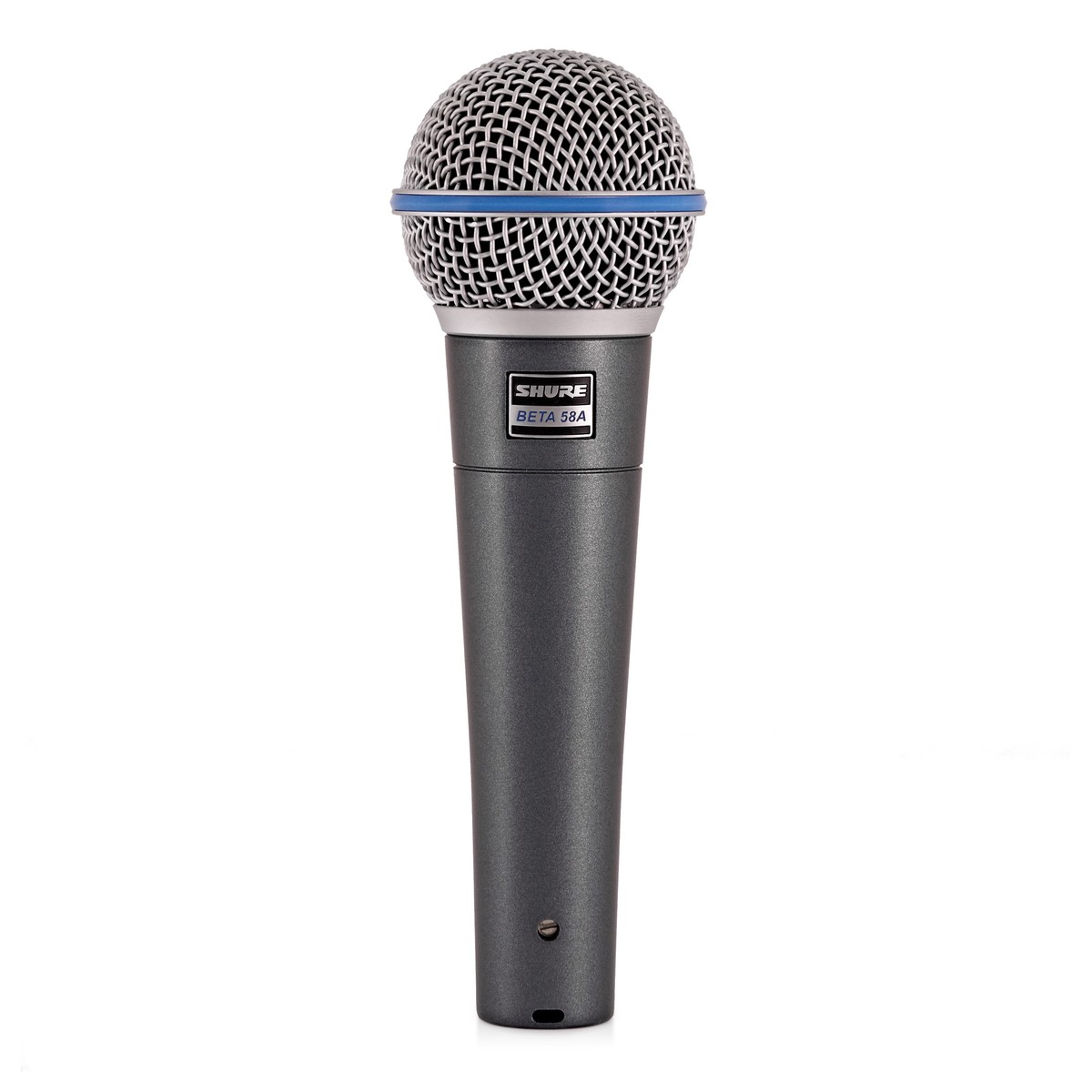
Shure Beta 58A Dynamic Microphone
 £259.00 ($329)
Shure
Shure SM58 Dynamic Cardioid Vocal Microphone
 £149.00 ($189)
Sennheiser
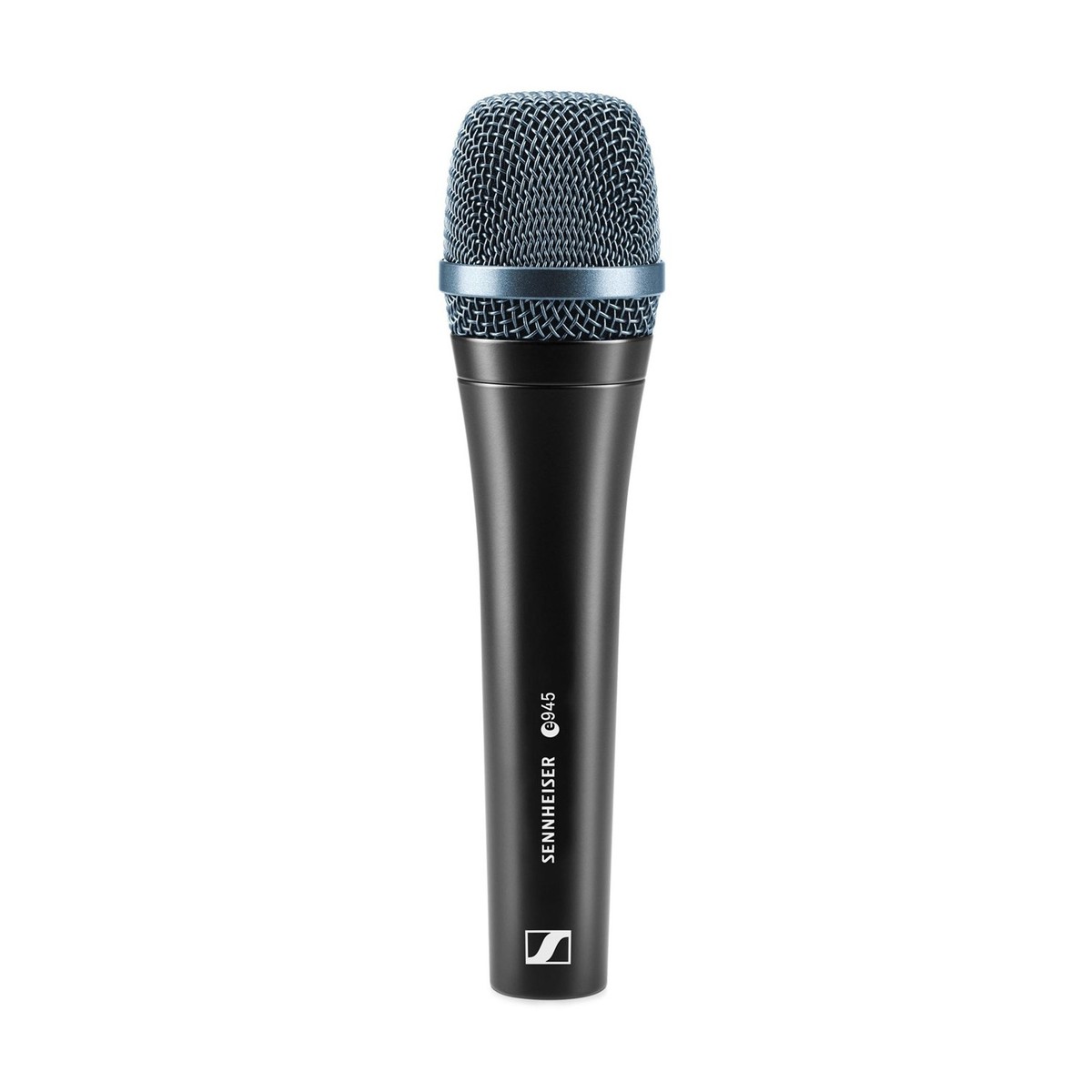
Sennheiser e945 Dynamic Vocal Microphone
 £103.50 ($131)
Shure
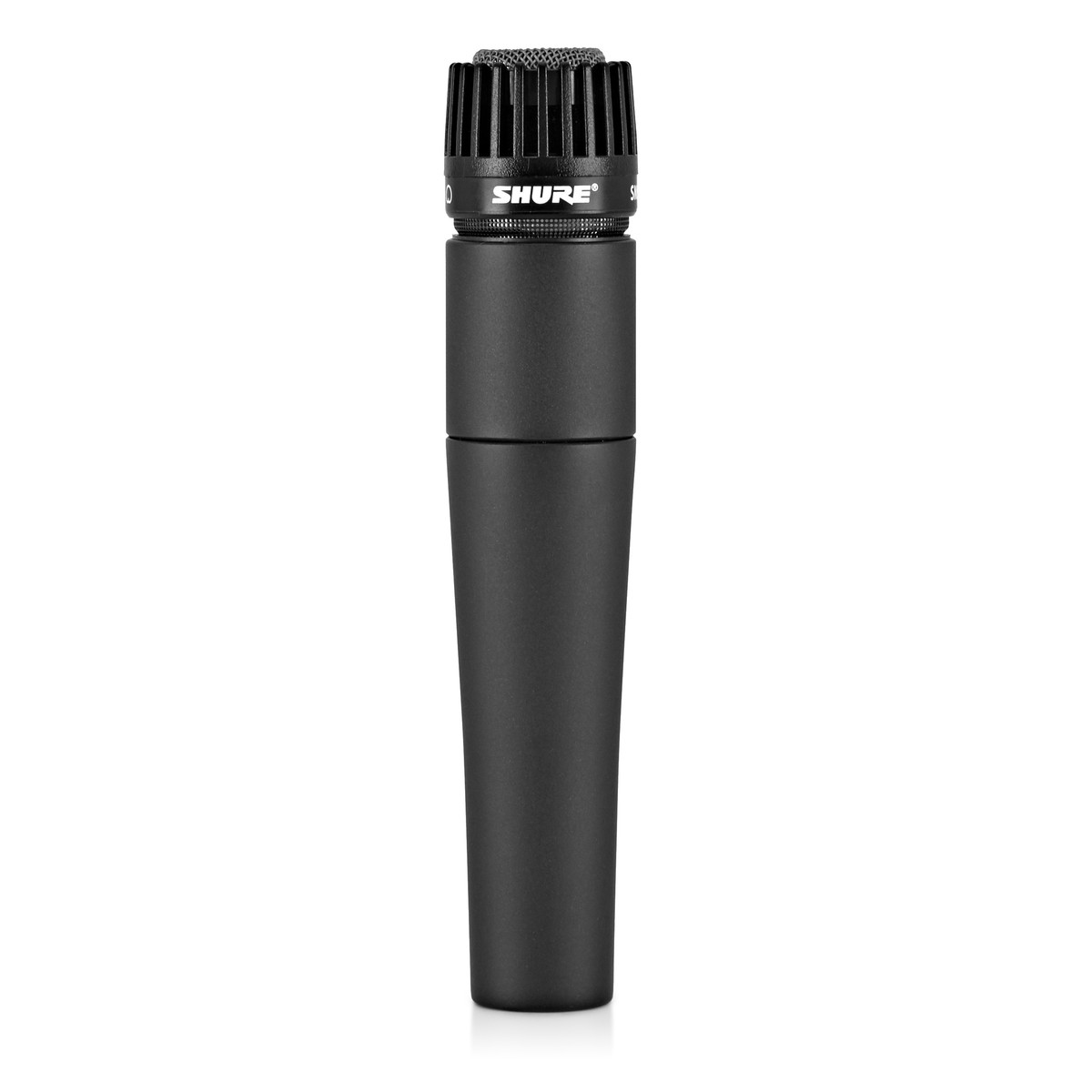
Shure SM57 Dynamic Instrument Microphone
 £1,080.00 ($1,372)
Sennheiser
Sennheiser MD 441-U Dynamic Supercardioid Microphone
Frequently asked questions
- What type of microphone is the Universal Audio SD-1?
- The SD-1 is a dynamic microphone, which means it uses a diaphragm, voice coil, and magnet to convert sound into an electrical signal. This design makes it robust and capable of handling high sound pressure levels.
- Does the SD-1 require phantom power?
- No, as a passive dynamic microphone, the SD-1 does not require 48V phantom power to operate. However, it can safely be connected to inputs where phantom power is engaged without damaging the microphone.
- What is the polar pattern of the SD-1?
- The SD-1 features a cardioid polar pattern. This heart-shaped pickup pattern is most sensitive to sound from the front and rejects sound from the rear, which helps reduce background noise.
- What are the switches on the back of the SD-1 for?
- The switches control a low-cut (high-pass) filter and a high-mid frequency boost. The low-cut helps remove rumble, while the high-mid boost increases clarity and presence.
- Can the SD-1 be used for podcasting?
- Yes, the SD-1 is specifically marketed for podcasters and broadcasters. Its cardioid pattern and frequency shaping switches make it ideal for capturing clear speech while ignoring room noise.
- How does the SD-1 connect to an audio interface?
- The microphone uses a standard 3-pin XLR connector. It can be connected to any audio interface or mixer using a standard XLR cable.
- What are Apollo Channel Strip Presets?
- These are software settings for Universal Audio Apollo interfaces designed to instantly configure the signal chain for the SD-1. They offer professional-grade EQ and compression settings tailored to the microphone.
- Is the SD-1 suitable for recording loud instruments like drums or guitar amps?
- Yes, its dynamic design allows it to handle loud sources effectively. It is particularly recommended by the manufacturer for recording guitar cabinets.
- Does the SD-1 come with a shock mount?
- The SD-1 features an integrated internal shock mount designed to reduce the transmission of floor and desk vibrations into the microphone signal.
- How does the SD-1 compare to the Shure SM7B?
- The SD-1 occupies a similar space as the SM7B but offers the advantage of specific integration with Universal Audio's Apollo ecosystem. It also features a built-in swivel mount and distinct frequency shaping options.
- What is the typical price of the Universal Audio SD-1?
- The SD-1 typically retails for approximately GBP 257. This positions it as a mid-to-high-range dynamic microphone for professional use.
- Can I use the SD-1 for live vocal performances?
- Yes, the SD-1 is suitable for live use. Its cardioid pattern helps prevent feedback, and its rugged construction is designed to withstand the rigours of the stage.