
Gear article
Universal Audio Volt 176 USB Audio Interface
The Universal Audio Volt 176 is a compact 1-in/2-out USB audio interface designed for musicians and producers seeking high-fidelity recording with built-in analogue signal processing. It features a unique 1176-style compressor circuit and a Vintage Mic Preamp mode inspired by the UA 610 tube preamplifier, offering professional-grade tone shaping in a portable format.
See live pricesOverview
The Universal Audio Volt 176 is a streamlined USB audio interface that prioritises audio fidelity and vintage-inspired analogue character. Designed for solo performers, vocalists, and mobile producers, it provides a simple 1-in/2-out layout capable of capturing audio at sample rates up to 192kHz. The unit is distinguished by its dedicated hardware buttons for signal processing, allowing users to apply compression and saturation during the tracking phase rather than relying solely on software plugins.
Vintage Mic Preamp Mode
One of the standout features of the Volt 176 is the Vintage Mic Preamp mode. This circuitry is derived from the classic Universal Audio 610 tube preamplifier, a staple in recording history. When engaged, this mode subtly sculpts the input signal to introduce warmth and harmonic saturation. This feature is particularly beneficial for recording vocals and acoustic instruments, providing a polished, record-ready sound directly at the input stage.
Integrated 76 Compressor
The '176' designation refers to the unit's integrated analogue compressor circuit, which is based on the legendary UA 1176 Limiting Amplifier. This hardware-based processing allows users to add punch, weight, and dynamic control to their tracks before they reach the Digital Audio Workstation (DAW). By handling dynamic processing within the interface, the Volt 176 reduces the CPU load on the host computer and simplifies the mixing process later on.
Sound Character and Performance
The Volt 176 is designed for 'best-in-class' audio fidelity, utilizing 24-bit processing to capture performances in immense detail. Its sonic character is versatile; while the base preamps are pristine and transparent, the selectable Vintage and 76 Compressor modes allow for a more coloured, analog-style response. This combination makes it suitable for a wide range of genres where both clarity and character are required.
Target Audience and Applications
This interface is primarily aimed at singer-songwriters, podcasters, and livestreamers who require a high-quality single-input solution. Its compact form factor makes it an ideal portable interface for recording on the go. Because it simplifies the signal chain by including built-in compression and preamp emulation, it is well-suited for beginners who want professional results without a complex setup, as well as experienced pros needing a reliable travel rig.
Comparison to Alternatives
When compared to other interfaces in its class, such as the Focusrite Scarlett 2i2 (4th Gen) or the MOTU 10Pre, the Volt 176 stands out for its specific focus on analogue-style hardware processing. While the Behringer U-PHORIA UMC202HD and M-Audio M-Track Solo offer more budget-conscious entry points, they lack the specific 1176-style compression and 610-style preamp emulations found in the UA unit. It competes closely with the Tascam US-2x2HR and Blackstar Polar 4 in terms of build quality and sample rate capabilities, but retains a unique position due to its heritage UA sound circuits.
Related gear
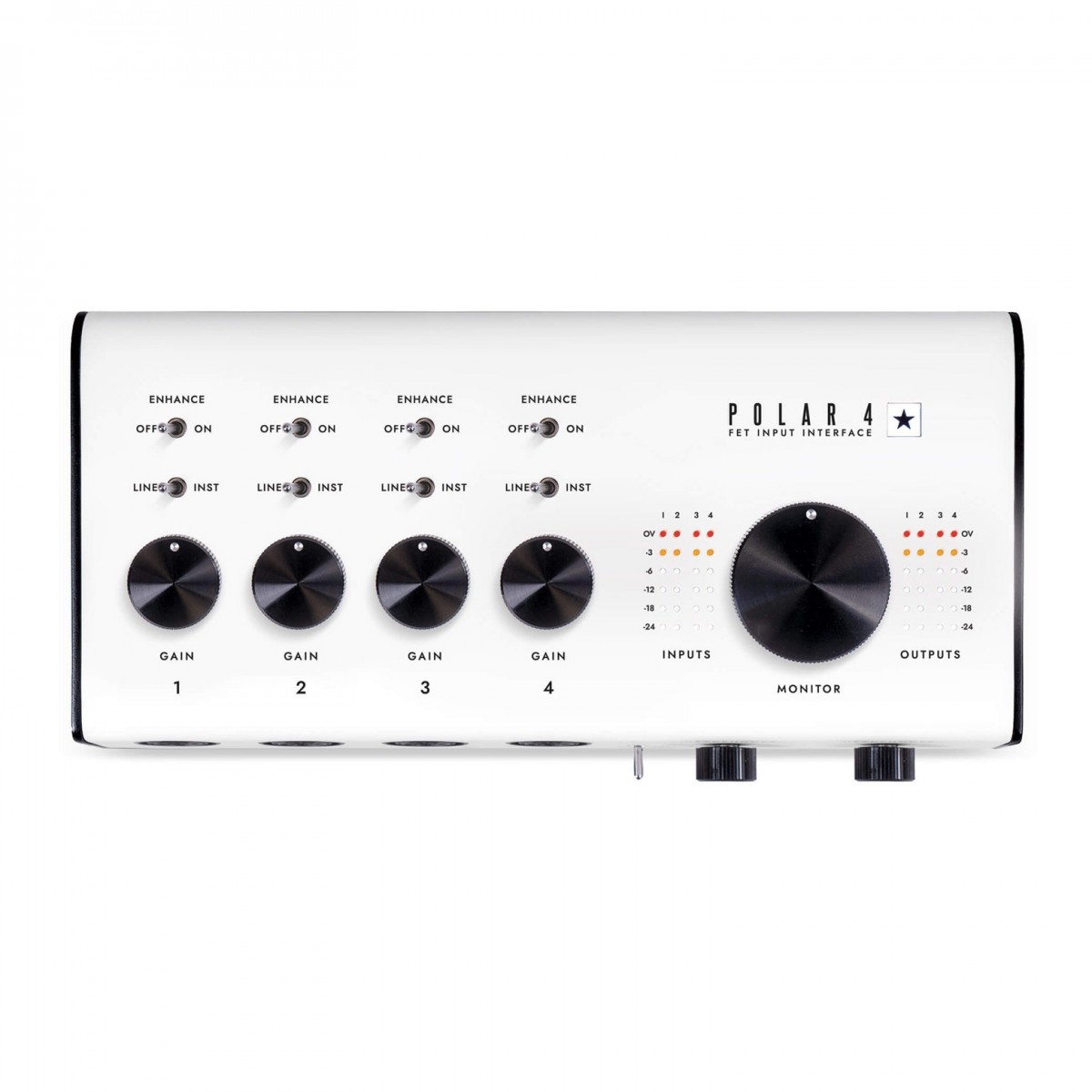 £319.00 ($405)
Blackstar
Blackstar Polar 4 Audio Interface
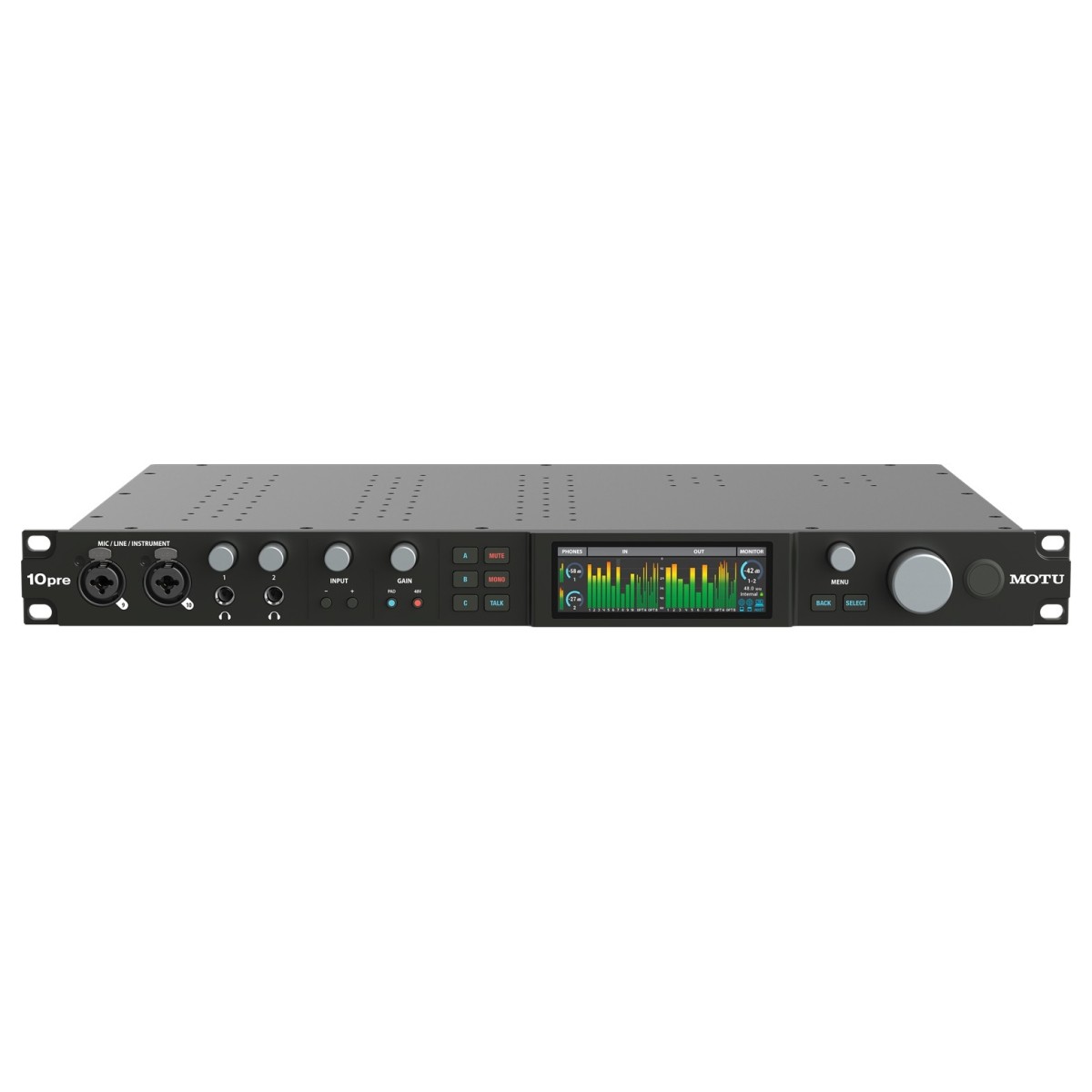 £1,499.00 ($1,904)
Motu
MOTU 10Pre USB/Thunderbolt Audio Interface
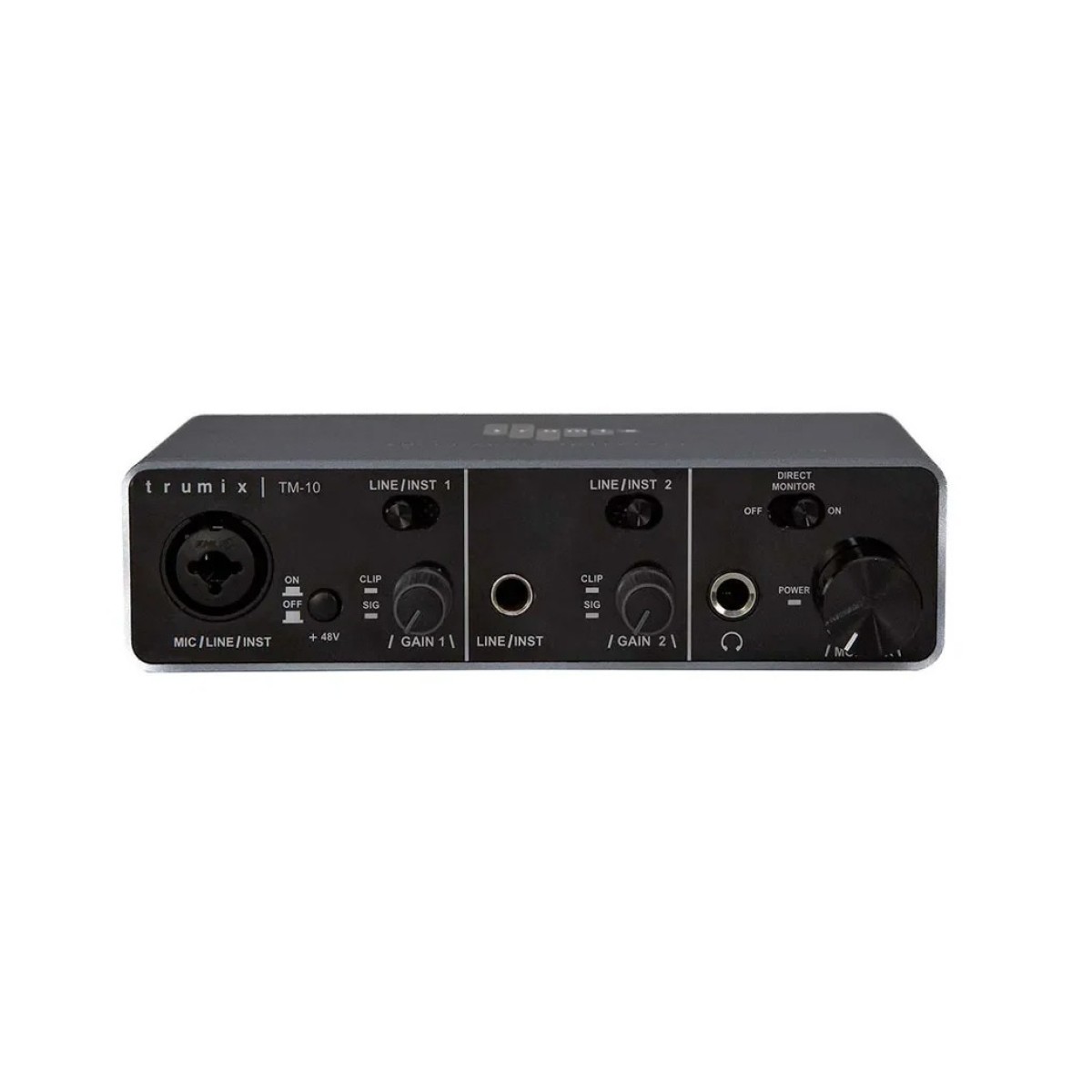 £39.99 ($51)
Trumix
Trumix TM-10 USB Audio Interface
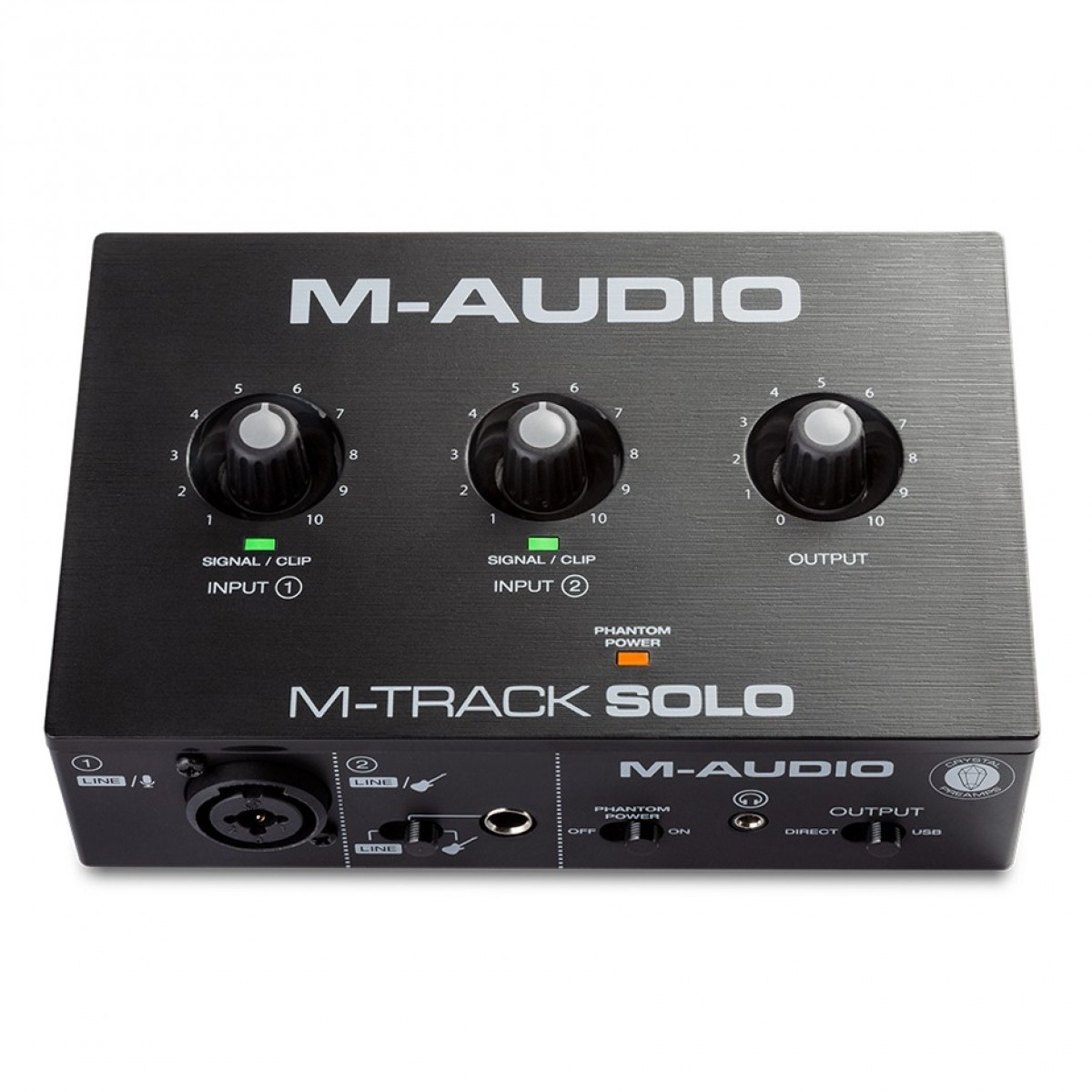 £40.80 ($52)
M-Audio
M-Audio M-Track Solo 2 Channel USB Interface
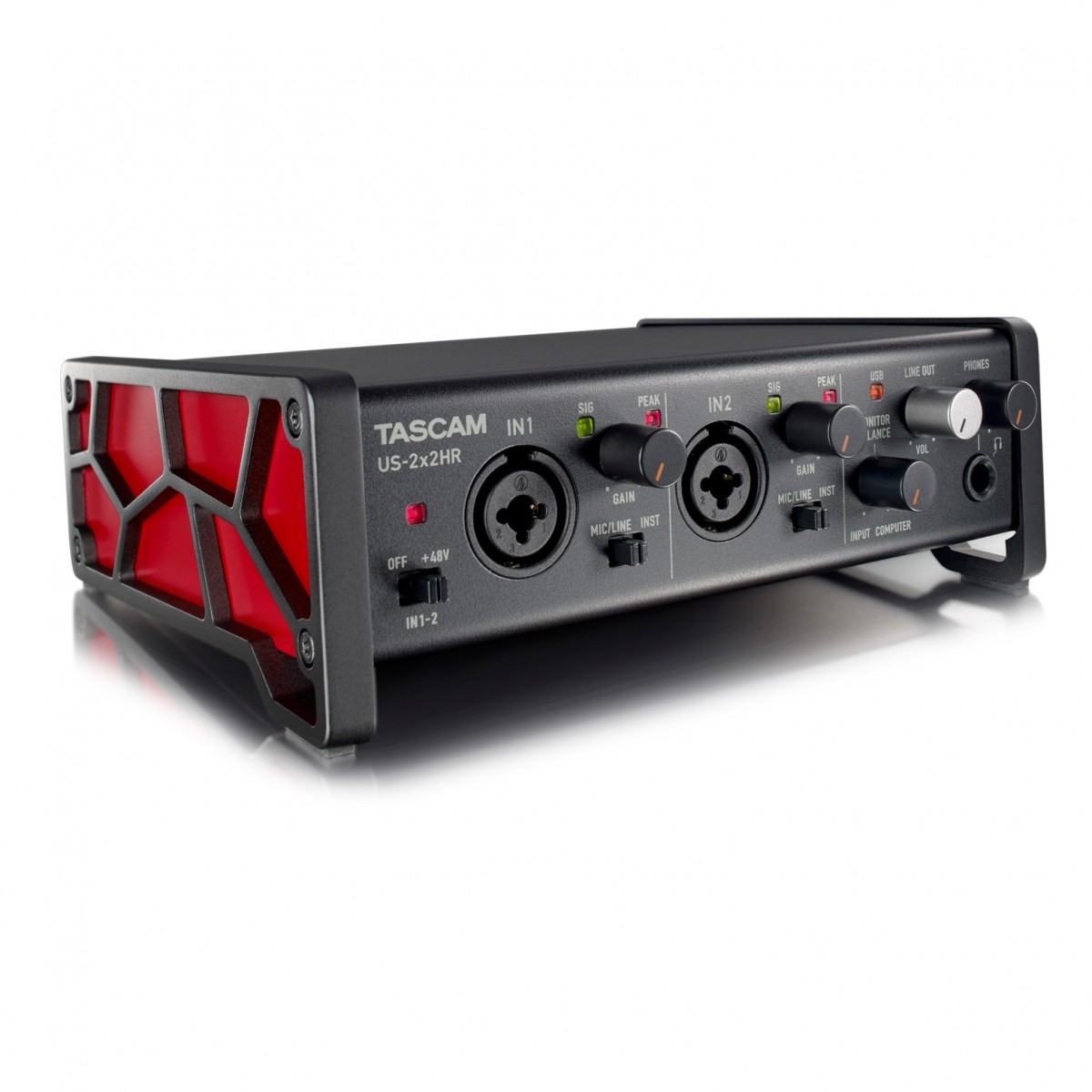 £135.00 ($171)
Tascam
Tascam US-2x2HR USB Audio Interface
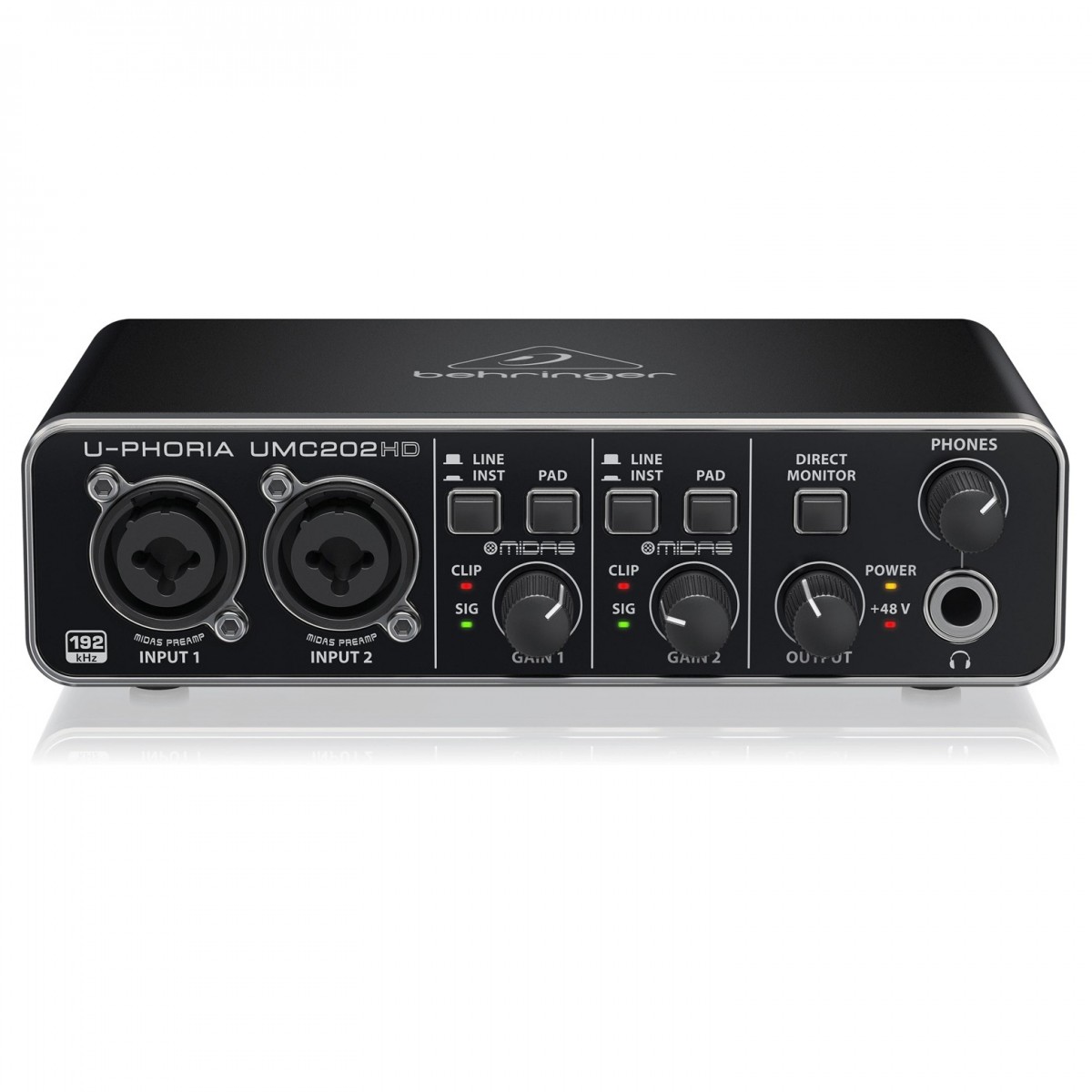 £57.10 ($73)
Behringer
Behringer U-PHORIA UMC202HD USB Audio Interface
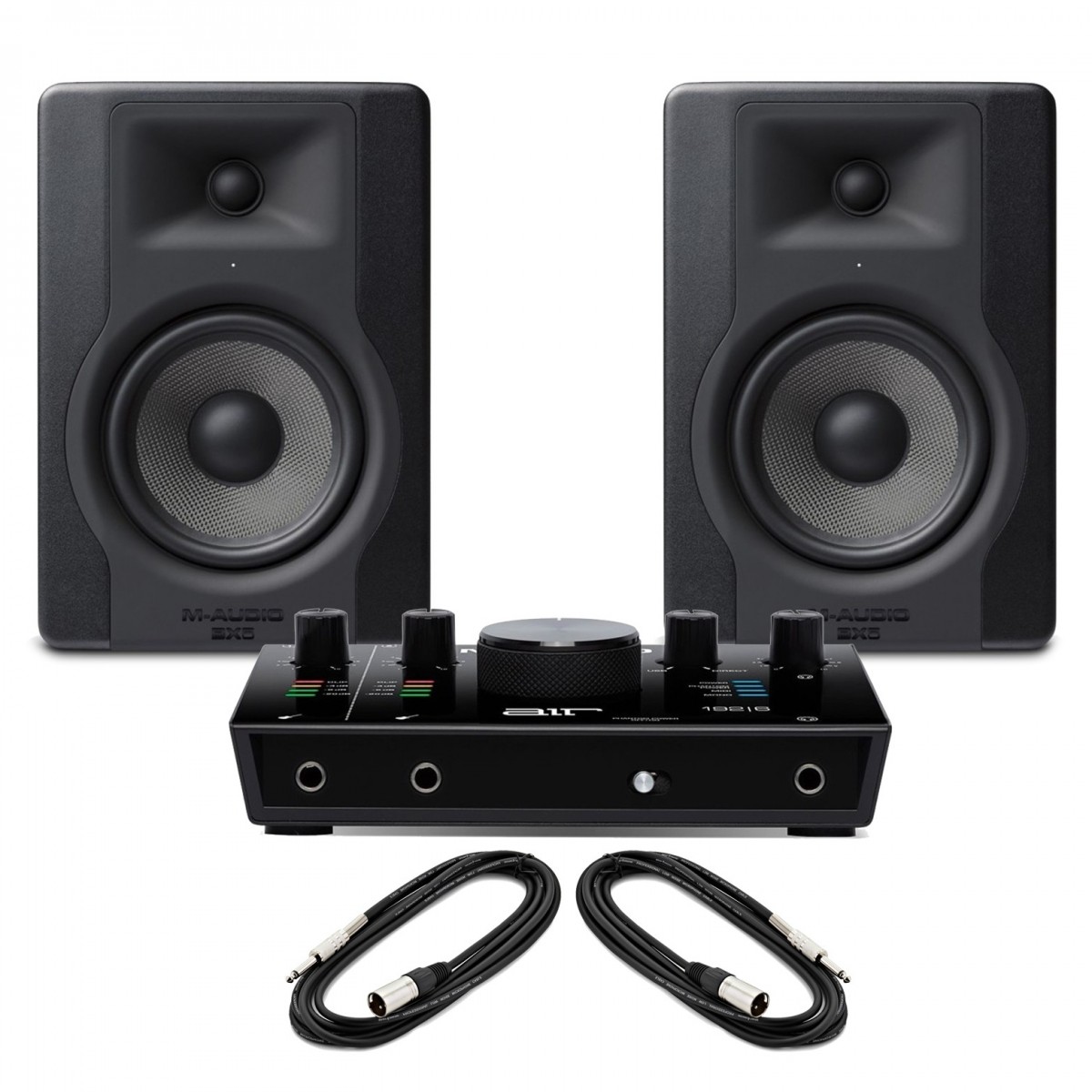 £299.00 ($380)
M-Audio
M-Audio AIR 192 6 Audio Interface and BX5-D3 Monitor Bundle
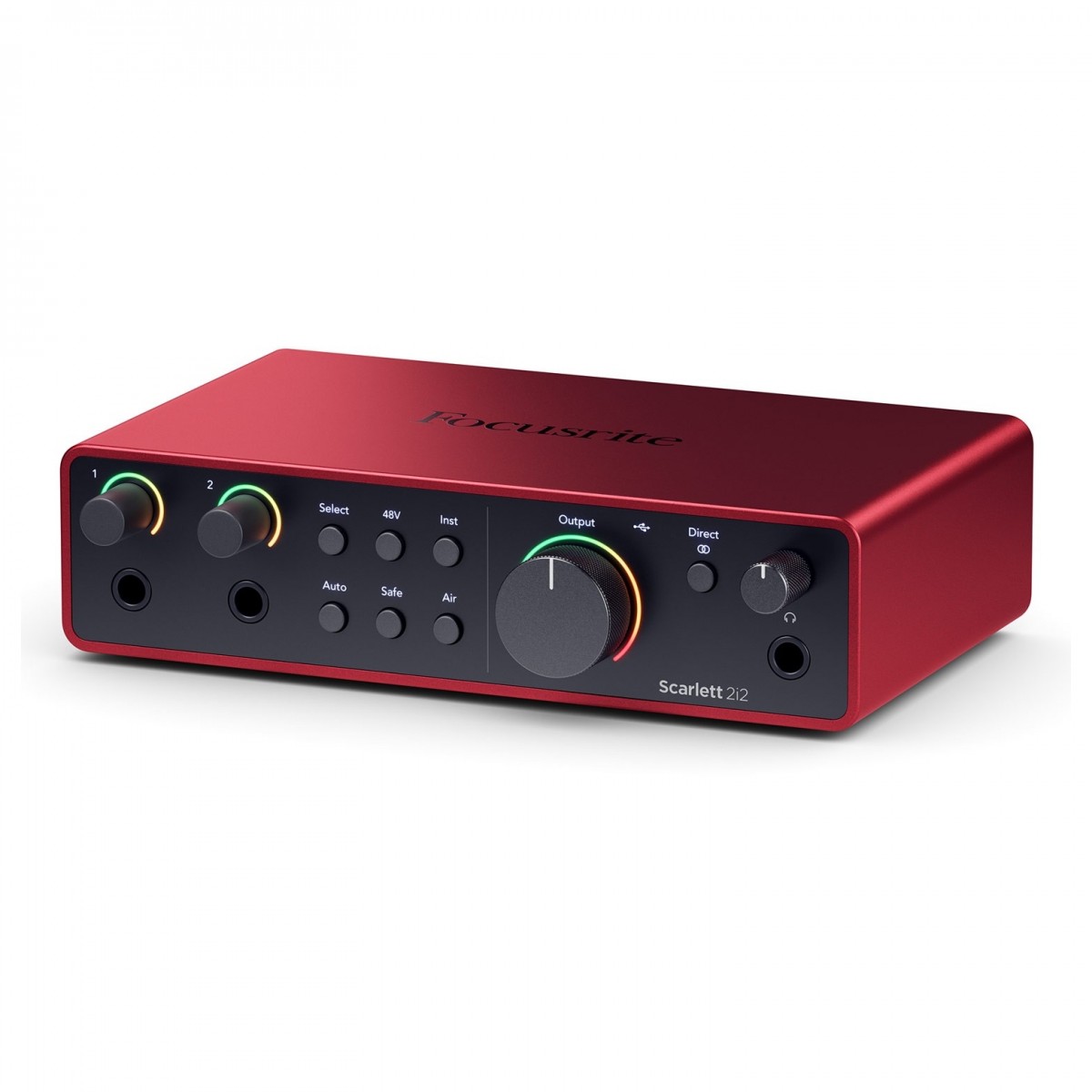 £315.00 ($400)
Focusrite
Focusrite Scarlett 2i2 4th Gen Audio Interface
Frequently asked questions
- What is the maximum sample rate of the Volt 176?
- The Volt 176 supports high-resolution audio recording with a maximum sampling frequency of 192kHz at 24-bit depth.
- How many inputs does the Volt 176 have?
- It features a single input, making it a 1-in/2-out interface designed for mono recording sources like a single microphone or instrument.
- What does the '76 Compressor' button do?
- This button engages an integrated analogue circuit based on the UA 1176 compressor, adding punch and weight to the signal during the recording process.
- What is Vintage Mic Preamp mode?
- It is a selectable circuit that emulates the sound of a vintage UA 610 tube preamp, adding warmth and subtle saturation to the input signal.
- Does the Volt 176 require an external power supply?
- The Volt 176 is a USB audio interface, typically drawing power from the host computer's USB port, though it may require external power depending on the connected device's capabilities.
- Can I use the compressor and vintage mode at the same time?
- Yes, both the Vintage Mic Preamp mode and the 76 Compressor can be engaged simultaneously to shape the tone of your recording.
- Is the Volt 176 compatible with both Mac and PC?
- Yes, as a standard USB audio interface, it is designed to work with both macOS and Windows operating systems within various DAWs.
- What kind of connection does it use for the computer?
- The device uses a USB connection to interface with your computer for both data transfer and bus power.
- How does the built-in compressor help with computer performance?
- By processing the signal with analogue hardware before it reaches the DAW, it reduces the need for CPU-intensive software compressor plugins during mixing.
- What is the typical price for a Volt 176?
- The typical price range for the Universal Audio Volt 176 is approximately GBP 139.
- Who is the Volt 176 best suited for?
- It is ideal for solo musicians, vocalists, and content creators who need a portable, high-quality interface with built-in character processing.
- Does it have phantom power for condenser microphones?
- Yes, like most professional interfaces, it provides the necessary phantom power required to operate condenser microphones.