
Gear article
Vandoren 5RV Profile 88 Bb Clarinet Mouthpiece (13 Series)
The Vandoren 5RV Profile 88 13 Series is a professional-grade ebonite mouthpiece designed for Bb clarinetists requiring precise tuning at the A=440Hz pitch standard. It features a medium-short facing and a closed tip opening to facilitate a focused, controlled tone and efficient airflow for ensemble playing.
See live pricesOverview
The Vandoren 5RV Profile 88 13 Series is a specialized variant of the classic 5RV design, tailored for specific ergonomic and pitch requirements. As part of the '13 Series', this mouthpiece is specifically tuned to the American pitch standard of A=440Hz, differing from the standard European A=442Hz tuning. It is constructed from high-quality ebonite, a vulcanised hard rubber preferred by professional clarinetists for its stability and resonant properties.
The 5RV designation indicates a mouthpiece with a relatively closed tip opening and a medium-short facing. This combination is engineered to provide the player with significant control over their intonation and a centred, reliable sound across all registers of the instrument.
The Profile 88 Beak
A defining characteristic of this model is the 'Profile 88' beak design. Unlike standard mouthpieces, the Profile 88 features a shallower exterior angle on the beak. This modification allows the player to maintain a flatter, more natural embouchure. This design choice is particularly beneficial for musicians who find standard beak angles uncomfortable, as it can help reduce jaw fatigue and improve ease of articulation during extended practice or performance sessions.
Performance and Response
The technical specifications of the 5RV 13 Series focus on efficiency and precision:
- Tip Opening: The more closed opening requires less physical effort to move air through the instrument, aiding in a more controlled and focused tonal delivery.
- Facing: The medium-short facing ensures a quick and direct response. This allows notes to 'speak' immediately, facilitating clean staccato and rapid technical passages.
- Tonal Core: The ebonite construction provides a stable and consistent tonal core, ensuring that the sound remains uniform even as dynamics shift.
Target Audience
This mouthpiece is ideally suited for ensemble players, particularly those in orchestral or wind band settings where blending and precise intonation are paramount. Its design encourages a stable sound that does not 'spread' excessively, making it easier to maintain pitch consistency. It is a popular choice for advancing students and professionals who prefer a lower-profile feel and a concentrated, traditional clarinet sound.
Comparisons and Accessories
When compared to alternatives like the Yamaha 6C Eb mouthpiece or standard A=442Hz Vandoren models, the 13 Series stands out for its specific A=440Hz voicing. While it provides a reliable foundation, performance can be further refined by pairing it with high-quality accessories such as the Vandoren M/O Gold-Plated Ligature. For reed selection, players often look to options like D'Addario Royal or Mitchell Lurie Organic reeds to complement the 5RV's response characteristics.
Related gear
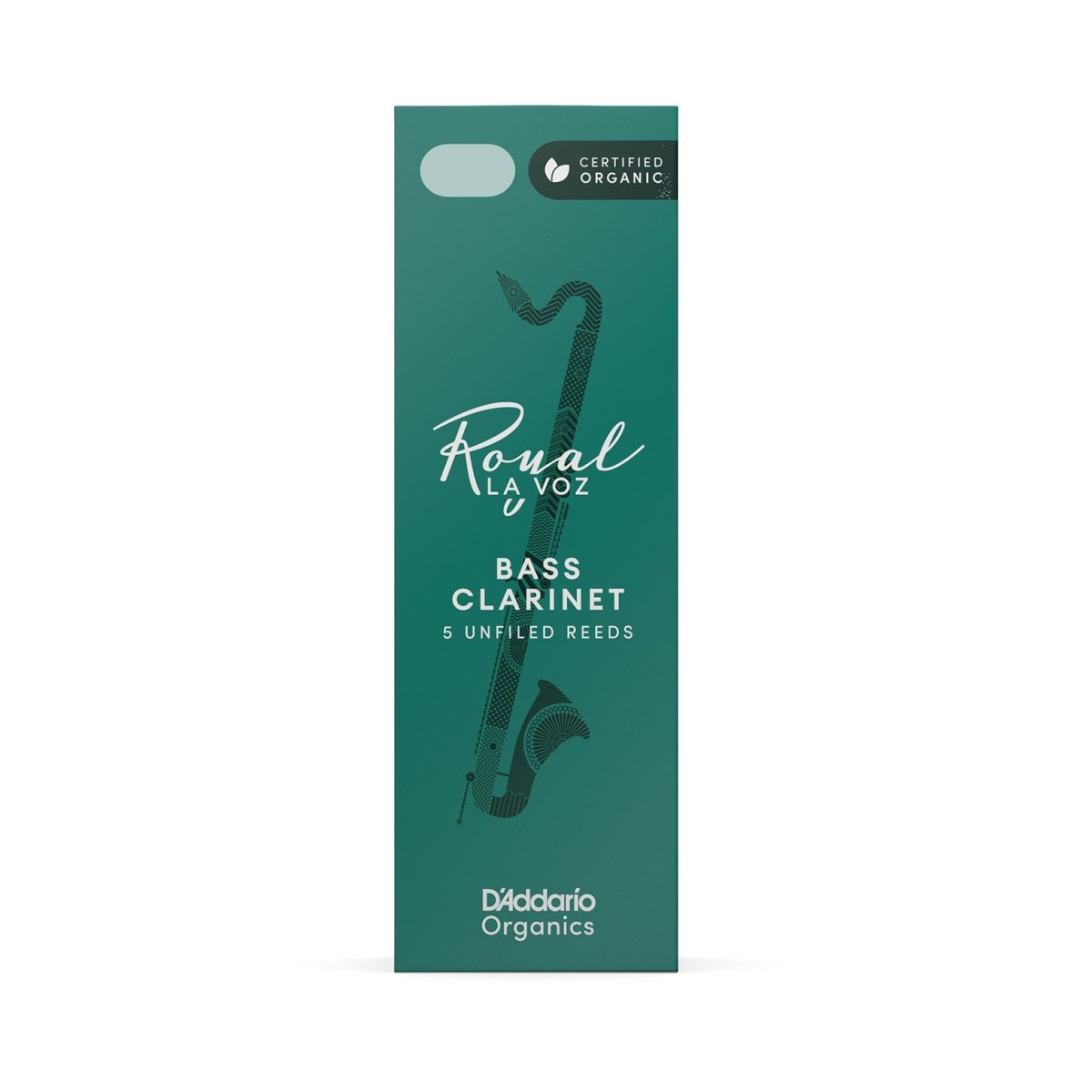 £18.35 ($23)
Daddario
DAddario Royal La Voz Organic Bass Clarinet Reeds Hard (5 Pack)
 £220.00 ($279)
Tascam
Tascam DR-70D Professional Recorder for DSLR
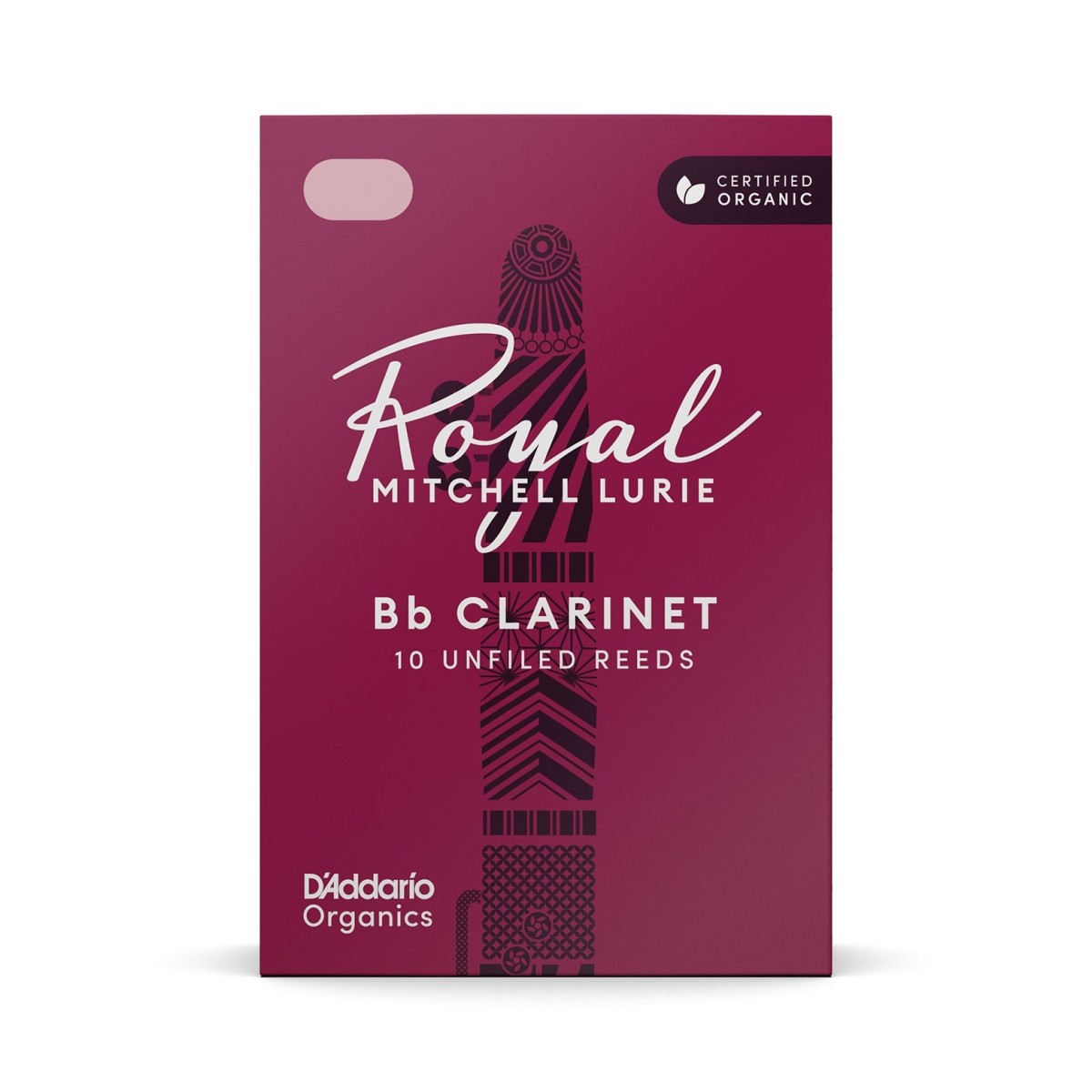 £19.90 ($25)
Daddario
DAddario Royal Mitchell Lurie Organic Bb Clarinet Reeds 1.5 (10 Pack)
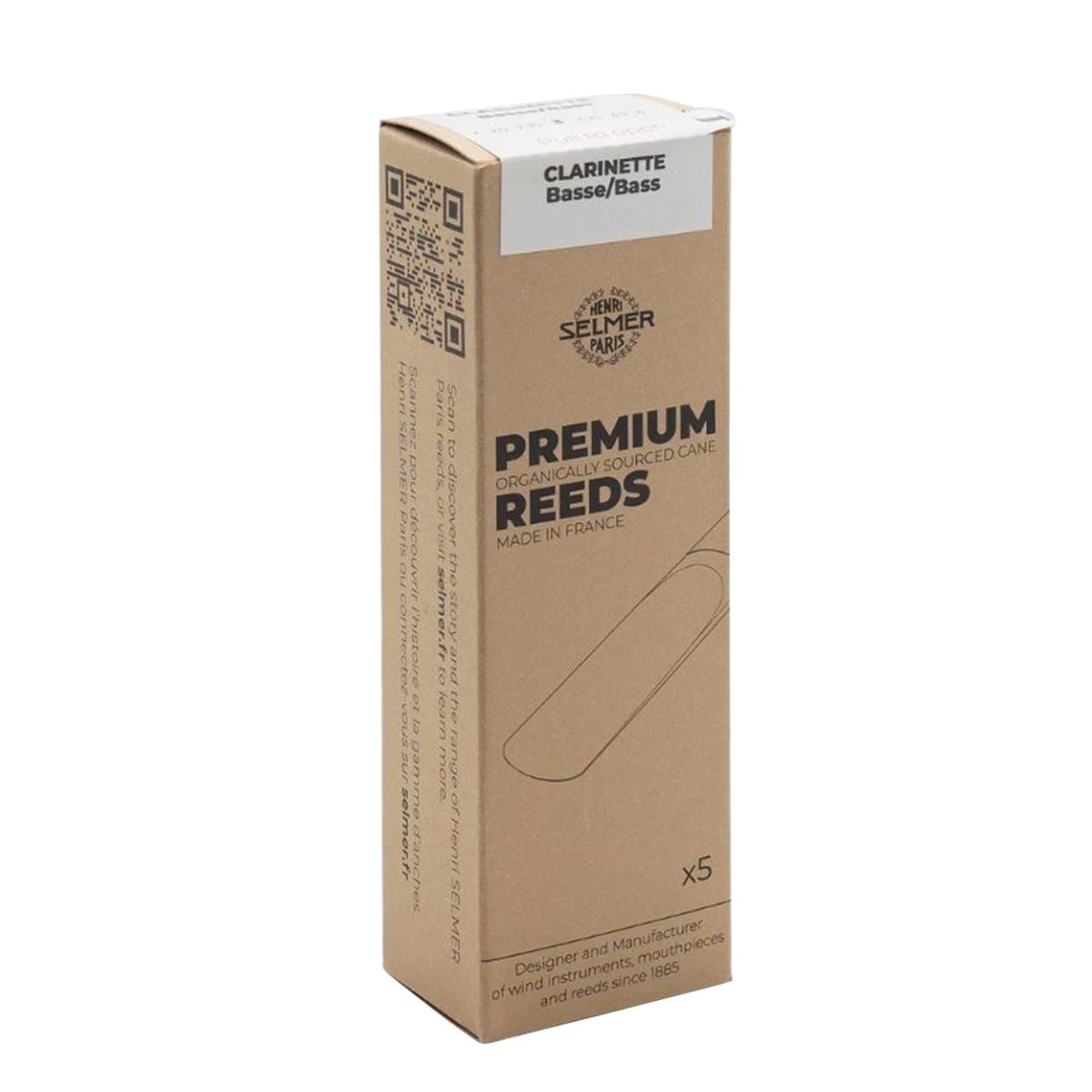 £22.00 ($28)
Selmer Paris
Selmer Paris Bass Clarinet Reeds 3.25 (5 Pack)
 £5.99 ($8)
Percussion Plus
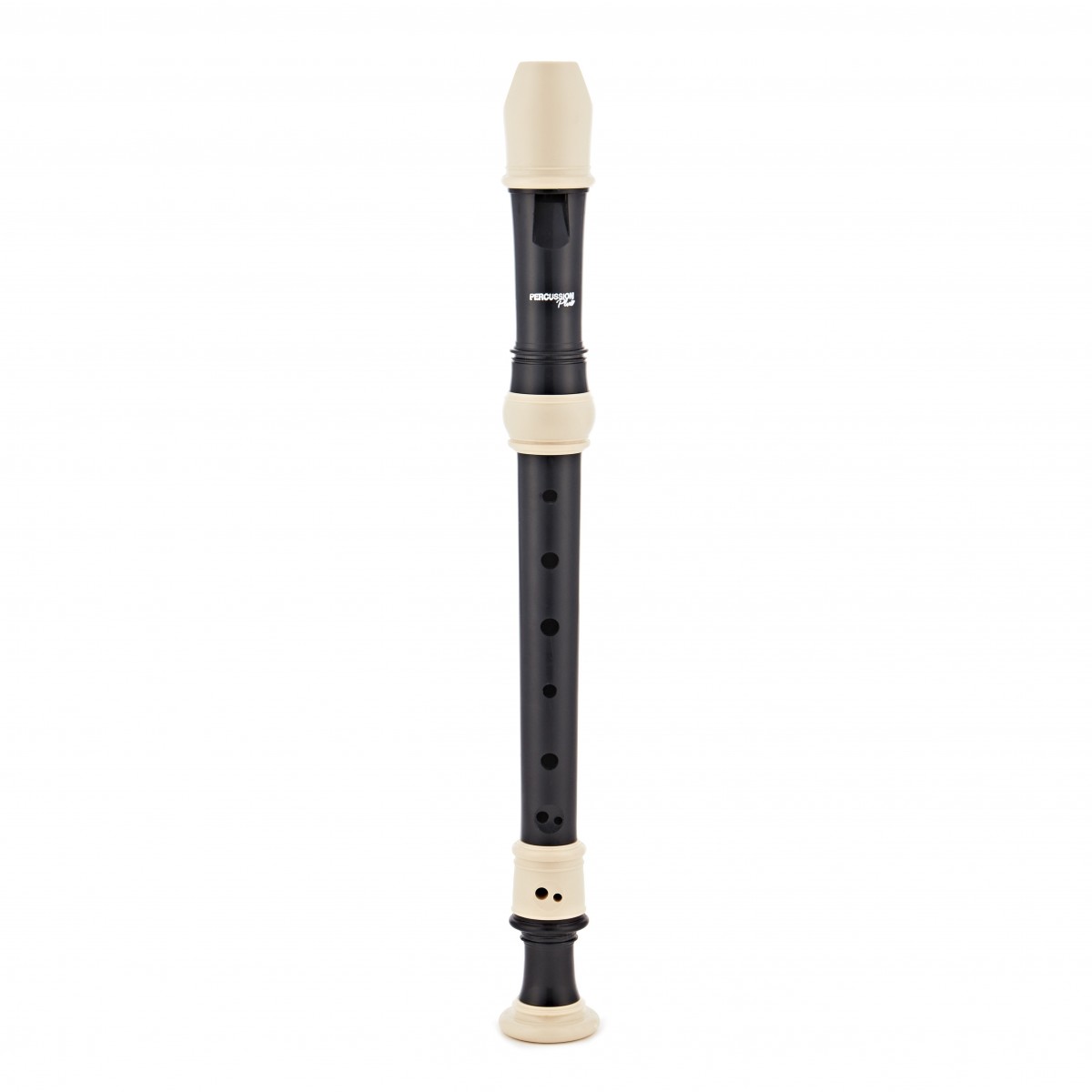
Percussion Plus PP993 Recorder Descant C
 £82.60 ($105)
Vandoren
Vandoren M/O Clarinet Bb Ligature Plated Gold M/O with Plastic Cap
 £45.00 ($57)
Yamaha
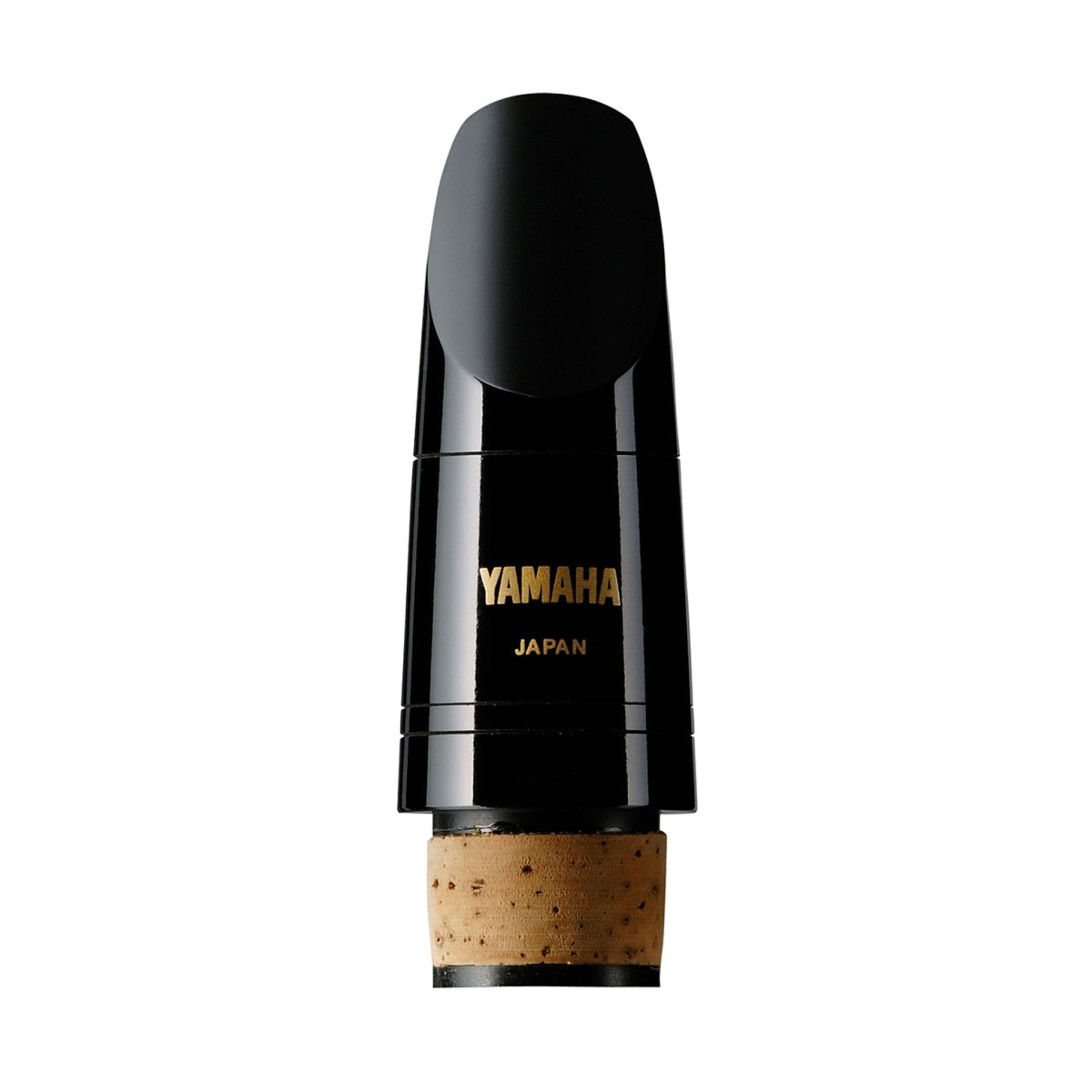
Yamaha 6C Eb Clarinet Mouthpiece
 £40.00 ($51)
BG
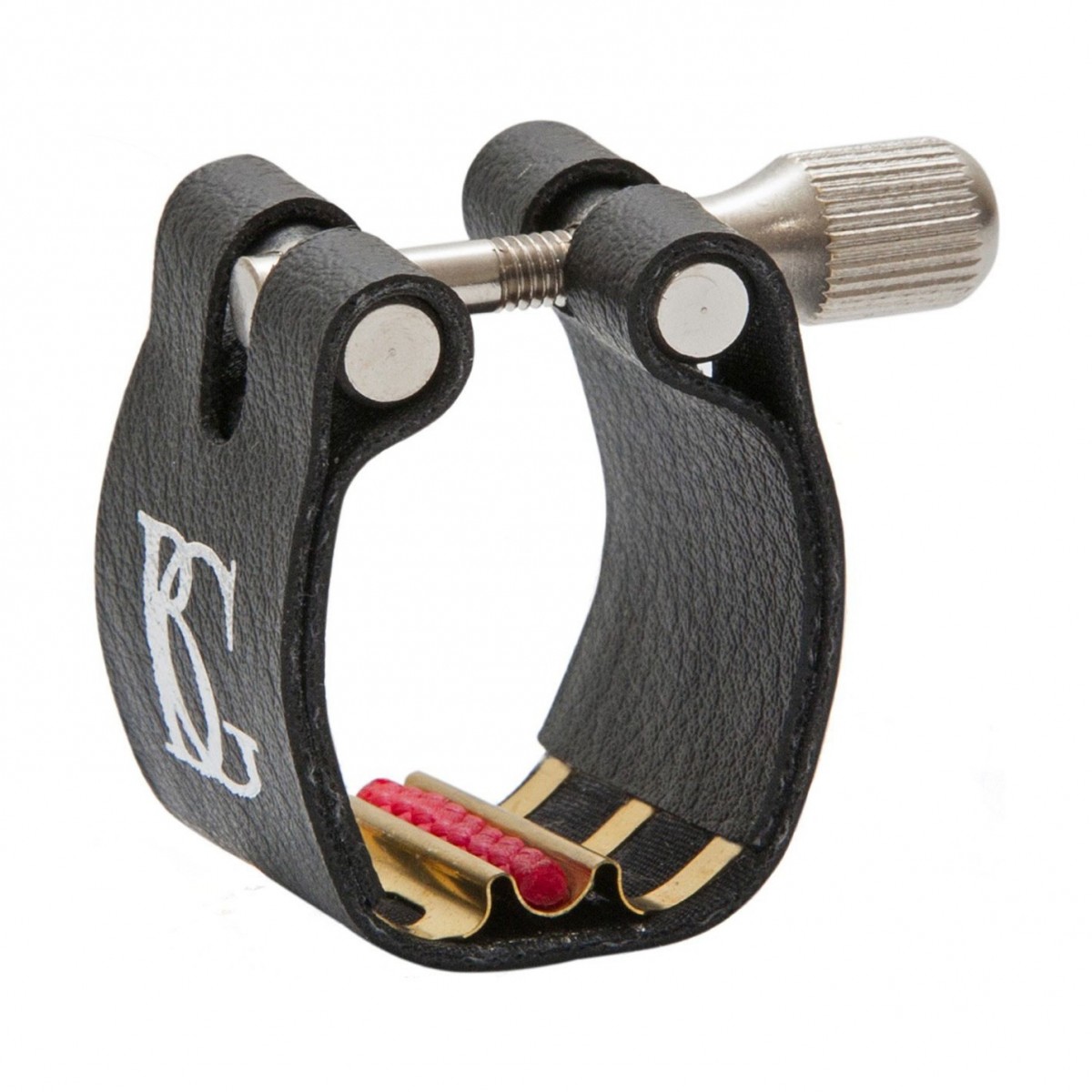
BG Eb Clarinet Revelation Ligature
Frequently asked questions
- What does the '13 Series' signify for this mouthpiece?
- The 13 Series indicates that the mouthpiece is specifically tuned to the A=440Hz pitch standard, which is common in American orchestral settings, rather than the standard A=442Hz.
- What is the difference between Profile 88 and a standard Vandoren beak?
- The Profile 88 has a shallower exterior angle on the beak. This provides a flatter embouchure profile, which some players find more comfortable and less fatiguing.
- What type of tip opening does the 5RV have?
- The 5RV features a more closed tip opening. This design supports a focused sound and makes it easier for the player to maintain control over the air stream.
- What material is the Vandoren 5RV made from?
- It is manufactured from ebonite, which is a high-quality vulcanised hard rubber known for its tonal stability and durability.
- How does the facing length affect the playing experience?
- The 5RV has a medium-short facing, which provides a very quick and direct response. This allows notes to speak cleanly and aids in precise articulation.
- Is this mouthpiece suitable for beginners?
- While it is a professional-grade mouthpiece, its controlled nature and ease of response make it an excellent choice for advancing students who need better intonation.
- How does this mouthpiece help with ensemble playing?
- The focused tone and dependable tuning at A=440Hz make it easier for the player to blend with other instruments and maintain steady intonation.
- Does the Profile 88 design change the sound of the mouthpiece?
- The internal dimensions remain similar to the standard 5RV, so the primary difference is in the ergonomic feel and embouchure angle rather than the core sound.
- What is the typical price range for this model?
- In the UK market, this mouthpiece is typically priced at approximately £111.00.
- Can I use standard Bb clarinet reeds with this mouthpiece?
- Yes, it is designed for Bb clarinet and works well with various reeds, including Vandoren, D'Addario Royal, or Mitchell Lurie Organic series.
- Does the mouthpiece come with a ligature?
- Standard packages usually include the mouthpiece only. Accessories like the Vandoren M/O Gold-Plated Ligature are typically purchased separately.
- Why would a player choose the 5RV over a more open mouthpiece?
- A player would choose the 5RV for its superior control and 'centred' sound, which is often harder to achieve on mouthpieces with wider tip openings.