
Gear article
Vandoren Traditional Baritone Saxophone Reeds
The Vandoren Traditional Baritone Saxophone Reeds are professional-grade cane reeds designed for versatility across all musical genres. They are distinguished by a specific cut featuring a thin tip and a thick heart, intended to provide a dark tonal profile with rapid articulation response.
See live pricesOverview and Design
The Vandoren Traditional reed, often referred to in the industry as 'Blue Box' reeds, is one of the most widely utilised reed models for the baritone saxophone. This specific variant is supplied in a strength of 3 and sold in packs of five. The design is characterised by a unique geometry where the tip of the reed is the thinnest in the Vandoren range, while the 'heart'—the centre section leading to the bark—is at its thickest. This structural balance is engineered to provide stability in the upper register while maintaining a quick response at the lower end of the instrument's range.
Tonal Character and Response
The sound profile of the Traditional series is described as dark and full-bodied. Because of the thicker heart, the reed offers significant core and resistance, which helps maintain pitch stability and tonal focus during demanding passages. Despite this density, the thin tip allows for immediate vibration, enabling crisp articulation and a 'quick response' that is essential for the low-register agility required of baritone saxophonists. These characteristics make it suitable for a wide variety of playing styles, from classical and concert band to jazz ensembles.
Manufacturing and Packaging
Vandoren utilises airtight packaging for each individual reed to ensure they remain 'fresh' until the moment of use. This environmental control prevents fluctuations in humidity from affecting the cane during transit and storage, ensuring that the reeds arrive in the same condition they left the factory. This is particularly beneficial for baritone reeds, which, due to their large surface area, can be more susceptible to warping if exposed to varied climates.
Comparison and Suitability
While the Traditional series is often the standard choice for beginners due to its consistency, its depth of tone makes it a staple for professional orchestral and solo players. Compared to alternatives like the Vandoren Java series—which is often brighter and more flexible for contemporary styles—the Traditional reed provides a more grounded, classical sound. When paired with a professional instrument such as the Yamaha YBS480 or a specialised mouthpiece like the JodyJazz Super Jet, the strength 3 reed provides the necessary resistance for controlled, high-volume performance.
Related gear
 £21.80 ($28)
Daddario
DAddario Organic Select Jazz Unfiled Tenor Sax Reeds 4H (5 Pack)
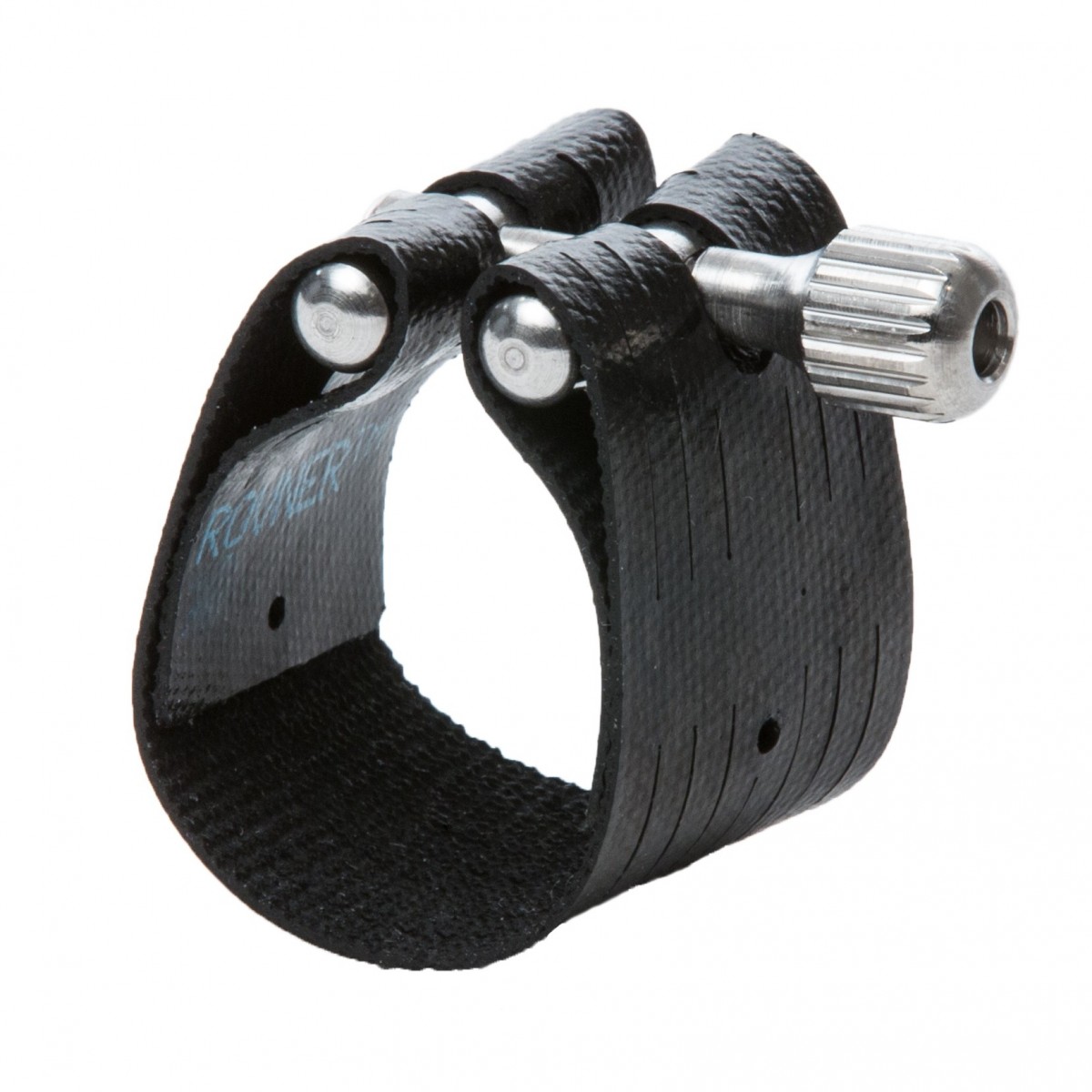 £31.00 ($39)
Rovner
Rovner 3RL Dark Bass Clarinet/Saxophone Ligature and Cap
 £22.40 ($28)
Vandoren
Vandoren Java Tenor Saxophone Reeds 1.5 (5 Pack)
 £25.25 ($32)
Daddario
DAddario Organic Select Jazz Filed Alto Sax Reeds 4M (10 Pack)
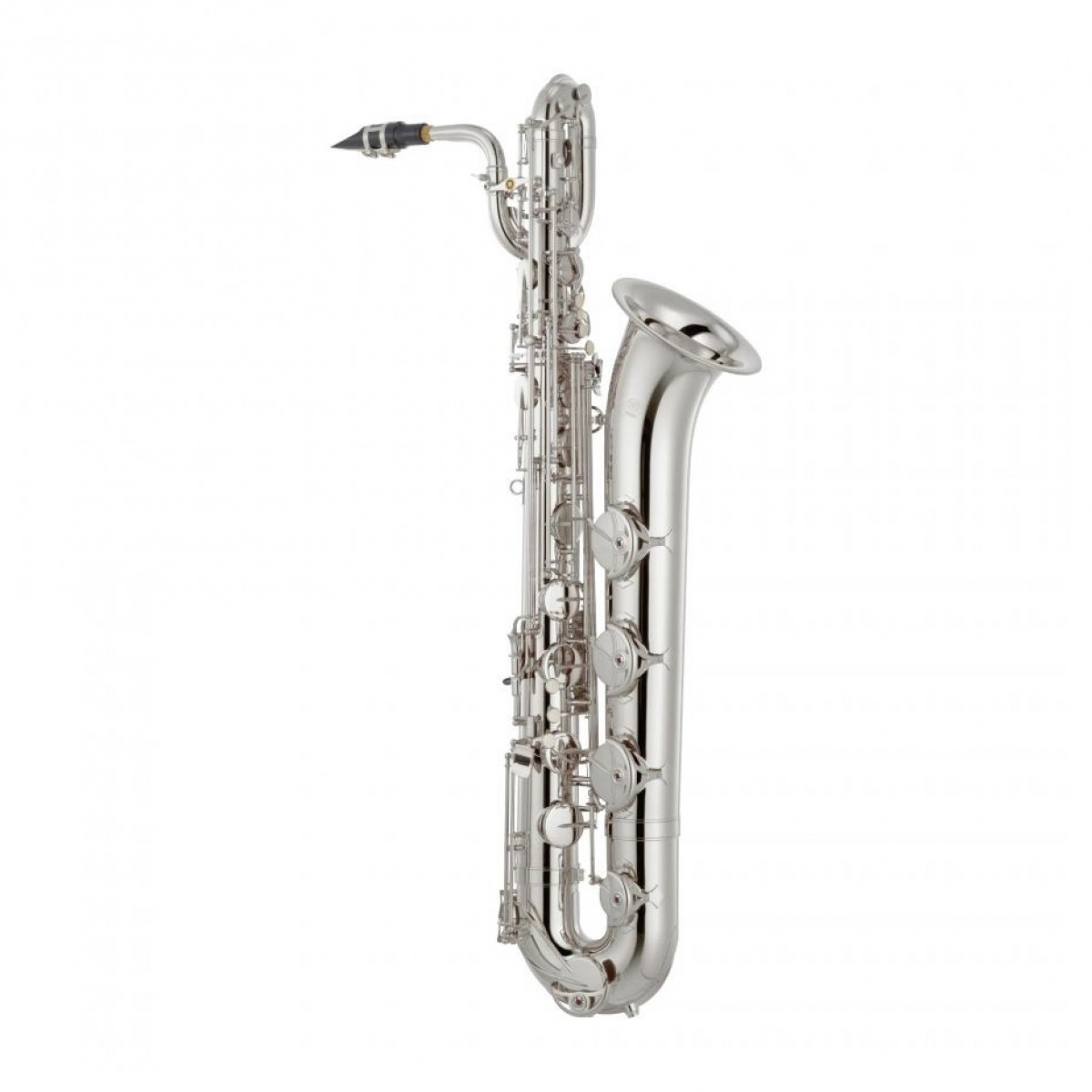 £7,531.00 ($9,564)
Yamaha
Yamaha YBS480 Baritone Saxophone Silver Plate
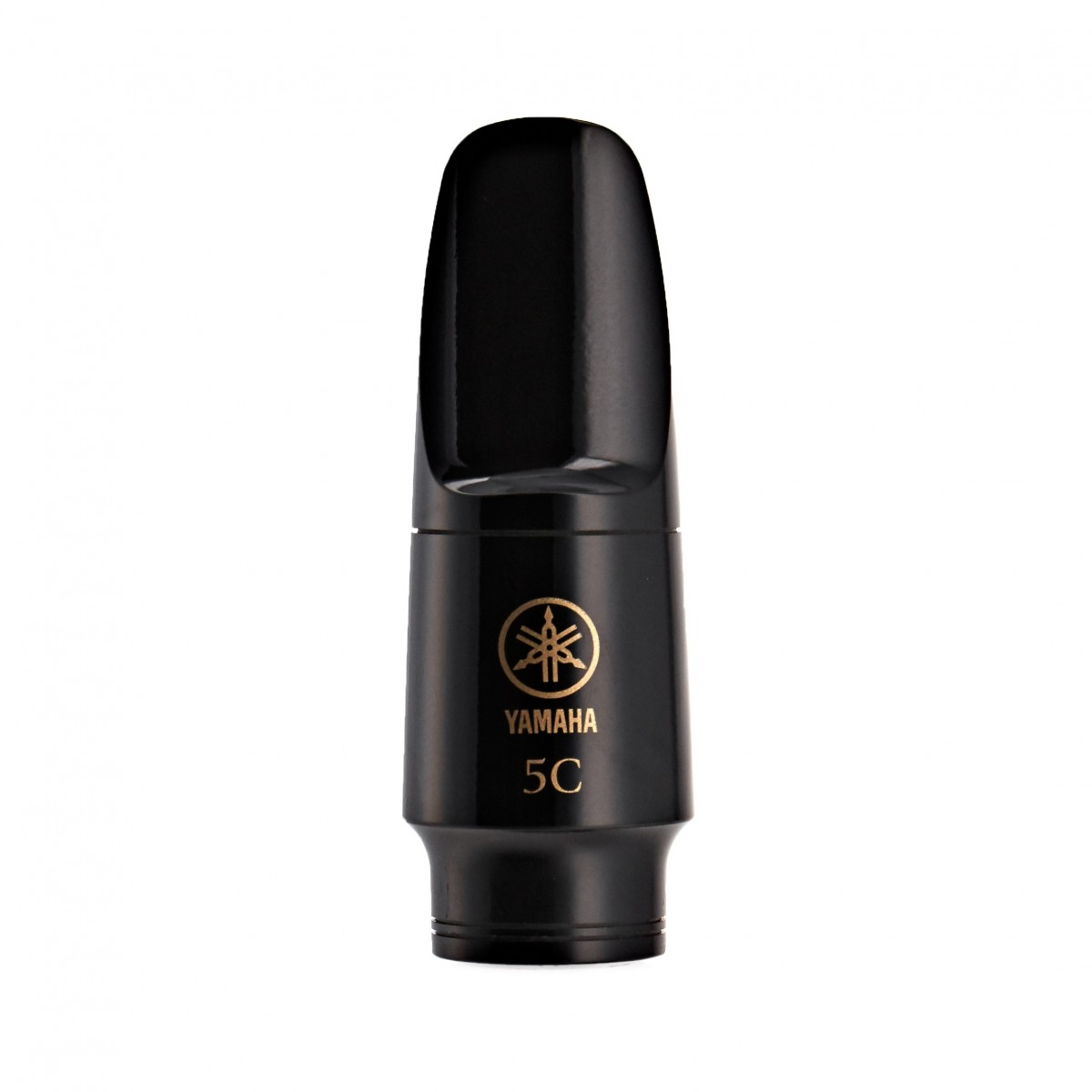 £40.00 ($51)
Yamaha
Yamaha 5C Soprano Saxophone Mouthpiece
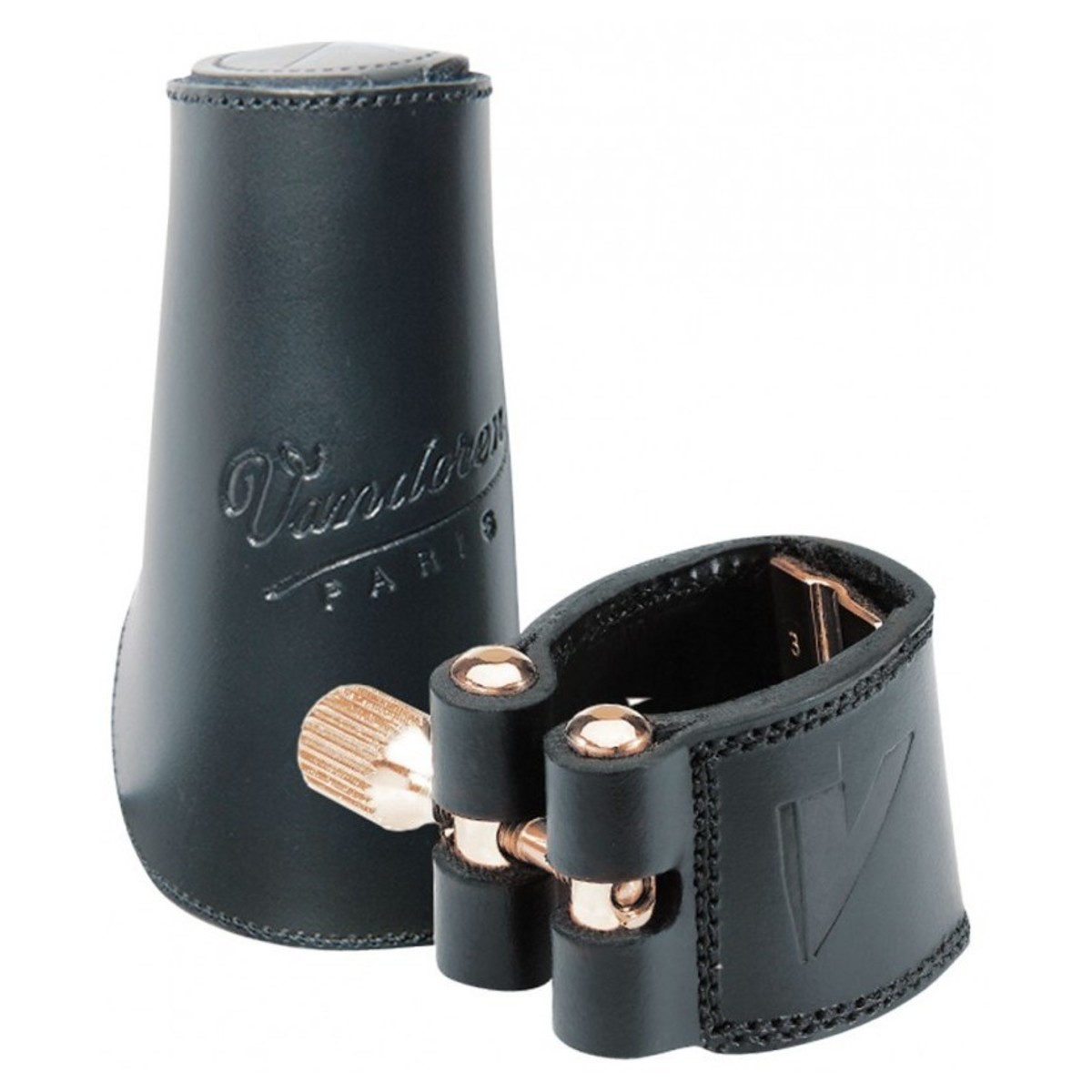 £85.70 ($109)
Vandoren
Vandoren Cuir Alto Sax Ligature Leather with Leather Cap
 £395.00 ($502)
JodyJazz Inc.
JodyJazz Super Jet Baritone Saxophone Mouthpiece 6
Frequently asked questions
- What is the primary sound characteristic of Vandoren Traditional reeds?
- These reeds are known for producing a dark, full-bodied sound. This is achieved through a design that features the thickest heart among Vandoren's reed offerings.
- How many reeds are included in a standard baritone pack?
- The Vandoren Traditional Baritone Saxophone reeds are typically sold in a pack of five. This is smaller than the ten-pack standard for alto or tenor saxophones due to the larger size of the baritone reeds.
- What level of player are these reeds intended for?
- They are designed to be versatile enough for everyone from beginners to professionals. Their consistent response makes them accessible for students, while their tonal depth meets professional standards.
- How does the reed tip thickness affect performance?
- The Traditional series features the thinnest reed tip of the Vandoren range. This design allows for a very quick response and ease of articulation when starting a note.
- What does the 'thick heart' of the reed contribute to?
- The thick heart provides the reed with its dark sound and structural stability. It ensures the tone remains consistent and does not become overly thin or buzzy in higher registers.
- What kind of packaging is used for these reeds?
- Vandoren uses individual airtight 'Flow-Pack' packaging for each reed. This ensures that every reed stays fresh and is not affected by changes in humidity during storage.
- Can these reeds be used for jazz playing?
- Yes, they are described as versatile and suitable for all playing styles. While some jazz players prefer the Java series, many choose the Traditional cut for its darker, more focused tone.
- How does a strength 3 compare to other strengths?
- A strength 3 is considered a medium to medium-hard reed. It offers more resistance than a 1.5 or 2, requiring more embouchure support but providing better stability in the upper register.
- Are these reeds compatible with all baritone saxophones?
- Yes, they are designed for standard baritone saxophones, such as the Yamaha YBS480. They will function on any standard baritone mouthpiece regardless of the instrument brand.
- What is the typical price for a 5-pack of these reeds?
- In the UK market, a 5-pack of Vandoren Traditional Baritone Saxophone reeds typically retails for approximately £40. Prices may vary slightly depending on the retailer.
- How do these compare to D'Addario Organic Select Jazz reeds?
- The Vandoren Traditional reeds generally provide a darker, more 'classical' sound compared to the Select Jazz reeds. Select Jazz reeds are often preferred for their specific brightness and projection in contemporary settings.
- What is the benefit of a quick response in a baritone reed?
- A quick response is crucial for the baritone saxophone because the larger reed can sometimes be sluggish to vibrate. A thin tip ensures that even low notes speak immediately upon tonguing.