
Gear article
Venom BOA-20 Jack to XLR (F) Microphone Lead
The Venom BOA-20 is a 20ft professional microphone cable designed to connect microphones to equipment via a 6.35mm (1/4") jack input and a female XLR connector. It is constructed with high-quality components to ensure signal fidelity and durability for both live and studio applications.
See live pricesOverview
The Venom BOA-20 Jack to XLR (F) Microphone Lead is a utility cable designed for reliability in demanding audio environments. Spanning 20 feet, it provides sufficient length for most stage setups, allowing performers to move freely while maintaining a secure connection to mixers, amplifiers, or audio interfaces that utilise 1/4" jack inputs. The cable is marketed as a versatile solution capable of handling a variety of audio tasks without compromising signal quality.
Construction and Design
Built to endure the rigours of frequent use, the BOA-20 uses components selected for their longevity. The cable features a standard XLR female connector at one end, suitable for most dynamic microphones, and a 6.35mm jack at the other. The manufacturer emphasizes that the build quality is focused on high-fidelity transmission and a long product lifespan, aiming to reduce signal loss and interference often found in budget-tier cabling.
Sonic Character
The primary objective of the BOA-20 is transparency. By using high-grade components, Venom aims to provide the greatest fidelity possible, ensuring that the natural character of the microphone—whether it be a vocal or instrument mic—is preserved. It is designed to be a neutral component in the signal chain, avoiding the introduction of unwanted noise or coloration.
Compatibility
This cable is compatible with a wide range of industry-standard dynamic microphones. It is particularly suited for use with:
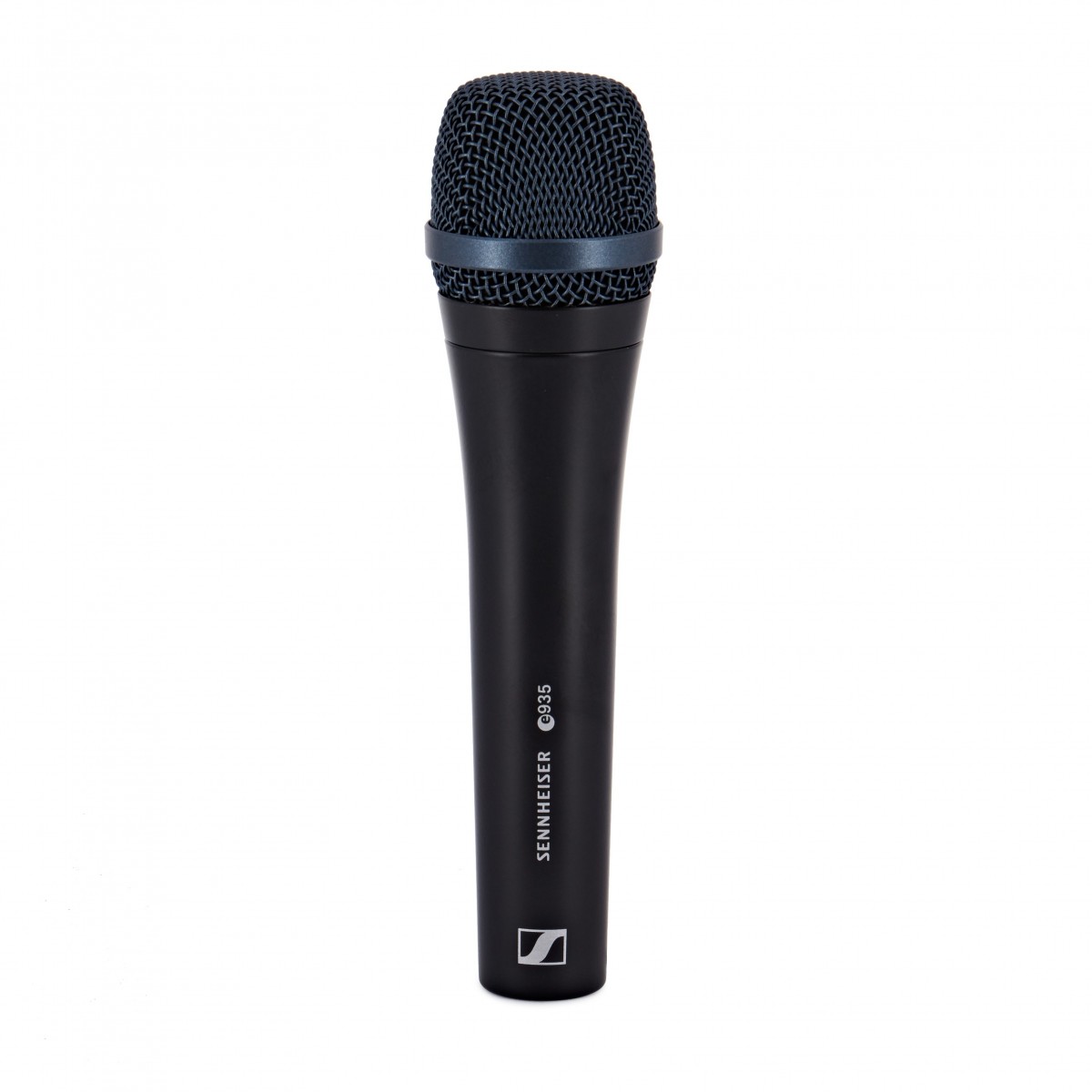
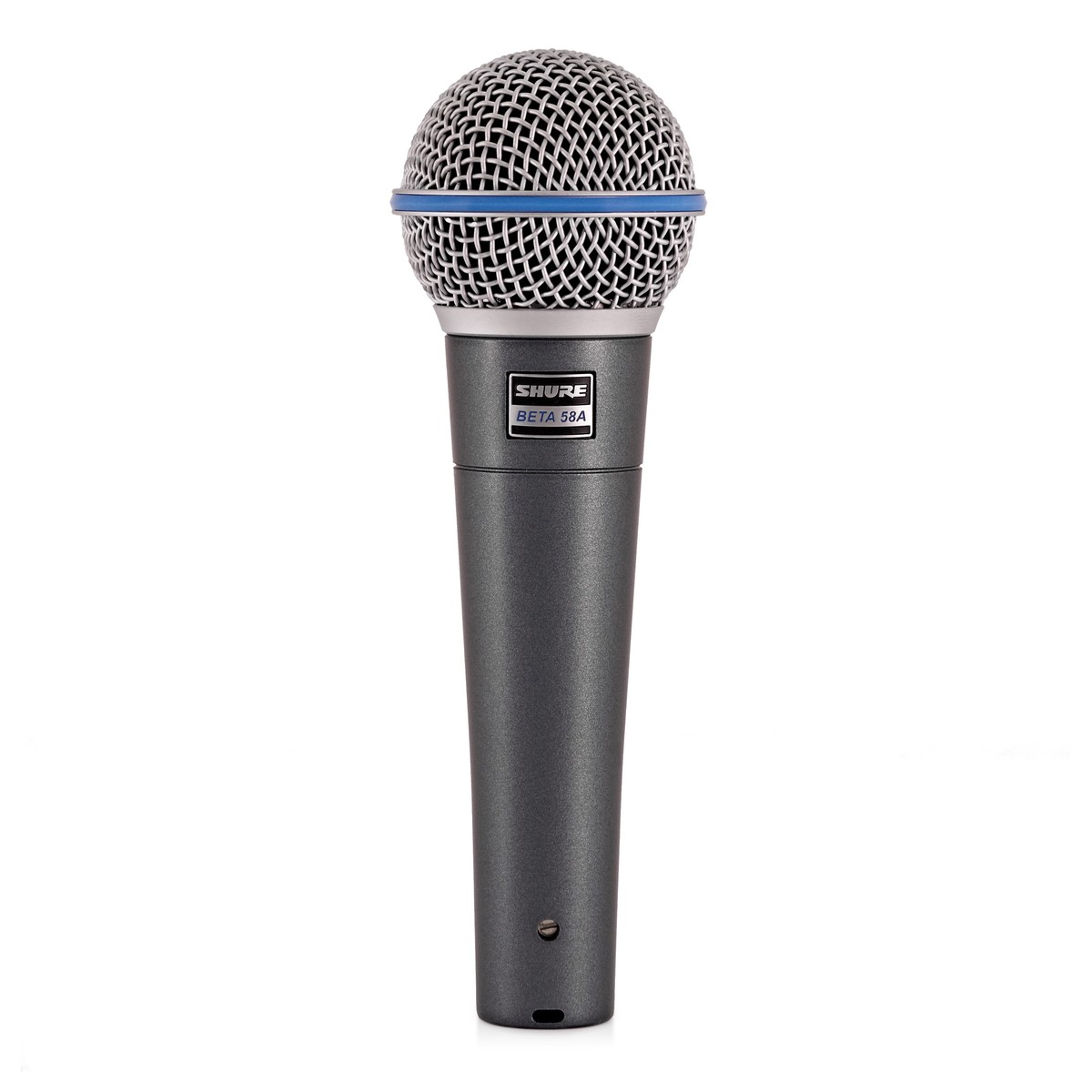
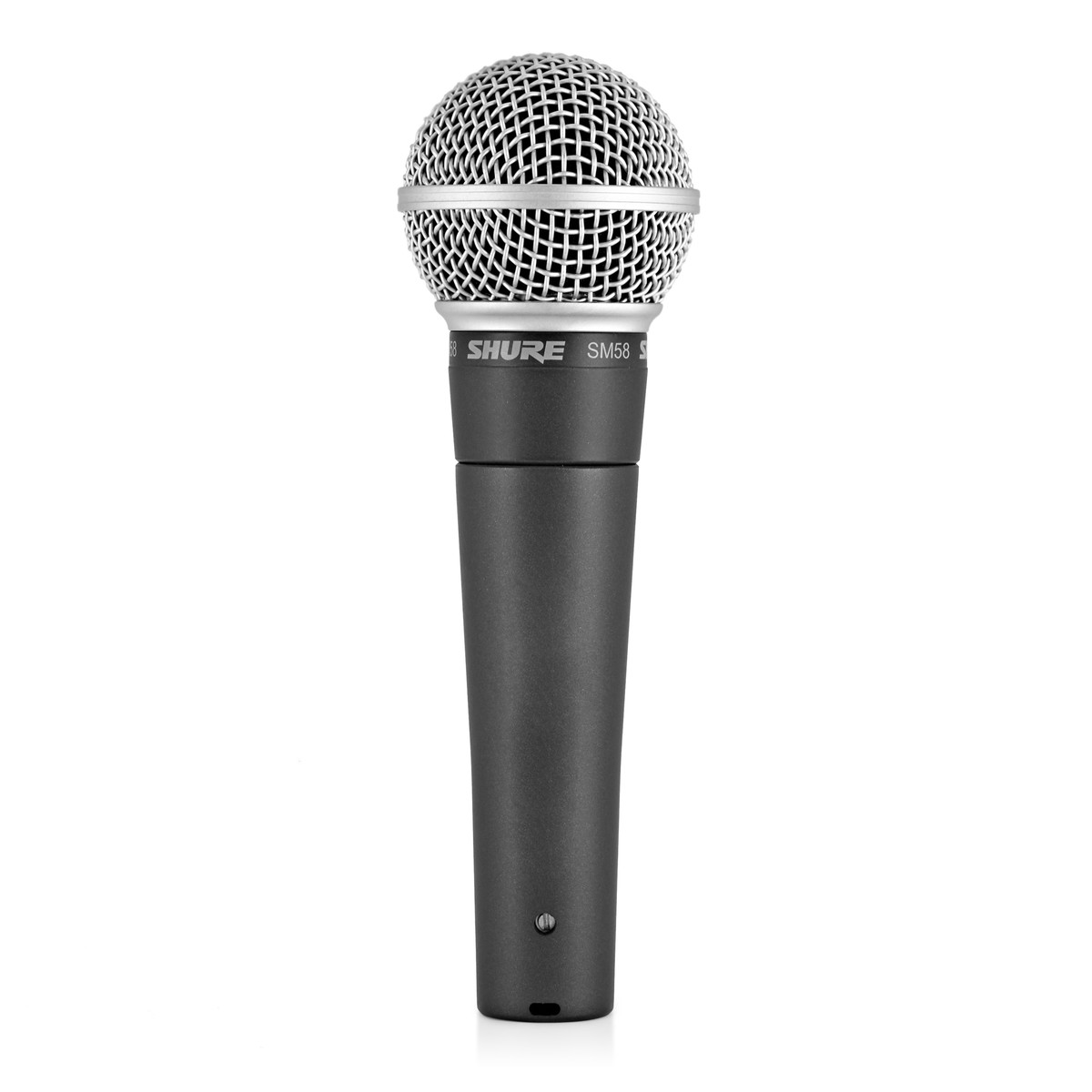
- Vocal Microphones: Such as the Shure SM58, Beta 58A, and Sennheiser e935 or e945.
- Instrument Microphones: Including the Shure SM57 and Sennheiser MD 441-U.
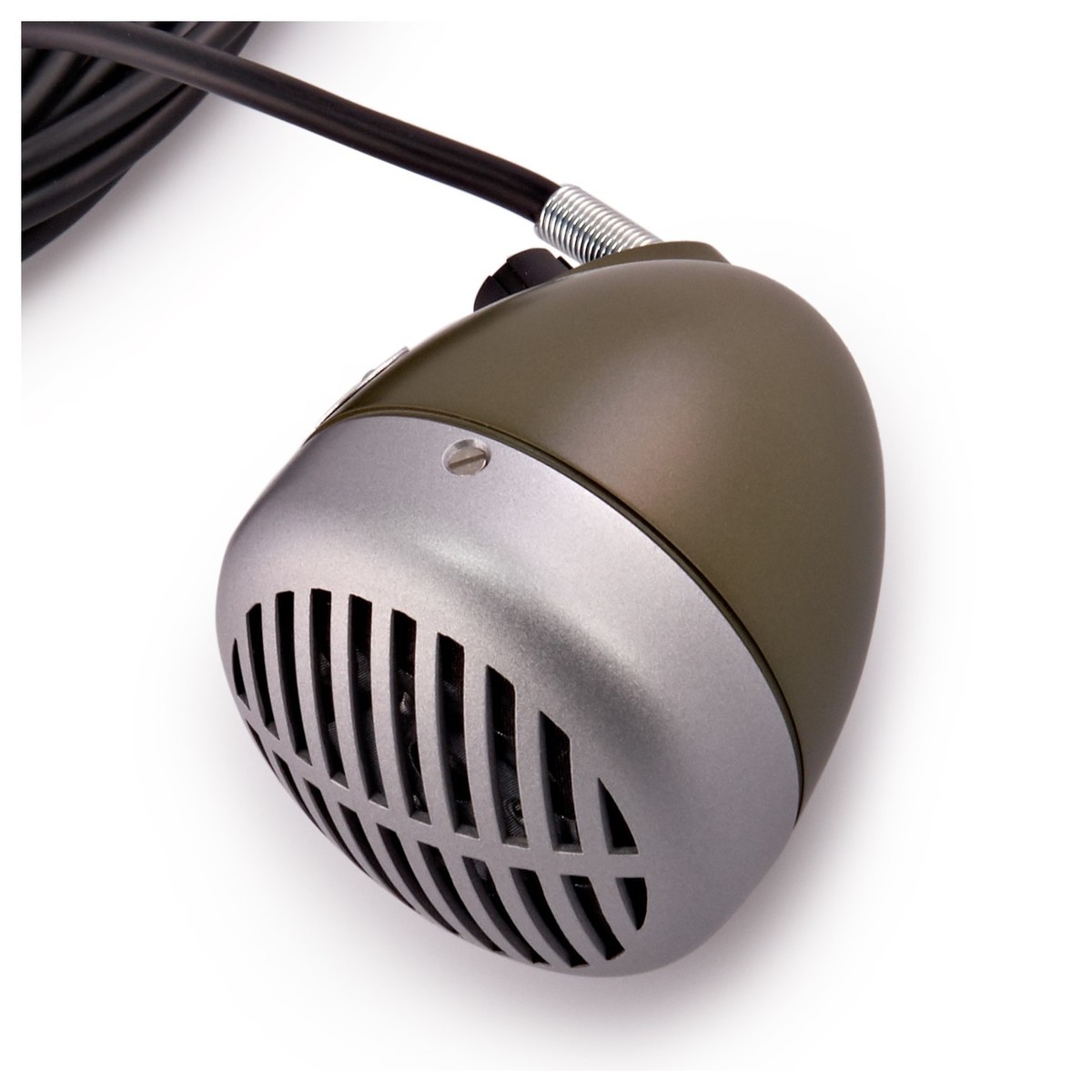
- Specialist Microphones: Like the Shure 520DX 'Green Bullet' for harmonica or the Electro-Voice RE20 for broadcasting and kick drums.
Market Position
Positioned at a competitive price point of approximately £15, the BOA-20 offers an accessible entry point for musicians and engineers who require professional-length cabling. While more expensive boutique cables exist, the Venom BOA-20 focuses on providing a balance between cost-effectiveness and reliable performance for everyday live and rehearsal use.
Related gear
 £563.00 ($715)
Electro-Voice
Electro-Voice RE20 Dynamic Cardioid Microphone
 £148.75 ($189)
Sennheiser
Sennheiser e935 Dynamic Vocal Microphone
 £142.25 ($181)
Shure
Shure 520DX Green Bullet Harmonica Microphone
 £161.50 ($205)
Shure
Shure Beta 58A Dynamic Microphone
 £259.00 ($329)
Shure
Shure SM58 Dynamic Cardioid Vocal Microphone
 £149.00 ($189)
Sennheiser
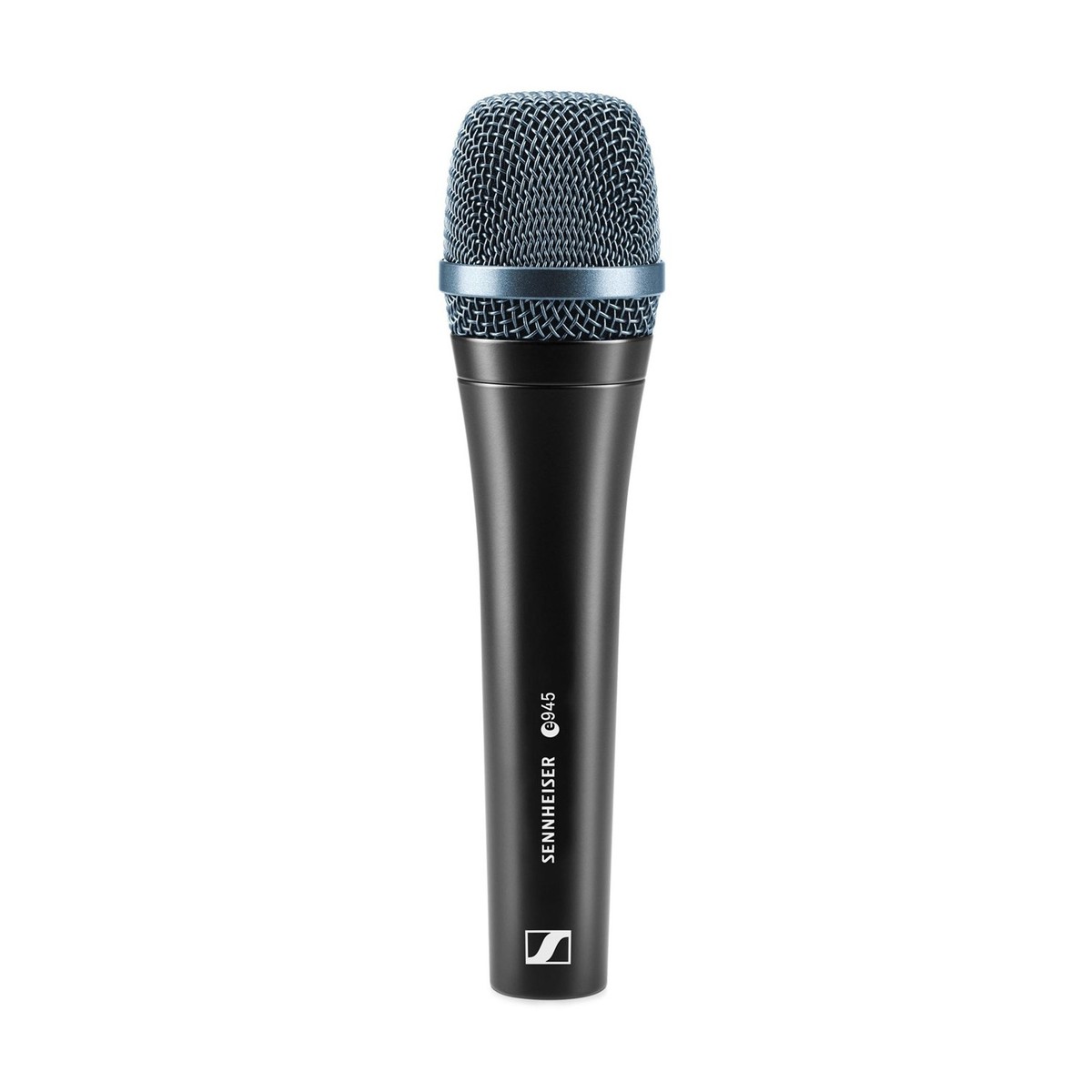
Sennheiser e945 Dynamic Vocal Microphone
 £103.50 ($131)
Shure
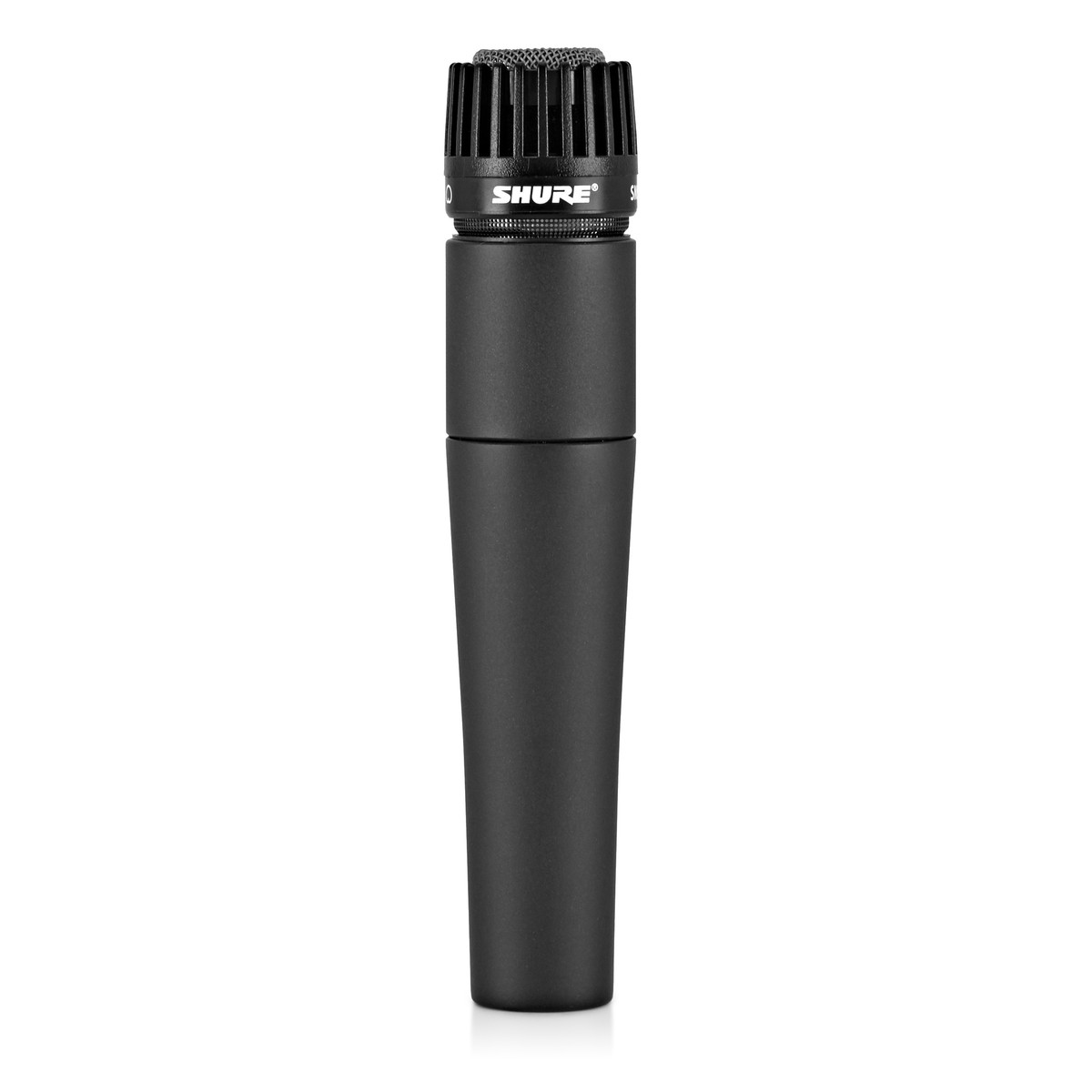
Shure SM57 Dynamic Instrument Microphone
 £1,080.00 ($1,372)
Sennheiser
Sennheiser MD 441-U Dynamic Supercardioid Microphone
Frequently asked questions
- What is the total length of the Venom BOA-20?
- The cable is 20 feet long, which is approximately 6.1 metres. This length is generally considered ideal for medium-sized stages and home studio setups.
- What type of connectors does the BOA-20 use?
- It features a Female XLR connector on one end and a 6.35mm (1/4") Jack connector on the other. This configuration is typically used to connect a microphone to a mixer or amplifier that lacks XLR inputs.
- Is this cable suitable for the Shure SM58?
- Yes, the BOA-20 is fully compatible with the Shure SM58. The female XLR end plugs directly into the microphone, while the jack end goes into your audio equipment.
- Can I use this cable for a Shure SM57 instrument mic?
- Absolutely. The BOA-20 is designed to handle instrument miking tasks, including connecting an SM57 to a guitar amp or PA system.
- Does this cable support phantom power?
- Typically, 1/4" jack inputs on mixers do not provide phantom power. If you are using a condenser microphone that requires 48V, you would generally need an XLR-to-XLR cable and an XLR input.
- Is the BOA-20 durable enough for touring?
- The manufacturer states the lead is made from high-quality components for a long-lasting life. While it is built for durability, it is priced as a standard professional lead rather than a heavy-duty touring cable.
- Will this cable work with the Sennheiser e945?
- Yes, it is compatible with the Sennheiser e945 and other dynamic vocal microphones in the e-series. It provides a reliable connection for high-fidelity vocal reproduction.
- Can I use this for a Shure 520DX Green Bullet?
- The Shure 520DX typically has a built-in cable, but if you are using a modified version or a similar harmonica mic with an XLR output, the BOA-20 would be a suitable interface to a jack input.
- What is the typical price of the Venom BOA-20?
- The cable is typically priced around £15.00. This makes it a cost-effective solution for musicians looking for quality cabling without a high price tag.
- Does the cable affect the sound quality of the microphone?
- Venom claims the cable is built to ensure the 'greatest fidelity possible'. By using quality components, it minimizes signal degradation compared to lower-quality unbranded leads.
- Is this cable suitable for the Electro-Voice RE20?
- Yes, it can be used with the RE20. This is useful in broadcasting or studio settings where you might need to plug the RE20 into a jack-based preamp or mixer channel.
- What makes the BOA-20 different from a standard XLR cable?
- The primary difference is the 1/4" jack termination. A standard XLR cable has XLR connectors on both ends, whereas the BOA-20 is specifically designed for equipment that uses jack inputs for microphones.