
Gear article
Vox VX50 KB Portable Keyboard Amplifier
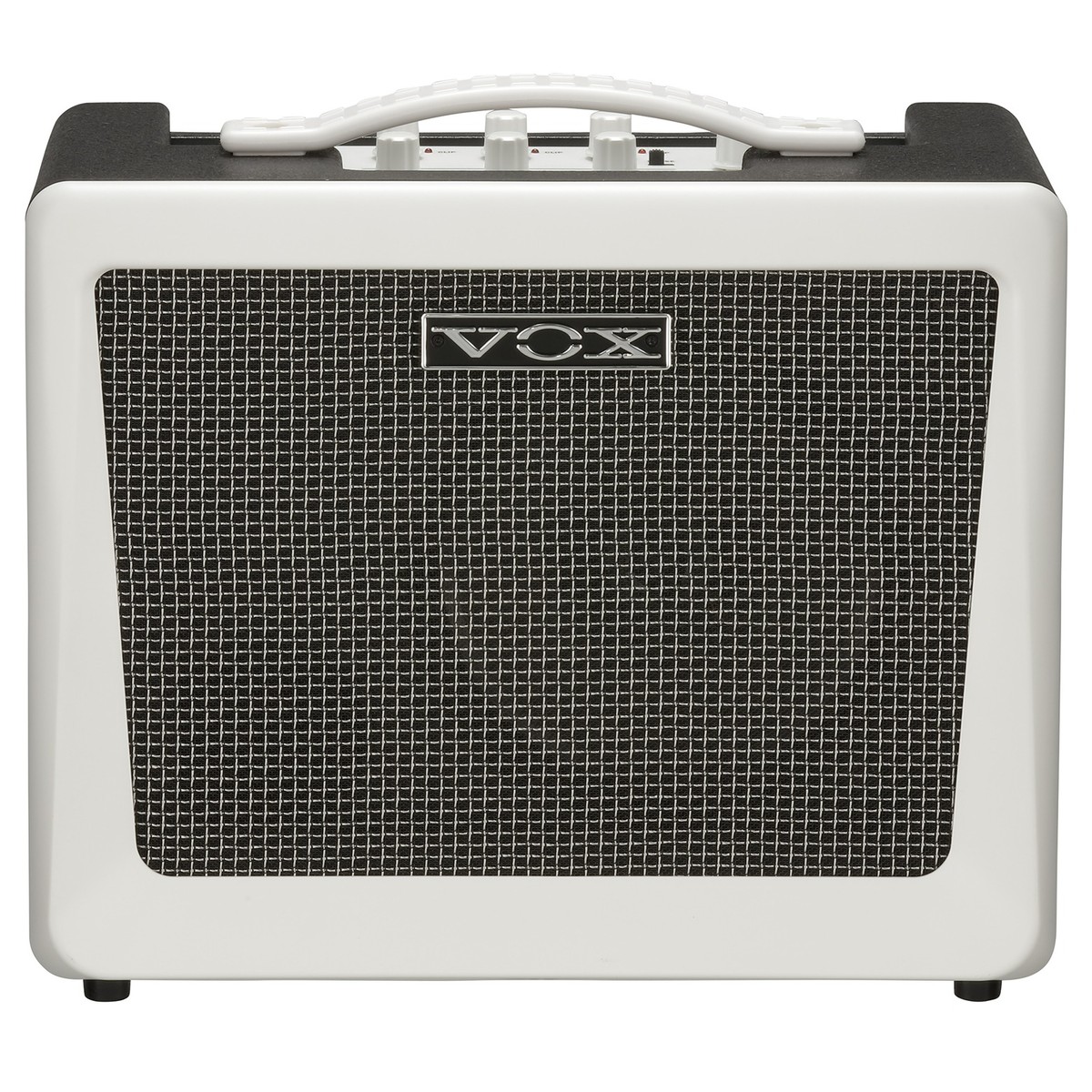
The Vox VX50 KB is a lightweight, 50-watt portable keyboard amplifier featuring Korg's Nutube vacuum tube technology. Designed for mobile musicians, it incorporates a coaxial speaker and a bass reflex structure to provide high-fidelity sound reproduction in a compact chassis.
Overview
The Vox VX50 KB is a modern keyboard amplifier designed to balance high output with extreme portability. As part of Vox's VX series, this model focuses on providing keyboardists with a compact solution for rehearsals, small venue performances, and personal monitoring. The unit is housed in a specialised chassis designed to maximise acoustic efficiency despite its small footprint.
Nutube Technology and Construction
At the core of the VX50 KB is Nutube technology, a contemporary vacuum tube developed by Korg and Noritake Itron. This provides the warm harmonic response and compression typically associated with traditional vacuum tubes but with lower power consumption and a significantly smaller physical profile.
The physical construction features a bass reflex structure, which allows the amp to produce a richer low-end response than its size would suggest. The internal speaker is a coaxial unit, meaning the tweeter is mounted in the centre of the woofer, ensuring that high frequencies are clear and well-aligned with the mid and bass frequencies.
Features and Connectivity
The amplifier is equipped with a three-channel mixer, allowing for a versatile setup:
- Channels 1 & 2: Standard line inputs for keyboards or synthesisers.
- Channel 3: Includes a microphone input, allowing the unit to function as a compact PA for a singer-songwriter or for announcing during a set.
Each channel features its own independent volume control, providing users with the ability to mix multiple sound sources directly on the amplifier without the need for an external mixing desk.
Sound Character
The VX50 KB is voiced for clarity and purity. Unlike guitar amplifiers that often colour the sound with heavy distortion or mid-range peaks, this keyboard amp aims for a flat, high-fidelity response. The inclusion of the Nutube adds a subtle valve-like quality to the signal, preventing the sound from becoming sterile or harsh at higher volumes, while the coaxial speaker ensures a wide frequency range suited for the broad sonic spectrum of modern digital pianos and synthesisers.
Market Comparison
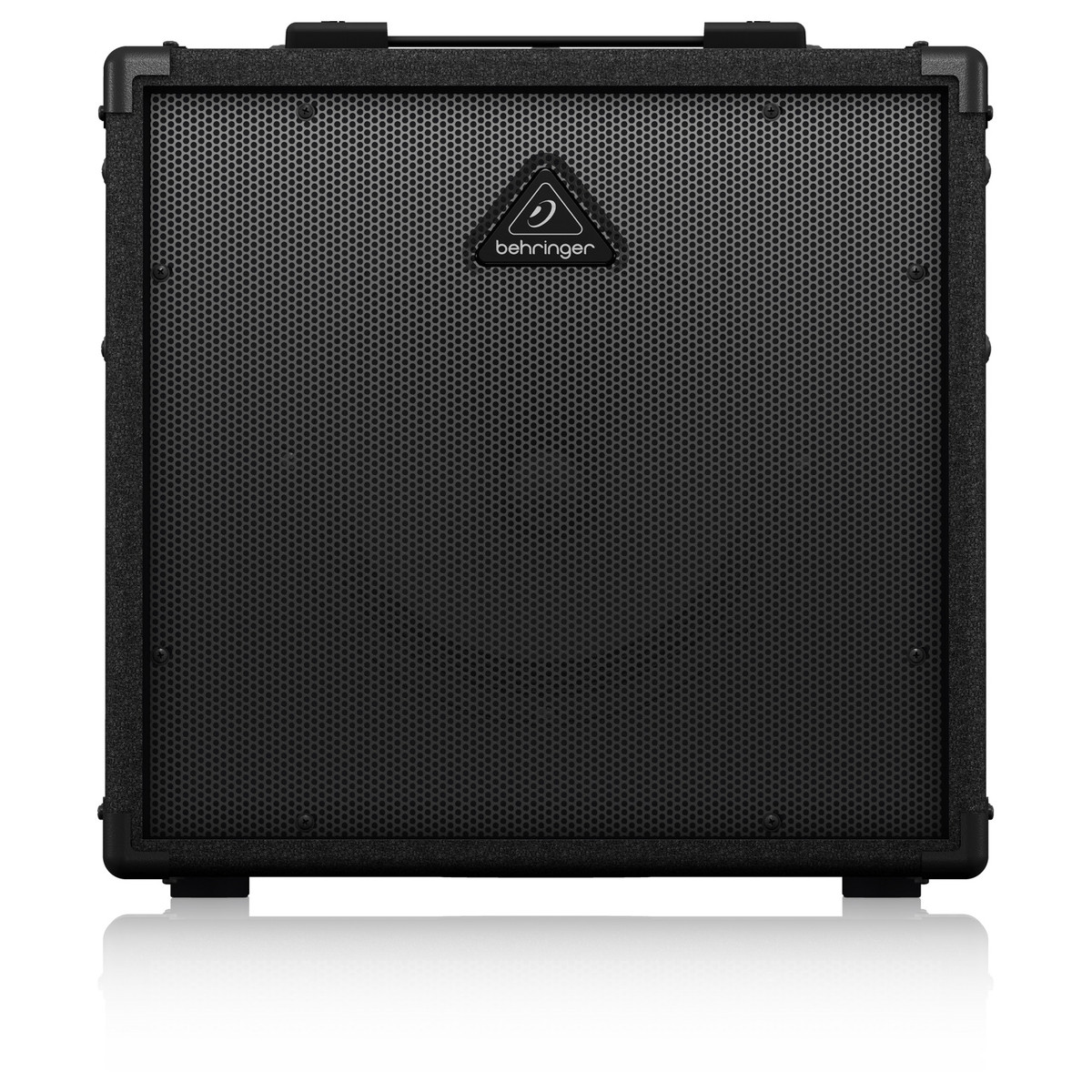
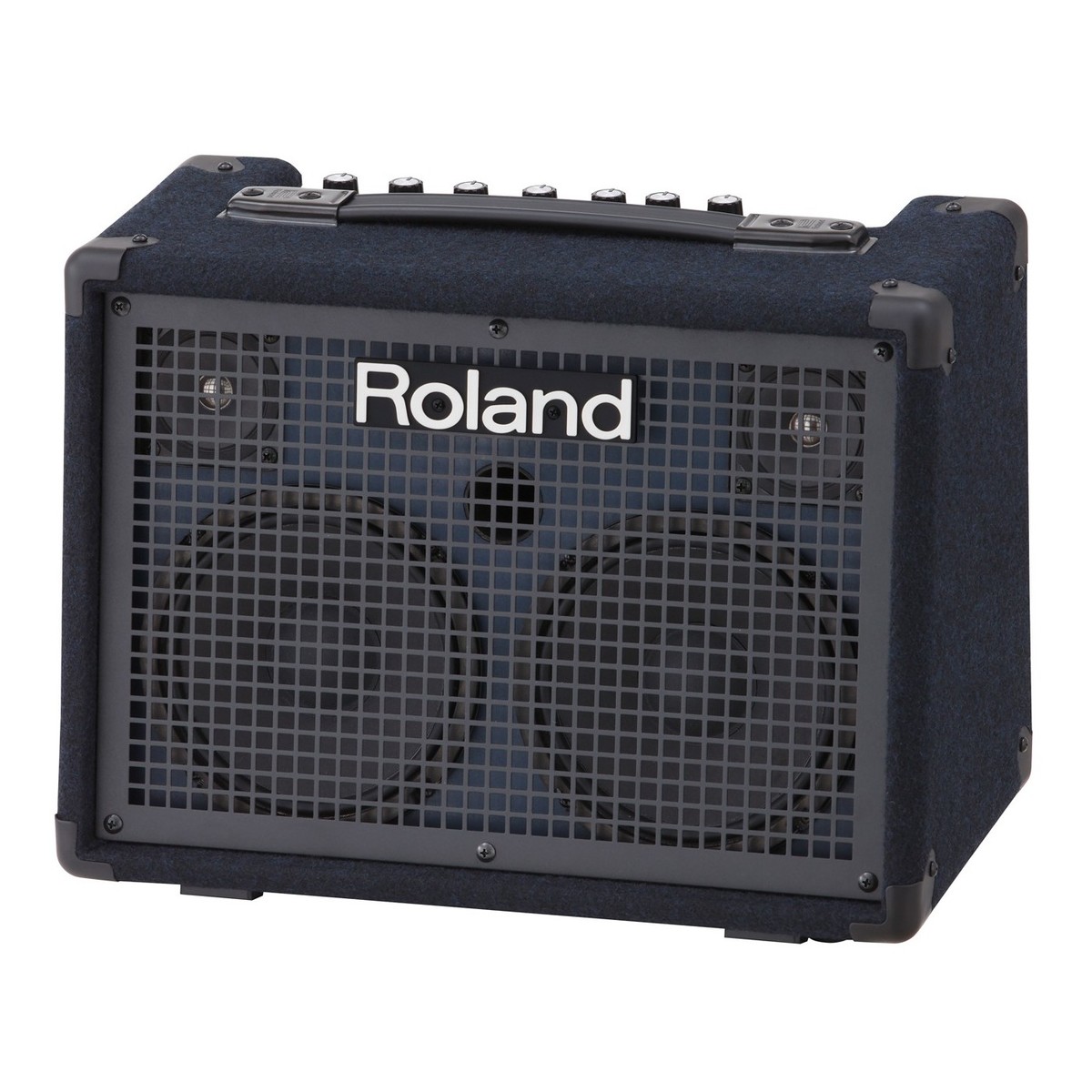
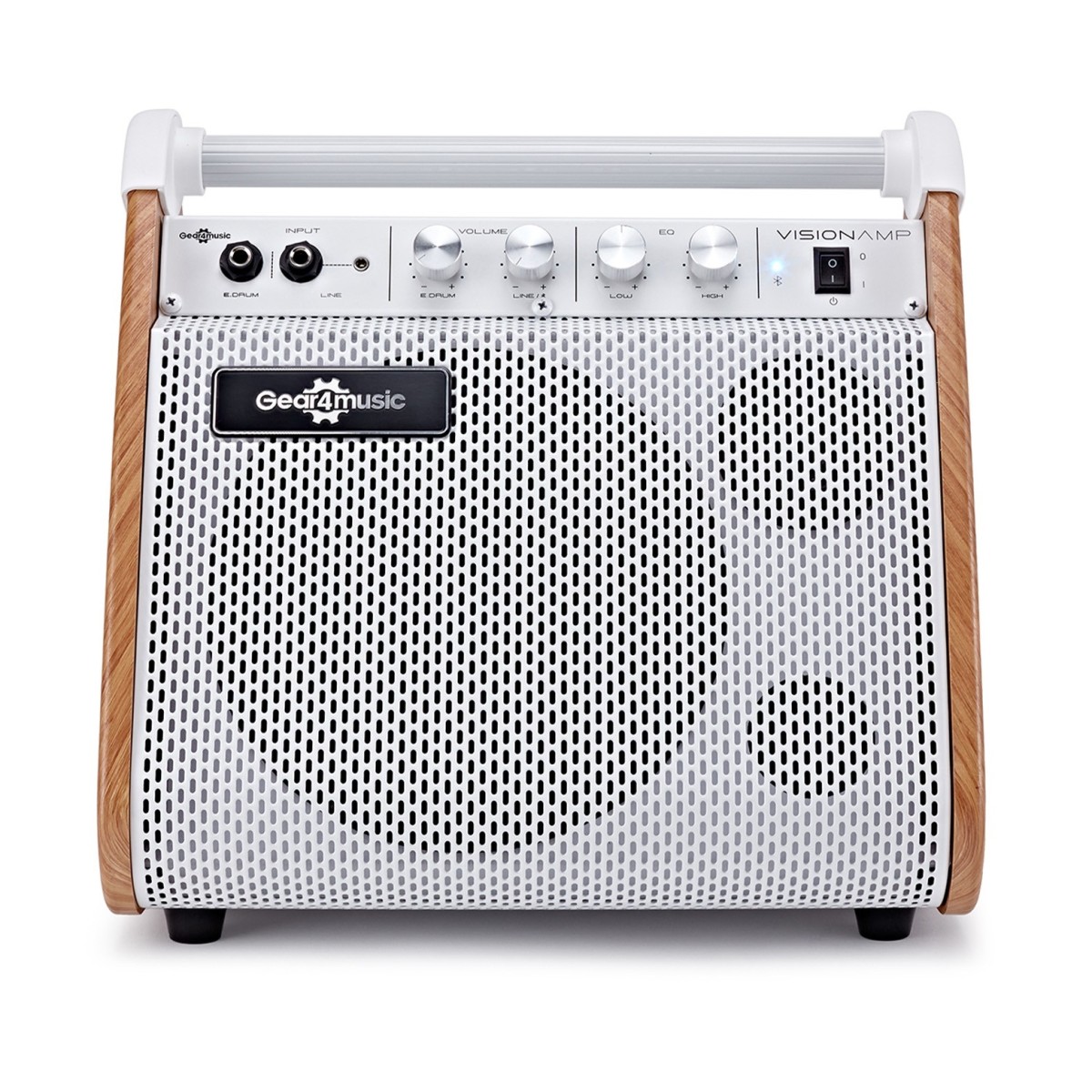
When compared to alternatives such as the Roland KC-200 or the larger KC-400 and KC-600 models, the Vox VX50 KB distinguishes itself through its Nutube technology and ultra-lightweight design. While battery-powered options like the Roland KC-220 offer more mobility in outdoor settings, the VX50 KB provides a higher wattage-to-weight ratio for indoor venues. It competes in the entry-to-mid-level portable market alongside products like the Behringer K450FX and the Gear4Music DKA-80.
Related gear
- £179.99 ($229)
Gear4Music
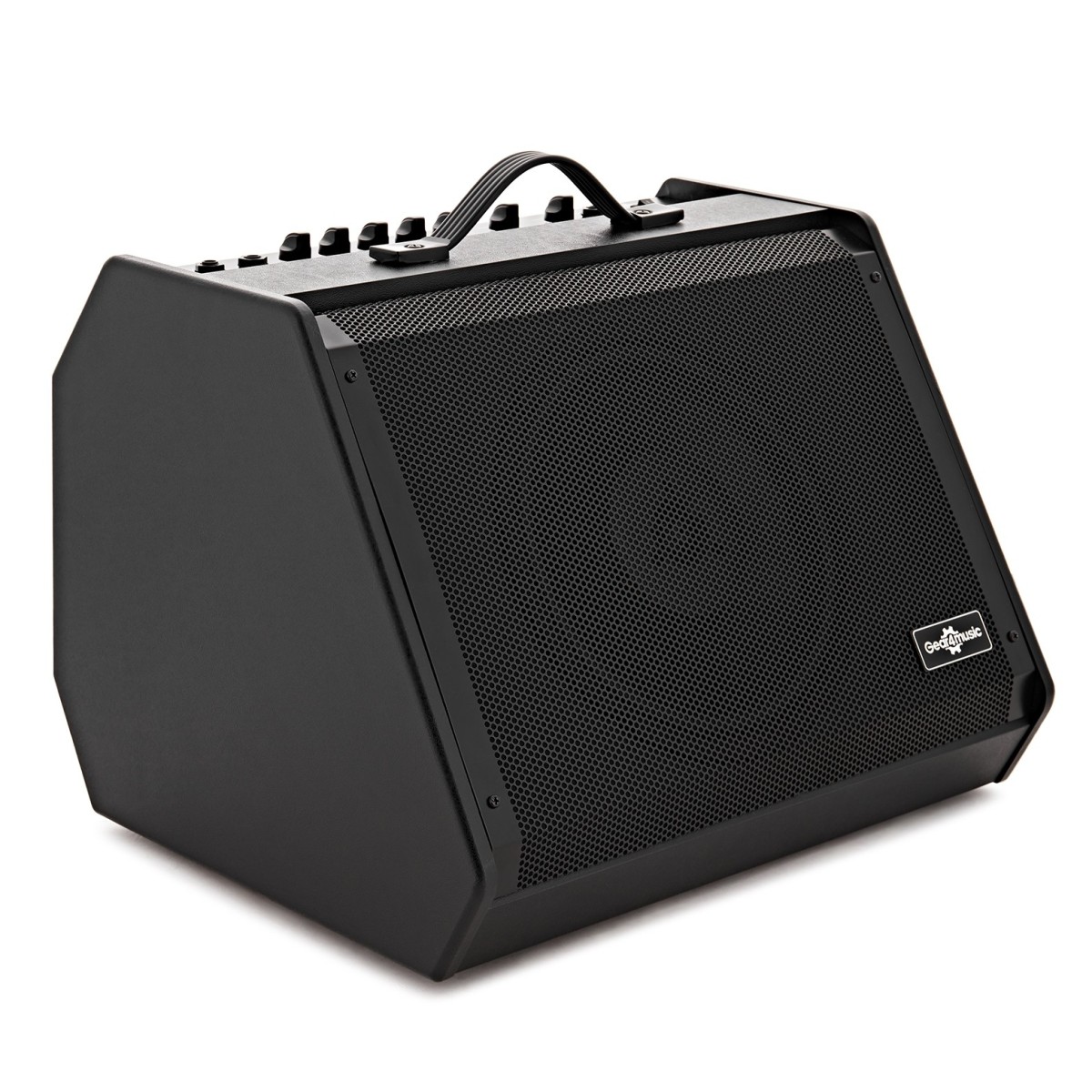
DKA-80 Drum & Keyboard Amplifier by Gear4music
 £481.00 ($611)
Roland
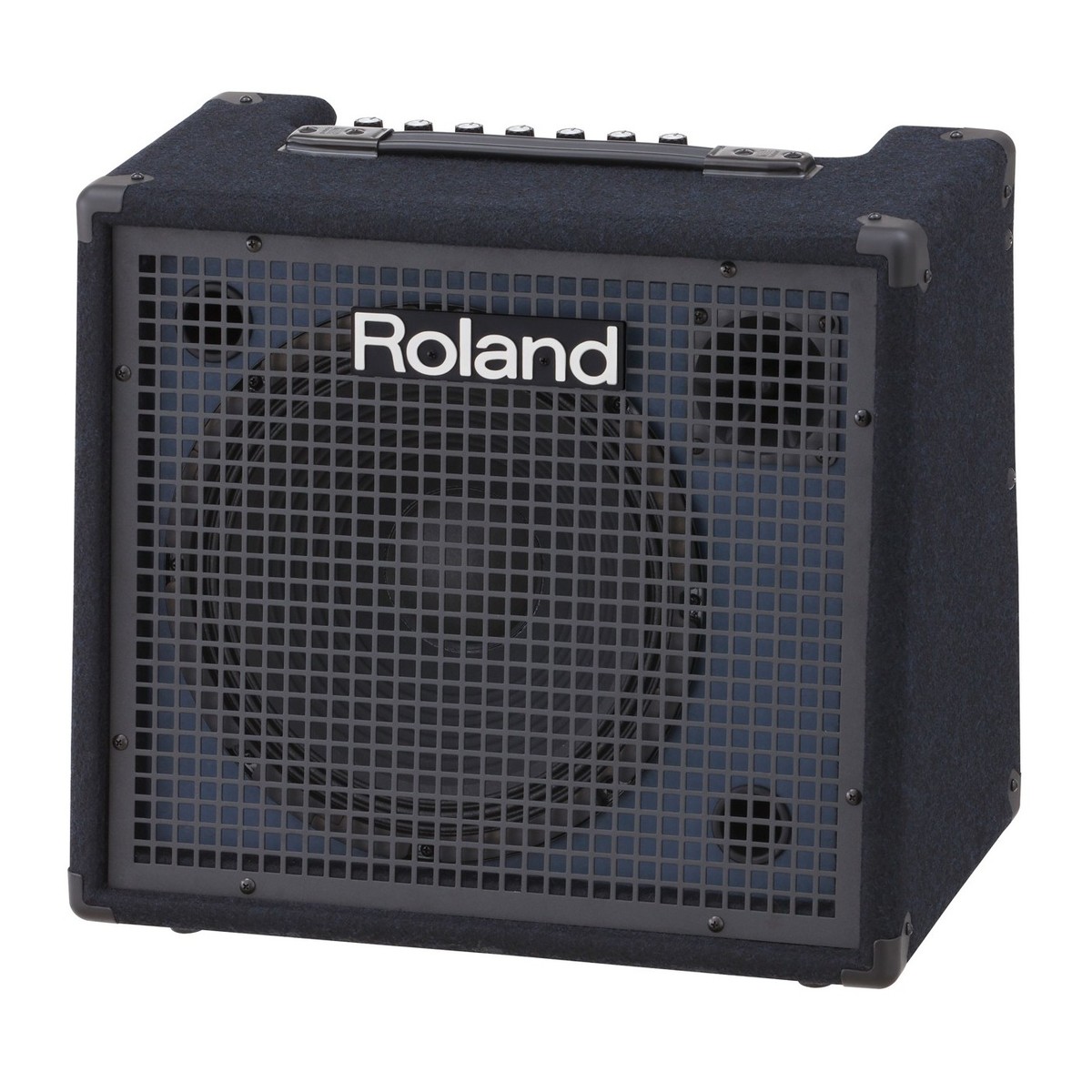
Roland KC-200 Keyboard Amplifier
 £764.00 ($970)
Roland
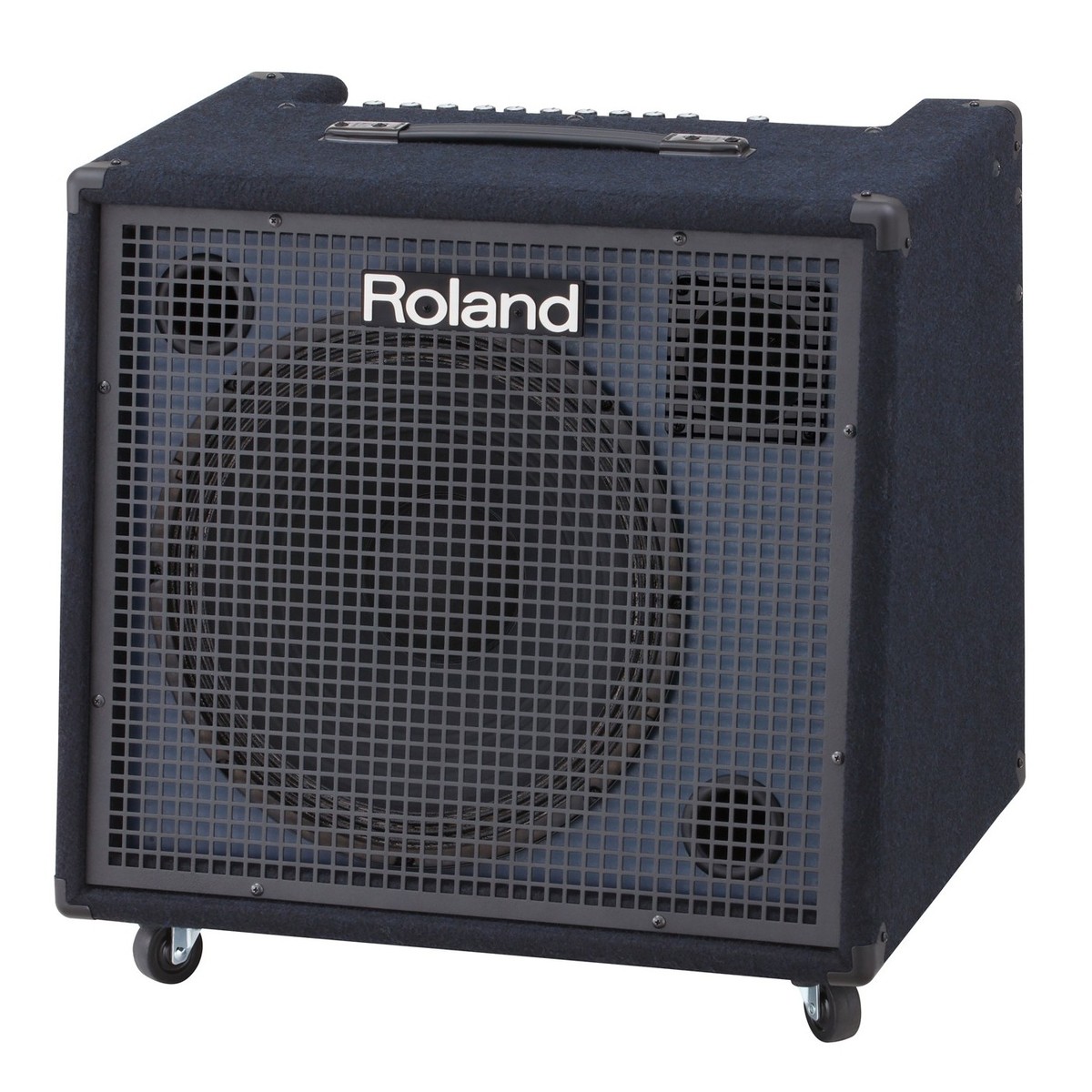
Roland KC-600 Keyboard Amplifier
 £184.25 ($234)
Behringer
Behringer K450FX Ultratone Keyboard Amp
 £517.00 ($657)
Roland
Roland KC-220 Battery Powered Keyboard Amplifier
 £169.99 ($216)
Gear4Music
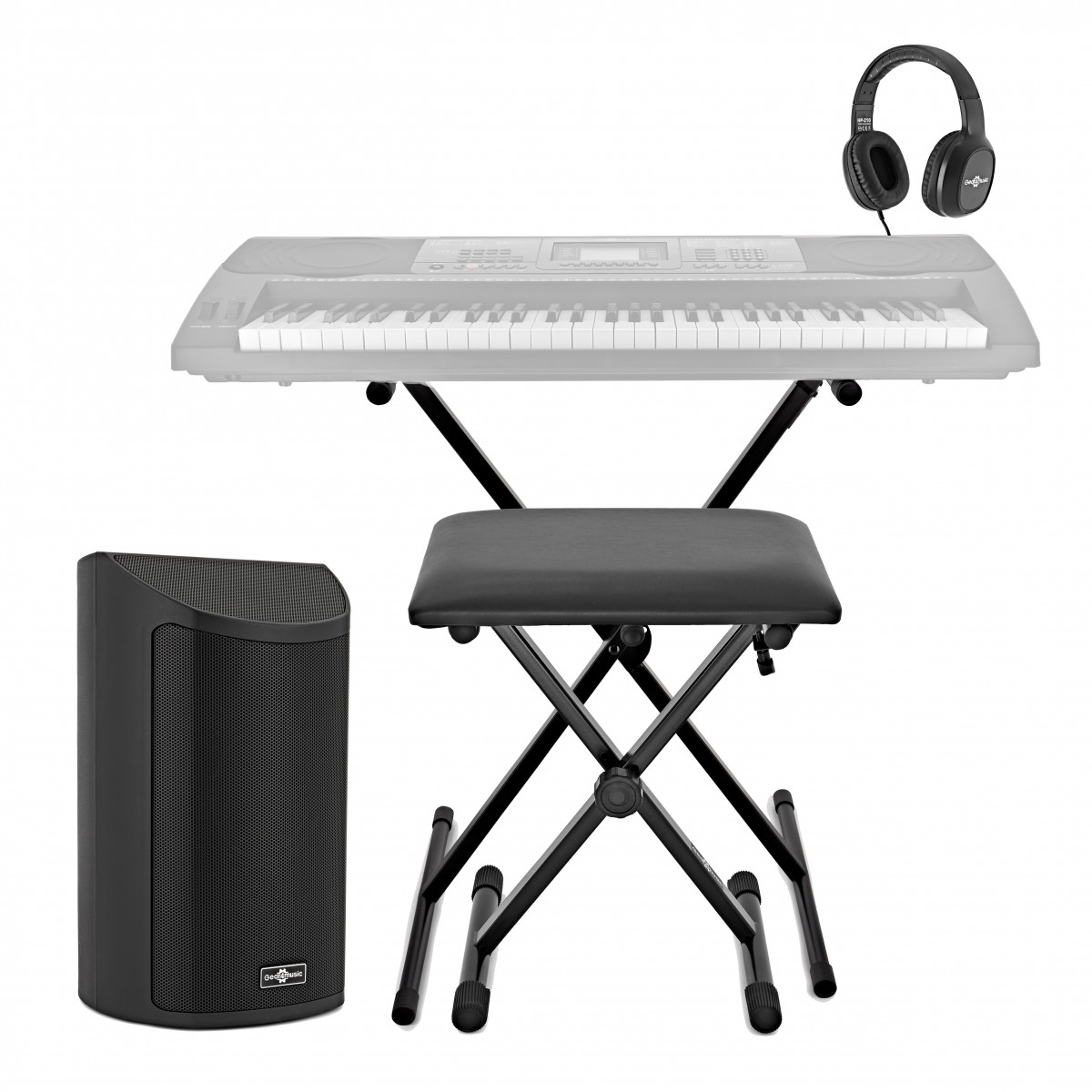
Digital Keyboard Amp & Accessory Pack by Gear4music
 £99.99 ($127)
Gear4Music
VISIONAMP Drum/Keyboard Amplifier White
 £592.00 ($752)
Roland
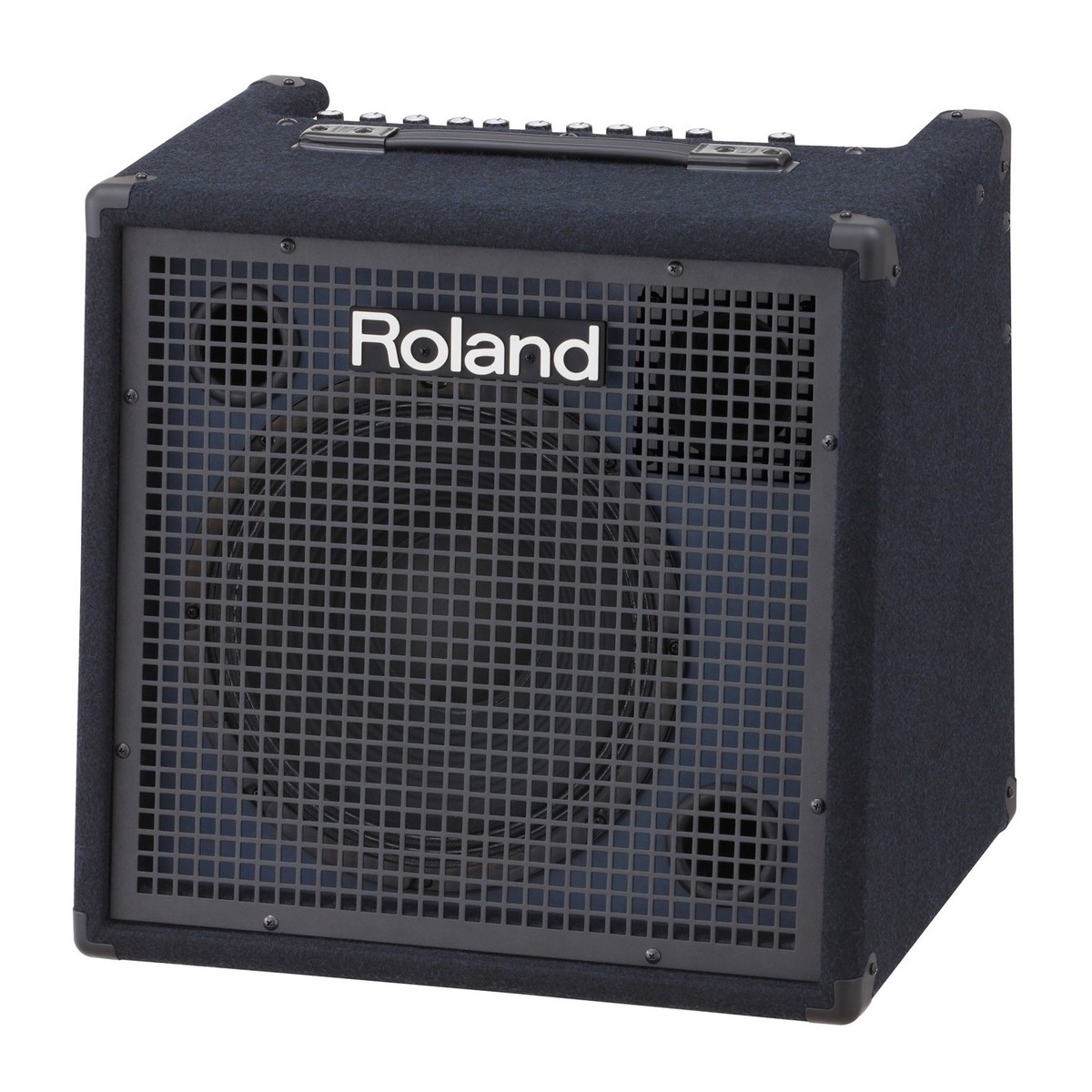
Roland KC-400 Keyboard Amplifier
Frequently asked questions
- What is the power output of the Vox VX50 KB?
- The Vox VX50 KB provides 50 watts of output power. This level of wattage is sufficient for small venues, rehearsal rooms, and personal monitoring on larger stages.
- What is Nutube technology?
- Nutube is a modern vacuum tube developed by Korg and Noritake Itron. It functions similarly to a traditional triode vacuum tube, providing warm harmonics and linear amplification in a smaller, more durable format.
- How many channels does the VX50 KB have?
- The amplifier features three independent channels. This allows a musician to connect multiple instruments or a combination of instruments and a microphone simultaneously.
- Can I plug a microphone into the Vox VX50 KB?
- Yes, Channel 3 of the VX50 KB includes a mic input. This makes the amplifier suitable for keyboardists who also sing or for small public address applications.
- What type of speaker is used in this amplifier?
- The unit uses a coaxial speaker. In this design, the tweeter is located in the centre of the woofer, which helps project clear, phase-coherent sound across the full frequency range.
- Is the VX50 KB easy to transport?
- Yes, it is specifically designed for portability. It features a compact, stage-ready design and a lightweight chassis that makes it easy to carry between different venues.
- Does each channel have its own volume control?
- Yes, each of the three channels features an independent volume control. This allows the user to balance the levels of different sound sources directly on the amp.
- What is a bass reflex structure?
- A bass reflex structure is a type of cabinet design that uses a port to increase the efficiency of the system at low frequencies. This allows the VX50 KB to produce a high-quality, full-range sound despite its small size.
- How does the VX50 KB compare to the Roland KC-200?
- While both are keyboard amplifiers, the Vox VX50 KB is noted for its Nutube technology and ultra-lightweight design. The Roland KC series is generally known for its traditional solid-state reliability and varied input options.
- Is this amplifier suitable for digital pianos?
- Yes, its coaxial speaker and bass reflex structure are designed to project the 'clear and pure' sounds necessary for accurate digital piano and synthesiser reproduction.
- What is the typical price for the Vox VX50 KB?
- The typical price range for this amplifier is approximately GBP 227. This positions it as an affordable solution for musicians seeking a portable valve-powered amp.
- Does the VX50 KB have a headphone jack?
- While specific output configurations vary, the VX50 series typically includes standard output options for private practice and monitoring. Users should verify specific port layouts for their needs.