
Gear article
Wampler Catacombs Reverb & Delay
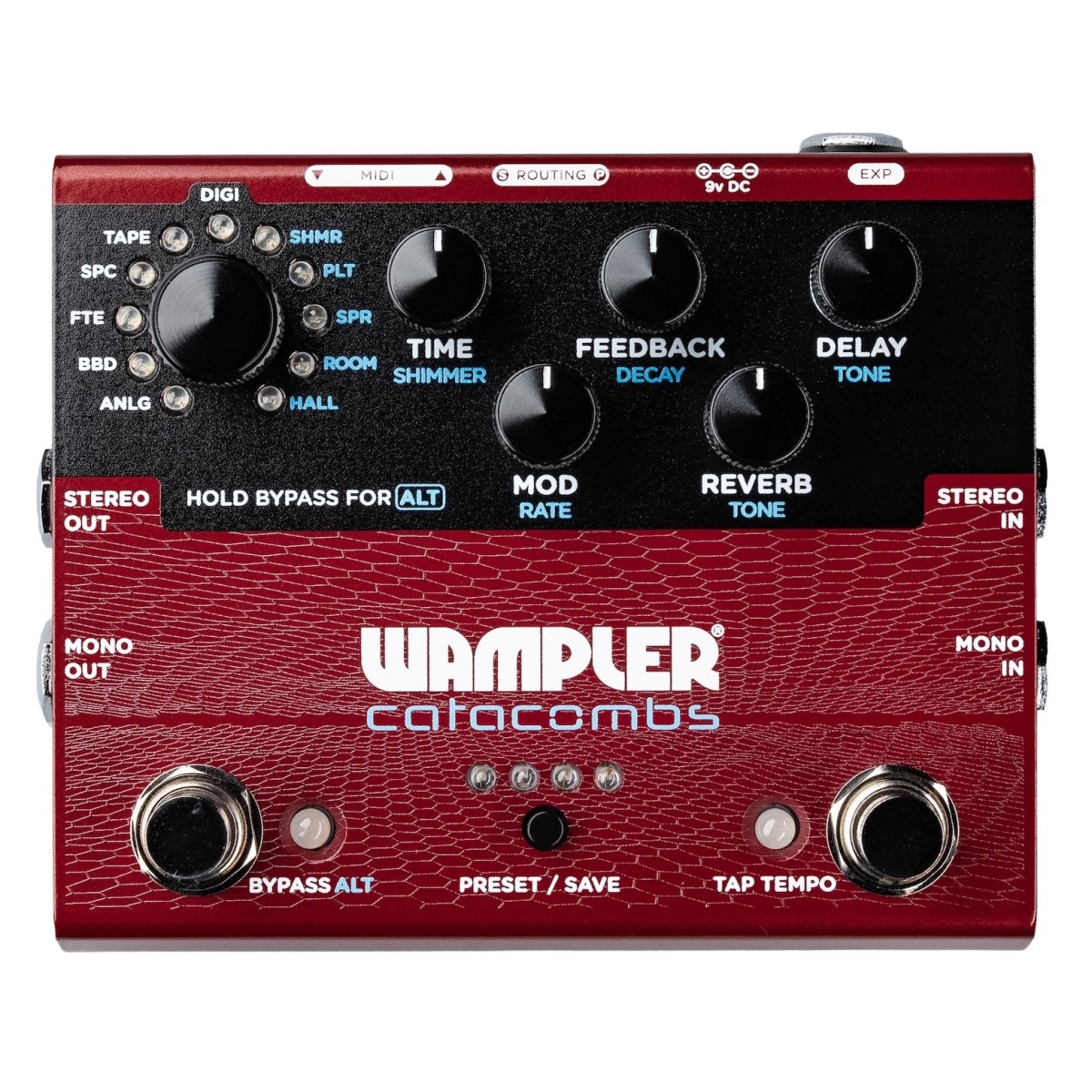
The Wampler Catacombs is a comprehensive multi-effect pedal that integrates eleven high-quality delay and reverb algorithms into a single unit. Designed by Brian Wampler to address the balance between complex sound design and stage-ready usability, it offers a versatile solution for guitarists seeking diverse spatial effects.
Background and Development
The Catacombs was developed by Brian Wampler as a response to common frustrations regarding effect versatility and pedalboard real estate. Throughout his history as a pedal builder, Wampler observed that musicians often had to choose between simple pedals with limited sounds or complex units that were difficult to navigate during live performances. The goal of the Catacombs was to eliminate this compromise by providing a library of 'greatest hits' spatial effects within an interface that remains intuitive for the user.
Core Features and Functionality
The pedal features eleven distinct algorithms, spanning classic and modern spatial textures. Included in the selection are essential utilities such as plate reverb and digital delay, alongside more atmospheric options like shimmer and 'spaced-out' echo effects. The hardware is designed to accommodate both mono and stereo signals, ensuring compatibility with various amplifier setups and studio recording environments.
User Interface and Control
Central to the Catacombs design philosophy is its manageable interface. Despite the complexity of the internal processing, the physical controls are mapped to allow for immediate adjustment of key parameters. This approach enables players to perform deep editing when necessary while maintaining the ability to make quick, 'on-the-fly' changes to their sound without navigating deep digital menus.
Sound Character
The sonic profile of the Catacombs is defined by its clarity and musicality. By covering everything from traditional, transparent digital delays to lush, ambient reverbs, the pedal serves as a foundational spatial tool. The algorithms are tuned to be highly responsive to player dynamics, ensuring that even the most complex echoes or shimmer textures do not overwhelm the original guitar signal.
Target Audience and Use Cases
The Catacombs is primarily suited for professional and hobbyist guitarists who require a broad palette of spatial sounds but have limited space on their pedalboards. It is particularly effective for musicians who perform across multiple genres, where switching between a subtle room reverb and a modulated delay is a frequent requirement. It also serves as a robust tool for studio musicians who need high-fidelity stereo effects for tracking.
Related gear
 £119.00 ($151)
Digitech
Digitech Whammy Ricochet Guitar Effects Pedal
 £85.00 ($108)
Fender
Fender Hammertone Flanger Pedal
 £23.00 ($29)
Behringer
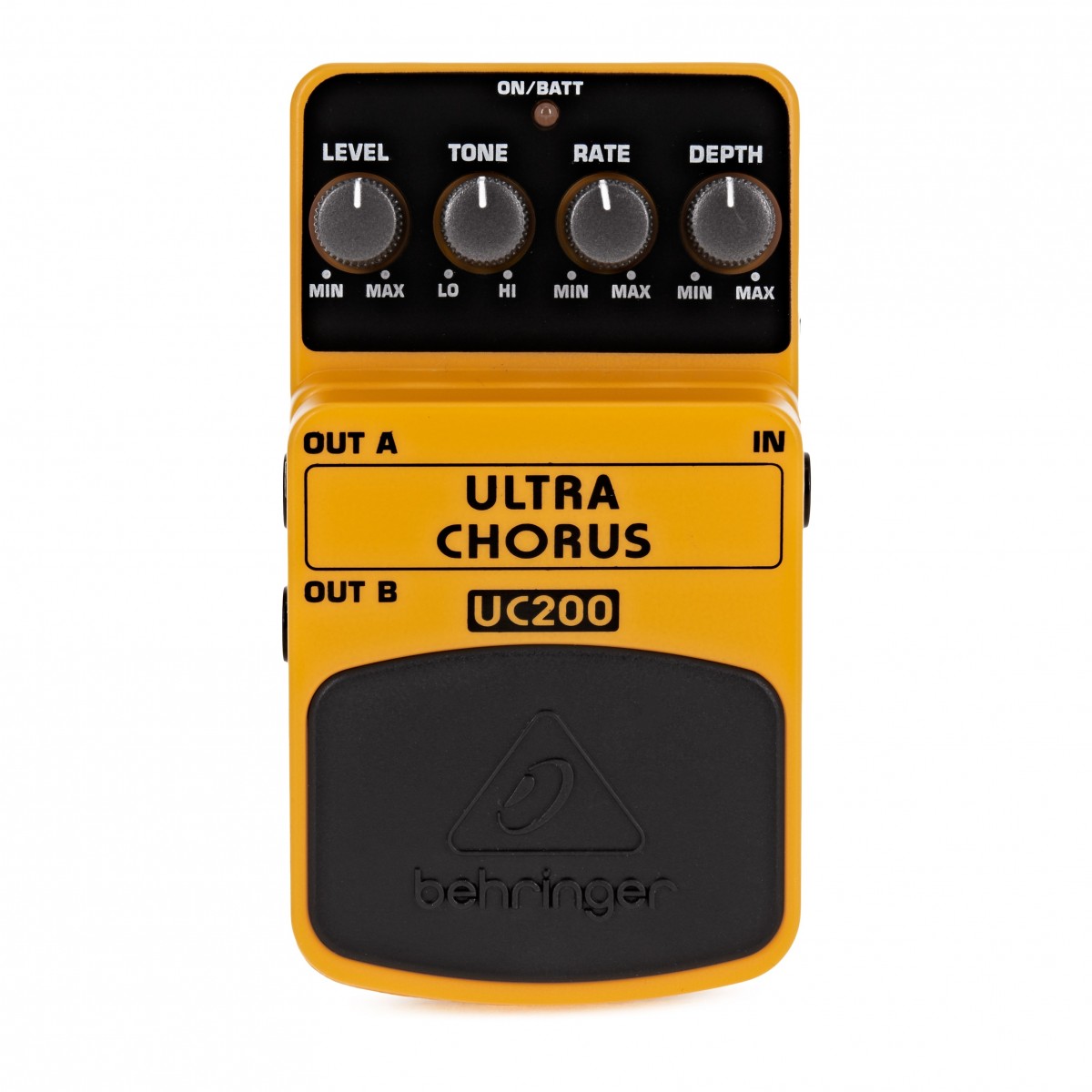
Behringer UC200 Ultra Chorus Pedal
 £259.00 ($329)
Dunlop
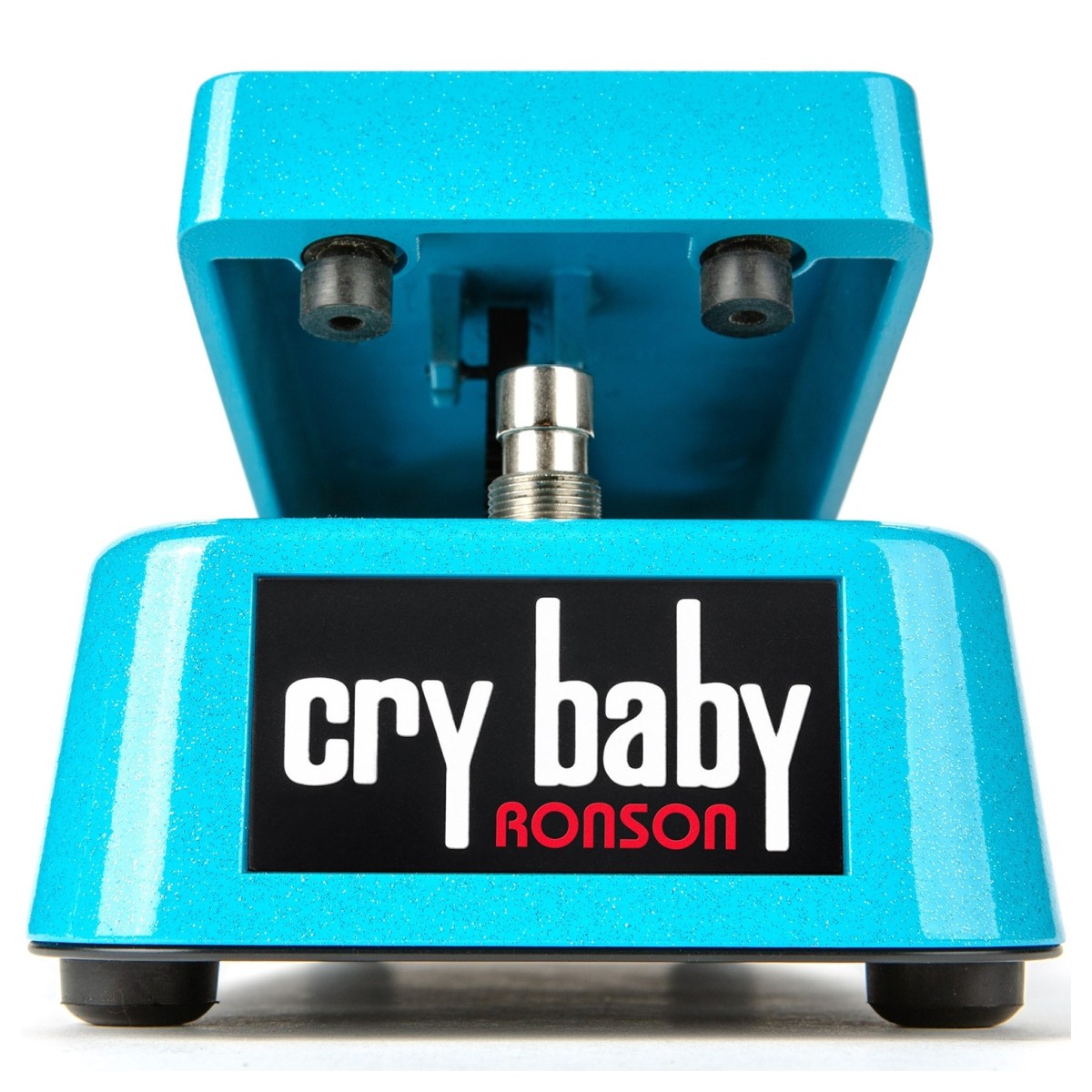
Dunlop Mick Ronson Cry Baby Wah
 £109.00 ($138)
Fender
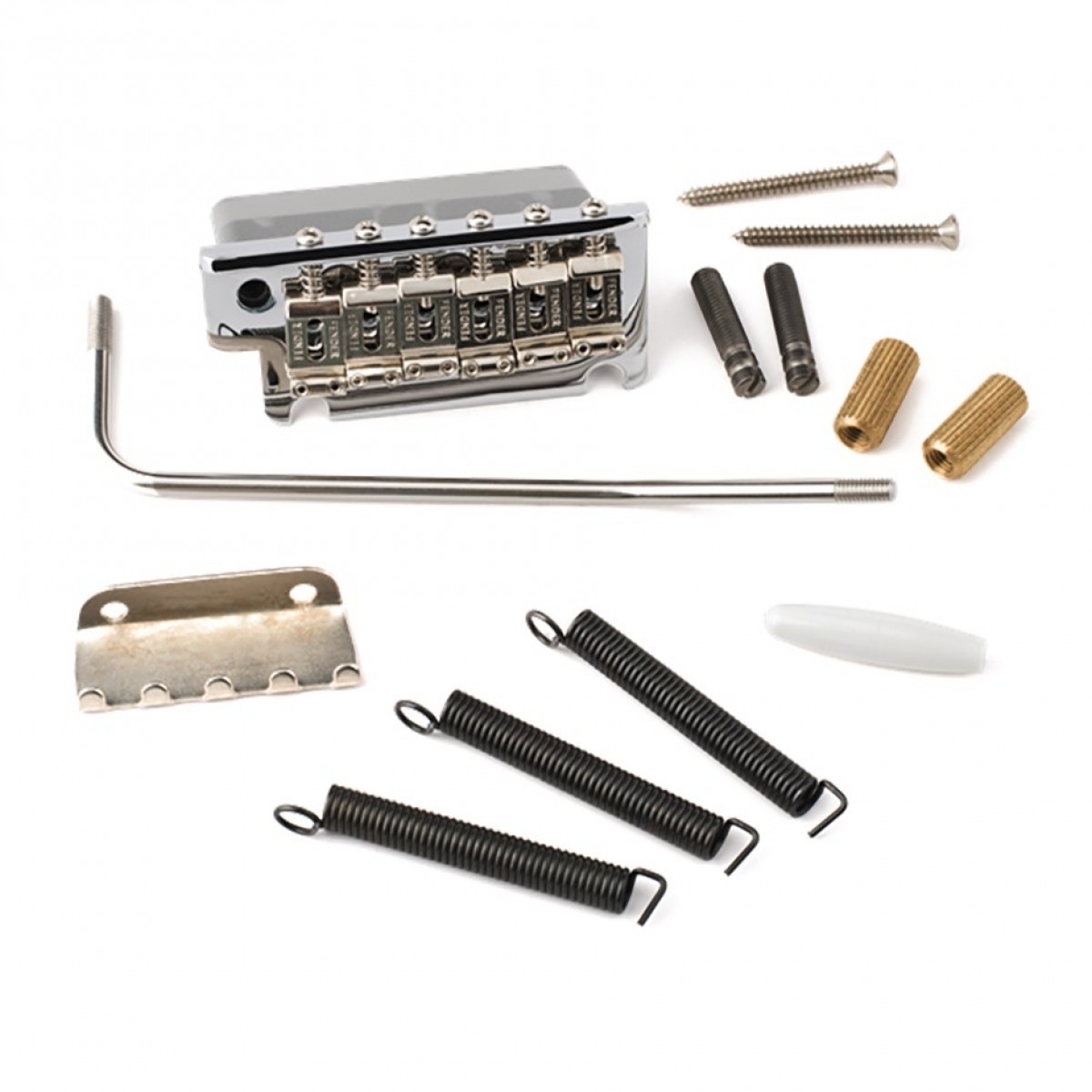
Fender American Standard Stratocaster Tremolo Bridge Assembly Chrome
- £78.60 ($100)
Yamaha
Yamaha FC7 Expression Pedal
 £175.00 ($222)
Boss
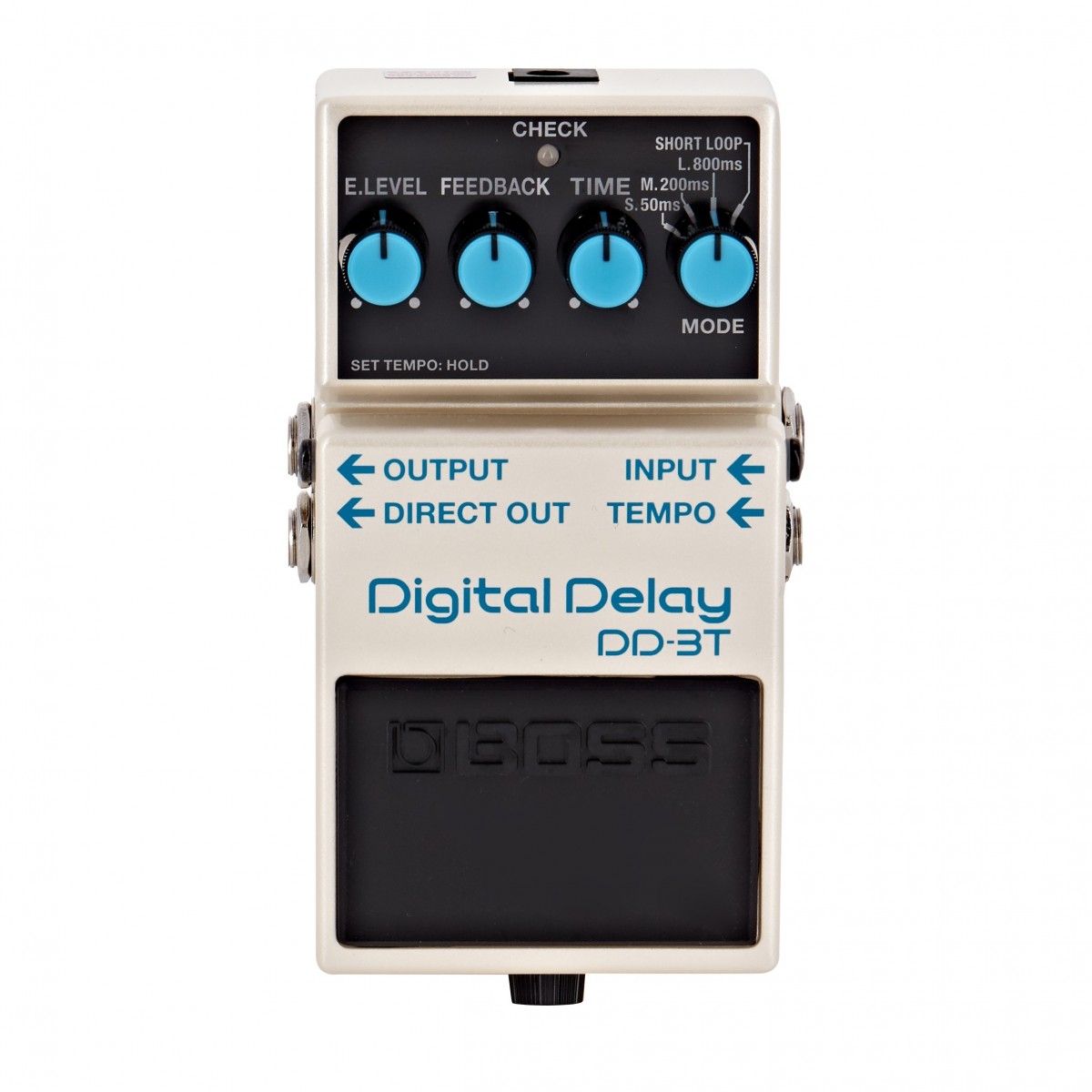
Boss DD-3T Digital Delay Pedal
 £99.10 ($126)
Boss
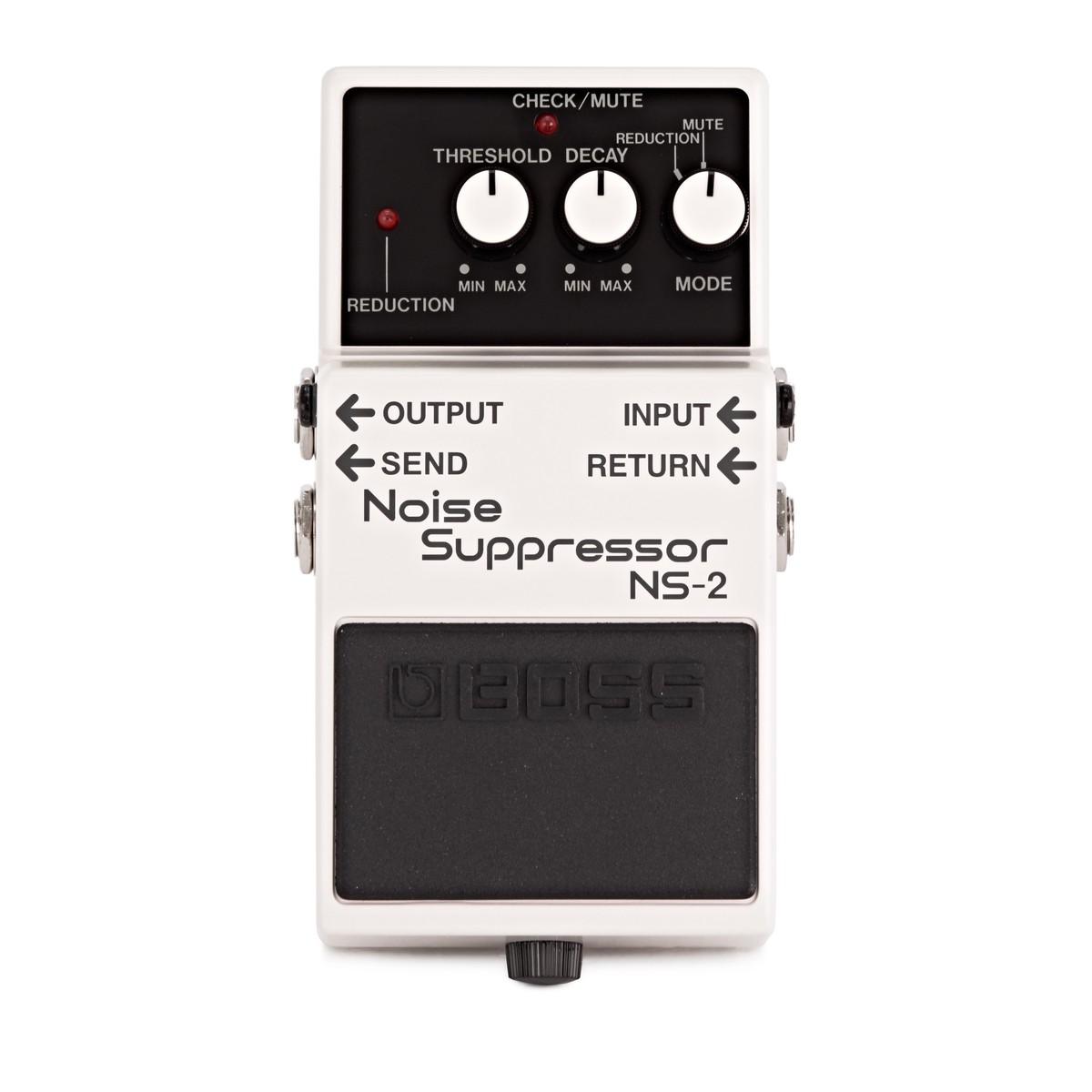
Boss NS-2 Noise Suppressor Guitar Pedal
Frequently asked questions
- What is the primary function of the Wampler Catacombs?
- The Catacombs is a multi-effect pedal that combines eleven different delay and reverb algorithms into one unit. It is designed to provide a wide range of spatial sounds while maintaining an intuitive physical interface for the player.
- How many algorithms are included in the pedal?
- The pedal includes 11 of the most popular delay and reverb sounds. These range from standard digital and plate styles to more experimental shimmer and echo effects.
- Who designed the Catacombs pedal?
- The pedal was designed by Brian Wampler, the founder of Wampler Pedals. His design philosophy focused on solving the struggle musicians face when trying to balance versatile sound options with simple controls.
- Is the Wampler Catacombs suitable for stereo setups?
- Yes, the pedal is designed to handle stereo signals. This makes it suitable for complex guitar rigs, studio recording, and users who want a wider spatial image for their reverbs and delays.
- Does the pedal include a shimmer reverb effect?
- Yes, a musical shimmer effect is one of the 11 featured sounds. This allows for ambient, synth-like textures that are popular in modern worship and post-rock music.
- What types of delay are available on the Catacombs?
- The pedal features several delay types, including a trusty digital delay and spaced-out echo options. These provide a variety of rhythmic and textural possibilities for the player.
- What types of reverb are available on the Catacombs?
- Included among the reverb options is a classic plate reverb. The unit also covers more atmospheric and complex reverb types to ensure versatility across different musical genres.
- How does the Catacombs compare to a Boss DD-3T?
- While the Boss DD-3T is a dedicated digital delay with simple controls, the Wampler Catacombs is a multi-effect unit. The Catacombs offers a much wider range of 11 sounds, including reverbs, whereas the DD-3T focuses strictly on digital delay.
- Can the Catacombs replace a dedicated chorus pedal like the Behringer UC200?
- The Catacombs is primarily a reverb and delay pedal, whereas the UC200 is a dedicated chorus. While the Catacombs may offer modulated delays or reverbs that have chorus-like qualities, it is not a direct replacement for a standalone chorus unit.
- What is the typical price for the Wampler Catacombs?
- The typical price for the Wampler Catacombs is approximately £279. This reflects its position as a high-end, multi-functional boutique pedal.
- Is the pedal interface difficult to use?
- No, the interface was specifically designed to be manageable and intuitive. Brian Wampler created the pedal to avoid the need for complex menus, allowing for easier sound editing compared to many other multi-effect units.
- Does the pedal require a specific power supply?
- Like most modern digital multi-effects, the Catacombs requires a standard 9V DC power supply. Users should ensure their power source meets the specific milliamperage requirements stated by Wampler for digital pedals.