
Gear article
Wampler EQuator Pedal
The Wampler EQuator is a versatile semi-parametric equaliser pedal designed for precision tonal shaping in a guitar-centric format. It features a unique control layout that combines fixed shelving filters with two fully sweepable mid-frequency bands to provide extensive frequency control without the complexity of a graphic EQ.
See live pricesOverview and Design
The Wampler EQuator is engineered to offer a balance between the simplicity of traditional tone knobs and the surgical precision of rack-mounted or studio software equalisers. Recognising that standard three-band EQ controls on most amplifiers are often limited, Wampler designed the EQuator to give players a carefully defined frequency range suitable for any application, from subtle tonal adjustments to a fully customised clean boost. The pedal is built using high-quality industry-standard components housed in a rugged enclosure, ensuring durability for professional use on stage, at home, or in the studio.
Control Layout and Functionality
The EQuator features four distinct frequency bands:
- Treble and Bass: These are fixed-frequency controls designed for broad adjustments to the high and low ends of the signal spectrum.
- Semi-Parametric Mids: The pedal includes two mid-range controls, each consisting of a 'Frequency' knob and a 'Boost/Cut' knob. This allows the user to select a specific frequency within the mid-range and either amplify or attenuate it, providing significantly more flexibility than a standard 'Middle' control.
The layout is intended to be intuitive, allowing for quick adjustments during a performance while remaining precise enough for recording sessions where specific resonant peaks or 'honky' frequencies need to be addressed.
Tonal Character and Use Cases
The primary character of the EQuator is transparency. It is designed to bring out the best sounds from an existing rig without imposing a specific 'coloured' sonic signature unless the user intentionally dials it in. Because of its semi-parametric nature, it is particularly effective at correcting specific tonal deficiencies in a guitar or amplifier, such as thinning out a muddy low-mid range or adding 'sparkle' to a dark-sounding instrument. When used with the volume control, it functions effectively as a clean boost that can be tailored to push an amplifier's front end at very specific frequencies.
Target Audience and Applications
This pedal suits guitarists who require more control over their 'core' tone than a standard drive pedal or amplifier provides. It is an ideal tool for players who switch between different guitars (such as a single-coil Stratocaster and a humbucker-equipped Les Paul) and need to equalise their levels and frequencies quickly. It also serves as a valuable tool for gigging musicians who need to compensate for the acoustics of different venues, where room resonances might cause certain frequencies to become overbearing.
Comparison to Alternatives
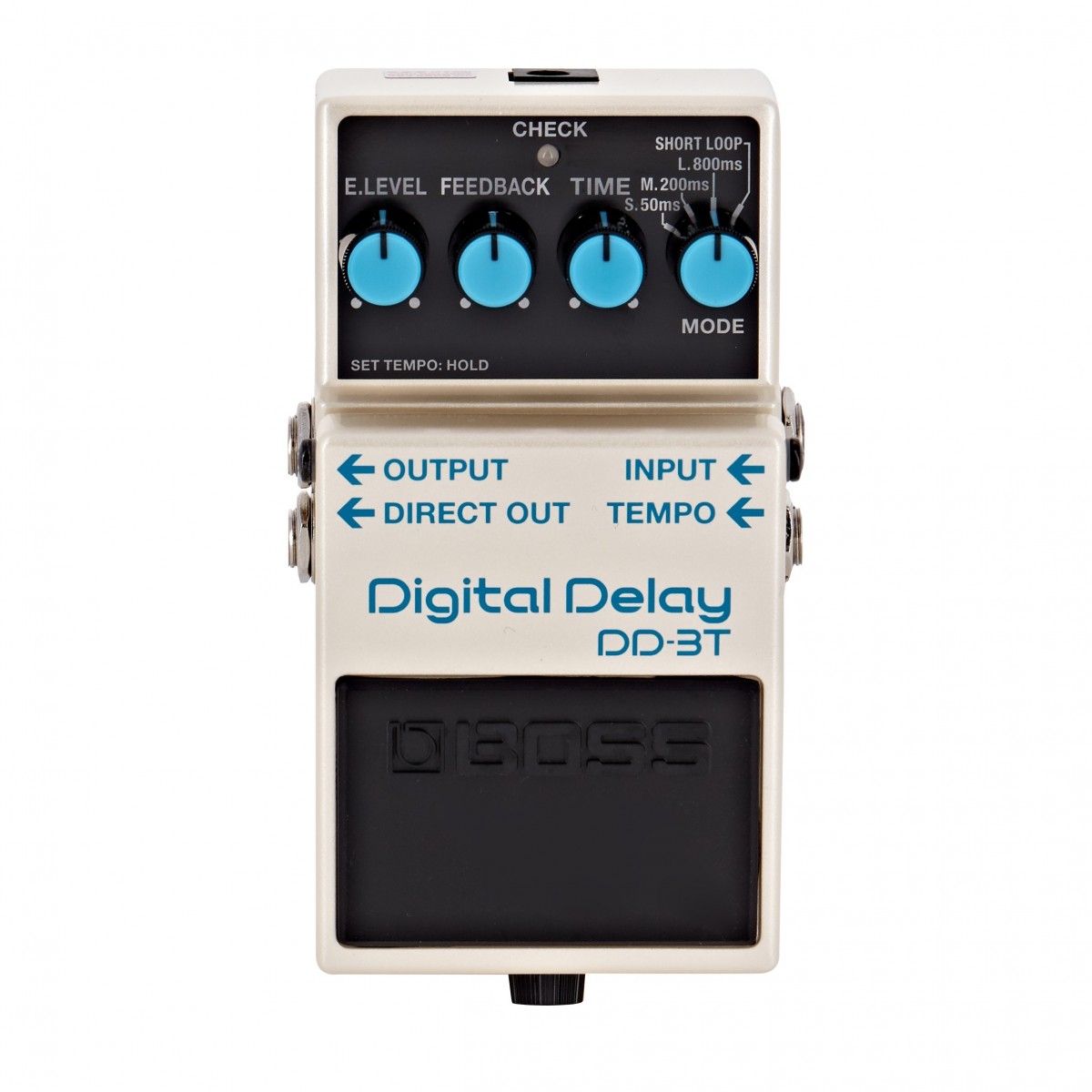
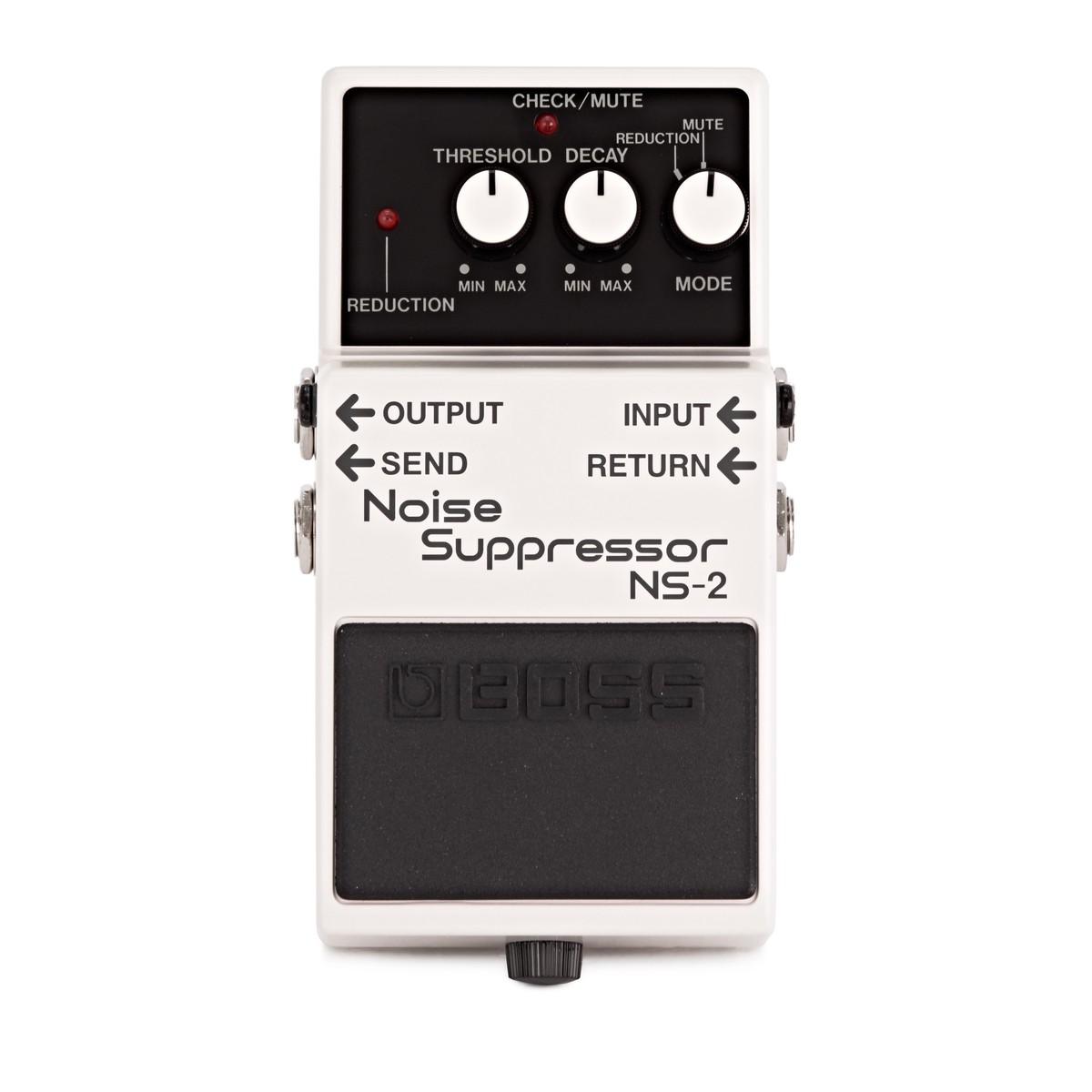
Compared to graphic equalisers like the Boss GE-7, the Wampler EQuator offers a smoother, more 'musical' transition between bands, as parametric EQs generally avoid the 'comb filtering' effect sometimes associated with multi-band graphic sliders. While it lacks the extreme visual feedback of a graphic EQ, the semi-parametric controls provide more surgical precision for finding exact frequencies. In a pedalboard context, it serves a different role than utility pedals like the Boss NS-2 Noise Suppressor or time-based effects like the Boss DD-3T Digital Delay, acting instead as a foundational tone-shaping tool.
Related gear
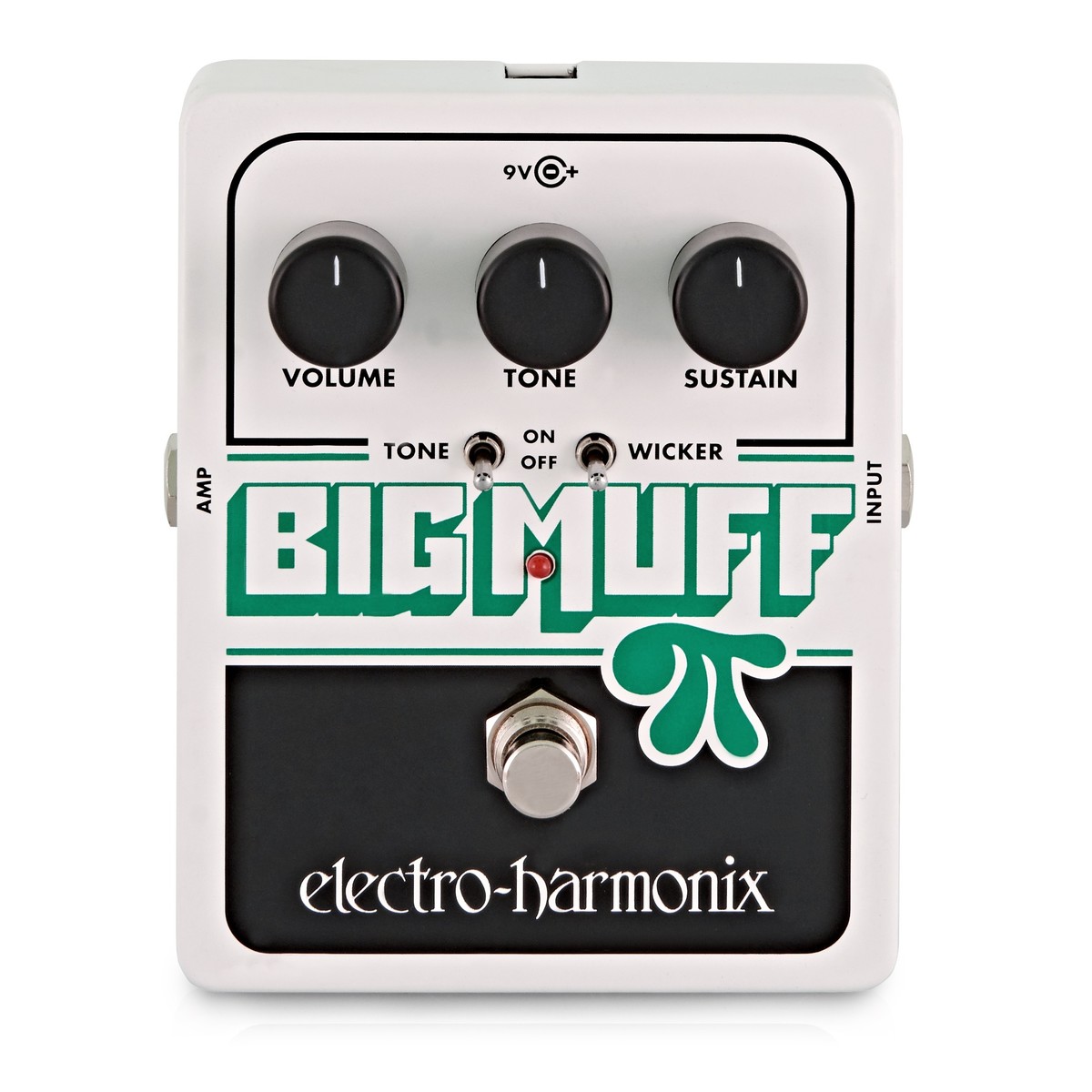 £97.00 ($123)
Electro Harmonix
Electro Harmonix Big Muff Distortion Sustainer w/ Tone Wicker
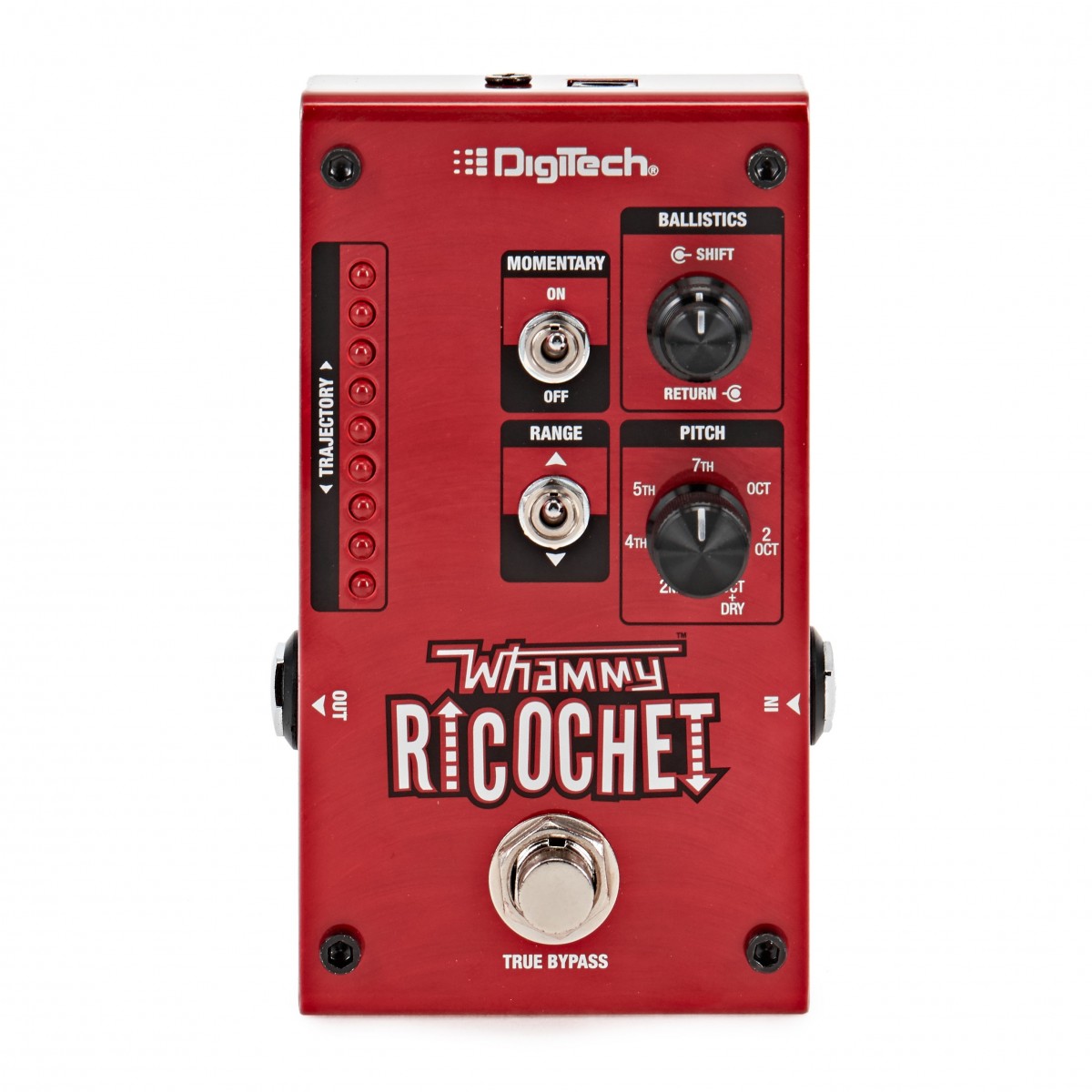 £129.00 ($164)
Digitech
Digitech Whammy Ricochet Guitar Effects Pedal
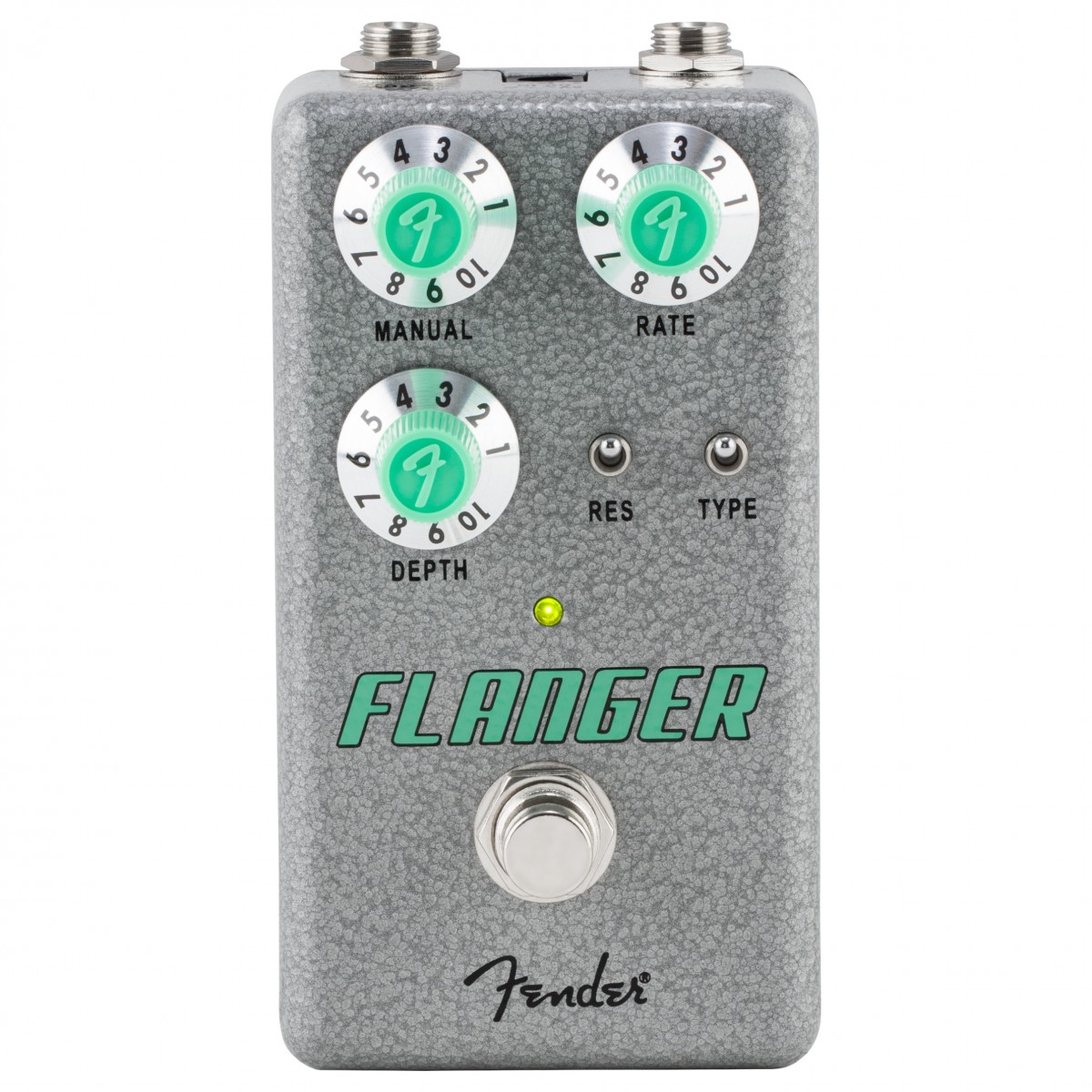 £85.00 ($108)
Fender
Fender Hammertone Flanger Pedal
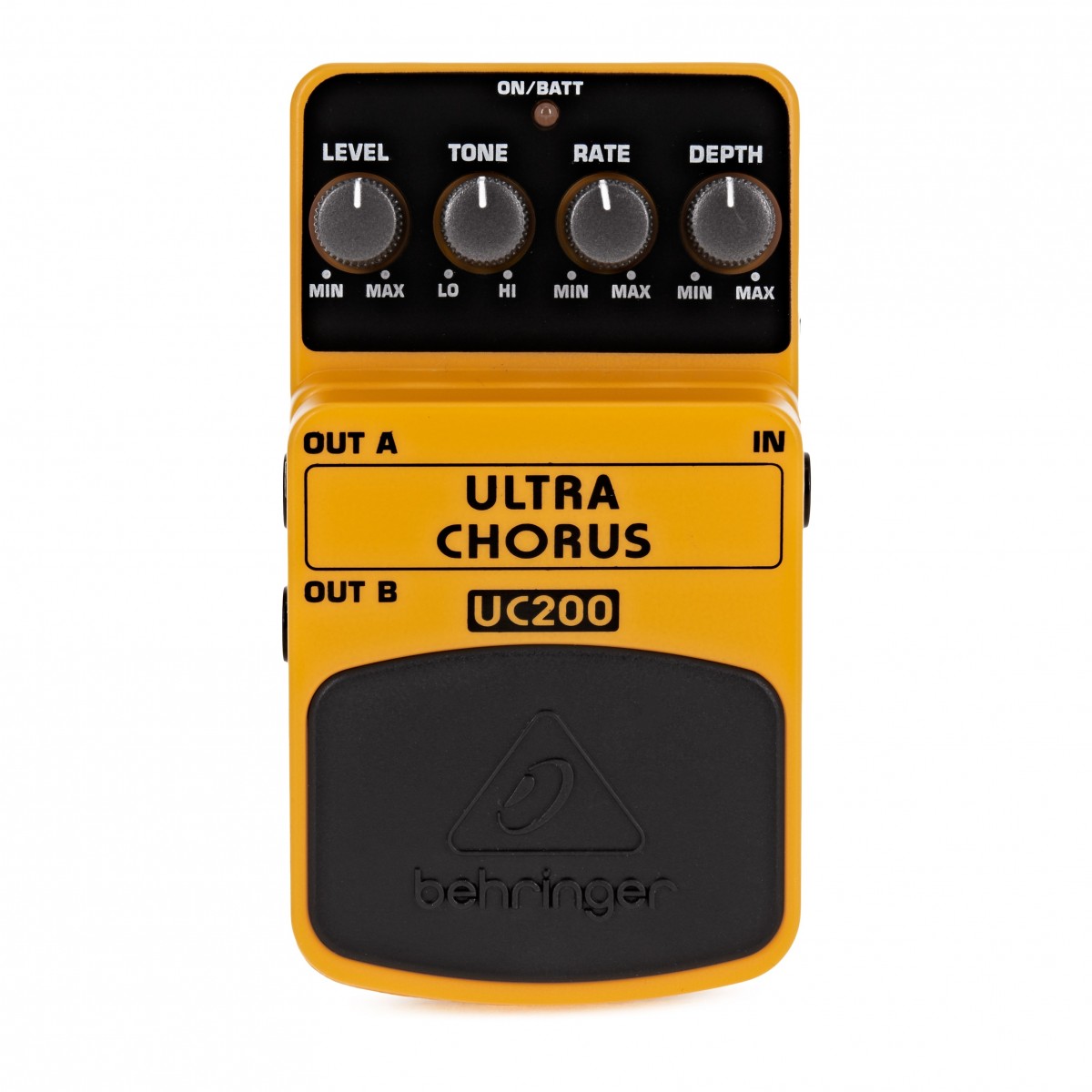 £19.90 ($25)
Behringer
Behringer UC200 Ultra Chorus Pedal
 £259.00 ($329)
Dunlop
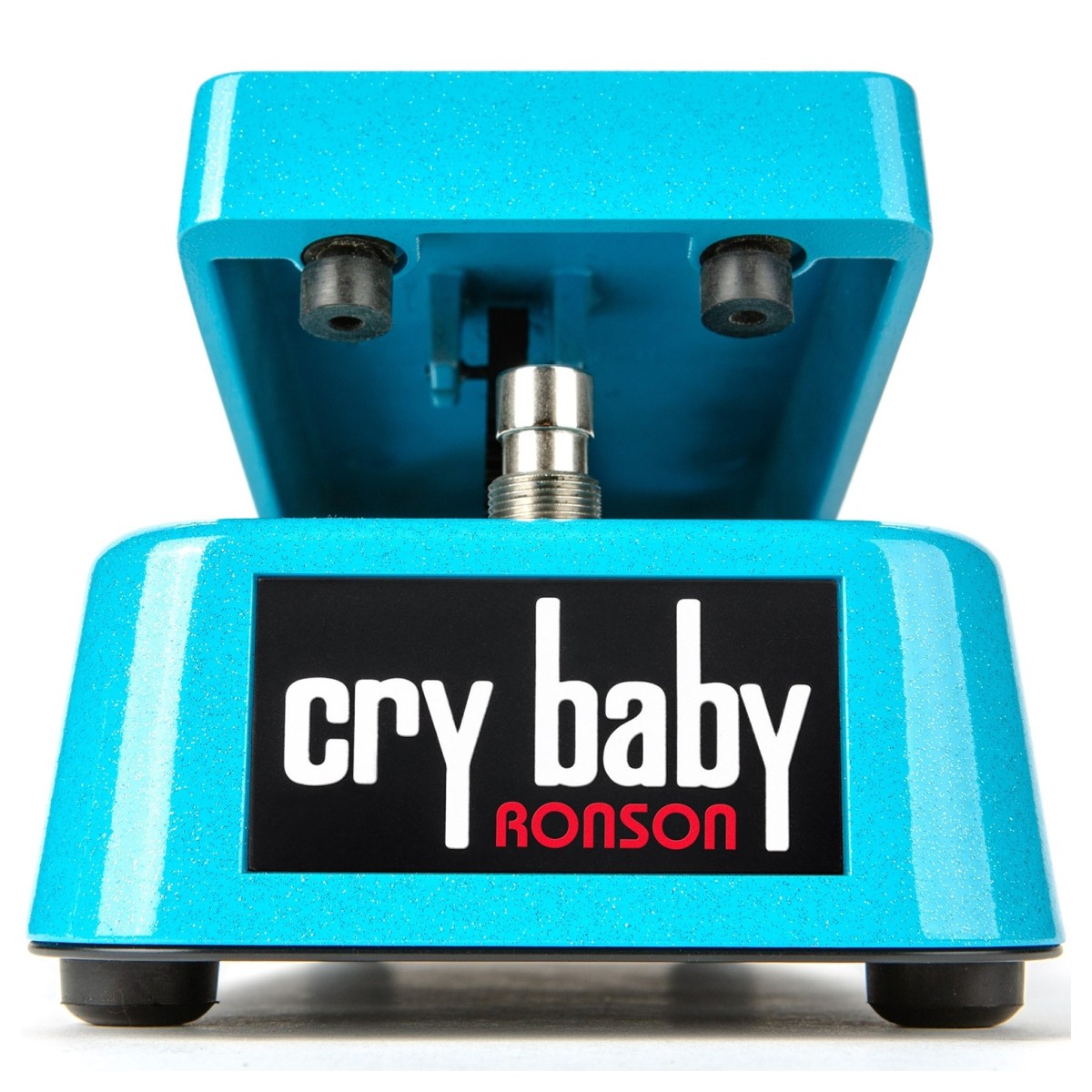
Dunlop Mick Ronson Cry Baby Wah
 £77.00 ($98)
Yamaha
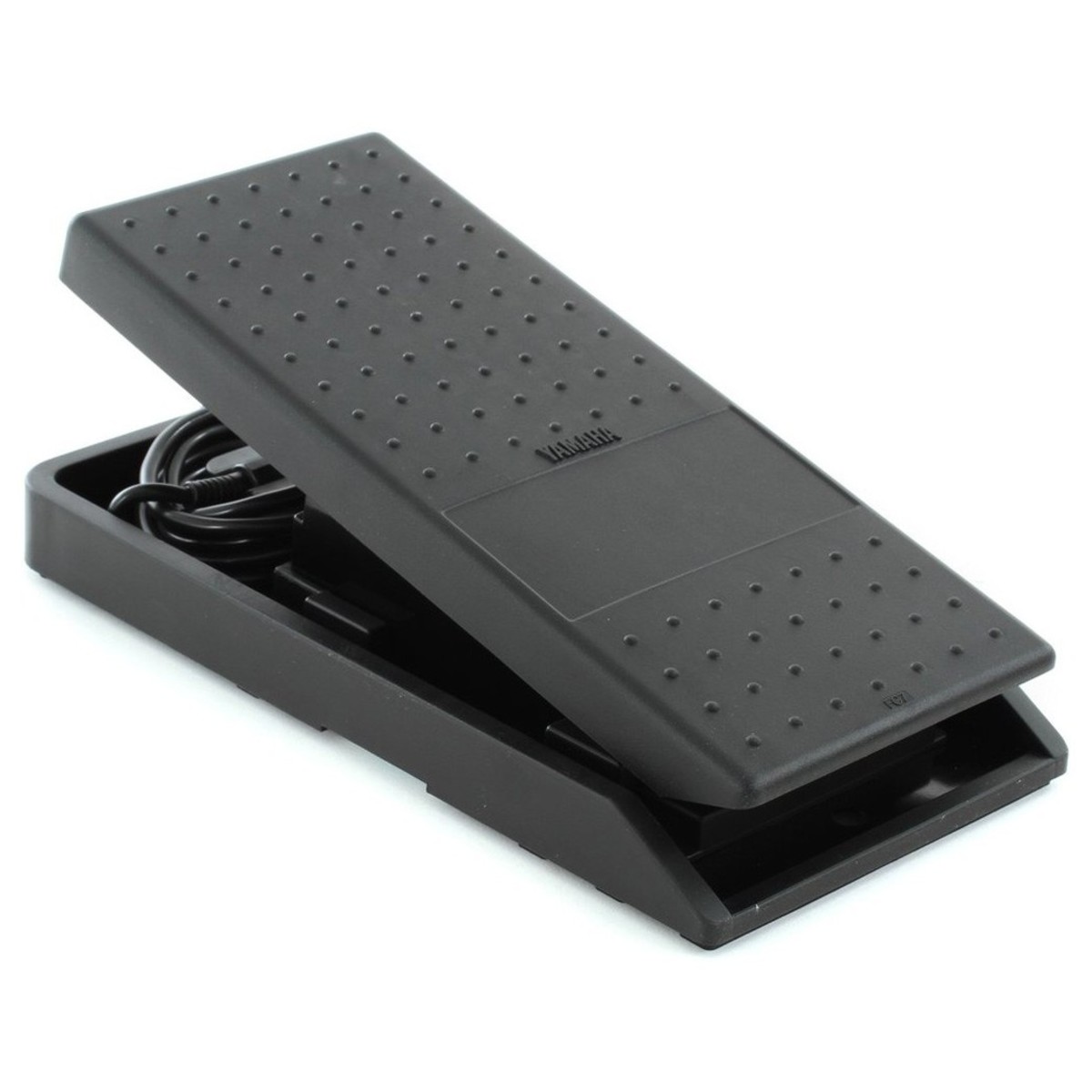
Yamaha FC7 Expression Pedal
 £175.00 ($222)
Boss
Boss DD-3T Digital Delay Pedal
 £99.10 ($126)
Boss
Boss NS-2 Noise Suppressor Guitar Pedal
Frequently asked questions
- What is the Wampler EQuator Pedal?
- It is a semi-parametric equaliser pedal designed for guitarists, featuring four bands of EQ to provide precise control over an instrument's frequency response.
- How many mid-range controls does the EQuator have?
- The pedal features two semi-parametric mid-range controls, each with its own frequency selector and boost/cut knob.
- Can the EQuator be used as a clean boost?
- Yes, by adjusting the volume and frequency controls, the pedal can function as a fully customised clean boost to drive an amplifier or other pedals.
- Is the treble control parametric?
- No, the Treble and Bass controls on the EQuator are fixed-frequency filters, while the two mid-range bands are semi-parametric.
- What is the typical price for this pedal?
- The manufacturer lists a typical price range around GBP 163.
- Where is the Wampler EQuator intended to be used?
- The pedal is designed for a variety of environments, including live stage performances, home practice, and professional studio recording.
- How does the EQuator differ from a graphic EQ?
- Unlike a graphic EQ which has fixed sliders for set frequencies, the EQuator allows you to sweep through frequencies to find the exact spot you wish to boost or cut.
- Is the enclosure durable enough for touring?
- Yes, the EQuator is built with a rugged enclosure and high-quality industry-standard components meant for heavy use.
- Does the EQuator add a specific 'sound' to the signal?
- The pedal is designed to be transparent and flexible, bringing out the best in your existing rig rather than adding its own heavy coloration.
- Can the EQuator help with different guitar types?
- It is highly effective for balancing tones when switching between guitars with different pickups, such as single-coils and humbuckers.
- What components are used in the construction?
- Wampler uses high-quality industry-standard components and design practices to ensure reliable performance and high-fidelity sound.
- Is the control layout complicated?
- The layout is designed to be intuitive and quick to use, avoiding the over-complexity sometimes found in professional studio equalisers.