
Gear article
Wampler Phenom Distortion Pedal
The Wampler Phenom Distortion is a versatile guitar effects pedal designed to provide a wide range of gain levels, from vintage-style warmth to modern aggressive bite. Part of the Wampler Collective series, it features a flexible three-band EQ and a two-position voicing switch to suit various amplifier and pickup configurations.
See live pricesOverview
The Wampler Phenom Distortion is engineered to offer guitarists a highly dynamic gain stage that adapts to different playing styles. It is designed to work effectively whether placed in front of a clean amplifier channel or used to push an already overdriven signal. The pedal is housed in a robust chassis designed to withstand the rigours of heavy stage use and frequent stomping.
Key Features and Operation
The pedal's interface is centred around a comprehensive three-band EQ section, allowing for precise control over Bass, Middle, and Treble frequencies. This level of tone shaping is complemented by a Gain control for adjusting the saturation level and a Volume control for output matching.
A significant feature of the Phenom is the voicing toggle switch:
- Classic Mode: Provides a warm, organic voicing reminiscent of vintage valve amplifiers, suitable for classic rock crunch.
- Bright Mode: Shifts the character to a more modern edge, introducing sharper harmonics and increased 'bite' for contemporary lead and rhythm work.
Sound Character
The Phenom is described as 'ultra-dynamic,' responding intuitively to the player's touch and the guitar's volume settings. When using single-coil pickups, the pedal can produce clear, undulating waves of gain. With humbuckers, it provides a thicker, more saturated distortion. The Bright mode specifically enhances high-end presence, making it easier to cut through a dense band mix during solos.
User Suitability
This pedal is suited for guitarists who require a broad spectrum of distortion tones without occupying excessive pedalboard space. Its ability to switch between vintage and modern voicings makes it a flexible tool for session players or those performing in cover bands across multiple genres. The £100 price point positions it as an accessible professional-grade option for both enthusiasts and gigging musicians.
Comparison to Alternatives
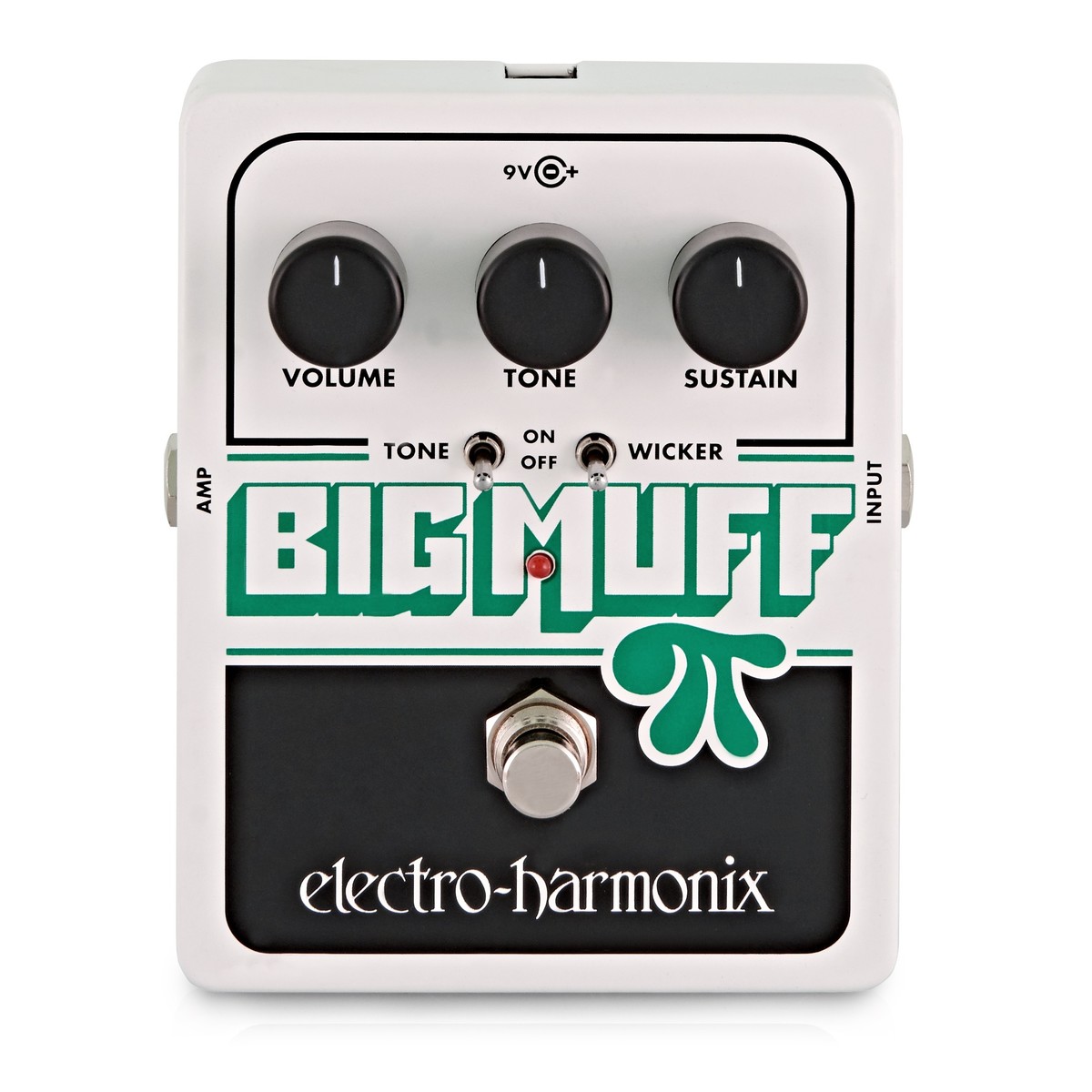
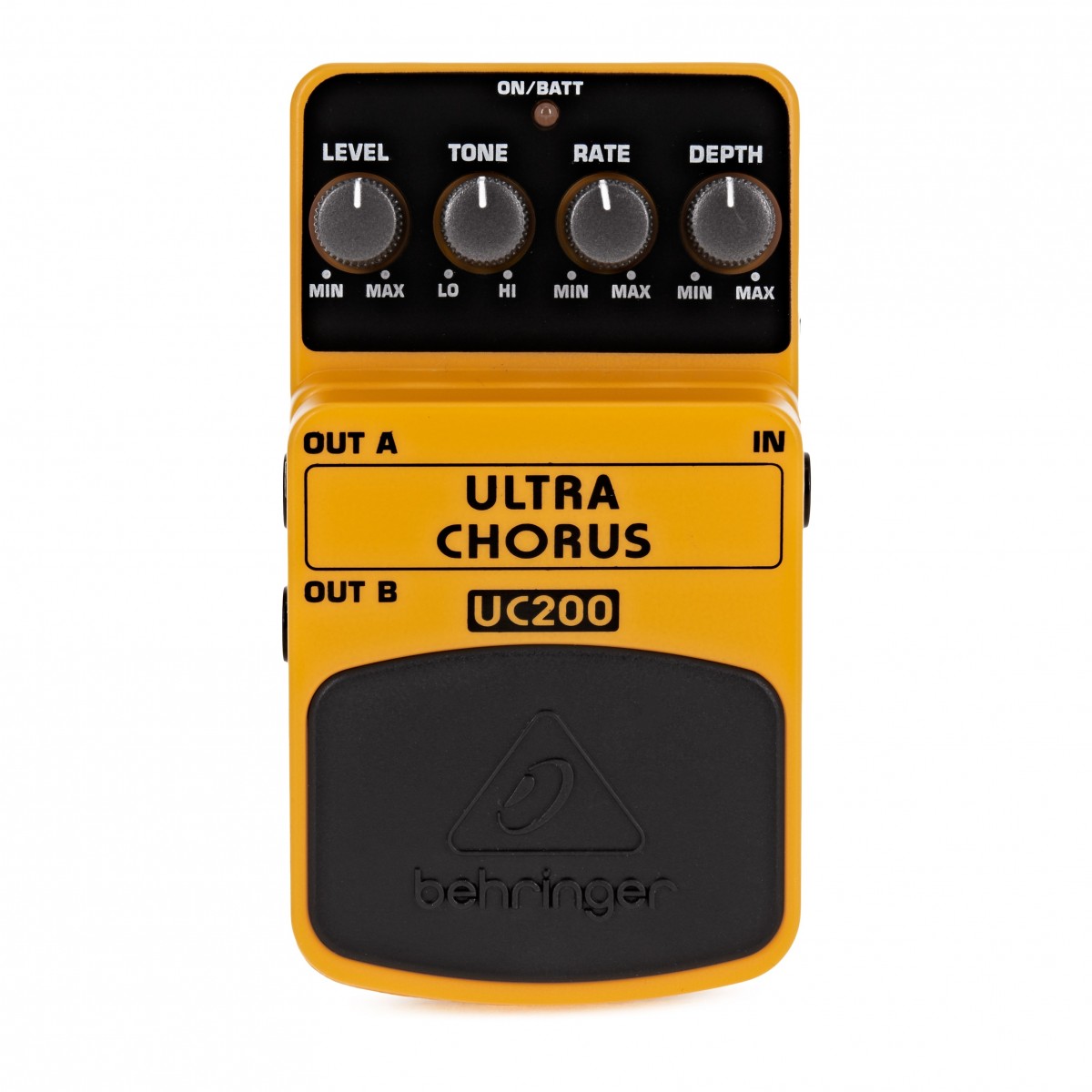
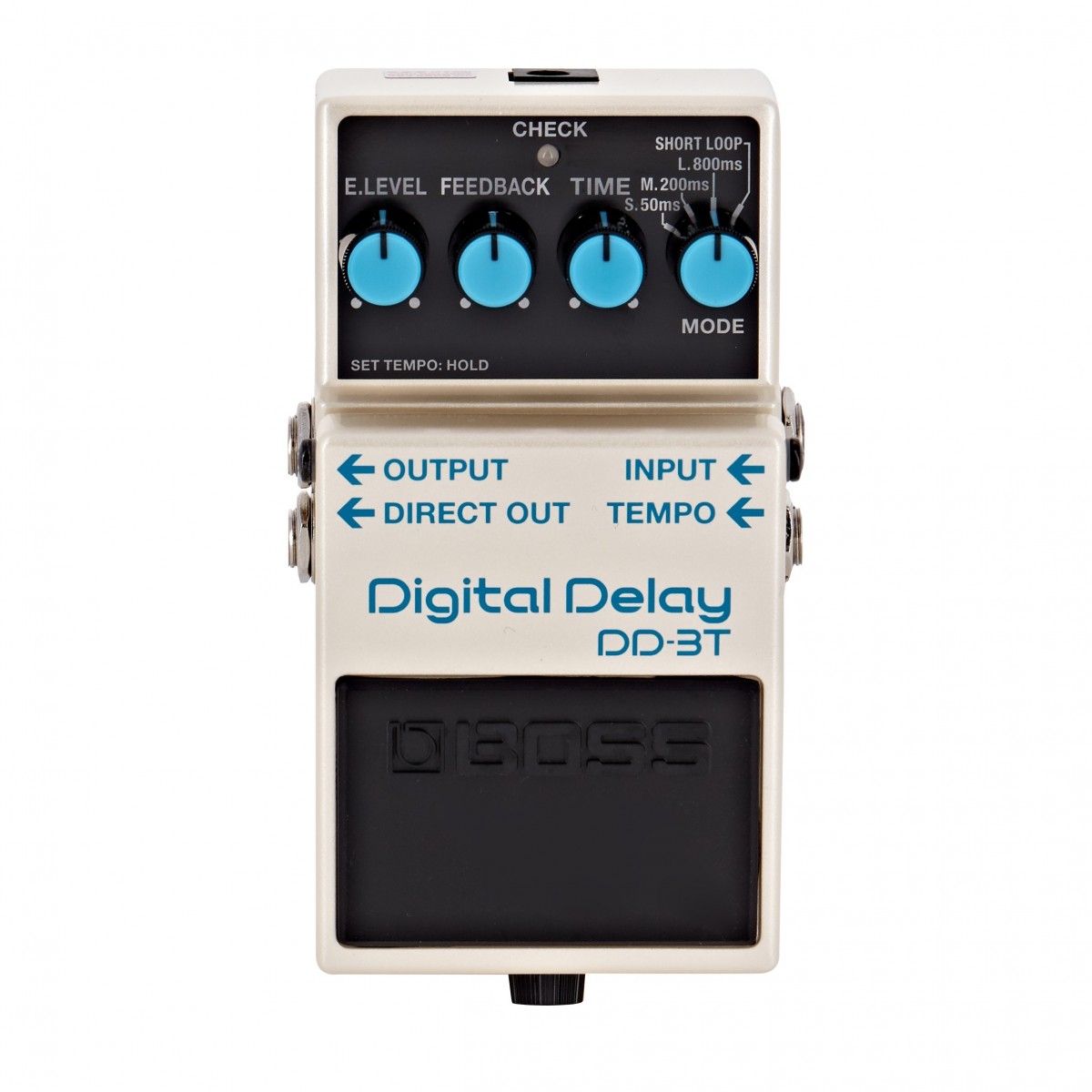
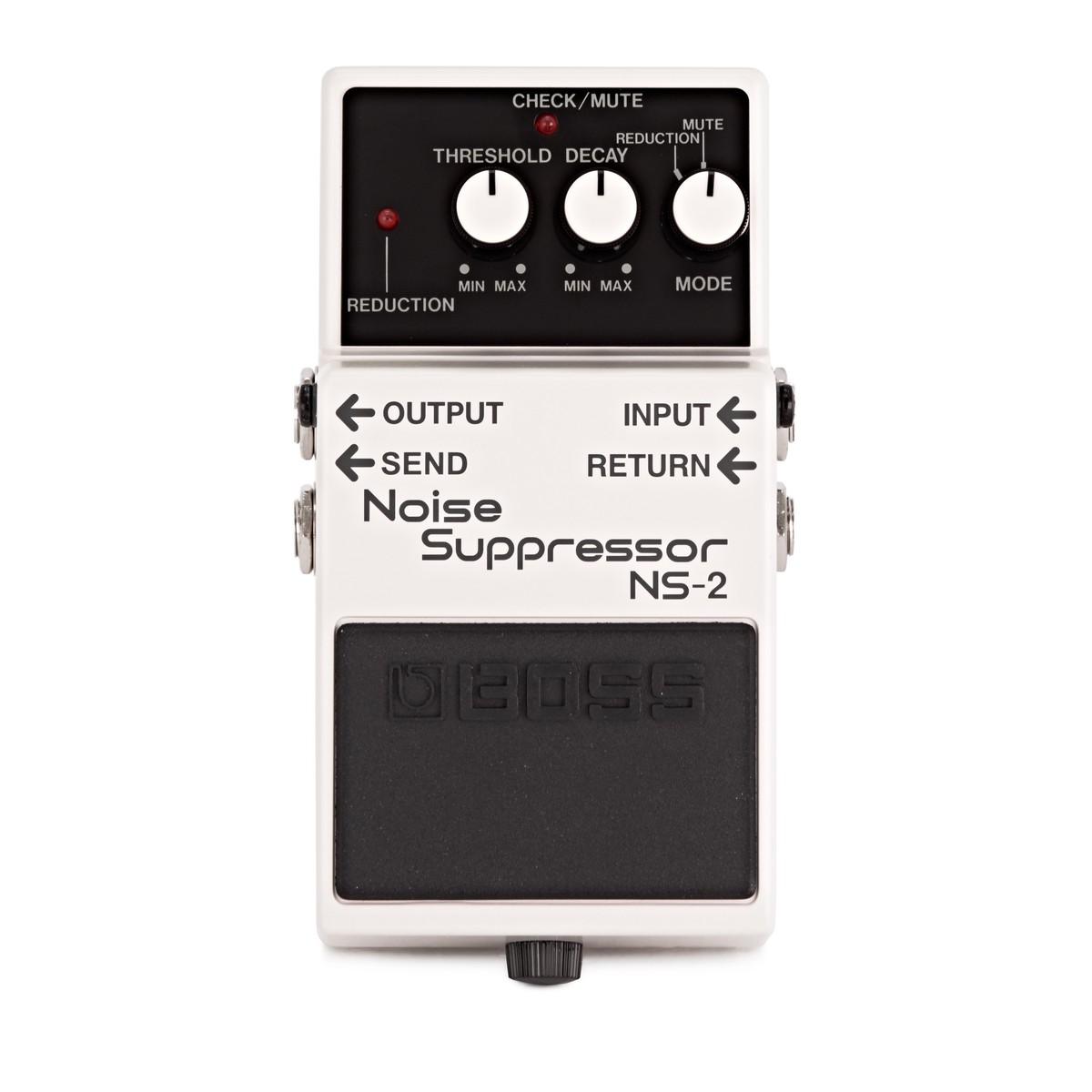
Compared to other gain-based effects like the Electro-Harmonix Big Muff Distortion Sustainer w/ Tone Wicker, the Phenom offers more traditional 'amp-in-a-box' style distortion rather than the fuzzy sustain associated with the Big Muff. While entry-level pedals like the Behringer UC200 Ultra Chorus focus on modulation, the Phenom provides a core dirt sound. For players building a complete rig, it often sits alongside utility pedals like the Boss NS-2 Noise Suppressor or time-based effects such as the Boss DD-3T Digital Delay.
Related gear
 £97.00 ($123)
Electro Harmonix
Electro Harmonix Big Muff Distortion Sustainer w/ Tone Wicker
 £129.00 ($164)
Digitech
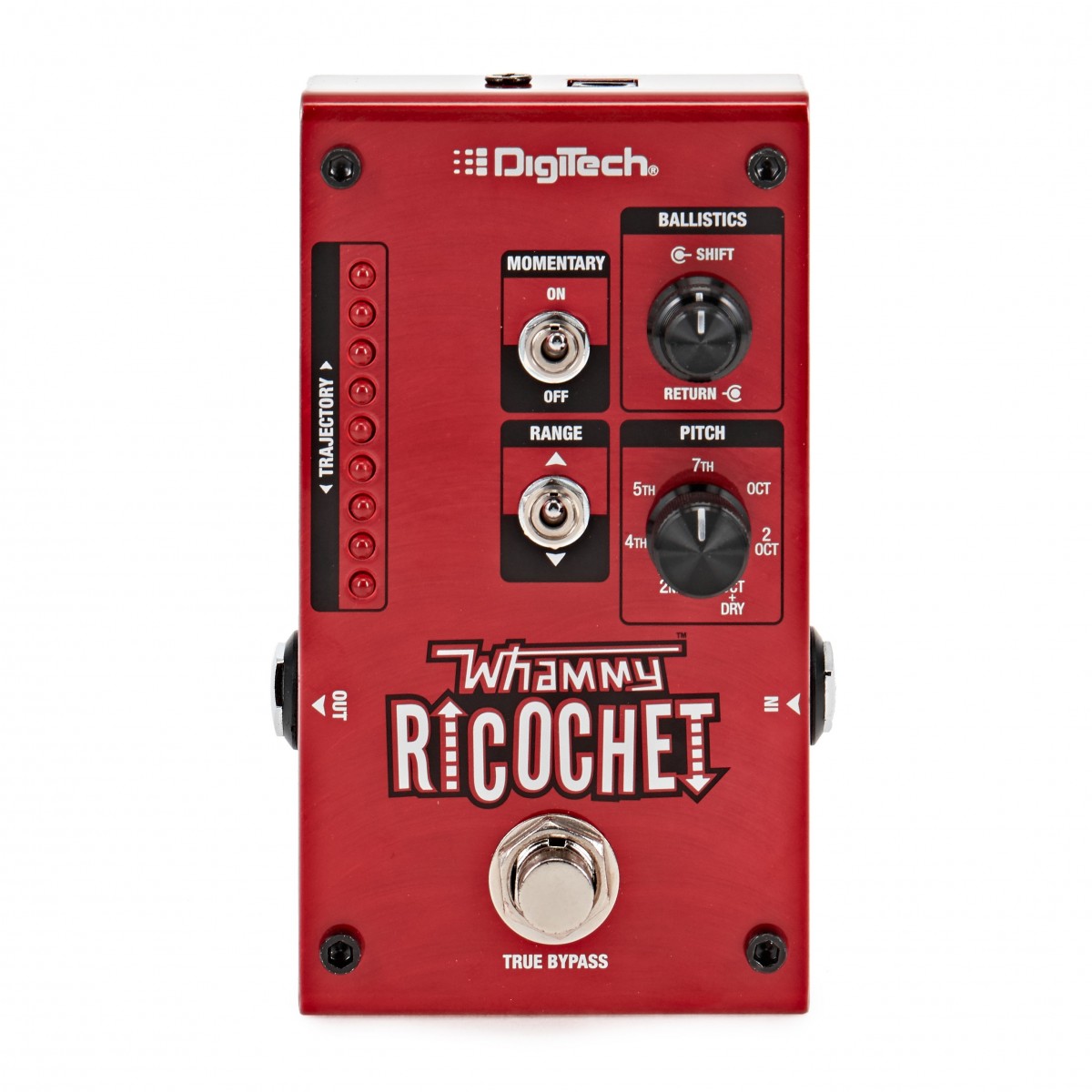
Digitech Whammy Ricochet Guitar Effects Pedal
 £85.00 ($108)
Fender
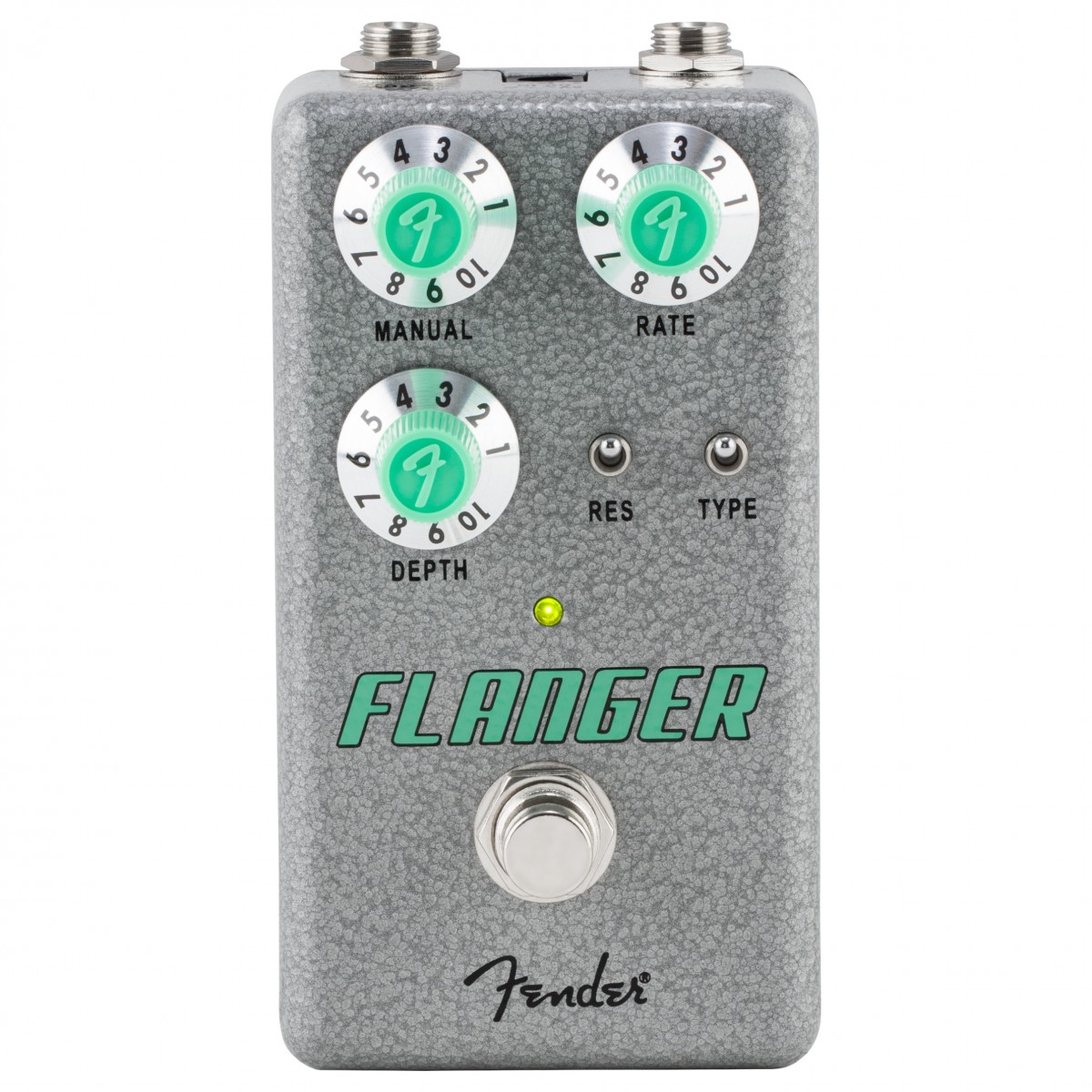
Fender Hammertone Flanger Pedal
 £19.90 ($25)
Behringer
Behringer UC200 Ultra Chorus Pedal
 £259.00 ($329)
Dunlop
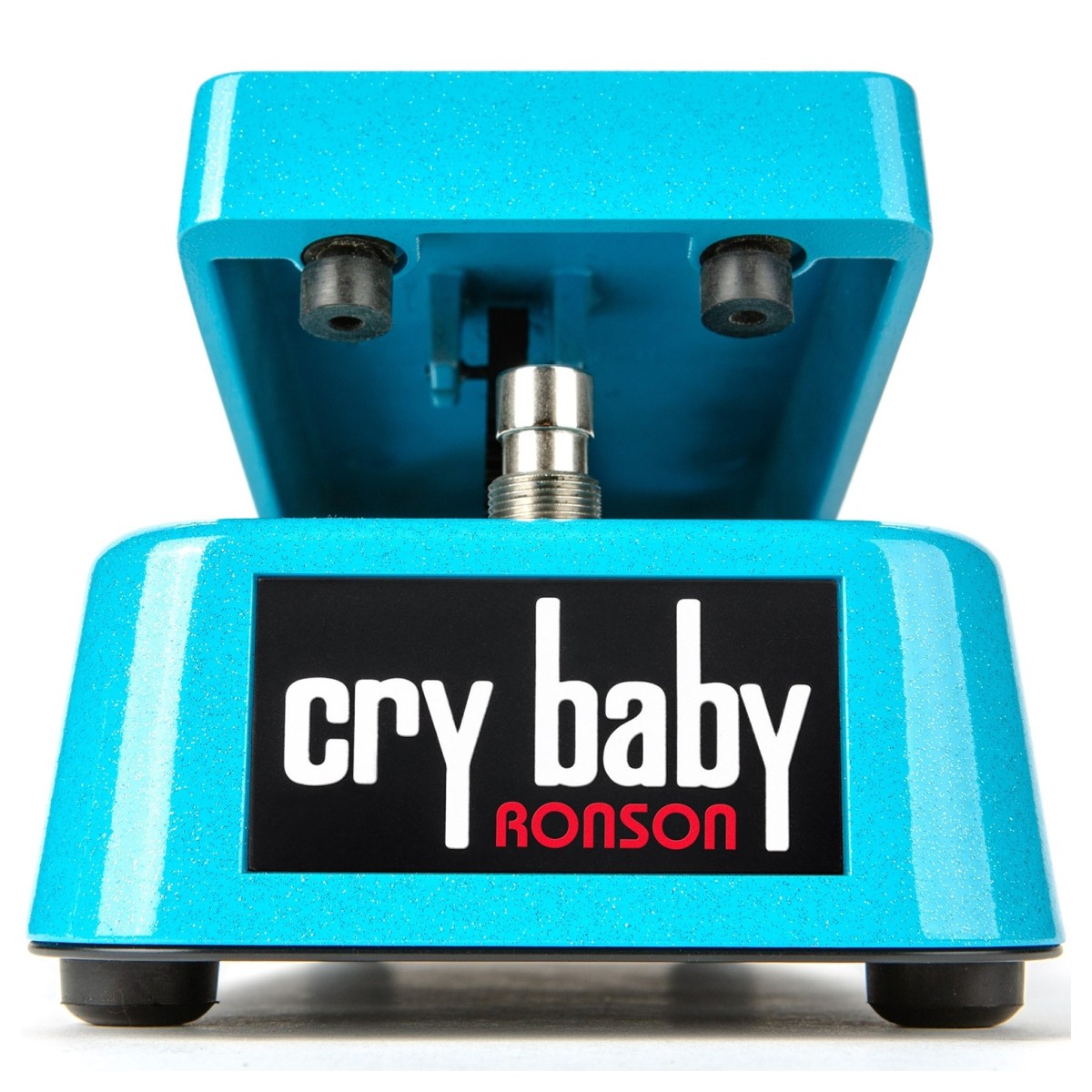
Dunlop Mick Ronson Cry Baby Wah
 £77.00 ($98)
Yamaha
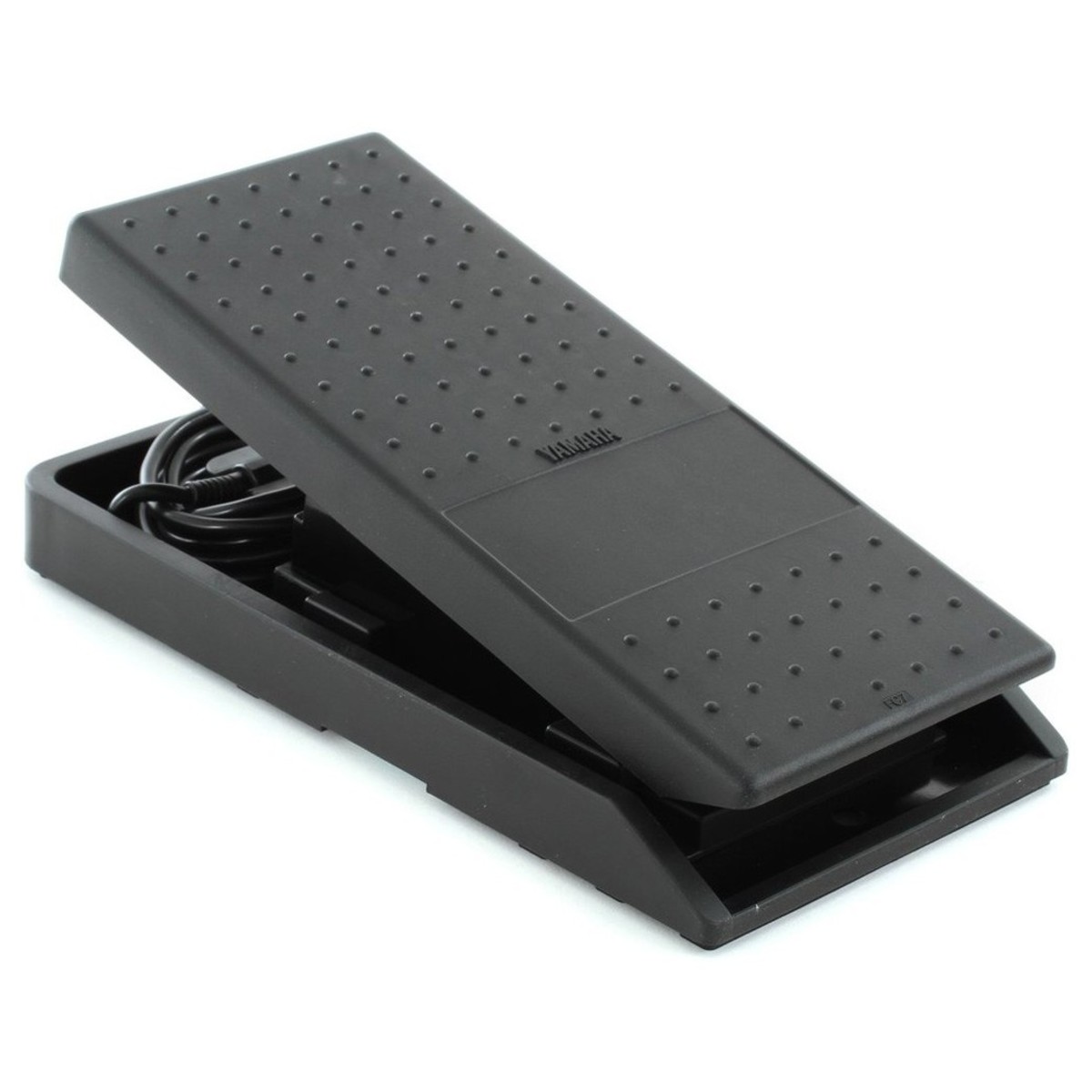
Yamaha FC7 Expression Pedal
 £175.00 ($222)
Boss
Boss DD-3T Digital Delay Pedal
 £99.10 ($126)
Boss
Boss NS-2 Noise Suppressor Guitar Pedal
Frequently asked questions
- What is the primary function of the Wampler Phenom?
- The Wampler Phenom is a distortion pedal designed to add gain and saturation to a guitar signal. It offers two distinct voicings to emulate either classic valve amplifiers or modern high-gain tones.
- What controls are available on the Wampler Phenom?
- The pedal features five main controls: Gain, Volume, and a three-band EQ consisting of Bass, Middle, and Treble. It also includes a two-way toggle switch for selecting between 'Classic' and 'Bright' modes.
- How does the 'Classic' mode sound?
- Classic mode provides a warm, vintage-inspired voicing. It is synonymous with the crunch and responsive feel of older valve amplifiers, offering a smoother saturation.
- How does the 'Bright' mode differ from the Classic mode?
- Bright mode introduces a more modern tonal edge. It features blistering harmonics and significant 'bite,' making it ideal for contemporary metal or aggressive rock styles.
- Can the Wampler Phenom be used with single-coil pickups?
- Yes, the pedal is designed to be ultra-dynamic and works effectively with single-coil pickups through a clean amp. The three-band EQ helps in taming any excessive brightness sometimes associated with single coils.
- Is the Wampler Phenom suitable for humbucking pickups?
- The Phenom is highly compatible with humbuckers, especially when used through a dirty channel to add extra saturation. Its EQ allows users to tighten the low end which can sometimes become muddy with high-output humbuckers.
- What is the build quality of the Wampler Phenom?
- The pedal is housed in a super robust chassis. Wampler has designed it to be durable enough to handle 'all manner of stomping' during live performances.
- What is the typical price for a Wampler Phenom?
- The typical price for this pedal is approximately GBP 100. This places it in the mid-range category of professional guitar effects.
- Does the Wampler Phenom have a noise gate?
- No, the Phenom does not have a built-in noise gate. Users looking to manage high-gain hiss may consider pairing it with a dedicated unit like the Boss NS-2 Noise Suppressor.
- Is the EQ on the Wampler Phenom active or passive?
- The Phenom features a three-band EQ section that allows the player to 'tame or unleash each frequency.' This provides significant control over the Bass, Middle, and Treble response of the distortion.
- How does the Phenom compare to a Fuzz pedal like the Big Muff?
- While both provide gain, the Phenom is a distortion pedal focused on amplifier-like response and clarity. A pedal like the Electro-Harmonix Big Muff provides a more compressed, 'fuzzy' sustain character.
- Can the Wampler Phenom be used for low-gain overdrive?
- While it is a distortion pedal, its dynamic nature and 'Classic' mode allow it to produce crunch tones. However, it is primarily designed for 'undulating waves of gain' rather than transparent light overdrive.