Gear article
Wampler Triumph Overdrive Pedal
The Wampler Triumph Overdrive is a versatile guitar effect pedal designed to offer a wide range of drive tones through its dual-voicing architecture and three-band EQ. Part of Wampler's more accessible product range, it provides professional-grade circuitry with both 'Punch' and 'Smooth' profiles to suit various playing styles.
See live pricesOverview
The Wampler Triumph Overdrive is an adaptable gain pedal designed to bridge the gap between entry-level effects and high-end boutique performance. It is built to Wampler's rigorous standards, ensuring durability for live performance and recording. The pedal is characterised by its intuitive control layout, which allows users to sculpt their frequency response across three bands, rather than relying on a single tone knob found on many traditional overdrive units.
Voicing and Controls
The core of the Triumph's versatility lies in its two-way voicing toggle. The 'Smooth' profile provides a sophisticated, soulful mid-hump, reminiscent of classic overdrive circuits that help a guitar stand out in a dense band mix. Conversely, the 'Punch' setting offers a lead-style push that enhances dynamics and provides a more aggressive, open response. These modes are further refined by dedicated Bass, Middle, and Treble controls, allowing for precise placement of the guitar's signal within the mix.
Sound Character
Sonically, the Triumph can transition from a subtle harmonic enhancement to a thick, saturated drive. The 'Smooth' mode is focused on a warm, compressed texture that is ideal for blues and classic rock. The 'Punch' mode increases the tactile response of the pedal, reacting more significantly to the player's picking intensity and providing a clearer, more modern overdrive tone.
Target Audience
Wampler designed the Triumph to be approachable for players at any level of their tonal development. Its competitive price point makes it an attractive option for beginners, while the high build quality and versatile EQ section meet the requirements of professional musicians. It is particularly suited for players who require a single pedal that can cover multiple drive styles, from transparent boost to thick lead tones.
Market Context
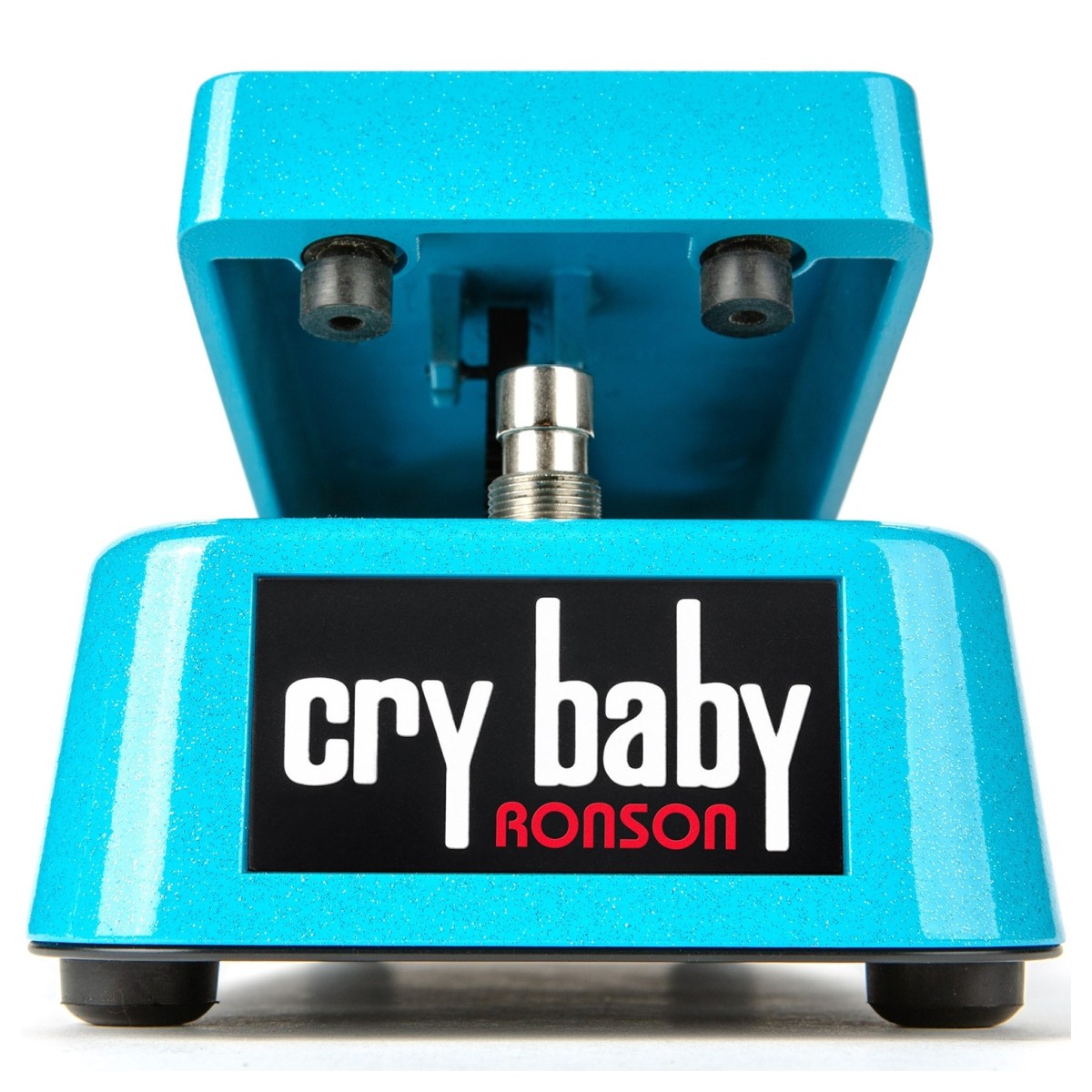
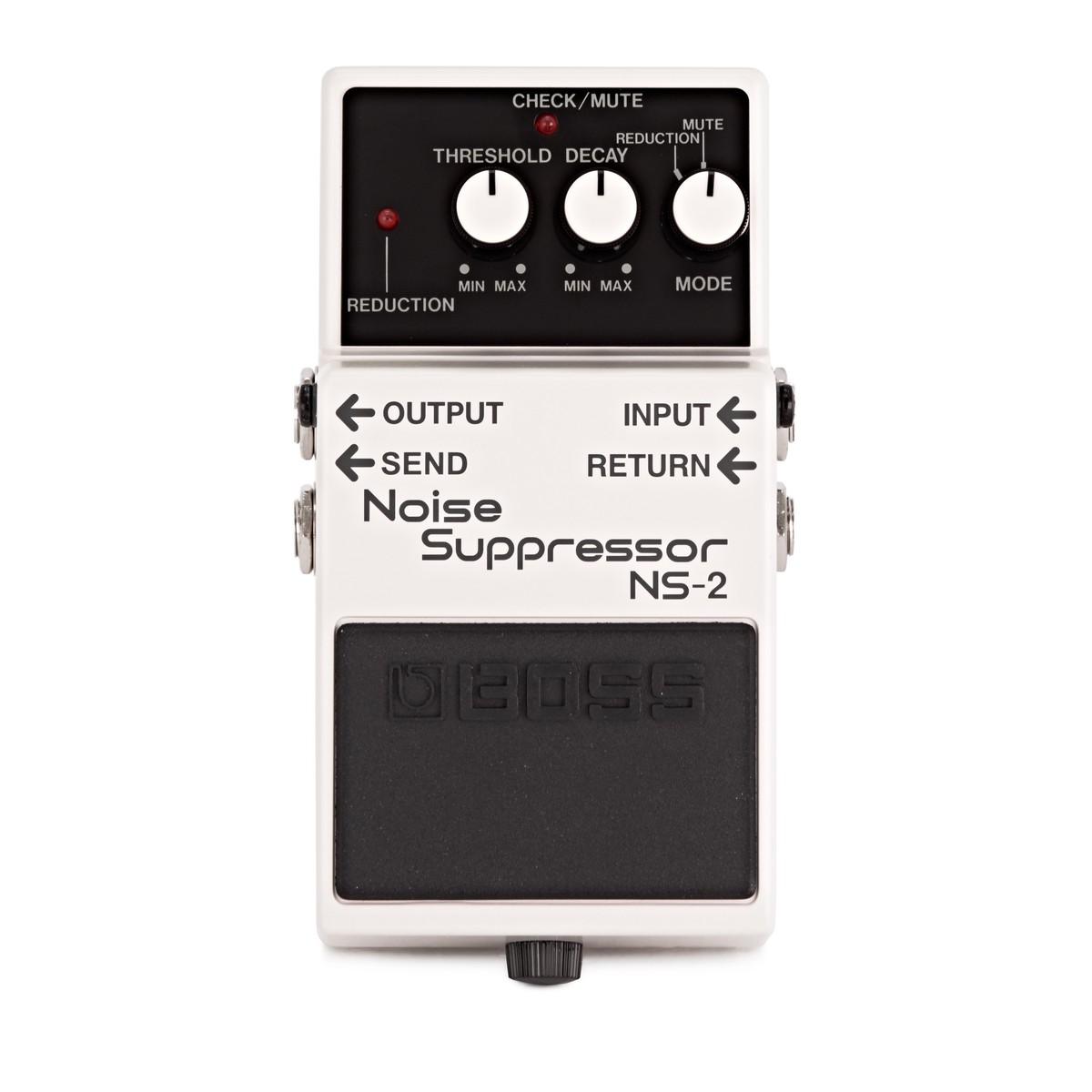
Within the wider market of guitar effects, the Wampler Triumph sits alongside other utility and modulation pedals such as the Boss NS-2 Noise Suppressor or the Fender Hammertone Flanger. While users may pair it with expressive tools like the Digitech Whammy Ricochet or the Dunlop Mick Ronson Cry Baby Wah, the Triumph serves as a foundational element of the signal chain, providing the primary grit and EQ shaping for the user's base tone.
Related gear
 £97.00 ($123)
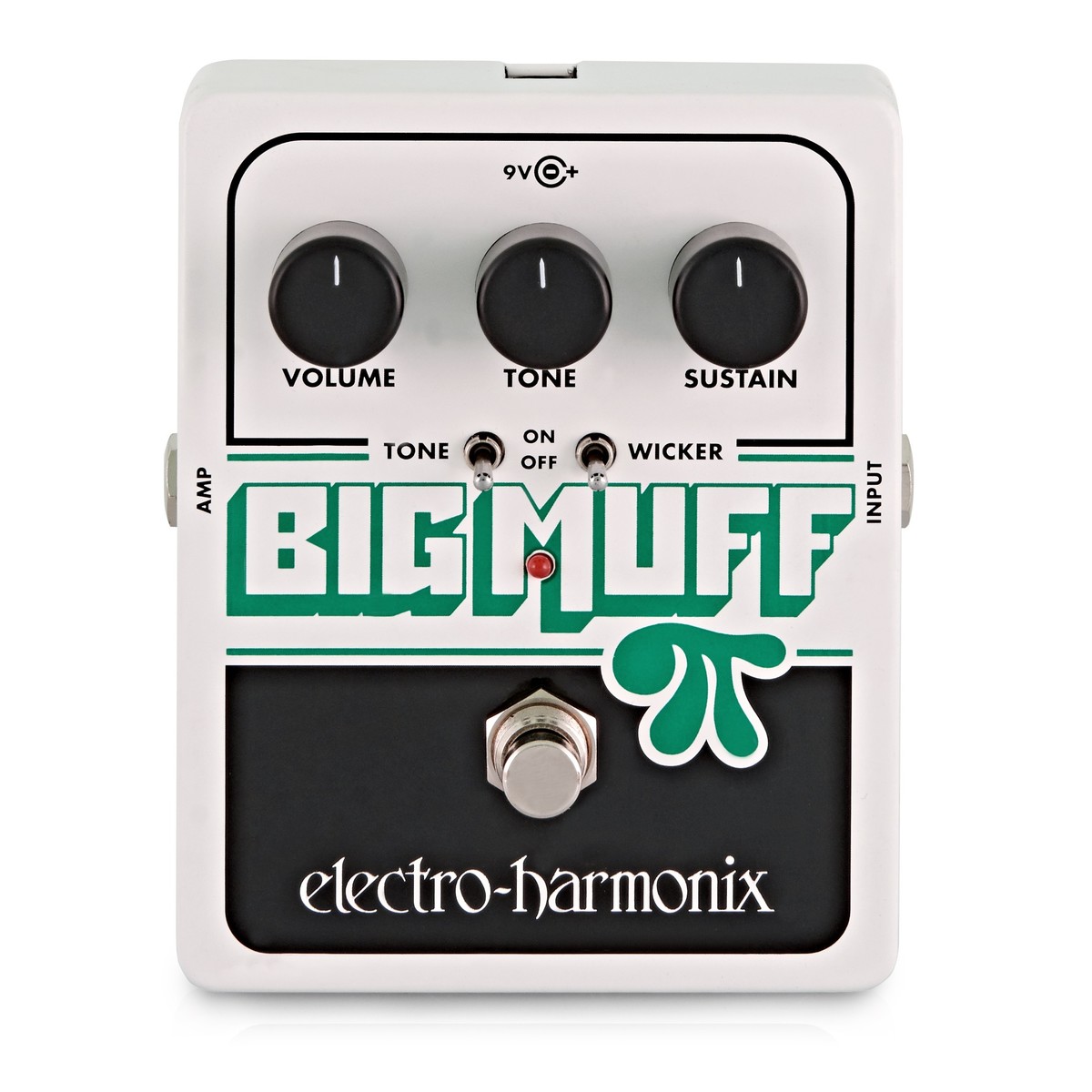
Electro Harmonix
Electro Harmonix Big Muff Distortion Sustainer w/ Tone Wicker
 £129.00 ($164)
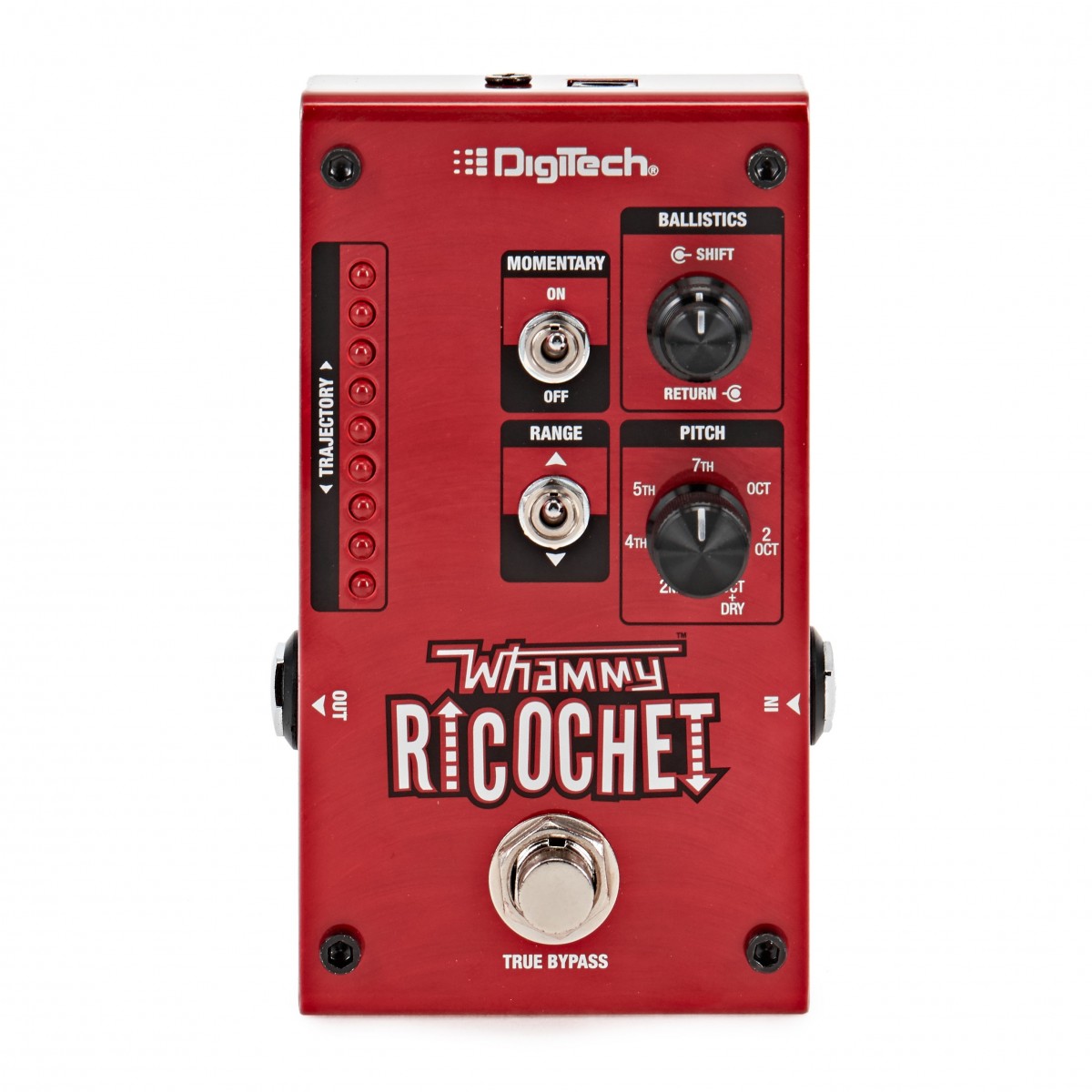
Digitech
Digitech Whammy Ricochet Guitar Effects Pedal
 £85.00 ($108)
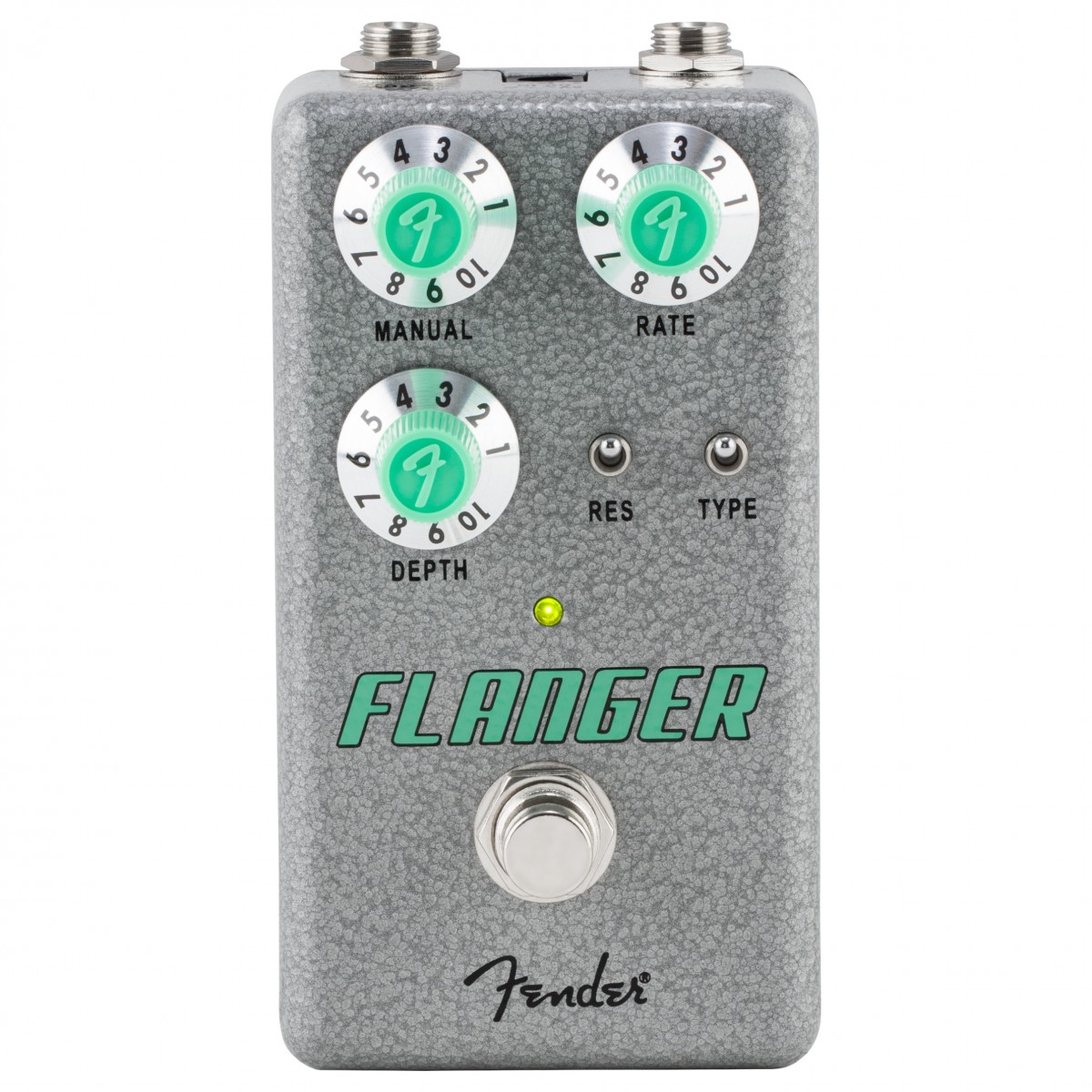
Fender
Fender Hammertone Flanger Pedal
 £19.90 ($25)
Behringer
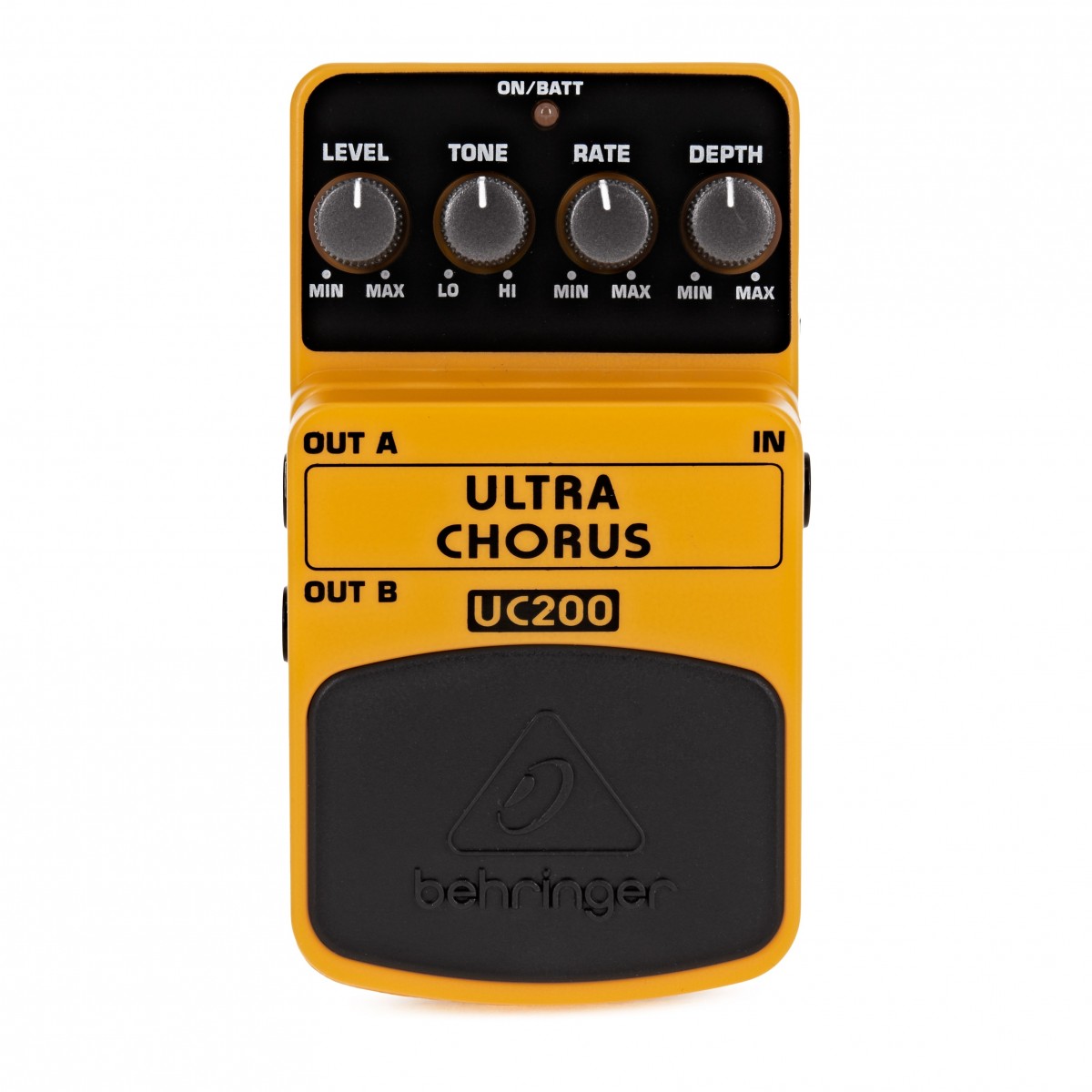
Behringer UC200 Ultra Chorus Pedal
 £259.00 ($329)
Dunlop
Dunlop Mick Ronson Cry Baby Wah
 £77.00 ($98)
Yamaha
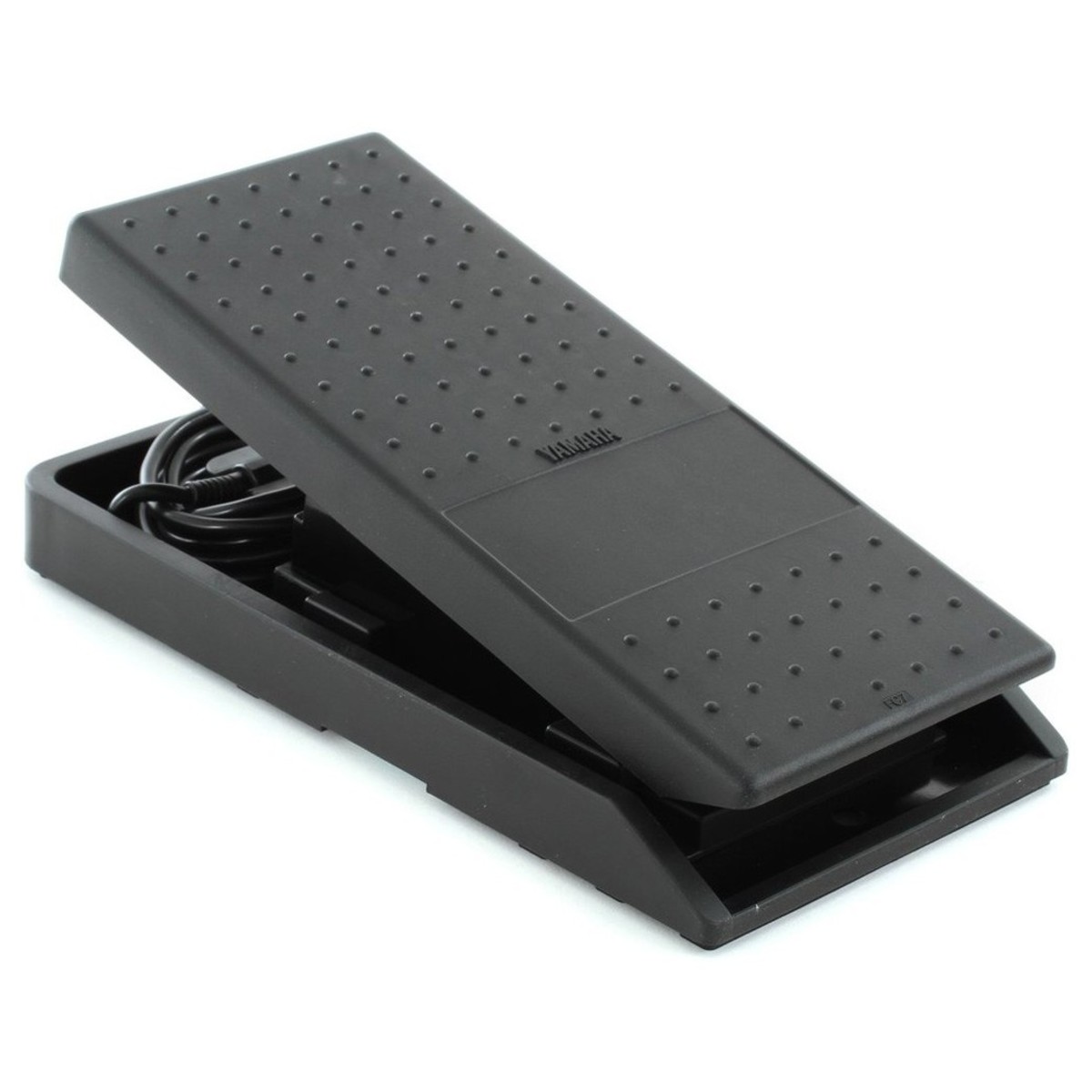
Yamaha FC7 Expression Pedal
 £175.00 ($222)
Boss
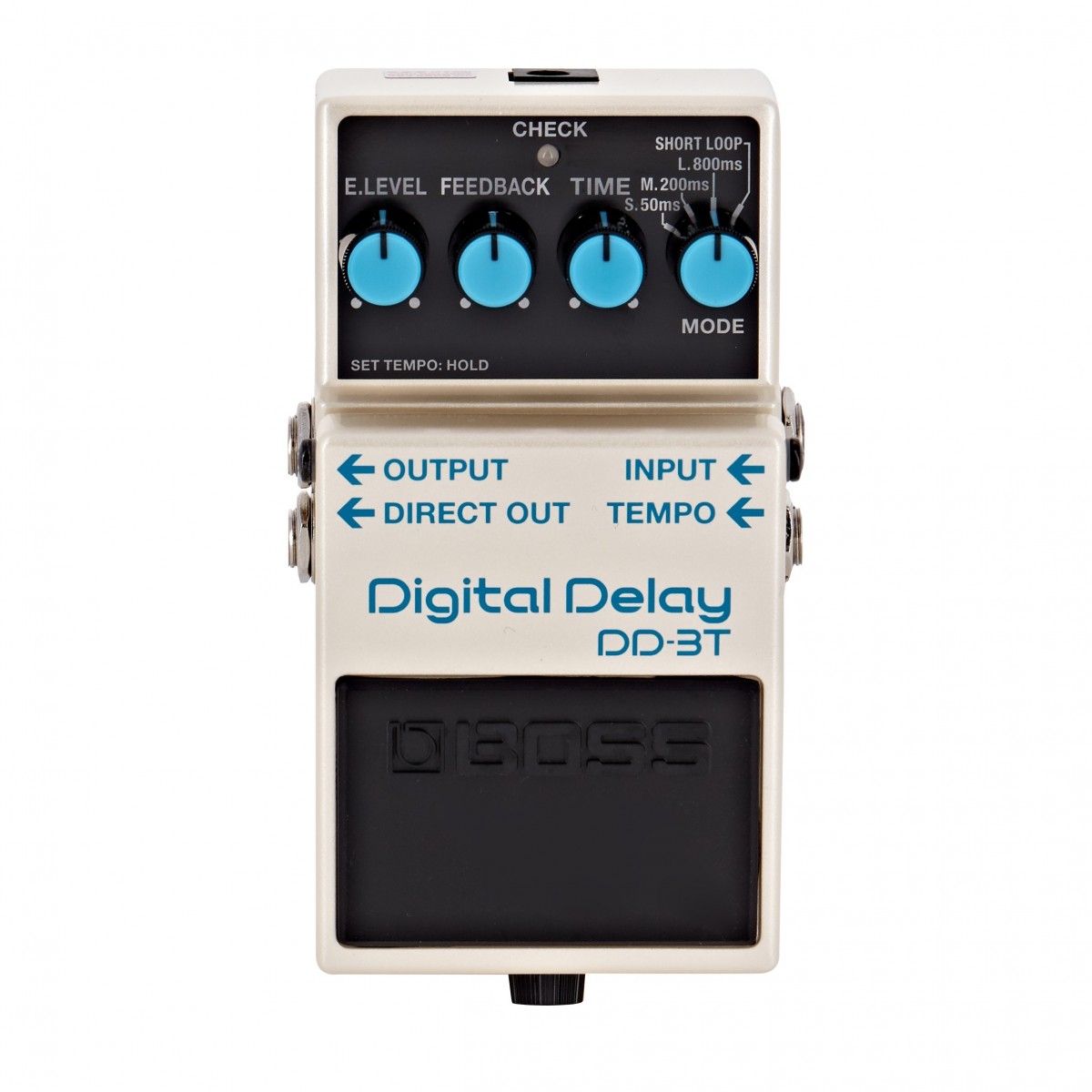
Boss DD-3T Digital Delay Pedal
 £99.10 ($126)
Boss
Boss NS-2 Noise Suppressor Guitar Pedal
Frequently asked questions
- What is the primary function of the Wampler Triumph Overdrive?
- The Triumph is an overdrive pedal designed to provide varying levels of gain and tonal shaping for electric guitars. It uses a combination of EQ controls and voicing switches to adapt to different musical genres.
- What do the two voicing modes do?
- The pedal features 'Punch' and 'Smooth' modes. 'Punch' provides a dynamic lead-style push with increased clarity, while 'Smooth' offers a classic mid-hump profile for a warmer, more soulful sound.
- How does the EQ section differ from standard overdrive pedals?
- Unlike many overdrives that use a single 'Tone' control, the Triumph features a full three-band EQ (Bass, Middle, Treble). This allows for much more precise control over the guitar's frequency response.
- What is the typical price range for the Wampler Triumph?
- The pedal is typically priced around GBP 100, making it one of the more affordable options in the Wampler Pedals catalogue while maintaining high build standards.
- Is the Wampler Triumph suitable for beginners?
- Yes, it is designed with an intuitive control layout that is easy for players of any level to understand. Its versatility allows new players to experiment with different overdrive characters in one unit.
- Can the Triumph be used for high-gain metal tones?
- While the Triumph is an overdrive pedal and not a dedicated high-gain distortion like a Big Muff, its 'Punch' mode and three-band EQ allow it to reach significant saturation levels suitable for hard rock.
- How is the build quality of the Triumph described?
- Wampler states that the pedal is built to their high standards of quality, ensuring it is robust enough for professional touring and regular pedalboard use.
- Does the pedal include volume and gain controls?
- Yes, the Triumph features independent Gain and Volume knobs. These allow the user to set the amount of distortion separately from the overall output level of the pedal.
- How does the Triumph sit in a band mix?
- The pedal is specifically designed to be tailored to sit correctly in a mix. Users can use the Middle control and the voicing switch to ensure the guitar is heard clearly over other instruments.
- What kind of power supply does the Wampler Triumph require?
- While not explicitly detailed in the basic description, it follows standard Wampler design protocols for guitar effects, typically requiring a standard center-negative DC power supply.
- Is the Wampler Triumph a digital or analogue pedal?
- Based on the Wampler brand history and the pedal's specific features like multi-band EQ and voicing switches, it is designed as a high-quality analogue overdrive circuit.
- Can the Triumph be used alongside other pedals?
- Yes, it is designed to integrate into a standard signal chain. It can be paired with modulation like the Behringer UC200, delays like the Boss DD-3T, or utility pedals like the Yamaha FC7.