
Gear article
Way Huge Smalls Doom Hammer Fuzz
The Way Huge Smalls Doom Hammer Fuzz is a compact guitar effects pedal designed by Jeorge Tripps to deliver thick, saturated tones inspired by 90s op-amp fuzz circuits. It features a refined low-end response and a rugged small-enclosure design, offering a versatile range from low-gain grit to massive walls of distortion.
See live pricesBackground and Development
The Doom Hammer Fuzz is rooted in a specific historical modification developed by Way Huge founder Jeorge Tripps. The circuit is based on an original op-amp fuzz mod Tripps created in 1998. While maintaining the core identity of that late-90s era of saturated guitar tones, this Smalls-series iteration has been refined for modern requirements. The primary updates include a tighter low-end response, intended to prevent the signal from becoming muddy or undefined during live performances, and a significantly smaller footprint compared to traditional Way Huge enclosures.
Technical Features and Operation
The pedal utilizes a straightforward three-knob interface to manage its complex internal circuitry:
- Output: Controls the overall volume level of the effect.
- Tone: Adjusts the frequency balance, allowing the user to sweep between darker, bass-heavy textures and brighter, piercing lead sounds.
- Fuzz: Dictates the amount of saturation, ranging from light crunch to total signal saturation.
Built into a rugged metal housing, the pedal is designed for durability on tour. It also incorporates true bypass switching, ensuring that the guitar's dry signal remains unaffected when the pedal is disengaged.
Sound Character
The Doom Hammer is described as having a 'massive voice' that prioritises thickness and saturation. Unlike vintage-style germanium fuzzes that may sound thin or sputtery, the Doom Hammer provides a dense, consistent wall of sound characteristic of op-amp designs from the 1990s. The refinement of the low end ensures that even at high gain settings, the pedal retains enough definition to cut through a band mix without sacrificing the 'doom' aesthetic implied by its name.
Market Comparison
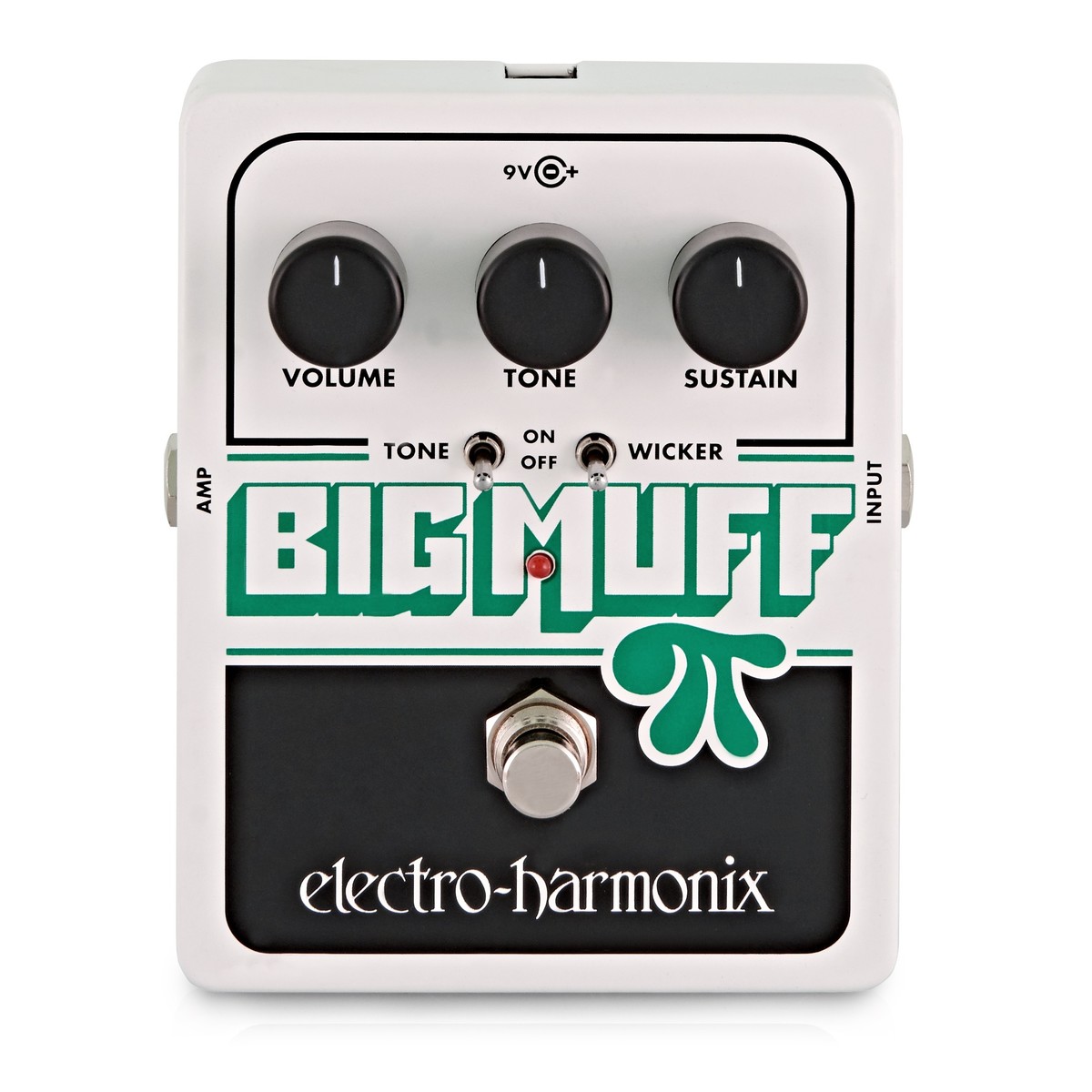
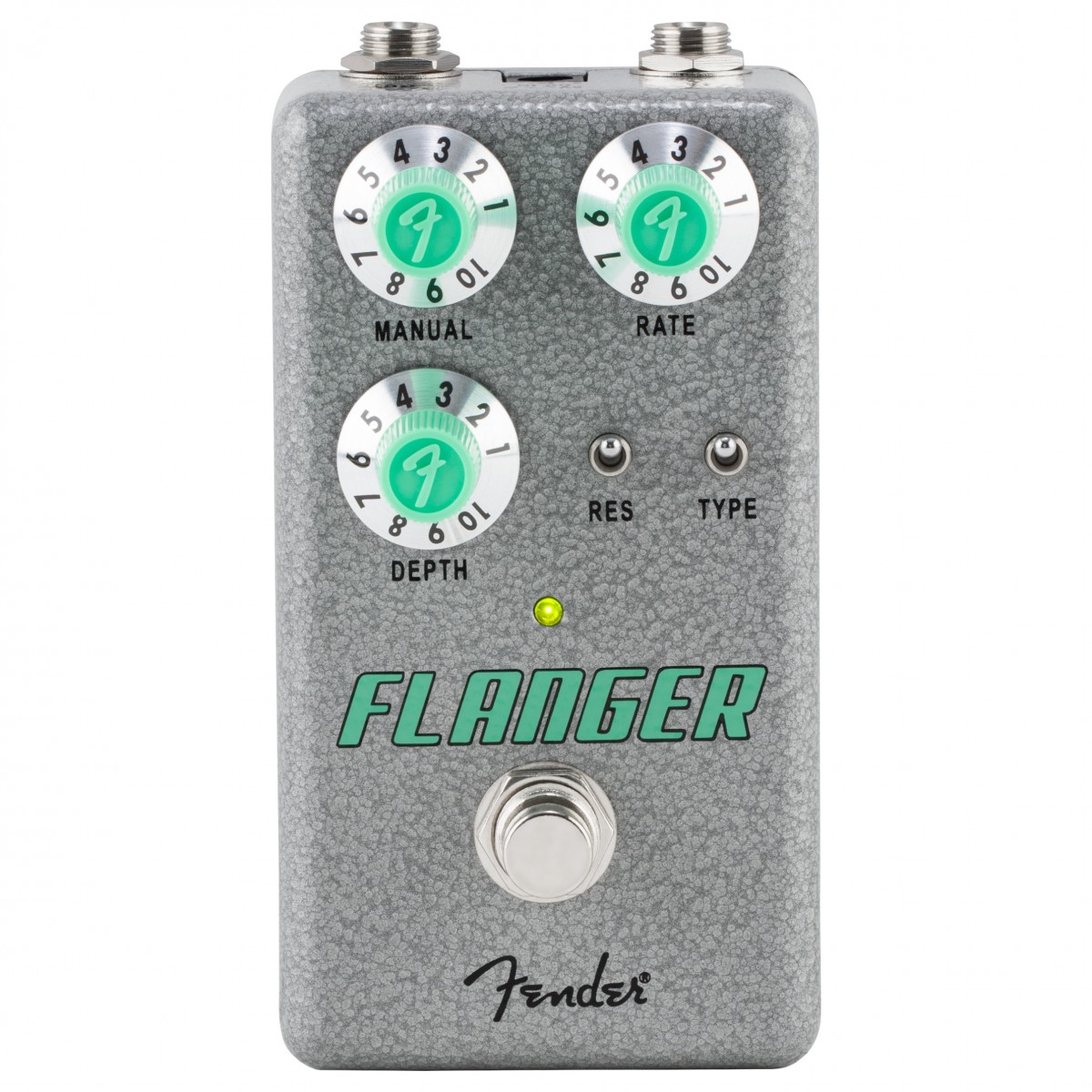
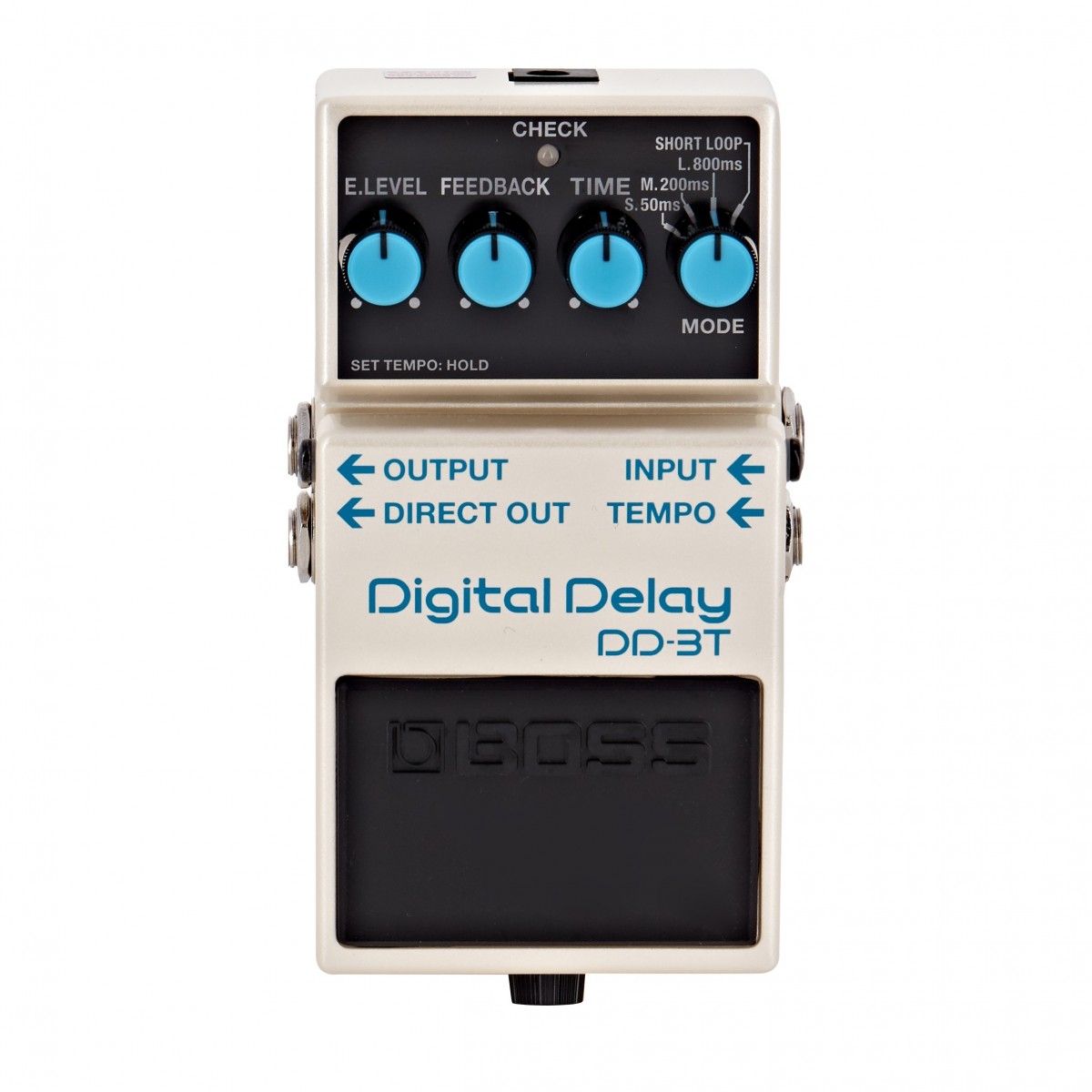
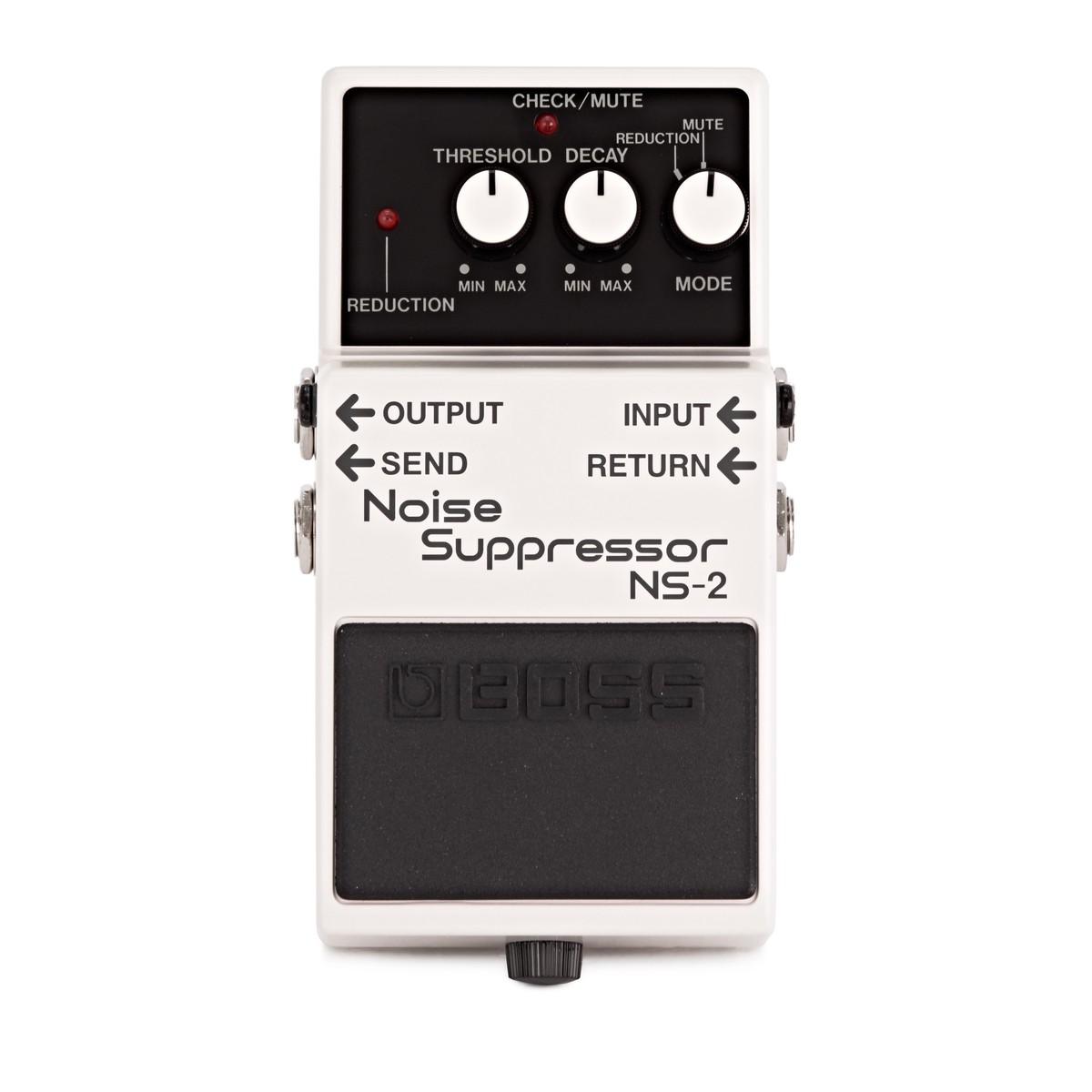
Within the fuzz market, the Doom Hammer competes with other high-saturation units like the Electro-Harmonix Big Muff Distortion Sustainer w/ Tone Wicker. While both offer heavy saturation, the Way Huge pedal focuses on a specific 1998-modded op-amp architecture and a more pedalboard-friendly 'Smalls' chassis. For players building a comprehensive board, it is often paired alongside utility pedals like the Boss NS-2 Noise Suppressor to manage high-gain hiss, or spatial effects like the Boss DD-3T Digital Delay and Fender Hammertone Flanger to further texture the saturated signal.
Related gear
 £97.00 ($123)
Electro Harmonix
Electro Harmonix Big Muff Distortion Sustainer w/ Tone Wicker
 £129.00 ($164)
Digitech
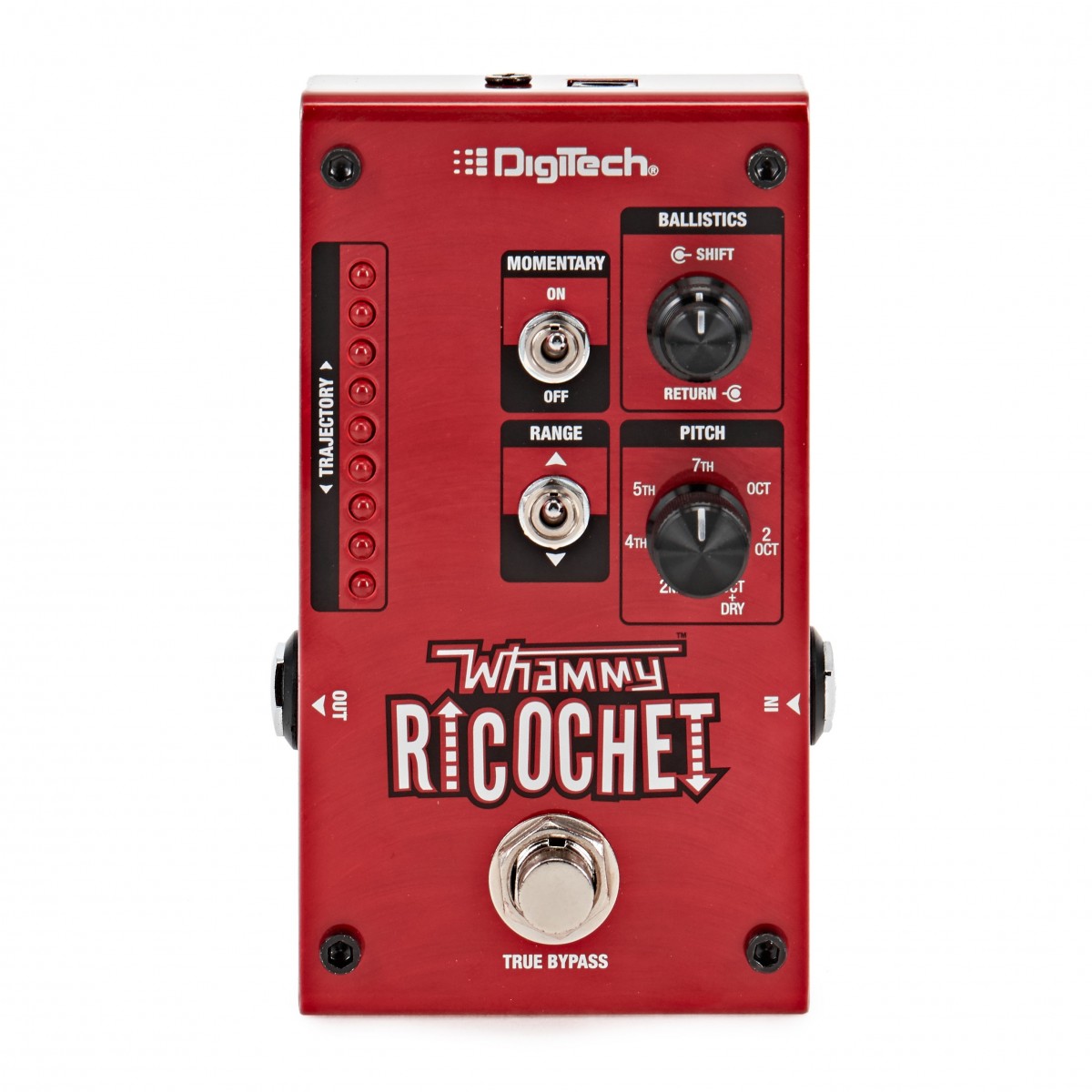
Digitech Whammy Ricochet Guitar Effects Pedal
 £85.00 ($108)
Fender
Fender Hammertone Flanger Pedal
 £19.90 ($25)
Behringer
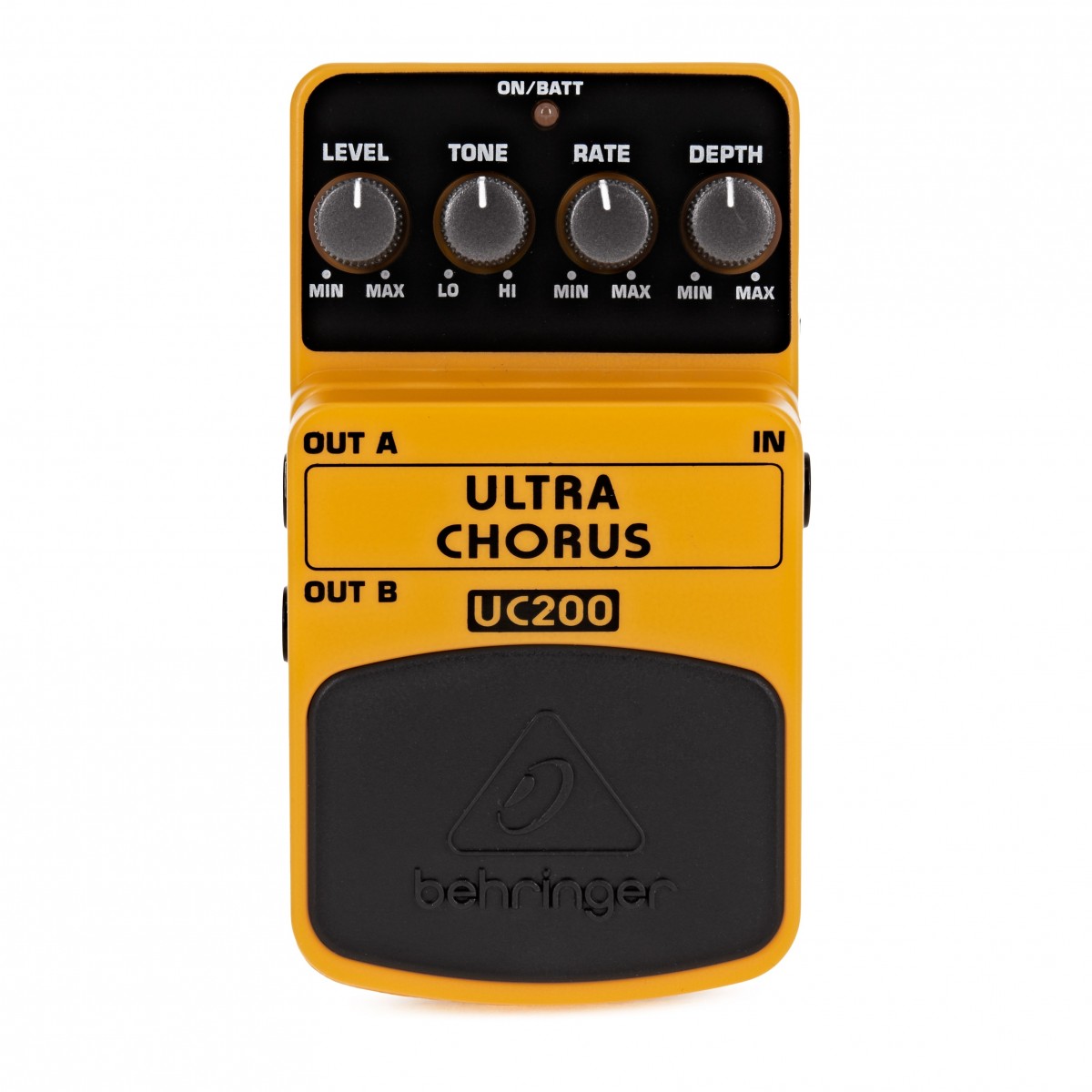
Behringer UC200 Ultra Chorus Pedal
 £259.00 ($329)
Dunlop
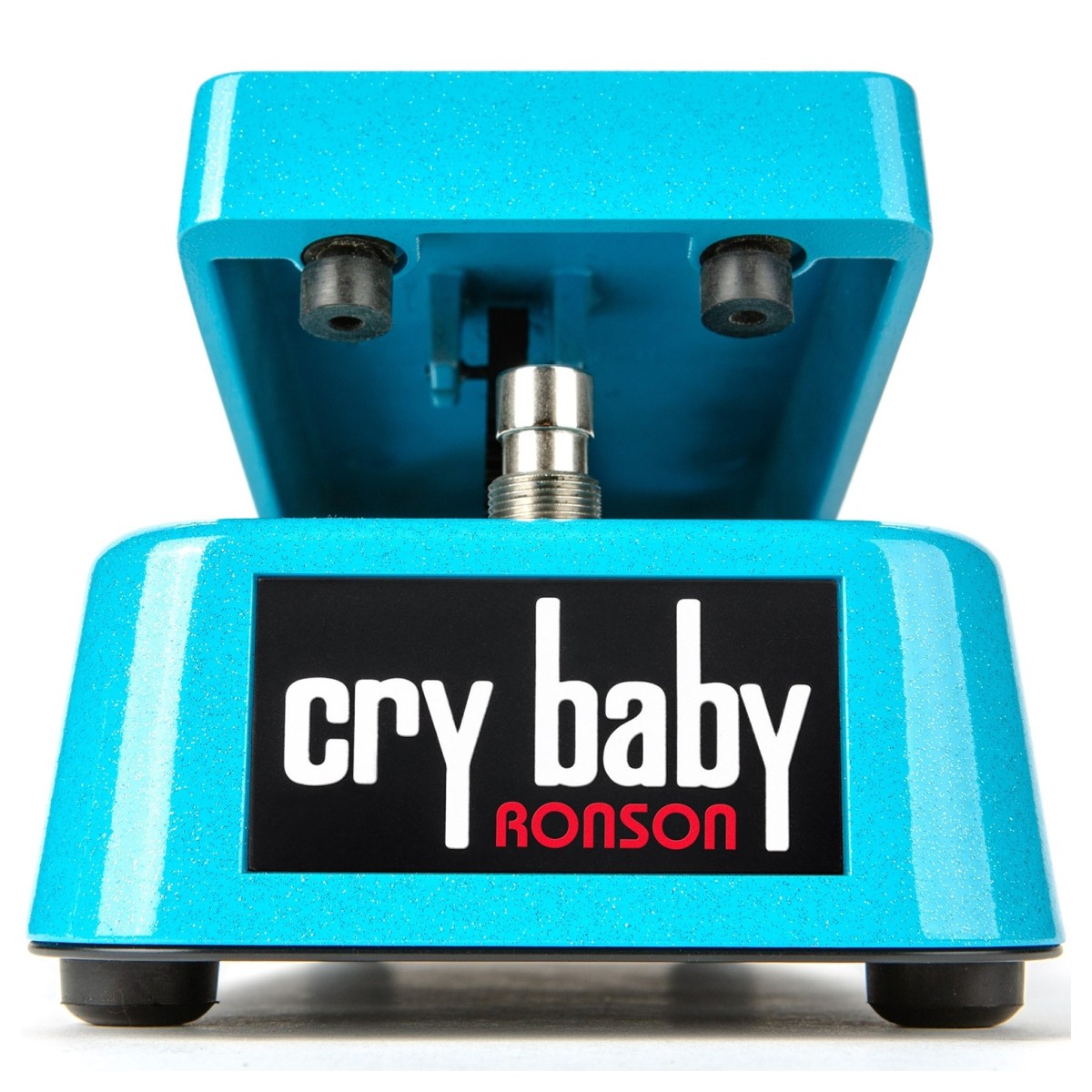
Dunlop Mick Ronson Cry Baby Wah
 £77.00 ($98)
Yamaha
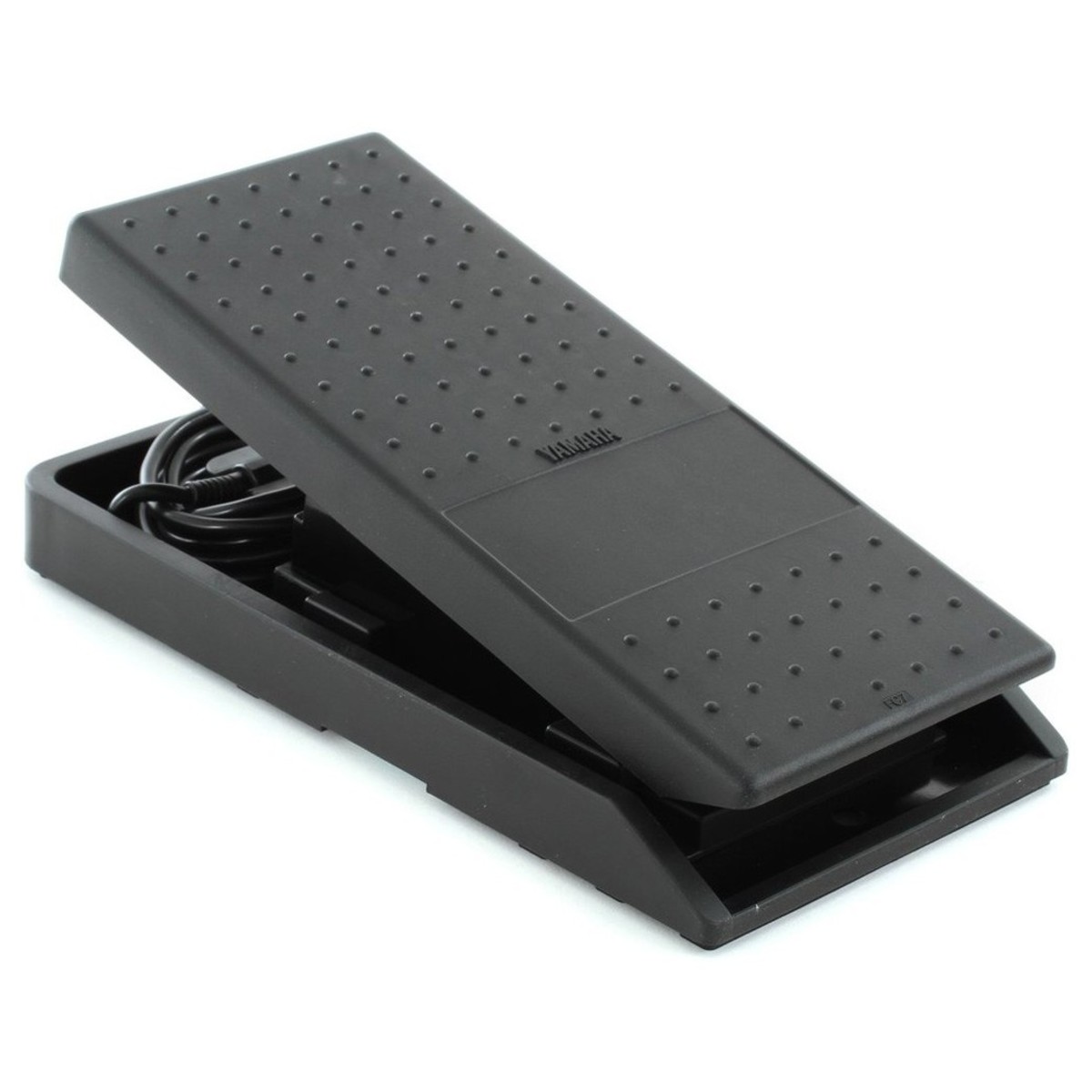
Yamaha FC7 Expression Pedal
 £175.00 ($222)
Boss
Boss DD-3T Digital Delay Pedal
 £99.10 ($126)
Boss
Boss NS-2 Noise Suppressor Guitar Pedal
Frequently asked questions
- Who designed the Way Huge Smalls Doom Hammer Fuzz?
- The pedal was designed by Jeorge Tripps, the founder of Way Huge and a renowned figure in boutique pedal design. It is based on a specific op-amp fuzz modification he originally developed in 1998.
- What type of fuzz circuit does this pedal use?
- The Doom Hammer Fuzz uses an op-amp based circuit. This design typically provides more gain and a more aggressive, saturated 'wall of sound' compared to traditional transistor-based fuzz pedals.
- What are the primary controls on the Doom Hammer?
- The pedal features three main controls: Output, Tone, and Fuzz. These allow the user to adjust the volume, frequency response, and the amount of saturation, respectively.
- Does the Way Huge Smalls Doom Hammer Fuzz have true bypass?
- Yes, the pedal features true bypass switching. This means that when the effect is turned off, the guitar signal passes directly through the pedal without any circuitry interference, preserving the original tone.
- How does the 'Smalls' series differ from standard Way Huge pedals?
- The Smalls series offers the same high-quality circuits as standard Way Huge pedals but in a much more compact, pedalboard-friendly enclosure. This makes it easier to fit onto crowded boards without sacrificing tonal quality.
- What era of fuzz sound does this pedal emulate?
- The Doom Hammer is built to deliver thick, saturated tones characteristic of the 1990s fuzz playbook. Its circuit is specifically tuned to recreate the heavy textures popular during that decade.
- Is the low-end response tight or loose on this pedal?
- Jeorge Tripps refined this specific circuit for a tighter low-end response. This design choice helps the pedal maintain clarity and prevents it from sounding 'flubby' during live performances.
- Can the Doom Hammer Fuzz handle low-gain settings?
- Yes, while it is capable of colossal fuzz, the Fuzz control allows users to dial in crunchy, low-gain grit. This versatility makes it useful for more than just extreme distortion styles.
- What is the typical price for a new Doom Hammer Fuzz?
- The typical price for this pedal is approximately £182. Prices may vary slightly depending on the retailer and current market conditions.
- Is the build quality suitable for touring?
- Yes, the pedal is built with a rugged housing designed for reliable live performance. Way Huge products are generally known for their durability under professional use conditions.
- How does this pedal compare to a Big Muff?
- While both are high-saturation pedals, the Doom Hammer is based on a specific 1998 op-amp mod by Jeorge Tripps. It is designed to offer a tighter low end and comes in the compact Smalls-series enclosure.
- What power supply does the Doom Hammer require?
- Like most Way Huge Smalls pedals, it typically requires a standard 9V DC power supply. Always check the specific manual for polarity and current draw requirements before connecting power.