
Gear article
Wittner Taktell 2206 Metronome Penguin Design
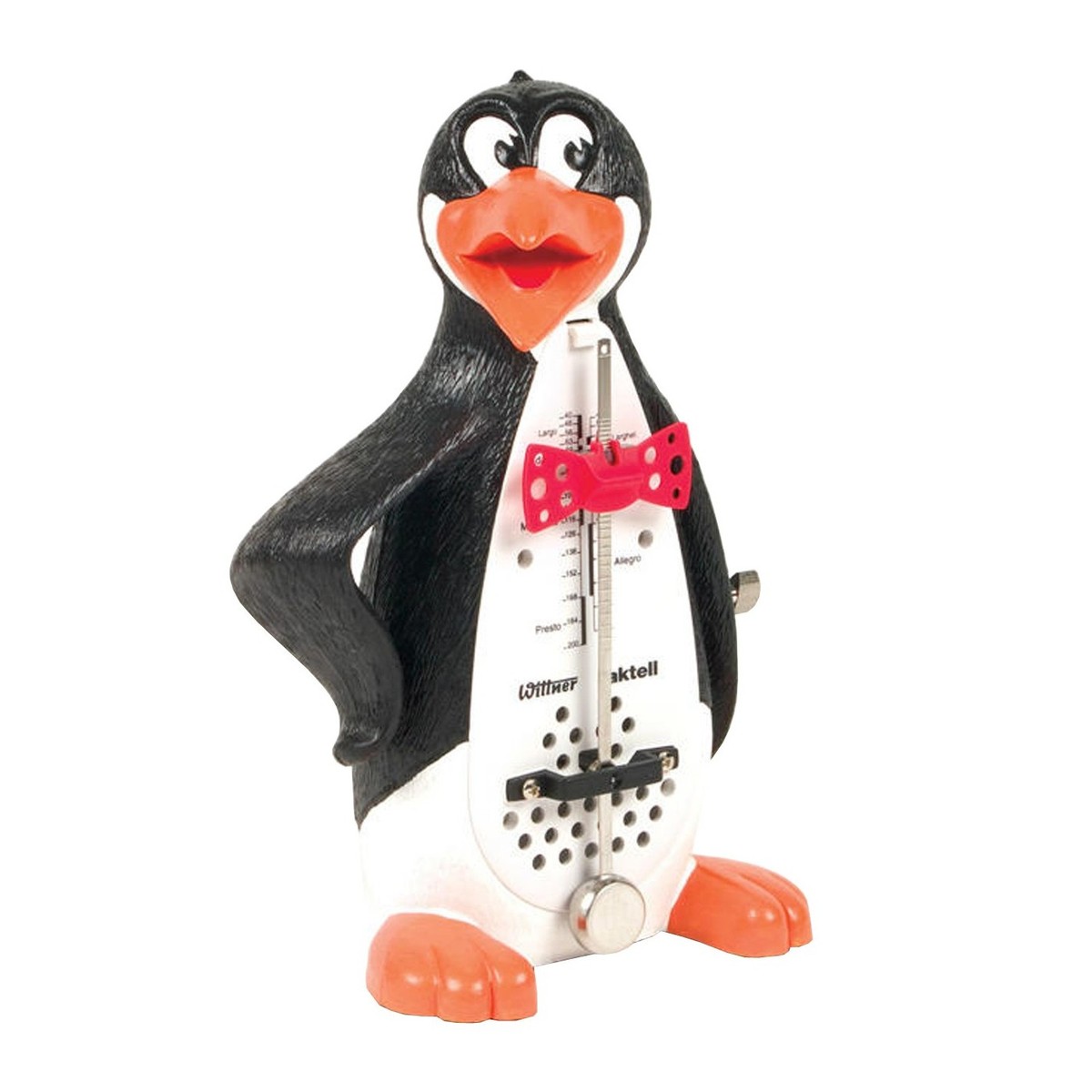
The Wittner Taktell 2206 is a mechanical pendulum metronome featuring a novelty penguin-shaped housing designed to engage younger musicians. Manufactured in Germany, it provides a tempo range of 40 to 208 BPM through a traditional sliding counterweight system.
Overview and Design
The Wittner Taktell 2206 is a specific aesthetic variation of the classic Taktell series, substituting the traditional pyramid or rectangular casing for a colourful, stylised penguin. This design is specifically engineered to make music practice more approachable and visually stimulating, particularly for children and students. Despite its whimsical appearance, the unit retains the precision engineering associated with the Wittner brand.
Mechanical Functionality
Operating without the need for batteries, the Taktell 2206 uses a mechanical clockwork mechanism. The user winds the device to provide power to the internal spring. Timing is adjusted by moving the sliding counterweight up or down the pendulum arm. This system allows for a broad tempo range starting at 40 BPM (Largo) and reaching up to 208 BPM (Prestissimo).
Performance and Sound
The metronome produces a sharp, clear audible click that is designed to cut through the sound of an instrument during a rehearsal. The mechanical action provides both an auditory cue and a visual reference as the penguin's 'arm' or pendulum swings back and forth, helping students develop a steady sense of rhythm through dual-sensory feedback.
Target Audience
The primary users for the 2206 model are music teachers and young students. Its 'eye-catching' design is intended to maintain focus during lessons and make the repetitive nature of rhythm practice feel less intimidating. While functionally identical to Wittner’s more sober models, its visual appeal is its defining characteristic for educational environments.
Comparison to Alternatives
Within the Wittner range, the Taktell 2206 offers a fun alternative to the traditional Wittner W801 Wooden Metronome, which is more suited to formal settings or adult musicians. Compared to modern digital alternatives like the Korg GA-2 or Boss TU-05, which are often multi-functional tuners and metronomes, the 2206 lacks features like different time signatures or silent modes, but it offers a tactile, battery-free experience and a more engaging physical presence.
Related gear
 £21.80 ($28)
Boss
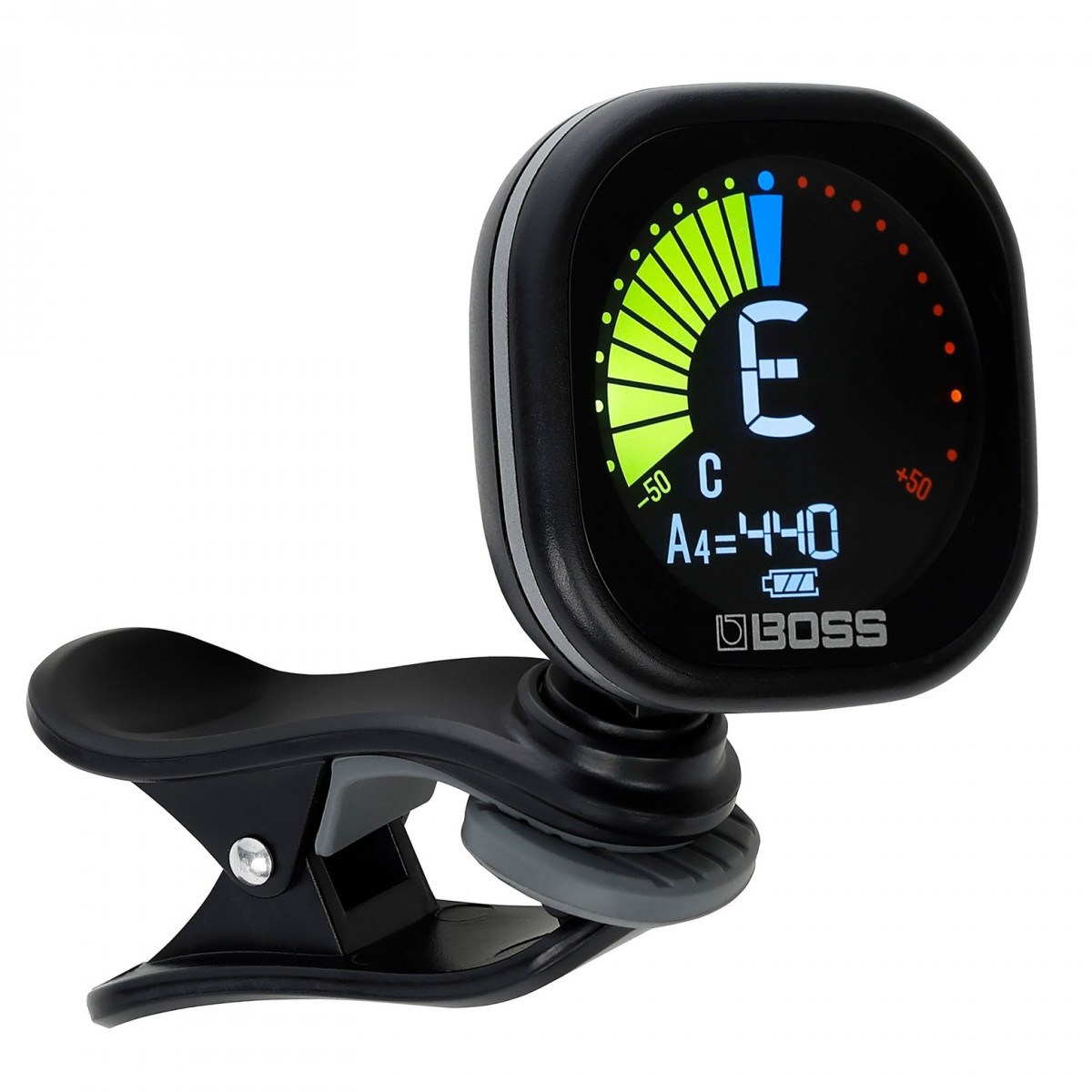
Boss TU-05 Rechargeable Clip-on Guitar Tuner
 £9.99 ($13)
Tuner Fish
Tuner Fish Lug Locks Orange 8 Pack
 £229.00 ($291)
Wittner
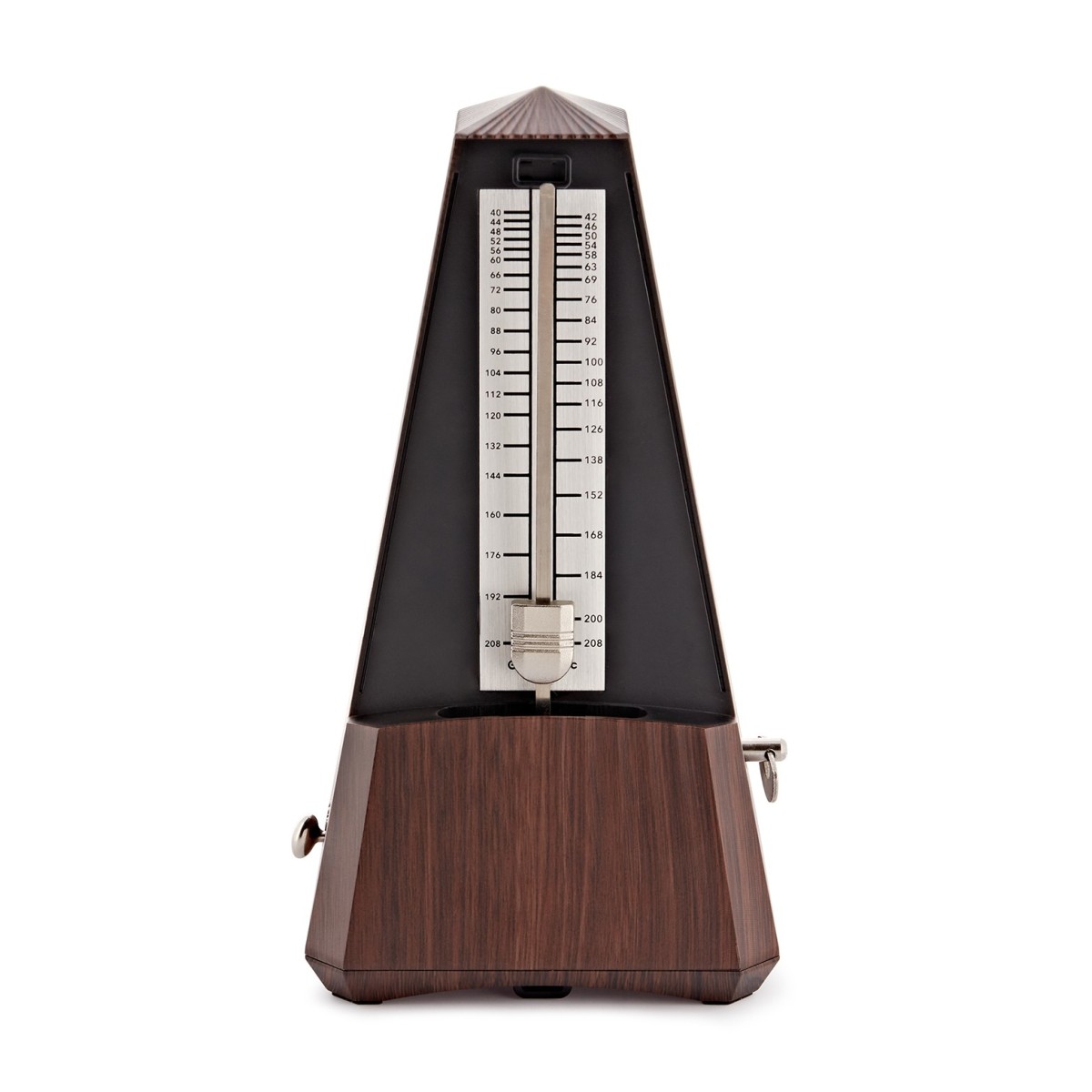
Wittner W801 Wooden Metronome Mahogany
 £5.99 ($8)
Tuner Fish
Tuner Fish Lug Locks Red 4 Pack
 £15.50 ($20)
Korg
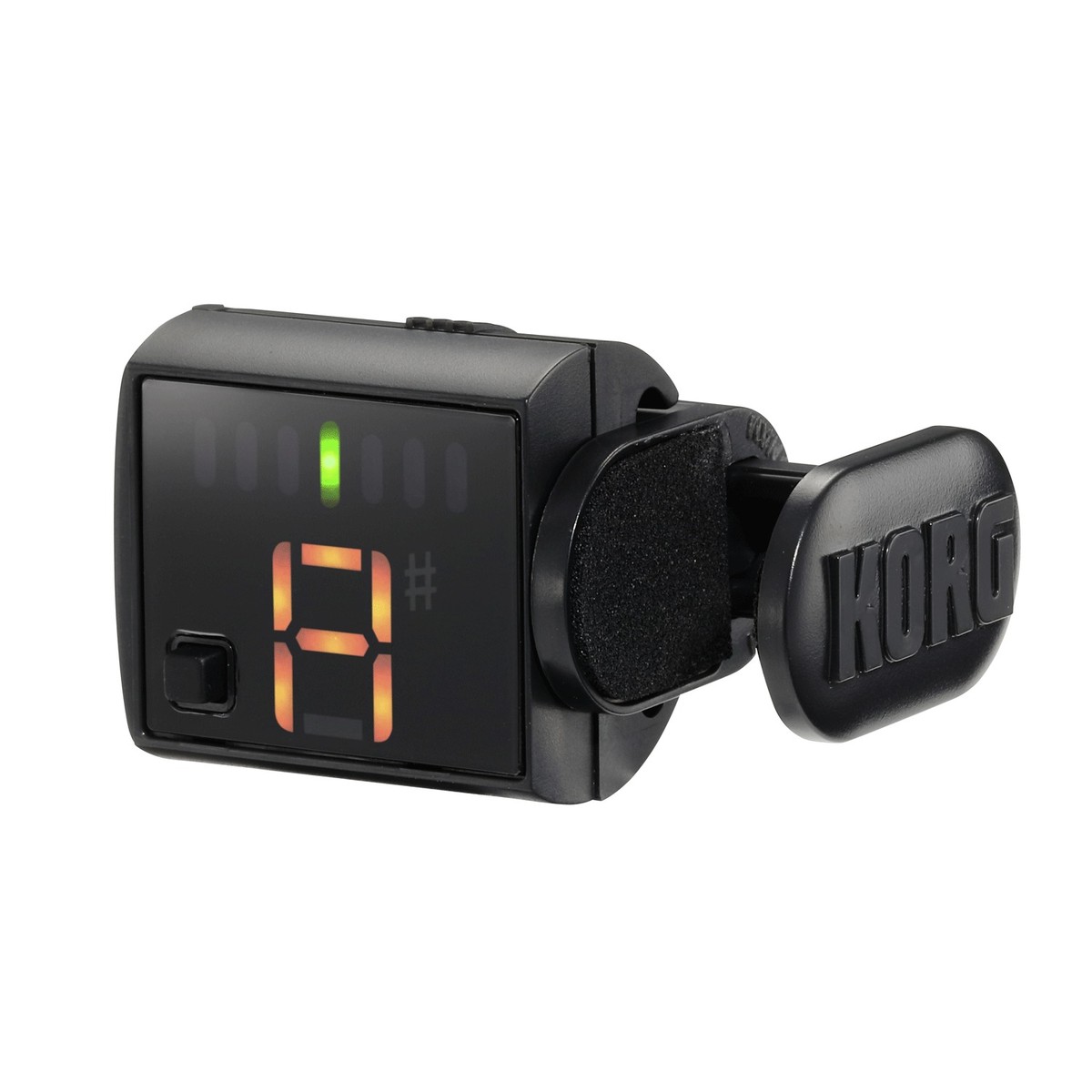
Korg GripTune Clip-On Tuner
 £12.50 ($16)
Korg
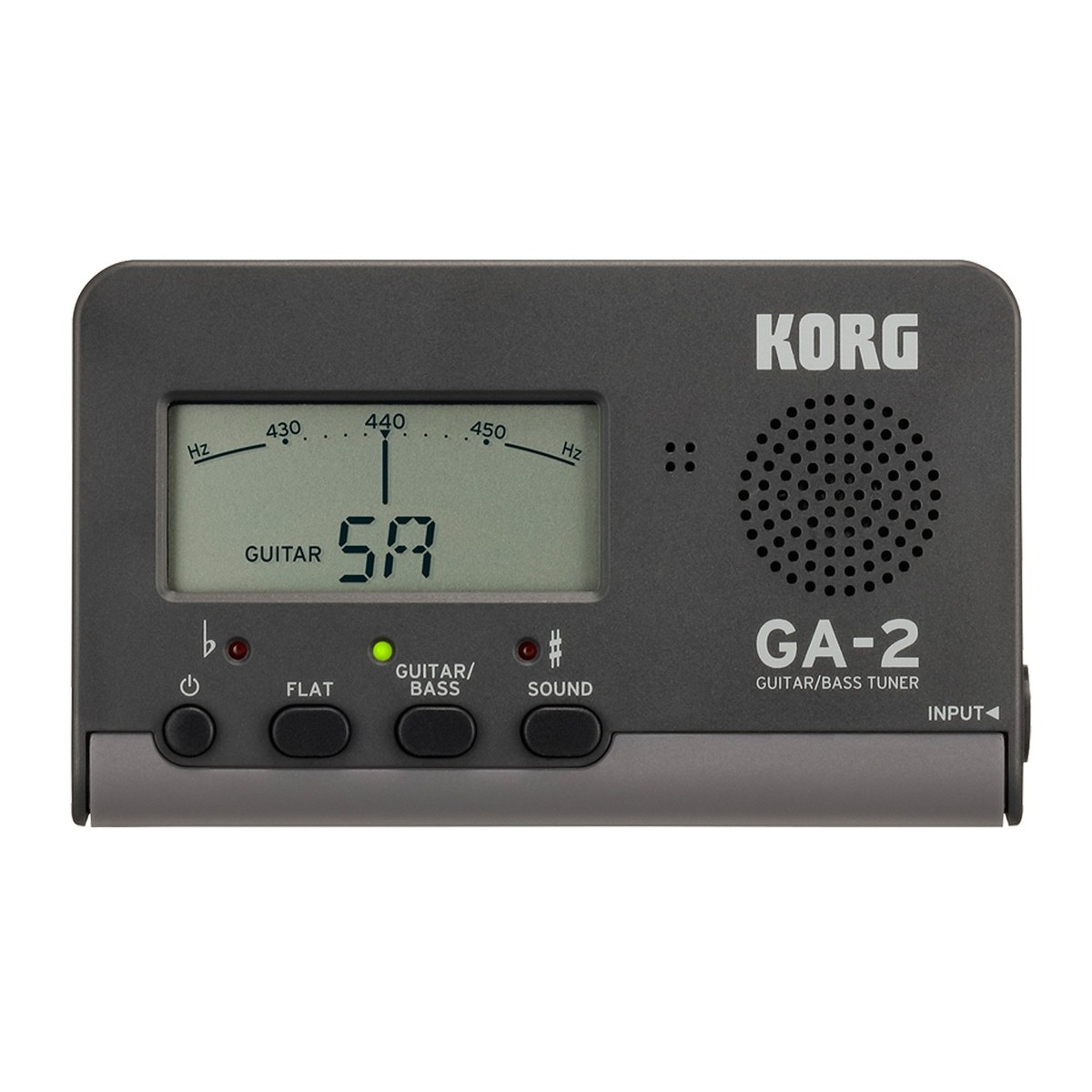
Korg GA-2 Guitar/Bass Tuner
 £24.99 ($32)
Gear4Music
Mechanical Metronome with Thermo-Hygrometer by Gear4music
- £26.00 ($33)
Behringer
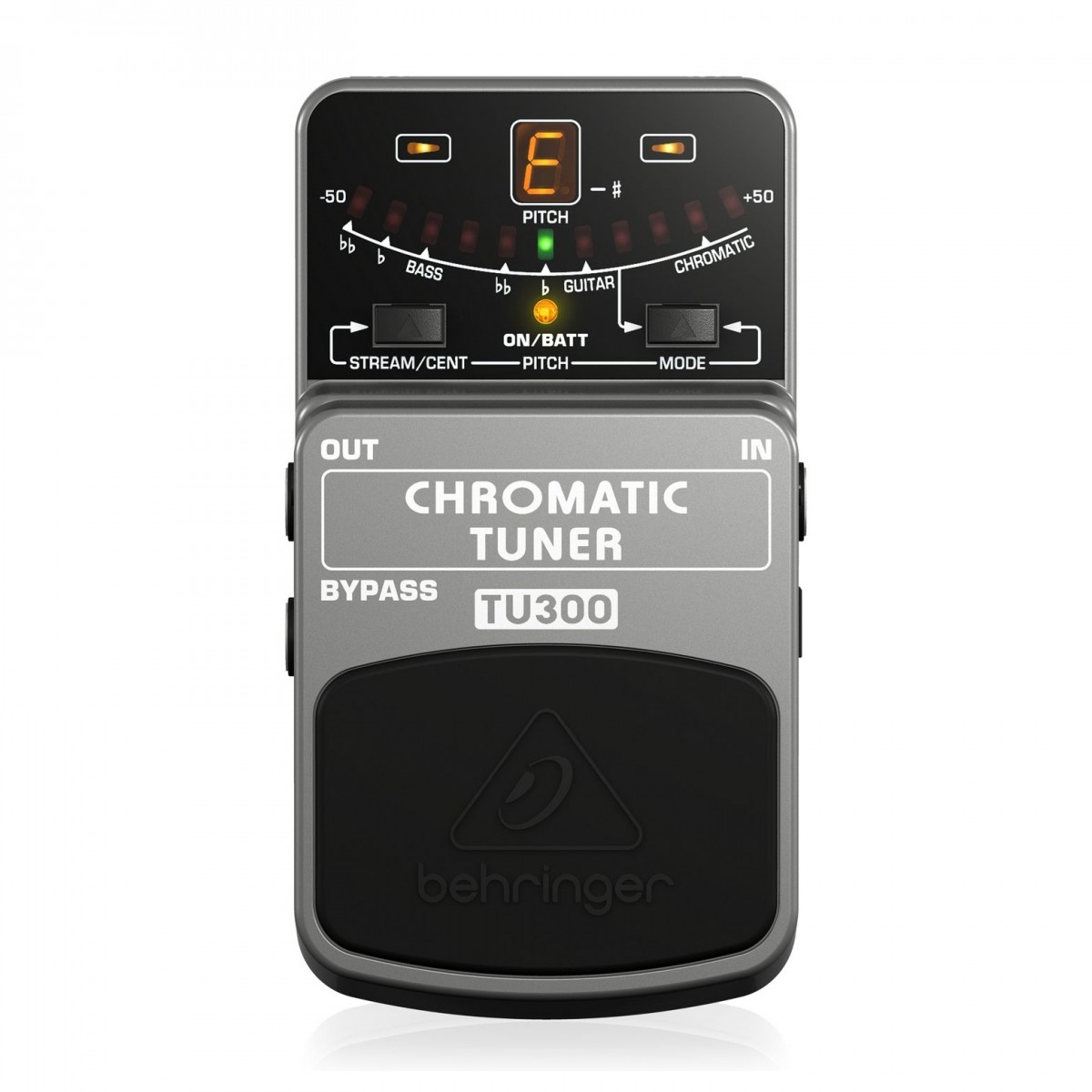
Behringer TU300 Chromatic Tuner
Frequently asked questions
- What is the tempo range of the Wittner Taktell 2206?
- The metronome provides a tempo range of 40 to 208 BPM, covering standard musical markings from Largo to Prestissimo.
- Does the penguin metronome require batteries?
- No, the Wittner Taktell 2206 is a purely mechanical device that operates via a wind-up clockwork mechanism.
- Where is the Taktell 2206 manufactured?
- This metronome is made in Germany, ensuring the high build quality and precision associated with Wittner's manufacturing standards.
- How do you adjust the speed of the metronome?
- The tempo is adjusted by sliding the counterweight located on the pendulum arm up for slower speeds or down for faster speeds.
- Who is the primary target audience for this design?
- The penguin design is specifically intended for children, young students, and music teachers looking to make lessons more engaging.
- How does the sound of the 2206 compare to digital metronomes?
- It produces a mechanical, clear 'click' sound, which many musicians find more organic and easier to follow than electronic 'beeps' from digital units.
- Is this metronome suitable for professional use?
- While it features a professional-grade mechanical system, its novelty design is generally more suited to educational or home practice environments.
- What material is the penguin housing made from?
- The external housing is made from durable plastic, shaped and coloured to resemble a penguin, protecting the internal metal mechanism.
- Does the Taktell 2206 have a bell for different time signatures?
- This specific model is a simple click metronome and does not typically include a bell for accented downbeats.
- Can the metronome be repaired if it stops working?
- As a mechanical device, Wittner metronomes can often be serviced, though users should ensure they do not over-wind the spring to maintain longevity.
- How does this compare to the Wittner W801?
- The Taktell 2206 uses a similar mechanical principle but features a playful plastic penguin design, whereas the W801 is housed in traditional mahogany wood.
- What is the typical price for a Wittner Taktell 2206?
- The metronome typically retails for approximately GBP 102, reflecting its German construction and specialised design.