
Gear article
Wittner 1/16 Violin Tailpiece with Adjustable Nylon Tailgut
The Wittner 1/16 Violin Tailpiece is a precision-engineered alloy replacement component designed for fractional-sized student instruments. It functions as a primary anchor point for strings, incorporating an adjustable nylon tailgut to ensure stable tuning and optimal instrument playability.
See live pricesOverview
The Wittner 1/16 Violin Tailpiece is a critical hardware component for the smallest category of standard violins. While often overlooked by novice players, the tailpiece is fundamental to the structural integrity and resonance of the instrument. It serves as the bridge between the strings and the endpin, maintaining the tension required to keep the instrument in tune.
Design and Material Construction
Unlike traditional tailpieces that utilize ebony, boxwood, or rosewood, Wittner utilizes a specialized lightweight alloy. This material choice is significant for 1/16 size instruments, as reducing the overall mass on the body can help the small soundbox vibrate more freely. The inclusion of an adjustable nylon tailgut allows for precise positioning behind the bridge, which is essential for achieving correct string length and tension.
Installation and Adjustability
The primary advantage of this model is its adjustable nylon tailgut. Standard fixed guts often require heating or difficult knotting to set the distance; however, the Wittner system allows for easier fine-tuning of the distance between the tailpiece and the bridge. This adjustability ensures that the strings are anchored at the correct angle, directly impacting the playability of the violin.
Suitability and Applications
This tailpiece is specifically designed for 1/16 size violins, which are typically used by very young beginners. It is suitable for:
- Upgrading entry-level factory violins that feature heavy or poor-quality plastic tailpieces.
- Replacing damaged wooden tailpieces that may have cracked under string tension.
- Improving tuning stability for student players who need reliable performance during practice.
Market Position
Positioned at a price point of approximately £35, this Wittner model sits in the mid-to-high range for fractional tailpieces. It offers a more durable and technically consistent alternative to generic plastic fittings found on budget outfits like the Stentor Graduate or Messina series, while being more modern in its construction than traditional boxwood components such as those produced by Conrad Goetz.
Related gear
 £299.99 ($381)
G4M
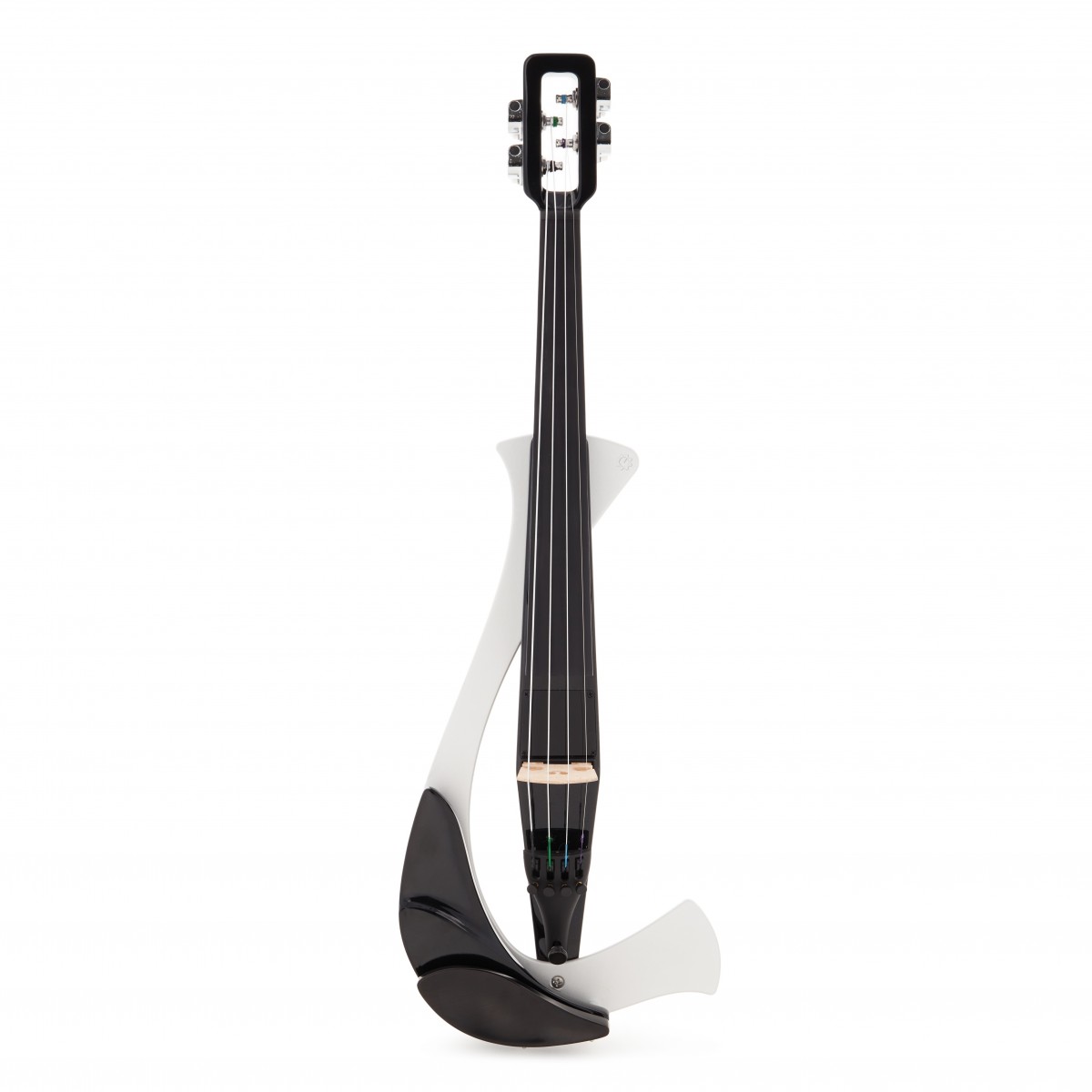
G4M Solus Electric Violin Midnight Ebony
 £227.00 ($288)
Stentor
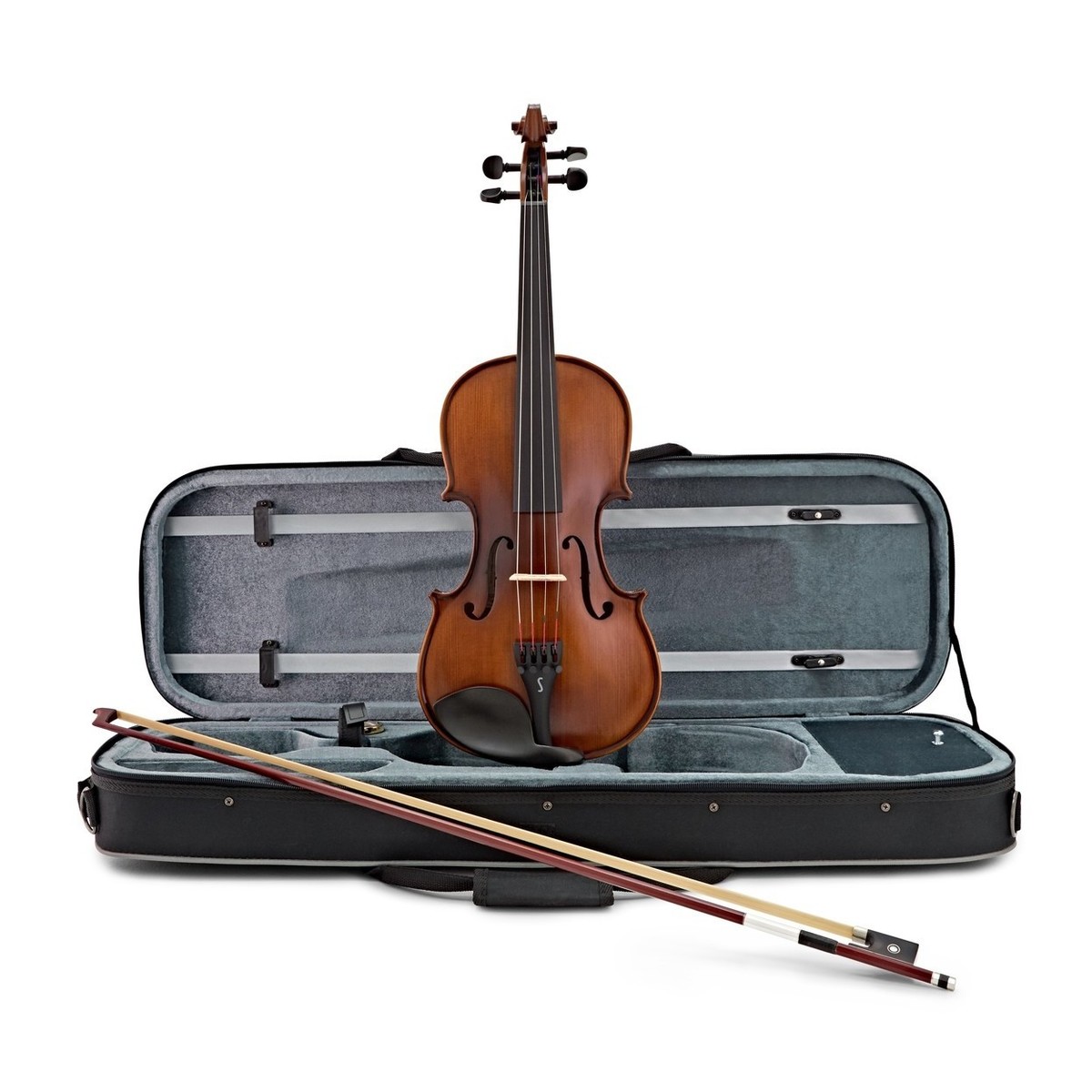
Stentor Graduate Violin Outfit 1/8
 £453.00 ($575)
Stentor
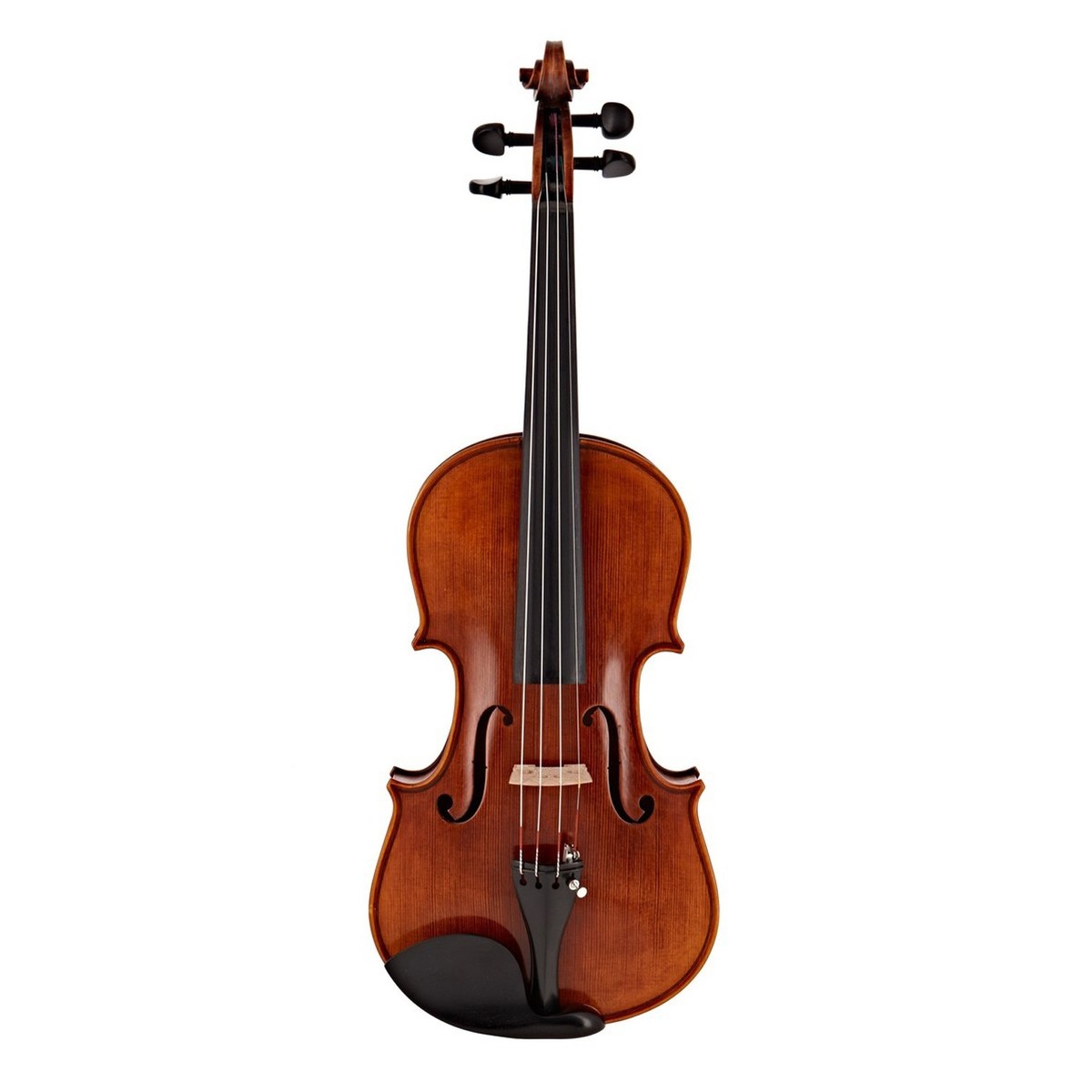
Stentor Messina Violin 3/4 Instrument Only
 £25.00 ($32)
Wittner
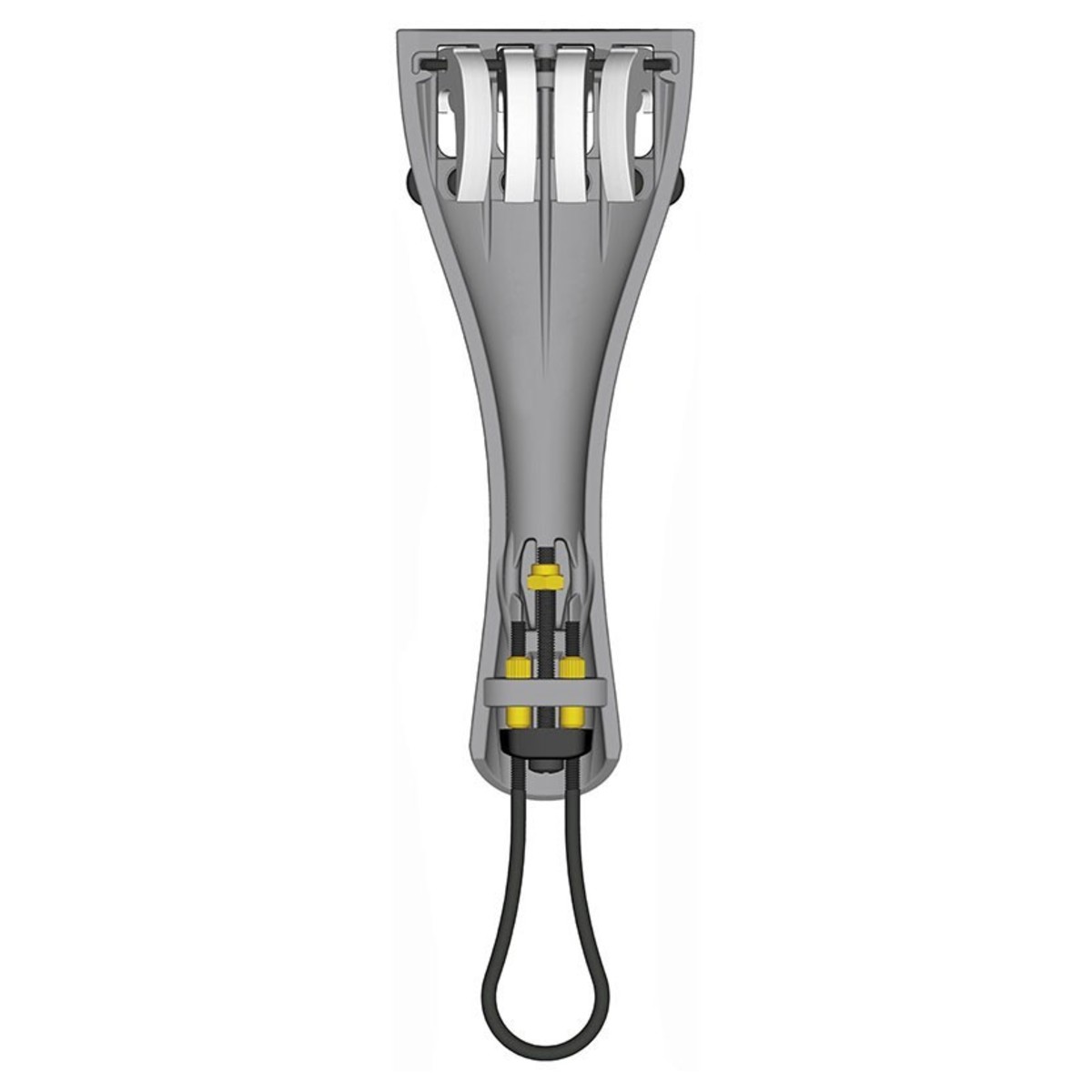
Wittner Violin Tailpiece Position Adjustable 4/4 Size
 £205.00 ($260)
Hidersine
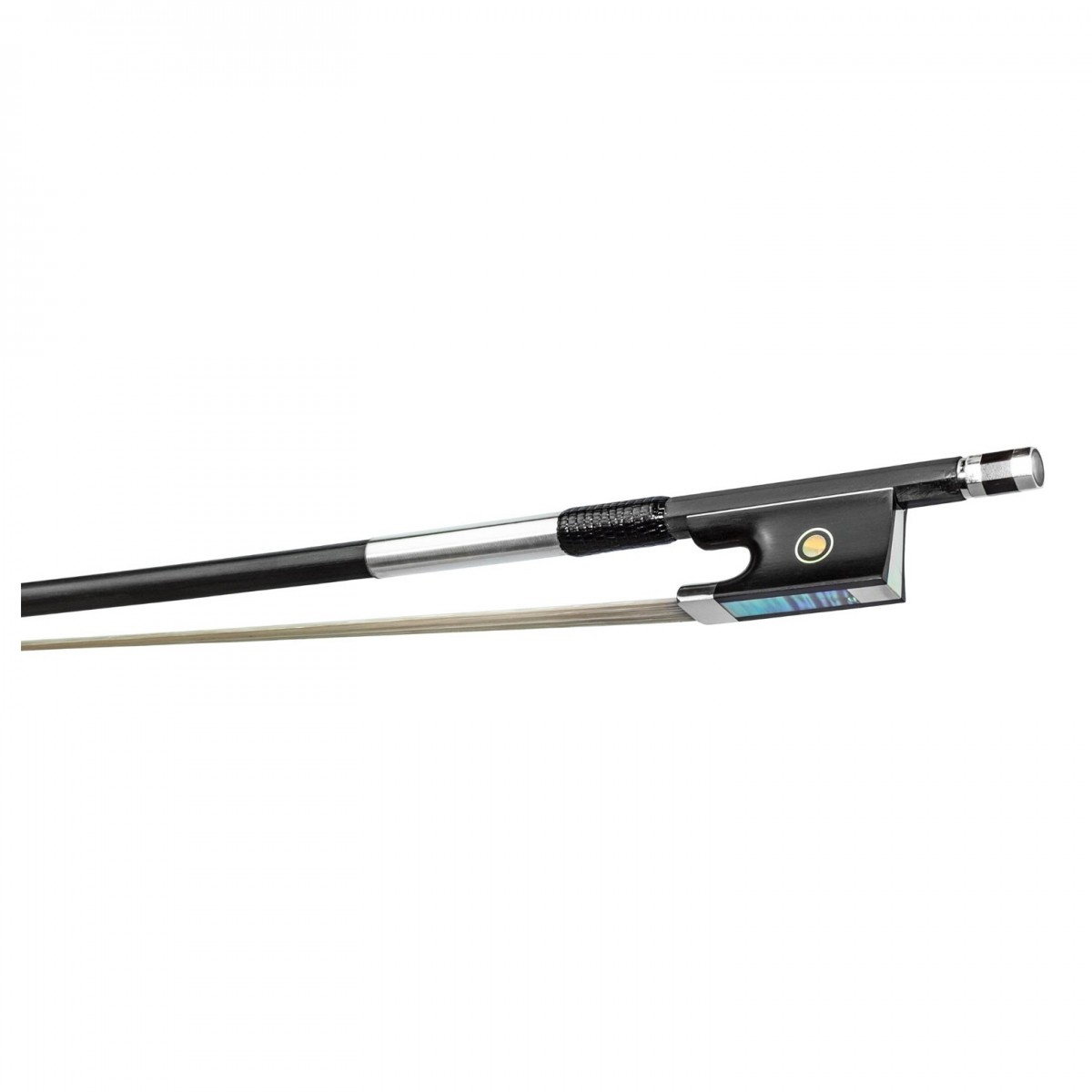
Hidersine Premium Unidirectional Carbon Violin Bow 4/4
 £44.00 ($56)
Conrad Goetz
Goetz Kaufmann Style Viola Chinrest Boxwood Gold Hill Screws
 £69.00 ($88)
Conrad Goetz
Goetz Stuber Style Violin Chinrest Boxwood Titanium Screws
 £19.60 ($25)
P&H Bows
P&H Viola Bowhair Hank 15-16 Inch
Frequently asked questions
- What size violin is this tailpiece compatible with?
- This specific tailpiece is designed exclusively for 1/16 size violins. It is not compatible with larger instruments like 1/8, 3/4, or 4/4 violins due to length and tension requirements.
- What material is the Wittner 1/16 tailpiece made from?
- It is crafted from a lightweight alloy. This provides a durable alternative to traditional wood while maintaining a low mass to help the instrument resonate.
- What is the purpose of the adjustable nylon tailgut?
- The adjustable nylon tailgut connects the tailpiece to the endpin. Its adjustability allows the user to set the exact distance behind the bridge for optimal string tension.
- How does this tailpiece affect the violin's tuning?
- Its primary function is to anchor the strings in the correct position. By providing a stable and secure mounting point, it ensures that the strings stay in tune more reliably.
- Is a metal tailpiece better than a wooden one?
- Metal alloy tailpieces like this Wittner model are often preferred for student instruments because they are resistant to cracking and humidity changes. Wooden tailpieces can be heavier and more prone to weather-related issues.
- Does this tailpiece include fine tuners?
- While Wittner is famous for tailpieces with integrated fine tuners, the manufacturer description for this specific alloy model focuses on the adjustable gut and lightweight alloy construction. Users should verify if individual tuners are integrated based on the specific variant.
- Can I install this tailpiece myself?
- While installation is possible for those familiar with string instruments, it involves removing all strings. Many players prefer to have a luthier install it to ensure the bridge and soundpost remain correctly positioned.
- Why is the weight of the tailpiece important?
- A tailpiece that is too heavy can dampen the vibrations of the violin's top plate. The lightweight alloy used by Wittner is designed to minimize this dampening effect, especially on small 1/16 instruments.
- What is the typical price for this model?
- The Wittner 1/16 Violin Tailpiece typically retails for approximately £35.00 in the UK market.
- How does this compare to a Conrad Goetz tailpiece?
- Conrad Goetz often focuses on traditional wooden fittings like boxwood with gold or titanium screws. Wittner focuses on modern, functional alloy designs that prioritize durability and ease of adjustment.
- Is this tailpiece suitable for electric violins?
- While designed for acoustic 1/16 violins, it could theoretically fit any 1/16 scale instrument. However, electric violins like the G4M Solus often have specific proprietary hardware requirements.
- What other instruments does Wittner make tailpieces for?
- Wittner designs a full range of replacement tailpieces for violins, violas, and cellos across various sizes, including full 4/4 scale models.