
Gear article
Gear4Music XLR (F) - Jack Microphone Cable 3m
The Gear4Music XLR (F) - Jack Microphone Cable is a three-metre audio interconnect designed for low-impedance signal transmission. It features a female XLR connector on one end and a standard 6.35mm (1/4 inch) mono jack on the other, facilitating connections between microphones and various audio equipment.
See live pricesOverview
The Gear4Music XLR (F) - Jack Microphone Cable is an entry-level audio utility cable intended for stage and studio use. It serves as a bridge between balanced microphone outputs and unbalanced 6.35mm jack inputs commonly found on mixers, powered speakers, and portable recording devices. The cable is manufactured to a length of three metres, providing a functional reach for domestic setups or small performance environments.
Technical Design and Features
The construction of the cable focuses on signal integrity and physical durability. It utilises oxygen-free copper (OFC) cabling, which is a industry standard for reducing resistance and preventing corrosion over time.
Key physical features include: * Noiseless Design: The shielding is designed to minimise electromagnetic interference. * Strain Relief: The jack plug incorporates a spring-based strain relief system, which prevents the internal soldered connections from breaking when the cable is bent at sharp angles. * Connector Configuration: A 3-pin female XLR connector at one end and a 6.35mm straight jack at the other.
Sound Character
As a passive component, the cable is designed to be transparent. The use of oxygen-free copper ensures that the audio signal remains clean and free from the distinct coloration or high-frequency roll-off often associated with lower-quality conductors. The 'noiseless' marketing designation indicates that the cable is shielded to prevent the introduction of hum or buzz into the signal chain.
Applications and Suitability
This cable is most suitable for musicians and home studio owners working on a budget. Because it terminates in a mono jack, it is frequently used to plug dynamic microphones directly into guitar amplifiers, multi-effects pedals, or entry-level PA systems that lack dedicated XLR inputs. It is a cost-effective alternative to professional-grade components from manufacturers like Neutrik or Ernie Ball when high-end touring durability is not the primary requirement.
Comparison to Alternatives
Within the Gear4Music ecosystem, this cable sits alongside specialized options like the Essentials Dual Jack to RCA cable. Compared to premium offerings such as the Ernie Ball P06049 or Adam Hall 5-STAR DMX cables, the Gear4Music XLR-Jack cable is designed for basic utility rather than heavy-duty touring. While it lacks the high-end Neutrik NC3FRX connectors found on professional boutique cables, it provides the essential functionality required for standard audio tasks at a fraction of the cost.
Related gear
 £5.99 ($8)
Studiospares
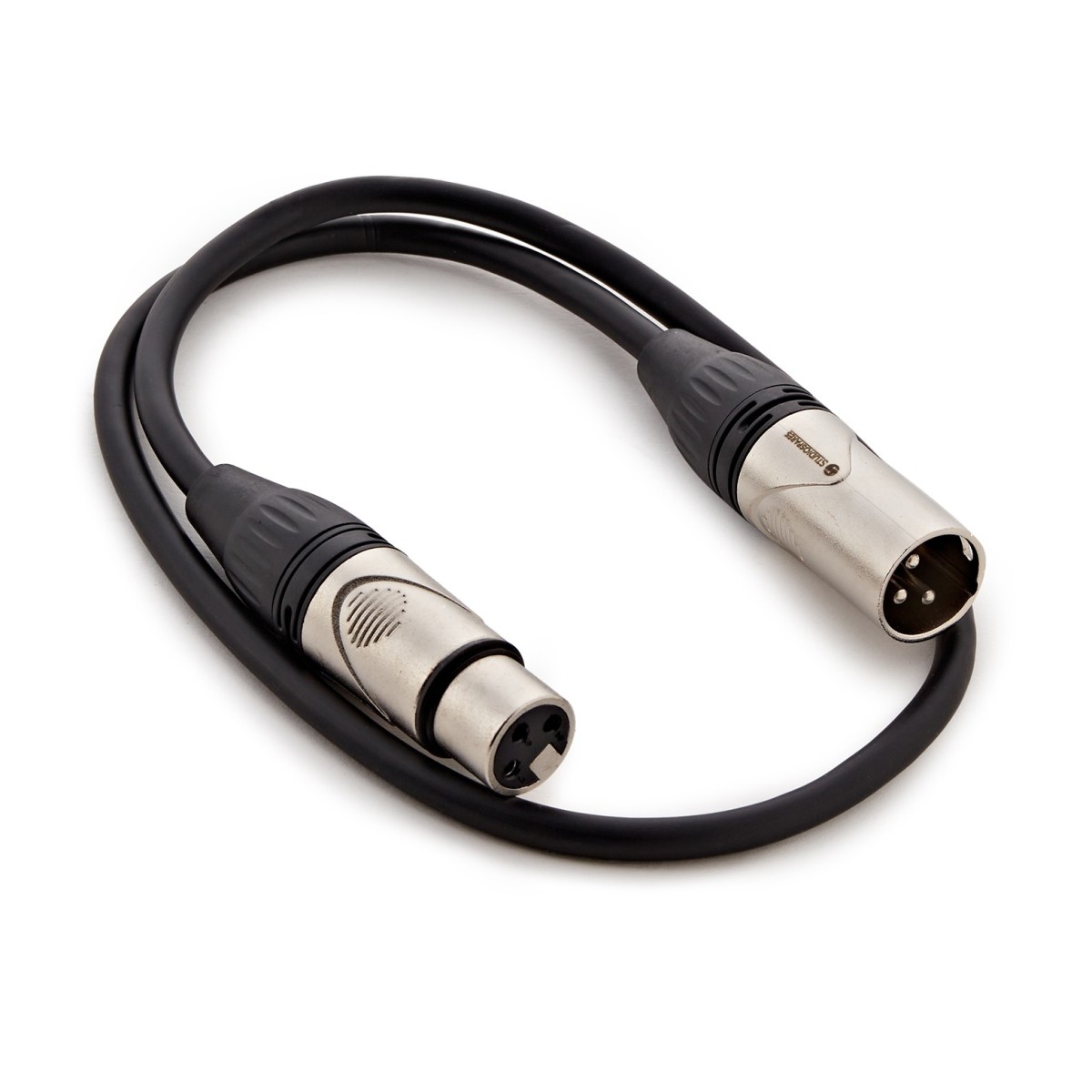
Studiospares Standard XLR (M) - XLR (F) Cable 60cm
 £17.57 ($22)
Ernie Ball
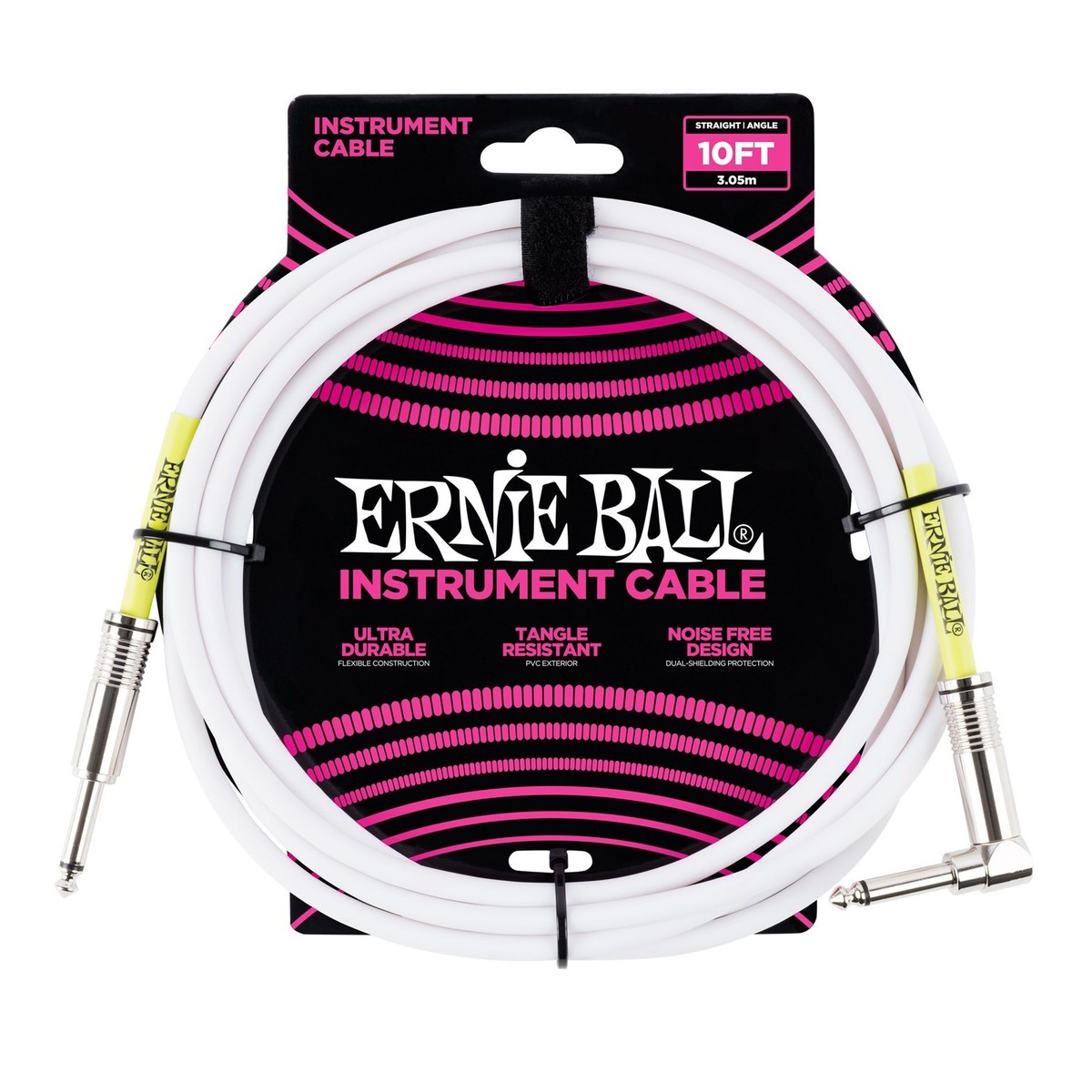
Ernie Ball P06049 10ft Straight-Angle Instrument Cable White
 £32.00 ($41)
LD Systems
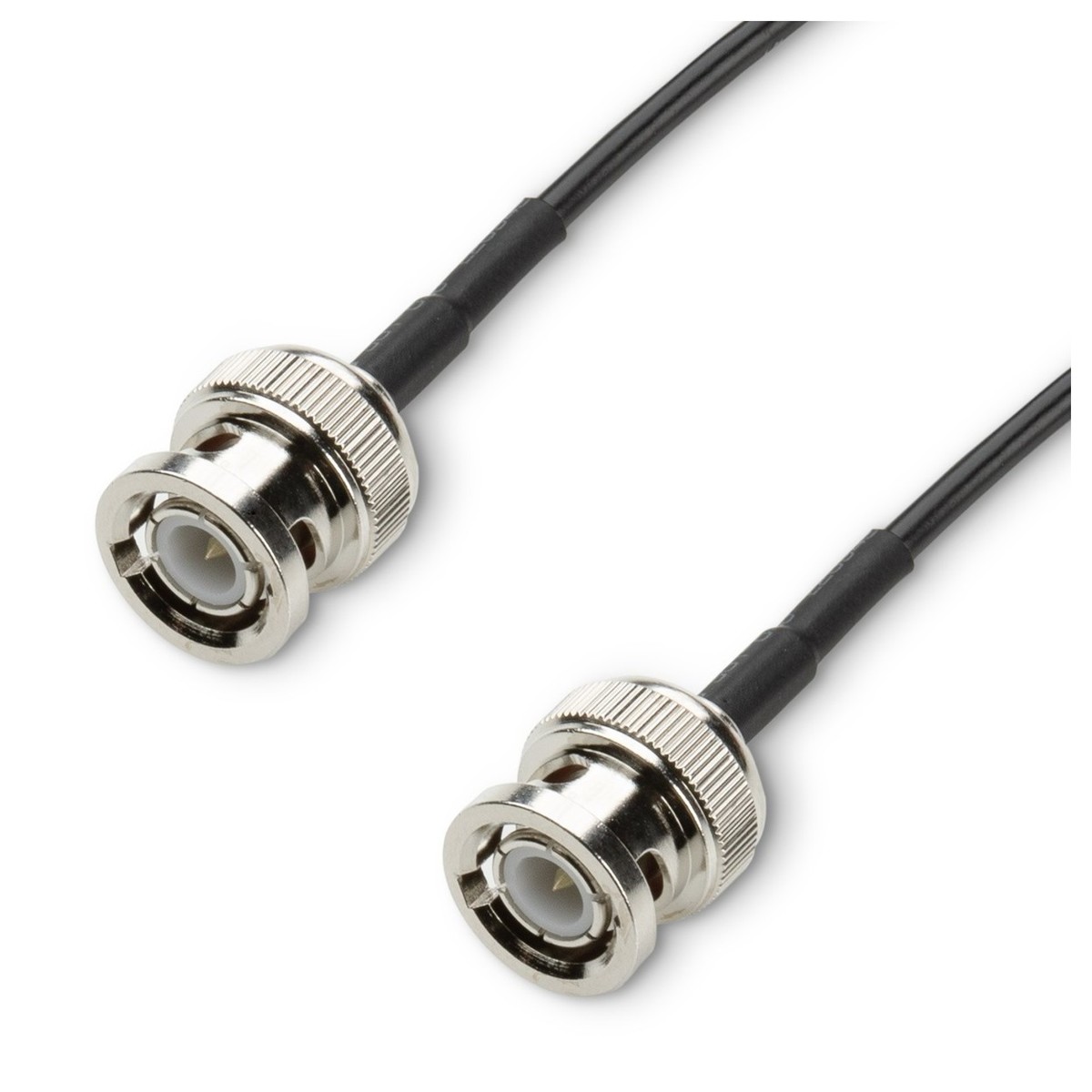
LD Systems WS100BNC10 BNC to BNC Antenna Cable 10m
 £4.99 ($6)
Gear4Music
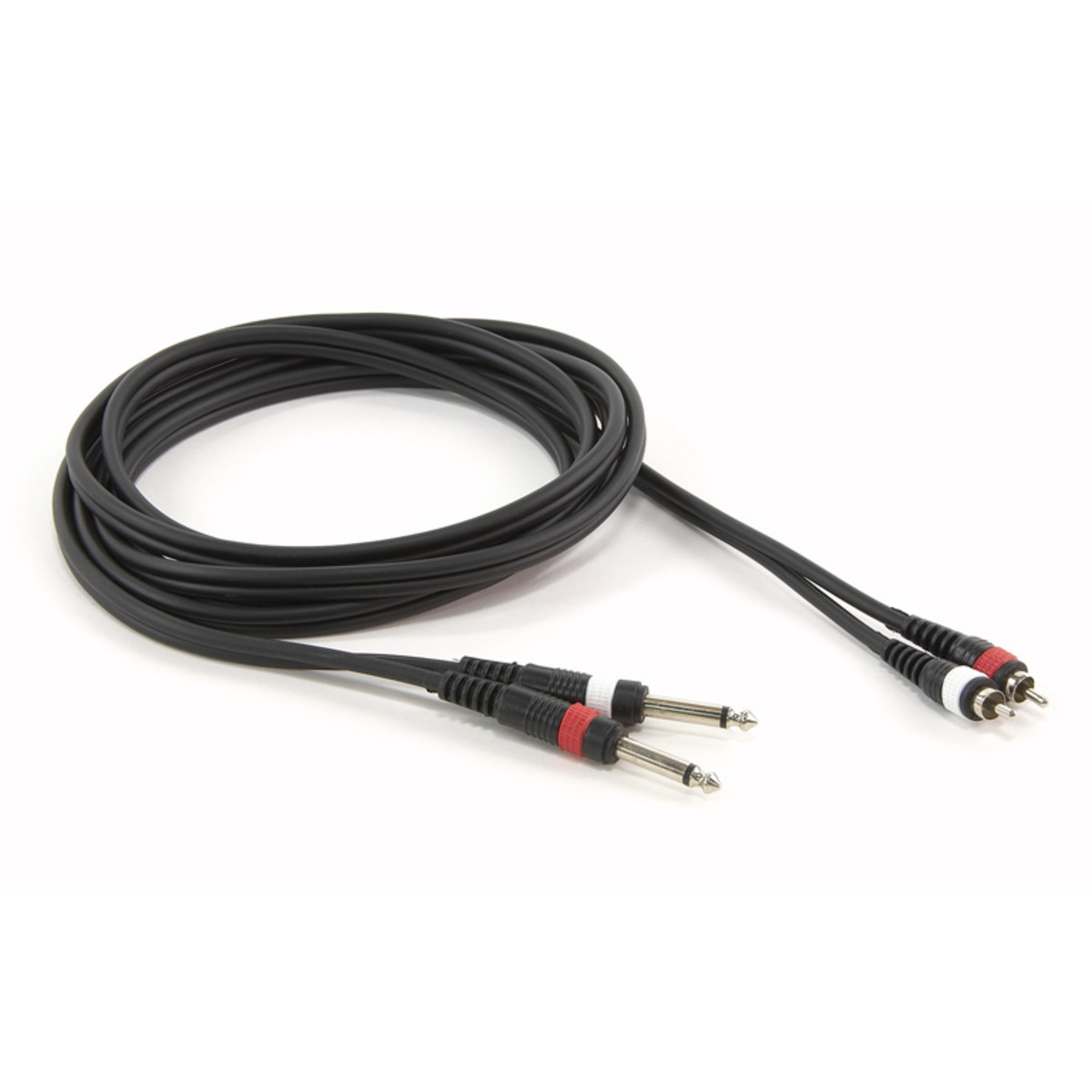
Essentials Dual Jack to RCA Phono Cable 3m
 £10.50 ($13)
Neutrik
Neutrik NC3FRX Right-Angled 3-Pole Female XLR Connector
 £19.00 ($24)
Neutrik
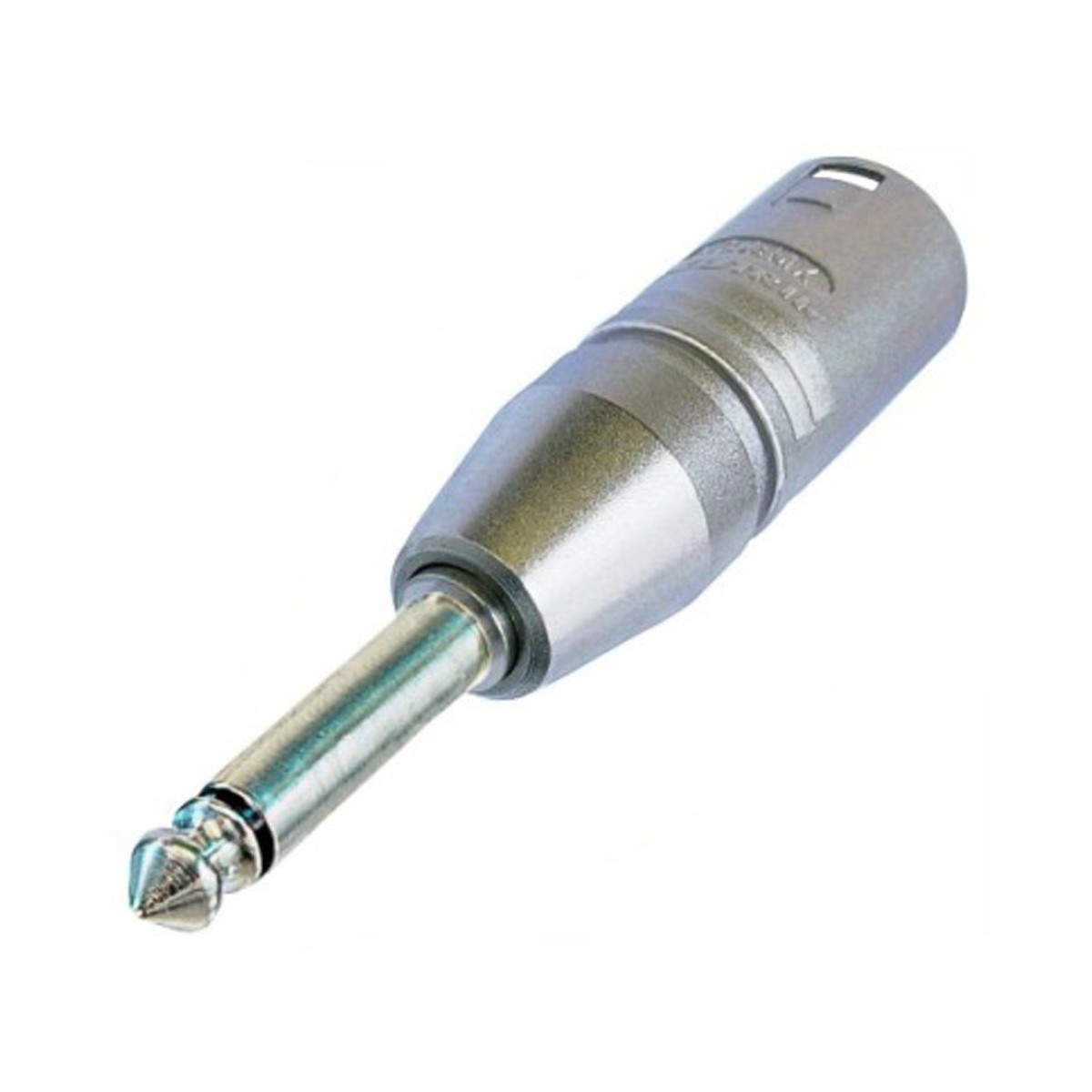
Neutrik NA2MP Male XLR - 1/4 Jack Adaptor
 £30.00 ($38)
Adam Hall
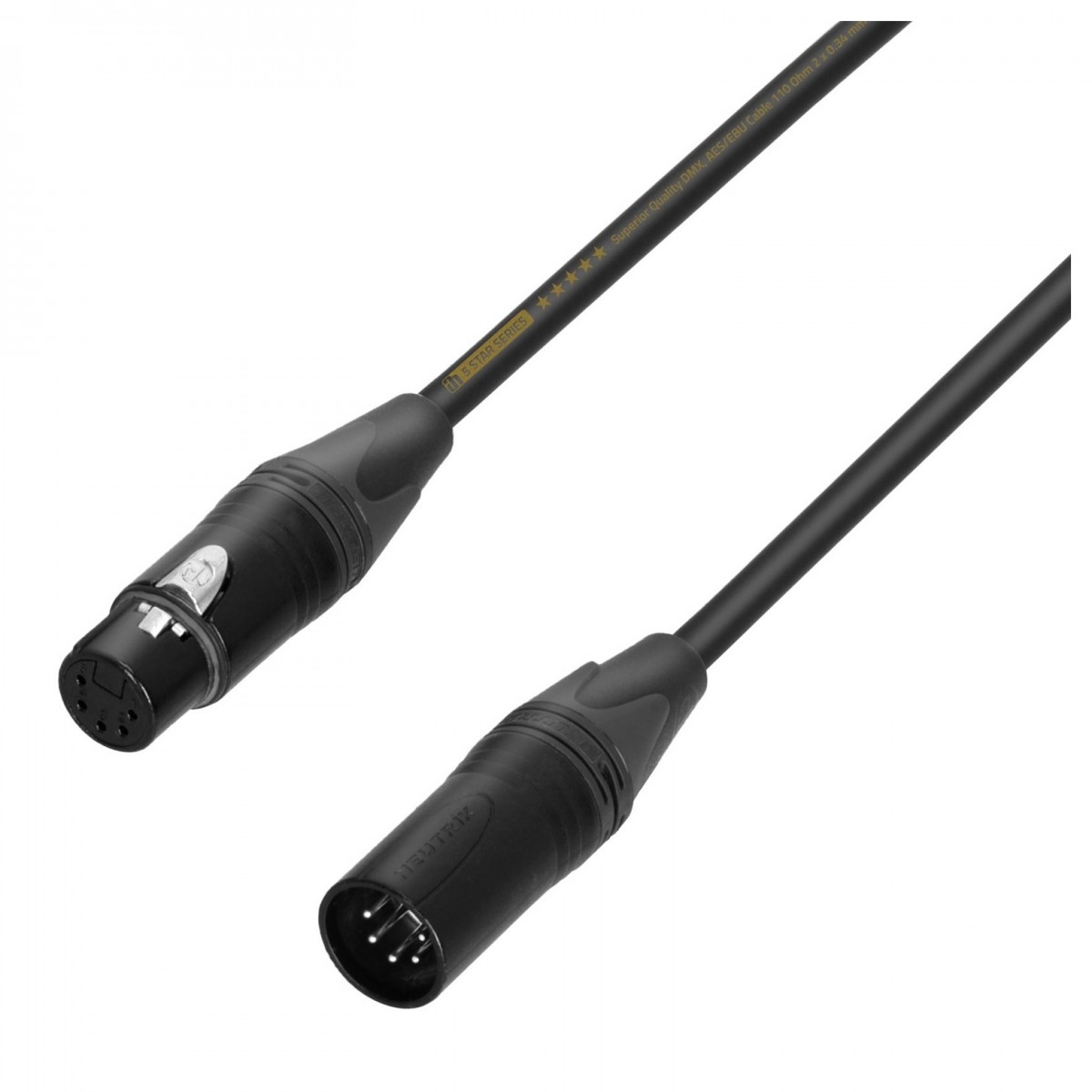
Adam Hall 5 STAR Neutrik DMX 5-Pin Lighting Cable 20m
 £4.99 ($6)
Studiospares
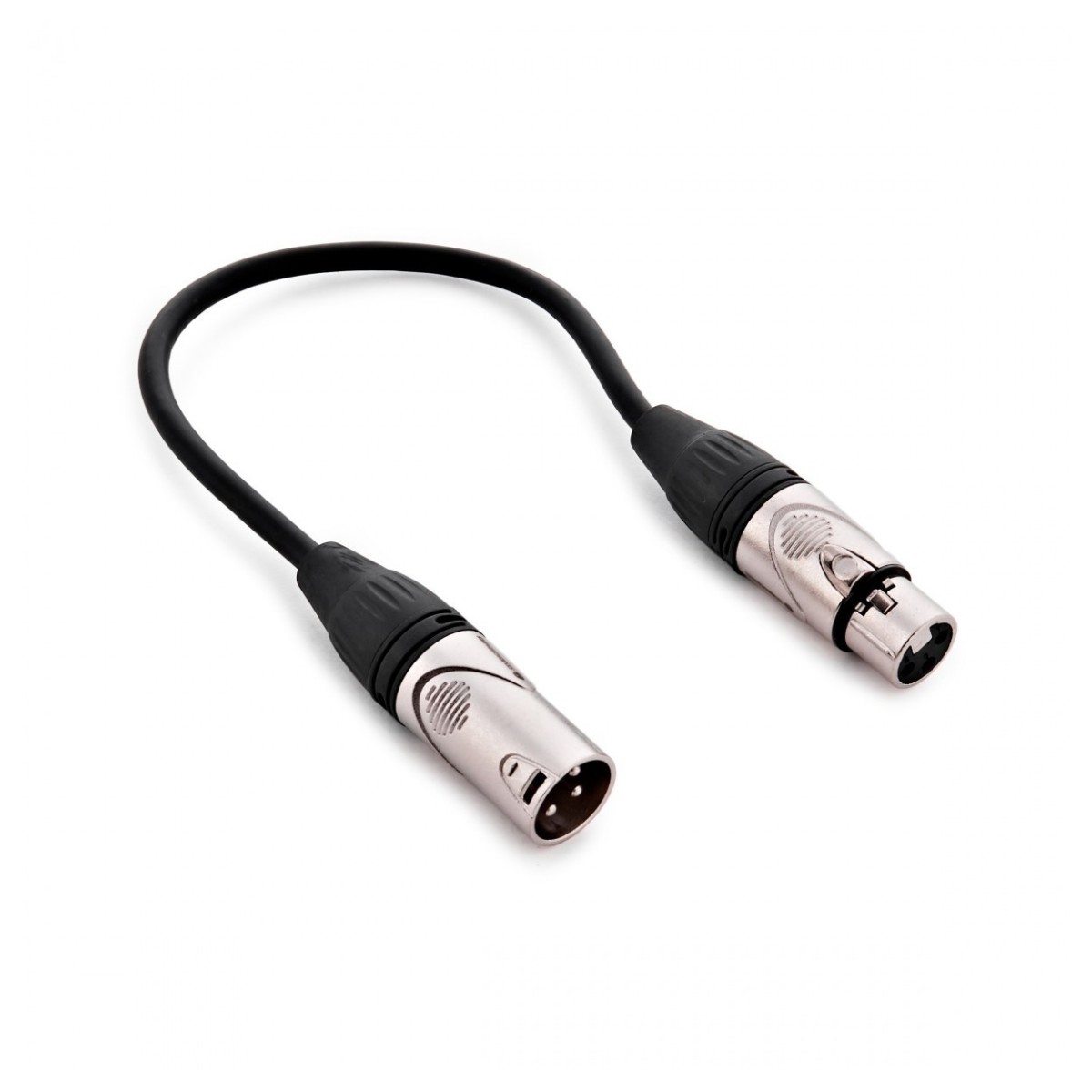
Studiospares Standard XLR (M) - XLR (F) Patch Cable 30cm
Frequently asked questions
- What is the primary use of this cable?
- The cable is primarily used to connect a microphone with an XLR output to an audio device with a 6.35mm (1/4 inch) jack input. This is common for connecting mics to certain mixers, amplifiers, or portable PAs.
- How long is the Gear4Music XLR (F) - Jack Microphone Cable?
- The cable has a fixed length of three metres. This length is typically sufficient for home recording setups or small practice spaces.
- What type of copper is used in the cable's construction?
- The cable uses oxygen-free copper (OFC). This material is preferred in audio applications because it offers better conductivity and resistance to oxidation compared to standard copper.
- Does the jack plug have any protection against bending?
- Yes, the straight jack plug incorporates a strain relief spring system. This mechanism helps protect the cable from internal damage caused by frequent bending or pulling at the connection point.
- Is this cable balanced or unbalanced?
- Because it terminates in a standard mono jack plug, the signal transmitted to the receiving device is unbalanced. This is a common configuration for microphone-to-jack conversions.
- Will this cable work with a condenser microphone?
- Most condenser microphones require phantom power, which cannot typically be delivered via a standard mono jack input. This cable is better suited for dynamic microphones that do not require external power.
- Is the cable shielded against noise?
- Yes, the manufacturer describes the cable as 'noiseless.' This indicates that it features shielding to protect the audio signal from external electromagnetic interference.
- What is the typical price for this cable?
- The typical price for this 3m Gear4Music cable is approximately £4.00. This makes it an entry-level, budget-friendly option for audio connectivity.
- Can I use this cable for DMX lighting?
- No, this is an audio cable. For lighting applications, a dedicated DMX cable like the Adam Hall 5 STAR Neutrik DMX 5-Pin is required to ensure proper data transmission.
- Can I use an adapter to change the connector type?
- Yes, products like the Neutrik NA2MP Male XLR to Jack adaptor can be used for various conversions, though using a direct cable like this one is often more convenient.
- How does this cable compare to Ernie Ball instrument cables?
- The Ernie Ball P06049 is a premium instrument cable often used for guitars. The Gear4Music cable is a budget-friendly utility cable specifically configured for microphone-to-jack connections.
- Is the XLR connector male or female?
- The cable features a female XLR connector (XLR-F). This is designed to plug directly into the base of a standard microphone.