
Gear article
Studiospares XLR (M) to 6.35mm (M) TRS Cable (5m)
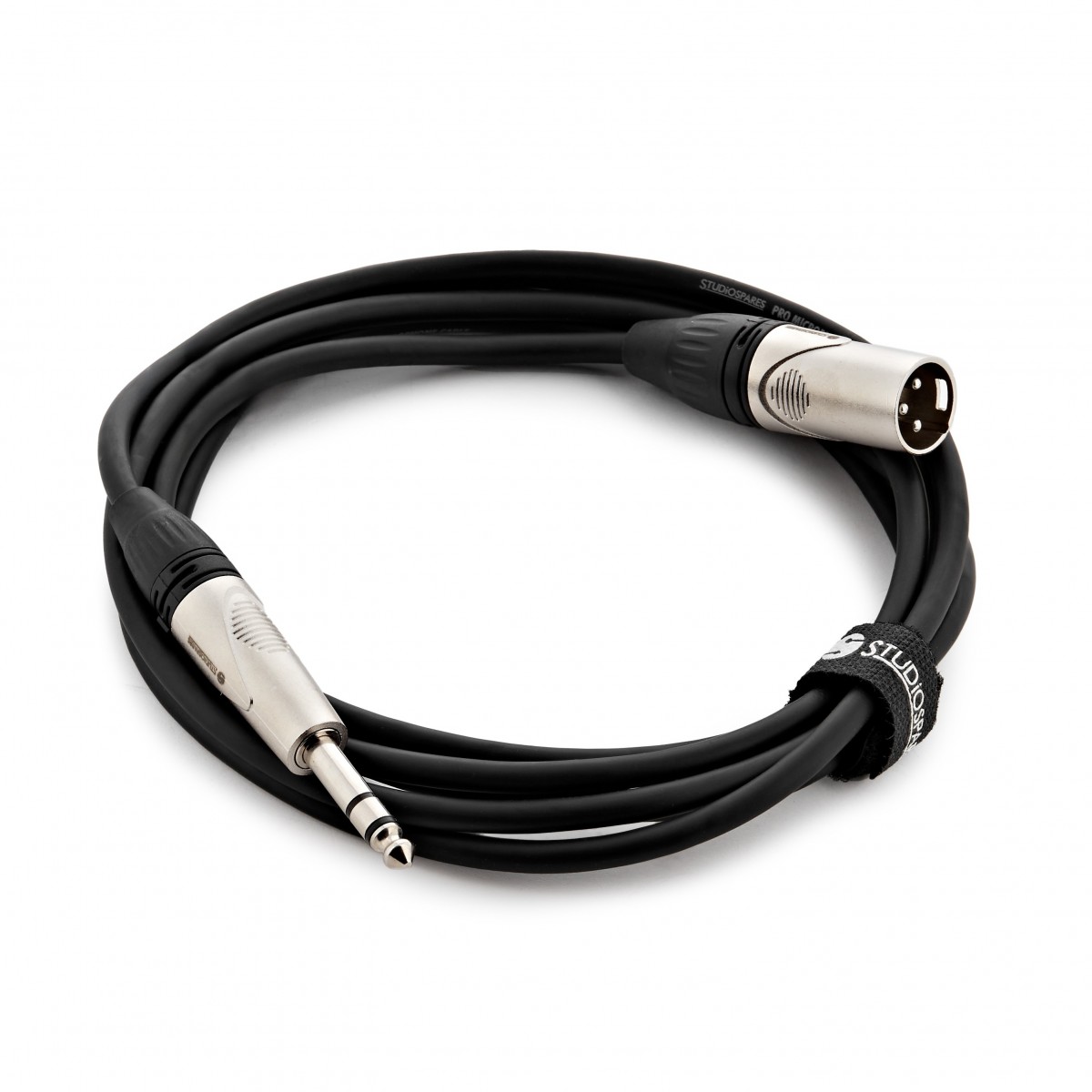
The Studiospares XLR (M) to 6.35mm (M) TRS Cable is a 5-metre professional audio interconnect designed for balanced signal transmission in studio and live environments. It features an Oxygen-Free Copper core and silver-plated contacts to ensure high-fidelity audio reproduction and long-term reliability.
Overview
The Studiospares XLR (M) to 6.35mm TRS Cable is a utility-grade audio lead designed for connecting equipment with disparate balanced input and output formats. Spanning 5 metres, it provides sufficient length for typical home studio setups and small stage configurations. The cable is constructed using a durable PVC jacket designed to remain flexible across a variety of ambient temperatures, which aids in both routing behind gear and onstage deployment.
Technical Features and Construction
The internal architecture of the cable focuses on signal integrity and durability. It utilises an Oxygen-Free Copper (OFC) core, which is standard in professional audio for maintaining signal clarity over longer distances. The shielding consists of spirally wound copper, which serves to protect the signal from electromagnetic interference (EMI) and radio frequency interference (RFI).
Mechanical protection is provided by built-in rubber boots at the connector ends. These boots serve as strain relief, preventing the internal solder joints from failing due to repeated bending or tension. The connectors themselves feature silver-plated contacts, chosen for their conductive properties and resistance to oxidation.
Performance and Character
In terms of audio performance, the cable is designed to be transparent. The combination of OFC conductors and silver-plated contacts ensures that frequency response remains flat, with minimal signal loss. Because it uses TRS (Tip-Ring-Sleeve) and XLR connectors, the cable supports balanced audio signals, which significantly reduces noise floors when connecting active monitors, mixers, or audio interfaces.
Target Audience
This cable is primarily aimed at audio engineers, musicians, and home studio owners who require a dependable, mid-range connection solution. It is frequently used to connect the balanced outputs of an audio interface to the inputs of active studio monitors, or to link mixers to power amplifiers. The inclusion of a hook-and-loop cable wrap makes it a practical choice for touring musicians who need to maintain an organised cable kit.
Comparison to Alternatives
Within the Studiospares range, this cable offers a specific conversion compared to standard XLR-to-XLR cables used for microphones. Compared to basic instrument cables, such as the Ernie Ball P06049, this lead is intended for balanced signals rather than high-impedance unbalanced guitar signals. For users requiring a simple adapter rather than a full cable, the Neutrik NA2MP provides a similar conversion in a compact format, though the 5m integrated cable provides a more robust and direct connection for longer runs.
Related gear
- £5.99 ($8)
Studiospares
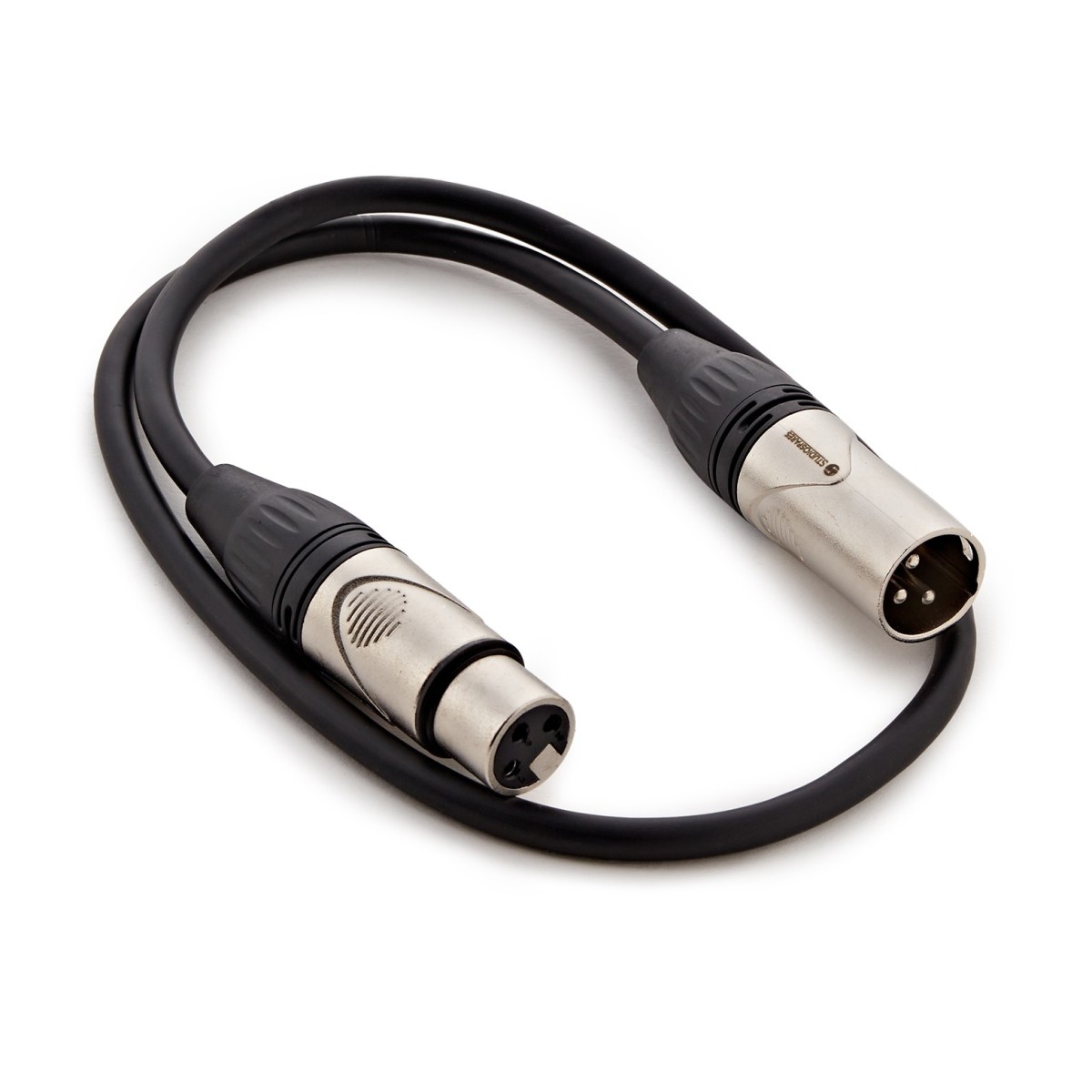
Studiospares Standard XLR (M) - XLR (F) Cable 60cm
 £17.57 ($22)
Ernie Ball
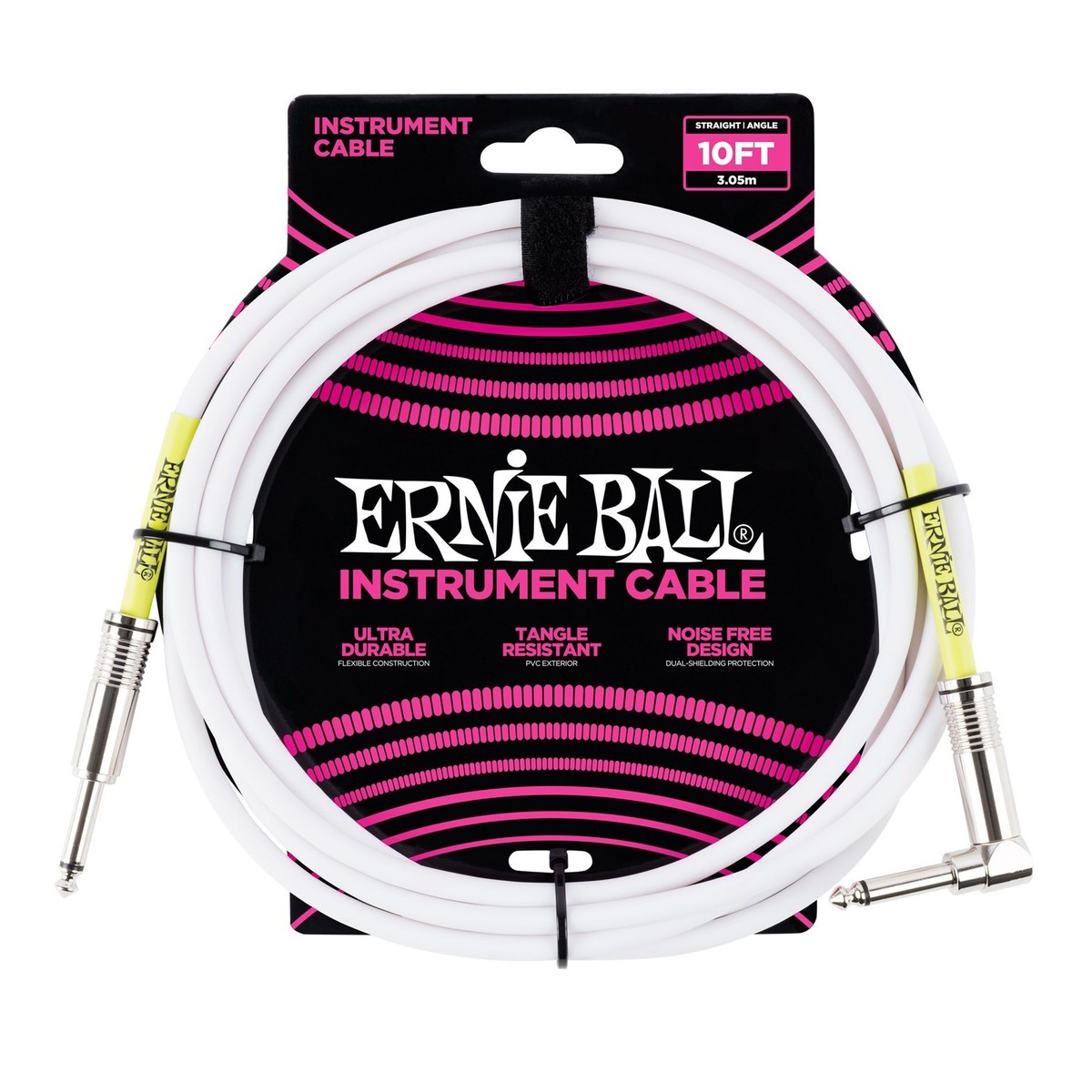
Ernie Ball P06049 10ft Straight-Angle Instrument Cable White
 £32.00 ($41)
LD Systems
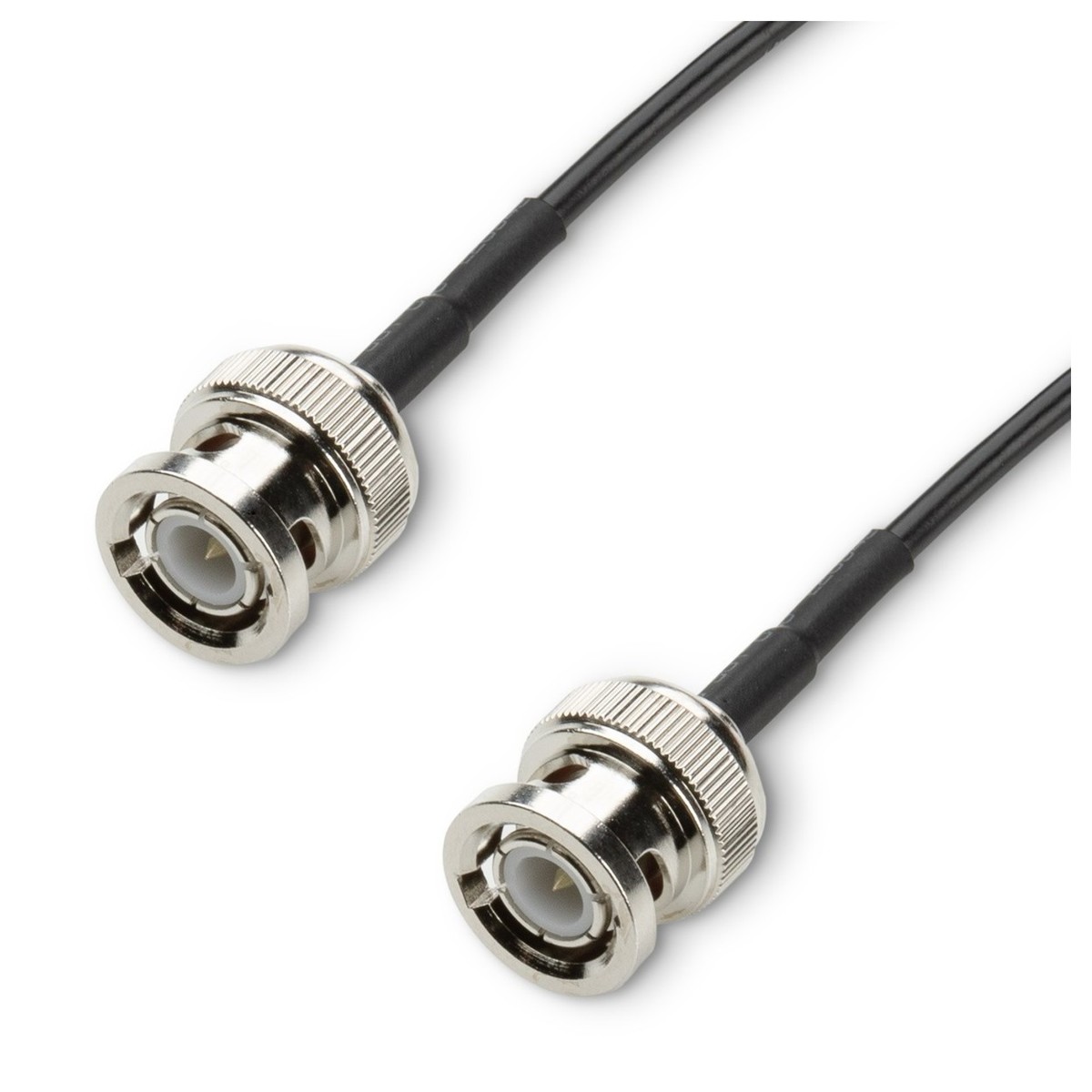
LD Systems WS100BNC10 BNC to BNC Antenna Cable 10m
 £4.99 ($6)
Gear4Music
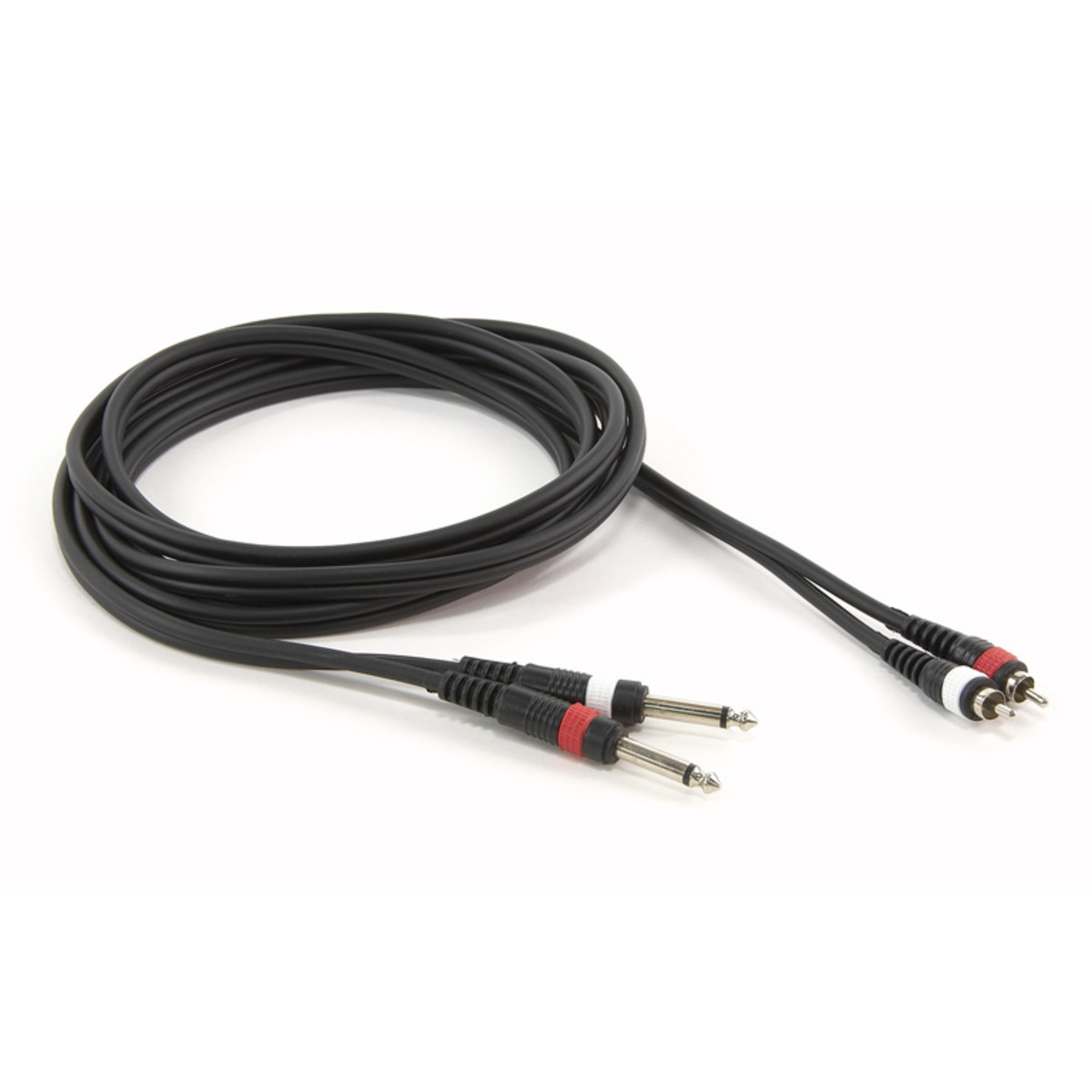
Essentials Dual Jack to RCA Phono Cable 3m
 £10.50 ($13)
Neutrik
Neutrik NC3FRX Right-Angled 3-Pole Female XLR Connector
 £56.00 ($71)
Adam Hall
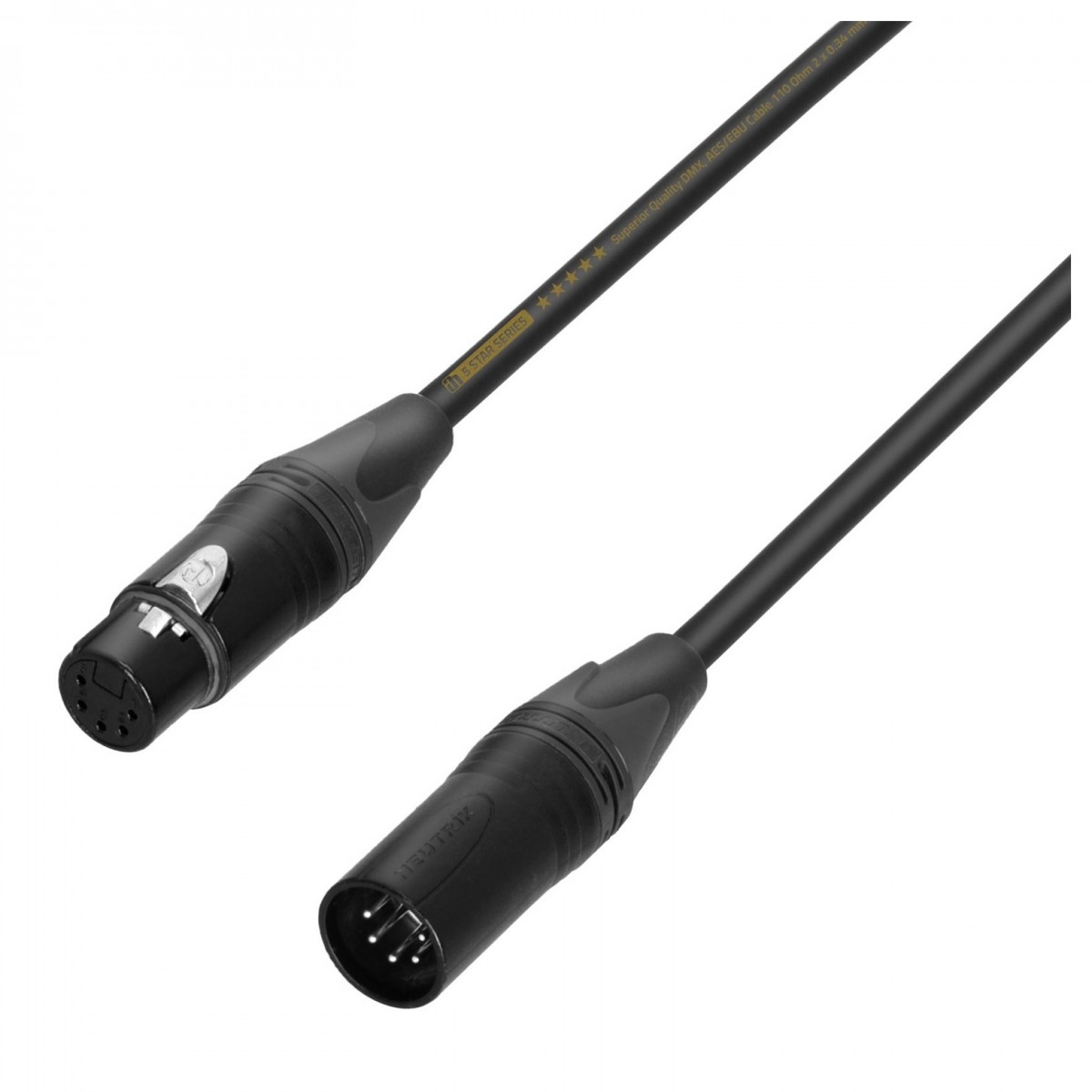
Adam Hall 5 STAR Neutrik DMX 5-Pin Lighting Cable 20m
 £4.99 ($6)
Studiospares
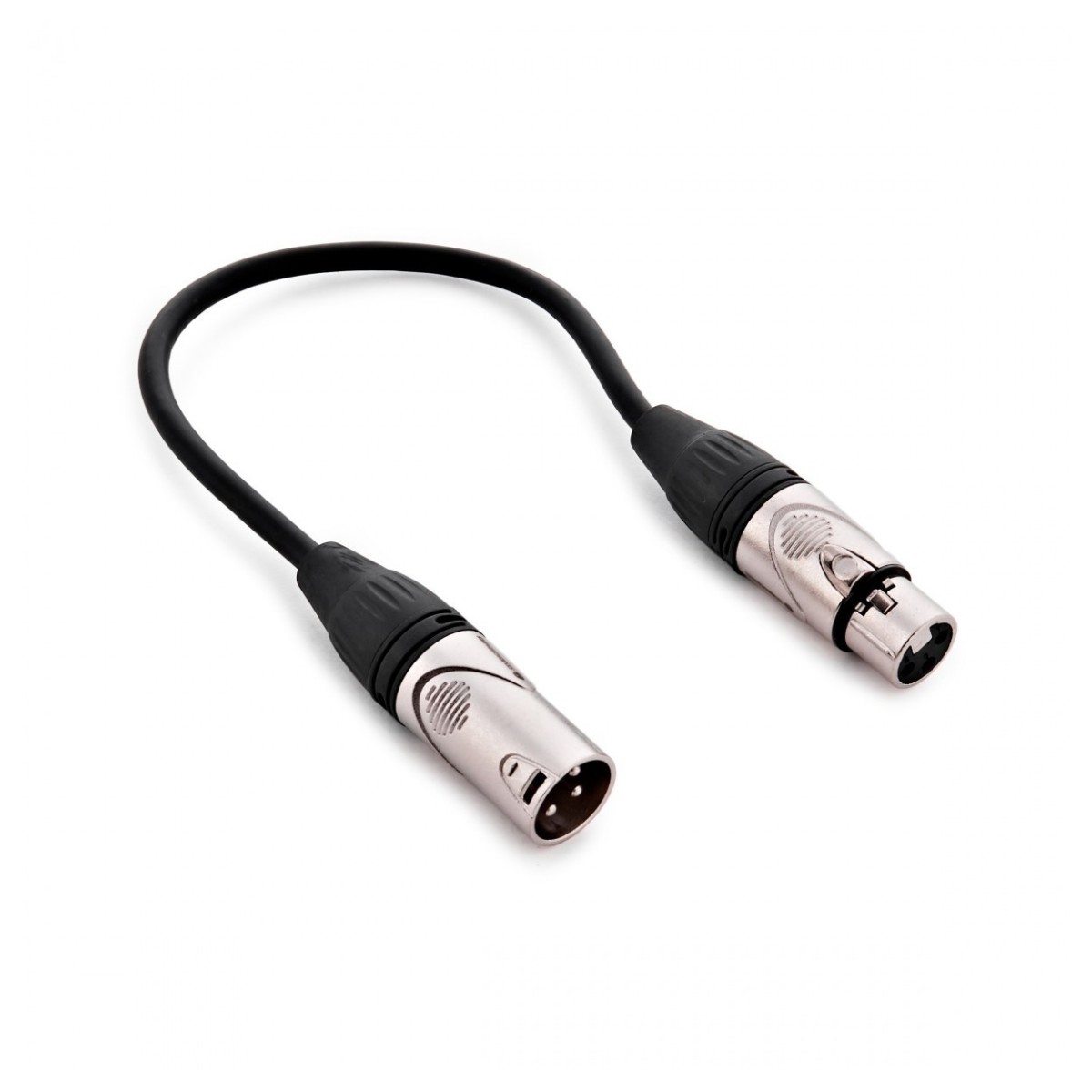
Studiospares Standard XLR (M) - XLR (F) Patch Cable 30cm
Frequently asked questions
- What type of connectors does this cable use?
- The cable features a male 3-pin XLR connector on one end and a 6.35mm (1/4 inch) TRS jack connector on the other. Both connectors are designed for balanced audio transmission.
- How long is this specific Studiospares cable?
- This specific model is 5 metres in length. This makes it suitable for medium-range distances in studio or live performance settings.
- What is Oxygen-Free Copper (OFC) and why is it used?
- OFC is high-purity copper that has been processed to reduce oxygen content. It is used in this cable to maintain signal clarity and prevent degradation over the 5-metre length.
- Does the cable have any special contact plating?
- Yes, the connectors feature silver-plated contacts. Silver is highly conductive and helps maintain a reliable electrical connection while resisting oxidation.
- What kind of shielding does this cable have?
- The cable uses spirally wound copper shielding. This design provides optimal protection against external electrical interference and noise.
- Is the cable jacket flexible in cold environments?
- The cable is manufactured with a durable PVC jacket. It is specifically designed to remain flexible across various temperatures, making it versatile for different environments.
- How is the cable protected from strain at the connectors?
- It features built-in rubber boots at the connection points. These boots provide strain relief to protect the internal wiring and extend the overall lifespan of the lead.
- Is a cable tie included with the purchase?
- Yes, the cable comes with a hook-and-loop cable wrap. This helps keep the setup tidy and prevents the cable from tangling during storage or transport.
- Can this cable be used for balanced audio signals?
- Yes, because it uses a 3-pin XLR and a TRS (Tip-Ring-Sleeve) jack, it is fully capable of carrying balanced audio signals. This helps in reducing noise over longer distances.
- What is the typical price for this cable?
- The typical price range for this 5-metre cable is approximately £12.00. This makes it a budget-friendly yet professional-grade option.
- Can I use this to connect a microphone to a guitar amp?
- While it physically fits, most guitar amps have unbalanced TS inputs, not TRS. This cable is better suited for balanced line-level connections between mixers, interfaces, and monitors.
- How does this compare to a Neutrik adapter?
- A Neutrik NA2MP adapter performs a similar conversion but requires an additional cable. This Studiospares product is an all-in-one 5-metre solution, reducing the number of connection points.