
Gear article
Xvive U45D 5.8GHz Stereo In-Ear Monitor Wireless System
The Xvive U45D is a 5.8GHz digital stereo in-ear monitor (IEM) system designed for stage and studio monitoring. It offers 24-bit/41kHz audio resolution with ultra-low latency, providing performers with a clear and high-fidelity wireless audio link.
See live pricesOverview
The Xvive U45D represents an evolution in affordable digital monitoring, utilising the 5.8GHz frequency band to avoid the congestion commonly found in the 2.4GHz spectrum. It is specifically designed to provide high-definition stereo monitoring for musicians, vocalists, and sound engineers. The system prioritises ease of use while maintaining the technical specifications required for professional live performance environments.
Technical Features and Performance
Operating at 24-bit / 41kHz, the U45D ensures a wide frequency response ranging from 20Hz to 20kHz, capturing the full spectrum of a live mix. A critical feature for live performers is its latency, which is kept below 5ms to ensure there is no perceptible delay between the sound produced and the monitoring signal. The system provides a stable range of up to 30 metres under ideal conditions, making it suitable for small to medium-sized stages.
Connectivity and Controls
The U45D is highly adaptable due to its two independent channels and four selectable output modes: Stereo, Left, Right, and Mix. This flexibility allows users to tailor their monitoring experience, whether they require a standard stereo field or a specific mono sum. The unit also features a secure control layout designed to prevent accidental setting changes during energetic performances.
Comparison with Alternatives
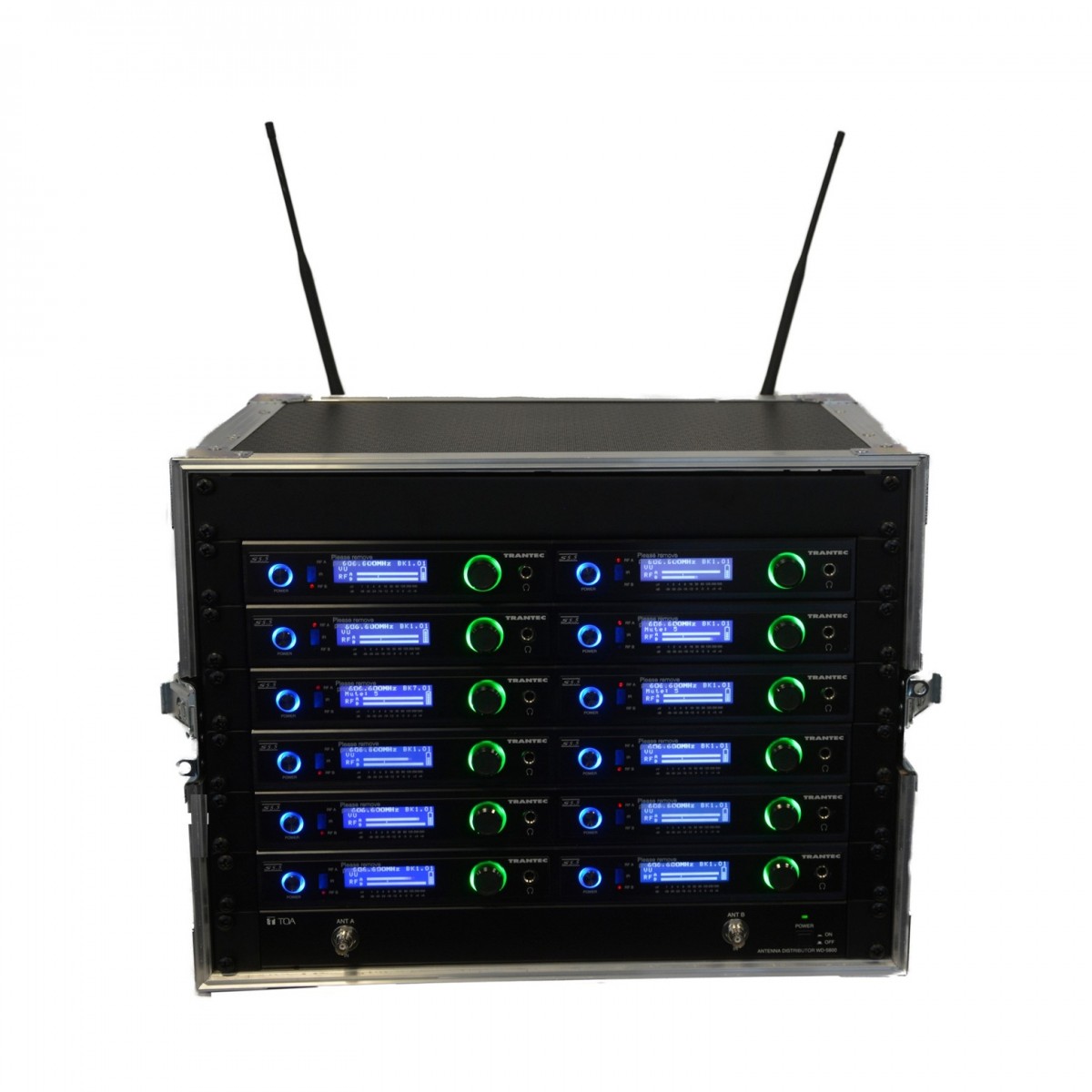
Compared to the standard Xvive U45, the U45D offers enhanced stereo capabilities and dual-channel management. When measured against traditional UHF systems like the Shure BLX or LD Systems MEI100G2, the U45D provides the benefit of digital signal clarity and easier frequency management, though it operates on a different frequency band (5.8GHz versus UHF). For larger touring rigs, rackmounted solutions like the Trantec S5.5 offer greater channel density, whereas the U45D focuses on portability and individual user flexibility.
Related gear
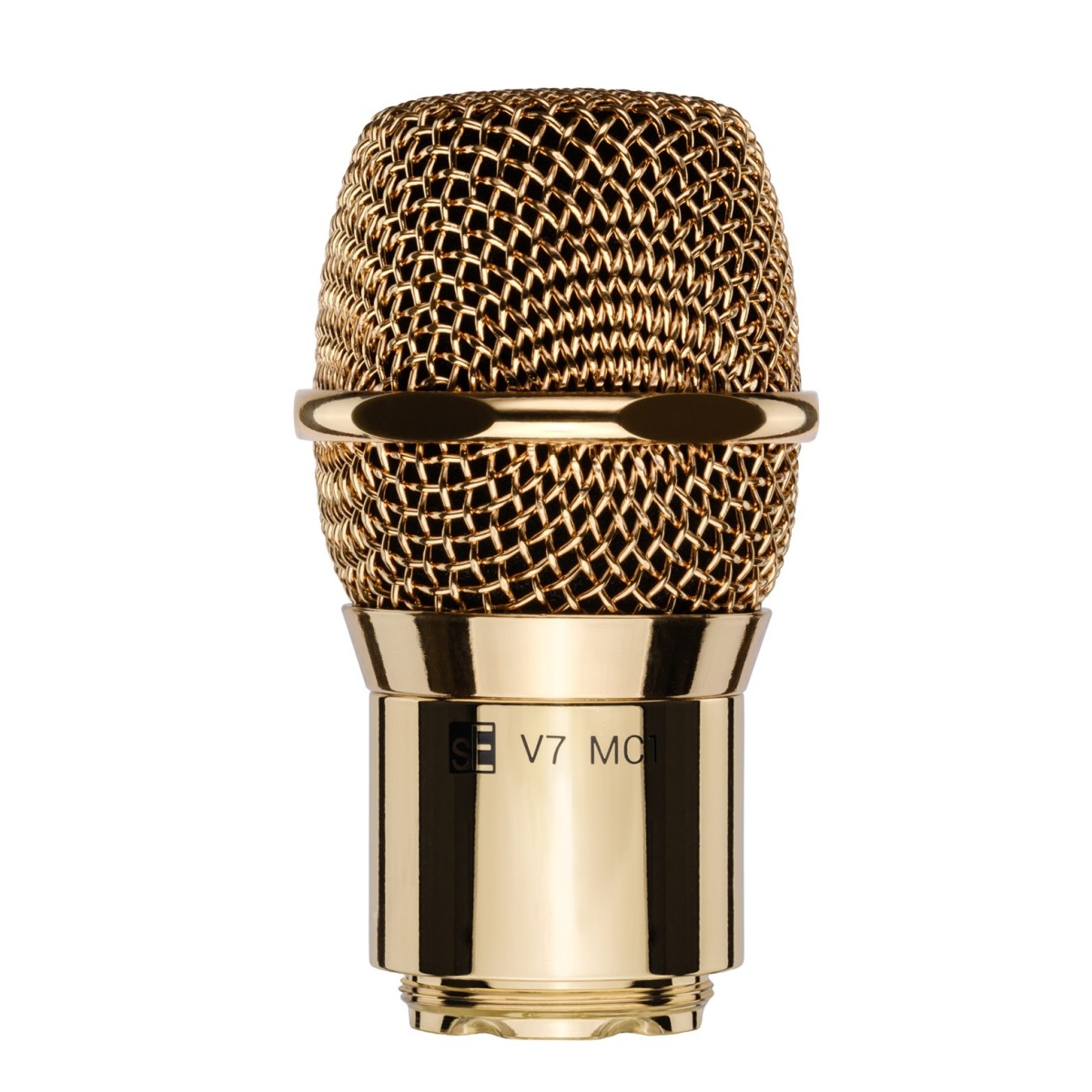 £149.00 ($189)
sE Electronics
sE Electronics V7 MC2 for Sennheiser Wireless Systems Gold
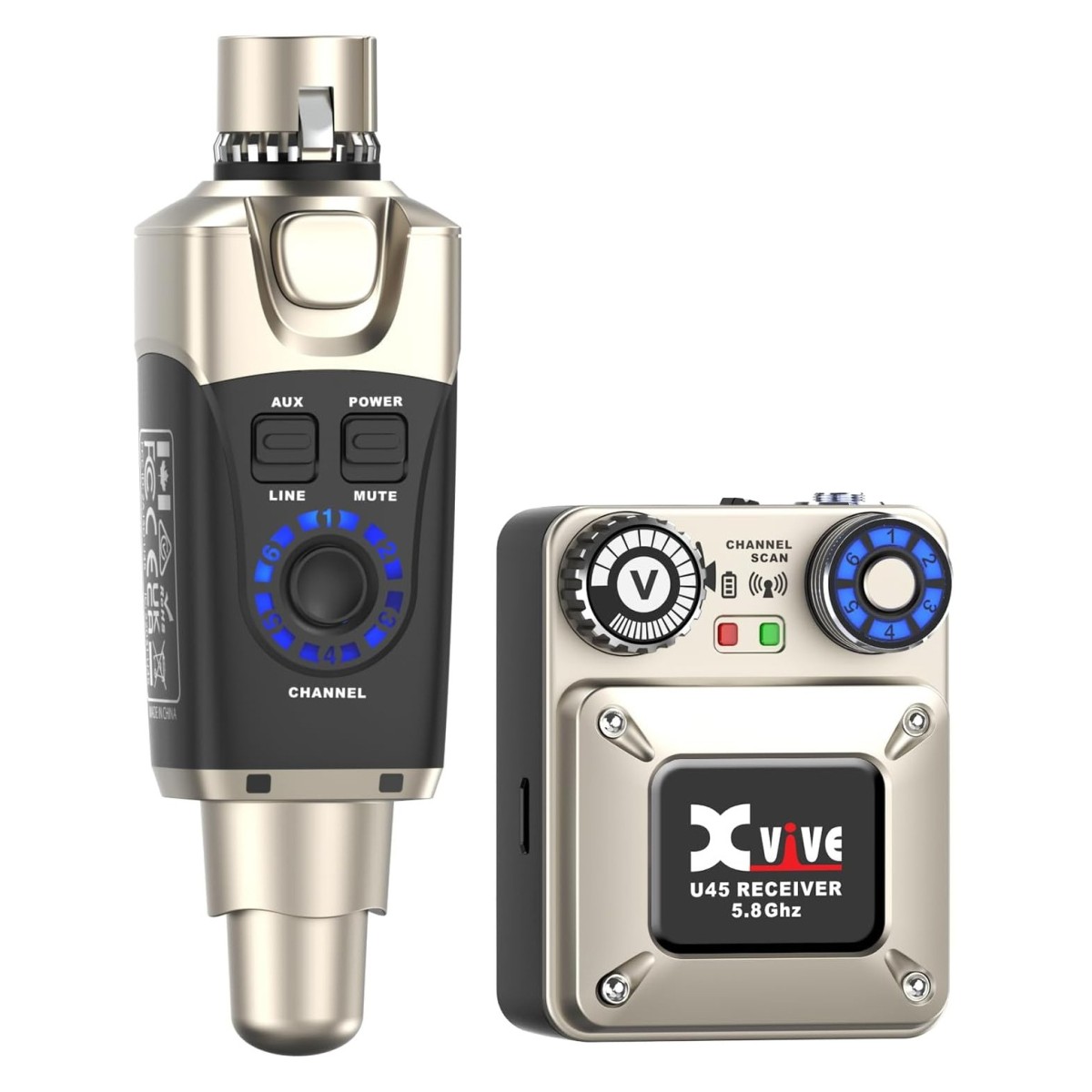 £219.00 ($278)
Xvive
Xvive U45 5.8GHz In-Ear Monitor Wireless System
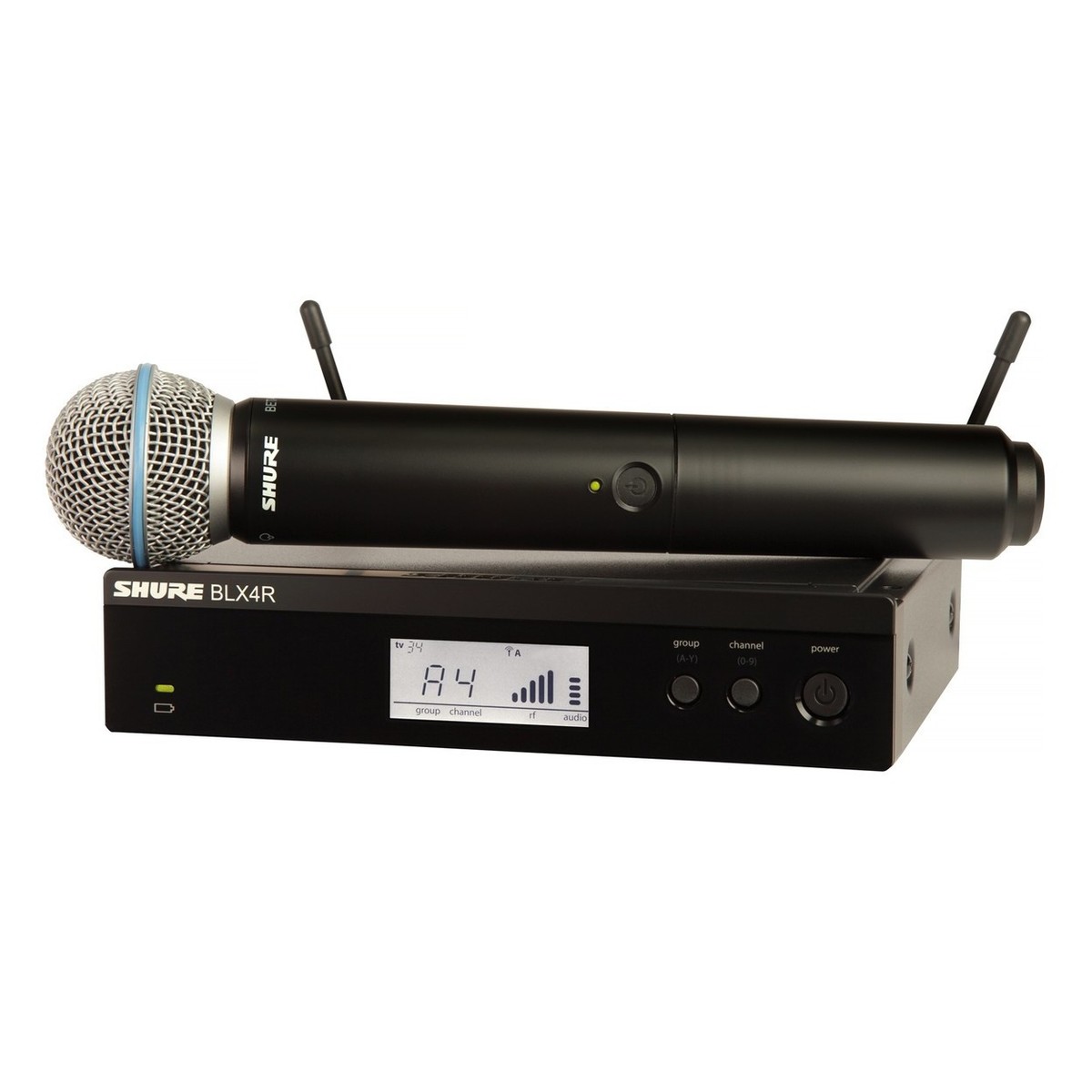 £494.00 ($627)
Shure
Shure BLX24R/B58-S8 Rack Mount Wireless Microphone System
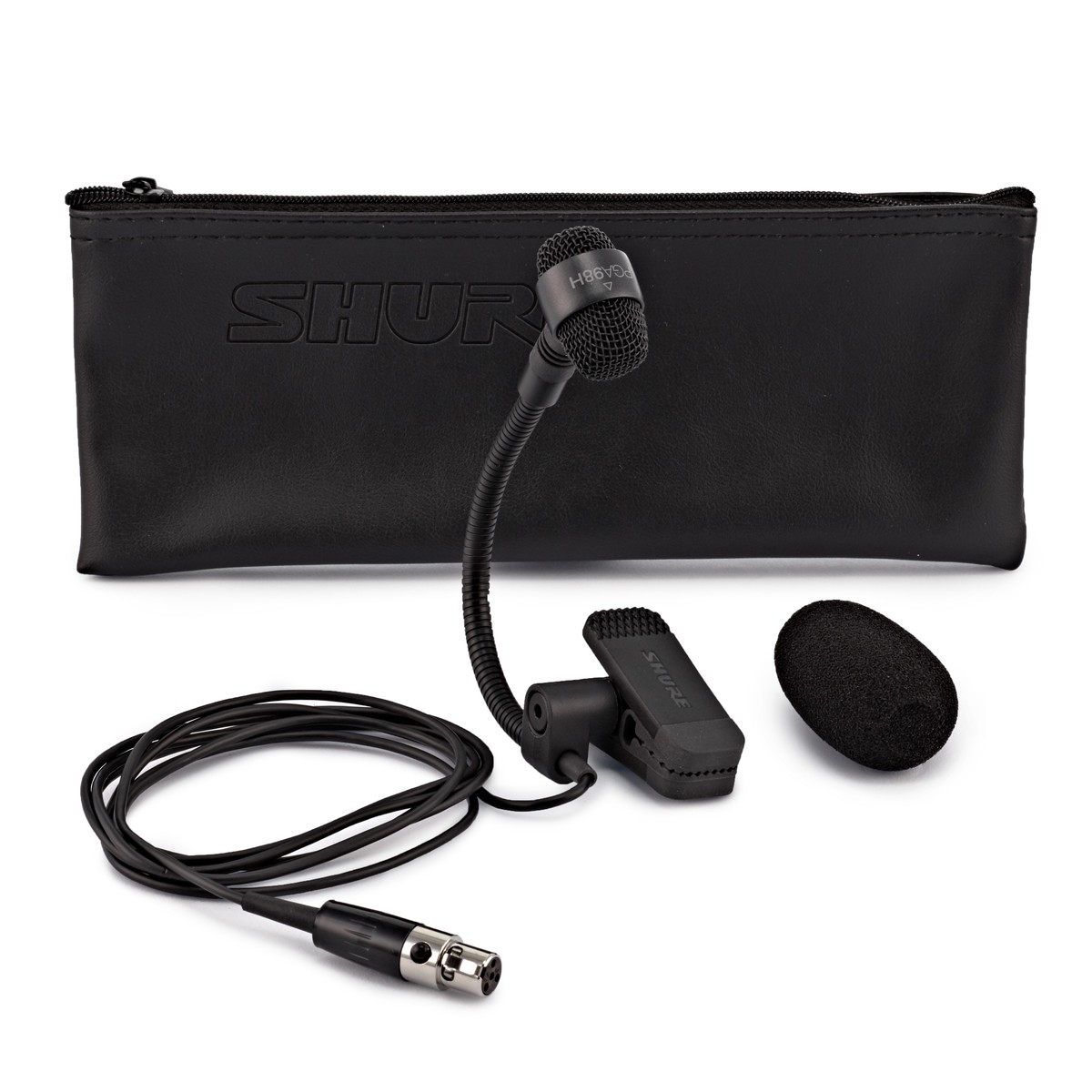 £137.00 ($174)
Shure
Shure PGA98H Clip-on Instrument Mic TA4F Wireless Systems Connector
 £1,368.00 ($1,737)
Shure
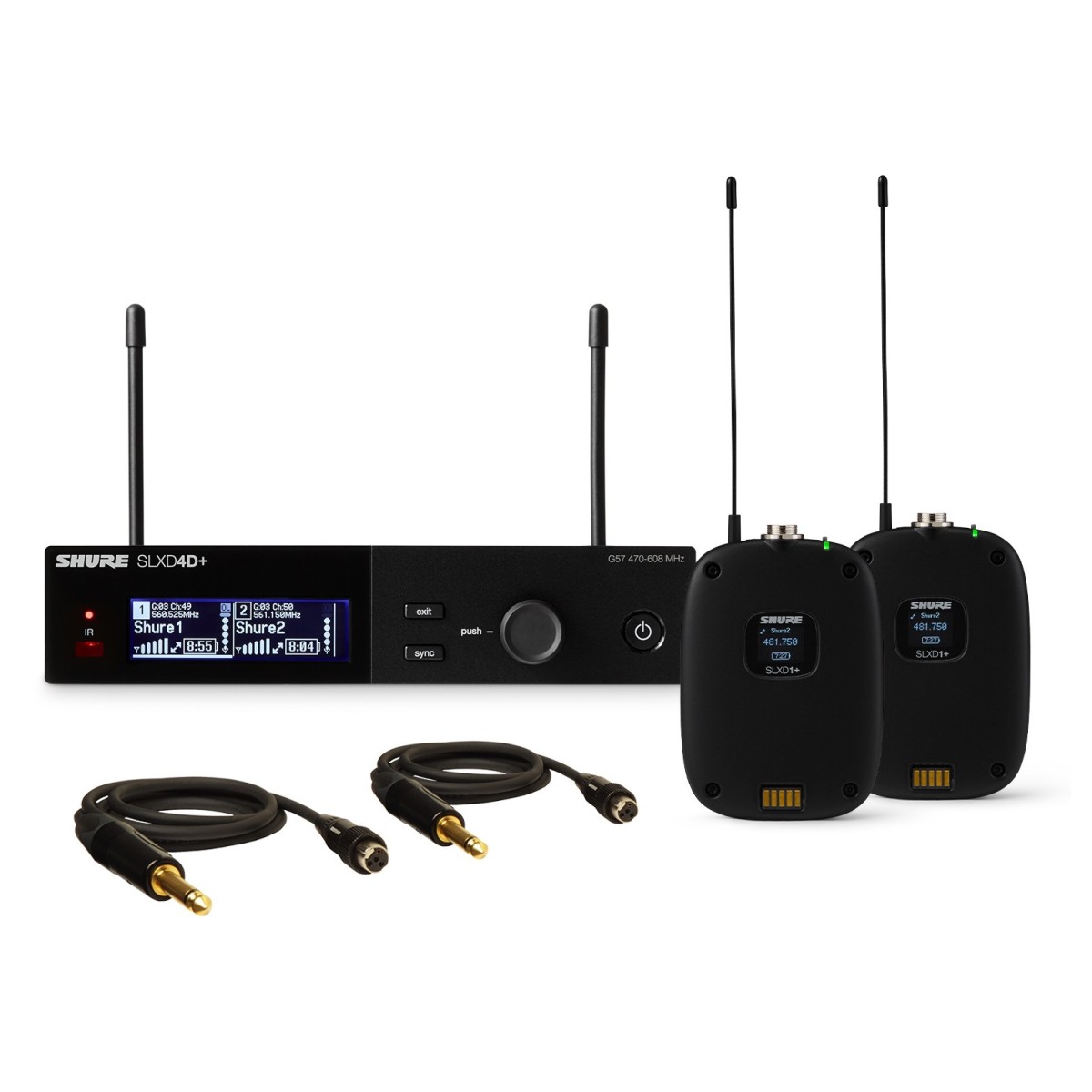
Shure SLXD+ Dual Wireless Bodypack System S50
 £2,499.00 ($3,174)
Trantec
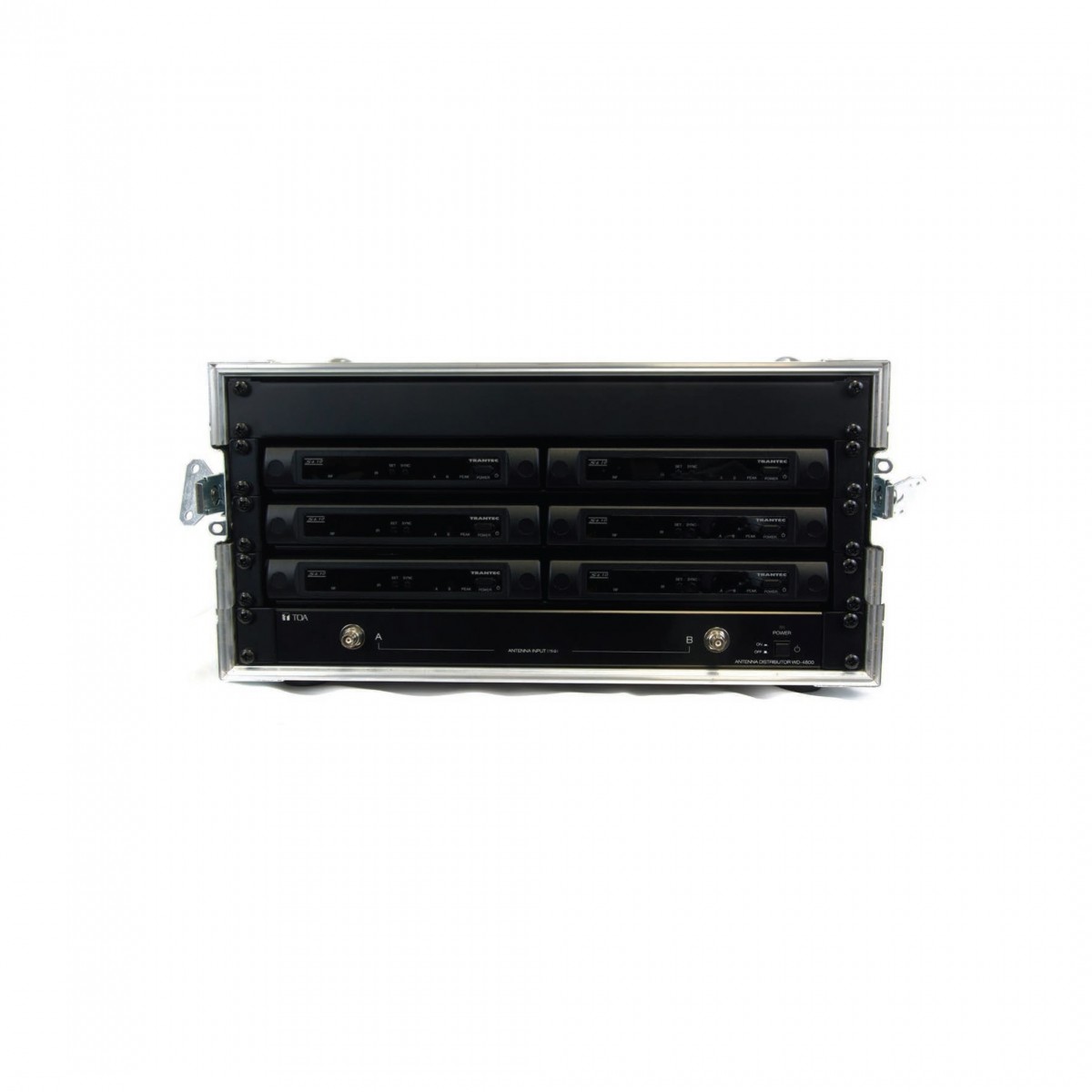
Trantec S4.1 6-Way Rackmounted Wireless Receiver
 £4,900.00 ($6,223)
Trantec
Trantec S5.5 12-Way Rackmounted Wireless Receiver
 £225.00 ($286)
LD Systems
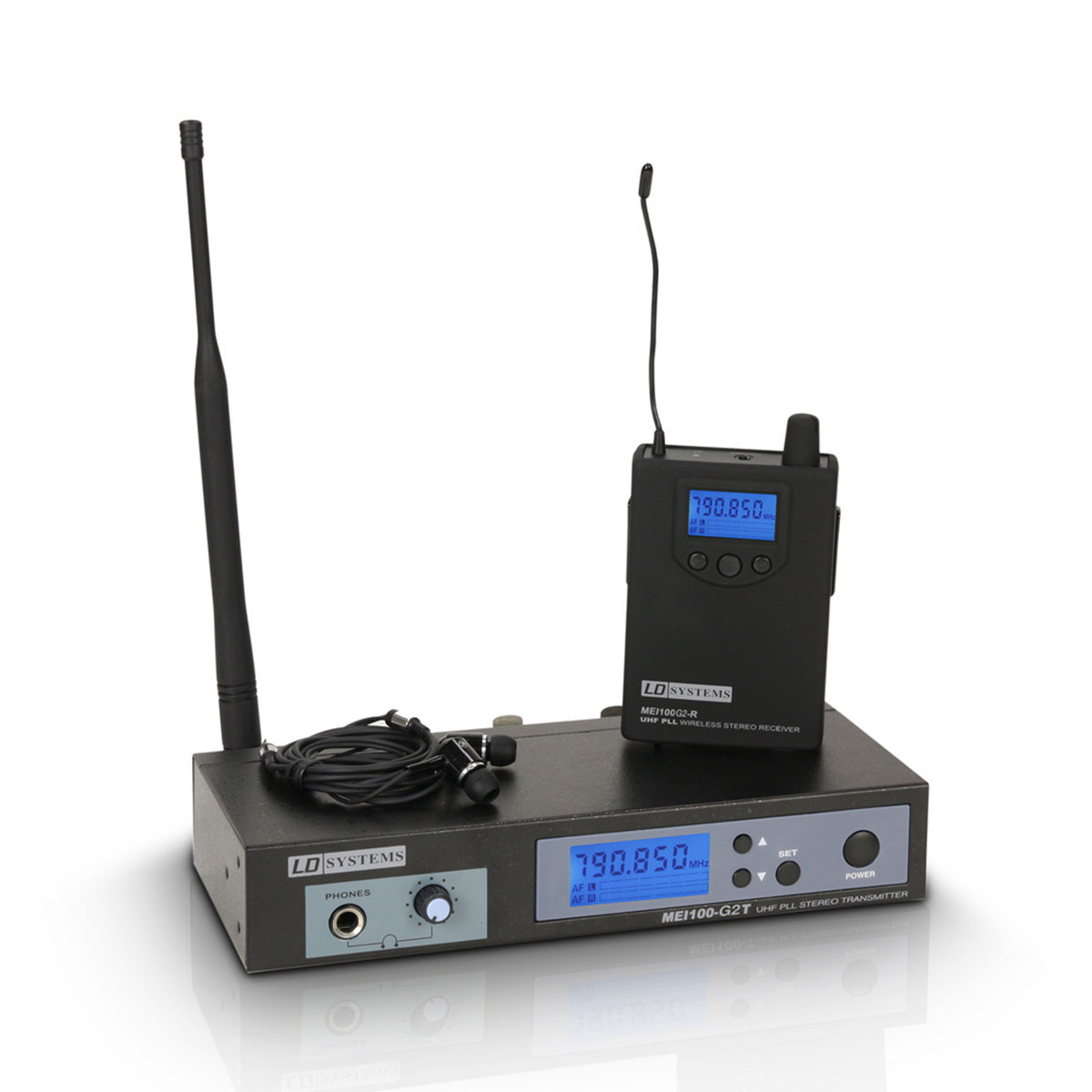
LD Systems MEI100G2 In-Ear Monitoring Wireless System
Frequently asked questions
- What is the primary frequency band used by the Xvive U45D?
- The system operates on the 5.8GHz frequency band. This is often less congested than the 2.4GHz band commonly used by Wi-Fi and Bluetooth devices.
- What is the audio resolution of the U45D system?
- The U45D delivers high-quality digital audio at 24-bit / 41kHz resolution. This ensures a clear and detailed sound for professional monitoring.
- How much latency does the Xvive U45D have?
- The system features ultra-low latency of less than 5ms. This is essential for ensuring that performers remain in time with the music.
- What is the maximum range of the wireless connection?
- The U45D offers a dependable wireless range of up to 30 metres (approximately 100 feet). This range is effective for most standard stage and studio setups.
- Does the system support stereo monitoring?
- Yes, the U45D is designed specifically for stereo monitoring. It includes two independent channels to facilitate a full stereo field.
- What output modes are available on the U45D?
- The system features four selectable output modes: Stereo, Left (L), Right (R), and Mix. These allow the user to adapt the audio to their specific monitoring needs.
- What is the frequency response of the U45D?
- The system provides a full-range frequency response from 20Hz to 20kHz. This ensures that both low-end bass and high-frequency details are preserved.
- Is the control layout designed for live use?
- Yes, the U45D features a secure control layout. This design prevents accidental changes to volume or settings while the performer is moving on stage.
- How does the U45D compare to the standard U45?
- The U45D is the stereo-focused version of the platform, offering dual-channel support and multiple output modes that provide more monitoring flexibility than the standard model.
- Can the U45D be used with any headphones?
- The system is designed to work with both in-ear monitors (IEMs) and standard headphones. It delivers enough power to drive these devices for clear monitoring.
- What makes the 5.8GHz band different from UHF systems?
- Unlike UHF systems like the Shure BLX, the 5.8GHz band is digital and typically license-free. It offers a simpler setup but generally has a shorter range and less wall-penetration than UHF.
- Is the U45D suitable for studio applications?
- Yes, its high audio resolution and low latency make it a practical solution for both live stage performances and studio recording environments.