
Gear article
Yamaha HS5 Active Studio Monitor
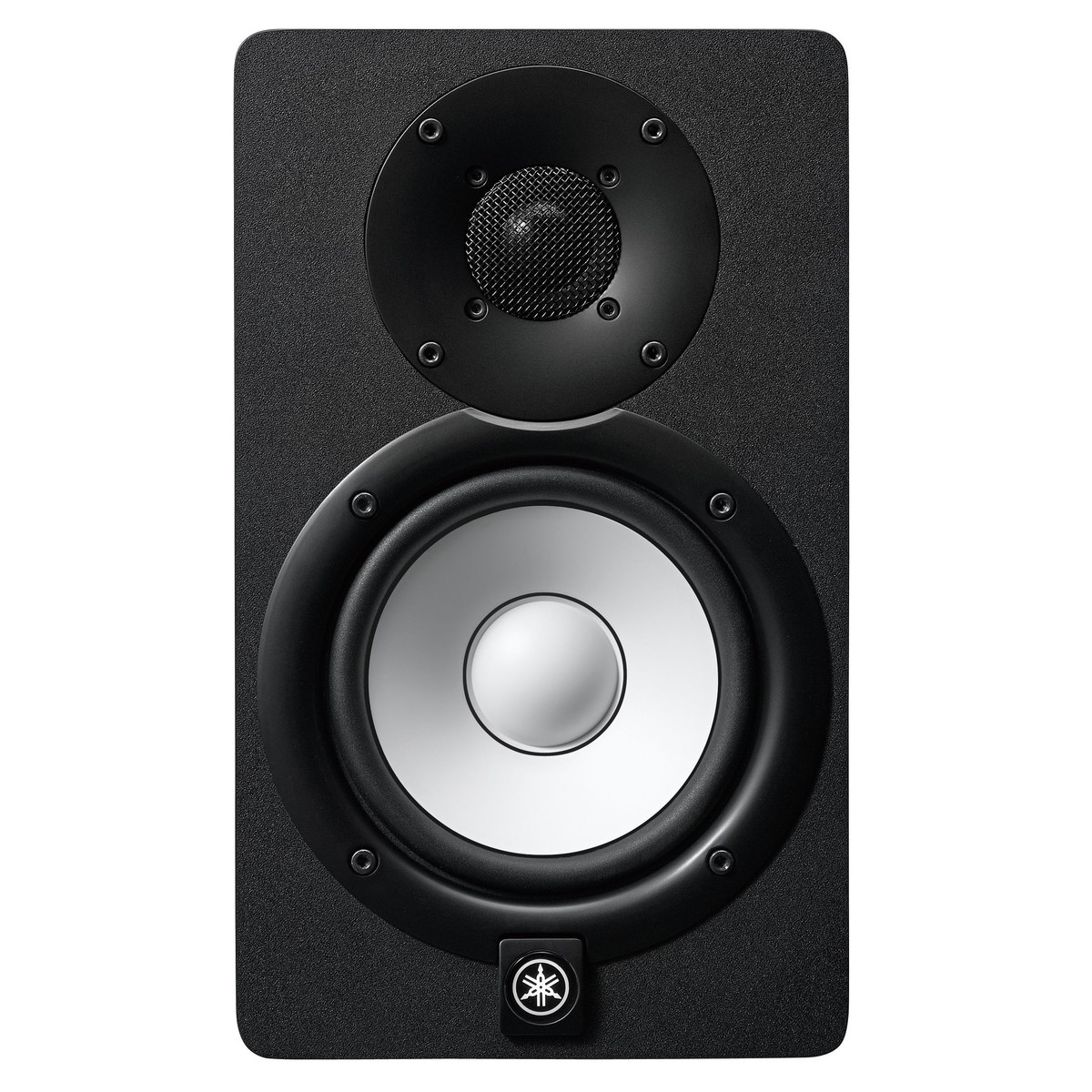
The Yamaha HS5 is a premium-grade nearfield active studio monitor featuring a 5-inch cone woofer and a 1-inch dome tweeter. Designed for mixing and mastering, it is engineered to provide a flat frequency response and high-definition audio fidelity for accurate sound reproduction.
Overview
The Yamaha HS5 is a compact active studio monitor designed for critical listening environments. As part of the HS series, it follows a design philosophy of sonic purity, ensuring that the output remains true to the source without artificial enhancement. It is equipped with a 5-inch cone woofer and a 1-inch dome tweeter, providing an extended frequency response suitable for modern production standards.
Technical Features and Design
The HS5 utilises a bi-amplified design to power its drivers efficiently. The 5-inch woofer handles mid-to-low frequencies, while the 1-inch dome tweeter manages high-frequency reproduction. To ensure versatility across different acoustic environments, the monitor includes built-in attenuators. The 'Room Control' switch allows users to mitigate unnatural low-end build-up that often occurs when speakers are placed near walls, while the 'High Trim' switch offers control over high-frequency response.
Sonic Character
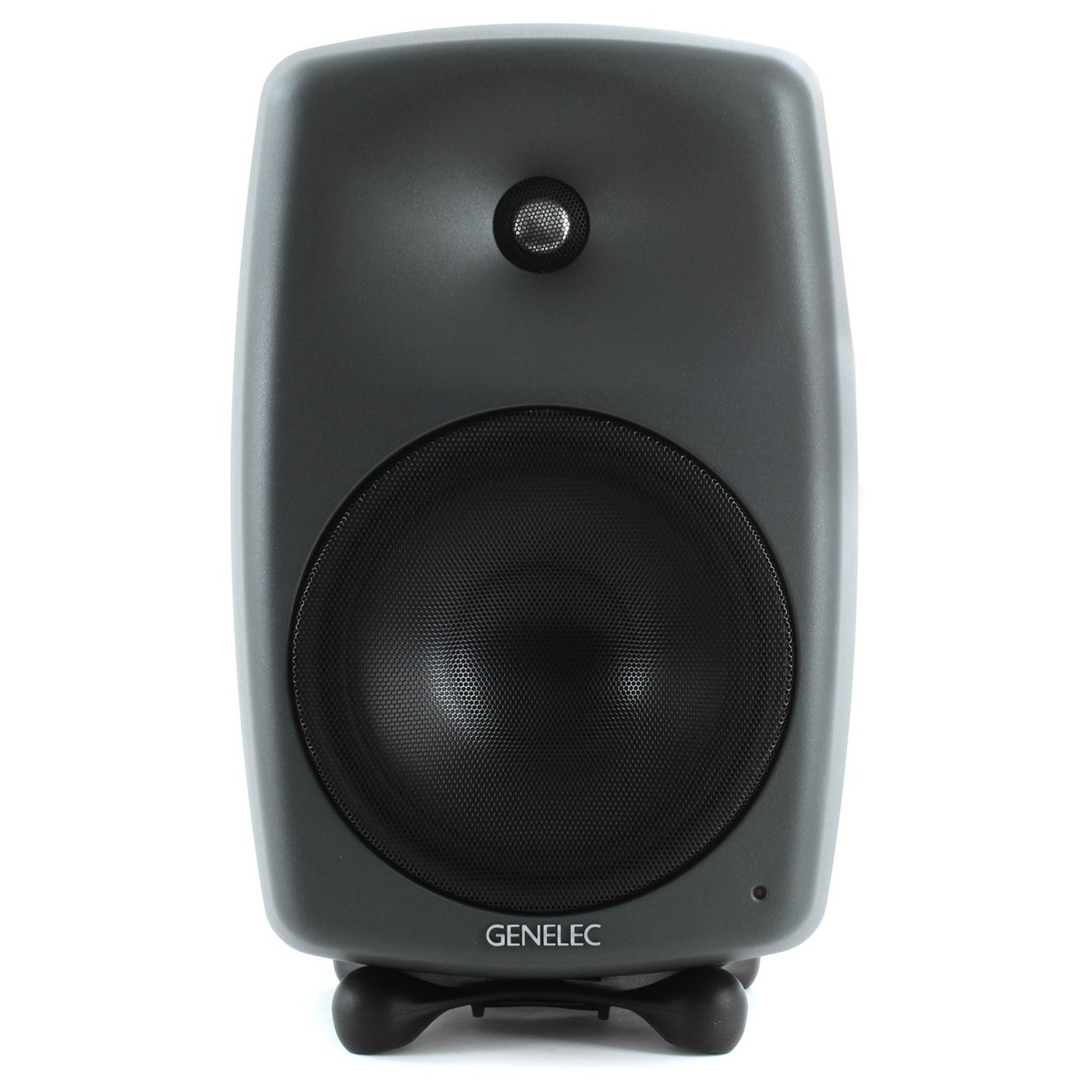
The primary characteristic of the HS5 is its flat response. Unlike consumer speakers that may boost bass or treble for a more 'pleasing' sound, the HS5 focuses on extreme detail and accuracy. This transparency makes it an essential tool for mixing and mastering, as it allows engineers to identify and correct nuances or flaws in the audio signal that might be hidden by less precise equipment.
Target Audience
Given its size and precision, the Yamaha HS5 is ideally suited for home studios, edit suites, and professional nearfield monitoring setups. It is particularly beneficial for producers and engineers who require a reliable reference for balancing levels and managing frequency content in a mix. Because of its flat profile, it is a preferred choice for those who need their mixes to translate well across various playback systems.
Comparative Analysis
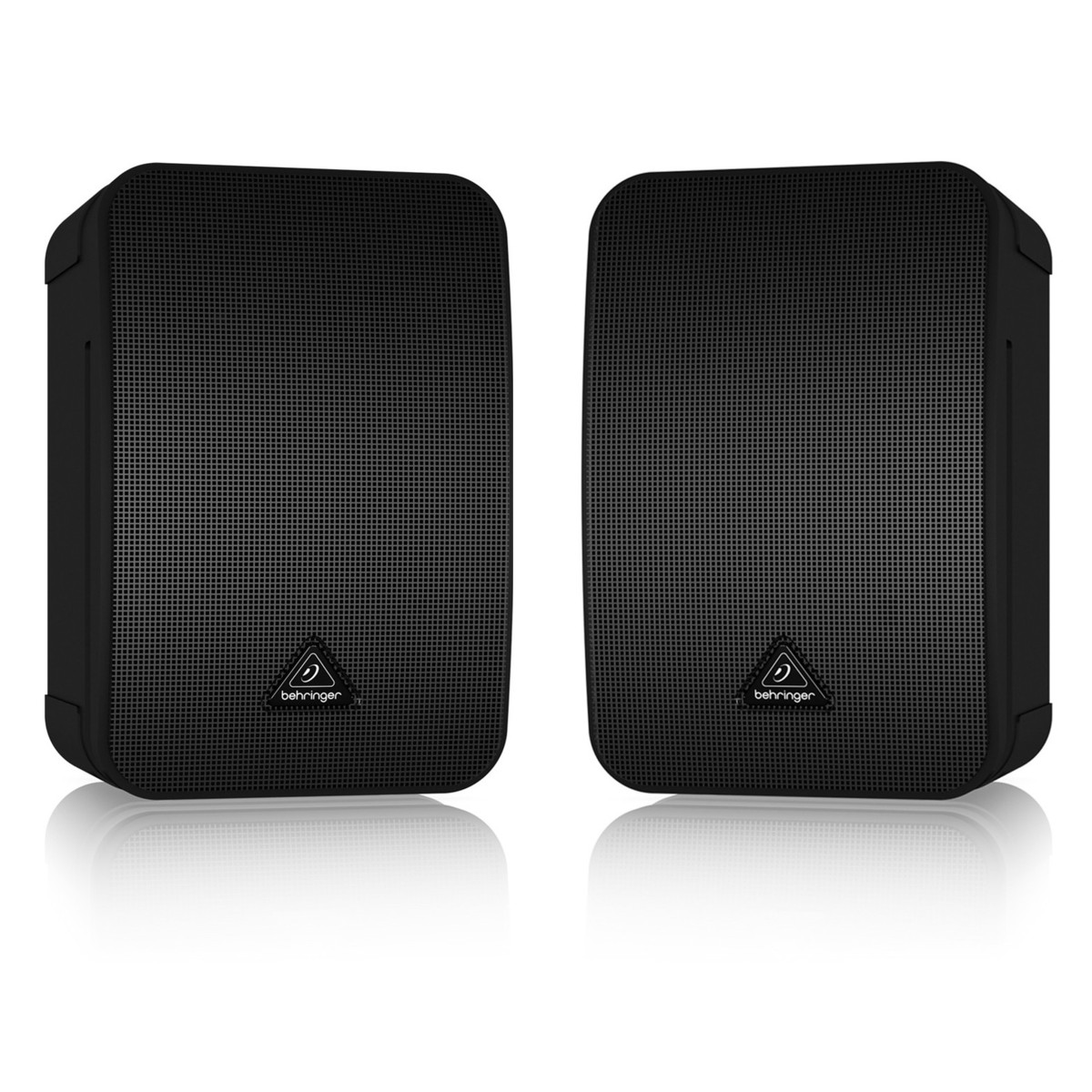
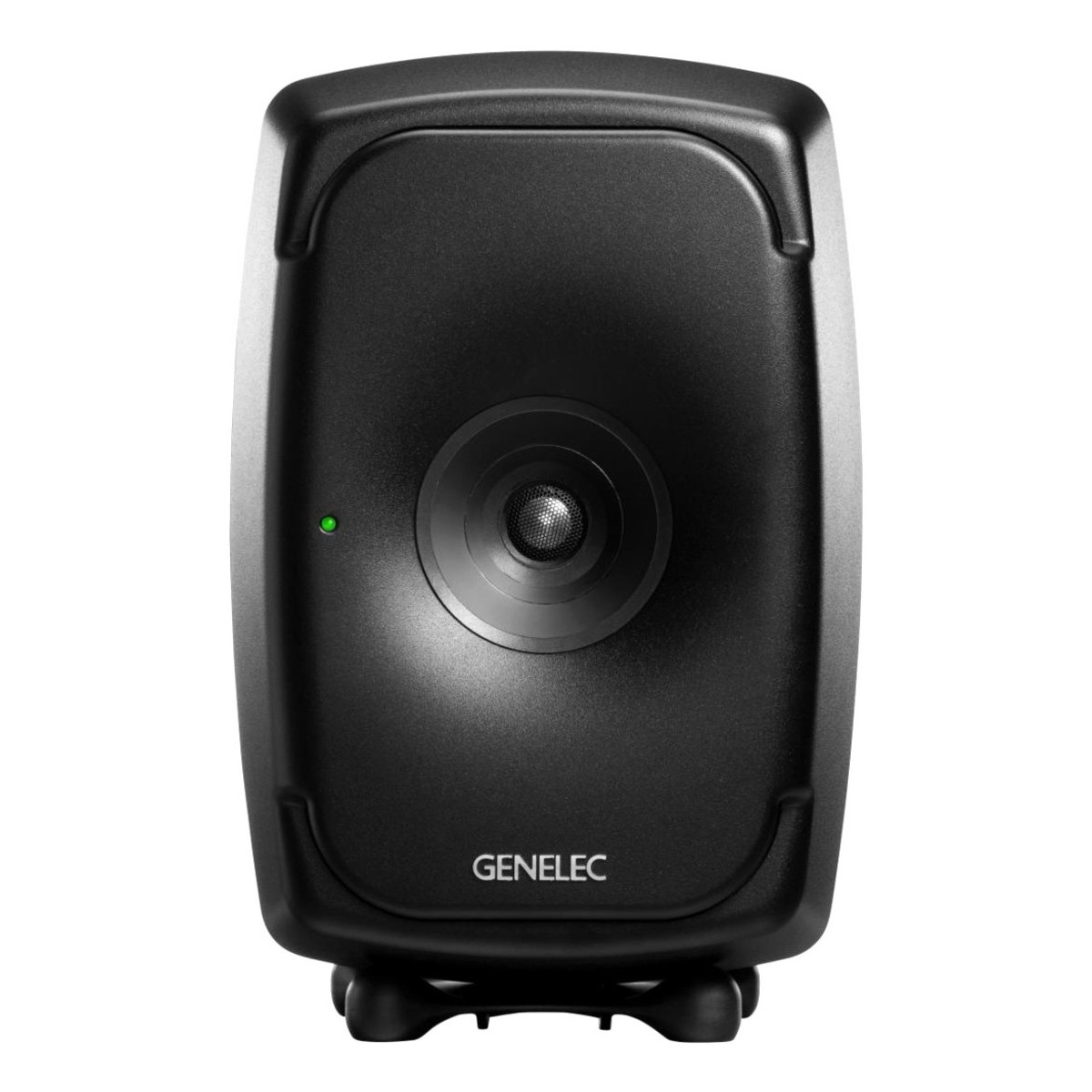
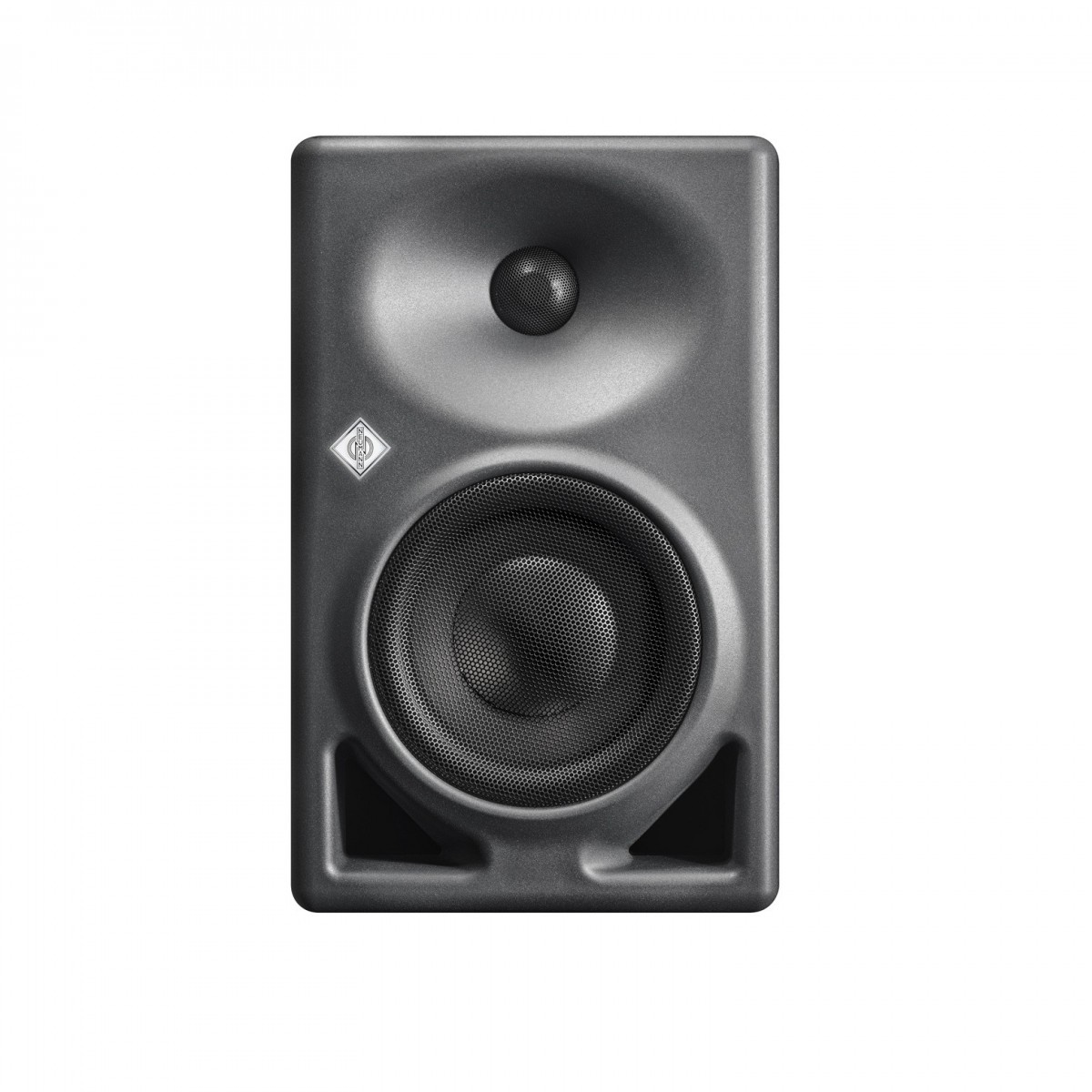
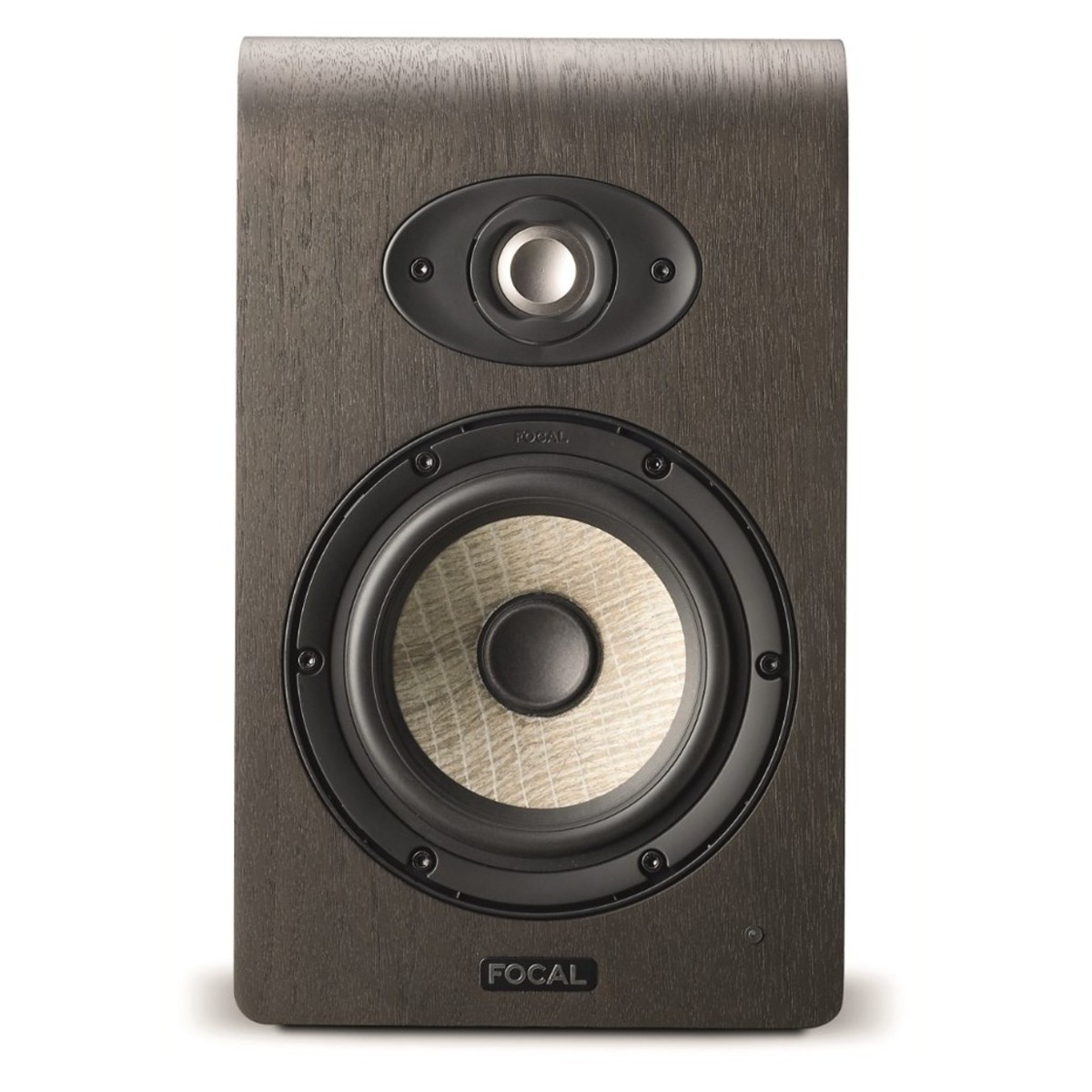
Within the market, the Yamaha HS5 competes with various studio monitors across different price points and specifications. While it offers a focused nearfield experience, users looking for broader frequency ranges or higher SPL might consider larger models like the Focal Shape 65 or the Neumann KH 120-II. For budget-conscious entry-level setups, the Behringer 1C-BK offers a basic alternative, whereas high-end professional environments might opt for the advanced DSP capabilities of the Genelec 8341AMM or the three-way design of the Neumann KH310A.
Related gear
- £1,404.00 ($1,783)
Genelec
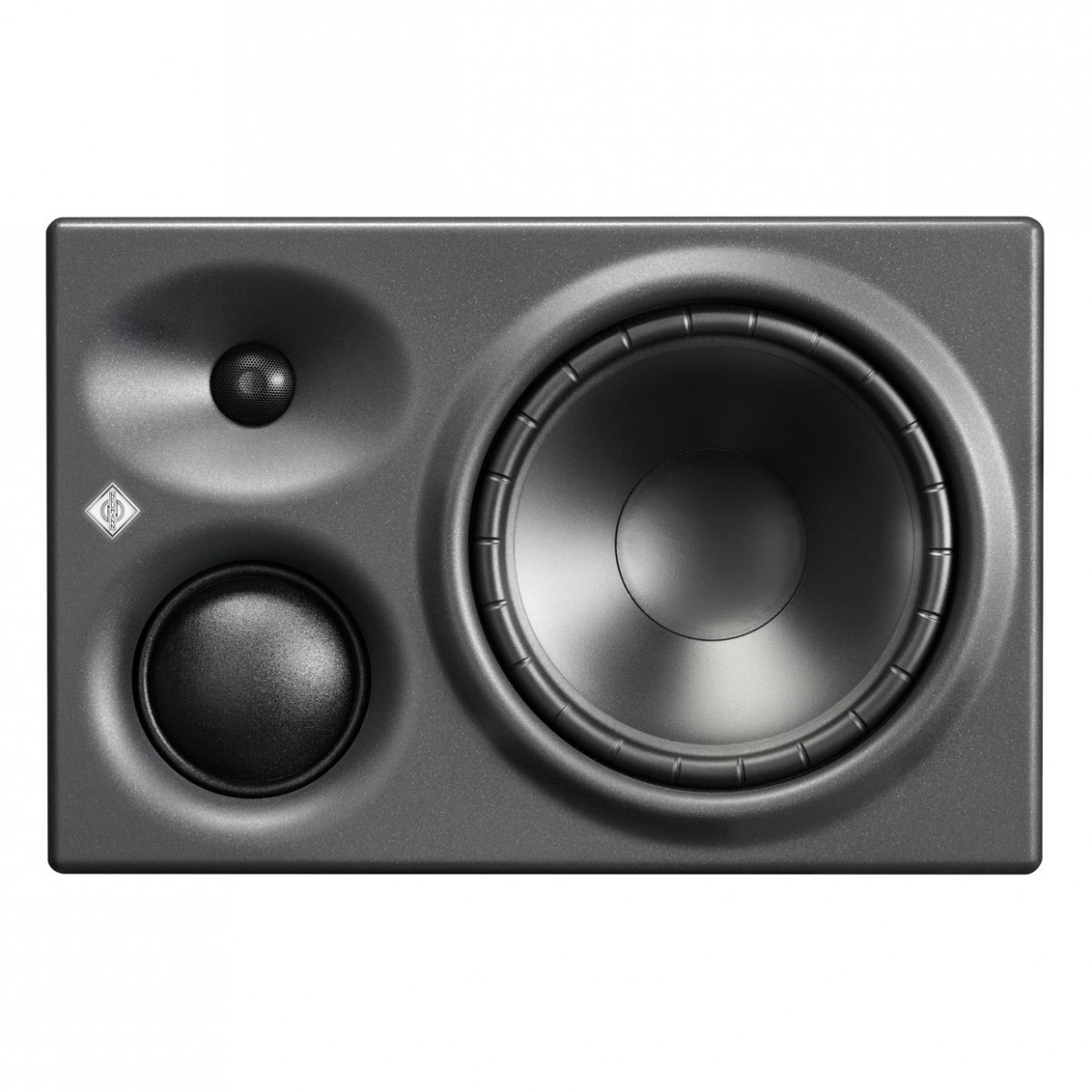
Genelec 8050B Bi-Amped Studio Monitor Dark Grey (Single)
 £1,739.00 ($2,209)
Neumann
Neumann KH310A Active Three Way Nearfield Studio Monitor Left
 £175.50 ($223)
M-Audio
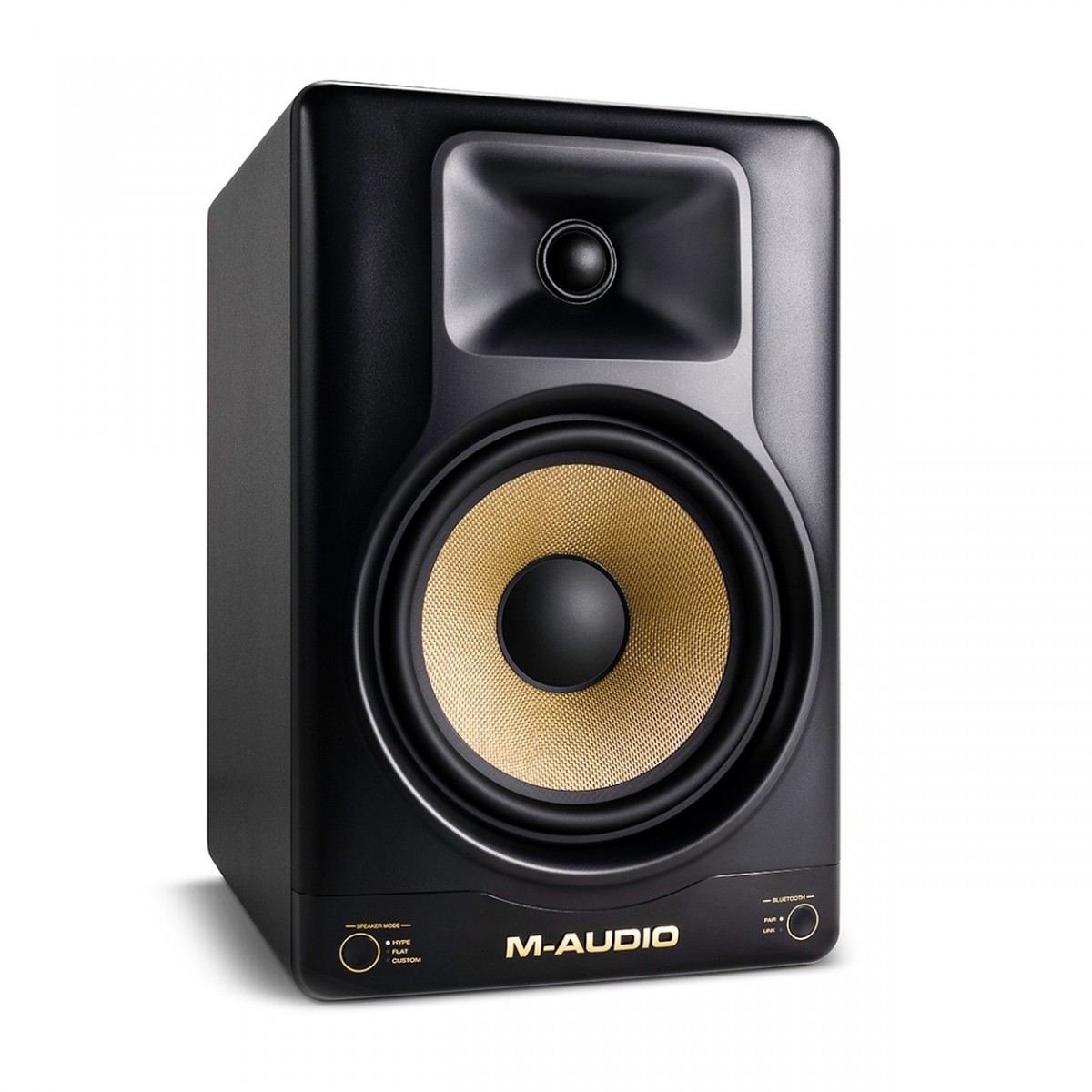
M-Audio Forty Eighty Active Studio Monitor with DSP
 £89.00 ($113)
Behringer
Behringer 1C-BK Studio Monitors Black
 £230.50 ($293)
Genelec
Genelec 8341AMM Professional Studio Monitor Black
 £685.76 ($871)
Neumann
Neumann KH 120-II Active Studio Monitor Black
 £548.00 ($696)
Focal Professional
Focal Shape 65 Studio Monitor (Single)
 £533.00 ($677)
PreSonus
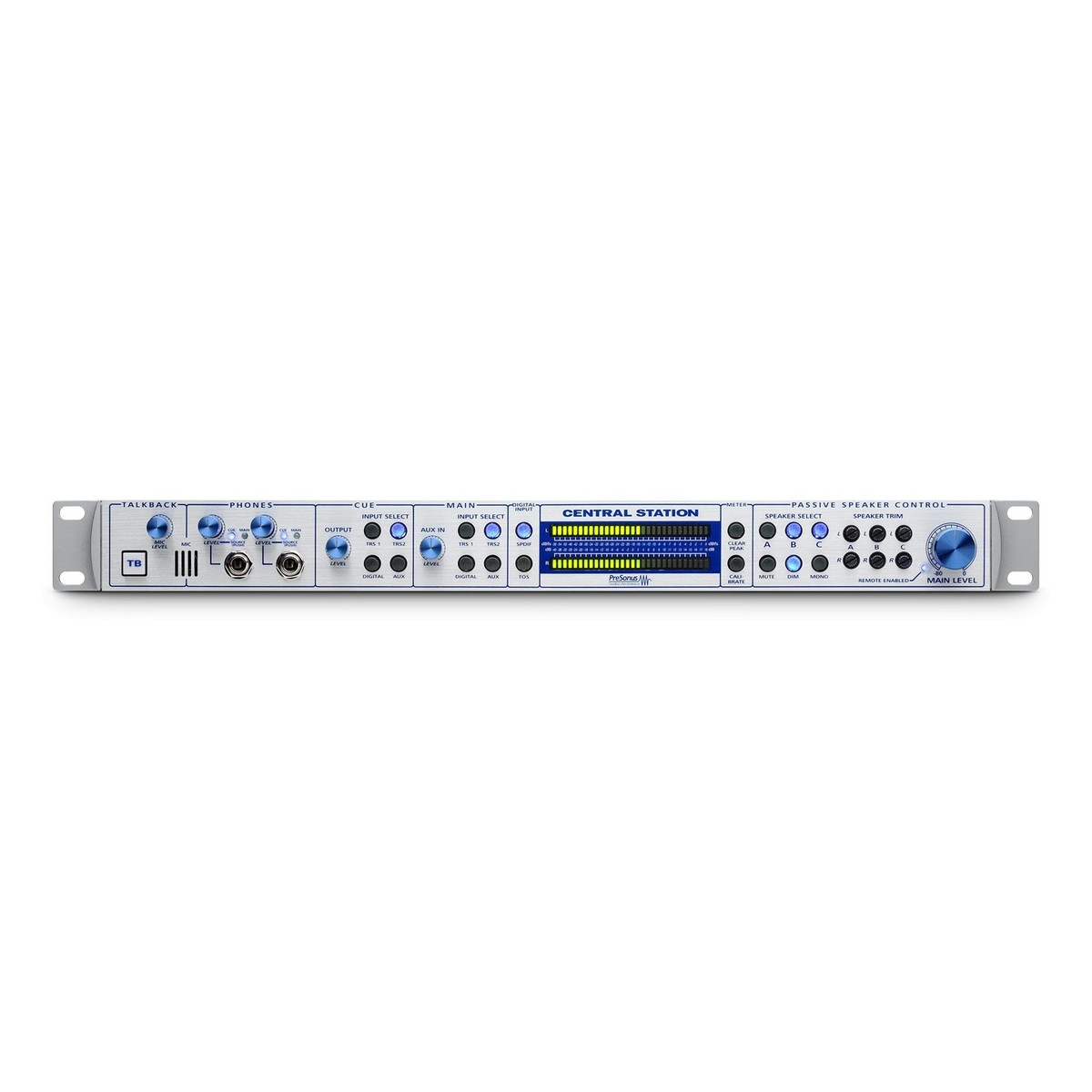
PreSonus Central Station Plus Studio Monitoring Interface
Frequently asked questions
- What is the primary use of the Yamaha HS5?
- The Yamaha HS5 is primarily used as a nearfield studio monitor for mixing and mastering applications. Its flat response is designed to provide an accurate representation of source audio for professional sound production.
- What size are the drivers in the HS5?
- The unit features a 5-inch cone woofer and a 1-inch dome tweeter. This combination is intended to provide a balanced frequency response in a compact form factor.
- Is the Yamaha HS5 an active or passive monitor?
- The HS5 is an active monitor, meaning it has built-in power amplifiers. This eliminates the need for an external power amplifier to drive the speakers.
- What does the Room Control feature do?
- Room Control is an attenuator switch that helps compensate for the low-end exaggeration caused by placing monitors close to walls. It allows the user to adjust the speaker's performance based on the room's acoustics.
- What does the High Trim feature do?
- The High Trim switch allows for subtle adjustments to the high-frequency response of the monitor. This helps the user tailor the brightness of the sound to their specific listening environment.
- Does the HS5 provide a flat frequency response?
- Yes, the HS5 is engineered specifically to provide a flat response. This ensures that the audio remains true to the original recording without adding coloration or 'flattery' to the signal.
- What kind of inputs does the Yamaha HS5 have?
- The monitor typically includes standard professional inputs such as XLR and TRS phone jacks. These allow for balanced or unbalanced connections from audio interfaces and mixers.
- Can the HS5 be used for mastering?
- Yes, the high-definition audio and extreme detail of the HS5 make it suitable for mastering applications. It helps engineers hear nuances required for final polish and quality control.
- Is the HS5 suitable for small rooms?
- The HS5 is highly suitable for small rooms due to its 5-inch woofer and nearfield design. The inclusion of Room Control further helps manage acoustic issues common in smaller spaces.
- How does the HS5 compare to the M-Audio Forty Eighty?
- While the HS5 is a 5-inch nearfield monitor known for its flat response, the M-Audio Forty Eighty features DSP and a larger format. The HS5 is generally chosen for its specific 'honesty' in the midrange.
- Is the HS5 sold as a pair or a single unit?
- The Yamaha HS5 is commonly sold as a single unit, though many retailers offer them in pairs. It is important to check the listing to confirm if the price refers to one or two monitors.
- Why is the HS5 often described as 'honest'?
- It is described as 'honest' because it does not artificially boost bass or treble frequencies. If a mix sounds bad on the HS5, it likely has issues that need to be addressed in the production.