
Gear article
Yamaha LJ16 ARE Electro Acoustic Guitar
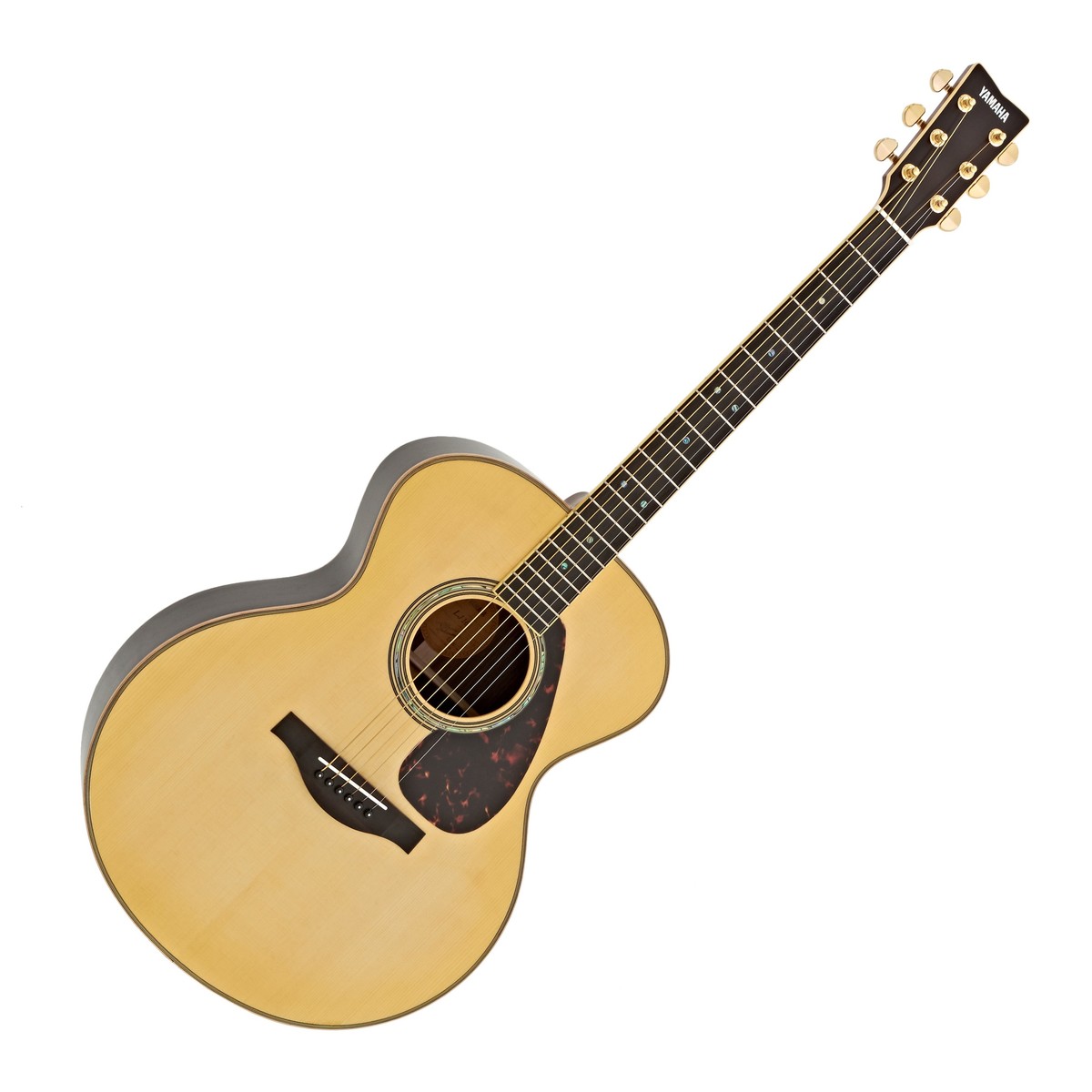
The Yamaha LJ16 ARE is a medium-jumbo electro-acoustic guitar featuring all-solid wood construction and Yamaha's proprietary Acoustic Resonance Enhancement (A.R.E.) technology. Designed as part of the 40th-anniversary redesign of the L-Series, it combines traditional craftsmanship with a discrete Zero Impact pickup system for professional performance.
Background and Design
The Yamaha LJ16 ARE was introduced as a modified and re-designed model to celebrate the 40th anniversary of Yamaha's acclaimed L-Series. The 'LJ' designation refers to the medium jumbo body style, which is designed to sit comfortably against the player while providing a wider dynamic range than a standard dreadnought. The build quality focuses on longevity and resonance, utilizing all-solid tonewoods rather than laminates.
A significant design update in this series is the 5-ply neck construction. By laminating layers of mahogany and rosewood, Yamaha has created a neck that is significantly more resistant to warping and twisting. This design not only improves the structural integrity and tuning stability but also facilitates a rich, powerful sound transfer to the body.
Acoustic Resonance Enhancement (A.R.E.)
A defining feature of the LJ16 is the Acoustic Resonance Enhancement (A.R.E.) process applied to the Engelmann spruce top. This is an original wood-reforming technology developed by Yamaha. By precisely controlling temperature, humidity, and atmospheric pressure, the molecular properties of the wood are manipulated to match the characteristics of wood in an instrument that has been played for many years.
The result of this treatment is a 'played-in' tonal character. It reduces the harshness often associated with new spruce tops and enhances the low-mid response and sustain, allowing the guitar to sound mature immediately upon purchase.
Tonewoods and Sound Profile
The combination of a solid Engelmann spruce top and solid rosewood back and sides provides a classic, well-balanced tonal profile. Engelmann spruce is typically known for a slightly softer, more responsive feel compared to Sitka spruce, making it ideal for fingerstyle players and light-to-medium strumming.
The use of solid rosewood for the back and sides adds a 'scooped' EQ profile, characterized by deep lows and sparkling, crystalline highs. The addition of an ebony fingerboard further contributes to the guitar's note definition and fast transient response, ensuring that complex chords remain clear and articulate.
Electronics and Hardware
For live performance and recording, the LJ16 ARE is equipped with the SRT Zero Impact Pickup system. This is a passive system consisting of six individual piezoelectric elements, one for each string. Unlike many electro-acoustic systems, it does not require a large preamp hole cut into the side of the guitar, which helps maintain the instrument's full acoustic resonance and traditional aesthetic.
The hardware is rounded out by gold-plated tuners and high-quality bridge pins, ensuring reliable intonation. The medium jumbo body shape provides a significant volume boost over smaller parlor or concert-sized guitars, making it a versatile choice for a variety of musical genres.
Comparison to Alternatives
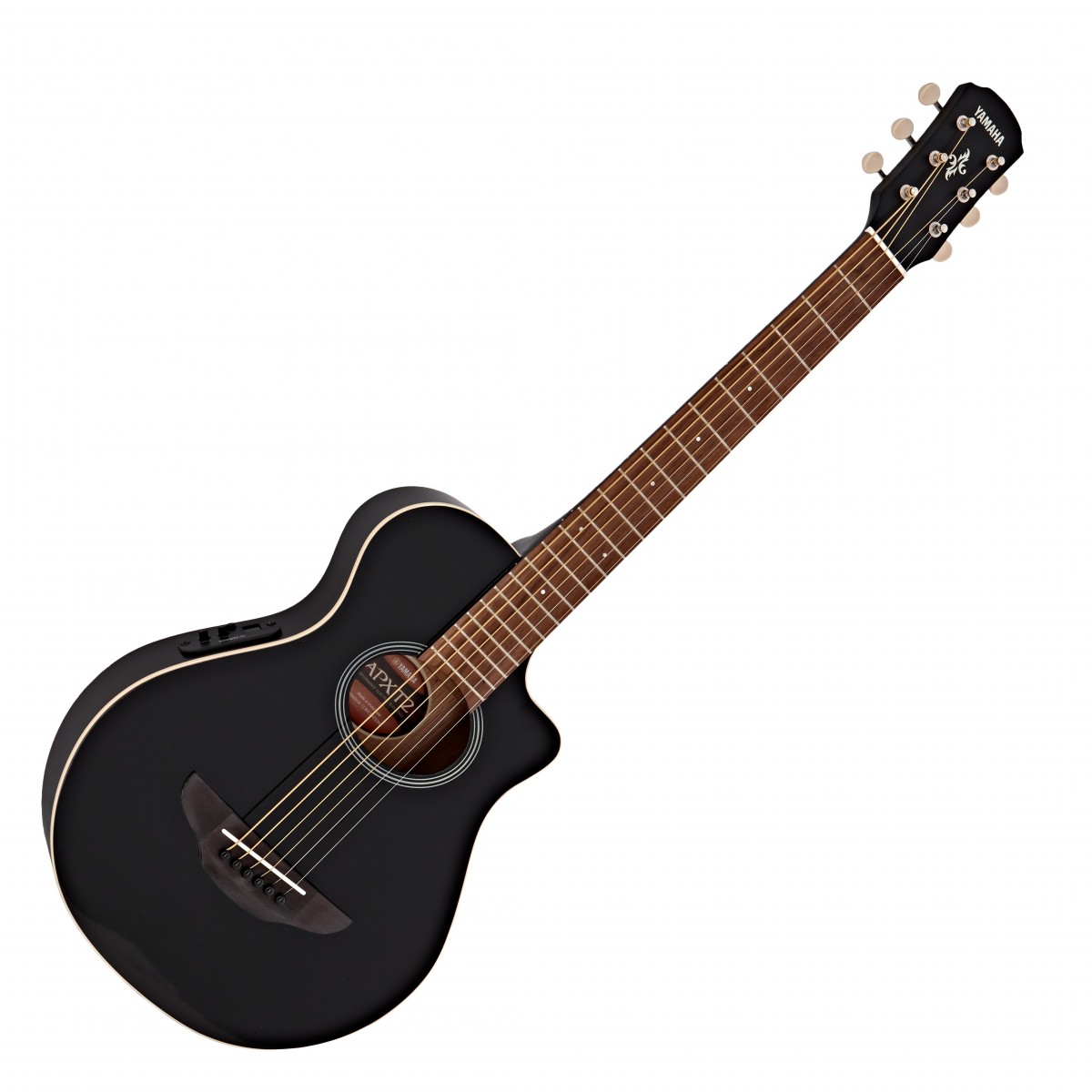
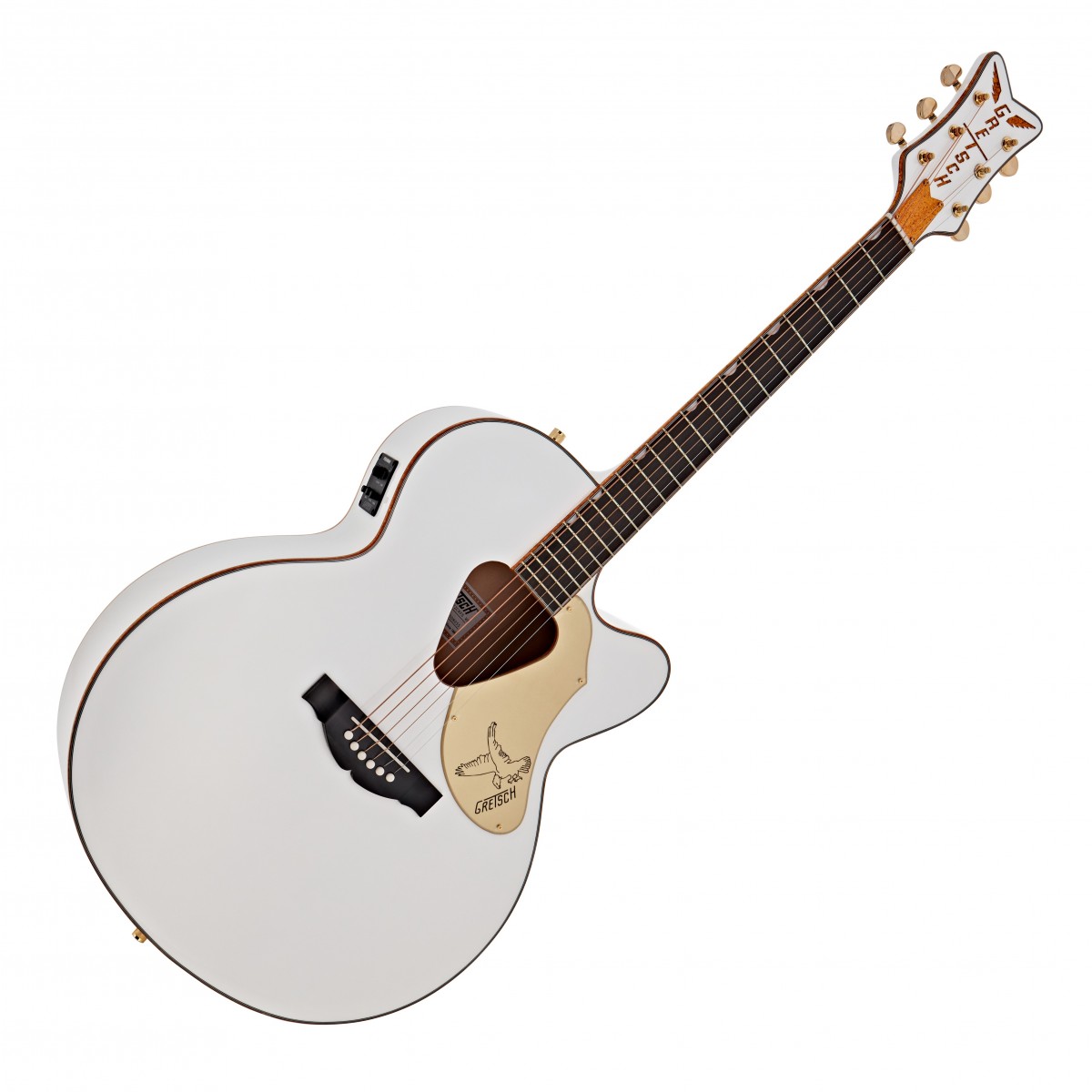
Within the Yamaha range, the LJ16 sits as a more premium, all-solid wood alternative to the APXT2 series, which are 3/4 sized travel guitars. Compared to other jumbo-style guitars like the Gretsch G5022CWFE Rancher or the Guild F-2512E, the Yamaha focuses on a more balanced 'medium jumbo' footprint rather than the maximum volume of a full-size jumbo.
While high-end models like the Taylor Presentation PS14ce use exotic woods like Honduran Rosewood and Adirondack Spruce at a much higher price point, the LJ16 ARE aims to provide professional-grade solid wood construction at a mid-range price of approximately £1199. It competes with instruments like the Sigma DTC-28HE in terms of classic wood pairings and the Fender Newporter Player in terms of playability, though it offers a more traditional build than the latter.
Related gear
- £210.00 ($267)
Yamaha
Yamaha APXT2 3/4 Electro Acoustic Black
 £549.00 ($697)
Martin
Martin LX1E Little Martin Electro Acoustic
 £599.00 ($761)
Gretsch
Gretsch G5022CWFE Rancher Falcon Jumbo Electro Acoustic Guitar
 £215.00 ($273)
Yamaha
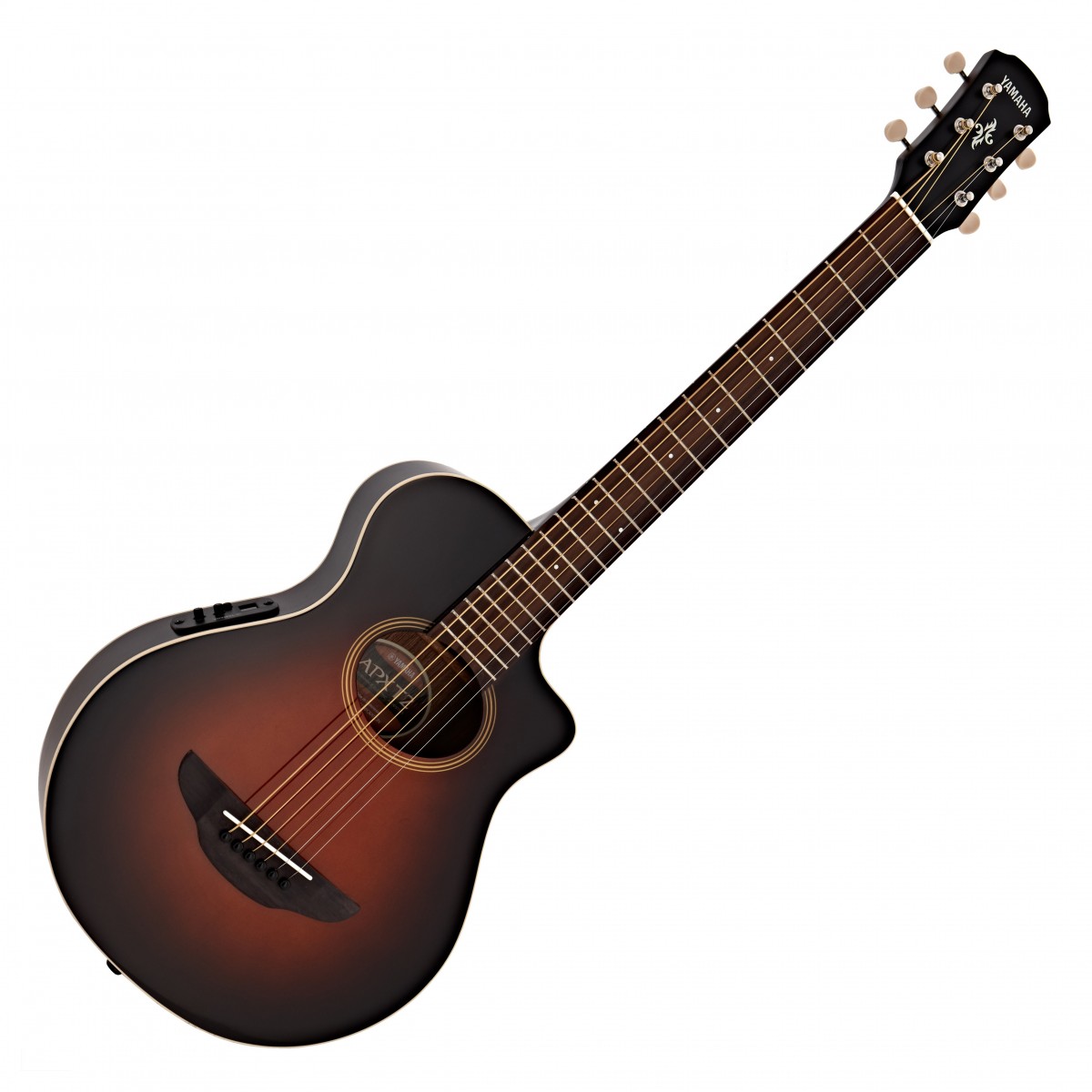
Yamaha APXT2 3/4 Electro Acoustic Old Violin Sunburst
 £515.00 ($654)
Guild
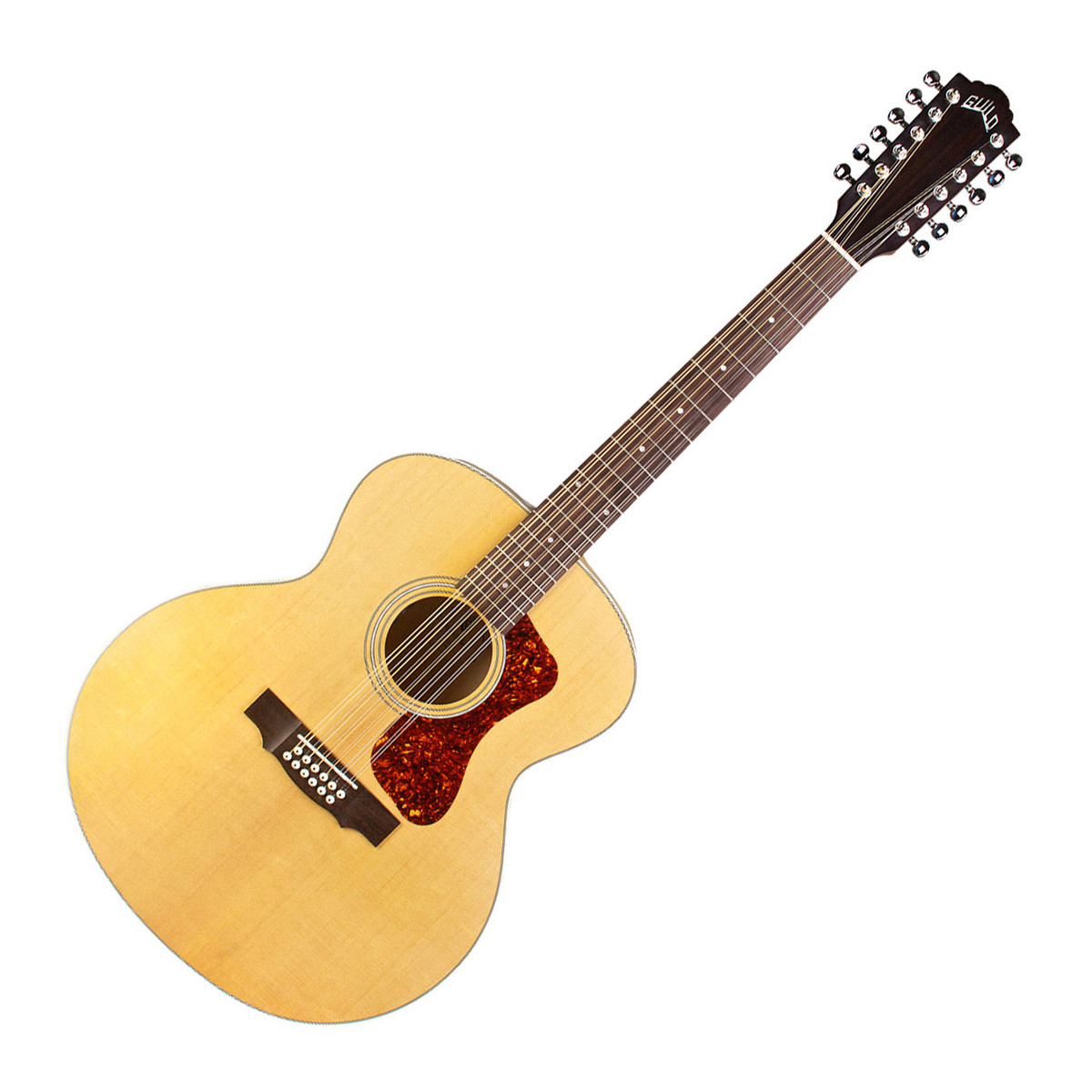
Guild F-2512E Jumbo Electro Acoustic Guitar Natural
 £339.00 ($431)
Fender
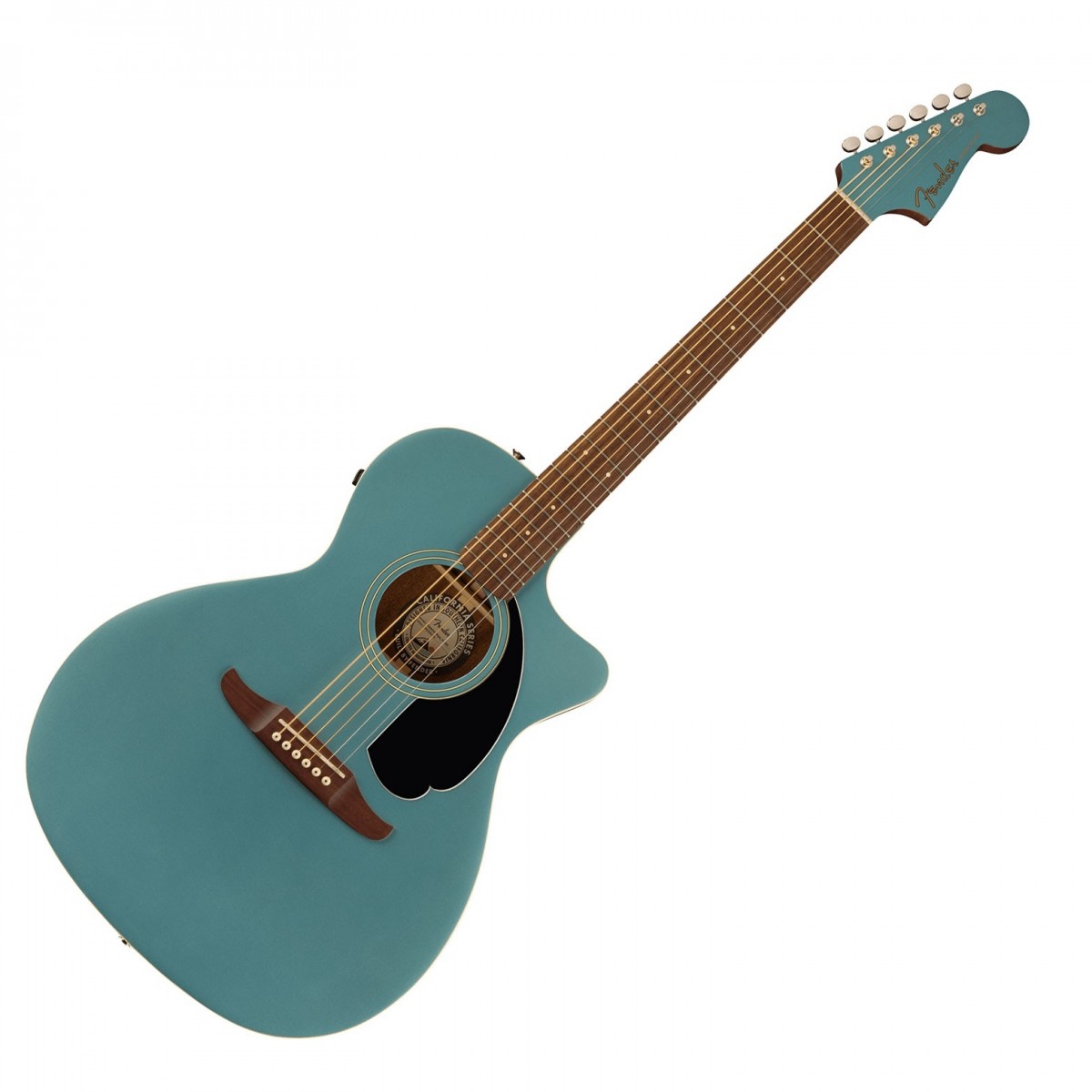
Fender Newporter Player Electro Acoustic Tidepool
 £7,399.00 ($9,397)
Taylor Guitars
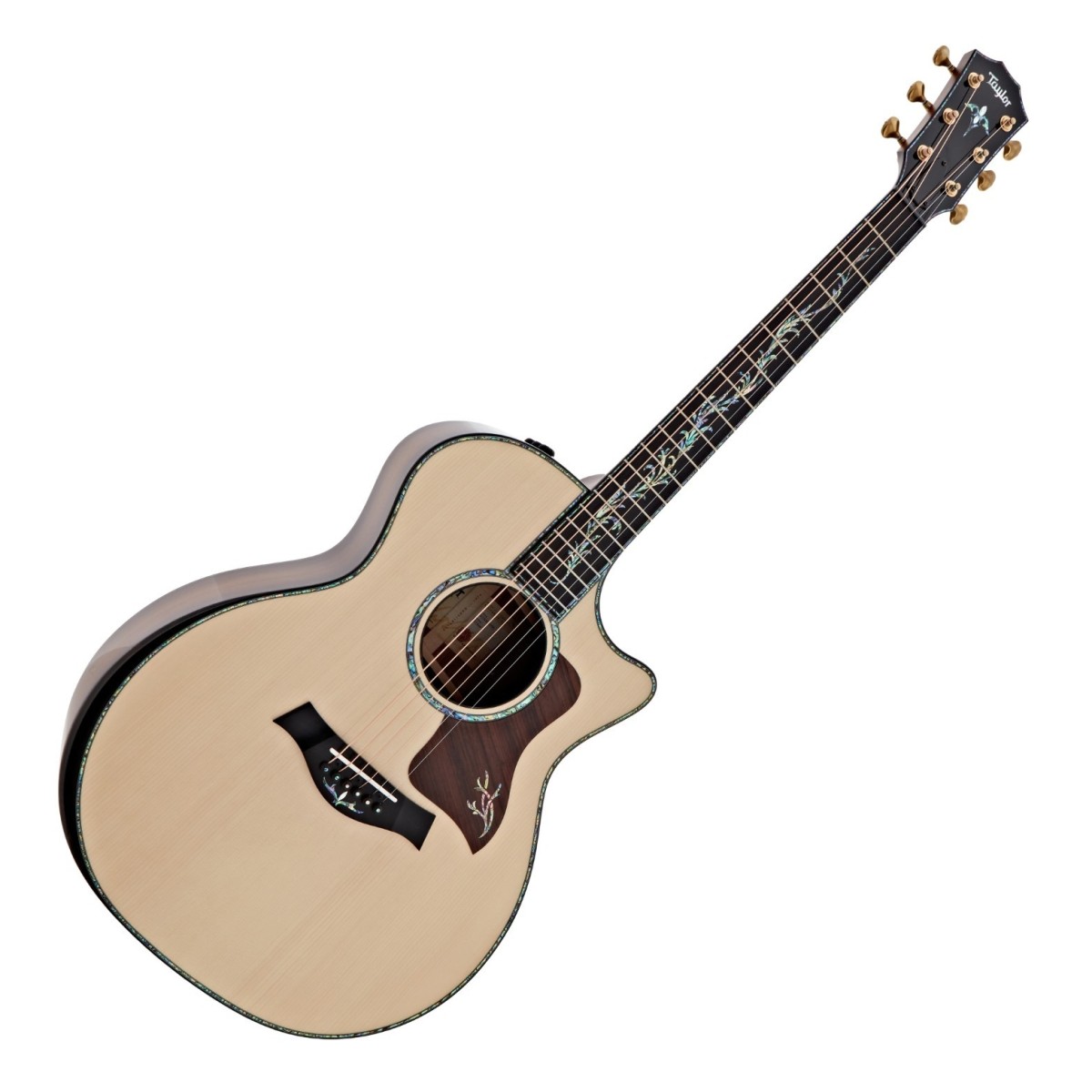
Taylor Presentation PS14ce Electro Acoustic Honduran Rosewood/Adirondack Spruce #1210053075
Frequently asked questions
- What does the 'ARE' stand for in the Yamaha LJ16?
- It stands for Acoustic Resonance Enhancement, a chemical-free wood-aging process that uses temperature and pressure to give new wood the tonal characteristics of aged wood.
- What is the difference between an LJ and an LL body shape?
- The LJ (Medium Jumbo) has a narrower waist and wider lower bout compared to the LL (Original Jumbo/Dreadnought), resulting in a more balanced tone and comfortable seating position.
- Is the Yamaha LJ16 ARE made of solid wood?
- Yes, it features a solid Engelmann spruce top and solid rosewood back and sides, which is a significant upgrade over the laminate woods found in lower-tier models.
- What kind of pickup does the LJ16 ARE use?
- It uses the SRT Zero Impact Pickup, a passive system with individual piezo elements for each string designed to minimize the impact on the guitar's look and acoustic tone.
- Does this guitar require a battery?
- No, because the Zero Impact pickup is a passive system, it does not require an onboard battery or an internal preamp.
- What is the benefit of the 5-ply neck?
- The 5-ply mahogany and rosewood construction increases the neck's structural strength, preventing warping and improving tuning stability over time.
- What material is used for the fingerboard?
- The guitar features a high-grade ebony fingerboard, known for its durability and smooth playing surface.
- How does the LJ16 compare to the Martin LX1E?
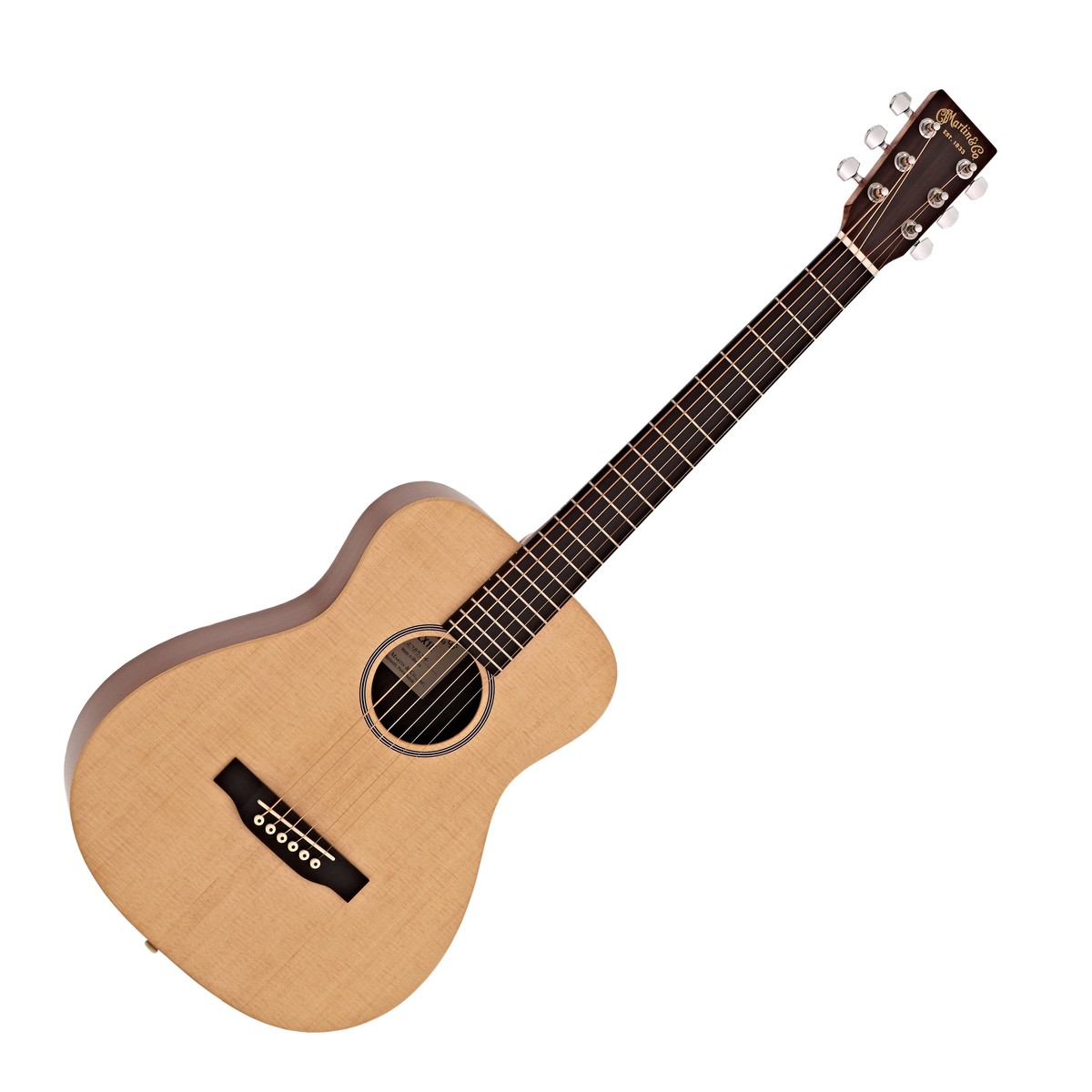
- The LJ16 is a full-sized, all-solid wood instrument with a medium jumbo body, whereas the LX1E is a 3/4 size travel guitar with a solid top but HPL back and sides.
- Is the LJ16 ARE suitable for fingerstyle playing?
- Yes, the combination of a responsive Engelmann spruce top and the balanced medium jumbo body shape makes it highly suitable for fingerstyle players.
- What is the typical price for the Yamaha LJ16 ARE?
- The typical retail price for this model is approximately £1199 in the United Kingdom.
- How does the Engelmann spruce top differ from Sitka spruce?
- Engelmann spruce is generally lighter and less stiff than Sitka, providing a more complex harmonic content and better responsiveness to a lighter touch.
- What kind of finish does the LJ16 ARE have?
- The LJ16 ARE typically comes in a Natural high-gloss finish that highlights the grain of the solid spruce and rosewood.