
Gear article
Yamaha P-525 Digital Piano White
The Yamaha P-525 is a flagship portable digital piano featuring an 88-key GrandTouch-S keyboard and advanced sound modelling technologies. Designed for both professional and beginner use, it combines a compact form factor with two-way speakers and FIR filters for high-fidelity audio reproduction.
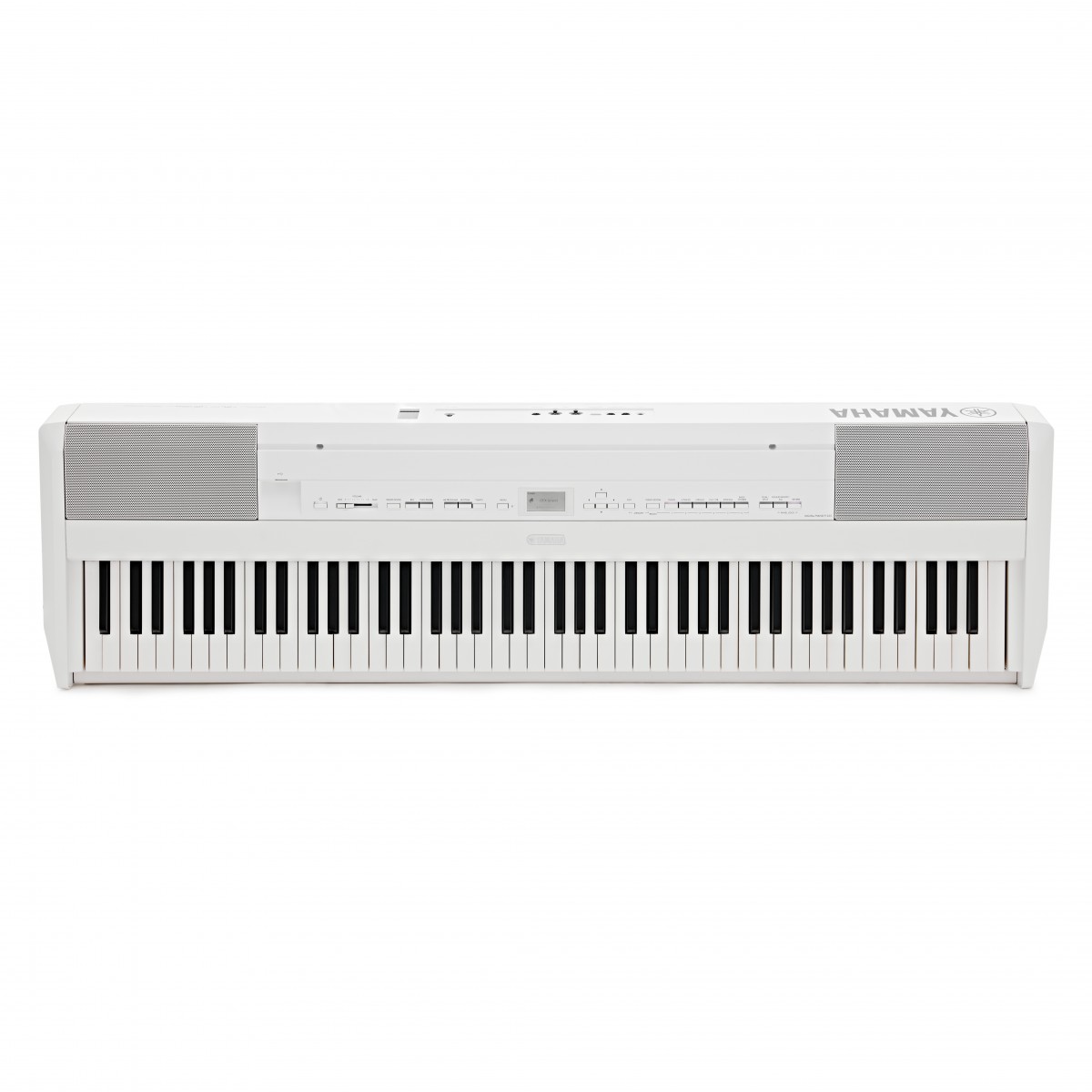
Overview and Construction
The Yamaha P-525 serves as a flagship model within the acclaimed P Series digital piano line. It is specifically designed to accommodate musicians who require a high-performance instrument in a portable or space-conscious format. The aesthetic is defined by a modern White finish, allowing it to integrate seamlessly into diverse home environments or professional venues.
The unit is built around an 88-key frame that prioritises the tactile experience of a grand piano while remaining compact enough for small playing spaces. Its physical design balances the robustness required for professional transport with the sleek lines expected of a premium home digital piano.
Keyboard Action and Real-Time Modelling
A defining feature of the P-525 is the GrandTouch-S keyboard. This mechanism uses weighted hammer action keys to replicate the specific resistance and response of an acoustic grand piano.
Beyond the physical weight, the P-525 employs real-time sound modelling for its hammer action. The internal engine calculates the movement and impact of the hammers as the player performs, ensuring the auditory response matches the physical input. This technology aims to provide a high level of expressive control that appeals to classically trained pianists.
Audio Engineering and FIR Filters
The P-525 is equipped with a two-way speaker system designed to provide a balanced frequency response. The internal audio path is managed by Finite Impulse Response (FIR) filters, which are used to fine-tune the phase characteristics and overall sound quality.
These filters allow for: * Deep, clear bass reproduction without low-end distortion. * Crisp, light treble that remains transparent at higher volumes. * Natural phasing adjustments to create a more immersive soundstage for the player and the audience.
Target Audience and Application
The instrument is positioned to suit a wide spectrum of users. For professional musicians, it offers a portable solution for gigging and rehearsal without sacrificing the touch of a full-sized grand. For beginners, it provides a proper weighted foundation that prevents the development of poor technique often associated with unweighted keyboards.
Its compact footprint makes it particularly effective for apartments, studios, or small stages where a traditional upright or grand piano would be impractical.
Market Comparisons
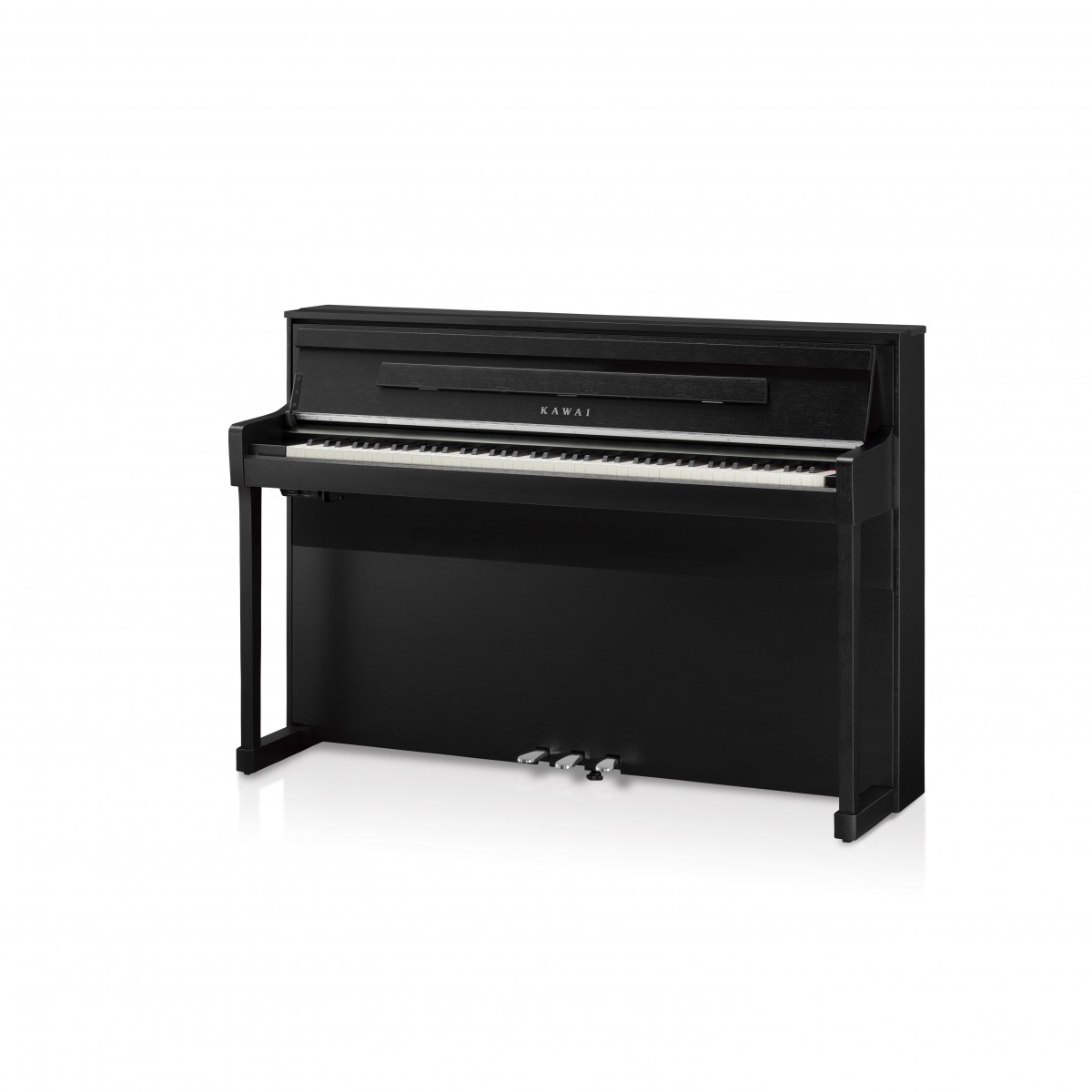
In the contemporary digital piano market, the P-525 competes with several high-end models. While it focuses on portability, it is often compared to furniture-style consoles like the Roland HP704 and the Kawai CA901, which offer similar flagship keyboard actions in permanent cabinets.
For those seeking alternative portable or slimline designs, the Roland DP603 and RP701 offer comparable digital features, while the Kawai CN301 and CA501 provide alternative approaches to wooden-key feel and speaker configurations. The P-525 remains distinct due to its specific P Series heritage of combining professional sound modelling with a portable chassis.
Related gear
- £2,539.00 ($3,225)
Roland
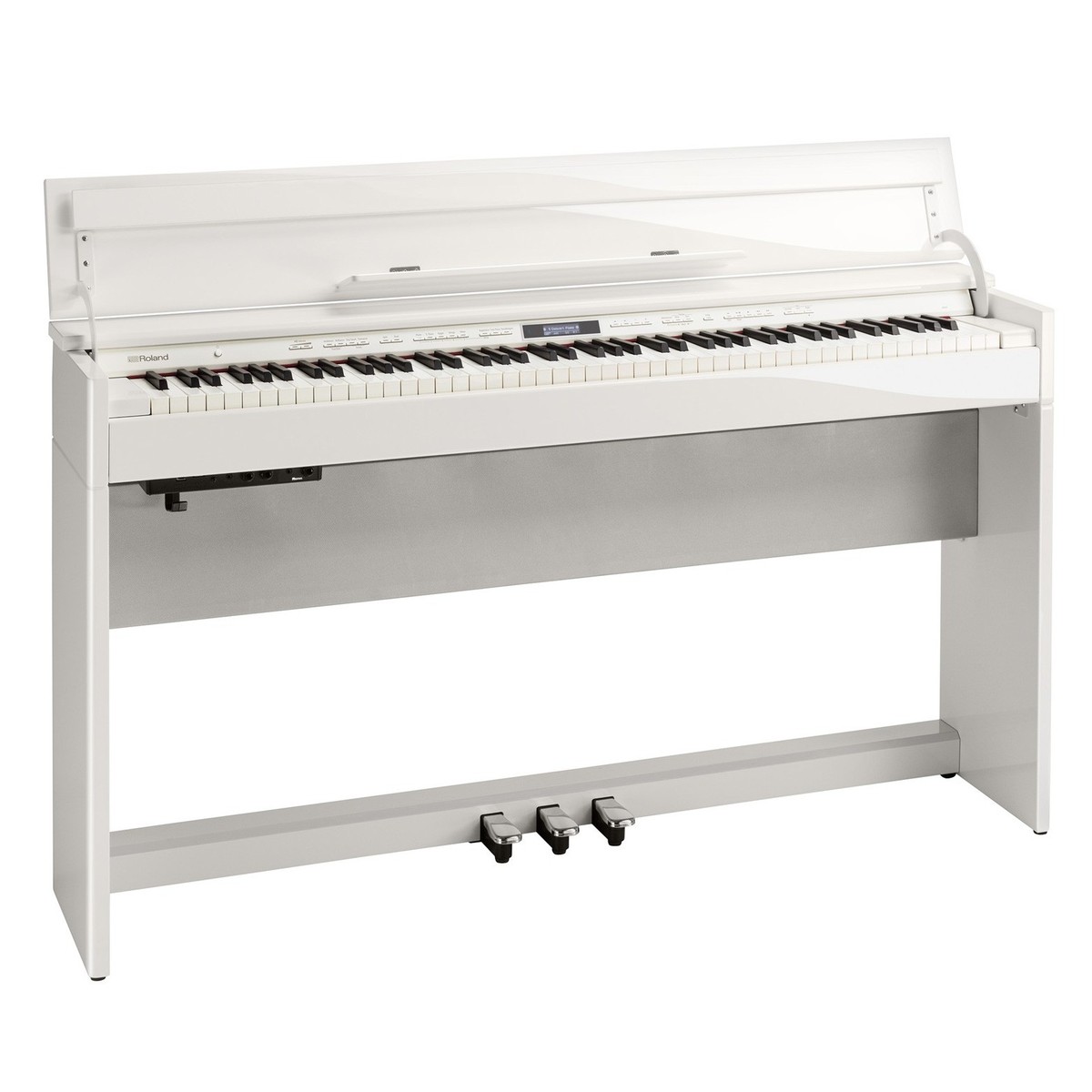
Roland DP603 Digital Piano Polished White
 £2,016.22 ($2,561)
Roland
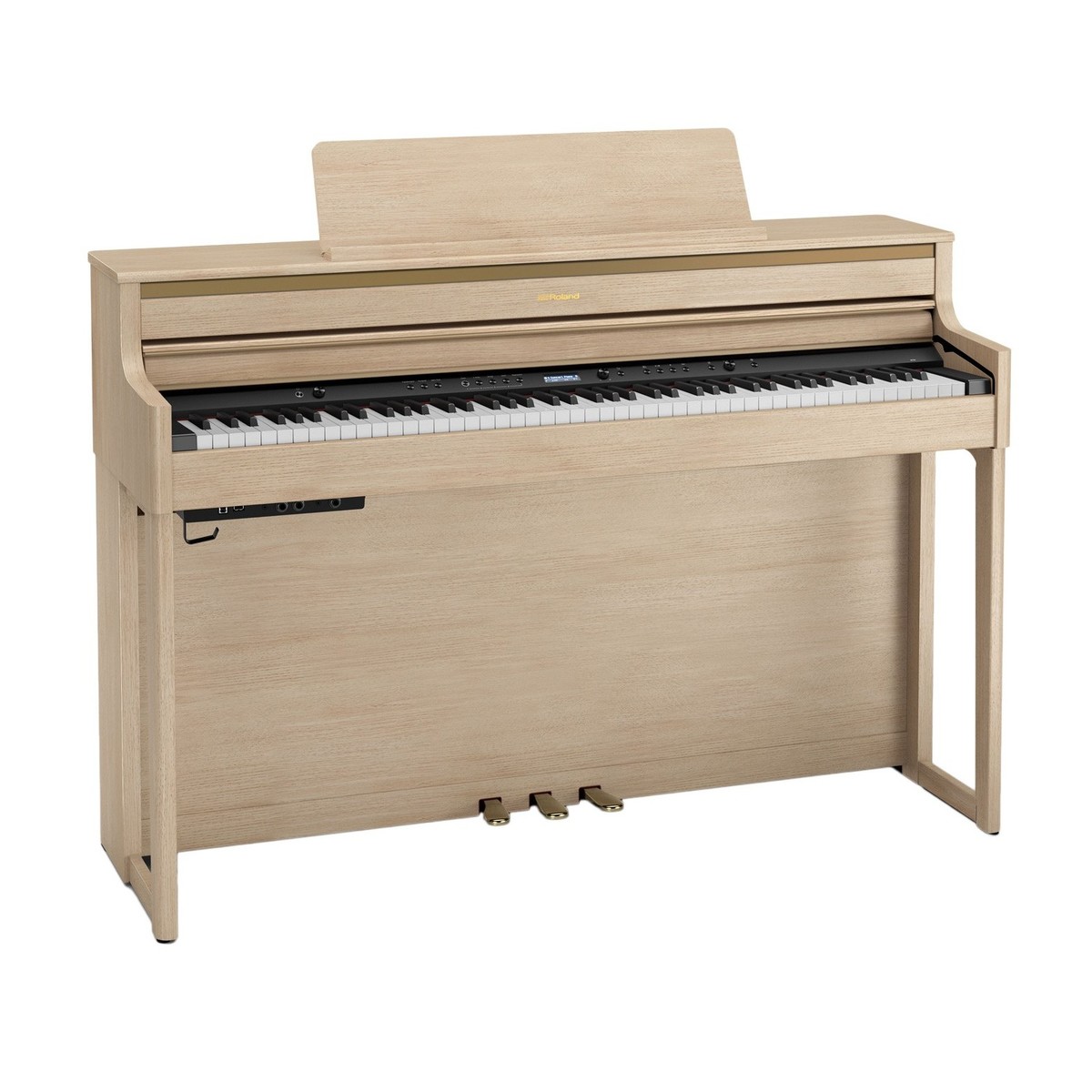
Roland HP704 Digital Piano Light Oak
 £1,636.71 ($2,079)
Kawai
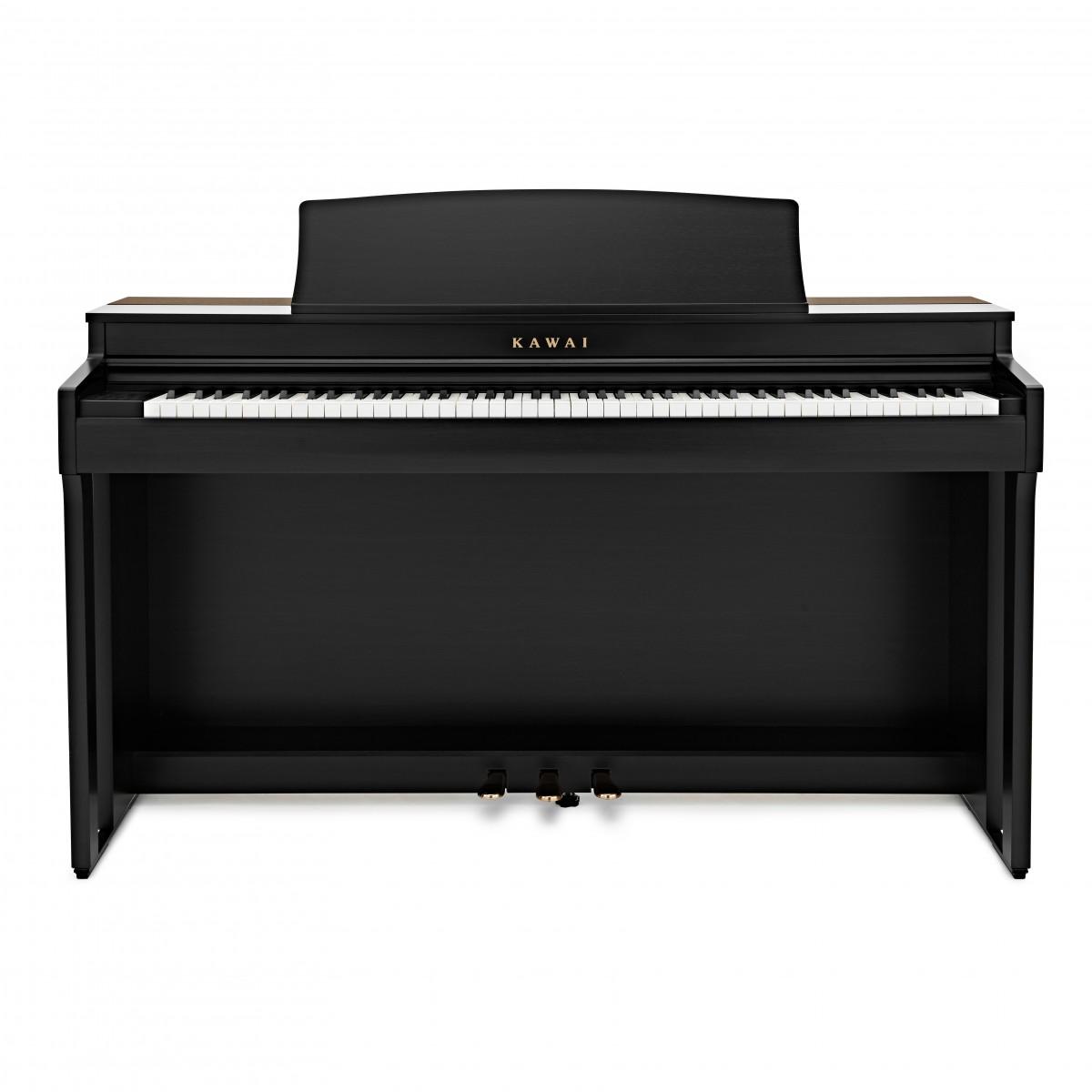
Kawai CN301 Digital Piano Satin Black
 £2,218.83 ($2,818)
Kawai
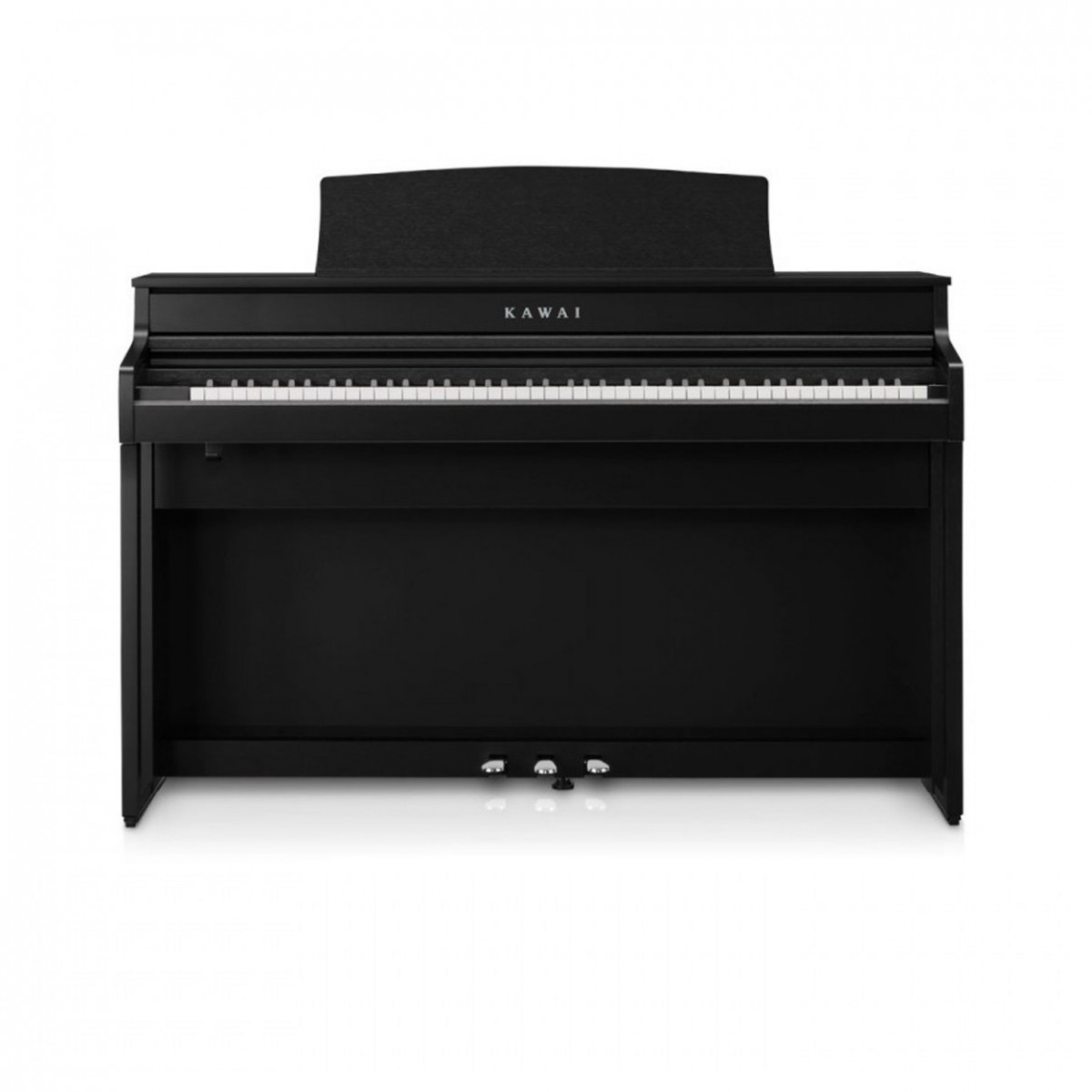
Kawai CA501 Digital Piano Satin Black
 £1,025.00 ($1,302)
Casio
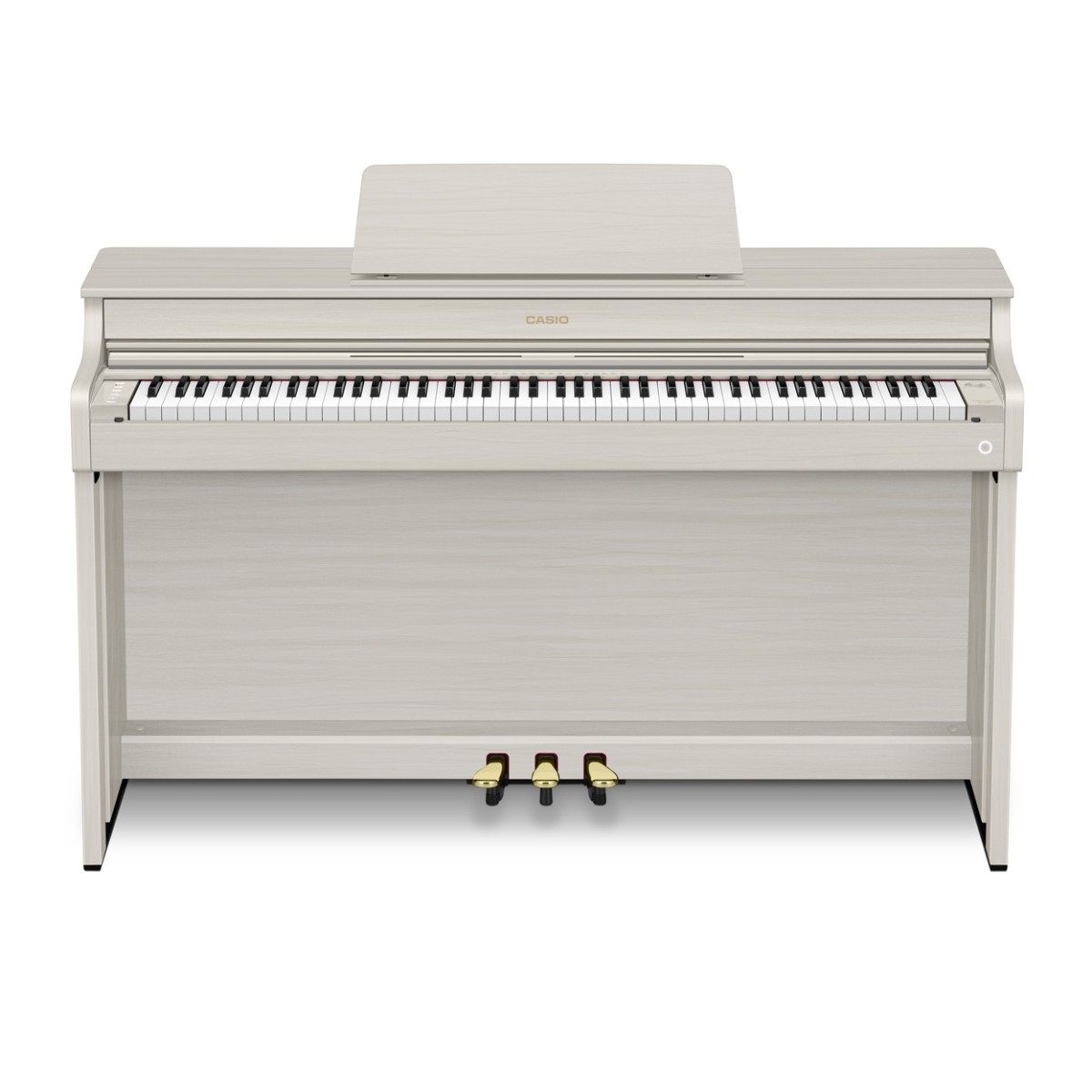
Casio AP-300 Digital Piano Grey Beige
 £329.99 ($419)
Gear4Music
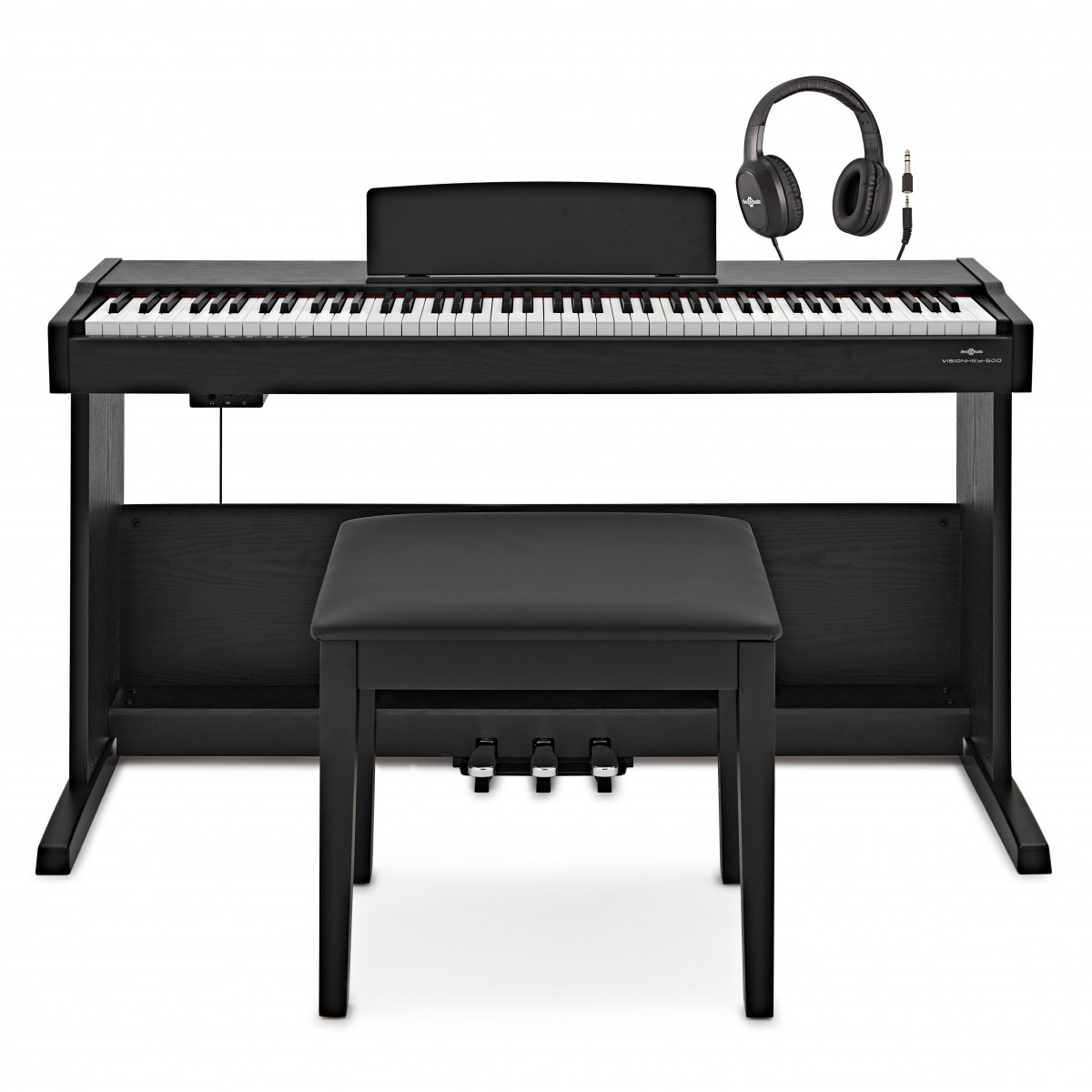
VISIONKEY-500 Digital Piano Bench Pack Black
 £1,249.00 ($1,586)
Roland
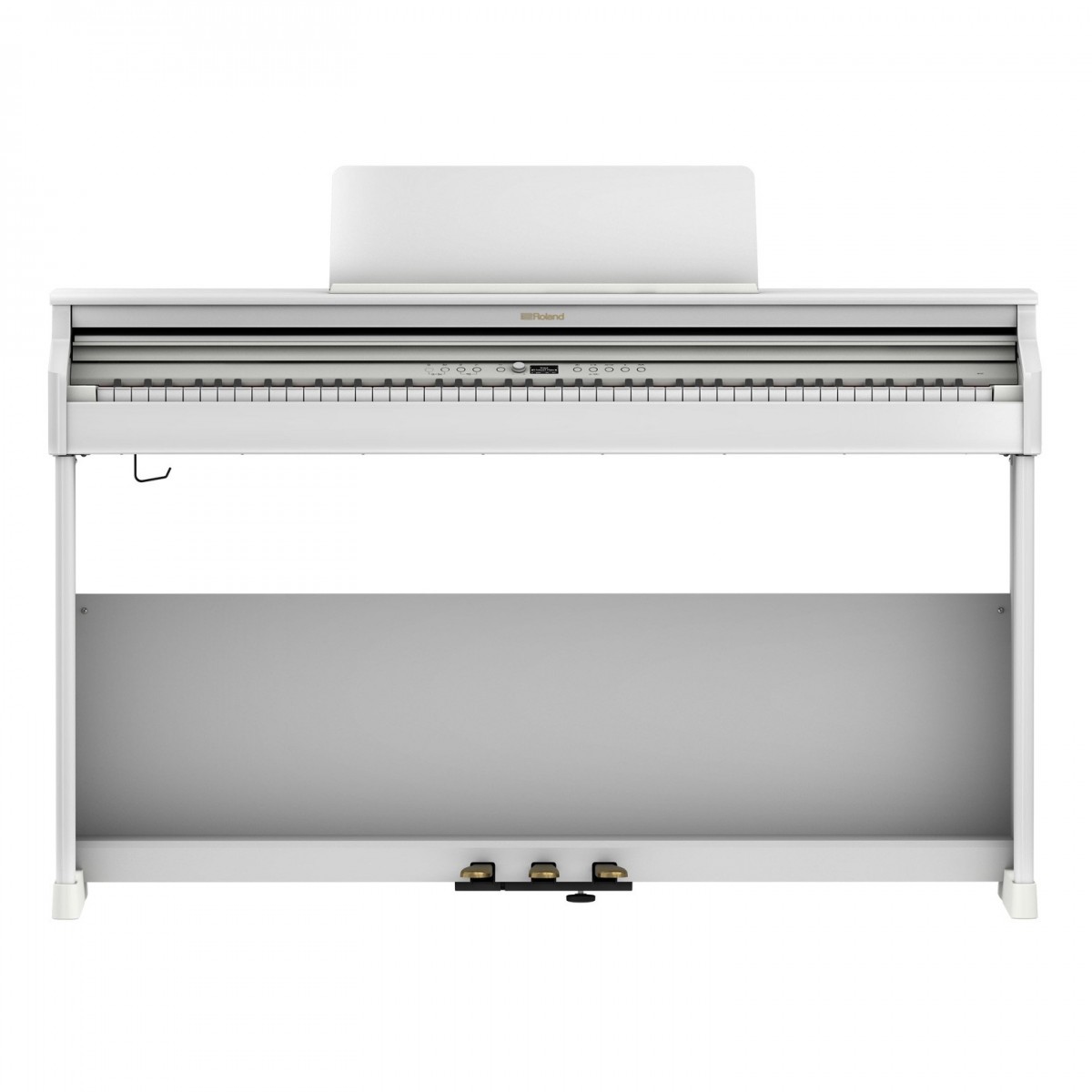
Roland RP701 Digital Piano White
 £3,211.80 ($4,079)
Kawai
Kawai CA901 Digital Piano Satin Black
Frequently asked questions
- What type of keyboard action does the Yamaha P-525 use?
- The P-525 uses the 88-key GrandTouch-S keyboard. This action is designed to provide a realistic grand piano feel with weighted hammer action keys.
- Is the Yamaha P-525 suitable for professional use?
- Yes, it is designed for both professionals and beginners. Its high-quality sound modelling and portable flagship P Series design make it suitable for professional venues and rehearsals.
- What is unique about the speaker system on the P-525?
- It features two-way speakers that utilise FIR (Finite Impulse Response) filters. These filters help produce deep bass and clear treble without distortion while allowing for natural phasing adjustments.
- Does the P-525 model hammer sounds in real time?
- Yes, the P-525 calculates and models the sound of the hammers in real time. This ensures that the digital output accurately reflects the nuances of the physical hammer action.
- What finish is available for this model?
- This specific model features a stunning White finish. This aesthetic is intended to suit a variety of different venues and interior design styles.
- Is the Yamaha P-525 portable?
- Yes, as part of the flagship P Series, it is designed to be compact and portable. It is built specifically with small playing spaces and transport in mind.
- How many keys does the P-525 have?
- The instrument features a full-sized 88-key keyboard. This provides the standard range required for the vast majority of piano repertoire.
- What is the typical price for the Yamaha P-525?
- The typical price range for this model is approximately GBP 1,441. Prices may vary slightly depending on the specific retailer and current market conditions.
- How does the FIR filter affect the sound quality?
- The FIR filters provide a quality sound by managing the audio signal to ensure natural phasing. This results in a more authentic playing sound for both the performer and the audience.
- Who is the primary audience for the Yamaha P-525?
- It is marketed toward both beginner and professional players. It serves those needing a realistic feel for learning or a high-performance portable instrument for professional work.
- How does the P-525 compare to the Kawai CA901?
- While both are flagship digital pianos, the P-525 is a portable P Series model, whereas the Kawai CA901 is typically a larger furniture-style console piano. The P-525 offers more flexibility for small spaces and transport.
- Can the P-525 handle deep bass frequencies?
- Yes, its two-way speaker system is engineered to produce deep bass frequencies. The use of FIR filters ensures these low frequencies remain clear and free from distortion.