
Gear article
Yamaha Synthetic Alto Saxophone Reed 2.5
The Yamaha Synthetic Alto Saxophone Reed 2.5 is a precision-engineered alternative to traditional cane reeds, designed for players who require consistent performance across varying environments. Manufactured by Yamaha, this synthetic reed offers a stable response and a durability profile that resists the degradation typically caused by moisture and temperature fluctuations.
See live pricesOverview
The Yamaha Synthetic Alto Saxophone Reed 2.5 represents a shift towards modern materials in woodwind maintenance. While traditional reeds are harvested from organic cane (Arundo donax), this model utilizes synthetic materials to solve common issues related to reed fatigue and environmental sensitivity. With a strength rating of 2.5, it occupies a middle ground that provides a balance of free-blowing characteristics and necessary resistance.
Material and Construction
Unlike organic reeds, which are susceptible to warping when wet or cracking when dry, the Yamaha synthetic reed is impervious to moisture. This construction ensures that the reed does not require a 'soak time' before playing and maintains its structural integrity over a longer lifespan. The material is designed to mimic the vibrating properties of cane while providing a more uniform surface and tip.
Performance and Sound Character
The primary characteristic of this reed is its reliability. It provides a consistent tone that remains stable between sessions, reducing the time a player spends adjusting their embouchure to compensate for reed variations. The 2.5 strength provides a controlled feel, offering slightly more resistance than a beginner-level 1.5 or 2.0 reed, which allows for better dynamic control and a more mature tone.
Target Audience
This reed is primarily aimed at progressing players who have moved beyond the initial beginner stages and are seeking greater control over their sound. It is also highly suitable for musicians who perform in challenging conditions, such as outdoor venues or climate-controlled environments, where traditional cane reeds might perform inconsistently. Its durability makes it a practical choice for regular practice and rehearsals.
Comparison and Market Context
In the market for saxophone accessories, the Yamaha Synthetic Reed competes with established cane options like the D'Addario Organic Select Jazz or Vandoren Java series. While cane reeds are often sold in multipacks to account for natural variation, the Yamaha synthetic reed is sold individually, reflecting its expected longevity and consistency. It is frequently paired with standard mouthpieces, such as the Yamaha 5C, or premium options like those from JodyJazz, to refine the instrument's overall response.
Related gear
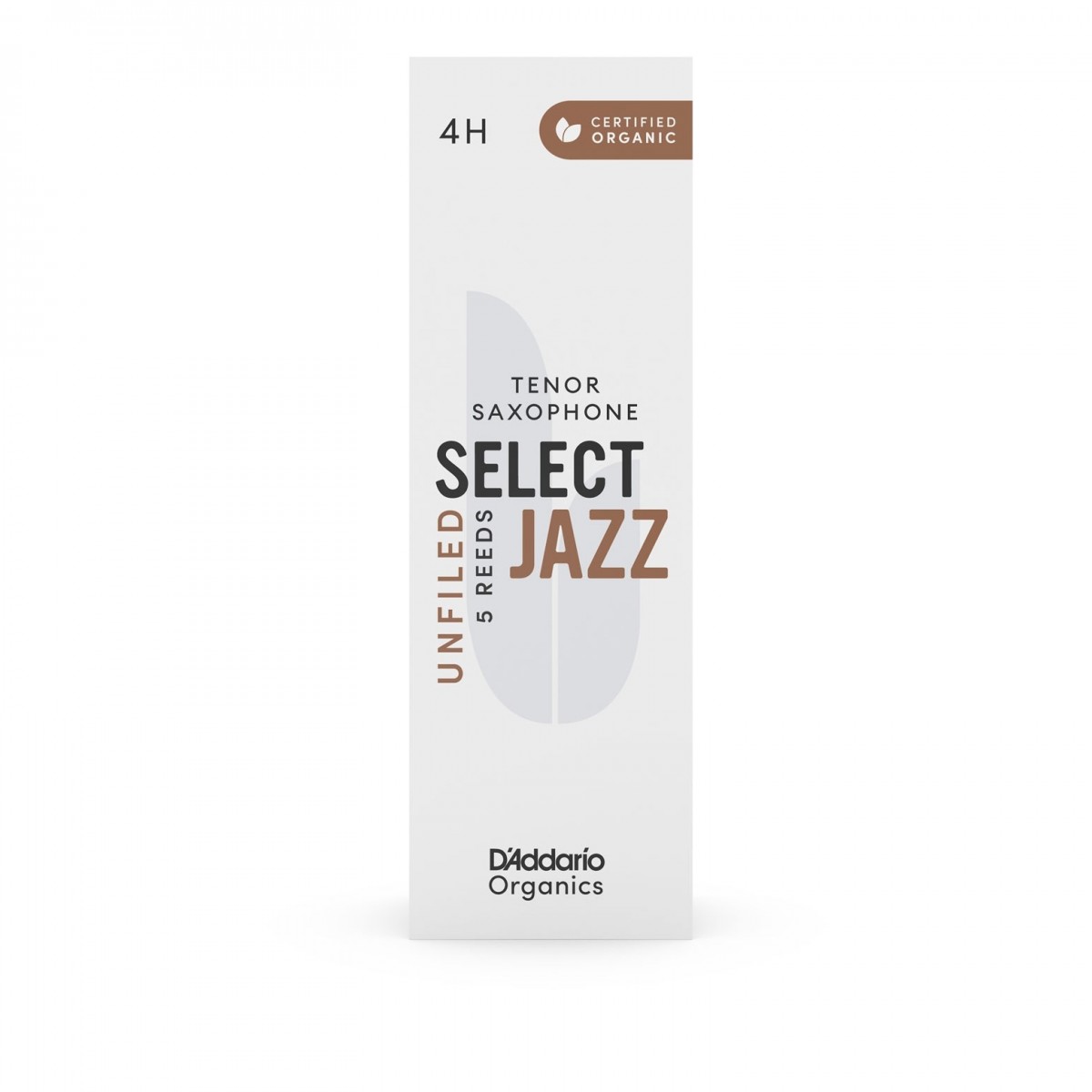 £21.80 ($28)
Daddario
DAddario Organic Select Jazz Unfiled Tenor Sax Reeds 4H (5 Pack)
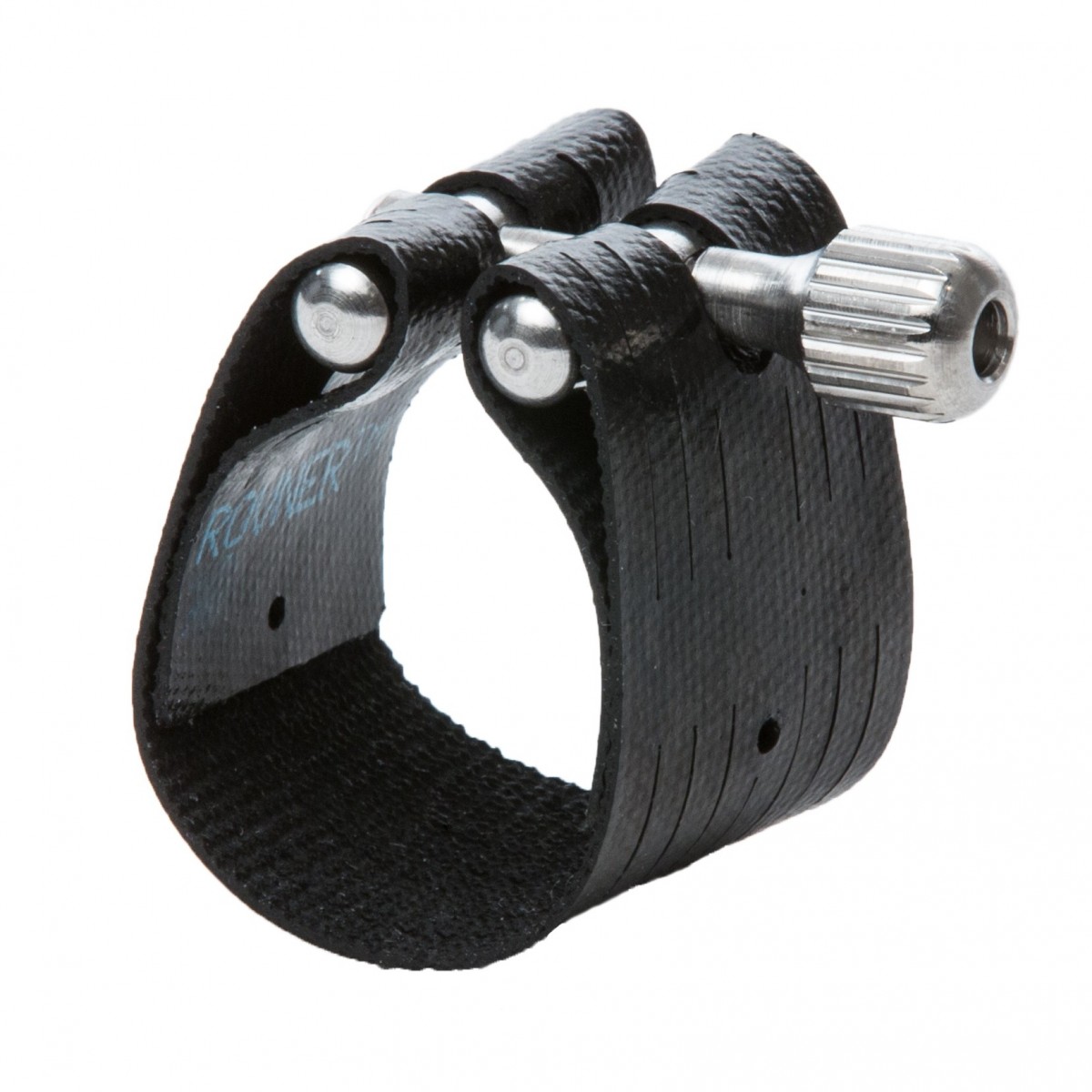 £31.00 ($39)
Rovner
Rovner 3RL Dark Bass Clarinet/Saxophone Ligature and Cap
 £22.40 ($28)
Vandoren
Vandoren Java Tenor Saxophone Reeds 1.5 (5 Pack)
 £25.25 ($32)
Daddario
DAddario Organic Select Jazz Filed Alto Sax Reeds 4M (10 Pack)
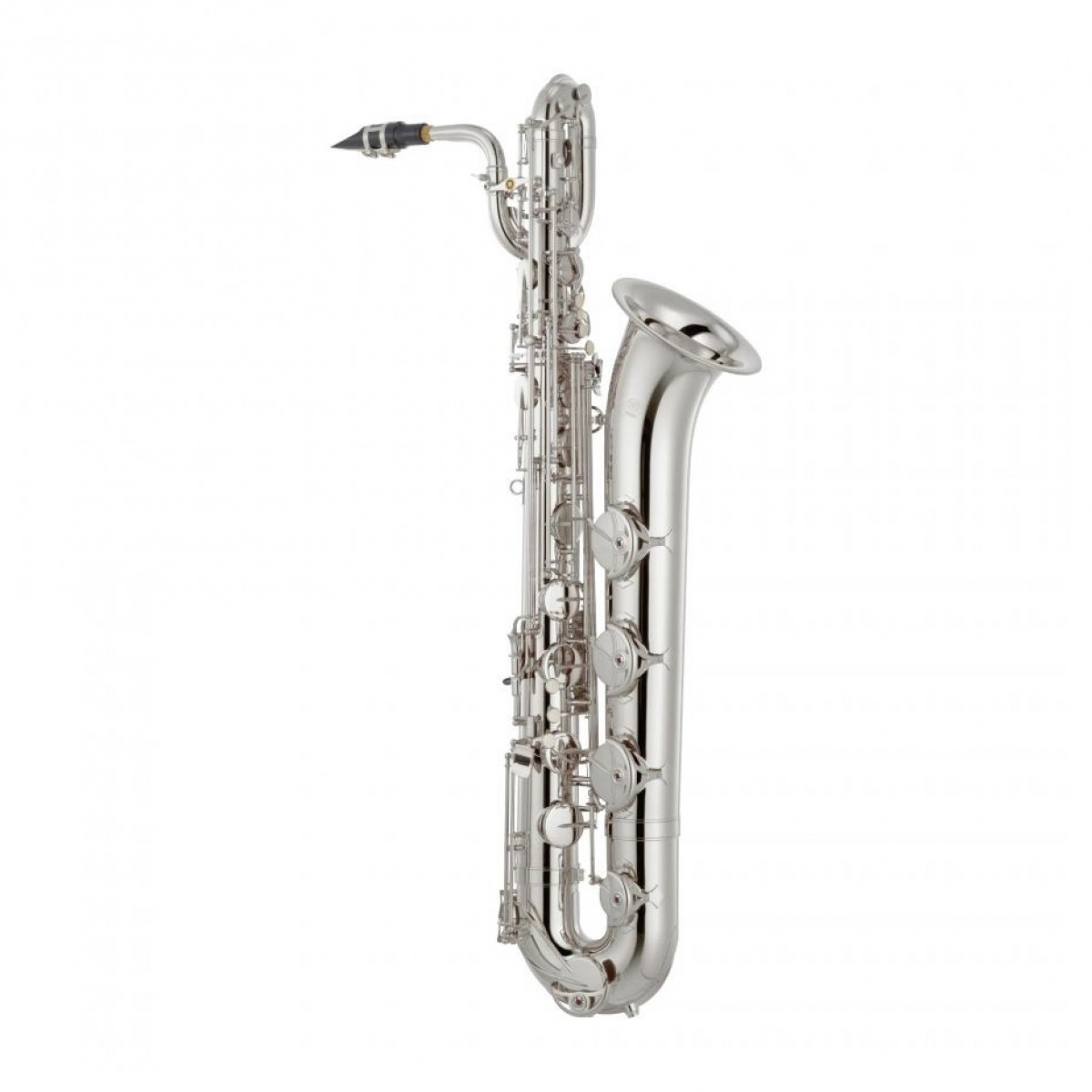 £7,531.00 ($9,564)
Yamaha
Yamaha YBS480 Baritone Saxophone Silver Plate
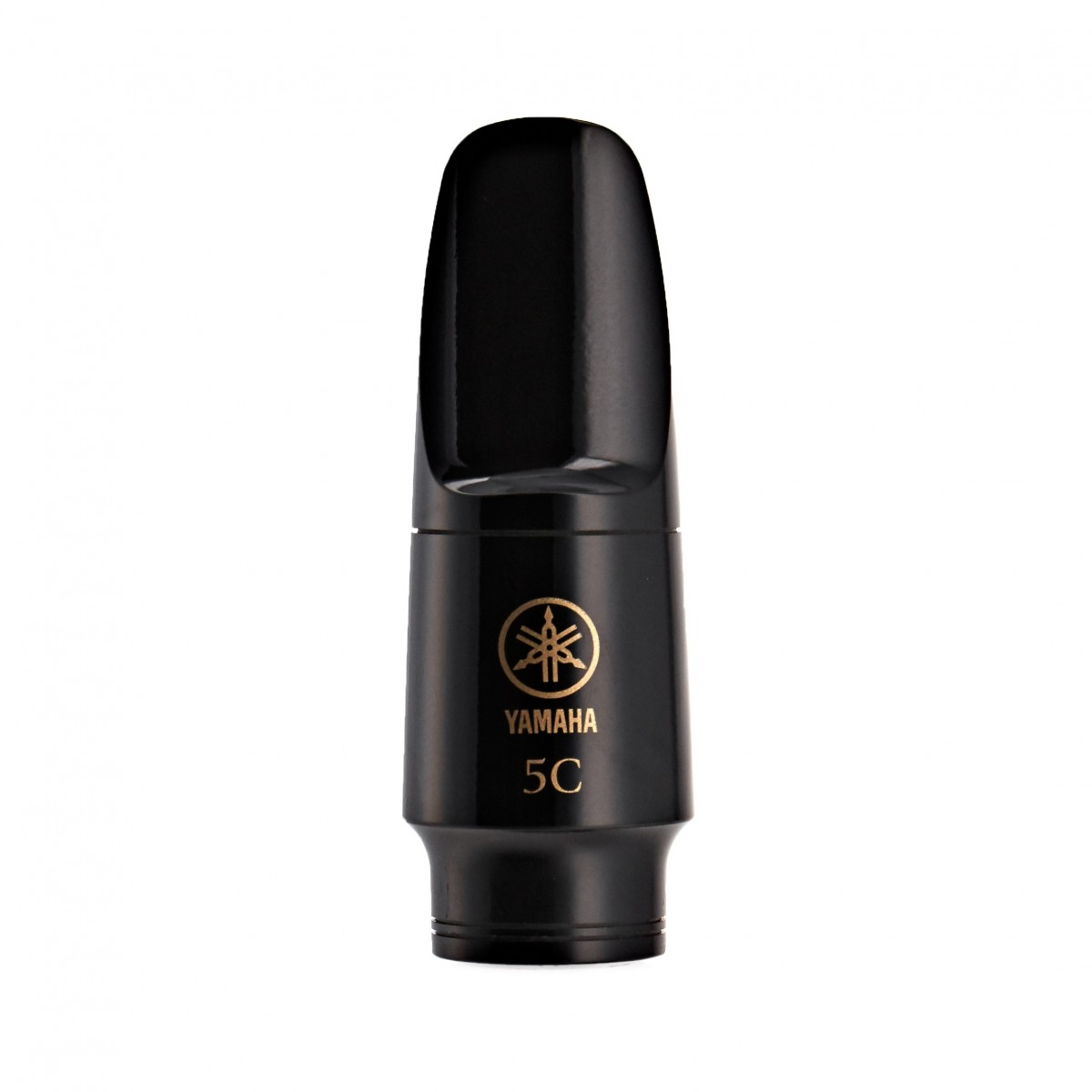 £40.00 ($51)
Yamaha
Yamaha 5C Soprano Saxophone Mouthpiece
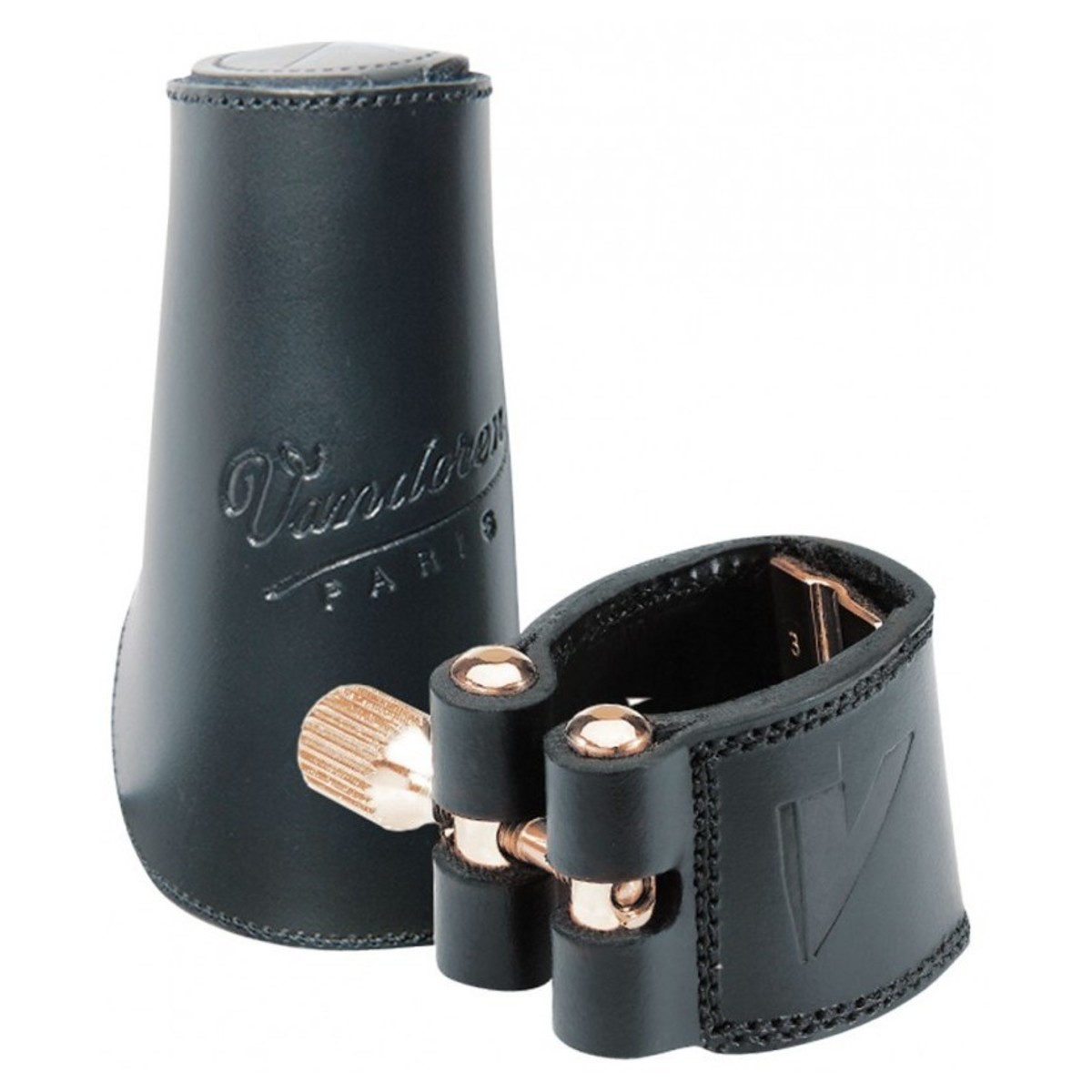 £85.70 ($109)
Vandoren
Vandoren Cuir Alto Sax Ligature Leather with Leather Cap
 £395.00 ($502)
JodyJazz Inc.
JodyJazz Super Jet Baritone Saxophone Mouthpiece 6
Frequently asked questions
- What is the primary benefit of using a synthetic reed over a cane reed?
- The primary benefits are consistency and durability. Synthetic reeds do not warp or degrade due to moisture and temperature changes, meaning they play the same way every time you pick up the instrument.
- Does the Yamaha Synthetic Reed 2.5 require soaking before play?
- No, because it is made of synthetic materials, it does not absorb water like organic cane. It is ready to play immediately upon being attached to the mouthpiece.
- How does the 2.5 strength rating affect the playing experience?
- A 2.5 strength rating provides a balanced, free-blowing response with a moderate amount of resistance. This makes it ideal for players who have developed basic embouchure strength and want more control over their dynamics.
- How long does a Yamaha Synthetic Reed typically last?
- While specific longevity depends on usage, synthetic reeds are significantly more durable than traditional cane. They do not suffer from 'waterlogging' or the gradual softening that ruins cane reeds over time.
- Is this reed suitable for beginners?
- It is best suited for progressing players. Beginners often start on a 1.5 or 2.0 strength, so the 2.5 is the logical next step for a student who finds lower-strength reeds too soft or lacking in resistance.
- Can I use this reed for outdoor performances?
- Yes, it is highly recommended for outdoor use. Since it is not affected by humidity or temperature, it provides a stable sound regardless of the weather conditions.
- How does the price compare to a box of cane reeds?
- At approximately £13, a single synthetic reed costs more than an individual cane reed but is comparable to the price of a small pack. However, its long lifespan often makes it more cost-effective over time.
- Does the reed's tone change between practice sessions?
- No, one of the key features of the Yamaha Synthetic Reed is that the tone stays consistent. This allows the player to focus on their technique rather than spending time adjusting to a changing reed.
- Is this reed compatible with all alto saxophone mouthpieces?
- It is designed to be compatible with standard alto saxophone mouthpieces, such as the Yamaha 5C or various models from Vandoren and JodyJazz.
- What kind of ligature should be used with this reed?
- It can be used with any standard alto saxophone ligature, including metal, fabric, or leather options like the Vandoren Cuir or Rovner Dark series.
- How should I clean the Yamaha Synthetic Reed?
- Because it is non-porous, it can be easily cleaned by rinsing it with water and wiping it dry. This makes it more hygienic than cane, which can trap bacteria in its fibers.
- Does this reed come in different strengths?
- Yes, while this specific model is a 2.5, Yamaha produces synthetic reeds in various strengths to accommodate different skill levels and embouchure requirements.