Gear article
Yamaha YBN-100 Carbon Fibre Violin Bow M3
The Yamaha YBN-100 Carbon Fibre Violin Bow M3 is a Japanese-crafted bow designed to offer the response of traditional wood with the durability of modern composite materials. It utilizes a blend of carbon and glass fibre reinforced plastics to provide professional-grade consistency and a classic aesthetic.
See live pricesBackground and Design
The YBN-100 series represents Yamaha's commitment to bridging the gap between historical lutherie and modern material science. While carbon fibre bows have long been valued for their resilience, they have often been criticised for a 'sterile' feel compared to Pernambuco wood. To address this, Yamaha craftsmen in Japan developed the YBN-100 using specific manufacturing techniques to control rigidity and vibration behaviour.
The M3 is one of five distinct models in this range. Each variant is engineered with specific weight and balance parameters, allowing players to select a tool that matches their individual technique and the physical requirements of their instrument.
Construction and Materials
The bow is constructed using a combination of Carbon Fibre Reinforced Plastic (CFRP) and Glass Fibre Reinforced Plastic (GFRP). This composite structure is designed to mimic the natural dampening and flex characteristics of high-quality wood. Unlike traditional wood bows, this construction is immune to changes in humidity and temperature, making it a highly reliable choice for touring musicians.
Despite its modern core, the YBN-100 M3 features high-end traditional appointments: * Finish: A wood-style aesthetic that blends in with orchestral sections. * Frog: Crafted from snakewood, a dense and visually striking material. * Details: Finished with abalone detailing. * Winding: Gold-filled brass winding for weight distribution and visual elegance.
Performance and Character
The primary goal of the YBN-100 M3 is to provide a 'natural' playing experience. Yamaha's engineering focuses on the vibration behaviour of the stick, ensuring that the feedback felt by the violinist’s hand is comparable to that of a high-end wooden bow. The M3 variant is specifically balanced to provide a particular response profile within Yamaha's Five-Bow range, offering a specific level of resistance and agility for advanced repertoire.
Target Audience and Comparison
The YBN-100 M3 is positioned at the premium end of the market, aimed at professional violinists and advanced students who require a consistent secondary bow or a primary bow that can withstand varying climates.
Compared to alternatives like the Hidersine Premium Unidirectional Carbon Bow, the Yamaha YBN-100 offers more sophisticated aesthetic details and a more complex internal material blend. While entry-level carbon bows prioritize durability, the YBN-100 focuses on the nuanced 'wood-like' response required for nuanced orchestral and solo performance.
Related gear
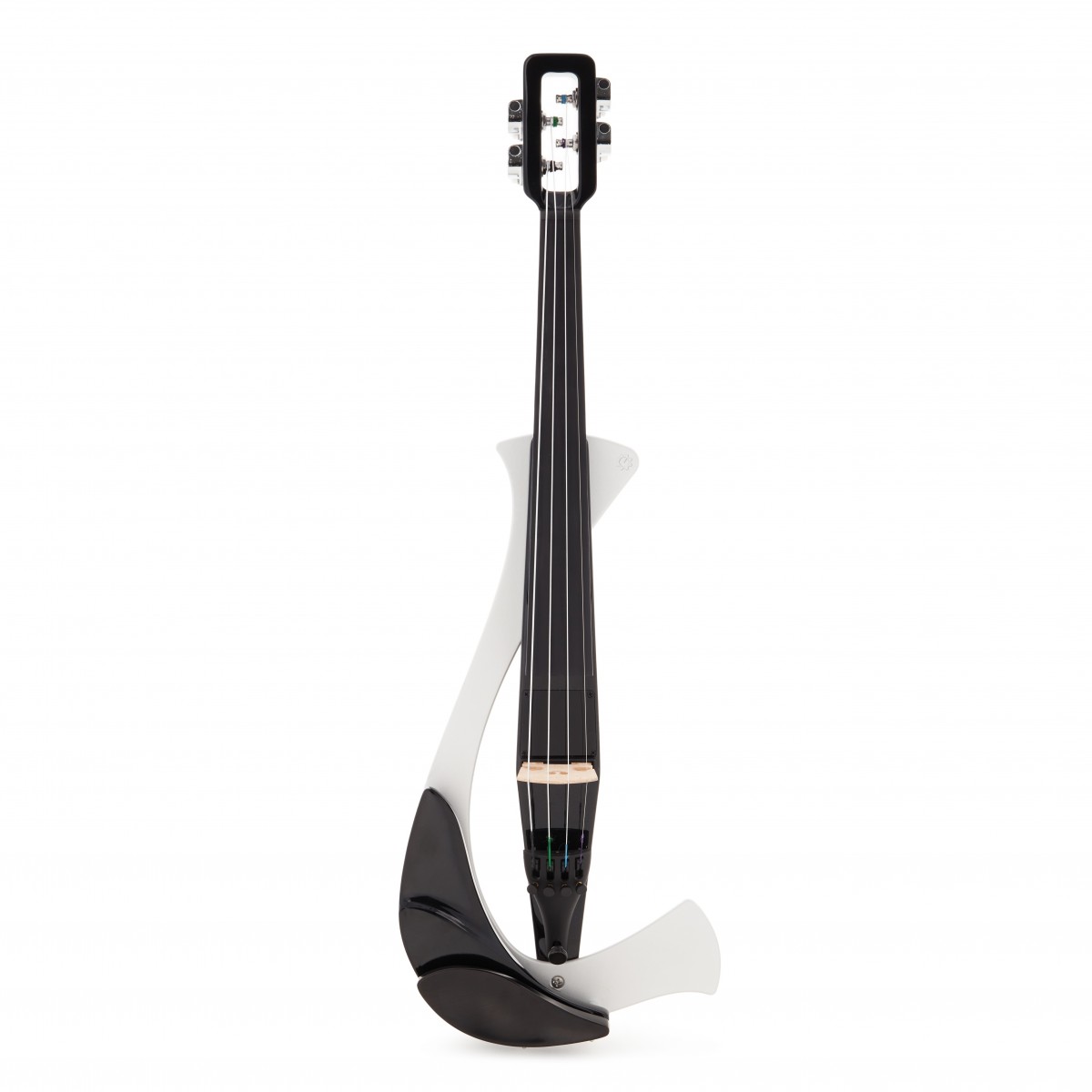 £299.99 ($381)
G4M
G4M Solus Electric Violin Midnight Ebony
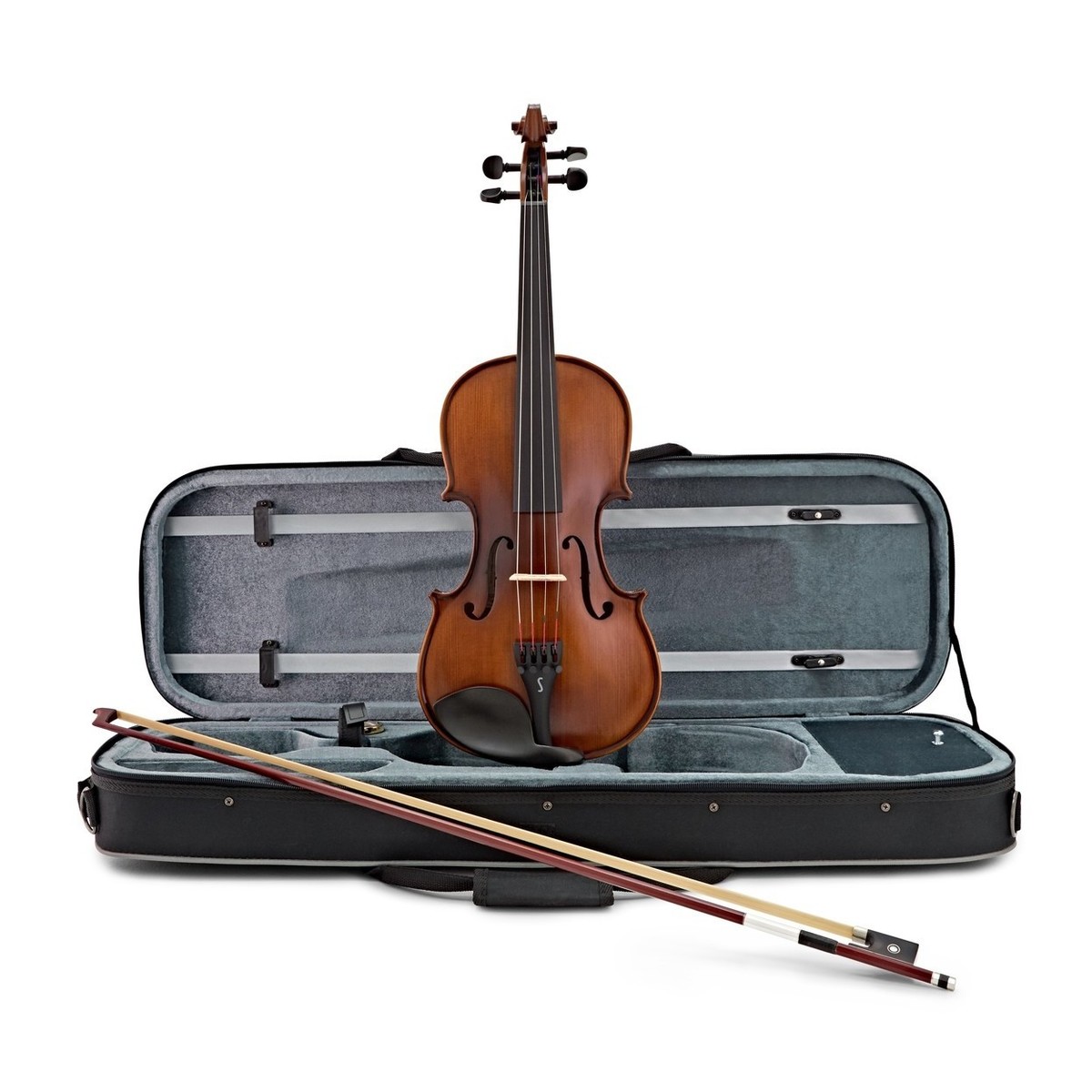 £227.00 ($288)
Stentor
Stentor Graduate Violin Outfit 1/8
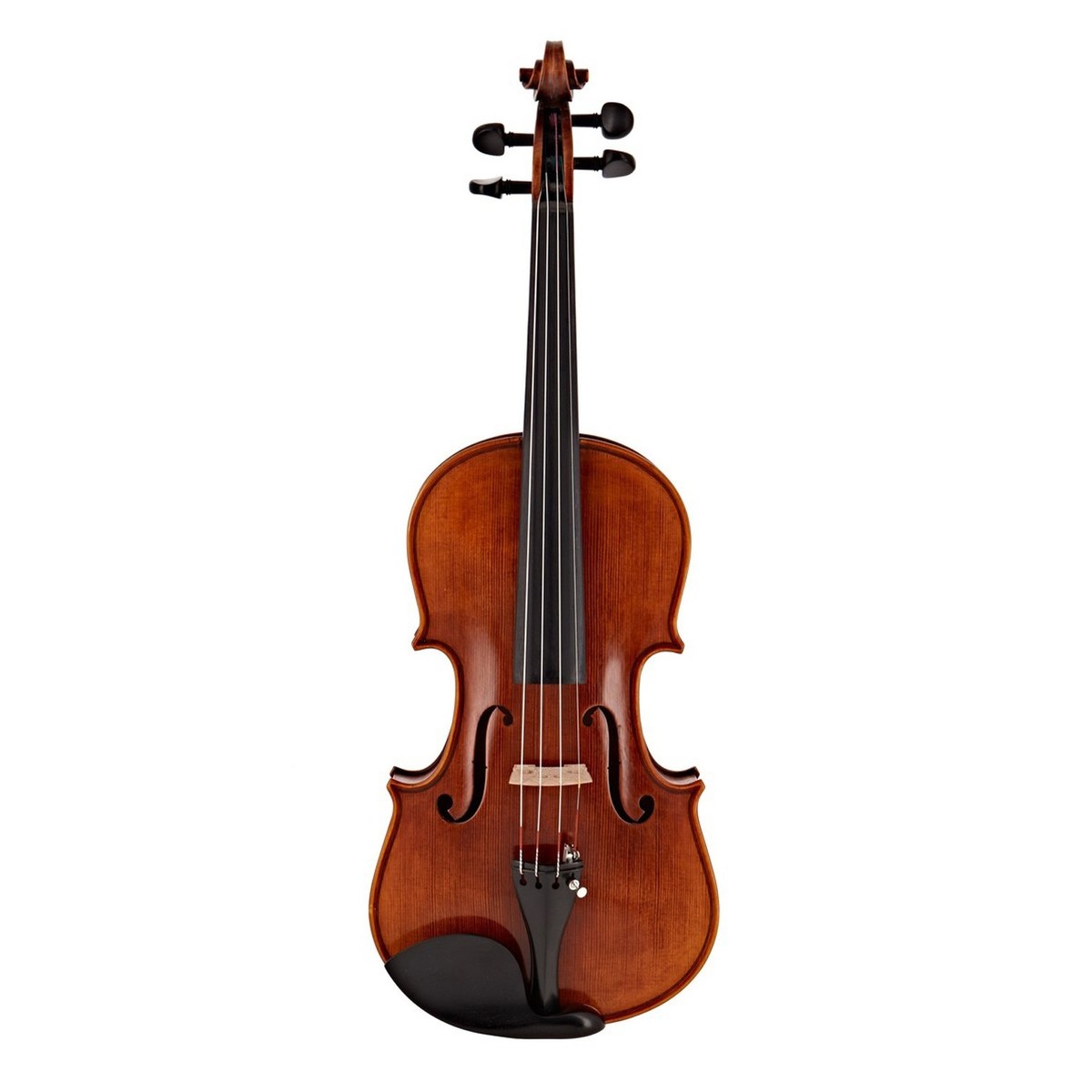 £453.00 ($575)
Stentor
Stentor Messina Violin 3/4 Instrument Only
 £25.00 ($32)
Wittner
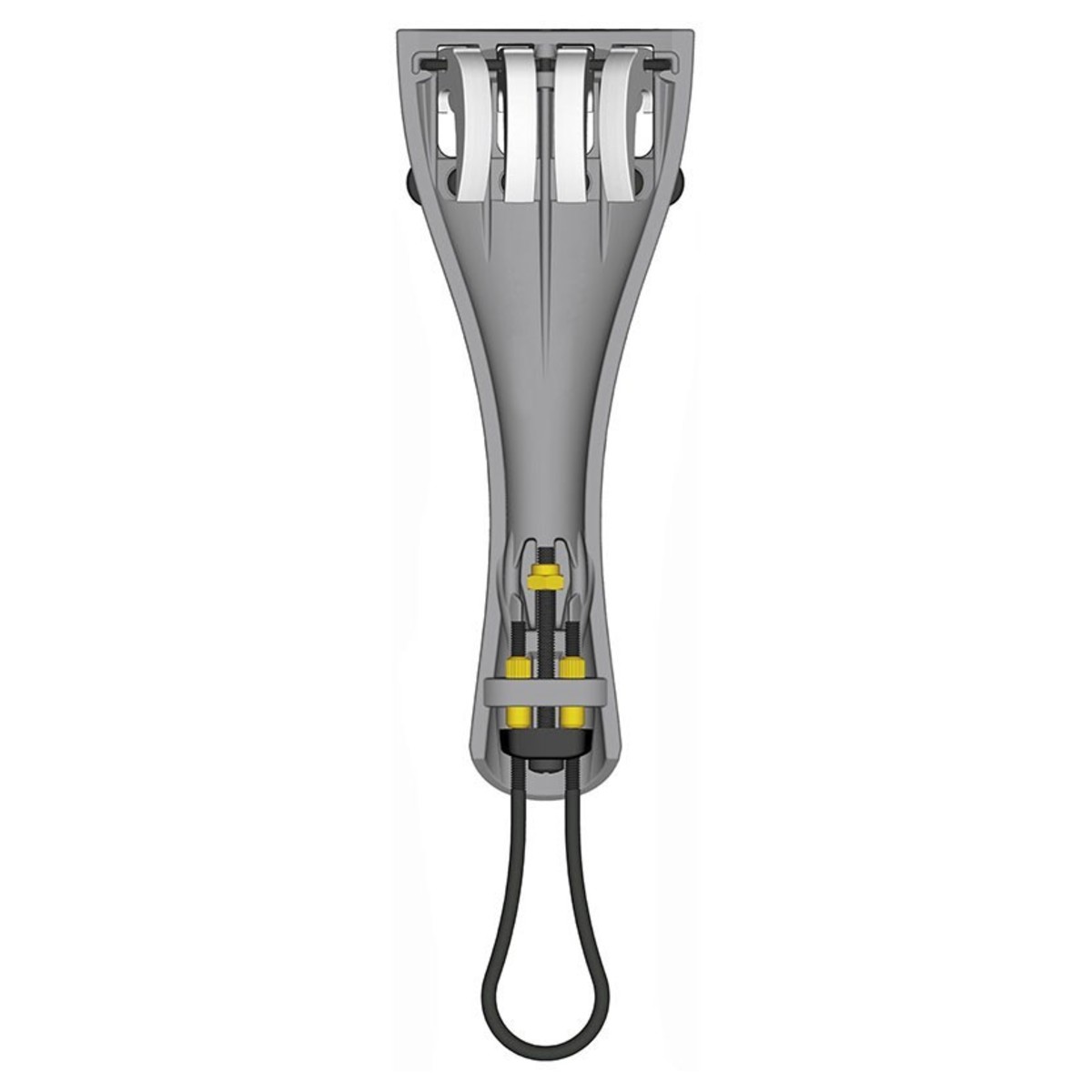
Wittner Violin Tailpiece Position Adjustable 4/4 Size
 £205.00 ($260)
Hidersine
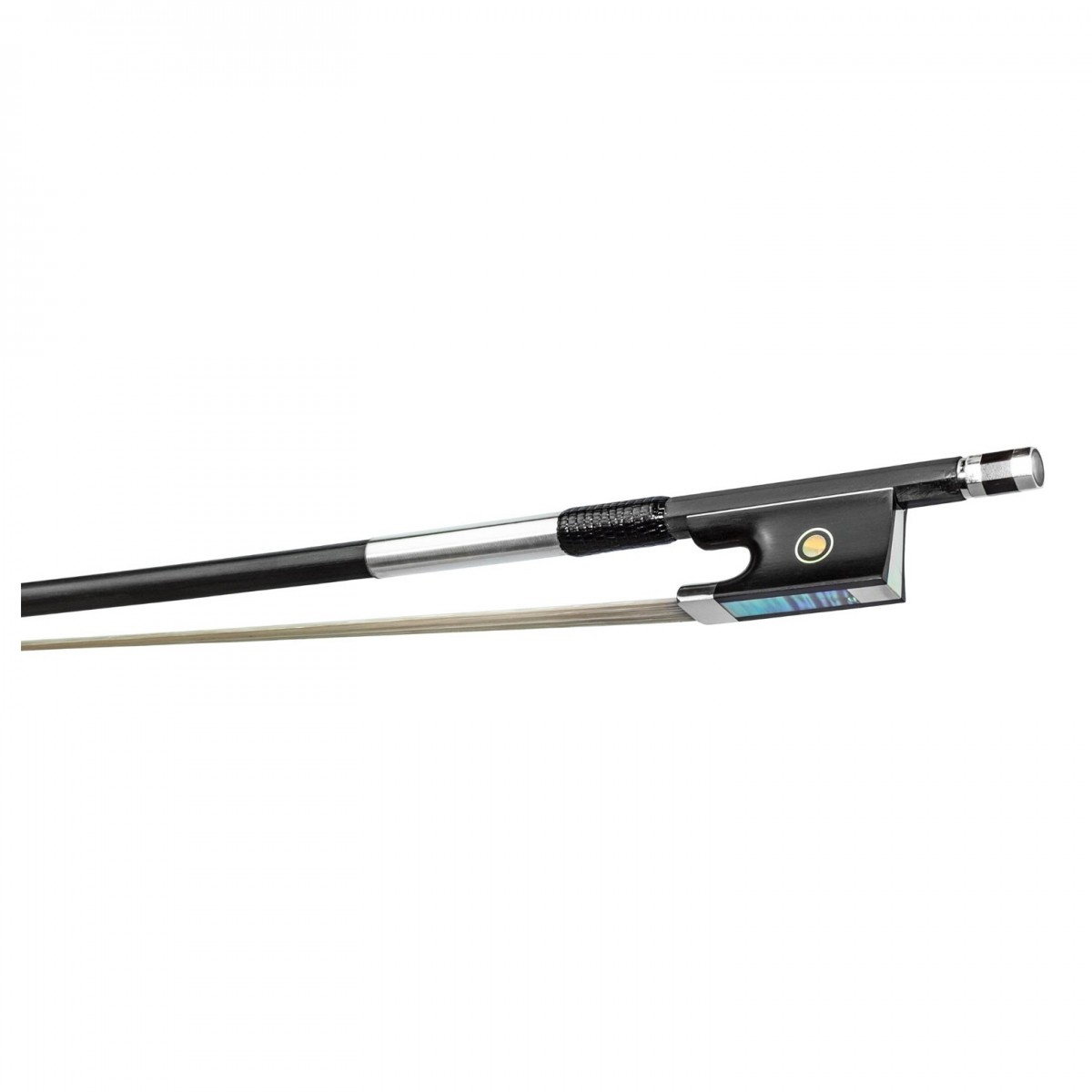
Hidersine Premium Unidirectional Carbon Violin Bow 4/4
 £44.00 ($56)
Conrad Goetz
Goetz Kaufmann Style Viola Chinrest Boxwood Gold Hill Screws
 £69.00 ($88)
Conrad Goetz
Goetz Stuber Style Violin Chinrest Boxwood Titanium Screws
 £19.60 ($25)
P&H Bows
P&H Viola Bowhair Hank 15-16 Inch
Frequently asked questions
- Where is the Yamaha YBN-100 M3 manufactured?
- The YBN-100 series is built in Japan by skilled Yamaha craftsmen who apply traditional finishing techniques to modern composite materials.
- What materials are used in the stick of the YBN-100?
- The stick is made from a combination of Carbon Fibre Reinforced Plastic (CFRP) and Glass Fibre Reinforced Plastic (GFRP).
- What is the difference between the M3 and other models in the YBN-100 range?
- The M3 is one of five different weight and balance options available in the range, allowing players to choose the specific feel that suits their playing style.
- Does the YBN-100 M3 look like a carbon fibre bow?
- No, it features a wood-style finish designed to give it a traditional appearance suitable for professional orchestral environments.
- What material is used for the frog?
- The frog is made from snakewood, which is further decorated with abalone detailing for a premium aesthetic.
- What kind of winding does this bow have?
- The bow features gold-filled brass winding, which serves both a functional role in balancing the bow and an aesthetic role.
- How does carbon fibre compare to wood in terms of reliability?
- Carbon fibre is significantly more resistant to environmental changes like humidity and temperature, and it will not warp over time like wood can.
- Is this bow suitable for professional use?
- Yes, its advanced construction and high-quality finishing are designed to meet the demands of professional violinists seeking wood-like response.
- What is the typical price for a Yamaha YBN-100 M3?
- The bow typically retails for approximately £1,935, placing it in the premium category of carbon fibre bows.
- How does Yamaha control the vibration of the bow?
- Yamaha uses newly developed manufacturing techniques to carefully control the rigidity and vibration behavior of the CFRP/GFRP blend.
- Is the YBN-100 M3 available for other instruments?
- This specific model is a violin bow, though Yamaha and other brands like P&H and Stentor produce various bows for viola and cello.
- What are the benefits of the snakewood frog?
- Snakewood is a traditional high-density material that provides excellent weight at the heel and a distinctive, mottled appearance.