
Gear article
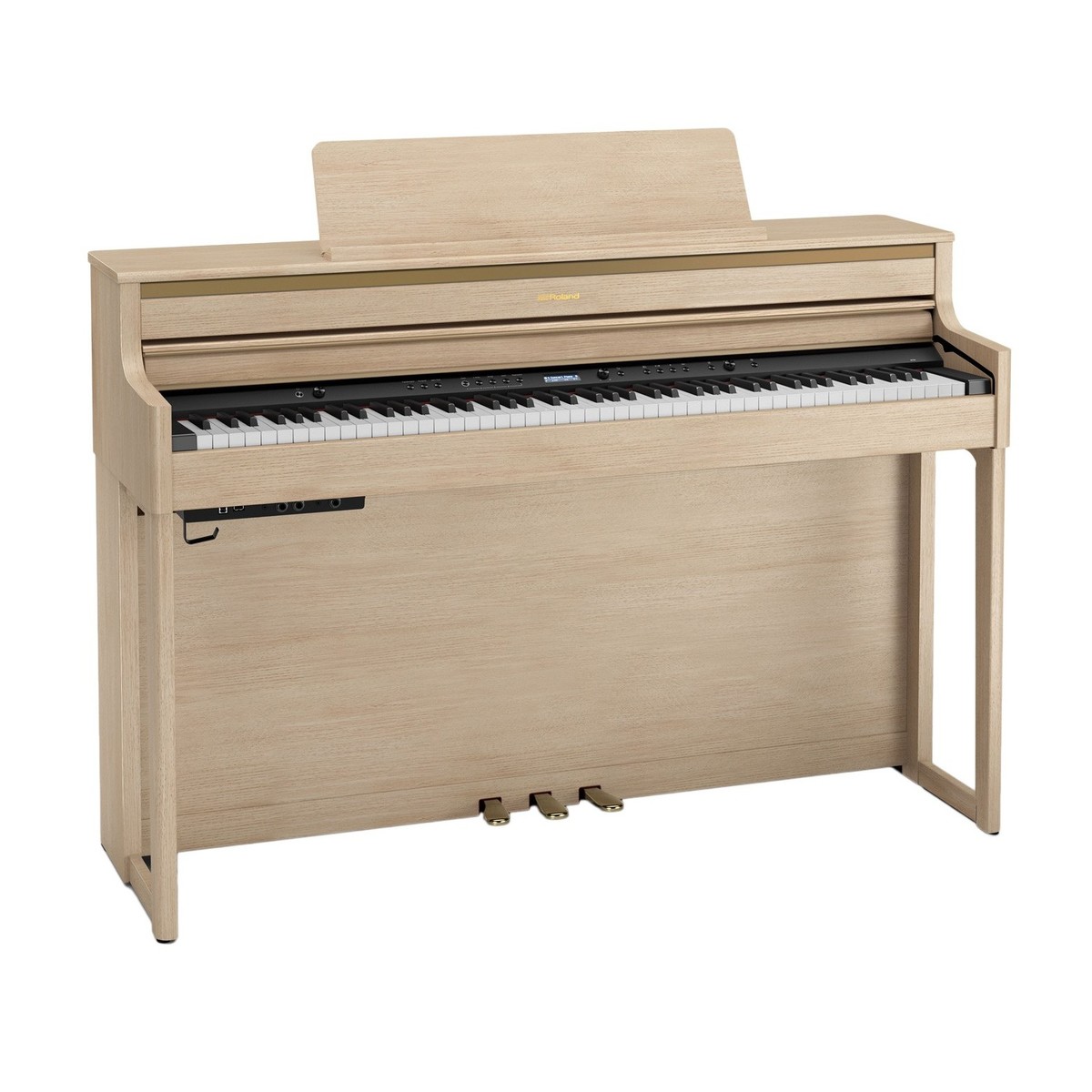
Roland HP704 Digital Piano
The Roland HP704 is a premium-grade digital piano featuring a sophisticated four-speaker Acoustic Projection system and the PHA-50 hybrid keyboard action. It utilizes Roland's proprietary SuperNATURAL Piano Modelling technology to deliver a high-end sound reproduction intended to emulate the experience of a grand piano.

Overview and Design
The Roland HP704 is a stylish upright digital piano designed for home use, available in finishes including Charcoal Black. As a higher-tier model in the HP series, it features an impressive taller cabinet design compared to the entry-level HP702. This height allows for a more traditional aesthetic and houses a sophisticated multi-speaker array. The Charcoal Black finish offers a modern, understated appearance that fits diverse interior decors.
Keyboard Action and Playability
A primary feature of the HP704 is the PHA-50 keyboard. This action is a hybrid construction, combining wooden sides for an authentic feel with durable moulded internal materials. This design aims to provide the tactile response of a traditional acoustic piano while ensuring long-term reliability. The tactile feedback is intended to support expressive performances, catering to players who require a nuanced touch for classical or contemporary repertoire.
Sound Generation and Acoustic Projection
Unlike standard digital pianos that rely on static samples, the HP704 uses Roland's SuperNATURAL Piano Modelling. This technology recreates the complex physical interactions of an acoustic piano in real-time. To project this sound, the instrument employs a four-speaker Acoustic Projection System. These speakers work in pairs to create a spatial sound field, providing a rich near-field experience for the player that mimics the resonance and projection of a grand piano's soundboard.
Features and Connectivity
Beyond its primary piano sounds, the HP704 includes a versatile collection of non-piano voices, diversifying the user's sound palette for different musical genres. The instrument is also compatible with educational resources, occasionally bundled with offers such as three months of access to the Skoove learning platform. Its interface is designed for ease of use, allowing players to navigate between different instrument tones and internal settings efficiently.
Market Comparison
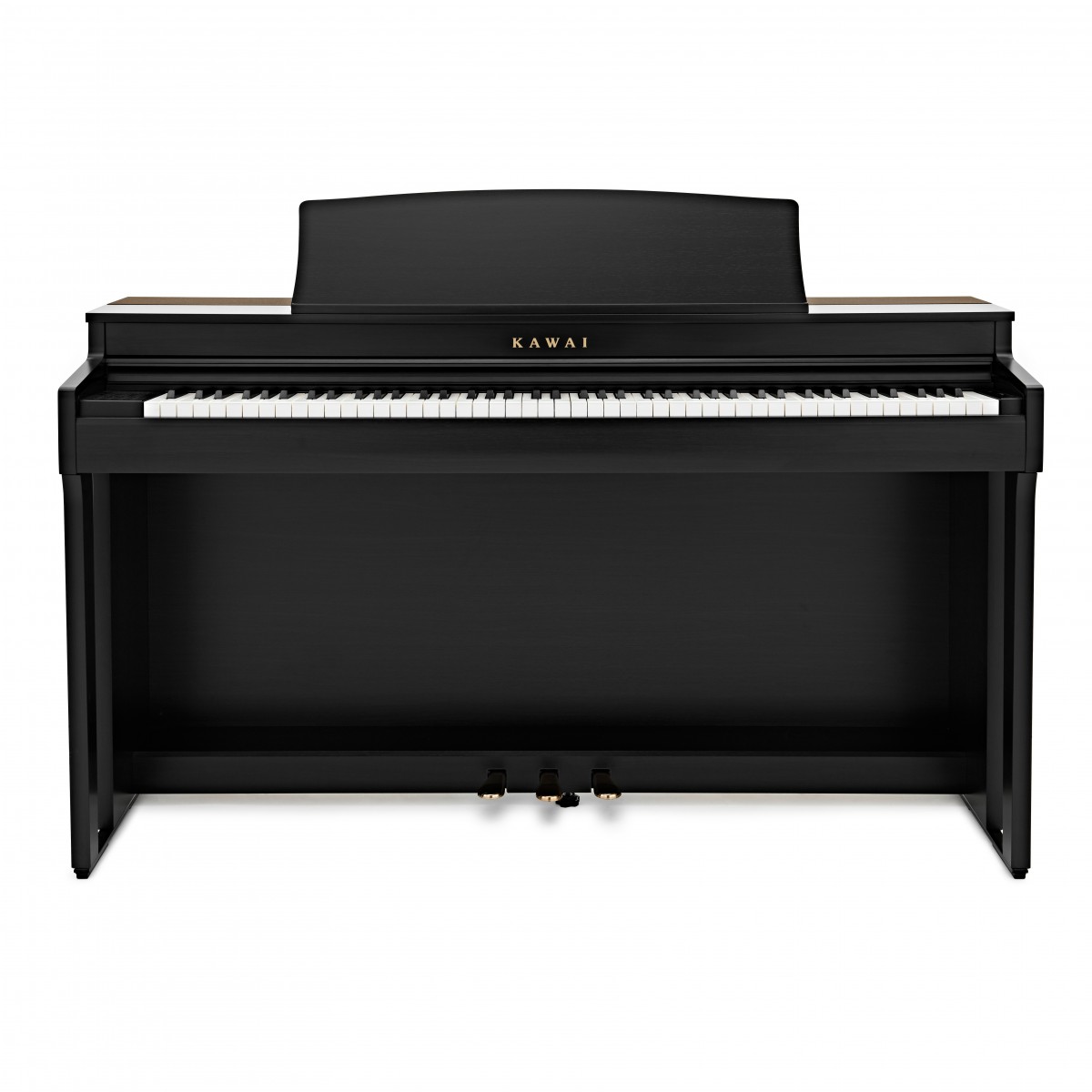
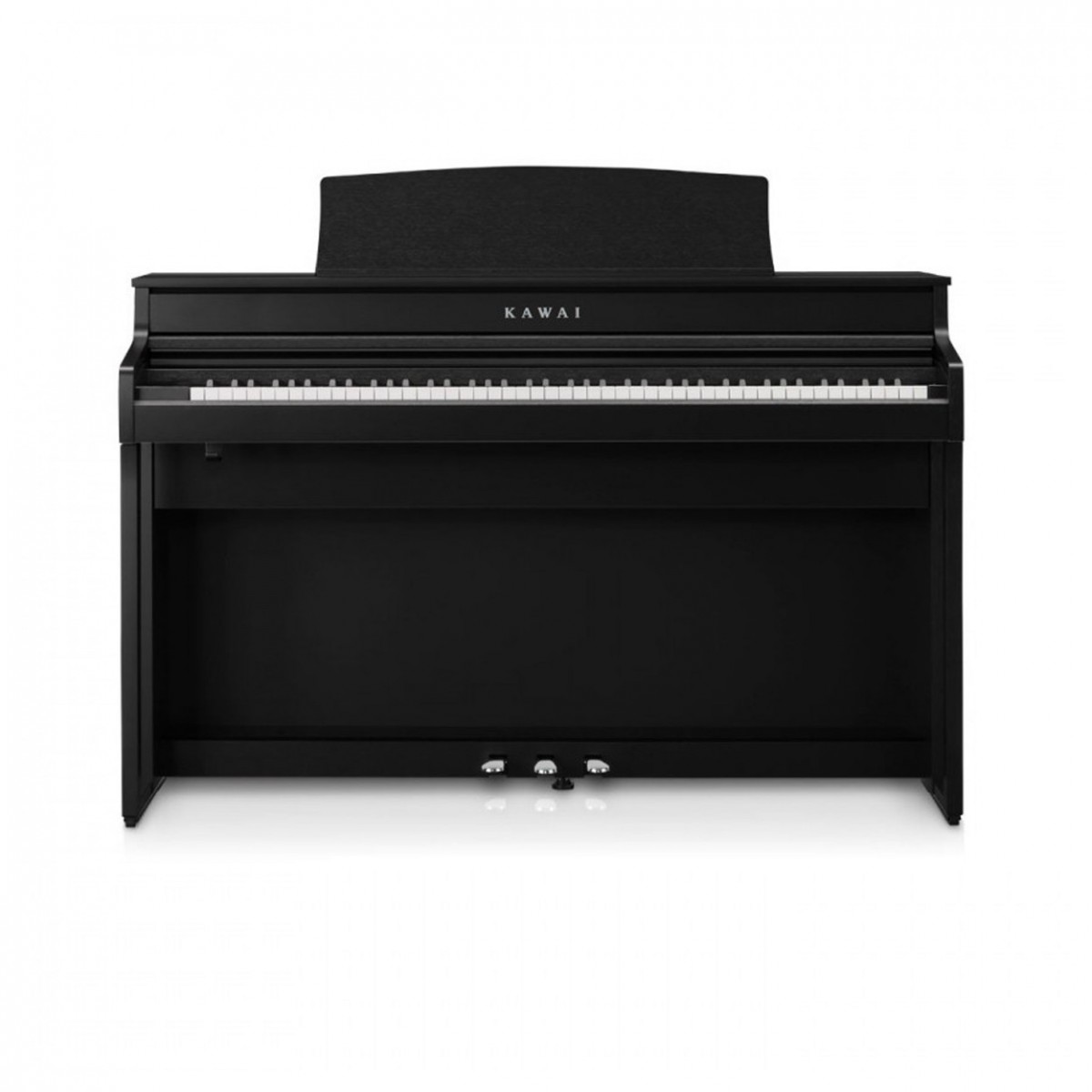
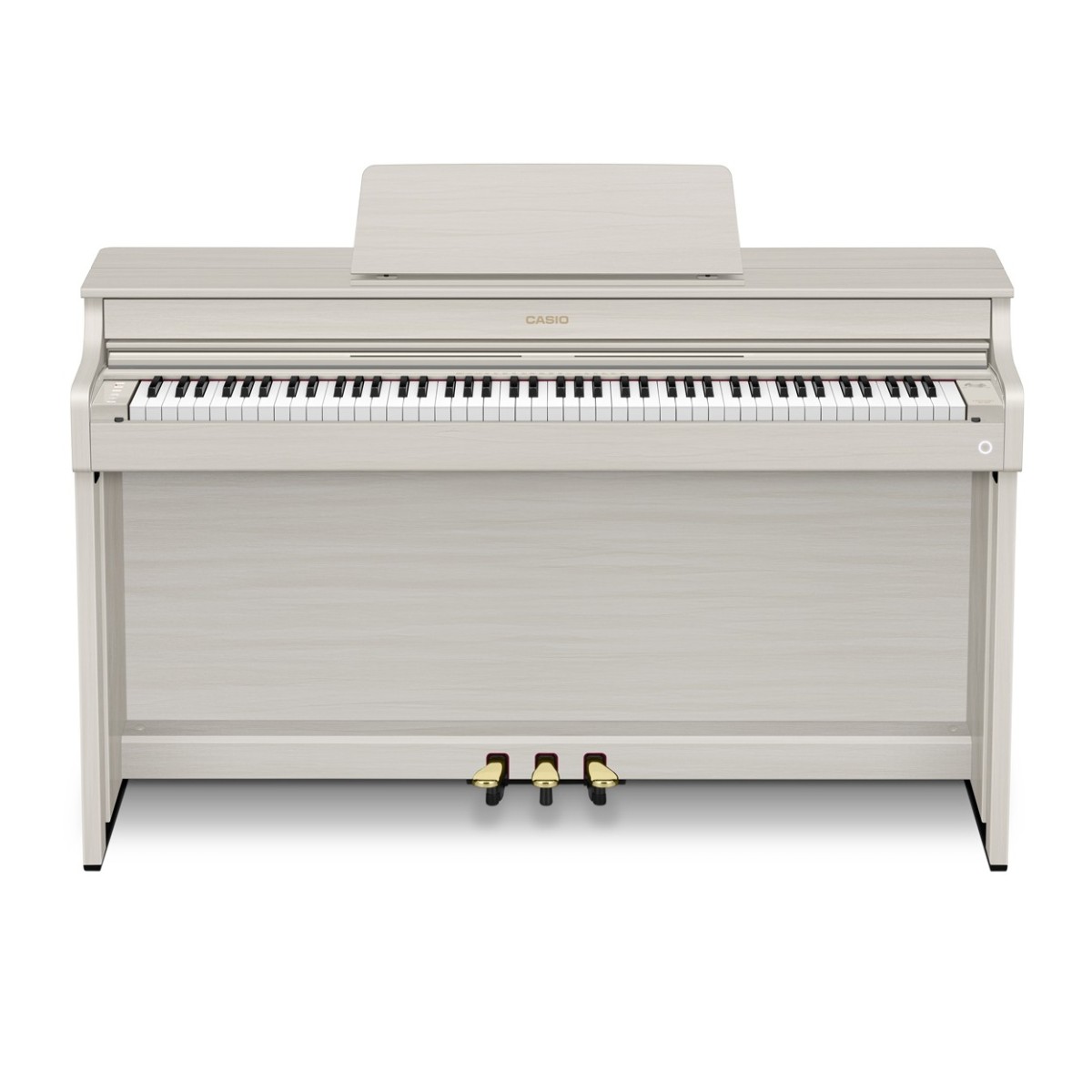
Within the Roland range, the HP704 sits above the RP701 and HP702, offering a superior keyboard action and speaker system. When compared to external competitors, it competes with the Kawai CN301 and the wooden-key CA501. While models like the Kawai CA901 represent the flagship tier, the HP704 provides a mid-to-high level balance of premium features. Other alternatives in the upright digital space include the Casio AP-300 and the G4M HDP-1.
Related gear
 € 2.370,93
Roland
Roland HP704 Digital Piano Light Oak
 € 1.924,65
Kawai
Kawai CN301 Digital Piano Satin Black
 € 2.525,36
Kawai
Kawai CA501 Digital Piano Satin Black
 € 1.205,32
Casio
Casio AP-300 Digital Piano Grey Beige
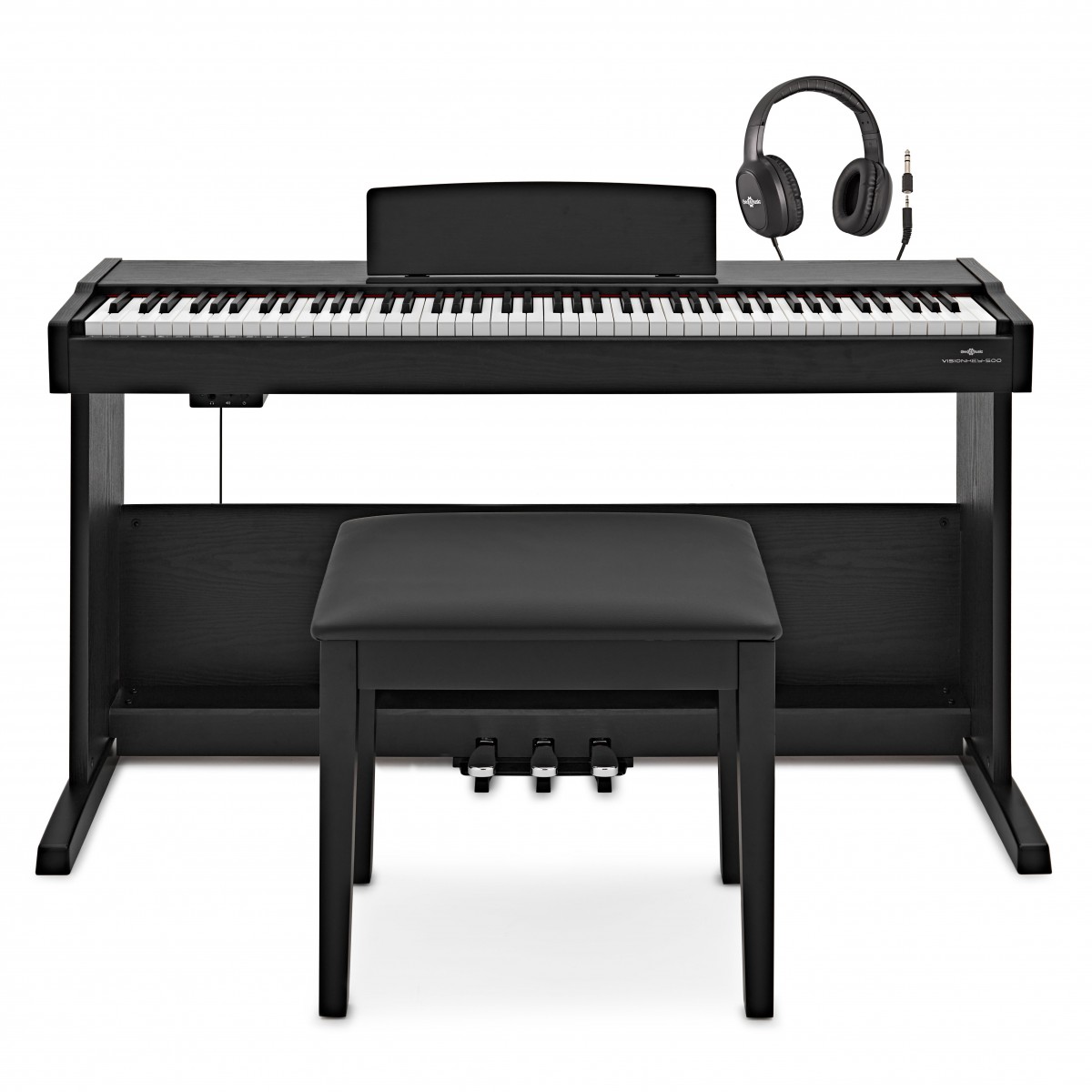 € 388,04
Gear4Music
VISIONKEY-500 Digital Piano Bench Pack Black
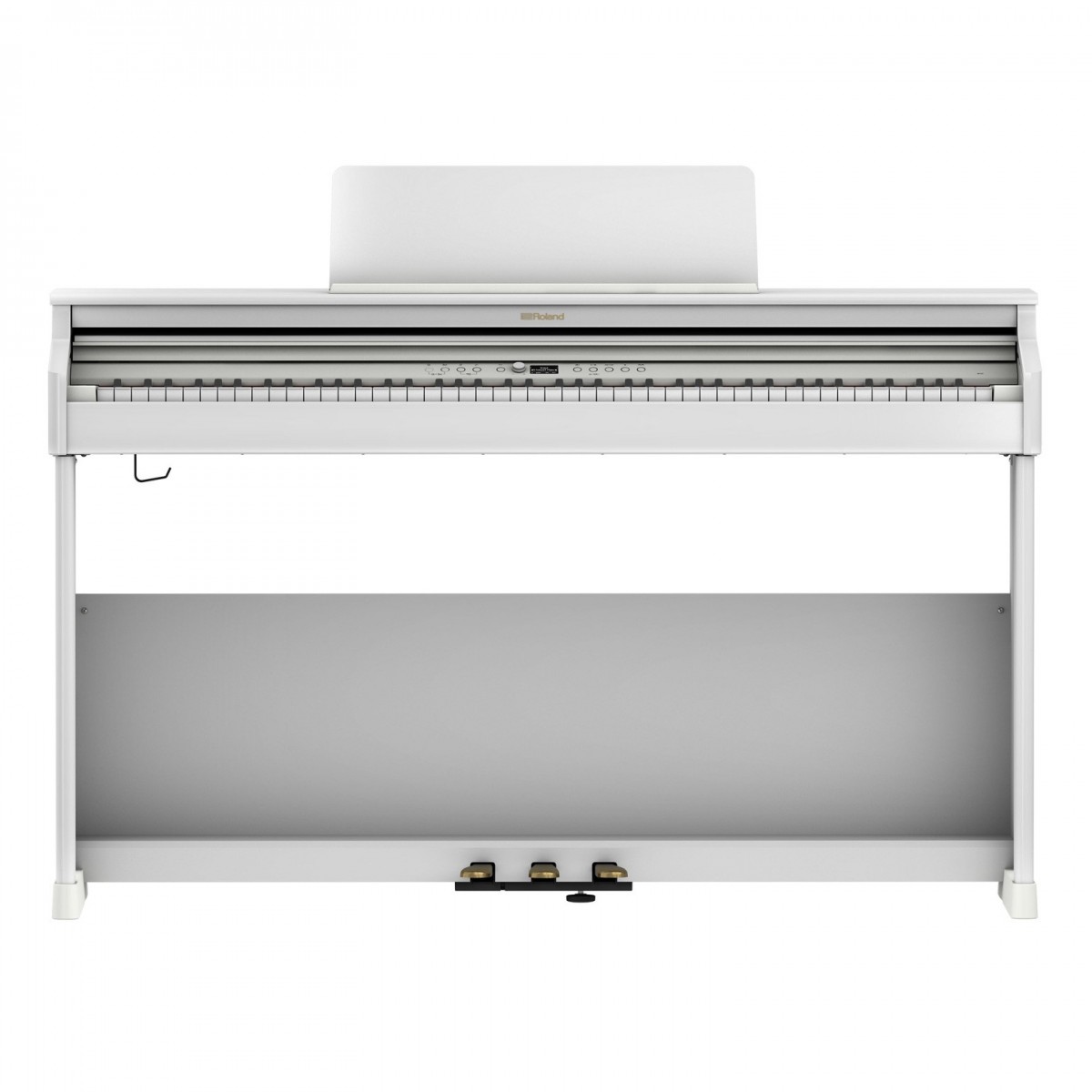 € 1.468,73
Roland
Roland RP701 Digital Piano White
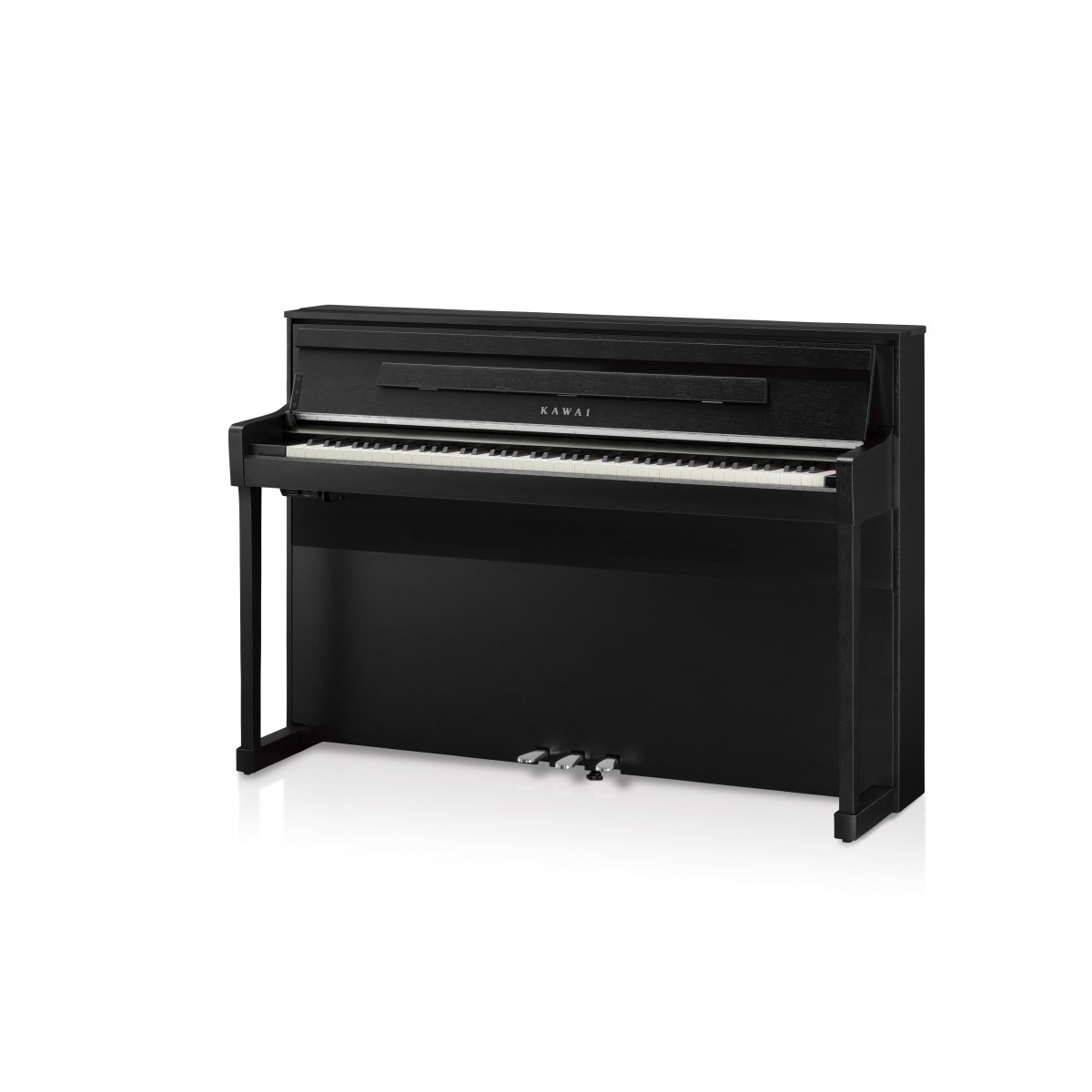 € 3.776,84
Kawai
Kawai CA901 Digital Piano Satin Black
Frequently asked questions
- What is the primary sound engine used in the Roland HP704?
- The HP704 uses Roland's SuperNATURAL Piano Modelling technology. Instead of playing back simple recordings, this engine models the physical components of an acoustic piano to create a responsive and organic sound.
- How does the PHA-50 keyboard differ from standard plastic actions?
- The PHA-50 is a hybrid action featuring wooden sides for a traditional feel and a durable inner core. This combination provides the weight and texture of an acoustic piano while maintaining the stability of modern materials.
- What makes the speaker system on the HP704 unique?
- It features a four-speaker Acoustic Projection System. These speakers are configured to deliver a spatial sound field, simulating how sound naturally emanates from different parts of a grand piano's cabinet.
- Is the Roland HP704 suitable for beginners?
- Yes, it is suitable for players of all levels. Beginners benefit from the authentic touch and high-quality sound, and the piano often includes access to learning tools like Skoove to assist with initial progress.
- How does the HP704 compare to the Roland HP702?
- The HP704 features several upgrades over the HP702, including the premium PHA-50 keyboard action, a four-speaker system instead of two, and a taller, more traditional cabinet design.
- What finish options are available for this model?
- The HP704 is available in several finishes, including Charcoal Black and Light Oak, allowing it to match various home aesthetics.
- Does the HP704 include sounds other than the piano?
- Yes, it offers a versatile collection of non-piano sounds. These additional tones allow players to explore different musical styles beyond traditional classical or jazz piano.
- What is the typical price range for the HP704?
- The typical price for the Roland HP704 is approximately £2,016, though this may vary slightly depending on the retailer and specific bundles included.
- How does the HP704 compare to Kawai digital pianos?
- The HP704 is often compared to the Kawai CN301 and CA501. While Kawai is known for its specific sampling and action feel, the Roland offers SuperNATURAL modelling and the distinct PHA-50 hybrid action.
- Does the cabinet design affect the sound?
- Yes, the taller cabinet design of the HP704 is not only aesthetic but also functional. It provides more space for the Acoustic Projection speaker system to create a richer and more immersive sound.
- What is Skoove, and how does it relate to the HP704?
- Skoove is an online piano learning platform. Roland sometimes offers a limited-time special offer of three free months of access to Skoove with the purchase of an HP704 to help users develop their skills.
- Is the Charcoal Black finish a matte or gloss finish?
- The Charcoal Black finish is a sophisticated, dark wood-grain style finish. It provides a premium, contemporary look without the high-maintenance reflective surface of a polished ebony.
Sources
Last updated: