
Gear article
Behringer PP400 Microphono Phono Preamp
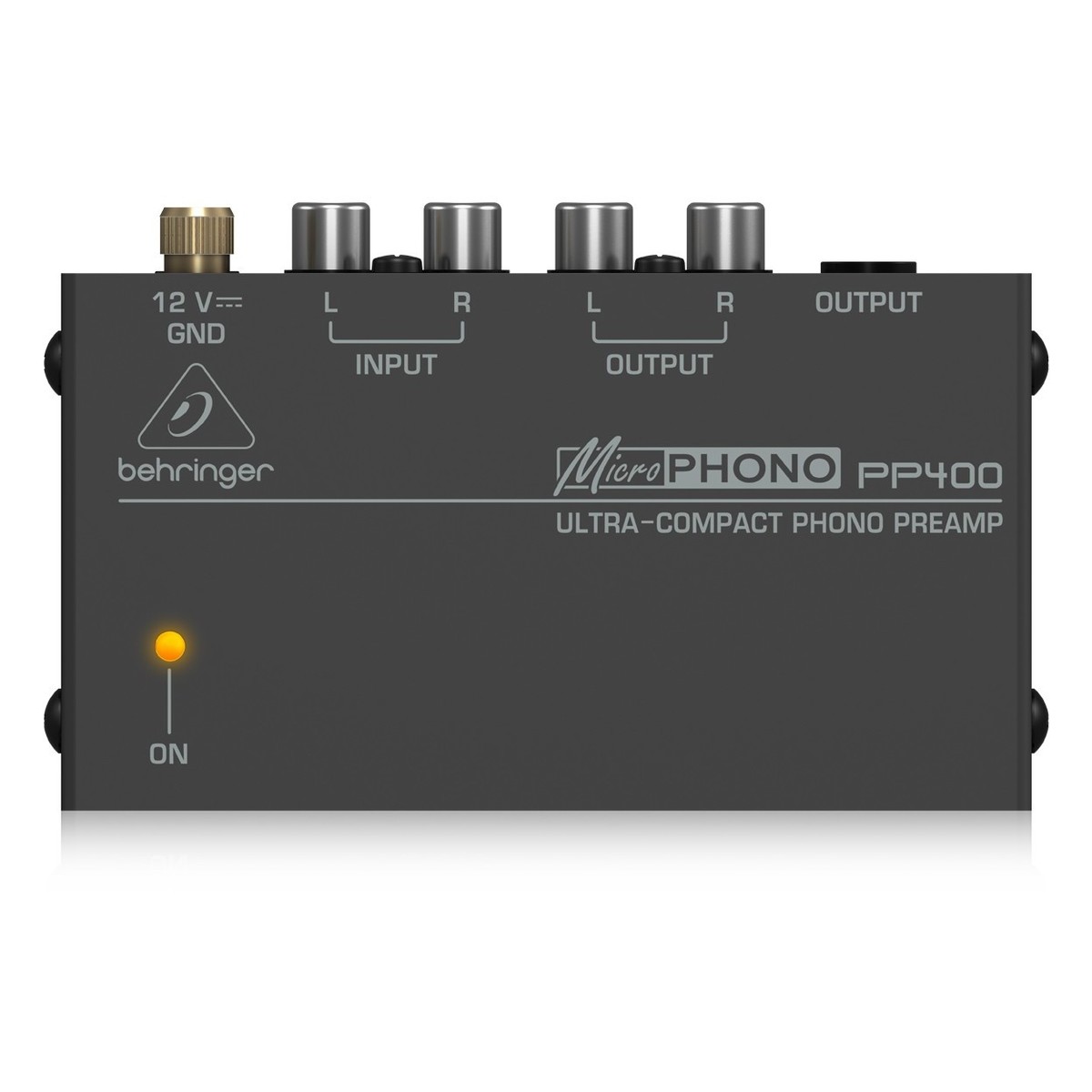
The Behringer PP400 Microphono is an ultra-compact phono preamplifier designed to convert turntable-level signals to line-level audio. It provides an affordable solution for connecting vinyl players to modern sound systems, ensuring the warm tone and rich audio quality of records is preserved during amplification.
Overview
The Behringer PP400 Microphono is a dedicated phono preamplifier designed for the specific purpose of boosting low-output turntable signals to a standard line-level signal. Because vinyl records are mastered with a specific frequency curve (RIAA equalisation), a standard amplifier input lacks both the gain and the frequency correction required to play them correctly. The PP400 bridges this gap, allowing vinyl players to be used with home stereos, mixers, or powered speakers that lack a dedicated phono input.
Key Features and Design
The PP400 is defined by its simple, utilitarian design. It features a compact metal housing that occupies a minimal footprint in a home audio setup. Connectivity is straightforward, consisting of standard RCA inputs for the turntable and both RCA and 1/4" TRS outputs for the receiving device. This dual-output configuration allows the device to interface easily with both consumer hi-fi equipment and professional studio gear. A dedicated ground screw is included to prevent 60Hz hum common in vinyl playback.
Sound Character
Behringer describes the PP400 as a 'noiseless' solution for record playback. Its primary acoustic goal is to maintain the inherent warmth and rich audio quality associated with vinyl. By providing a clean gain stage and accurate RIAA equalisation, it compensates for the low-frequency attenuation and high-frequency boost used during the record cutting process, delivering the audio as it was intended to be heard.
Target Audience
This preamplifier is ideally suited for casual listeners and home audio enthusiasts who are looking to integrate an older or entry-level turntable into a modern audio system. Its extremely low price point makes it an accessible entry-level choice for those who do not require the advanced features found in high-end audiophile preamps. It is a functional tool for those looking to 'rediscover' their record collection without significant financial investment.
Market Context
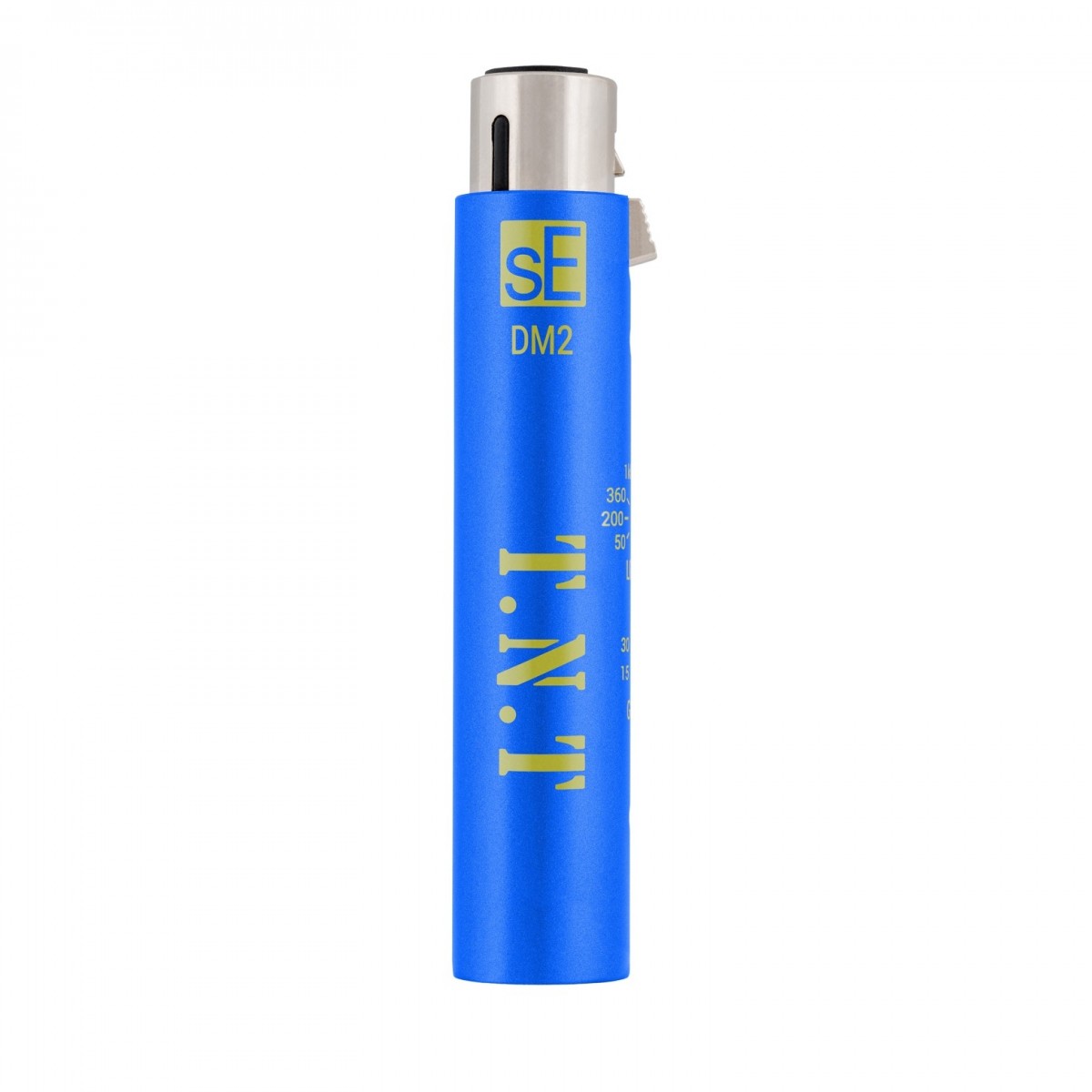
While Behringer produces more complex professional hardware, such as the 1273 2-Channel Mic Preamp and EQ, the PP400 occupies the budget-friendly end of the utility preamp spectrum. Unlike active inline preamps like the sE Electronics DM2 TNT or valve-based units like the Vox Valvenergy Tone Sculptor, the PP400 is a fixed-purpose device aimed strictly at phono-to-line conversion rather than creative tonal shaping or microphone boosting.
Related gear
- £379.00 ($481)
Fortin
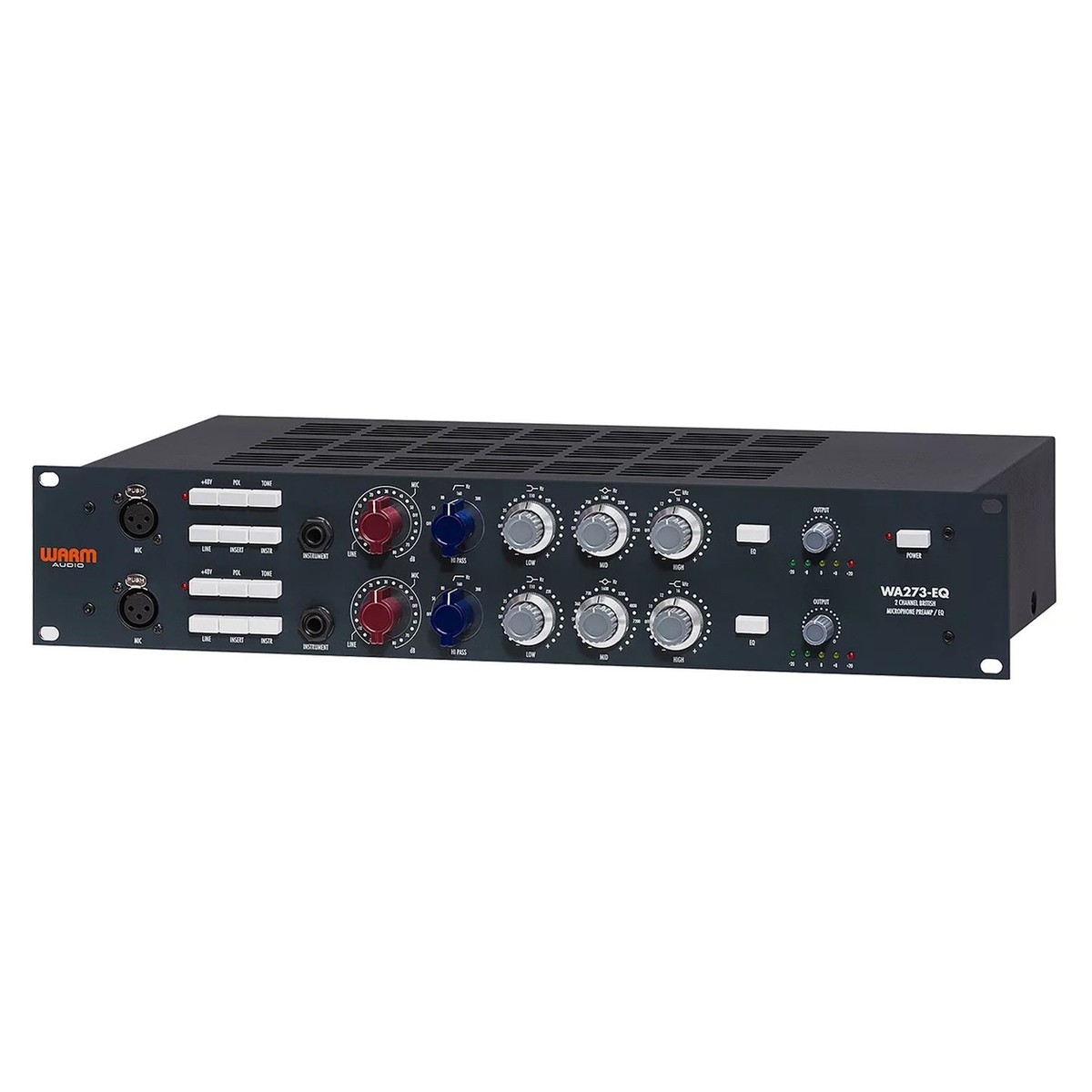
Fortin Meshuggah Signature Pre-Amp Distortion
 £1,165.00 ($1,480)
Warm Audio
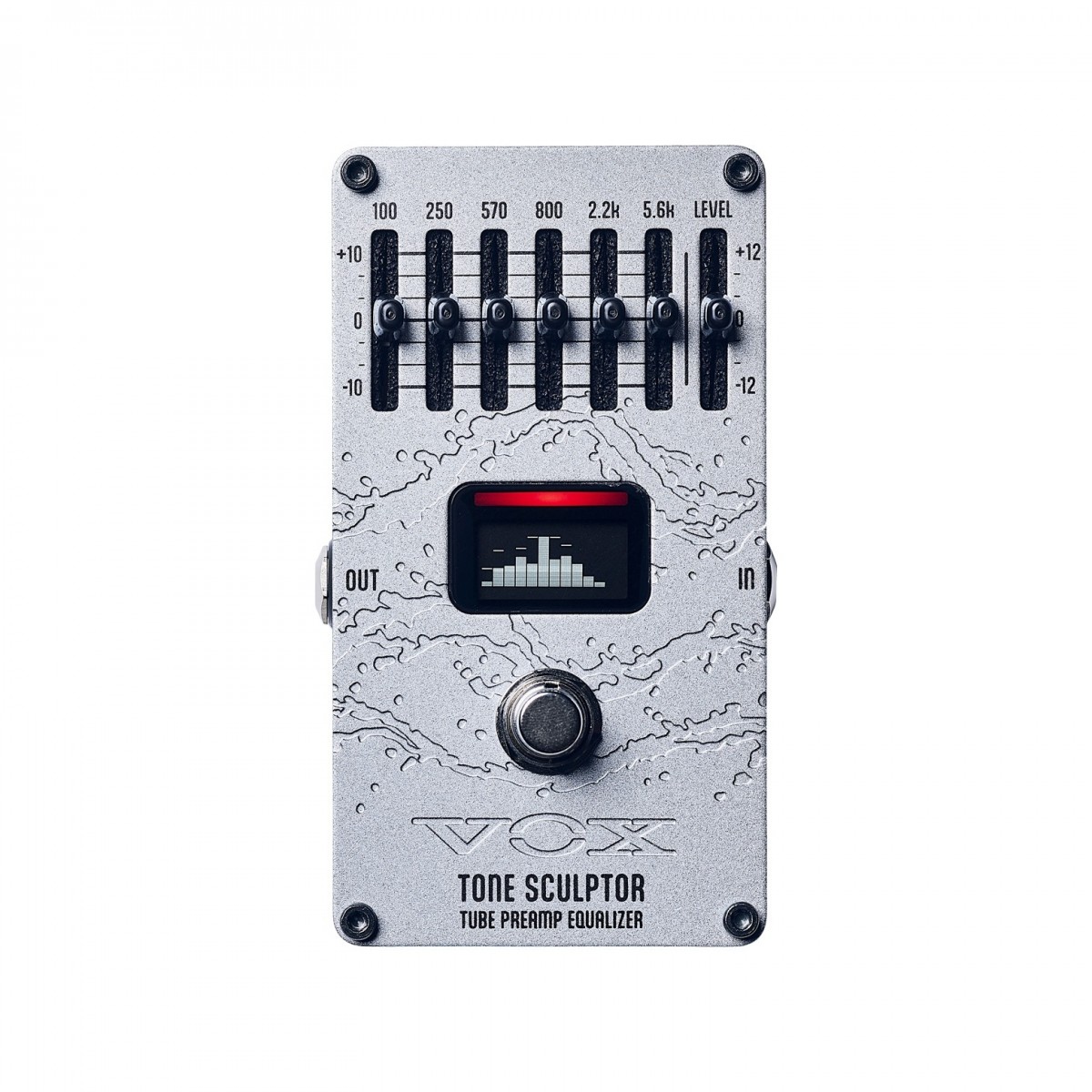
Warm Audio WA273-EQ 2-Channel Microphone Preamp with EQ
 £129.00 ($164)
Vox
Vox Valvenergy Tone Sculptor Tube Preamp Equalizer Pedal
 £64.99 ($83)
TritonAudio
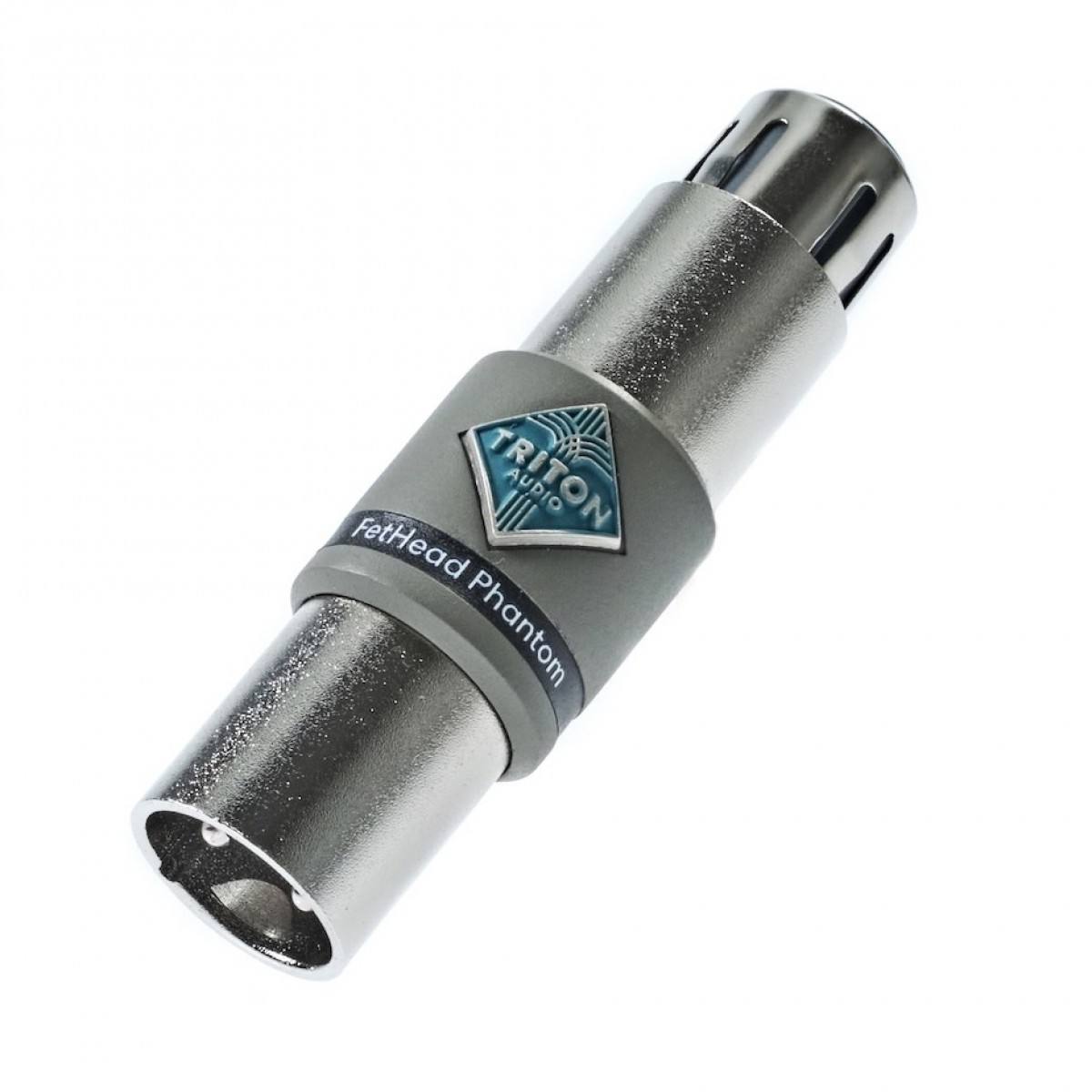
TritonAudio FetHead Phantom Preamp for Condenser Microphones
 £159.00 ($202)
Peavey
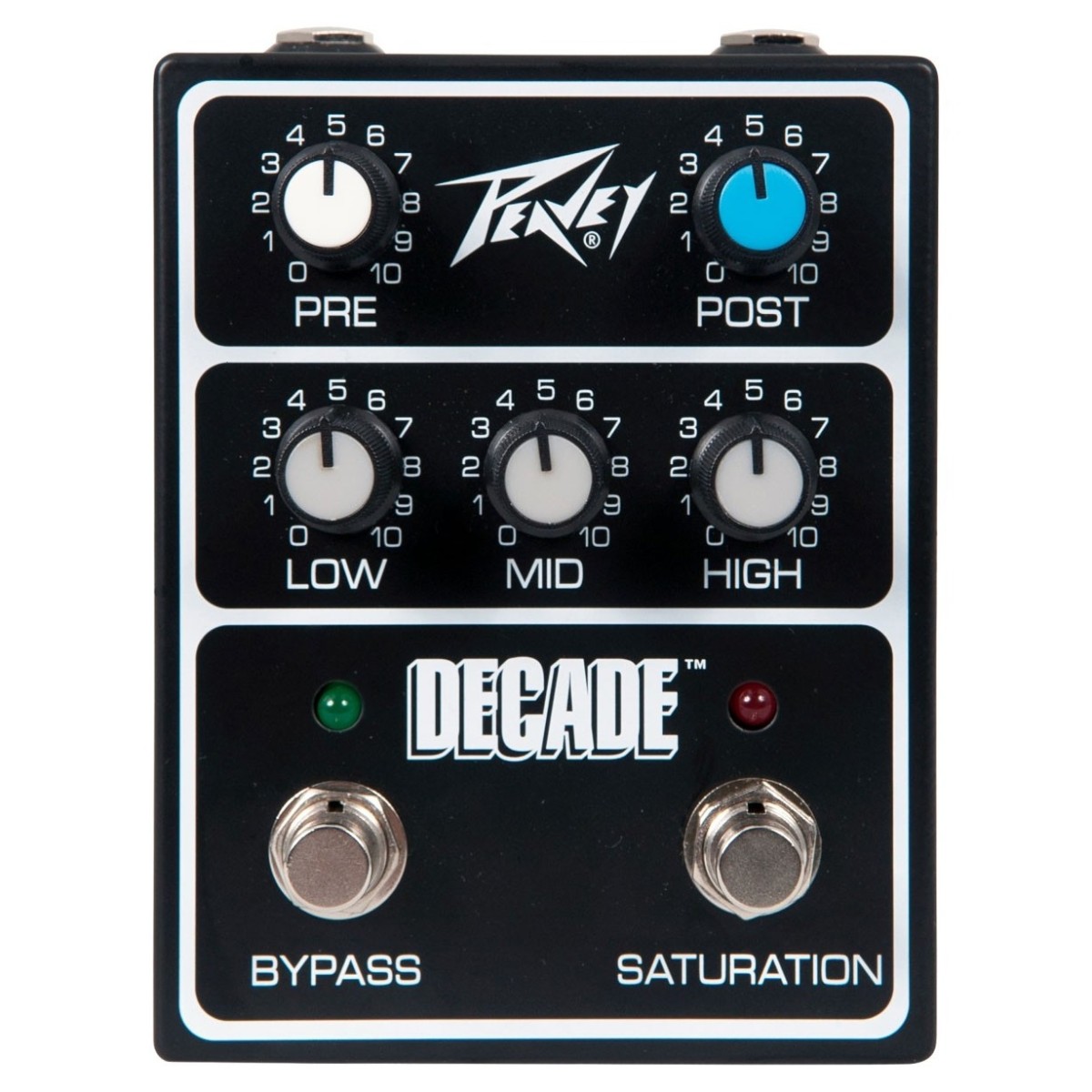
Peavey Decade Preamp Pedal
 £90.10 ($114)
sE Electronics
sE Electronics DM2 TNT Active Inline Preamp
 £149.00 ($189)
Boss
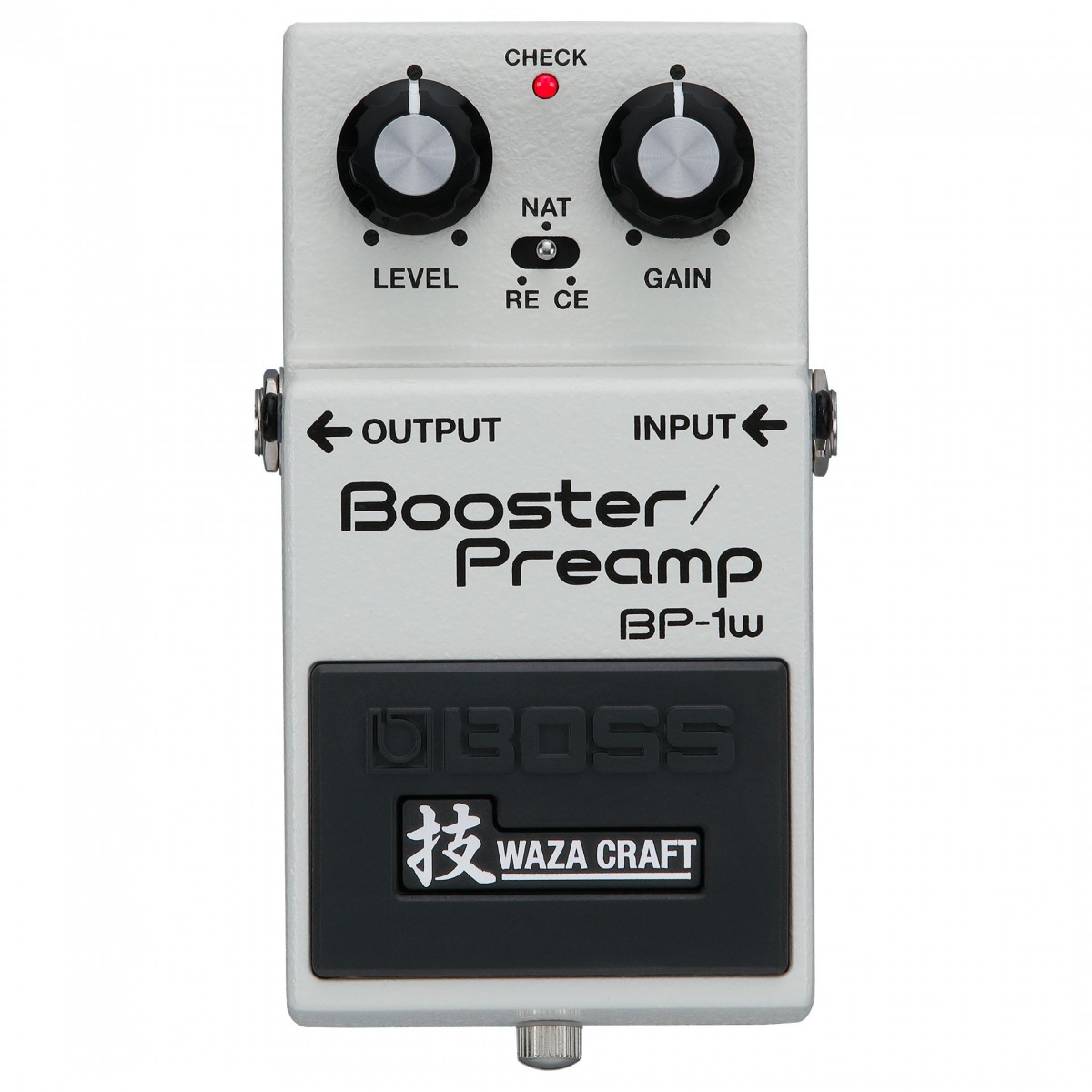
Boss BP-1W Waza Craft Booster/Preamp Pedal
Frequently asked questions
- What is the primary purpose of the Behringer PP400?
- The PP400 is designed to convert phono-level signals from a turntable into line-level signals. This allows a turntable to be connected to amplifiers, mixers, or speakers that do not have a dedicated phono input.
- Does the PP400 work with any turntable?
- It works with most standard turntables that use a Magnetic Phono cartridge. It is specifically designed to handle the low-output signals typical of vinyl playback hardware.
- What kind of power does the PP400 require?
- The unit typically requires an external 12V DC power supply, which is standard for compact Behringer utility pedals and preamps. This ensures it has the necessary power to boost the low-level signal without adding battery-related noise.
- Can I connect microphones to the PP400?
- Despite being called a 'Microphono', it is strictly for turntable phono signals and is not compatible with microphones. For microphone preamplification, products like the Behringer 1273 or TritonAudio FetHead would be appropriate.
- What output connections are available on the PP400?
- The device features both RCA outputs and a 1/4" TRS stereo output. This allows for flexible connection to home stereo systems or professional audio mixers.
- Does the PP400 include RIAA equalisation?
- Yes, it applies the necessary RIAA equalisation curve required to restore the correct frequency balance to vinyl records. Without this, the audio would sound thin and lack bass.
- How does the PP400 compare to the Boss BP-1W?
- The PP400 is a dedicated vinyl phono preamp, whereas the Boss BP-1W is a booster/preamp pedal designed for guitarists. They serve entirely different purposes and operate at different signal levels.
- Is the PP400 suitable for professional studio use?
- It is primarily a consumer-grade utility device. While it can be used in a studio to sample records, professional studios might opt for higher-end units like the Warm Audio WA273-EQ for more complex signal processing.
- What is the typical price for a Behringer PP400?
- The PP400 is a very affordable device, typically retailing for approximately £13. This makes it one of the most accessible phono preamps on the market.
- Does it have a ground connection?
- Yes, the PP400 includes a ground screw terminal. This is essential for connecting the grounding wire from a turntable to eliminate unwanted 60Hz mains hum.
- Is the chassis made of metal or plastic?
- The PP400 features a compact metal chassis. This provides durability and helps shield the internal circuitry from electromagnetic interference.
- Can it be used to convert digital signals to analog?
- No, the PP400 is a purely analog device. It converts low-voltage analog signals from a turntable into higher-voltage analog line-level signals.