Gear article
Conn 88HCL Thin Wall Tenor Trombone
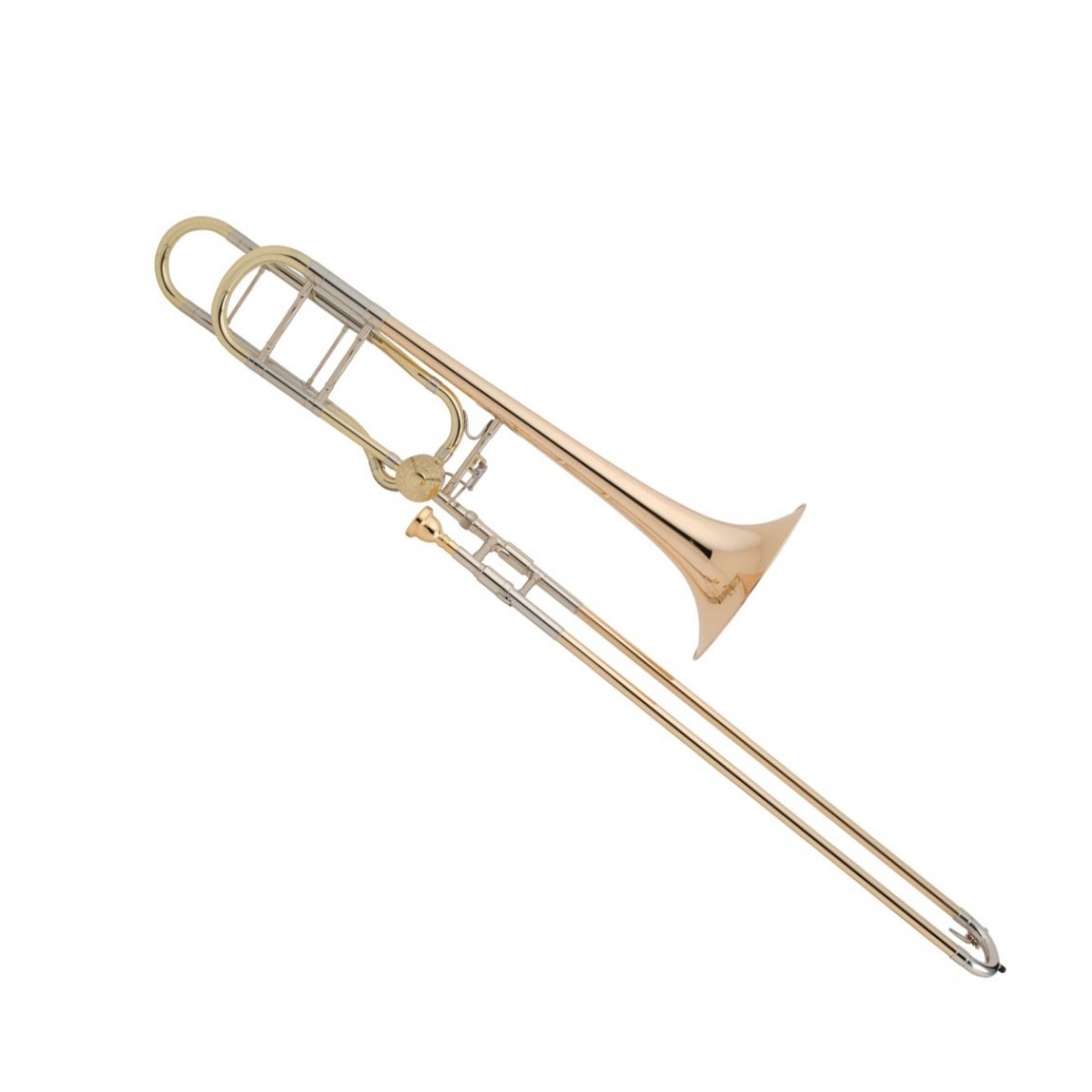
The Conn 88HCL Thin Wall is a professional-grade orchestral tenor trombone featuring a Lindberg rotary F attachment and a rose brass bell. Designed for advanced students and professional musicians, it combines a wide bore construction with a thin-wall design to provide a versatile tonal palette and superior projection across all dynamic ranges.
Overview
The Conn 88HCL Thin Wall represents a specialised refinement of the legendary 88H series. As a professional-standard orchestral instrument, it is engineered to meet the demands of symphonic performance and complex solo literature. The 'Thin Wall' designation refers to the specific gauge of the bell material, which allows for increased resonance and a faster response compared to standard-weight models.
The instrument is characterised by its rose brass bell, which is known for producing a warmer, more complex sound than yellow brass. This construction, paired with a wide bore, enables the player to project effectively in large concert halls while maintaining a rich, blended tone in softer passages.
Technical Features and Mechanics
Central to the 88HCL's design is the open-wrap construction of the F attachment. Unlike traditional closed-wrap designs, the open configuration reduces air resistance and creates a feel that is more consistent with the B-flat side of the instrument. The rotary valve allows for alternative slide positions and extends the instrument's lower register.
The slide action is facilitated by chrome-plated inner slides, which provide a smooth and effortless movement essential for fast technical passages. The wide bore size ensures that the instrument can handle large volumes of air, supporting a massive sound without distorting the pitch or tone quality.
Sound and Character
The 88HCL is noted for its wide palette of tonal colours. The rose brass bell contributes a dark, symphonic core that is ideal for orchestral blending. However, the thin-wall construction adds a level of responsiveness that allows the instrument to 'cut through' when required for solo performance. This balance of even resistance and clarity makes it a highly flexible tool for the modern trombonist, capable of handling everything from delicate chamber music to powerful orchestral tuttis.
Suitability and Market Position
This instrument is positioned at a premium price point, typically retailing for approximately £5,135. It is specifically intended for advanced students pursuing higher education in music and professional orchestral players. While it offers the flexibility needed for solo work, its primary home is in the brass section of a symphony orchestra or wind ensemble. When compared to intermediate models like the Conn 52H, the 88HCL offers superior materials and the refined Lindberg valve system.
Related gear
- £9.99 ($13)
Gear4Music
Coppergate 11C Trombone Mouthpiece by Gear4music
 £95.80 ($122)
Denis Wick
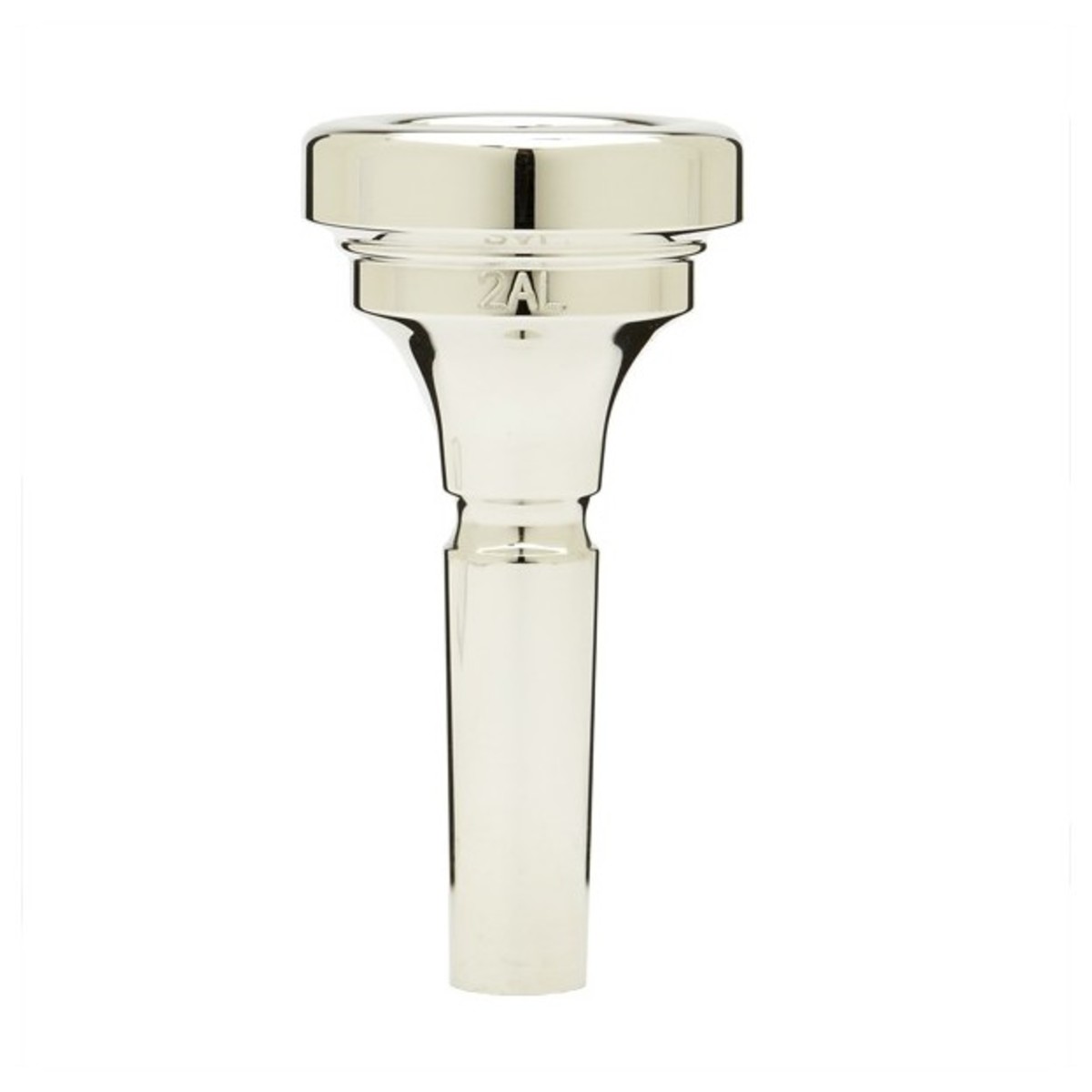
Denis Wick Classic Bass Trombone Mouthpiece 2AL Silver Plated
 £249.00 ($316)
Denis Wick
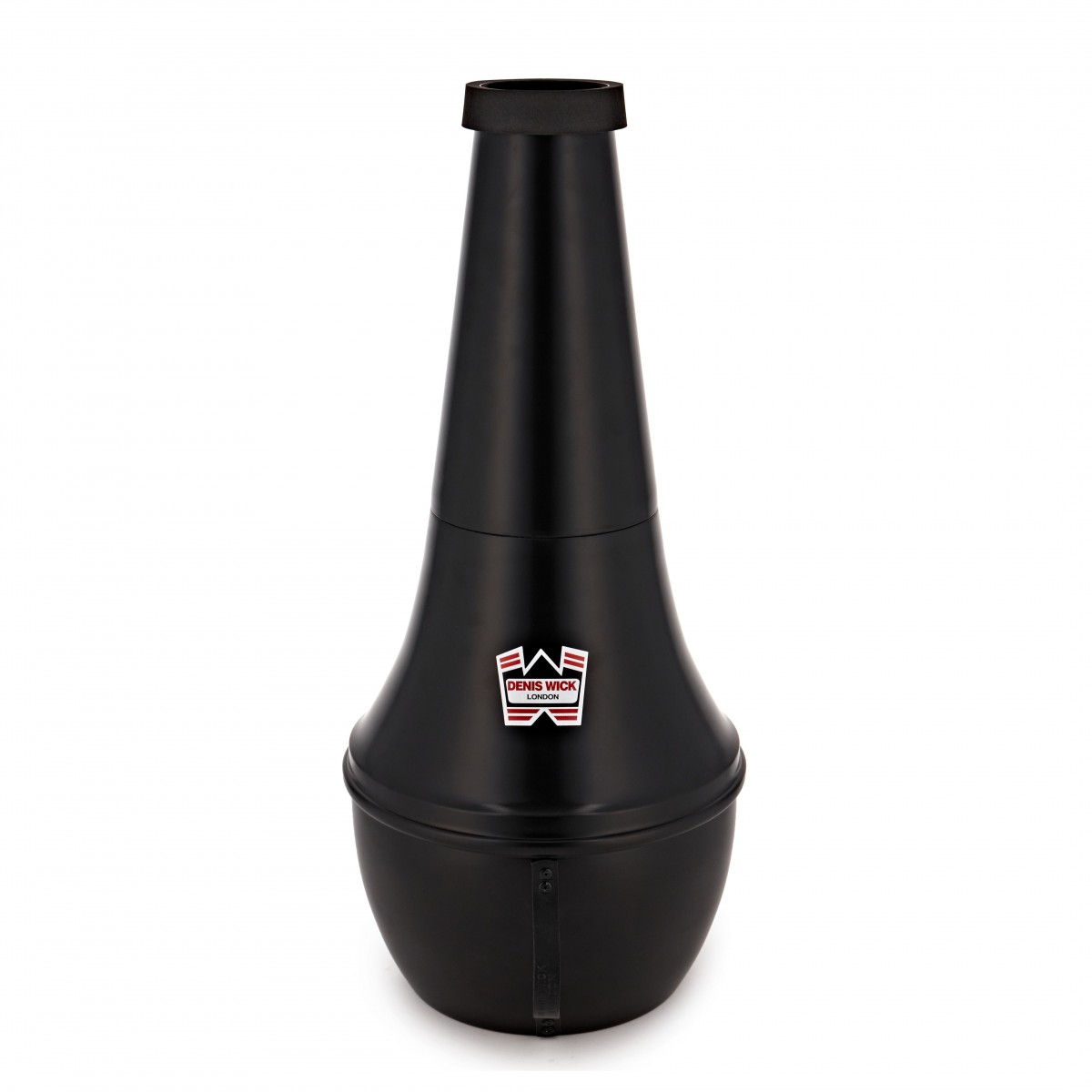
Denis Wick Tuba Practice Mute
 £69.00 ($88)
Neotech
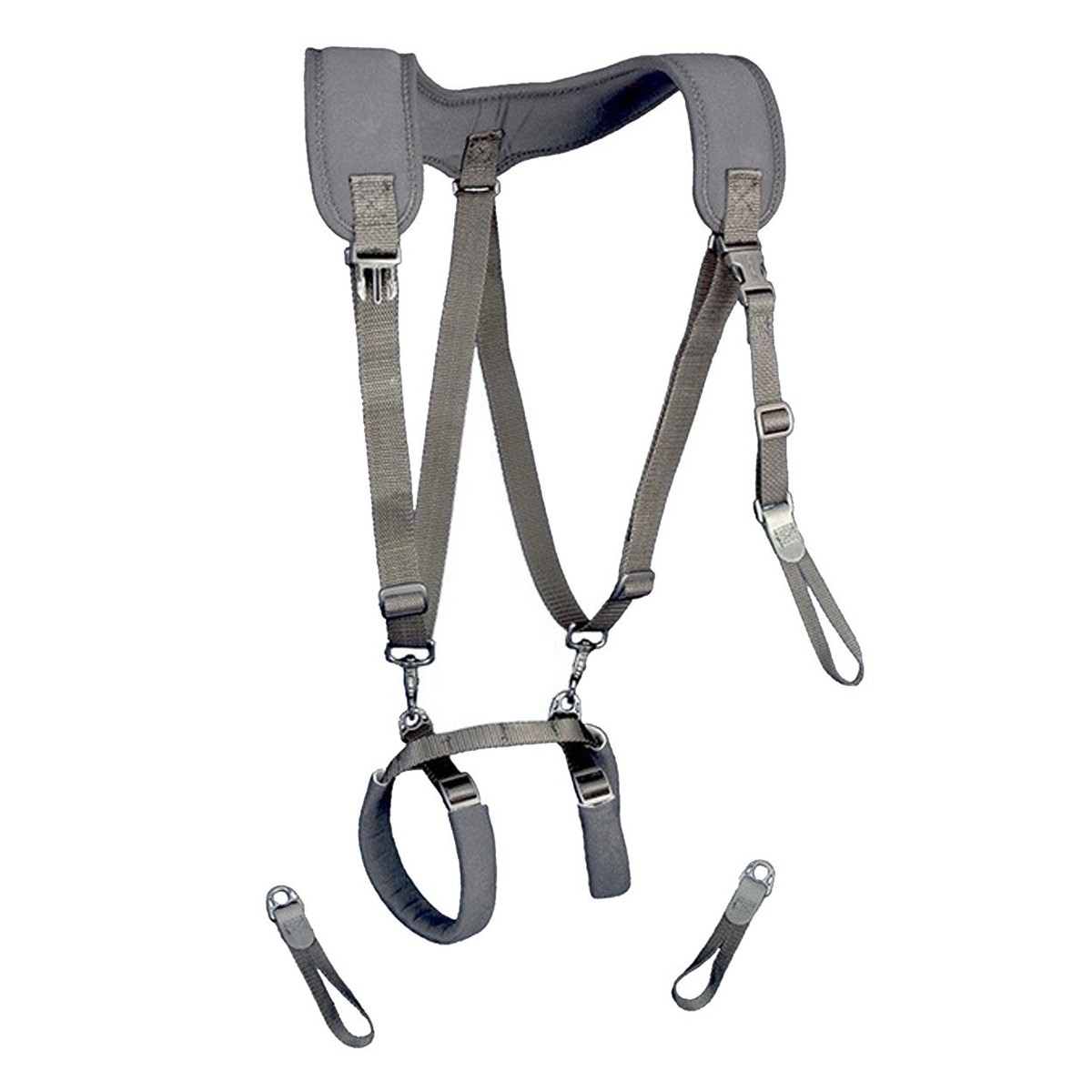
Neotech Tuba Harness XL Black
 £249.00 ($316)
Grassi
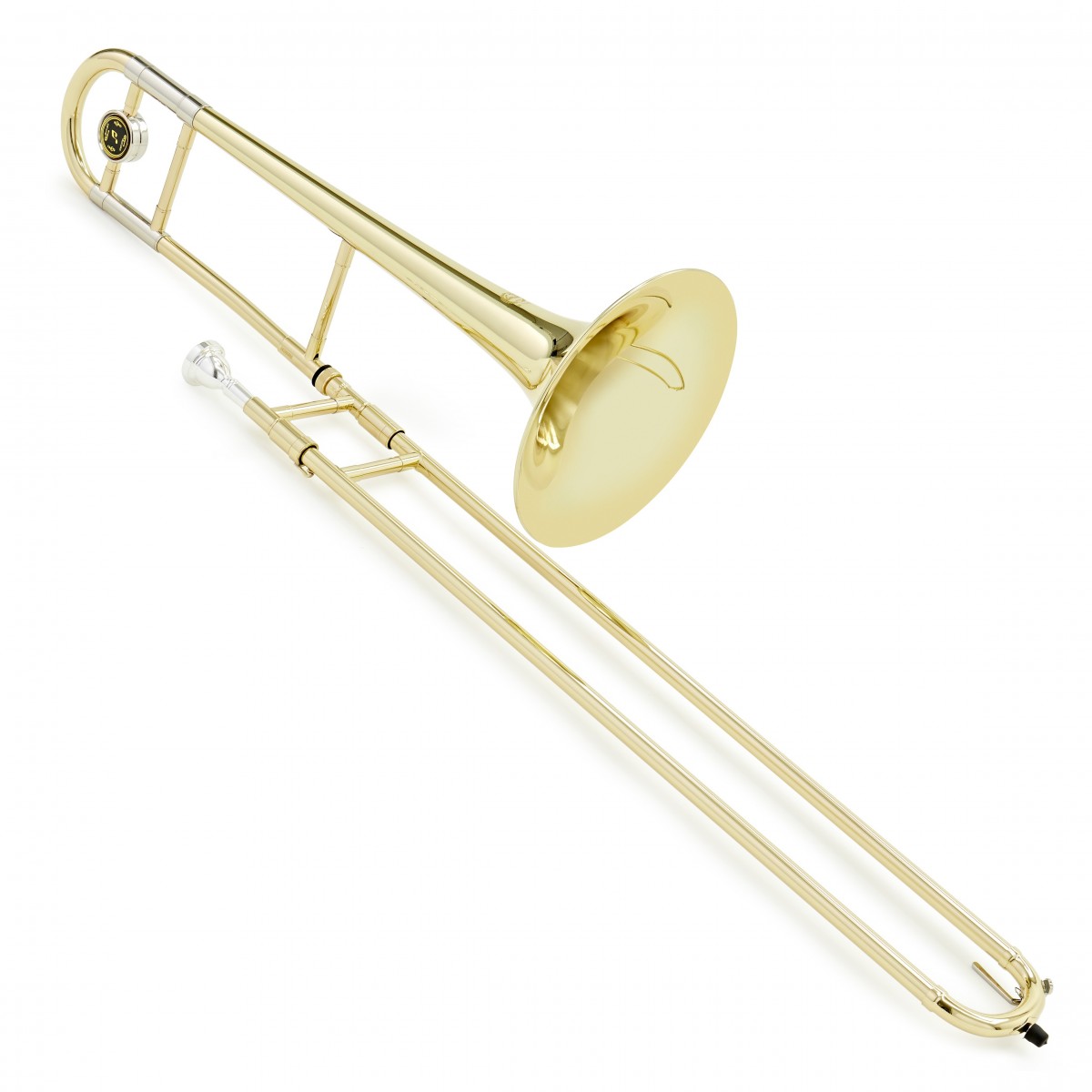
Grassi STB850 School Series Tenor Trombone
 £3,480.00 ($4,420)
Conn
Conn 52H Bb/F Tenor Trombone Dual Bore
 £120.00 ($152)
Bach
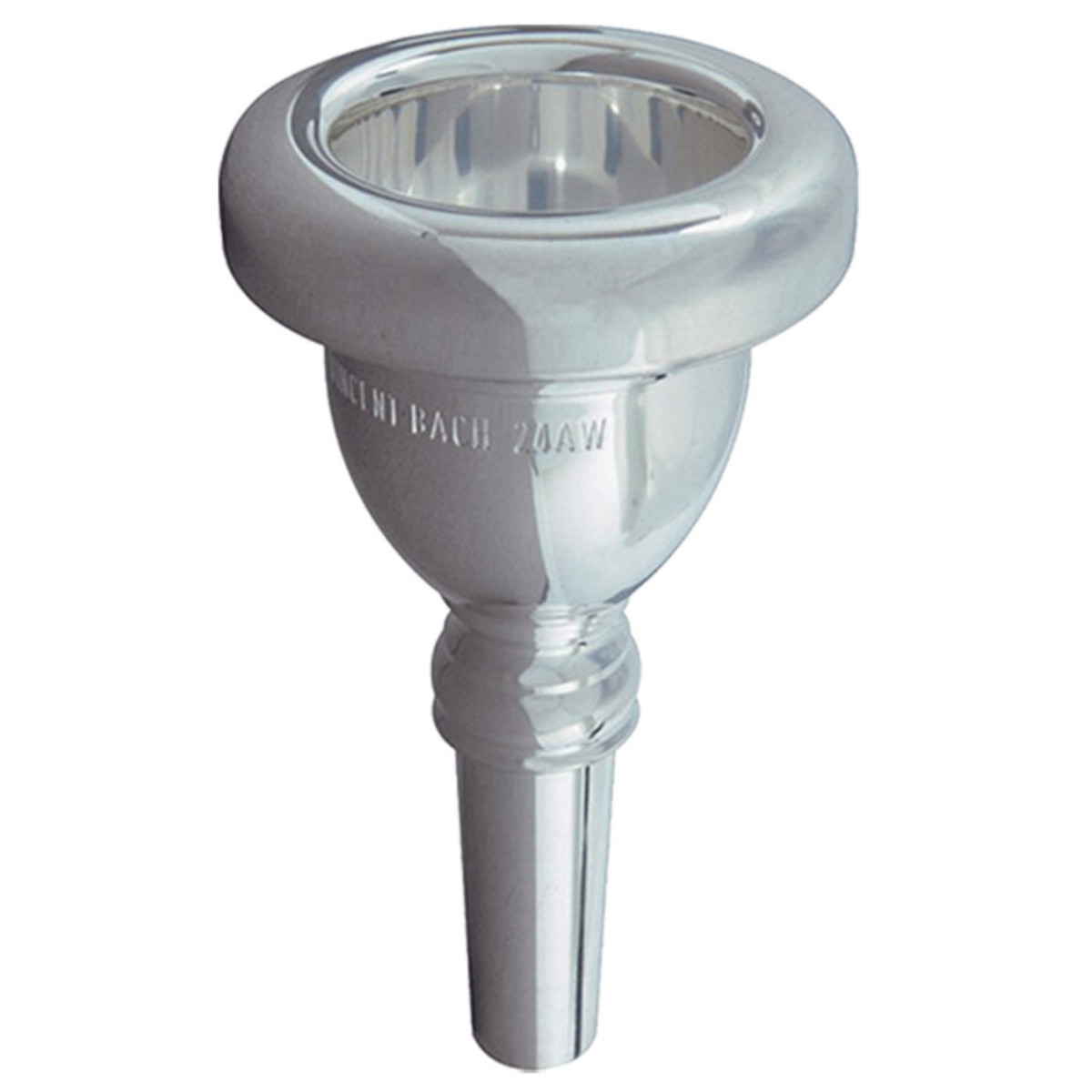
Bach Classic Tuba Mouthpiece 12 Silver Plated
 £3,245.00 ($4,121)
Conn
Conn 34H Alto Trombone
Frequently asked questions
- What is the primary difference between the 88HCL and a standard 88H?
- The 88HCL features the specialized Lindberg rotary valve system and a 'Thin Wall' bell construction. This design focuses on providing a more resonant, responsive feel and a clearer transition between the Bb and F sides of the instrument.
- What material is the bell made from?
- The bell is made from rose brass. This material has a higher copper content than yellow brass, which typically results in a warmer, darker, and more complex tonal character.
- What is meant by 'Open Wrap' construction?
- Open wrap refers to the F attachment tubing having fewer tight bends compared to a traditional closed wrap. This results in less air resistance and a more open, free-blowing feel when using the trigger.
- Is the Conn 88HCL suitable for beginners?
- No, this is a professional-grade instrument designed for advanced students and professionals. Beginners would likely find the wide bore and professional resistance levels difficult to manage and should consider student models instead.
- What type of inner slide does the 88HCL use?
- It features chrome-plated inner slides. This finish is specifically chosen for its durability and its ability to provide a smooth, fast, and effortless slide action.
- How does the thin wall bell affect the sound?
- A thin wall bell vibrates more easily than a standard weight bell. This provides the player with more immediate feedback, a faster response time, and a broader range of tonal colours at different dynamics.
- What is the typical price for a new Conn 88HCL?
- The instrument typically retails for approximately £5,135. This price reflects its status as a premium, professional-standard orchestral instrument manufactured with high-grade materials.
- Can the 88HCL be used for solo performances?
- Yes, while designed for orchestral use, its responsive thin-wall bell and wide tonal palette allow it to cut through musical textures, making it excellent for complex solo passages.
- What is the benefit of the wide bore size?
- A wide bore allows for a greater volume of air to pass through the instrument. This supports a larger, more powerful sound and better projection, which is essential for professional orchestral playing.
- How does the rose brass bell compare to yellow brass bells?
- Rose brass offers a darker and warmer sound profile. Yellow brass is generally brighter and more direct, whereas rose brass is preferred by many orchestral players for its ability to blend into a section.
- What is the purpose of the rotary F attachment?
- The rotary valve allows the player to engage extra tubing, which lowers the pitch of the instrument to F. This provides access to alternative slide positions and extends the lower range of the trombone.
- How does this model compare to the Conn 52H?
- The 52H is a dual-bore instrument often used by intermediate players, whereas the 88HCL is a professional wide-bore instrument with higher-quality valve mechanics and specialized thin-wall construction.