
Gear article
LD Systems BM1 Boundary Layer Microphone
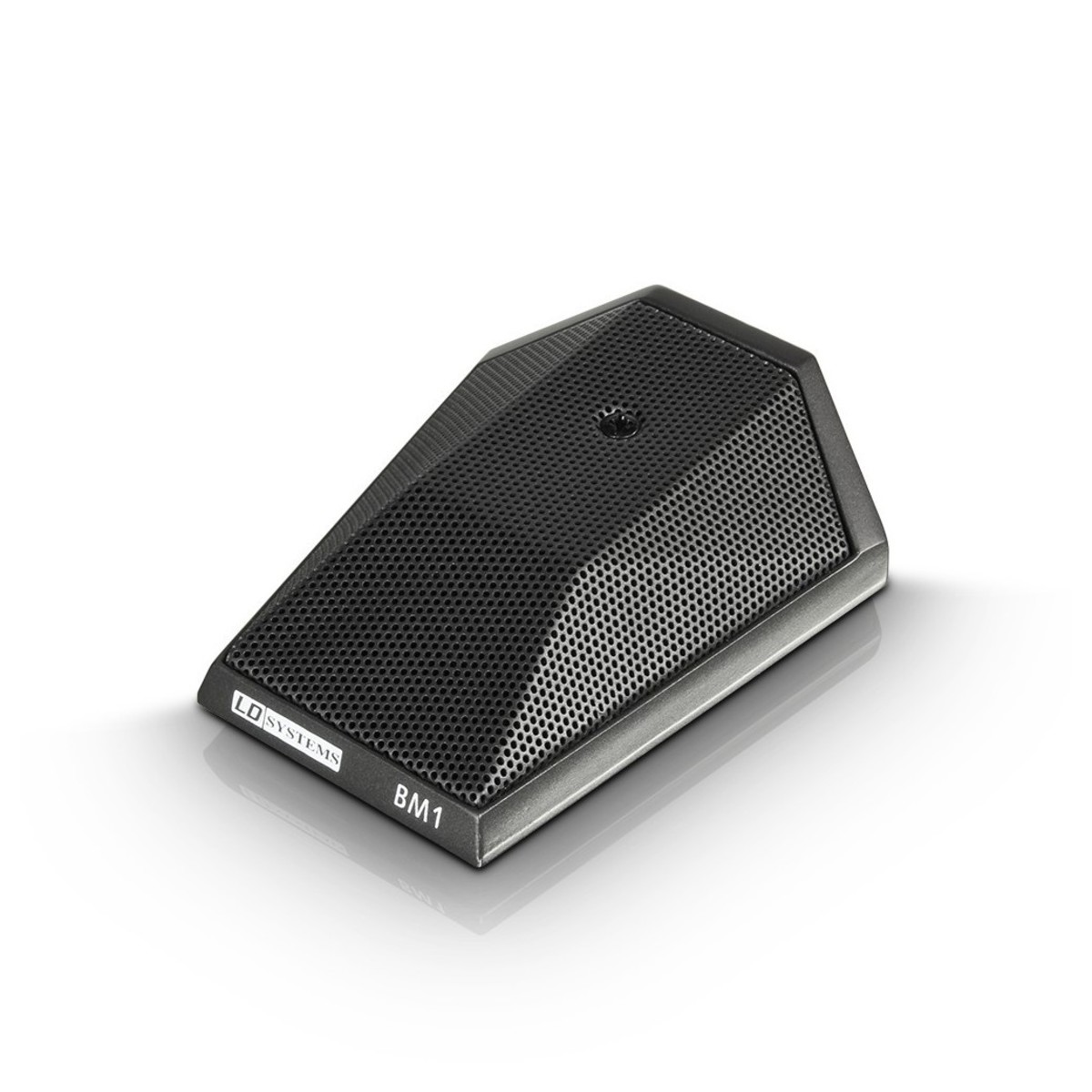
The LD Systems BM1 is a professional boundary layer microphone designed for surface-mounted applications in live sound and recording environments. It features a hemispherical pickup pattern and a low-profile design to provide clear speech intelligibility and natural instrument reproduction by eliminating floor-based phase reflections.
Overview and Design
The LD Systems BM1 is a dedicated boundary microphone, sometimes referred to as a pressure zone microphone (PZM). Unlike standard handheld or stand-mounted microphones, the BM1 is designed to be placed directly on a flat surface, such as a floor, a conference table, or inside a grand piano. The flat, floor-mounted design is intended to be unobtrusive while providing a stable platform for high-quality audio capture.
Its construction focuses on durability for live environments, ensuring it can withstand the rigours of theatre stages or busy corporate boardrooms. The low profile not only keeps the device out of the sightlines of an audience but also serves a critical acoustic purpose by utilizing the boundary surface to enhance sensitivity.
Technical Characteristics
The BM1 utilizes a hemispherical pickup pattern, which allows it to capture sound evenly from the space above the surface on which it rests. It offers a wide frequency response ranging from 50 Hz to 20 kHz. This range is particularly suited for high-fidelity audio, ensuring that both the low-end resonance of a piano and the high-frequency transients of human speech are captured accurately.
One of the primary technical advantages of this design is the elimination of phase interference. In traditional miking, sound reflects off the floor and reaches the microphone slightly later than the direct sound, causing comb filtering. Because the BM1 sits flush against the boundary, these reflections are eliminated, resulting in a significantly smoother frequency response.
Applications
The BM1 is a versatile tool across several specific live sound scenarios:
- Live Theatre: Placed at the edge of a stage (the apron), these microphones can capture dialogue from actors without the need for visible stands or bodypacks.
- Conferences and Corporate Events: The BM1 provides superb speech intelligibility, making it an excellent choice for meeting rooms where multiple speakers need to be heard clearly across a table.
- Pianos: It is frequently used inside the lid of a grand piano to capture a natural, full-bodied sound while maintaining isolation from other loud instruments on stage.
Market Comparison
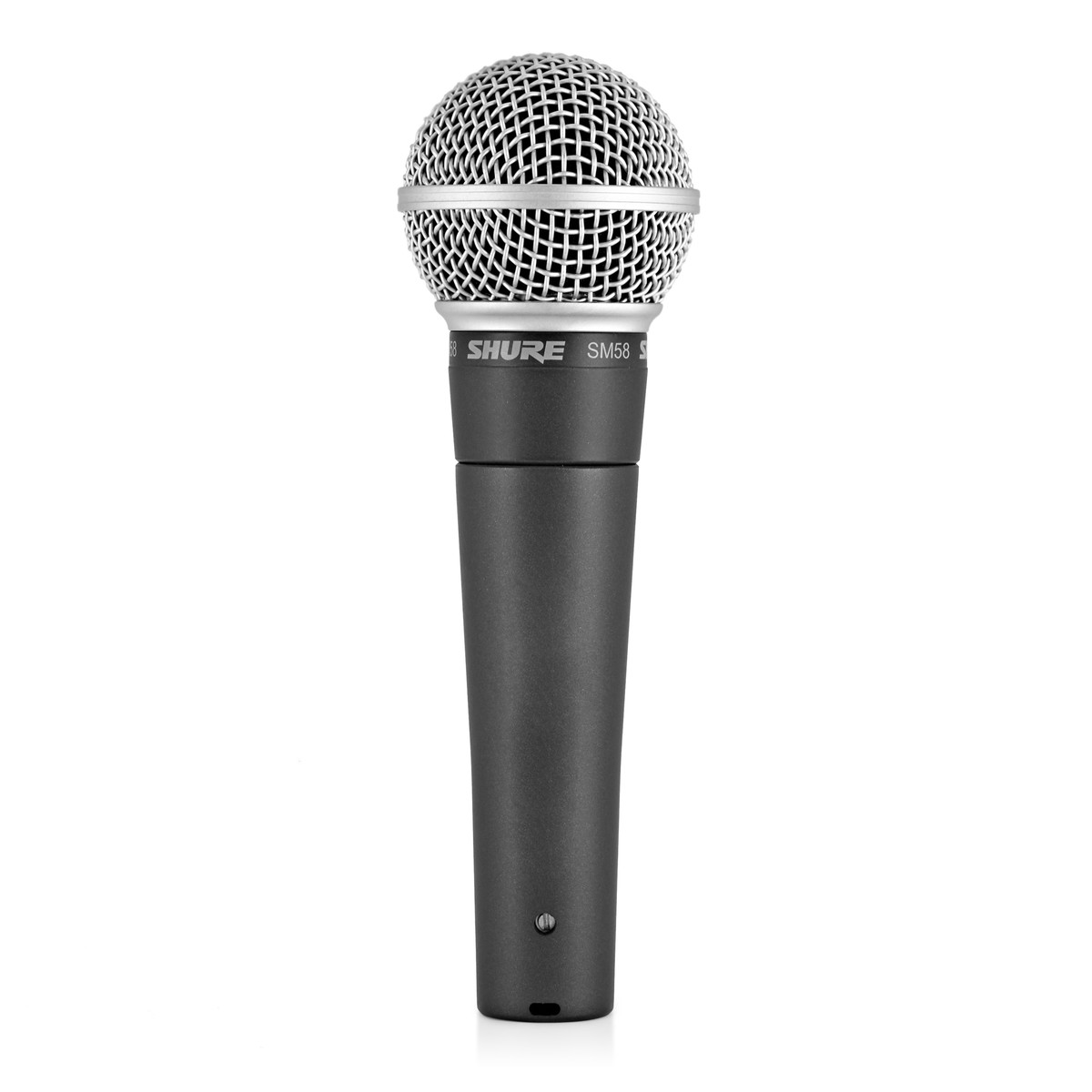
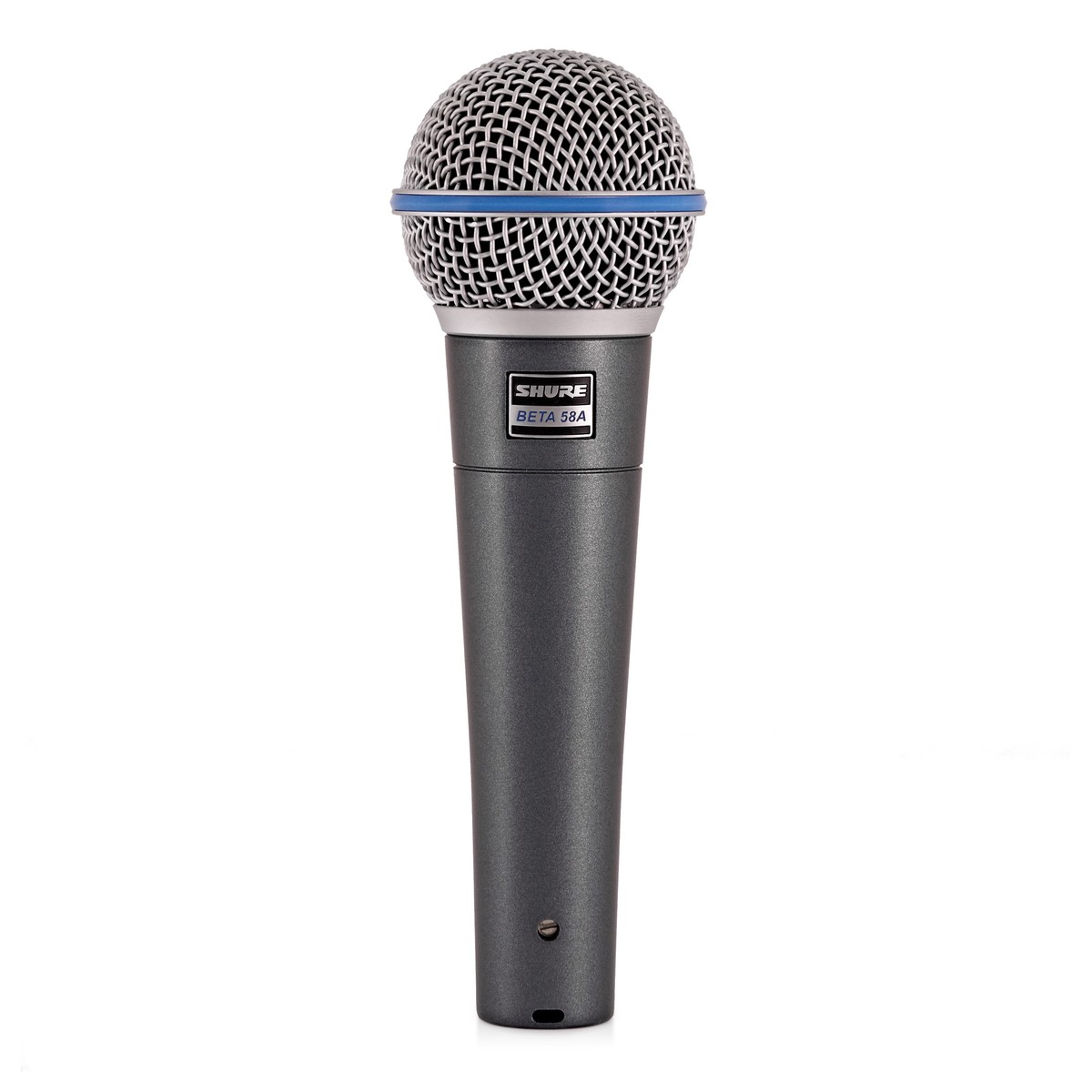
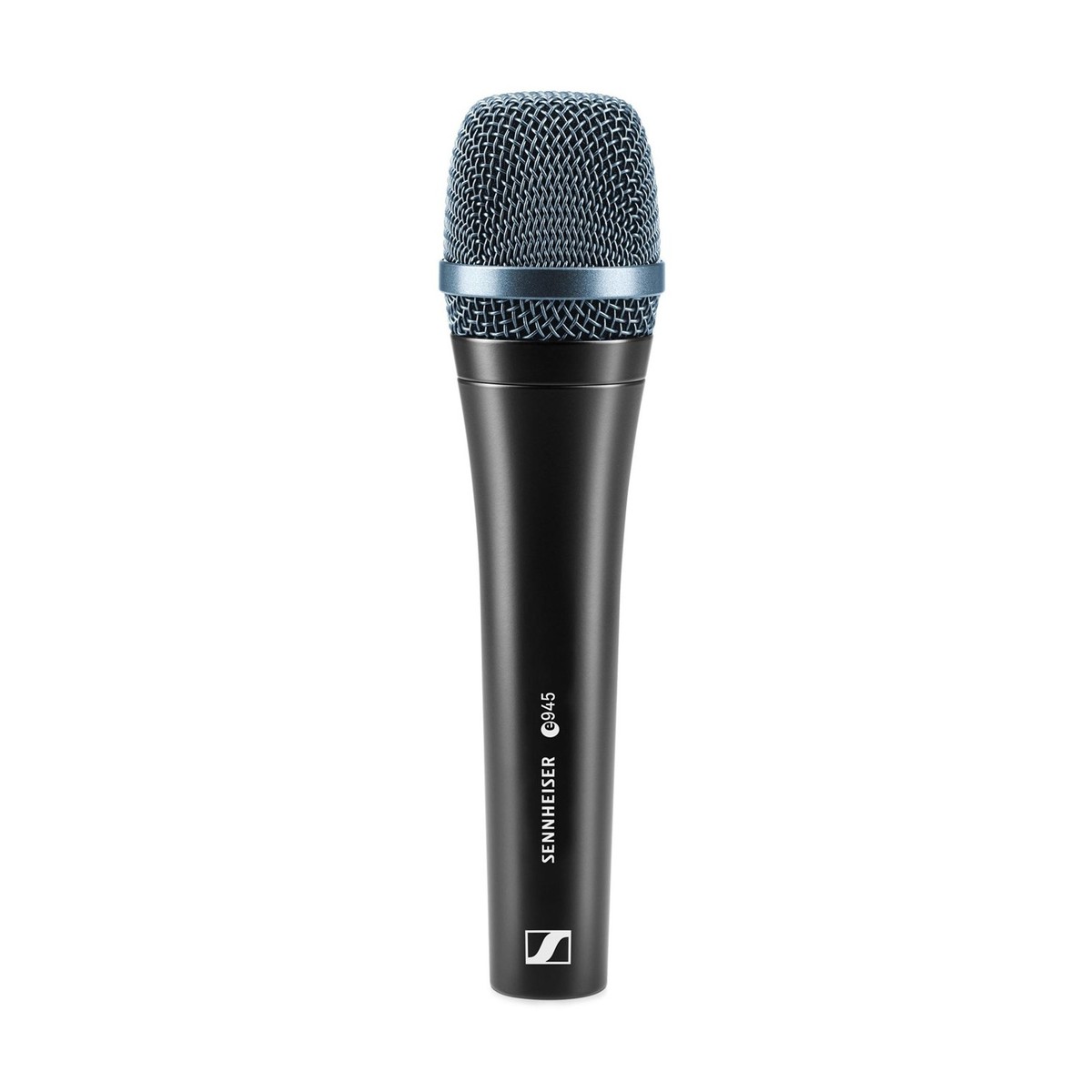
Positioned at a price point of approximately £72, the LD Systems BM1 offers a specialist alternative to general-purpose microphones. While industry standards like the Shure SM58 or Beta 58A are preferred for close-up vocals, they lack the surface-coupling benefits required for stage-edge pickup. Similarly, while the Sennheiser e945 or MD 441-U offer superior rejection for isolated sources, the BM1 is purpose-built for ambient area capture and speech clarity in fixed installations where traditional dynamic microphones would be visually or acoustically intrusive.
Related gear
 £559.00 ($710)
Electro-Voice
Electro-Voice RE20 Dynamic Cardioid Microphone
 £168.70 ($214)
Sennheiser
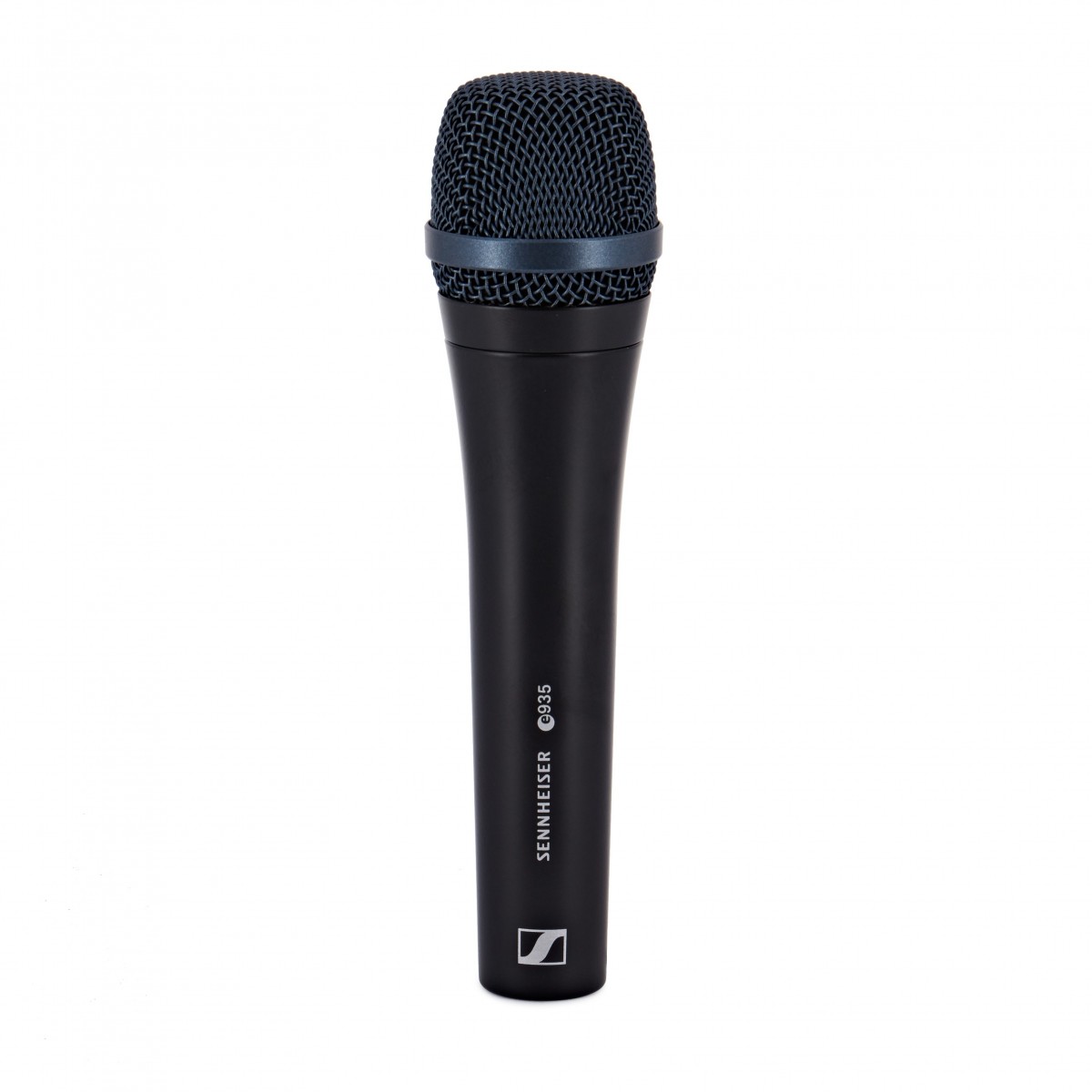
Sennheiser e935 Dynamic Vocal Microphone
 £135.25 ($172)
Shure
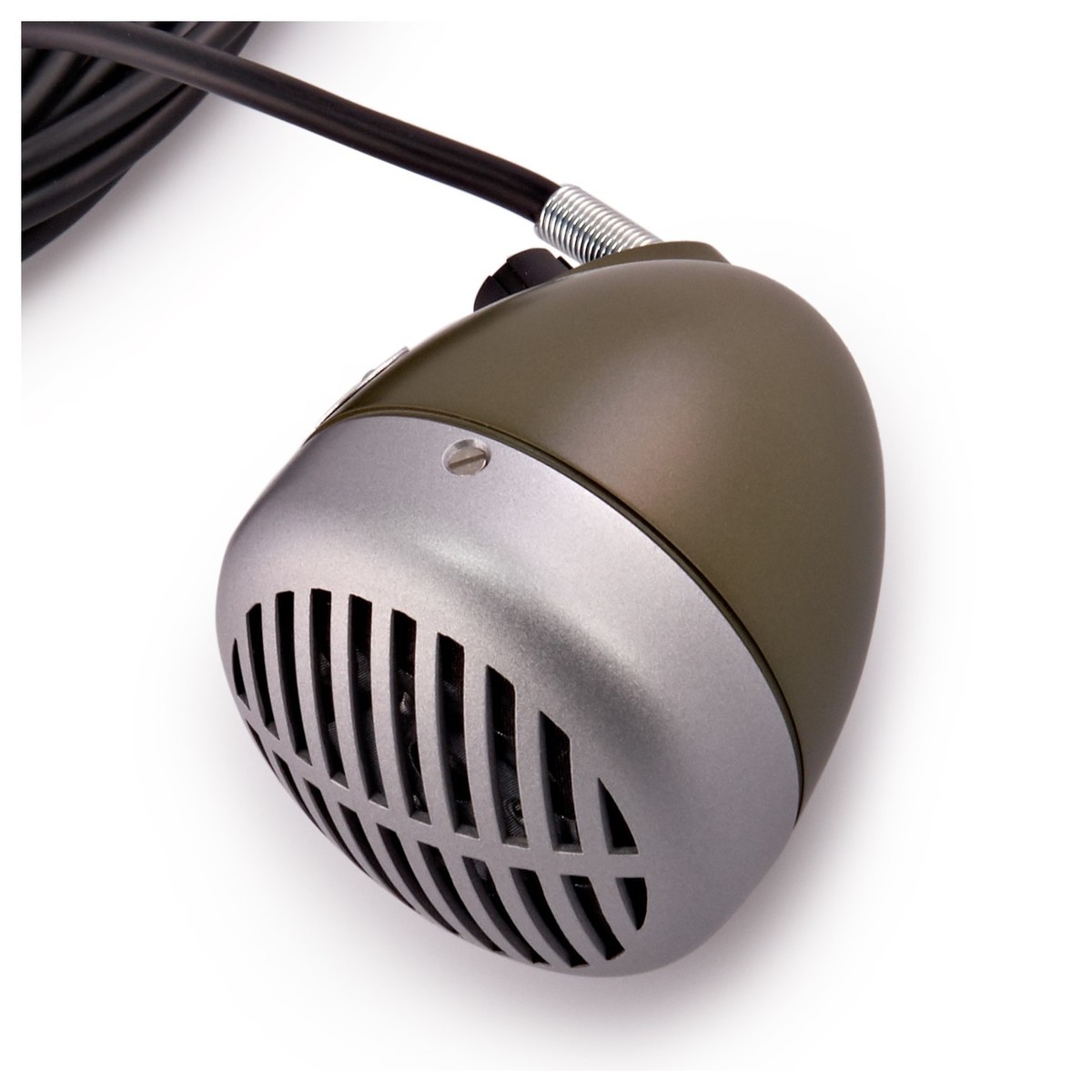
Shure 520DX Green Bullet Harmonica Microphone
 £161.00 ($204)
Shure
Shure Beta 58A Dynamic Microphone
- £259.00 ($329)
Shure
Shure SM58 Dynamic Cardioid Vocal Microphone
 £167.55 ($213)
Sennheiser
Sennheiser e945 Dynamic Vocal Microphone
 £103.75 ($132)
Shure
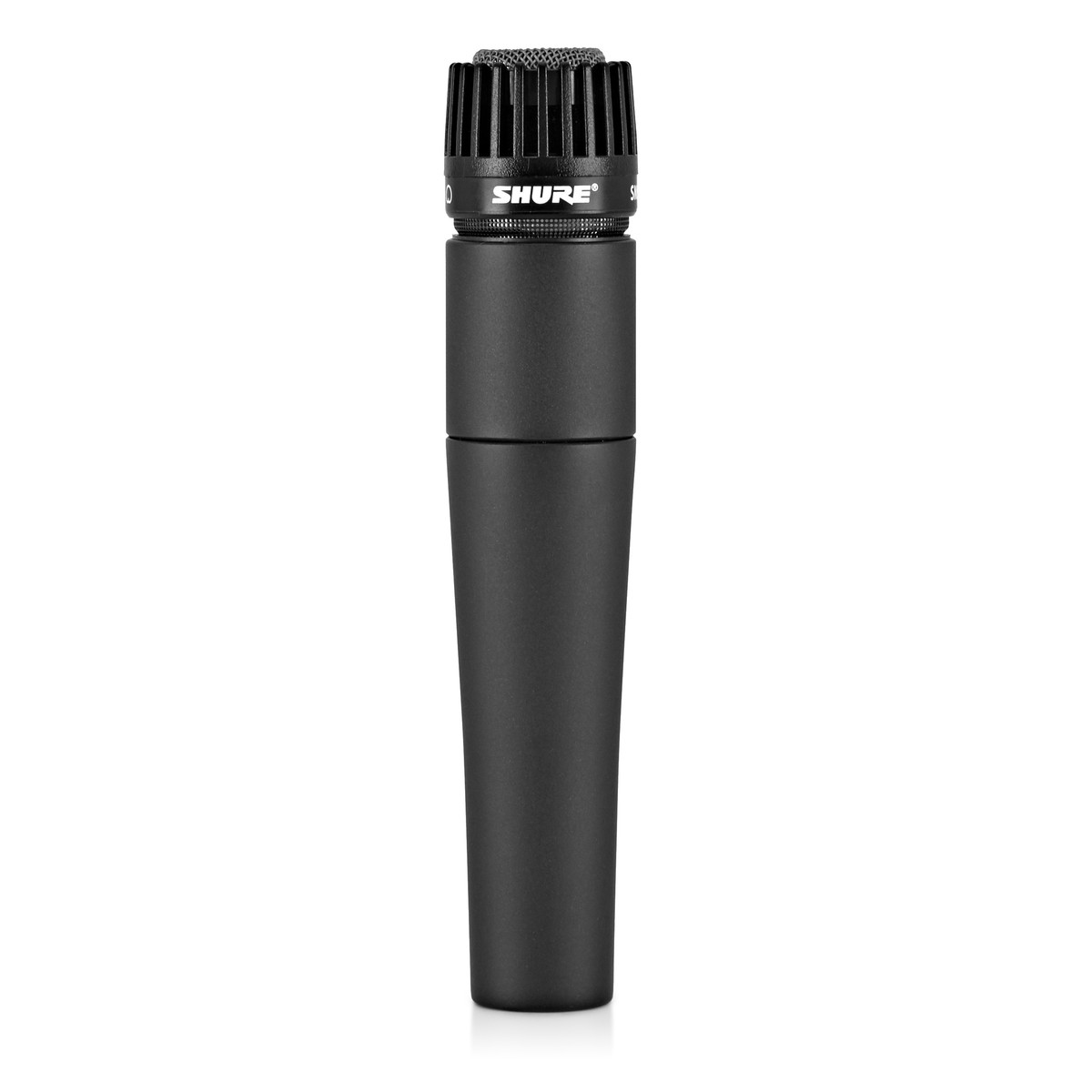
Shure SM57 Dynamic Instrument Microphone
 £1,080.00 ($1,372)
Sennheiser
Sennheiser MD 441-U Dynamic Supercardioid Microphone
Frequently asked questions
- What is the primary pickup pattern of the LD Systems BM1?
- The BM1 features a hemispherical pickup pattern. This allows it to capture sound in a half-sphere above the surface where it is placed, making it ideal for capturing audio across a wide area like a stage or table.
- What is the frequency response range of this microphone?
- The microphone has a frequency response of 50 Hz to 20 kHz. This broad range ensures it can capture deep bass frequencies as well as the high-end clarity necessary for speech and acoustic instruments.
- How does the flat design affect the sound quality?
- The flat, floor-mounted design eliminates unwanted reflections from the floor. By removing these reflections, the microphone prevents phase issues (comb filtering) and provides a much smoother frequency response than a stand-mounted mic near the ground.
- Is the BM1 suitable for recording a piano?
- Yes, the manufacturer specifically identifies the BM1 as ideal for recording pianos. Its boundary layer design allows it to be placed inside the instrument to capture a natural sound with high clarity.
- Can the BM1 be used for corporate conferences?
- Absolutely. It is designed for superb speech intelligibility. Its low profile makes it unobtrusive on conference tables, and its pickup pattern is well-suited for capturing multiple participants.
- What is the typical price for an LD Systems BM1?
- The typical price for the LD Systems BM1 is approximately £72. This makes it a cost-effective solution for theatre groups, schools, and corporate environments.
- How does the BM1 compare to a Shure SM58 for speech?
- While the Shure SM58 is a handheld dynamic mic intended for close-range vocals, the BM1 is a boundary mic intended for distance capture. The BM1 is better suited for capturing speech from a distance on a table or stage without the proximity effect of a handheld mic.
- Does the BM1 require phantom power?
- While the specific power requirements are not listed in the provided facts, as a high-performance boundary microphone with a 20kHz top end, it typically operates as a condenser and would require phantom power from a mixer or interface.
- Is the BM1 effective for live theatre applications?
- Yes, its design is specifically tailored for live theatre. It can be placed along the front of the stage to pick up actors' voices clearly while remaining virtually invisible to the audience.
- What makes this microphone different from a Sennheiser e935?
- The Sennheiser e935 is a cardioid handheld vocal microphone designed to be held by a singer. The BM1 is a boundary microphone designed to be placed on a flat surface; they serve entirely different acoustic purposes.
- Does the BM1 help with speech intelligibility?
- Yes, the manufacturer highlights that the 50 Hz - 20 kHz frequency response offers superb speech intelligibility. This makes it a highly useful tool for corporate events where clear communication is vital.
- Can the BM1 be used for kick drums?
- While the BM1 is recommended for pianos and theatre, many boundary microphones are used in kick drums. However, users should check the maximum SPL (Sound Pressure Level) to ensure it can handle the high volume of a drum.