
Gear article
Meinl Percussion Cajon Preamp
The Meinl Percussion Cajon Preamp is a dedicated internal preamplification system designed to be mounted to the inside top panel of a cajon. It provides players with active control over their amplified sound, featuring tonal adjustments and phase switching to optimise live or recorded performances.
See live pricesOverview
The Meinl Percussion Cajon Preamp is a specialised electronic component engineered to improve the amplification process for acoustic cajons. Unlike external microphone setups that can be prone to feedback or restricted movement, this unit is installed directly onto the interior of the instrument. It is typically positioned on the inside top panel, a location selected by the manufacturer to capture the most accurate and high-quality representation of the instrument's percussive range.
Key Features and Control
The preamp is equipped with a wide-range tonal control system, allowing the user to balance the relationship between bass and treble. This functionality is crucial for tailoring the output to the specific acoustic properties of a particular cajon, which can vary based on wood type and construction. A notable inclusion is the phase switch; by reversing the signal phase, the player can alter the overall feel and timbre of the amplified sound, often helping to reduce low-frequency feedback in live environments.
Sound Character
The sonic character of the Meinl Cajon Preamp is defined by its ability to be 'tuned' to the instrument. Because it allows for precise mix adjustments between high-end snap and low-end thump, it provides a versatile output that suits various musical genres. The phase switch further adds to the character by offering two distinct timbral 'feels', ensuring the cajon remains prominent in a mix without losing its natural wooden resonance.
Suitability and Applications
This unit is primarily suited for gigging percussionists who require a consistent and reliable signal for PA systems or recording interfaces. It is an ideal solution for players who find traditional microphone stands cumbersome or for those performing in high-volume settings where external mics might capture unwanted stage bleed. It is specifically designed for the cajon form factor rather than general-purpose percussion.
Market Comparisons
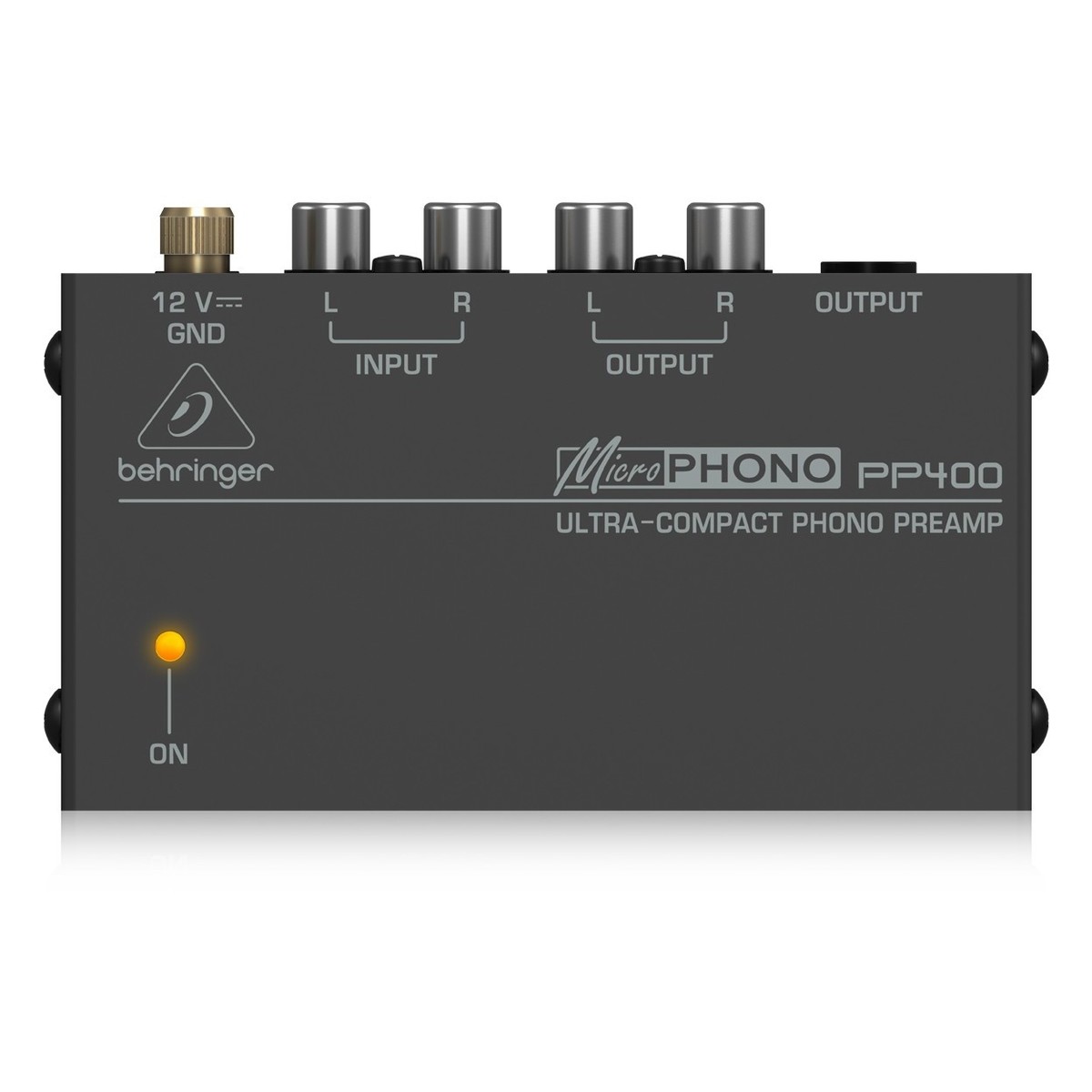
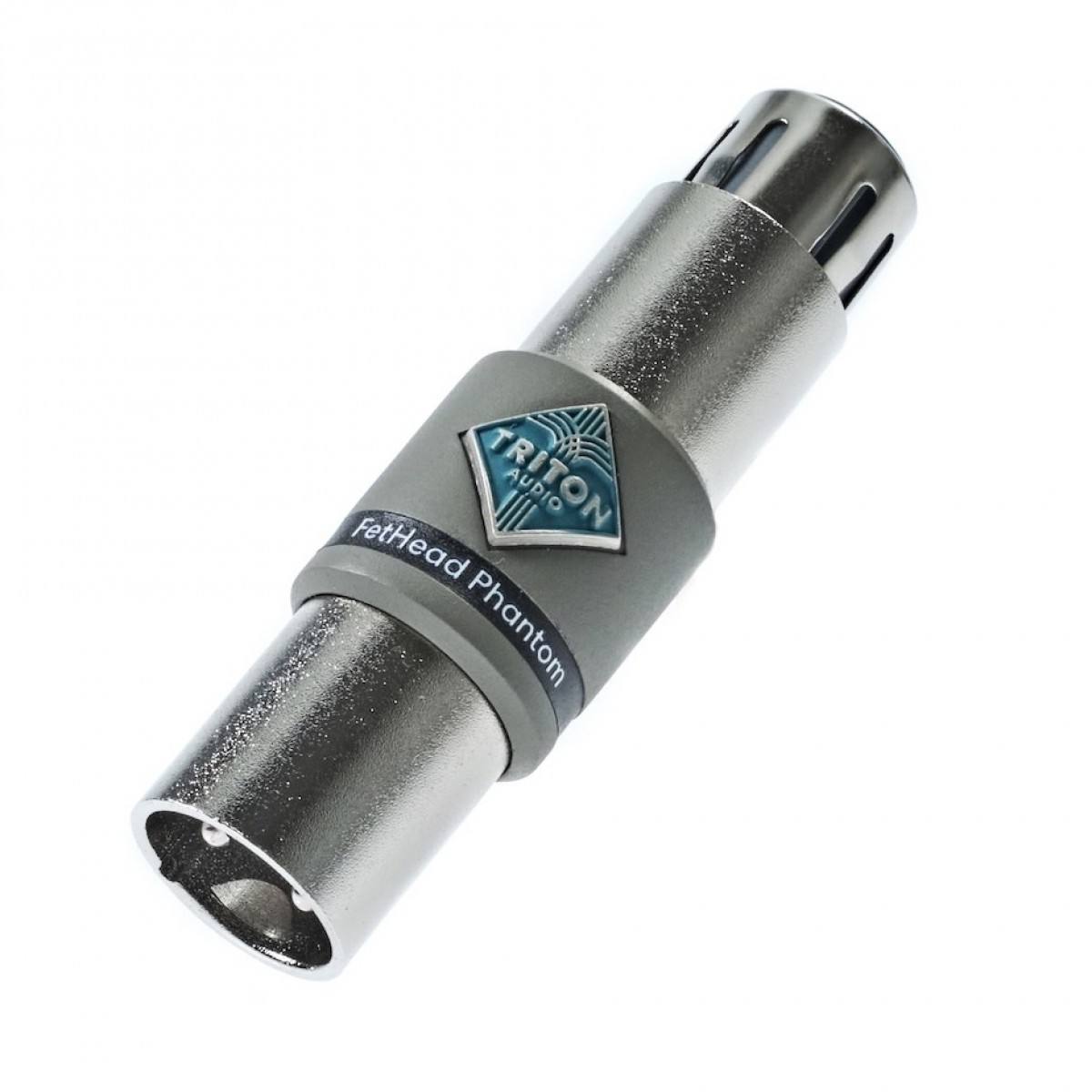
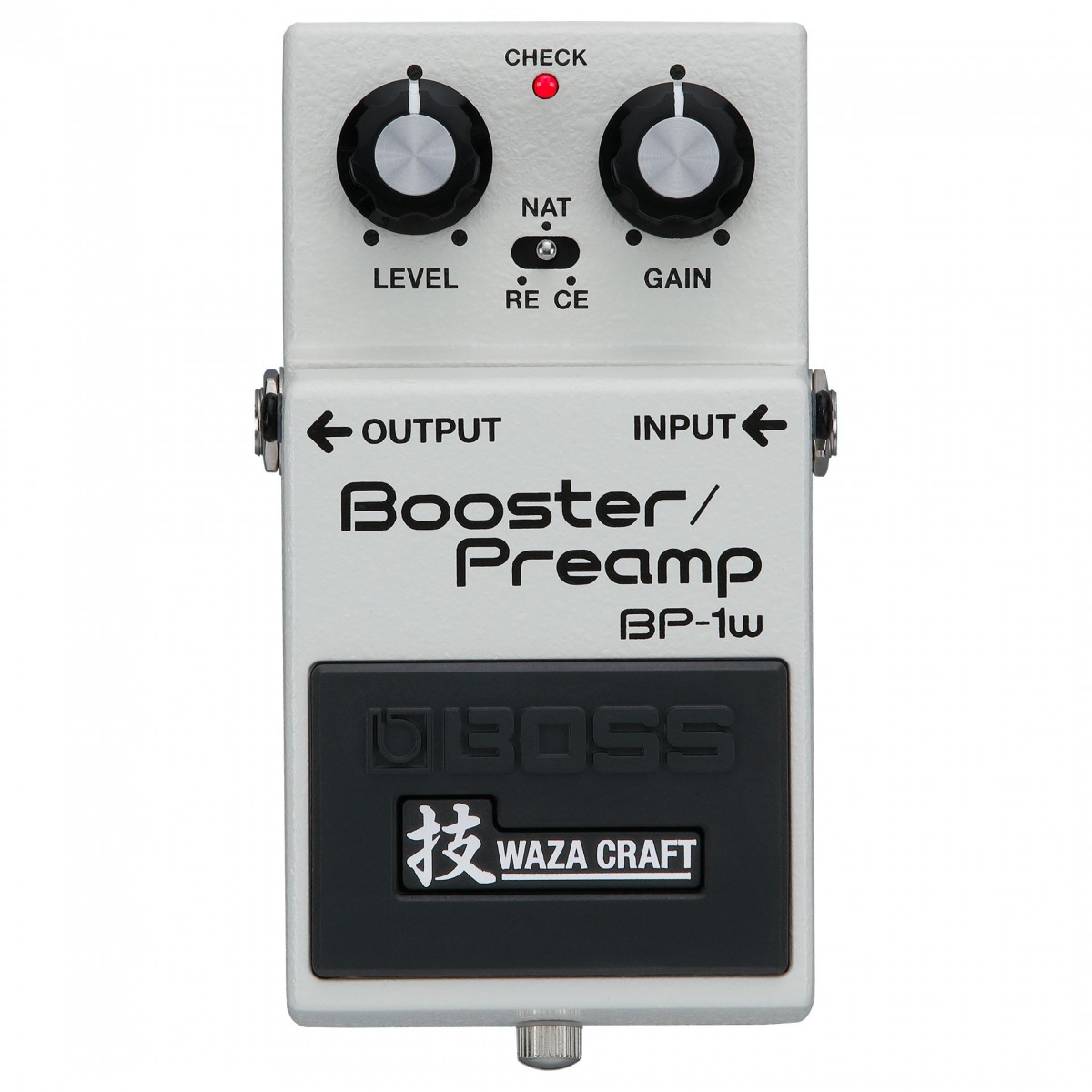
While the market offers various preamplification solutions, the Meinl Cajon Preamp is distinct due to its instrument-specific design. In contrast, units like the Behringer PP400 are designed for phono signals, and the TritonAudio FetHead Phantom serves as an inline boost for microphones. For those seeking pure tube saturation or boutique tone shaping, pedals such as the Vox Valvenergy Tone Sculptor or the Boss BP-1W provide different harmonic structures that are less focused on the specific internal mounting needs of a percussionist.
Related gear
 £379.00 ($481)
Fortin
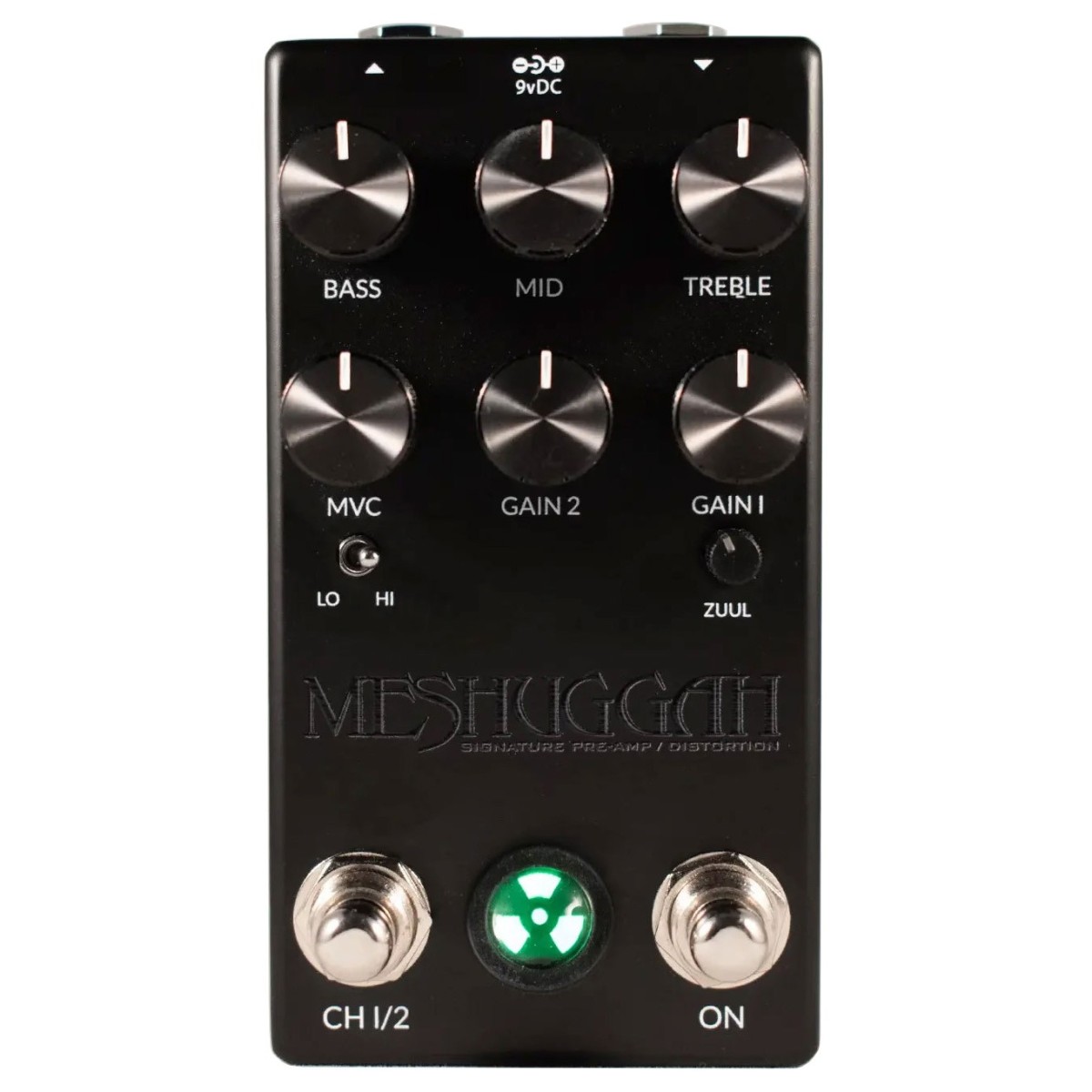
Fortin Meshuggah Signature Pre-Amp Distortion
 £1,297.00 ($1,647)
Warm Audio
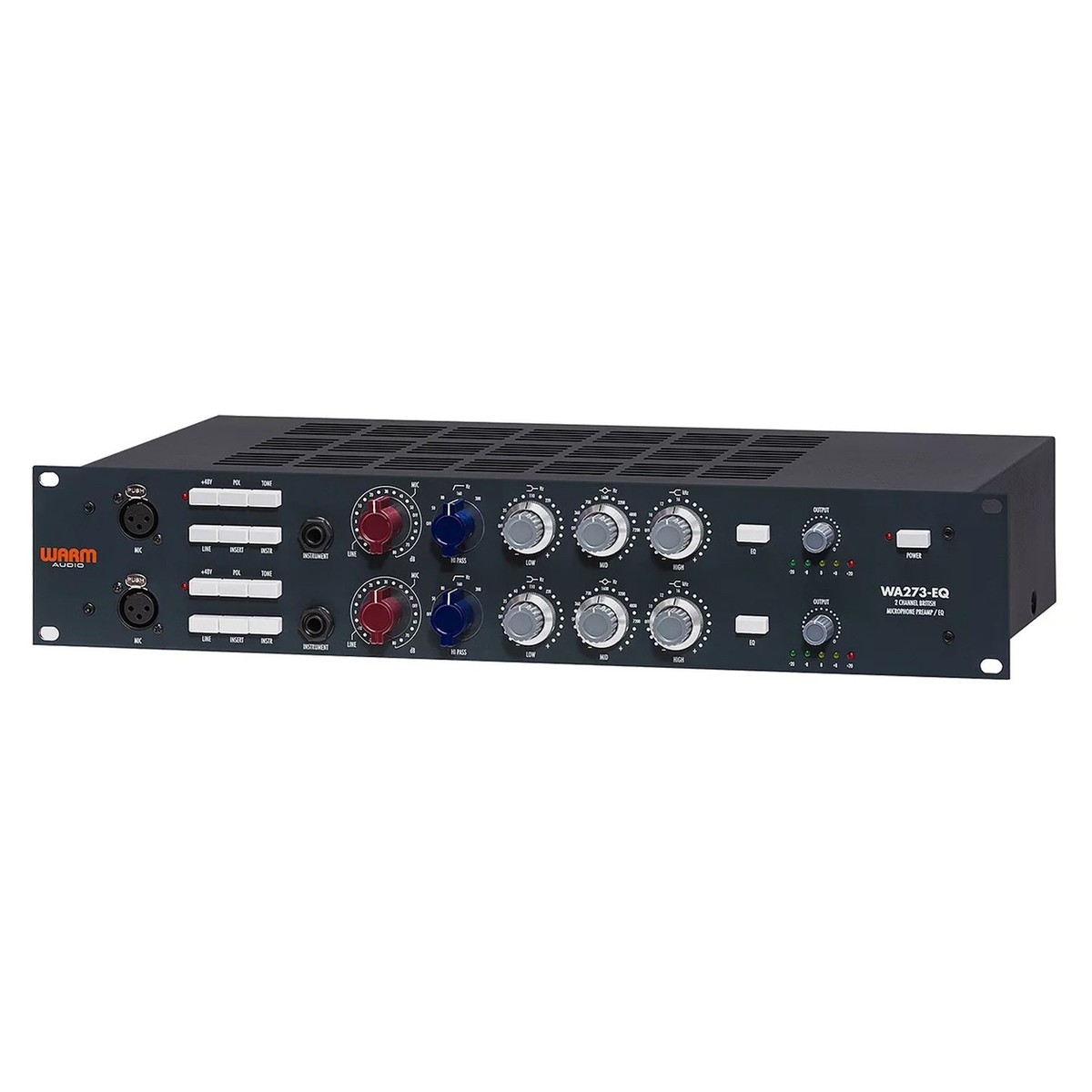
Warm Audio WA273-EQ 2-Channel Microphone Preamp with EQ
 £129.00 ($164)
Vox
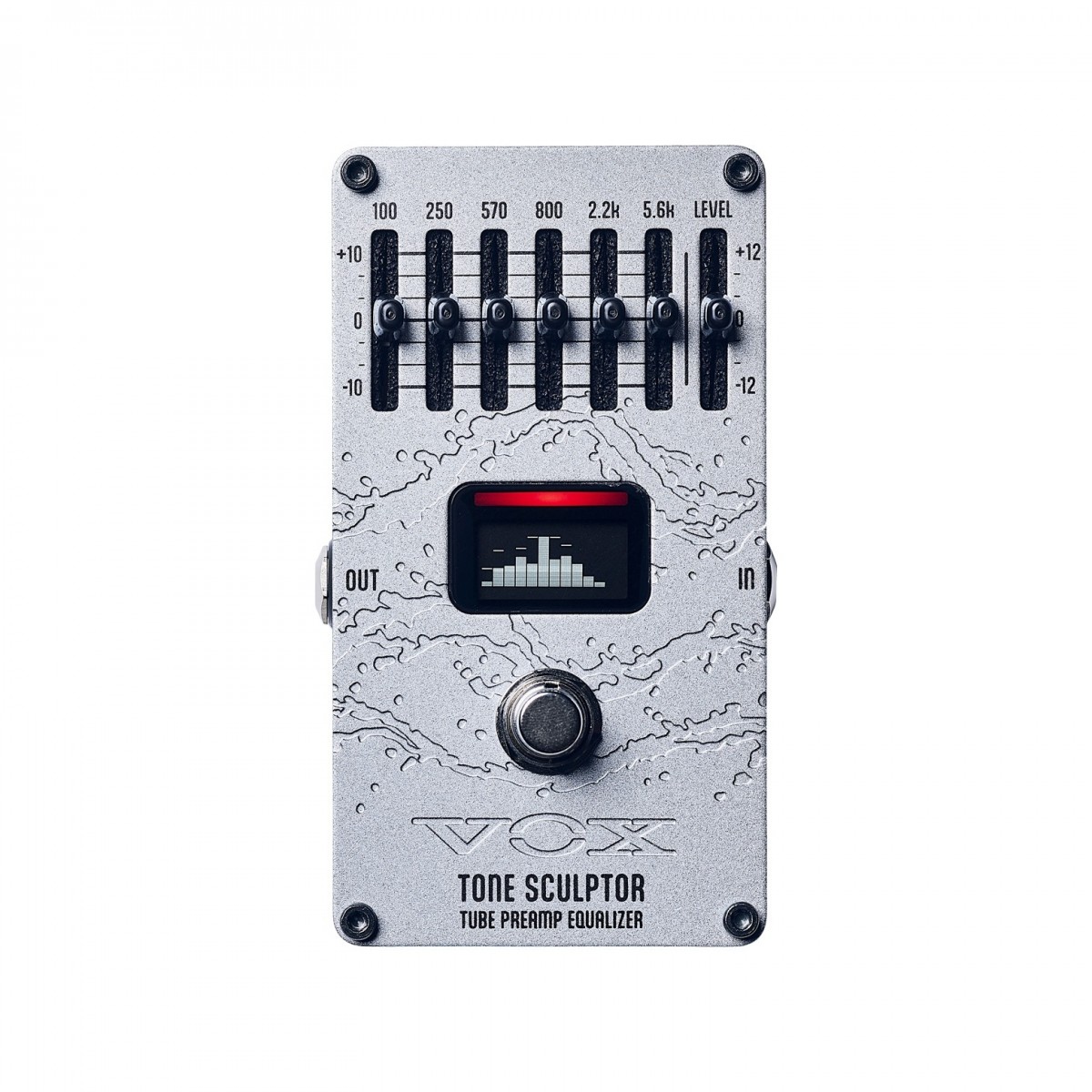
Vox Valvenergy Tone Sculptor Tube Preamp Equalizer Pedal
 £12.60 ($16)
Behringer
Behringer PP400 Microphono Phono Preamp
 £64.99 ($83)
TritonAudio
TritonAudio FetHead Phantom Preamp for Condenser Microphones
 £159.00 ($202)
Peavey
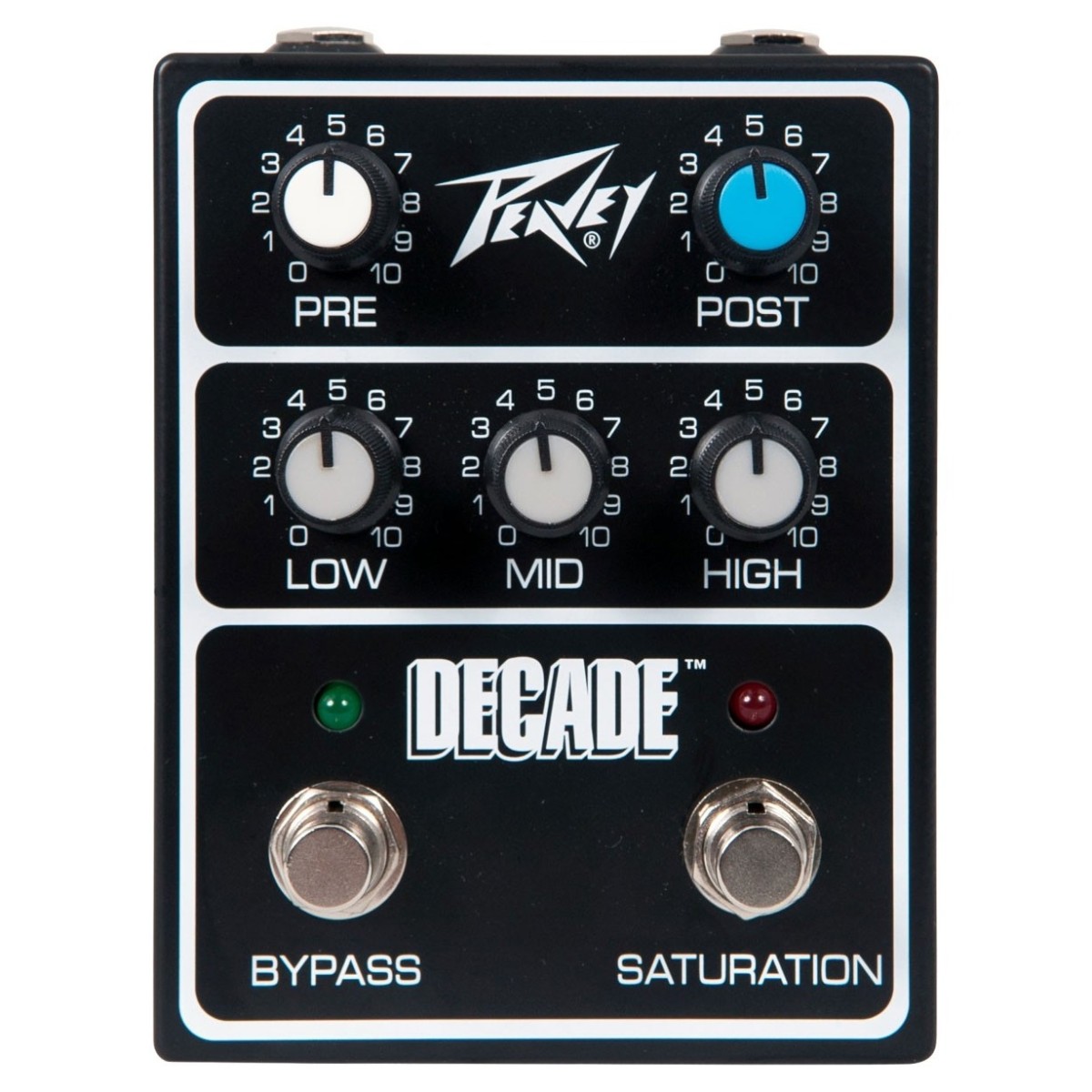
Peavey Decade Preamp Pedal
 £91.60 ($116)
sE Electronics
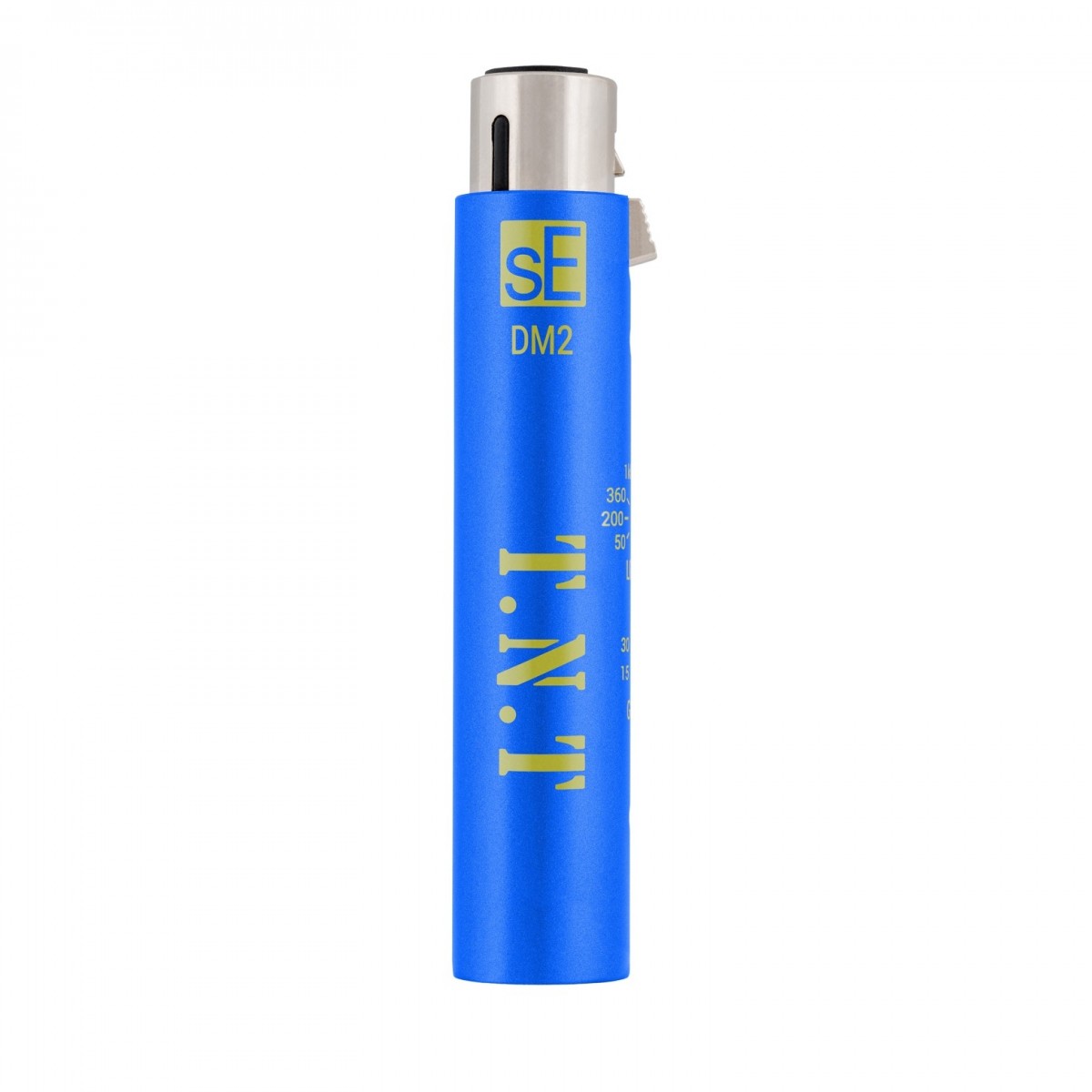
sE Electronics DM2 TNT Active Inline Preamp
 £150.00 ($191)
Boss
Boss BP-1W Waza Craft Booster/Preamp Pedal
Frequently asked questions
- Where is the Meinl Cajon Preamp installed?
- It is designed to be fitted to the inside top panel of the cajon. This specific placement is intended to capture the highest quality sound from the instrument's interior.
- What controls are available on this preamp?
- The device features wide-range tonal controls for bass and treble adjustments. It also includes a volume control and a phase switch to modify the timbre.
- What is the purpose of the phase switch?
- The phase switch changes the overall feel and timbre of the sound by reversing the signal polarity. This can be useful for correcting feedback issues or changing how the cajon sits in a live mix.
- Does this preamp require an external microphone?
- The preamp is a self-contained system designed to capture the sound of the cajon. It functions as the primary pickup and signal processor for the instrument.
- Can I adjust the bass and treble separately?
- Yes, the preamp features a wide-range tonal control that allows you to find a custom mix of bass and treble. This helps in tuning the preamp to the specific sound characteristics of your cajon.
- How much does the Meinl Percussion Cajon Preamp typically cost?
- The typical price for this unit is approximately £87. Prices may vary slightly depending on the retailer and shipping costs.
- Is this preamp suitable for recording?
- Yes, the high-quality sound capture and tonal controls make it a viable option for studio recording. It provides a clean, direct signal that can be further processed in a DAW.
- Will this preamp fit any brand of cajon?
- While designed by Meinl, it is intended to fit on the inside top panel of standard cajons. Users should ensure there is adequate flat surface area for mounting.
- How does this compare to a Behringer PP400?
- The Behringer PP400 is a phono preamp for turntables, whereas the Meinl unit is specifically for percussion. They serve entirely different purposes in a signal chain.
- Can I use the Vox Valvenergy Tone Sculptor instead of this?
- The Vox Valvenergy is a tube-based preamp pedal generally used for electric instruments. While it shapes tone, it lacks the specific internal mounting and percussion-focused EQ of the Meinl Cajon Preamp.
- Does this unit require a battery?
- As an active preamp, it requires a power source to operate its EQ and phase circuitry. Specific battery requirements are typically outlined in the installation manual.
- Does the placement affect the sound quality?
- Yes, Meinl states that the inside top panel placement results in the best high-quality sounds. This position allows the preamp to capture both the low-end resonance and the high-end slap of the snares.