
Gear article
Peavey Decade Preamp Pedal
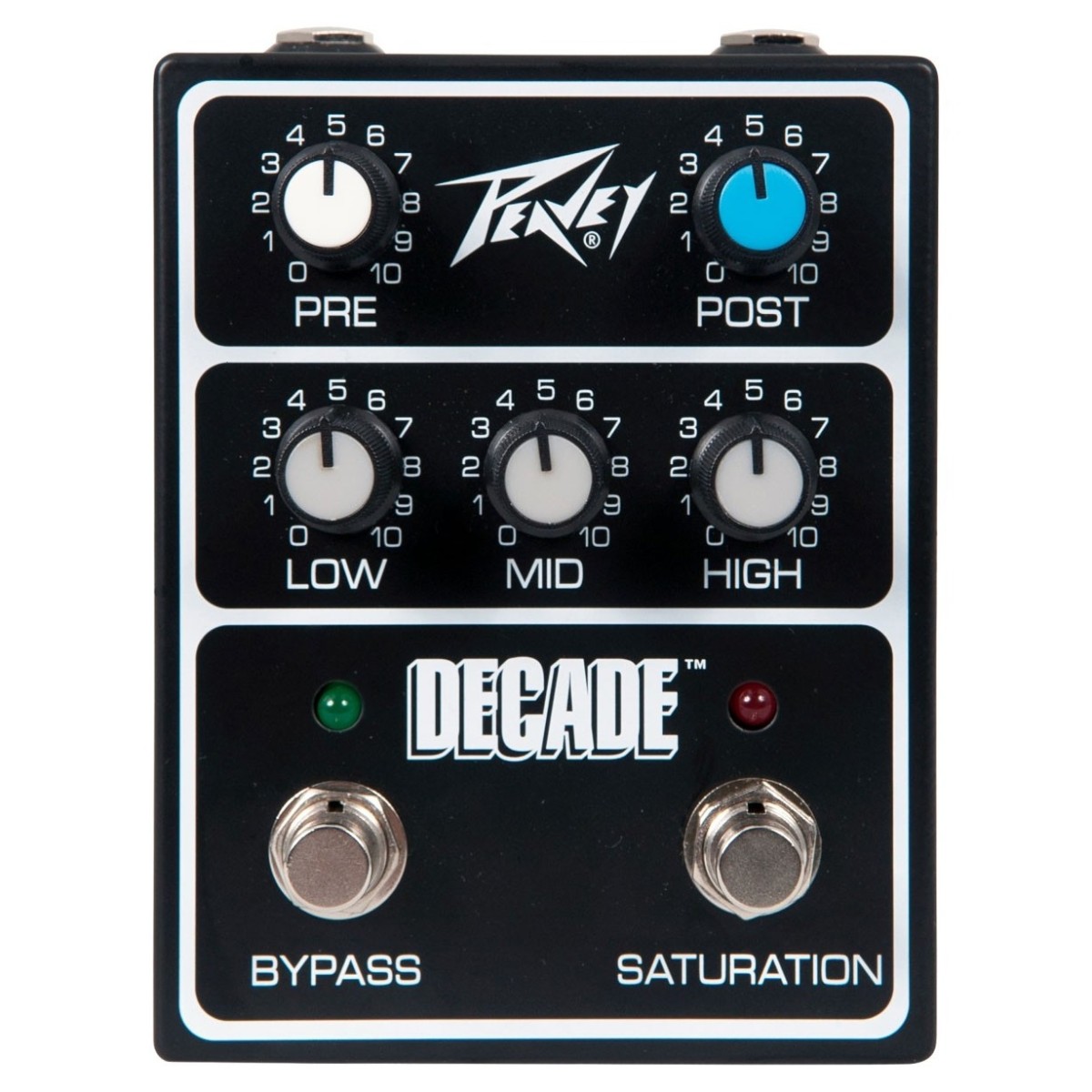
The Peavey Decade Preamp Pedal is a compact recreation of the solid-state Peavey Decade amplifier, famously associated with the signature guitar tones of Josh Homme. Housed in a pedalboard-friendly format, it utilizes internal 24V conversion to replicate the raw grit, punchy drive, and dynamic response of the original hardware.
Background and Development
The Peavey Decade Preamp Pedal was developed to capture the unique sonic characteristics of the Peavey Decade, a small solid-state practice amplifier that gained cult status in the rock world. The original amplifier became a 'secret weapon' for Josh Homme, shaping the distinctive, mid-forward textures found on numerous iconic recordings. By transitioning the circuit into a stompbox format, Peavey has made this specific saturation style accessible to modern guitarists without the need for vintage amplifier hardware.
Key Features and Circuitry
The pedal is designed for precise tone shaping, featuring controls for Pre-Gain and Post-Gain to manage input drive and output volume respectively. A three-band equaliser (EQ) allows for detailed frequency adjustment.
Technically, the unit operates on a standard 9V power input but employs internal 24V conversion. This increase in internal headroom is designed to provide a more dynamic, amp-like feel compared to standard low-voltage drive pedals. Additionally, the unit features a hard bypass switch equipped with an anti-click circuit to maintain signal integrity and silent switching during performance.
Sonic Character
The Decade Preamp is defined by its switchable Saturation channel, which covers a spectrum from vintage-style crunch to thick, harmonically rich distortion. It is noted for its 'raw grit' and punchy delivery, characteristics that stem from its solid-state heritage. Unlike tube-based preamps, it offers a specific type of compressed, aggressive clipping that remains articulate even at higher gain settings.
Target Audience
This pedal is primarily suited for serious tone-shapers and rock guitarists seeking the specific aesthetic of the 'desert rock' genre. It appeals to players who require a compact solution for adding distinctive solid-state saturation to their existing signal chain. Because it functions as a preamp, it can be used to drive the front end of an amplifier or as a foundational tone-shaper on a pedalboard.
Market Comparisons
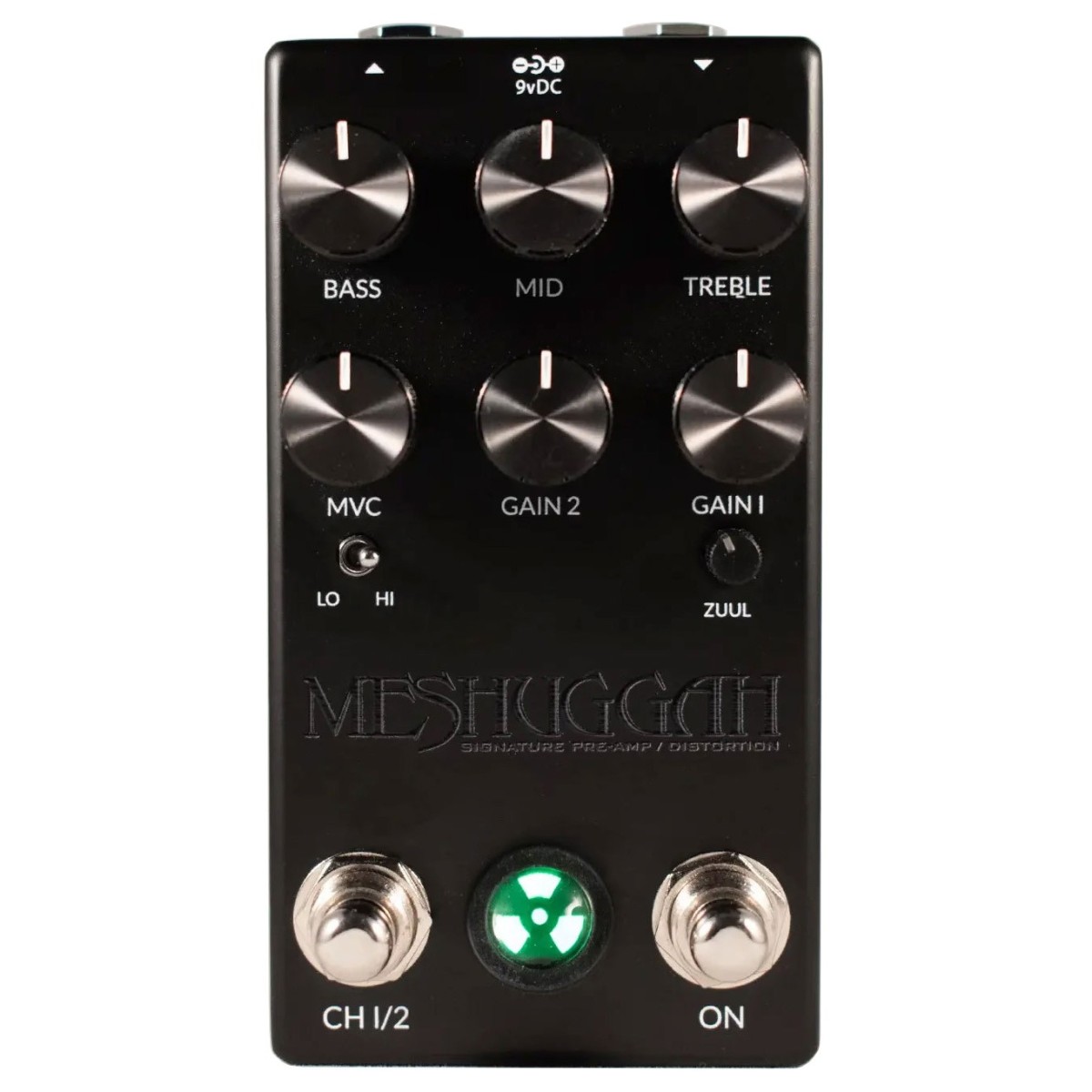
In the boutique preamp market, the Peavey Decade occupies a niche focused on solid-state saturation. While the Fortin Meshuggah Signature Pre-Amp provides high-gain metal textures and the Boss BP-1W offers Waza Craft boosting, the Decade focuses specifically on the 'legendary' grit of its namesake practice amp. For users seeking tube-based responses, the Vox Valvenergy series provides an alternative, whereas the Decade offers a more unique, non-traditional clipping character.
Related gear
- £379.00 ($481)
Fortin
Fortin Meshuggah Signature Pre-Amp Distortion
 £1,165.00 ($1,480)
Warm Audio
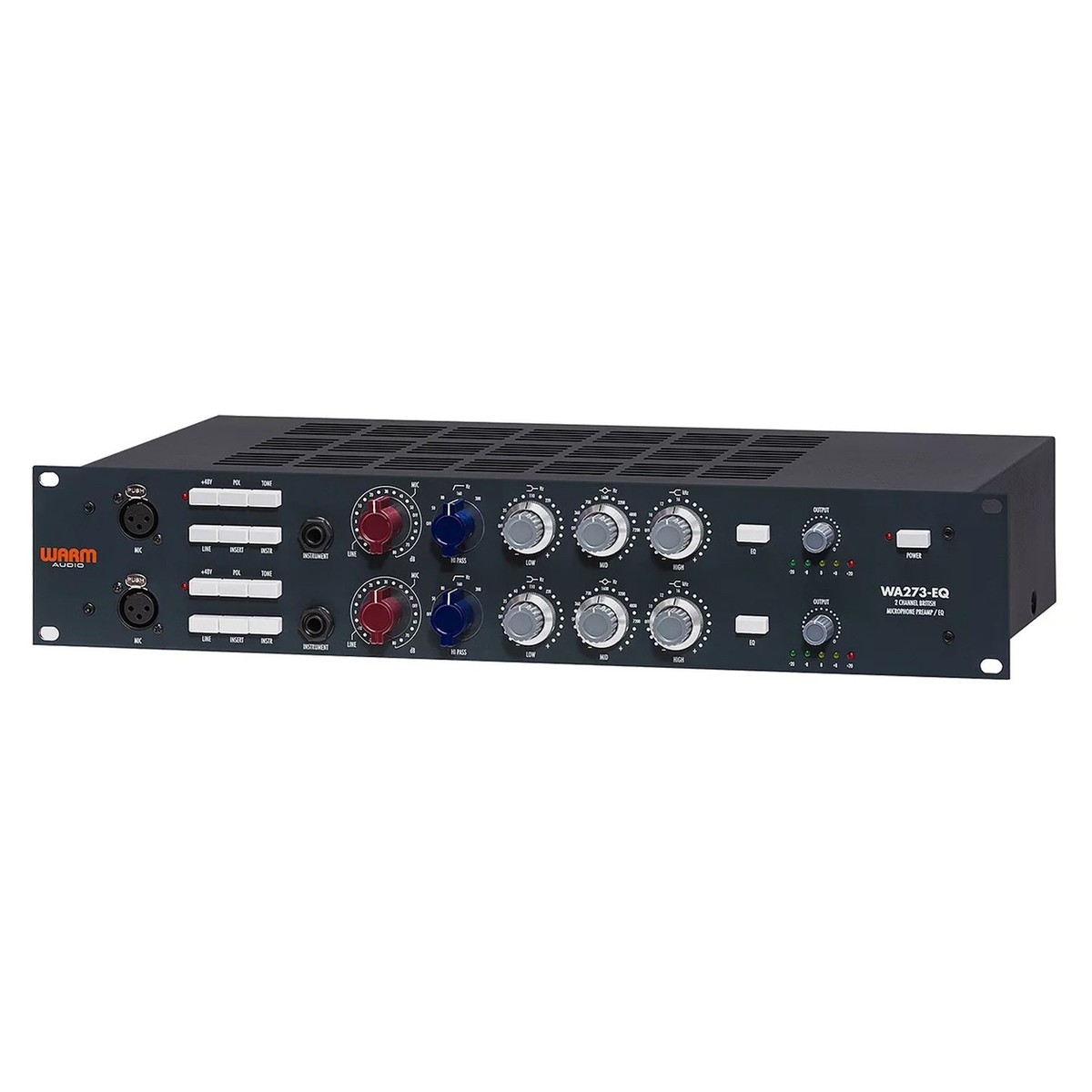
Warm Audio WA273-EQ 2-Channel Microphone Preamp with EQ
 £129.00 ($164)
Vox
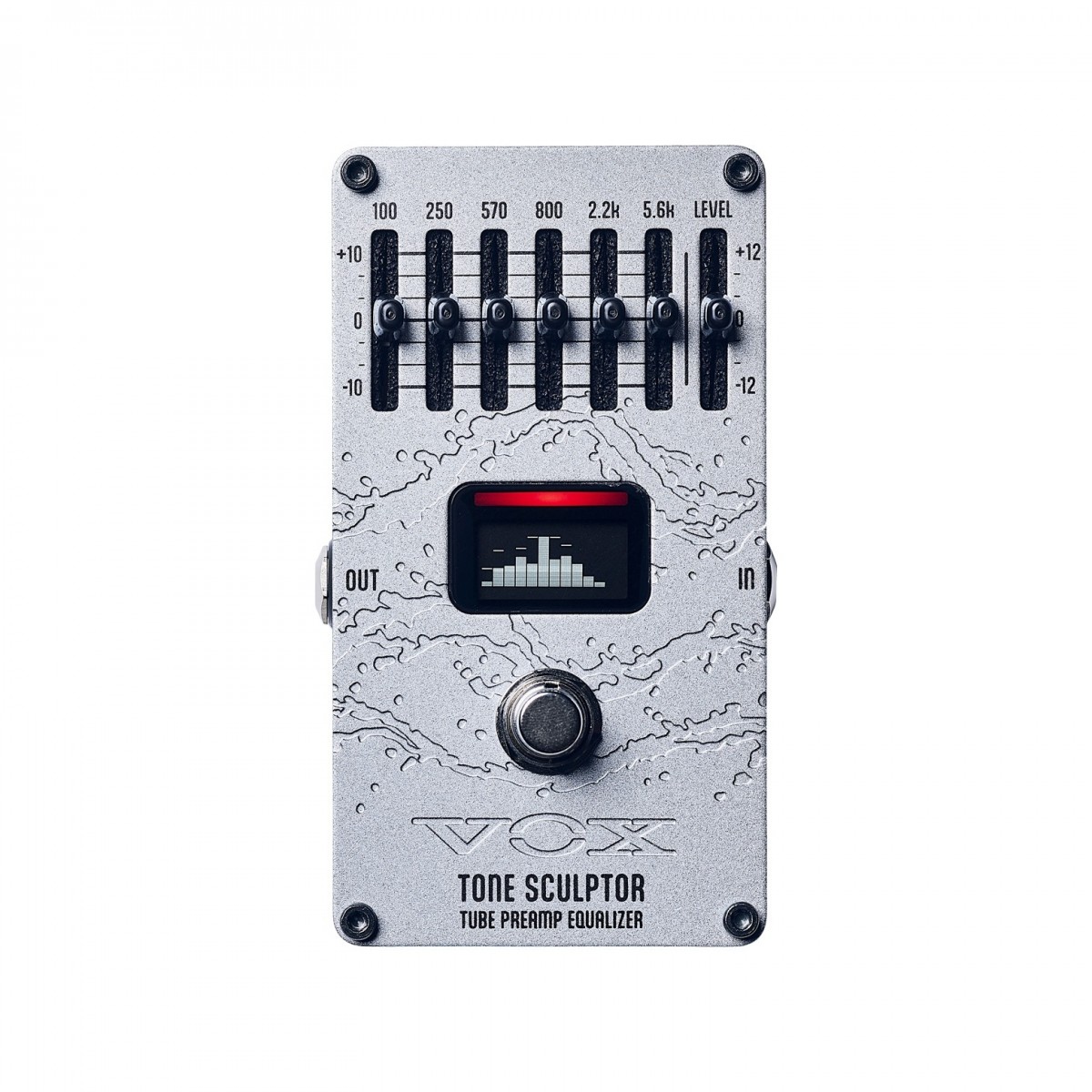
Vox Valvenergy Tone Sculptor Tube Preamp Equalizer Pedal
 £11.84 ($15)
Behringer
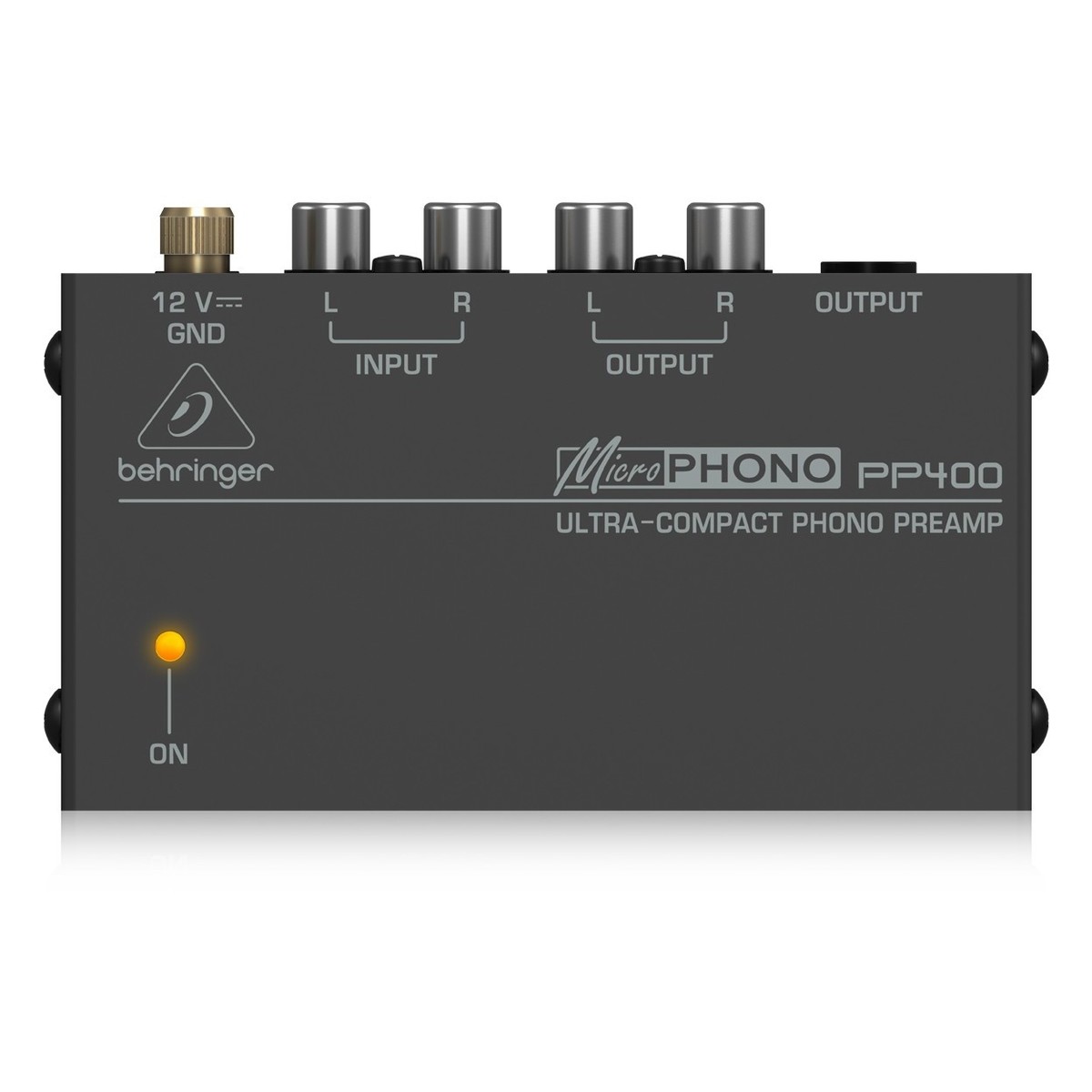
Behringer PP400 Microphono Phono Preamp
 £64.99 ($83)
TritonAudio
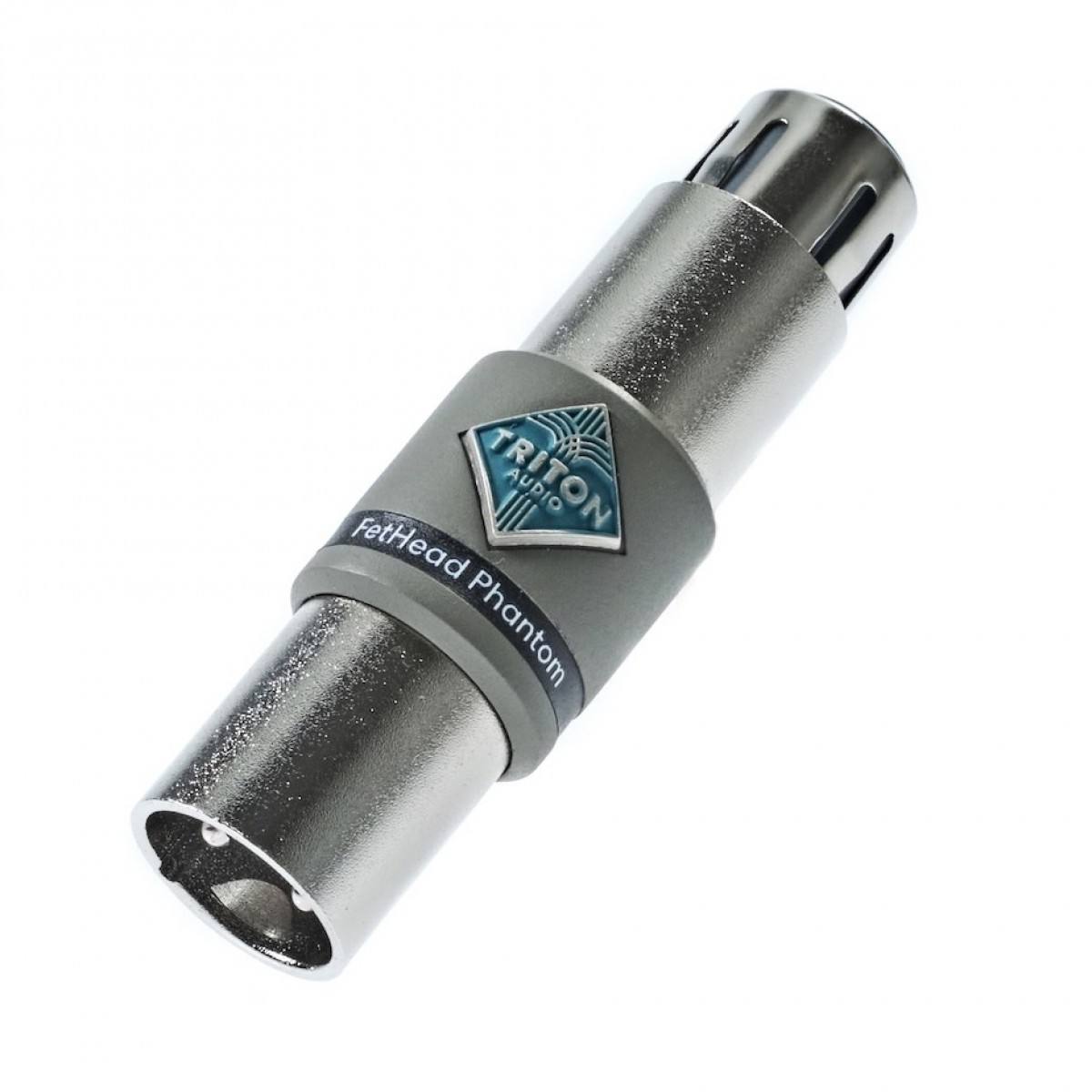
TritonAudio FetHead Phantom Preamp for Condenser Microphones
 £90.10 ($114)
sE Electronics
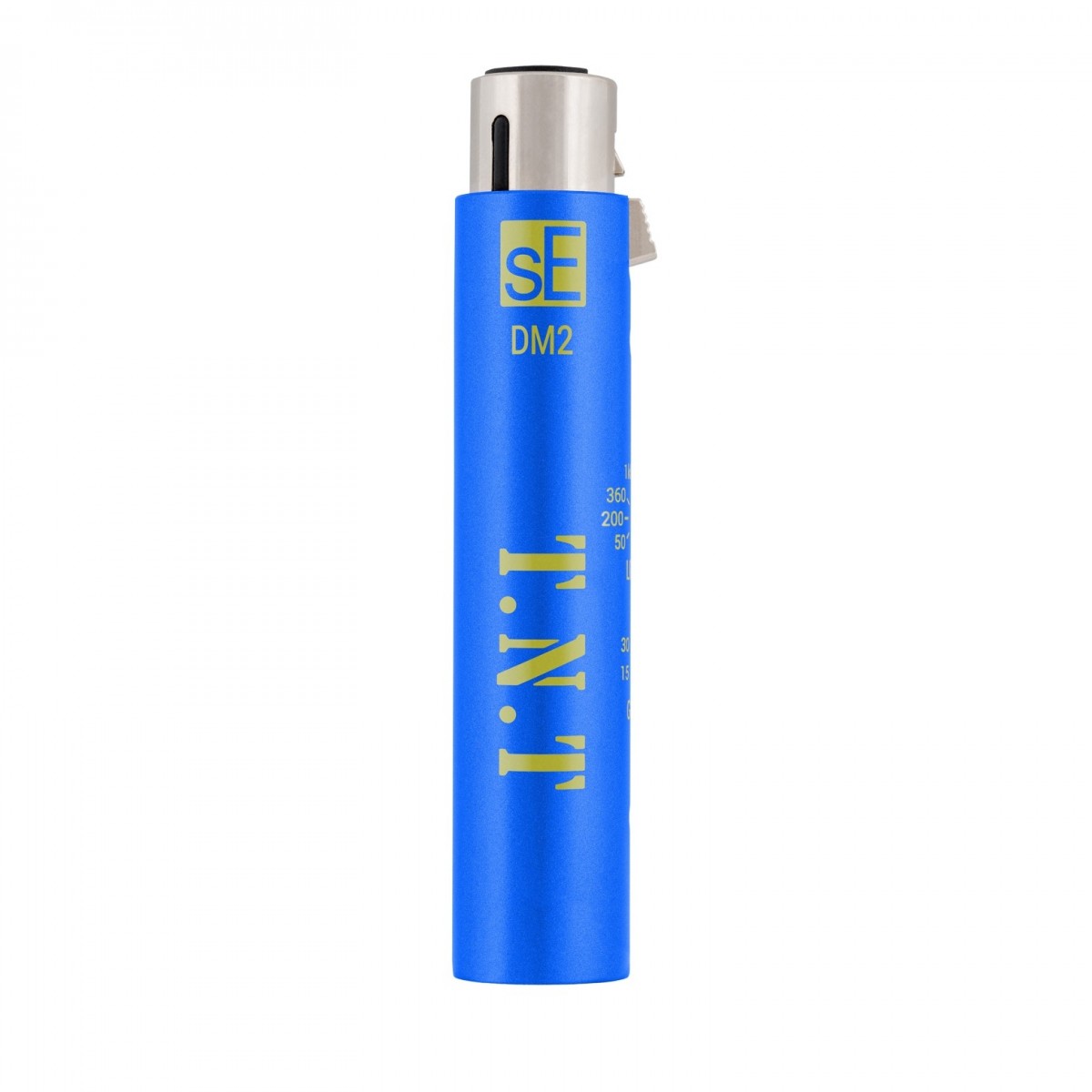
sE Electronics DM2 TNT Active Inline Preamp
 £149.00 ($189)
Boss
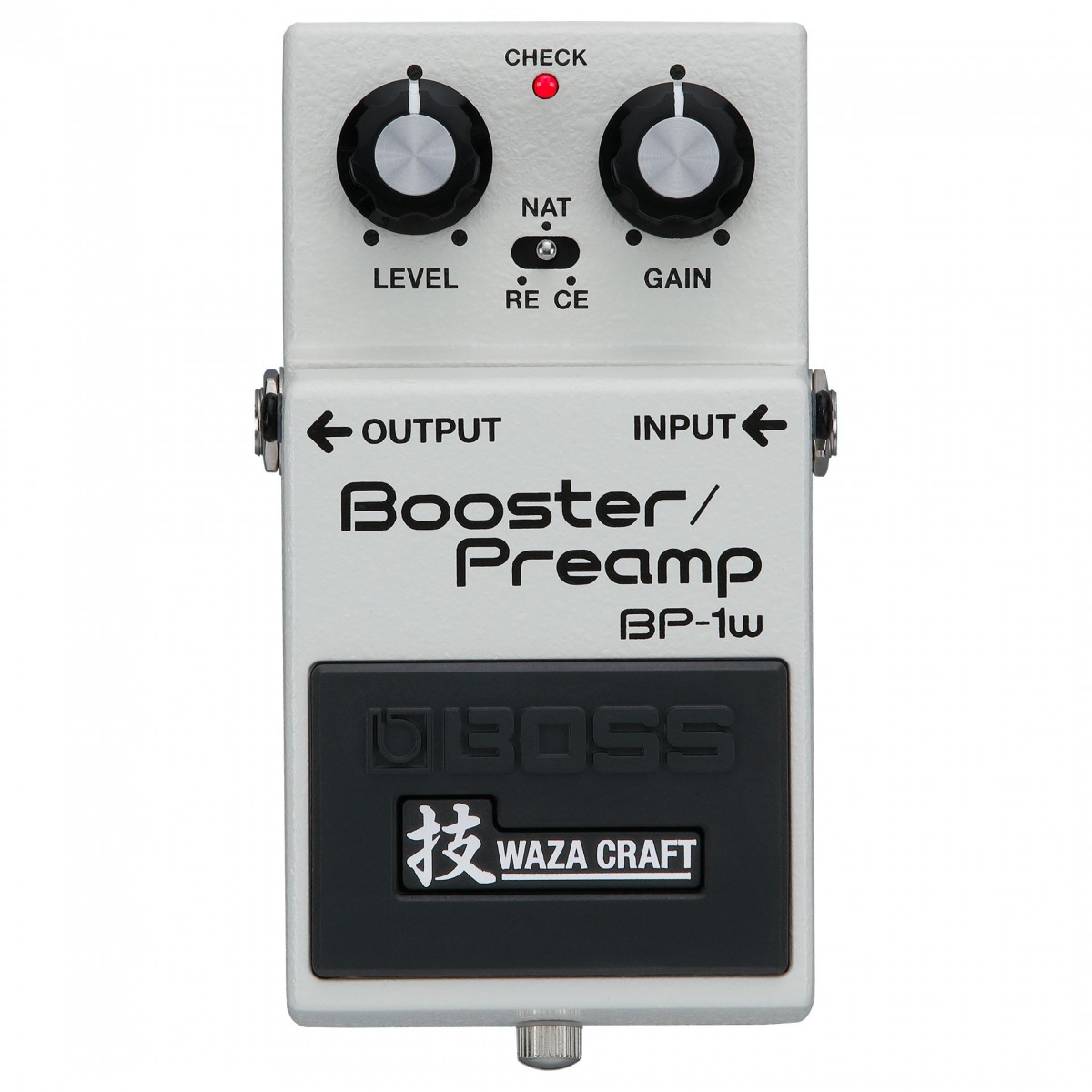
Boss BP-1W Waza Craft Booster/Preamp Pedal
Frequently asked questions
- What is the primary function of the Peavey Decade Preamp Pedal?
- It is designed to recreate the specific drive and EQ characteristics of the vintage Peavey Decade amplifier in a portable stompbox format.
- Does this pedal require a special power supply?
- No, it uses a standard 9V power input, though it converts this internally to 24V for increased headroom and dynamic response.
- What artist is most famously associated with the Peavey Decade sound?
- Josh Homme is the most notable artist associated with this equipment, having used the original amplifier as a 'secret weapon' for his signature tones.
- What controls are available for tone shaping?
- The pedal includes Pre-Gain, Post-Gain, and a three-band EQ (Low, Mid, High) for comprehensive control over the signal.
- Is the pedal true bypass?
- It features a hard bypass switch with an anti-click circuit to ensure a clean signal when the effect is disengaged without audible popping.
- What type of distortion does the Saturation channel provide?
- The Saturation channel ranges from vintage-style crunch to thick, harmonically rich distortion with a raw, punchy character.
- How does the internal 24V conversion affect the sound?
- The higher internal voltage provides a more dynamic response and feel that mimics the behavior of a full-sized amplifier.
- Can this pedal be used as a standalone distortion pedal?
- Yes, it can function as a distortion pedal or as a foundational preamp to shape the overall character of your guitar signal.
- What is the typical price for this unit?
- The typical price range for the Peavey Decade Preamp Pedal is approximately GBP 159.
- How does it compare to the original Peavey Decade amplifier?
- It is a compact recreation designed to deliver the same grit and punchy drive as the original hardware but in a pedalboard-friendly size.
- What is the benefit of the 'Post-Gain' control?
- The Post-Gain control allows you to set the output volume independently of the distortion level, making it easier to balance with your amplifier.
- Is this a tube-based preamp?
- No, it is a recreation of a solid-state circuit, focusing on the specific raw grit associated with Peavey's classic solid-state designs.